Renting a tow truck can be a valuable asset for local auto repair shops, car dealerships, property managers, resort operators, and commercial fleet operators. Whether you’re tasked with moving vehicles to your lot, handling disabled cars, or managing a fleet, understanding your tow truck rental options is crucial. Each chapter dives into vital aspects—from the types of rental options available and their costs, to legal considerations and optimal use cases, providing you with a comprehensive resource to navigate your towing needs effectively.
Renting a Tow Truck: Practical Paths to Safe Hauling and Flexible Solutions
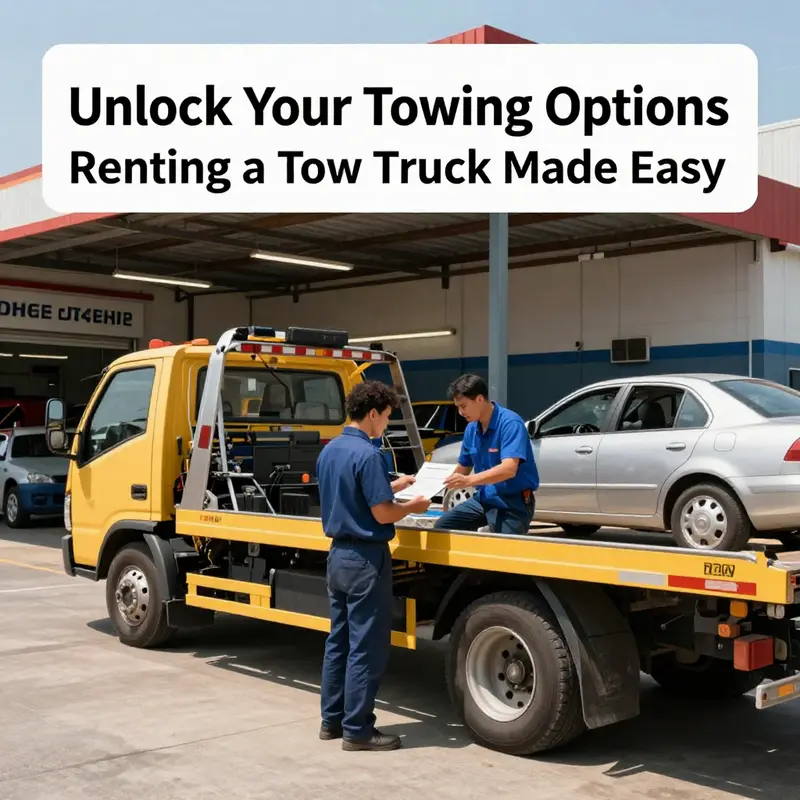
Renting a tow truck is a practical option that often sits between hiring a full roadside service and doing nothing at all. It isn’t just a matter of convenience; it can be a strategic choice for individuals tackling a local move, small businesses that need occasional recovery or transport capability, or fleets that want temporary redundancy without committing to a permanent asset. The core idea is straightforward: you gain access to a specialized vehicle with the tools and systems designed to move another vehicle safely, legally, and efficiently. Yet the details matter. The road to a successful rental starts with a clear understanding of your needs, a grasp of the different types of tow configurations available, and a realistic assessment of what it will take—logistically and financially—to complete the job without surprises. You’ll find that the landscape of rental options is wider than a single service line. Some operators offer in-town towing equipment that can be rented by the day or week, providing an affordable alternative to contract hauling. Others promote more flexible, app-enabled access to tow trucks that can align with on-demand demands. The key is to translate your specific task into a well-matched equipment choice, a precise rental term, and a plan that keeps safety and compliance at the forefront. For readers seeking practical anchors, a reliable approach begins with a careful delineation of the vehicle’s weight, the towing method that will be used, and the duration of the rental. These factors guide not only the selection of the vehicle but also the licensing, insurance, and training prerequisites that come with operating a tow truck. It is easy to underestimate how heavy the responsibilities can be when you’re behind the wheel of a machine designed to lift, winch, anchor, and transport another vehicle. The reality is that the equipment is a tool, albeit a very capable one, and like any tool, it demands respect, preparation, and a clear plan for the scenario you face. The chapter ahead threads these ideas into a cohesive guide that stays focused on practical steps, safety considerations, and smart decisions that minimize risk while maximizing efficiency.
Tow Truck Rentals Demystified: Costs, Compliance, and Practical Pathways
Tow truck rental is a specialized option that can fit project-based needs without owning a heavy recovery asset. Renting gives flexibility for limited-duration recoveries, vehicle repositioning, or site work where a dedicated tow asset is not justified.
Providers fall into three broad categories: equipment rental firms with both light and heavy duty tow trucks, specialist rental services focused on uptime and on-site support, and local towing operators offering short term or on-site arrangements. Each path has its own cost structure, service scope, and requirements for safety and insurance.
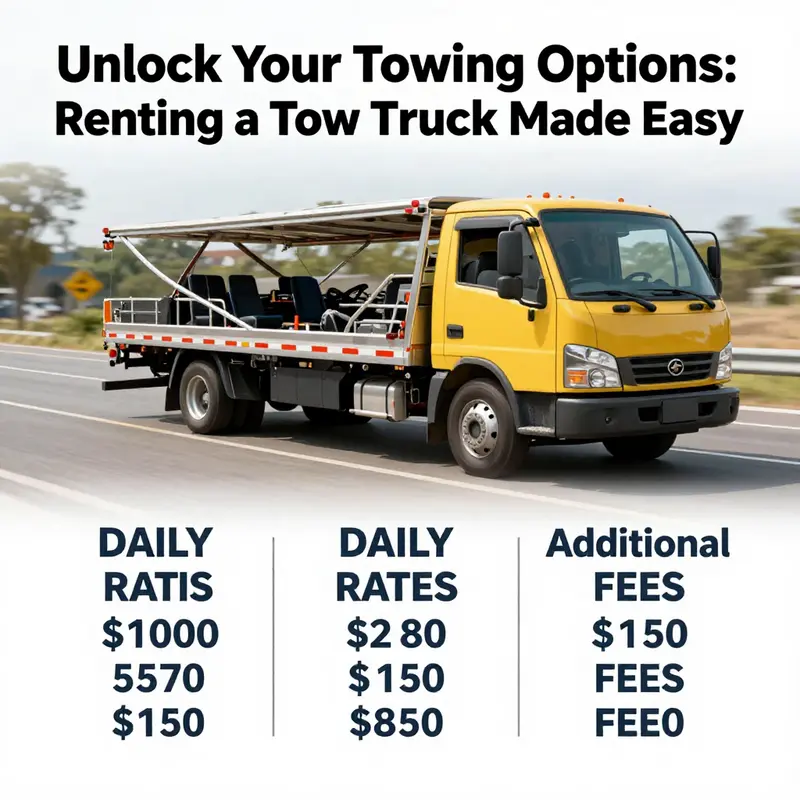
Costs vary with vehicle class and duration. Light-duty tow trucks tend to be cheaper per day than medium or heavy-duty wreckers. Daily rates often decrease with longer rentals, while add-ons such as a driver, fuel, delivery, pickup, insurance, and mileage beyond the contract limit can significantly affect total cost. Deposits or holds on payment methods are common risk controls for providers.
Compliance matters. In most places you will need a valid commercial driver’s license or higher endorsements for larger vehicles, plus the rental company may require proof of insurance and proof of operator training. Ensure the operator understands the vehicle’s controls, safety devices, and maintenance expectations before you start.
A practical decision framework helps. Start by outlining the job scope, including the weight of the load, distance, surface conditions, and whether recovery gear such as a wheel-lift or boom is needed. Map these needs to a vehicle class, then obtain written, itemized quotes that break out base rental, driver charges, fuel, delivery, insurance, mileage, and deposits. Verify qualifications and insurance for any driver and confirm who is responsible for maintenance and tire condition during the rental.
Finally, compare renting to alternatives. For short, sporadic tasks a rental can be cost-effective and convenient. For ongoing or high-demand work, a dedicated tow service or a short-term lease on lighter equipment might offer better total cost and reliability. By clearly defining needs, checking credentials, and securing transparent terms, a tow truck rental can be a practical tool in your logistics toolbox.
Tow Truck Rentals: Can You Rent One, and How to Use It Safely
Tow truck rentals exist on a spectrum. Light-duty options, such as pickup trucks with tow hitches or small car trailers, are commonly available to consumers, while full-size wreckers and heavy-duty recovery units are generally restricted to licensed operators. The key distinction is safety, licensing, insurance, and the regulatory boundaries that govern who may operate which equipment. If your goal is to move a vehicle locally or perform light towing for a personal project, consider a rental that explicitly supports towing within its stated weight limits and ensure your insurance covers the task. For vehicle recovery, roadside assistance, or anything that involves complex lifting, winching, or hazardous conditions, contact a licensed towing company rather than attempting it yourself. Always read the rental agreement thoroughly: verify tow capacity, trailer compatibility, load distribution requirements, and any add-on insurance or endorsements. When in doubt, prioritize safety and legality over convenience, and prefer professional operators for risky scenarios. Some rental platforms offer guidance resources, and staying informed about local licensing and insurance requirements helps prevent penalties and accidents. If you need ongoing information, look to reputable towing resources and industry guidance to align your expectations with what equipment can safely achieve. External reference: https://apps.apple.com/us/app/autotransporter-app/id1508762943.
Tow Truck Rentals Demystified: Practical Use, Safety Checks, and Smart Strategies for On-Demand Hauling
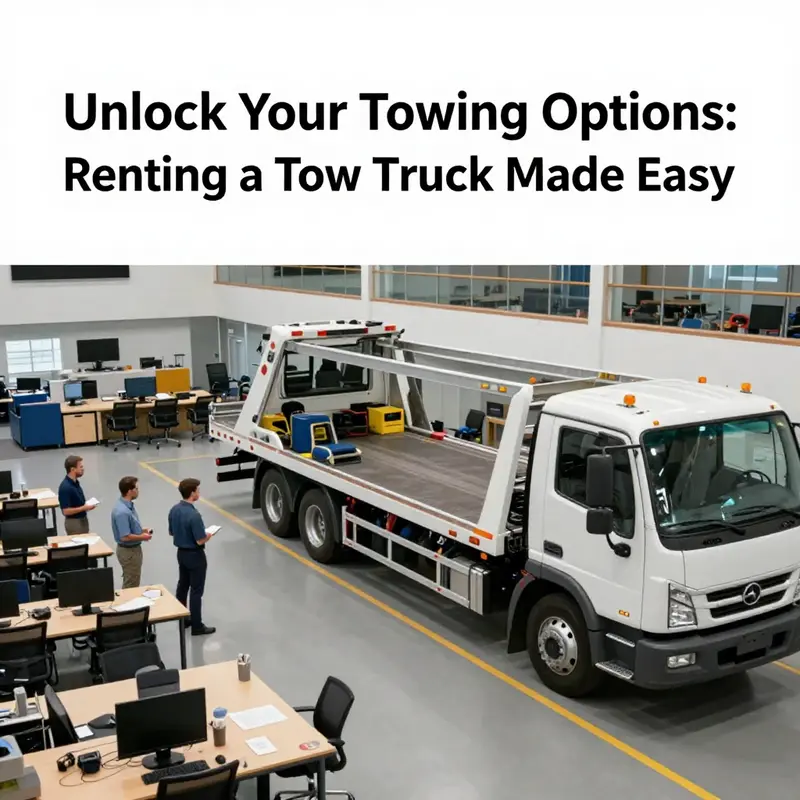
Renting a tow truck is not as common as renting a car or a moving van, but it is a practical option for certain projects and emergencies. The idea that a tow truck can only be found in tow yards or at roadside assistance calls is a misconception. With the right understanding of availability, licensing, insurance, and the limits of the vehicle, renting a tow truck becomes a viable tool for contractors moving heavy equipment, fleets recovering stranded vehicles, or organizers coordinating large outdoor events that involve bulky gear. The landscape of rental options has evolved, offering heavy-duty vehicles through specialized equipment rental agencies and select truck rental companies. This shift expands the horizon beyond the old impression of tow trucks as primarily service vehicles. It opens doors for individuals and teams who need controlled pulling power, not just a one-off service response. When you consider renting a tow truck, you are balancing the need for recovery capabilities with the practical realities of operating a vehicle that is larger, heavier, and more complex than a typical truck. The decision hinges on the specifics of the job, the terrain, and the destination, as well as on the availability of the right machine, the right operator, and the right assurances in case something goes wrong along the way. A careful approach starts with recognizing that tow trucks come in several sizes and configurations, each with its own towing capacity, winch strength, and mounting options. Heavy-duty models can haul large trailers, boats, or oversized equipment, while lighter versions may be sufficient for smaller recovery tasks or localized moving needs. The range means you must match the vehicle to the task, not just to the budget. In practice, that means asking questions about what you plan to move, how far you will travel, and what roads you will traverse. If you are relocating a project vehicle, a trailer, or a bulky piece of machinery, you will need to consider the weight distribution, hitch compatibility, and the energy required to maneuver a loaded rig through turns and streets. For event logistics, where equipment requires precise placement or removal, the choosing process emphasizes control, braking, and the stability of the tow setup in crowds or on uneven surfaces. For emergency vehicle recovery, speed and reliability become paramount; in such cases, reputable rental sources will provide machines with proven winches, robust braking systems, and the safety features that protect both the operator and the towed equipment. Renting a tow truck is most comfortable when you treat it as a task-specific tool rather than a generic vehicle. It is about matching the machine to the job, planning for the day, and honoring the safety protocols that govern heavy hauling. In this sense, the rental decision is not just about the price tag; it is about ensuring that the tow truck is the right instrument for a precise operation. If you are exploring this option for the first time, a good starting point is to consult with a reputable equipment rental agency that specializes in heavy-duty trucks and recovery gear. These agencies are more likely to understand the nuances of towing, including the winch capacity, the hitch configuration, the electrical system, and the alignment with state or provincial towing regulations. They can guide you toward a model that fits your needs, whether you require a basic recovery unit for private property or a high-capacity transport machine for long hauls. It is also valuable to recognize that the rental landscape varies by region. Some providers stock a range of vehicles that can be reserved in advance, with delivery and pickup options that reduce downtime. Others may require you to arrange for your own transportation of the equipped vehicle to and from the site. The flexibility of rental terms can be a critical factor in planning, especially when timelines are tight or the job site is remote. The practical appeal of rental options lies in the avoidance of a large capital investment for a one-time or sporadic need. Owning a tow truck comes with ongoing maintenance, compliance requirements, and depreciation, while renting allows a client to select the most suitable machine for the current job without a long-term commitment. For some operators, that fiscal flexibility translates into a more efficient workflow, clearing the way for a project to move forward without delaying a critical operation due to the absence of the right equipment. As with any controlled machine, the responsibility of using a rented tow truck rests on the operator, and the operator must bring both skill and a cautious mindset to the process. A commercial driver’s license (CDL) is frequently a prerequisite for operating the larger models, reflecting the higher level of training and licensing these vehicles require. The exact licensing requirements, however, can vary by jurisdiction and by the size and configuration of the tow truck in question. Rental companies typically provide clear guidance on licensing expectations and may require you to prove you meet their policy standards before the vehicle is released. Before you sign any agreement, take the time to confirm the company’s licensing policy, the minimum driver qualifications, and any additional waivers or endorsements they might require. The inspection of the vehicle before departure is a step that cannot be overstated. A thorough walk-around helps you identify potential issues that could lead to breakdowns or safety risks on the road. Pay close attention to the winch mechanism, the reliability of the hitch and hitch ball, the brakes, lights, tires, and the integrity of the mounting hardware. A good inspection also includes testing the winch under load, checking the electrical system for any signs of wear or corrosion, and ensuring that all safety devices are in place and functional. If you find anything that looks questionable, report it and request a different unit. A clean and well-maintained machine is not mere convenience; it is a matter of safety for you, your crew, and any cargo you are moving. Insurance coverage is another crucial piece of the renting puzzle. Given the higher stakes of towing operations, you will want to understand what the rental covers and what gaps you may need to fill. Liability coverage for the rented vehicle itself is a baseline, but you may also need cargo protection if you are transporting other vehicles, equipment, or oversized loads. Some operators offer add-ons—coverage for hull damage to the tow truck, coverage for damage to the towed load, or protection against theft or vandalism. It is wise to request written confirmation of the insurance terms and to understand how deductibles are handled in the event of a claim. In parallel, consider whether your existing commercial or personal insurance can be extended to cover the rental, or whether you should purchase supplementary protections through the rental company. A responsible rental experience also hinges on planning the route with care. Tow trucks are large and heavy, and they handle differently from standard trucks. You should chart routes that consider bridge clearances, weight limits on certain roads or even temporary restrictions that could affect your trip. Weather and road conditions can compound the challenge of maneuvering a heavy machine, so check forecasts and plan for contingencies, including alternate routes and safe places to stop for inspections, rest, or fuel. The towing capacity of the configuration you choose must be clearly understood. This is not just the label on the side of the vehicle; it is a precise specification that describes how much weight the unit can safely haul and how much the hitch and connecting components can handle in dynamic conditions. Exceeding these limits is not a risk worth taking. It can lead to mechanical failure, a serious accident, or damage to the vehicle and cargo you are responsible for. This is a good moment to reflect on the ethos of safe operation: respect the limits, understand the load distribution, and avoid improvisation when the stakes are high. In practice, that means verifying both the weight of the towed load and the weight you are permitted to pull, including the weight of passengers and any additional equipment inside the truck cab. It also means understanding how the load will be secured. Proper tie-downs, chains, and straps are essential, as is the placement of wheel chocks and the use of all safety anchors provided on the machine. You should also assess the ground conditions at the loading and unloading sites. Soft ground, slopes, or uneven surfaces can complicate hooking up and towing. If you anticipate rough terrain, you may need a unit with a more robust stabilizing system, or you may need to arrange for additional personnel to assist with safe entry and egress. The operator’s experience matters here. A trained driver who has towed on different road scenarios will be more equipped to adapt to unexpected situations, preserve stability, and avert dangerous outcomes. If you are new to towing, it is prudent to obtain instruction from the rental provider, even if only in the basics of winch operation, the safe hookup process, and the fundamental driving adjustments required when towing a heavy load. A rental should feel like a partnership where the provider stands behind the machine with you, offering guidance and support for the duration of the project. This collaborative approach aligns with best practices in emergency response planning and fleet management alike, where the objective is to maximize uptime while minimizing risk. It is also worth noting that renting a tow truck can be a strategic solution for island fleets that face seasonal demands or unpredictable weather events. In such contexts, the ability to deploy a tow service quickly, with equipment sized to the task, can be a critical component of disaster readiness and operational resilience. If this chapter is informing a larger discussion about fleet readiness, you may find it useful to explore related resources that discuss emergency response strategies for island operations and how fleets can adapt to sudden needs without committing to long-term capital investments. For readers who want a practical starting point on towing equipment rental, a thoughtful approach is to begin with a clear job brief. Describe what you plan to move, the surfaces you will encounter, and the distance to be covered. Include any constraints such as access to the site, the presence of other vehicles, or the need to operate under specific time windows. With that information in hand, an equipment rental partner can propose a configuration that aligns with your requirements. They can also advise on whether a single unit will suffice or if a combination of machines would produce a smoother workflow. In scenarios where you may need both hoisting and pulling capabilities, you might consider arranging a two-step operation: first secure and stabilize the vehicle or load, then perform the retrieval or relocation with the appropriate winching and towing setup. This approach reduces the risk of sudden shifts in weight or unexpected takedowns of the load that could occur if you attempted a complex maneuver without the proper configuration. The importance of clear communication with the rental provider cannot be overstated. A good relationship starts with transparency about your timeline, the nature of the work, and any constraints that might impact the plan. The provider can then offer insight into the best-fit equipment, the necessary licensing, and the most efficient sequence of steps to complete the job safely and on schedule. If you want to deepen your understanding of practical guidance on towing equipment rentals—the kind of guidance that helps you translate a job brief into a workable plan—you can explore one dedicated resource that compiles practical advice for fleet operations and equipment renting. The Island Tow Truck Blog offers a wealth of context and case studies that illustrate the complexities of heavy hauling and recovery work in real-world scenarios. It is a useful companion as you prepare to rent a tow truck and integrate it into broader project plans. For readers who prefer a broader, external context on how to approach rental decisions for towing pickups and related equipment, there is a referenced article that outlines practical steps, considerations, and the mindset needed to make a successful rental. This external resource provides a complementary perspective on the decision-making process, the risks involved, and the ways to safeguard against common pitfalls. As you move from concept to execution, remember that renting a tow truck is a tool for enabling precision, safety, and efficiency in hauling tasks. The right machine, operated by a trained person, with appropriate insurance and a well-planned route, can transform a challenging relocation or recovery into a well-coordinated operation. The beauty of renting, in this context, is the flexibility to scale your capability to the task at hand without the long-term commitments of ownership. It invites a disciplined approach to equipment selection, operator readiness, and risk management, all of which are essential to successful heavy lifting and secure transportation. When you are ready to dive deeper into the practical world of towing equipment rentals, consider consulting industry resources that discuss emergency readiness and fleet strategies for operations that regularly contend with demanding hauling tasks. And if your work involves island or remote locations where access and timing can complicate operations, the broader conversation about emergency preparedness for island fleets becomes especially relevant, offering insights into how rental choices fit into a larger plan for resilience and uptime. For a practical context on how to rent a pickup truck for towing—and how to balance cost, capability, and coverage—see a general guide that outlines the steps and considerations involved in acquiring a suitable light-to-mid-duty towing setup. This broader perspective helps you frame the decision within a continuum of hauling options, from light-duty car carriers to specialized recovery rigs. If you are ready to take the next step, you can begin by contacting a reputable equipment rental provider and presenting your job brief, including load details, route expectations, and any site-specific constraints. In this way, you will not only learn what is available but also gain a clear understanding of how the rental solution can be integrated into your project timeline and operational plan. The choice to rent a tow truck, when properly matched to the task and executed with due attention to licensing, safety, and insurance, can be a powerful addition to your logistical toolkit. It can enable you to move forward with confidence on projects that demand heavy lifting, precise maneuvering, and controlled movement of bulky loads. It also supports contingency planning by providing a ready-made option for vehicle recovery or equipment relocation during critical moments. If you are carrying out a scenario that involves coordinating multiple assets, you may find value in considering how a tow truck integrates with other fleet elements, such as support vehicles, recovery trailers, or portable power and lighting rigs. The ability to synchronize these elements into a coherent plan often determines the difference between a smooth operation and a costly delay. In the end, the decision to rent a tow truck should rest on the clarity of purpose, the reliability of the provider, and the readiness of the operator. When these pieces come together, you gain not only the capacity to perform high-stakes tasks but also the confidence that you can manage them safely, efficiently, and with proper regard for the surrounding environment and the people you work with. For readers seeking a concise, actionable starting point, consider the practical guidance found within the linked resource that explores how to rent a pickup truck for towing, a practical alternative when a full tow truck is not required. And for ongoing exploration of fleet emergency preparedness and essential strategies for island operations, the blog mentioned above offers ongoing insights that resonate with a thoughtful, capable approach to on-demand towing and recovery work. External reference: https://www.cbslocal.com/2025/12/10/how-to-rent-a-pickup-truck-for-towing/.
Final thoughts
Renting a tow truck can streamline your operations, enhance vehicle management, and provide a flexible solution to various towing needs. By understanding the available options, costs, legal requirements, and optimal use cases, local auto repair shops, dealerships, property managers, resort operators, and fleet operators can make informed decisions that suit their unique circumstances. As you consider your towing options, remember that the right rental choice aligns with your operational goals while meeting your budgetary constraints.