
Understanding the Tipping Culture for Tow Truck Drivers
Tipping tow truck drivers is a topic that often brings varied opinions, especially within the unique context of island communities. While driving on our scenic roads, it’s not uncommon for drivers to find themselves in distressing situations, whether it’s a flat tire or an unexpected breakdown. In these moments, the role of a tow truck driver extends far beyond mere mechanics; they provide not just services, but a lifeline during a stressful time. This deep sense of empathy for their hard work goes hand-in-hand with a growing recognition of gratuity as a way to show appreciation.
On our island, tipping practices can differ significantly from mainland customs, where a tip might be considered a mandatory aspect of service industries. Here, we cherish the idea of supporting our local workers in ways that resonate with our communal values. Tow truck drivers, with their intimate knowledge of the island’s roads and weather conditions, often go the extra mile to swiftly and safely assist those in need, making their job as important as it is demanding.
Understanding these local customs not only helps in fostering goodwill within our community but also aids in establishing an appreciated norm surrounding tipping policies specific to island life. Supporting our hardworking tow truck operators through gratuities not only acknowledges their effort, but it also strengthens the bonds within our island community. As we navigate through these encounters, we can better appreciate this culture of gratitude while ensuring that our local service providers feel valued and respected. For additional insights, feel free to explore strategies for emergency preparedness for island fleets.
Moreover, fostering a culture of appreciation goes hand in hand with learning more about the challenges and responsibilities that tow truck drivers face, which are often unique to our island environment, making it crucial for both locals and visitors to adapt accordingly. Understanding how to navigate these cultural nuances not only enhances our collective experience but also manifests in a stronger, more supportive island community.
The Role of Tow Truck Drivers: Responsibilities and Challenges
Tow truck drivers play a crucial role in ensuring that stranded motorists receive help quickly and effectively, especially in the unique environment of an island. Their responsibilities extend beyond merely towing vehicles; they are essential first responders in dire situations, working diligently to maintain road safety and assist those in need.
Key Responsibilities
- Vehicle Retrieval: Tow truck drivers respond to calls for assistance, retrieving vehicles that cannot move due to breakdowns, accidents, or other emergencies. This often involves navigating challenging terrain specific to islands.
- Safety Assurance: They ensure the safety of stranded motorists and bystanders by securing the scene, directing traffic, and providing necessary support while awaiting further assistance.
- Collaboration with Emergency Services: Tow truck drivers often work alongside police, fire departments, and emergency medical teams during crises. Their expertise in towing and recovery is vital for clearing damaged vehicles and restoring order on roads, especially after accidents or severe weather events.
- Operation of Specialized Equipment: These professionals utilize specialized towing equipment to handle a variety of situations, including heavy-duty recoveries, ensuring that vehicles are transported without further damage.
Challenges Faced
In an island-centric context, the challenges tow truck drivers face are nuanced:
- Geographic Limitations: Islands often have narrow roads, and limited access points can delay response times. During peak tourist seasons or after storms, the demand for towing services increases, making the job even more taxing.
- Weather Conditions: Unpredictable weather patterns can complicate recoveries. Heavy rains or storms can lead to hazardous driving conditions and prevent timely service delivery.
- Emotional Toll: The nature of their job can also take an emotional toll. Drivers encounter drivers who are anxious, frustrated, or distressed. Building empathy and providing reassurance is often an overlooked yet essential part of their work.
The Emotional Aspect
Tow truck drivers often find themselves as the first line of support during tough moments for motorists. They provide not only mechanical assistance but also a calming presence in stressful situations. This aspect of their job fosters a deep connection with the community, as they are seen as reliable saviors in times of need. Stranded motorists are typically grateful for their assistance, creating opportunities for drivers to feel valued and appreciated in their roles.
In summary, the contributions of tow truck drivers go beyond the physical act of towing. Their responsibilities encompass road safety, vehicle recovery, and emotional support, making them indispensable members of the community. Learn more about emergency preparedness for island fleets.
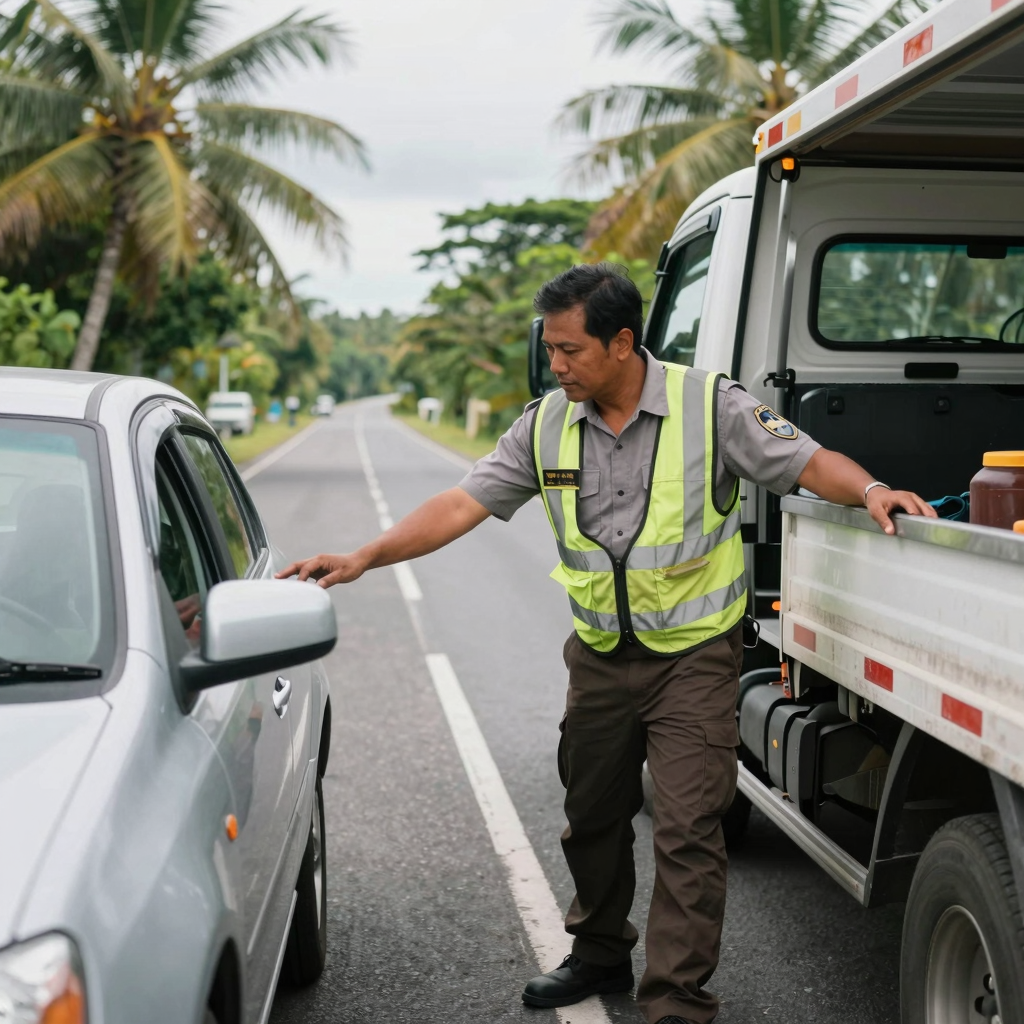
Comparing Tipping Practices for Tow Truck Drivers by Region
Understanding the varying practices and expectations for tipping tow truck drivers across different regions can help you navigate this often confusing etiquette. Here’s a comparative overview:
| Region | Typical Tipping Amount | Special Considerations |
|---|---|---|
| Mainland (Urban Areas) | $20 – $30 | Higher due to cost of living; expected for quick service. |
| Mainland (Rural Areas) | $10 – $20 | Sufficient unless service was exceptional. |
| Local Islands | $15 – $25 | Appreciated but not always required; consider service quality. |
| California/Massachusetts | Cash tips may be discouraged; consider service upgrades instead. | |
| Long Distance Tows | $25 – $50 | Often warranted for difficult conditions or long distances. |
Special Notes:
- In urban areas, due to high living costs and competitive service, tipping can be higher.
- In rural areas, tipping on the lower side is more common and often well-received if the service is good.
- Laws in some states may restrict cash tipping, so alternative ways can be effective to show appreciation.
For more insights about mobile towing and managing roadside emergencies, learn more about emergency preparedness for island fleets.
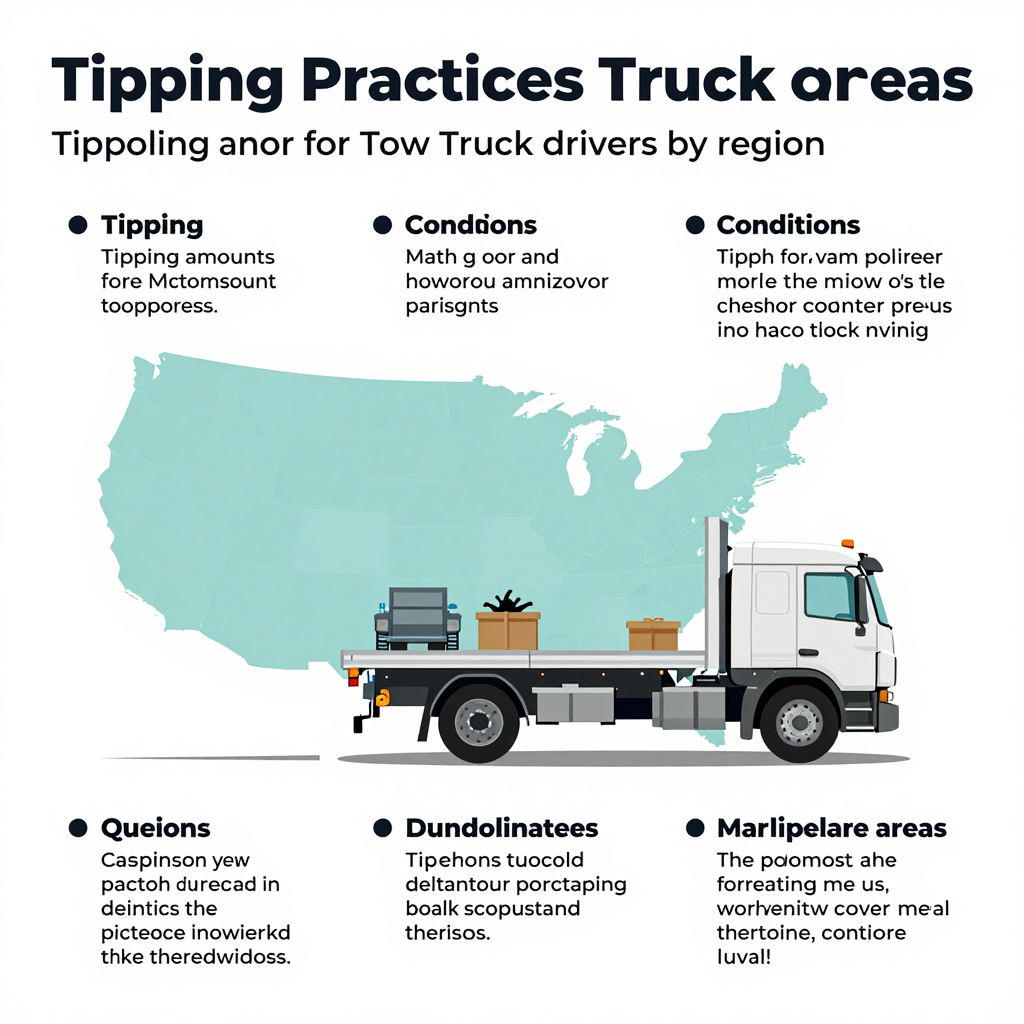
An infographic illustrating the tipping practices across different regions.
Understanding Tipping Customs in Island Communities
Tipping practices can vary significantly across the diverse island communities, and these variations are influenced by cultural factors, economic conditions, and particularly by the seasonality of tourism. In many island settings, tipping is viewed through a unique cultural lens that shapes local expectations and norms.
Tipping Variations by Island
-
Caribbean Islands: In regions like the Caribbean, tipping can be a complex affair. Tourists often tip for services that locals might not generally expect. For example, tow truck drivers may find themselves in a delicate position as they cater to visitors who may feel inclined to offer a tip based on mainland norms while locals may see it as unnecessary. This discrepancy can lead to uncomfortable interactions. The Journal of Hospitality and Tourism Research states that these practices can strain relationships as locals and tourists navigate differing expectations.
-
Hawaiian Islands: Hawaii is similar to the Caribbean, where service is seen inherently as part of the job, leading to a more complex dynamic regarding tipping. Locals might not expect tips from their fellow residents, but visitors from the mainland might feel that gratuity is obligatory, especially during emergency services like towing. According to the 2023 UNWTO report, it is crucial for tourists to understand local customs to avoid cultural friction that could stem from misinterpretations of service expectations.
Influence of Tourism Industry
-
The tourism industry plays a pivotal role in shaping these customs. During peak seasons, when island communities are swamped with visitors, service workers-including tow truck drivers-may expect tips as a vital source of supplementary income. Seasonal visitors might bring different expectations and behaviors, reflecting their own home cultures. In contrast, locals, often used to being part of the service industry, may feel tips undermine the intrinsic value of their work.
-
Economic disparity can also exacerbate these cultural tensions, where service workers are often underpaid yet their roles are critical in a tourist economy. Misguided assumptions about tipping can lead to misunderstandings, further putting a strain on community interactions. A study on cultural sensitivity in tourism stresses that awareness of local norms before traveling can enhance mutual respect and support between visitors and residents.
Conclusion
As with any cultural practice, understanding the tipping norms in different island communities requires both awareness and sensitivity. Tow truck drivers and other essential service personnel often navigate a challenging landscape shaped by both local cultures and the expectations of seasonal tourists.
For more insights on improving respectful interactions during your travels to island communities, consider reviewing our resources on emergency preparedness and fleet safety strategies.
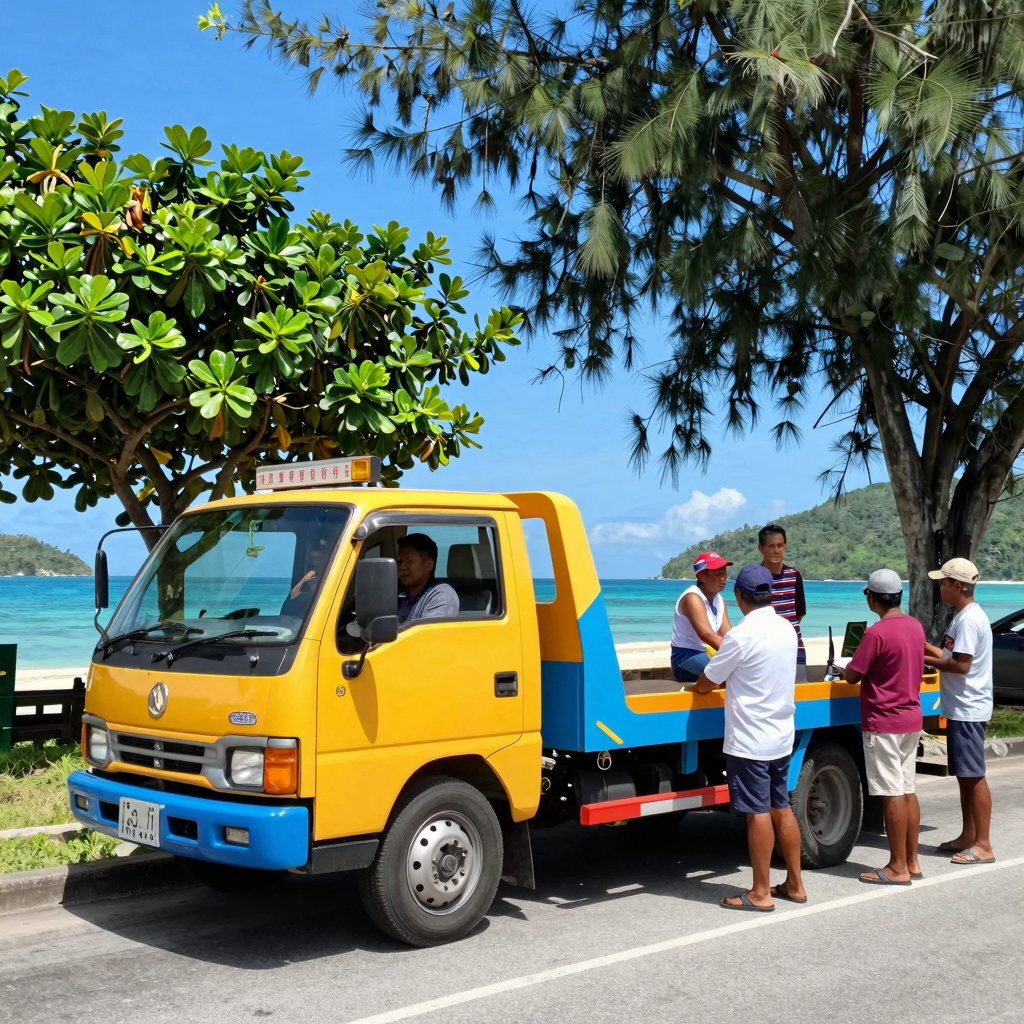
Reasons to Tip Tow Truck Drivers
Tipping tow truck drivers might seem like a trivial topic, but it carries significant weight in recognizing the challenging and often dangerous nature of their work. Here are some compelling reasons why showing appreciation through tipping matters:
1. Acknowledging the Nature of Their Work
Tow truck drivers operate in some of the most high-pressure and hazardous environments. They are often called to assist clients stranded on busy highways or in the aftermath of accidents, where conditions can be precarious. According to the National Highway Traffic Safety Administration, tow truck operators face a higher risk of accidents in their line of work, making their role crucial for public safety. Tipping acknowledges their professionalism and dedication during these stressful situations.
2. Long and Irregular Hours
Many tow truck drivers work irregular hours, including nights, weekends, and holidays. The nature of emergency towing means they must respond quickly and efficiently at all hours, often with little notice. The time and effort spent not only maintaining their vehicles but also ensuring they are ready to assist at a moment’s notice is extensive. A tip can serve as an appreciation for the sacrifices made by these professionals and can significantly impact their day.
3. Recognition of Service Quality
Exceptional service can sometimes entail going beyond the standard expectations, such as helping customers with non-towing related tasks like jump-starting a battery or providing timely advice on vehicle care. When drivers go the extra mile, tipping acts as a form of recognition for their service quality. In 2025, a report from the American Automobile Association indicated that over 60% of customers felt compelled to tip when their driver provided exceptional service. Showing your gratitude through tips can foster a positive relationship between the driver and their clientele.
4. Building Community Support
For businesses like local auto repair shops, car dealerships, or property management companies, fostering strong community ties is vital. When customers choose to tip, it creates a ripple effect of goodwill within the community. It highlights a culture of appreciation and support, which benefits everyone, including local businesses. Your approachability and willingness to show appreciation can strengthen local networks and build loyalty not just among drivers but across the community as a whole.
5. An Empathetic Gesture
Ultimately, tipping is not just about the monetary value; it represents empathy and understanding of the challenges faced by service workers. Showing appreciation for someone who may have had a rough day or who is working in difficult conditions can create a positive atmosphere. For property managers and resort operators, this genuine consideration contributes to a harmonious environment, making it essential to encourage the practice of tipping for tow truck drivers.
Conclusion
In conclusion, tipping tow truck drivers is more than just a courtesy-it is an important acknowledgment of their hard work, dedication, and the risks they take every day. Whether you’re a local business working with them or an individual in need of their services, recognizing these efforts through a small tip can lead to greater community connections and support. If you’re interested in understanding more emergency preparedness strategies involving the roadside assistance sector, consider checking out our article on emergency preparedness for island fleets.
Best Practices for Tipping Tow Truck Drivers
Tipping tow truck drivers is not only a way to show gratitude for their service but also a gesture of respect for the often challenging nature of their work. Here are some best practices for tipping tow truck drivers that can guide you in this process:
-
Understand the Standard Tip Amount: A typical gratuity for a tow truck driver ranges from $10 to $20 for standard service. This amount may vary depending on the complexity and conditions of the service provided. If it’s a minor call, a tip of $10 is appropriate; for a more involved service, tipping $20 is common.
-
Consider the Circumstances: The amount and appropriateness of a tip can also depend on certain circumstances:
-
If you’re getting assistance during nighttime or in adverse weather conditions (like rain or snow), consider increasing your tip to $25 to $50 as a recognition of the extra risk and difficulty involved.
-
For long-distance tows or particularly challenging situations (such as towing from tricky locations), it may also warrant a higher tip within that range.
-
Be Respectful and Gracious: When offering a tip, do so respectfully. Politely thank the driver for their help and hand them the cash directly (or include it in their payment method if applicable). A heartfelt acknowledgment of their effort can mean as much as the monetary tip itself.
-
Use Cash: Although some companies allow tips to be included on credit card transactions, cash is often preferable. This ensures that the driver receives the full amount without deductions that may occur with credit card processing fees.
-
Evaluate the Quality of Service: Your tip should reflect the quality of service received. If the driver went above and beyond – whether by providing extra assistance, demonstrating knowledge, or being especially courteous – consider tipping on the higher end of the scale or even more.
-
Local Customs: Tipping practices can vary based on location. On islands, like ours, where community and interpersonal relationships count, showing appreciation for a service may also include community acknowledgment. If you frequent local services, your tipping practices can influence ongoing relationships.
By following these best practices, you can ensure that you are both respectful and appreciative of the critical services provided by tow truck drivers. For further tips on emergency preparedness and roadside assistance, check out this article or learn more about effective roadside assistance strategies.
“According to AAA, tipping tow truck drivers is not only a gesture of appreciation but also a reflection of community values centered on respect and recognition for hard work. While not legally required, a tip of $5-$10 is considered standard for basic service, and up to 15% for complex or difficult jobs. Small gratuities help reinforce positive community relationships and acknowledge the professionalism of the drivers.”
Conclusion
In this article, we explored the essential role tow truck drivers play in our communities and the considerations surrounding tipping for their services. While tipping is not mandatory, it serves as a meaningful way to express appreciation for the challenges these professionals face. Tow truck drivers often work long hours, often in adverse weather conditions, and deal with the stress of roadside emergencies, making their jobs more demanding than many realize. By acknowledging their hard work with a tip, even if small, we contribute to a culture of respect and community spirit.
The importance of tipping extends beyond a simple financial gesture; it reinforces the bond of gratitude between service providers and those they assist. As supported by recommendations from organizations like AAA and NHTSA, showing appreciation fosters trust, boosts morale, and encourages timely service. For instance, communities that actively recognize the efforts of tow truck operators tend to experience better cooperation and engagement, which can lead to enhanced safety and efficiency on our roads.
As you navigate your interactions with tow truck drivers, think about how your tipping practices reflect your values of appreciation and support. A tip of $5 to $20 is generally viewed as appropriate, especially for exceptional service during trying conditions. By considering the wider implications of your actions, you can help nurture a community that respects and values all working for our safety and well-being. For those interested in delving deeper into fostering community spirit, be sure to check how appreciation strengthens local infrastructure and explore essential emergency response strategies that ensure everyone is prepared during roadside emergencies.
Ultimately, it’s not just about the act of tipping but about cultivating a culture of gratitude and support for those who provide us with vital services.
Elevate Your Riding Experience with Summit Fairings
When it comes to riding, every moment counts, and personalization can make a world of difference. At Summit Fairings, we believe that your motorcycle should reflect not only your style but also your passion for the open road.
Imagine cruising down the highway, the wind in your hair, riding a bike that is uniquely yours. Our customizable fairings not only enhance the aesthetic appeal of your motorcycle but also improve performance and comfort. By tailoring your bike with Summit Fairings, you are investing in a riding experience that is thoughtful, intentional, and perfectly suited to your preferences.
Why Customize?
- Personal Reflection: Custom fairings allow you to express your individuality, ensuring your bike stands out in the crowd.
- Enhanced Comfort: Specialized designs can improve aerodynamics, offering a smoother and more enjoyable ride.
- Improved Performance: Well-designed fairings can contribute to better fuel efficiency and stability, giving you confidence in every turn.
Don’t settle for a cookie-cutter ride. Explore our range of customizable options and take the first step towards elevating your motorcycle experience. When you ride with Summit Fairings, you’re not just riding; you’re making a statement every mile of the journey. Make it yours today!