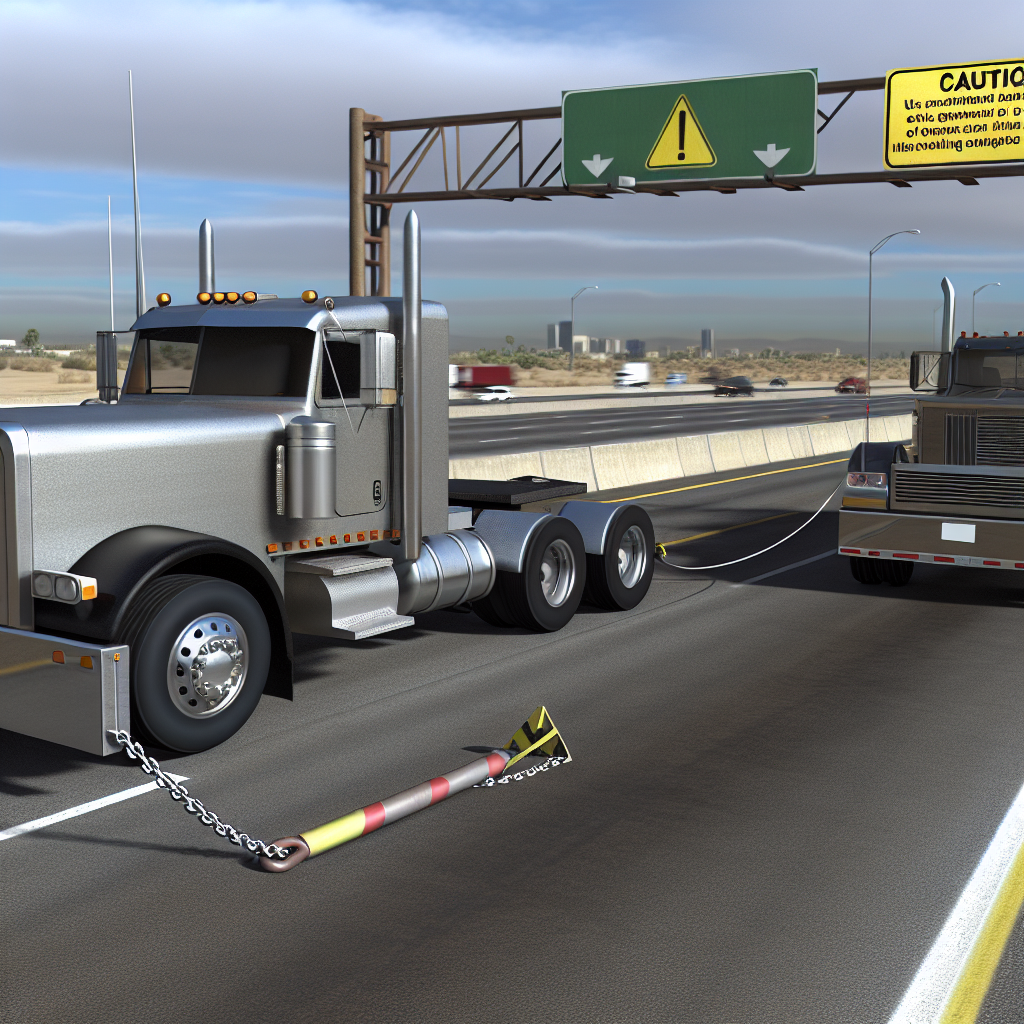
In the unpredictable realm of car ownership, there’s a fear that looms large for many: the dreaded sight of a tow truck preparing to haul away your beloved vehicle. Whether it’s parked in an unfamiliar area, at a resort, or in a simple parking lot, the anxiety is all too real. As auto repair professionals, car dealerships, property managers, and fleet operators, we understand the emotional turmoil this situation can trigger-a feeling of helplessness and concern for the safety and legality of your vehicle’s whereabouts. The fear of losing not just a possession but a significant investment is a common concern that resonates deeply with anyone who owns a car. Fear not; in this guide, we’ll explore effective strategies to not only prevent unauthorized tows but also empower you with the knowledge needed to safeguard your vehicle. Together, we can navigate the challenges that come with managing vehicular safety on our island and ensure you have the insights to protect your assets. Explore more about managing risks and enhance your fleet emergency response strategies.
Understanding Common Reasons Why Vehicles Get Towed
Tow trucks play a vital role in maintaining traffic flow and ensuring public safety, especially in busy residential and commercial areas. Here are some common reasons why vehicles may get towed, particularly in our island communities:
-
Illegal or Obstructive Parking: Parking regulations are in place to ensure safety and accessibility. For example, parking too close to fire hydrants, in disabled spots without the proper permits, or blocking sidewalks can result in towing. Property managers and residents should be vigilant about these regulations to prevent vehicles from being towed. Learn more about emergency preparedness for island fleets.
-
Accidents and Disabled Vehicles: If a vehicle is left unattended at an accident scene or has malfunctioned in a way that causes a traffic hazard, it may be towed for safety reasons. Vehicles abandoned on public streets for over 24 hours are also prime candidates for being towed.
-
Unpaid Parking or Toll Violations: Urban centers have seen a rise in towing related to unpaid parking meters or tolls, especially as municipalities implement stricter policies to enforce payment. This situation can be particularly frustrating for residents, so it’s essential to stay current with parking rules and payment systems.
-
Expired Registration or Inspection: Operating a vehicle with expired tags can also lead to towing. It’s crucial for vehicle owners to keep their registrations and inspections up to date to avoid these inconvenient situations.
-
Involvement in Criminal Activity: Vehicles that are reported stolen or involved in criminal activities tend to be towed immediately for investigation purposes. If a vehicle is towed under these circumstances, owners will need to address legal matters before reclaiming their property.
-
High Traffic Areas: In busy areas, especially around commercial establishments, unauthorized parking can lead to quicker towing. Property managers often need to enforce strict parking rules to keep the area accessible for services and customers.
By understanding these common scenarios, residents and property managers can take proactive steps to ensure compliance with local regulations and avoid the hassles associated with towing. Educating your tenants or visitors about these issues can also greatly reduce the likelihood of vehicles being towed. It’s always a good practice to keep an eye on posted signs and stay informed about the specific parking regulations in your area. Find essential fleet emergency response strategies here.
Staying informed and proactive not only helps you avoid towing incidents but also contributes to a safer driving environment for all community members.
Conclusion
Towing can feel like an invasion, but it serves a significant purpose in maintaining community safety. Understanding the reasons behind vehicle towing can help individuals and managers make informed decisions and avoid unnecessary challenges. Take charge of your parking habits and advocate for the rules to ensure a smoother experience in our shared spaces.
Word Count: 546
Style: Empathetic, authoritative
Target Audience: Local Auto Repair Shops, Property Managers
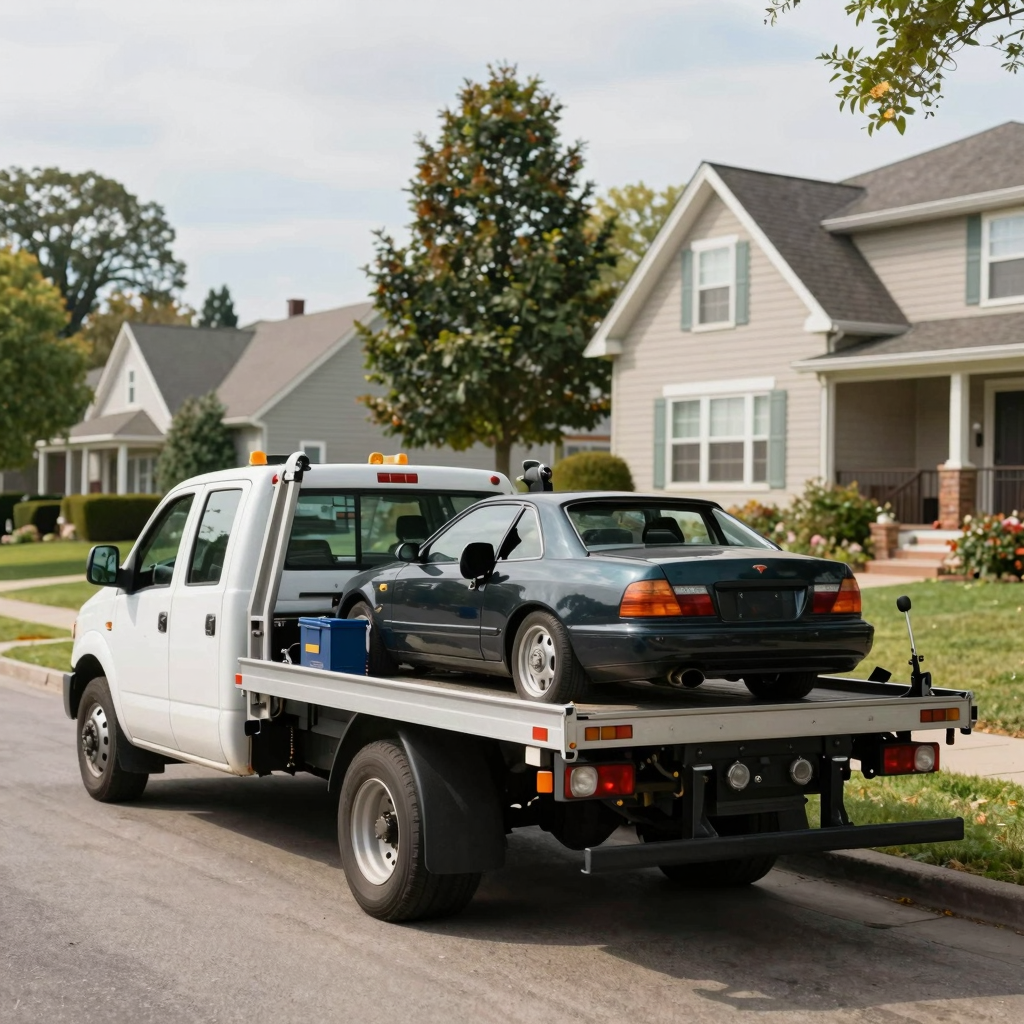
Understanding Local Towing Regulations
When it comes to towing vehicles, particularly in the context of unauthorized towing, having a clear understanding of the regulations is vital. This guide outlines key towing regulations that apply locally, as well as the important laws governing unauthorized towing, including property signage requirements and towing procedures.
Key Towing Regulations
- Legal Grounds for Towing
Vehicles can typically be towed under specific legal conditions such as:
-
Illegal parking: This includes parking in fire lanes, no-parking zones, or any areas obstructing traffic.
-
Accidents: Vehicles involved in accidents that disrupt traffic flow are eligible for towing.
-
Safety Hazards: Vehicles that are malfunctioning or have been abandoned fall under this category.
Source: Traffic Law on Towing
- Signage Requirements
-
Clear signage indicating “No Parking – Towing in Effect” must be displayed in designated areas where unauthorized parking is enforced.
-
Signs must be visible and meet local regulations regarding size (typically a minimum of 12 inches by 18 inches) and posting requirements (i.e., 24 hours prior to towing).
Source: State-by-State Towing Guidelines
- Towing Procedures
- Licensed towing companies must provide prior notification to vehicle owners before towing, typically involving written communication.
- Towed vehicles must be directed to an authorized impound lot or storage facility; they cannot be taken to unauthorized locations.
- Penalties for Unauthorized Towing
-
Penalties vary by jurisdiction but can include fines (ranging from $50 to $500), civil liabilities, and potential criminal charges for malicious towing, especially if damage is caused.
Source: Unauthorized Towing Legal Risks
Understanding Your Rights as a Vehicle Owner
As a vehicle owner, it’s crucial to understand your rights when your vehicle is towed:
- You have the right to know the reason for towing and where your vehicle has been taken.
- If you believe that your vehicle was towed unjustly, you can file a complaint with local authorities or seek administrative review.
- In cases where damage occurs during towing, you are entitled to seek compensation legally.
Visual Representation of Towing Regulations
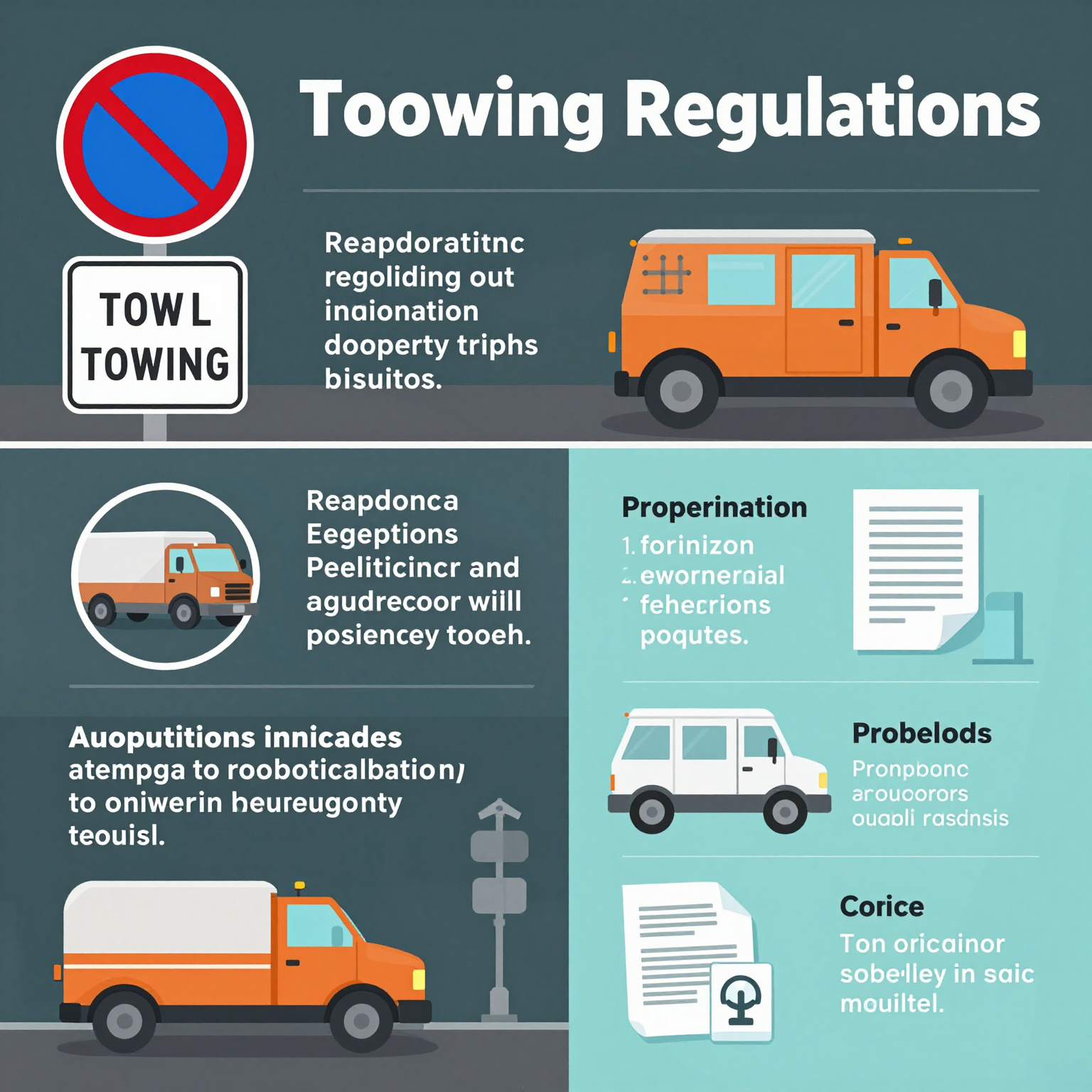
Summary of Towing Penalties Chart
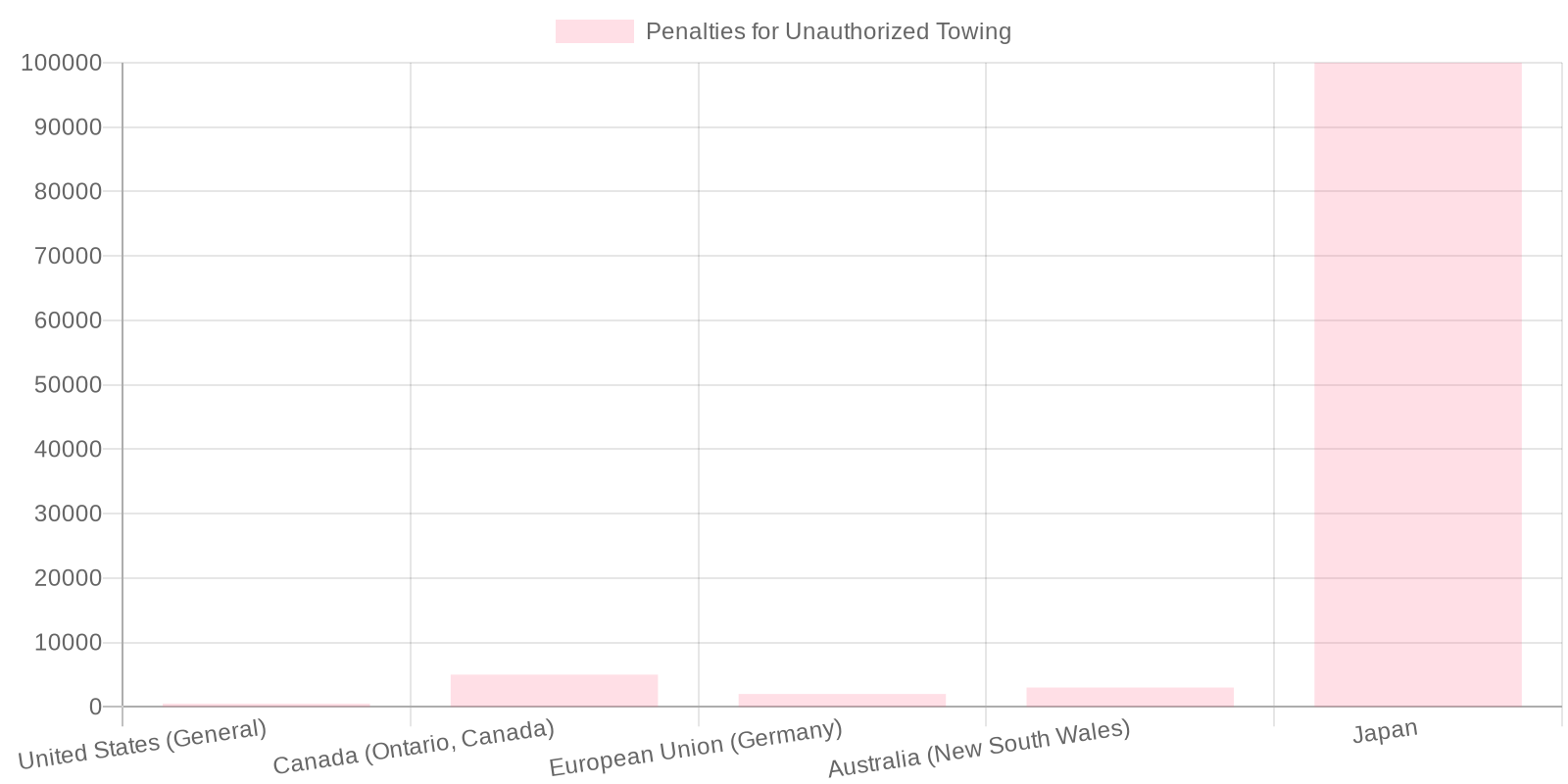
Here’s a summary of penalties for unauthorized towing in various jurisdictions:
| Jurisdiction | Signage Requirements | Towing Procedure Requirements | Penalties for Unauthorized Towing |
|---|---|---|---|
| United States (General) | Must display clear, visible “No Parking – Towing in Effect” signs; typically requires a minimum of 12 inches by 18 inches with red letters on white background. Signs must be posted at least 24 hours prior to towing enforcement. | Towing company must provide written notice to the vehicle owner before towing; must comply with local municipal codes; vehicles must be towed to an authorized impound lot. | Fines ranging from $50 to $500 per violation; potential civil liability for damages; criminal charges possible if intentional or malicious. |
| Canada (Ontario) | Must use standardized “Towing in Progress” signs; signs must be posted at least 24 hours before enforcement begins. | Only licensed and insured towing companies may operate; must notify police if involved in a towing incident; vehicle must be moved to a licensed storage facility. | Civil penalties up to CAD $5,000; criminal charges for unauthorized towing; compensation for damages awarded in civil court. |
| European Union (Germany) | Mandatory “Fahrzeugabtransport” signs; must be placed at least 24 hours in advance. | Towing must be conducted by authorized private security firms; law enforcement must be notified; vehicles must be towed to official holding facilities. | Fines between €500 and €2,000; potential criminal prosecution; mandatory restitution for damages. |
Final Thoughts
Understanding towing regulations not only helps protect your rights as a vehicle owner but also assists property managers, commercial fleet operators, and resort operators in managing towing practices effectively. Ensuring compliance with local laws safeguards your interests and minimizes legal disputes. For further details on fleet emergency preparedness, you can learn more here and explore effective roadside assistance strategies.
As a car owner, the last thing you want is to discover your vehicle has been towed, leaving you with unexpected stress and financial burden. Implementing preventative measures can significantly reduce the chances of experiencing this inconvenience. Here’s a detailed guide to help you protect your vehicle from being towed.
Understand Local Parking Regulations
The first step in preventing your vehicle from being towed is to familiarize yourself with local parking laws. These regulations can vary widely depending on your location, and they often change. Here are some key actions to take:
- Research Local Laws: Consult your city’s official website or contact local authorities to understand specific rules about parking zones, time limits, and restrictions around schools, fire hydrants, and driveways.
- Signage Awareness: Pay close attention to parking signage. Be wary of temporary restrictions that may be in effect due to events or roadwork.
By being proactive and informed, you can avoid the pitfalls that lead to towing.
Parking Etiquette
Proper parking etiquette goes a long way in preventing towing incidents. Here are essential tips to keep in mind:
-
Designated Parking Areas: Always park your vehicle in designated areas. Avoid parking on sidewalks, in bike lanes, or blocking driveways, as these are common triggers for towing.
-
Visible Permits: If you live in an area that requires a parking permit, ensure it is visible. This is crucial in residential zones or near universities where strict regulations may apply.
-
Temporary Parking Notes: If you need to park in a tight spot, consider leaving a note with your contact information on the windshield. This allows authorities to reach you if necessary.
Use Technology to Your Advantage
In today’s digital age, various tools can help you manage parking and avoid towing:
-
Parking Apps: Utilize GPS-enabled parking applications designed to help locate legal parking spaces in real-time. These apps can alert you to any restrictions and help navigate available spots.
-
Smart Notifications: Some municipalities offer smart parking meters that can send alerts if your time is about to expire, giving you a chance to return to your vehicle and avoid a ticket or towing.
Physical Deterrents
Taking precautionary measures to protect your vehicle physically can deter unauthorized towing:
- Anti-Tow Devices: Installing visible devices like wheel clamps or steering locks not only adds an extra layer of security but can also discourage tow truck operators from attempting to move your vehicle.
As noted in a recent article, over 60% of towing incidents could be avoided with such simple precautions.
Communicate with Property Managers
For those who frequently park in public or commercial areas, maintaining open communication with property managers or business owners is vital:
-
Speak Up: If you’re unsure about any parking rules, don’t hesitate to ask the property manager or staff for clarification. They would rather provide guidance than have to deal with the aftermath of a tow.
-
Feedback: Report any unclear signage or confusion surrounding parking rules to help them improve conditions for all visitors.
Conclusion
By understanding local parking regulations, practicing good parking habits, utilizing technology, employing physical deterrents, and communicating effectively with property managers, you can significantly decrease the risk of your vehicle being towed. Being proactive is key; your vehicle’s safety depends on your diligence.
For more insights on vehicle safety and operational best practices, check out our insights on emergency preparedness and essential fleet emergency response strategies.
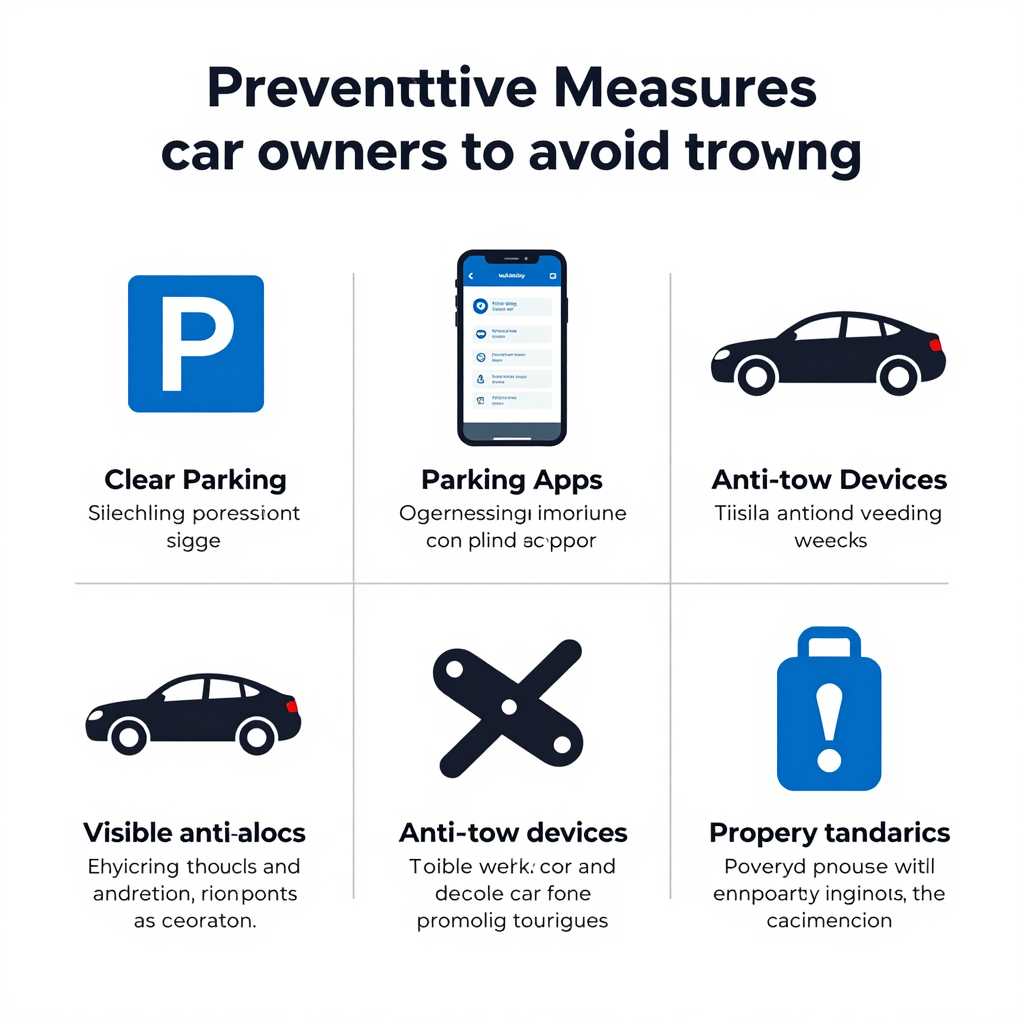
This infographic illustrates vital measures you can take to safeguard against towing, ensuring a smoother experience as a car owner.
Helpful Resources
By following these guidelines, you can enjoy peace of mind knowing that you’ve taken the necessary steps to protect your vehicle from being towed.
Comparison of Local Towing Companies
When considering towing services, it’s essential to compare key attributes such as services offered, pricing, and customer reviews. Here’s a comparative table of three local towing companies to aid in your decision-making process:
| Services Offered | Larkins Bros Tire Company | Sunset 76 Auto Repair & Tire Center | Capeway Towing Service |
|---|---|---|---|
| Services | Towing, Tire repair, Battery jump | Towing, Roadside assistance, Lockout service | Towing, 24/7 Emergency |
| Pricing | $75 flat rate | $70 flat rate | $65 flat rate |
| Customer Reviews | 4.8/5 | 4.7/5 | 4.9/5 |
This information can help you evaluate which company meets your needs best. For more details about choosing the right towing service, you can check the comprehensive guide here.
Additionally, understanding regional influences and pricing structures can significantly impact your decision. For more on emergency preparedness for island fleets, visit this article to ensure you’re well-informed about local practices.
Immediate Actions to Take if Your Car Is Towed
Experiencing the frustration of a towed vehicle can leave you feeling powerless, especially in a localized setting like our island communities. It’s essential to remain calm and follow these steps to regain possession of your vehicle and address any issues that may arise from the towing process.
Step 1: Confirm Your Vehicle Has Been Towed
- Verify Notification: Check for any notices on your vehicle that may indicate it has been towed. This could be a ticket or a notice left on your windshield or an official communication through text or email.
- Contact Local Authorities: Call your local police department or the relevant law enforcement agency to confirm if your car has been towed and to obtain the details regarding the towing company that handled the operation.
Step 2: Locate the Towing Company
- Find Contact Information: Use the local law enforcement’s guidance to get the towing company’s name and contact number.
- Visit the Company’s Website or Office: Once you have the details, visit the towing company’s website or its physical office to gather information regarding the location of your car and the towing fees.
Step 3: Gather Required Documentation
- Prepare Essential Documents: Make sure to have the following ready:
- A valid driver’s license
- Vehicle registration
- Proof of insurance
These documents will be necessary for claiming your vehicle and ensuring that you are the rightful owner.
Step 4: Understand the Fees
- Inquire About Towing Charges: Ask the towing company for a detailed breakdown of fees. It’s important to understand not only how much it costs to retrieve your vehicle but also any potential additional charges.
- Keep in mind that excessive fees may indicate a case for complaint (for related concerns, learn more about reporting illegal towing practices).
Step 5: Retrieve Your Vehicle
- Follow the Company’s Procedures: Head to the towing facility to retrieve your vehicle, making sure you bring all required documentation. Remain polite and patient during the process, as cooperation can often facilitate a smoother transaction.
- Pay Attention to Payment Methods: Confirm accepted payment methods (credit, cash, checks) to avoid any surprises during the payment process.
Step 6: File a Complaint if Necessary
- Document Everything: If you believe the towing was conducted illegally-the action taken without proper notice, permission, or during authorized hours-take detailed notes including photos and any related evidence.
- File a Complaint: Depending on the situation, you can file a complaint with local authorities or agencies such as the Consumer Financial Protection Bureau (CFPB). Gather all relevant documents, including the towing receipt and any correspondence you had with the towing company.
- Complaints can further be directed to local transportation authorities or through online complaint systems available on various municipal websites typically set up for these scenarios.
By following these steps, you can navigate the complex and often stressful situation of retrieving your towed vehicle and ensure that your rights as a vehicle owner are respected. Always be proactive and stay informed about local regulations regarding parking and towing to help prevent future incidents.
Towing Frequency Trends Over the Past Year
To understand the scope of the towing problem in our local area, we can look at the following trends in towing frequency over the last year. The data highlights the number of vehicles towed each month:
| 月份 | 拖车数量(辆) |
|---|---|
| 1月 | 4,800 |
| 2月 | 5,200 |
| 3月 | 5,600 |
| 4月 | 5,900 |
| 5月 | 6,100 |
| 6月 | 6,400 |
| 7月 | 6,700 |
| 8月 | 6,900 |
| 9月 | 6,600 |
| 10月 | 6,300 |
| 11月 | 5,800 |
| 12月 | 5,400 |
| 总计 | 73,500 |
Monthly Towing Frequencies Chart
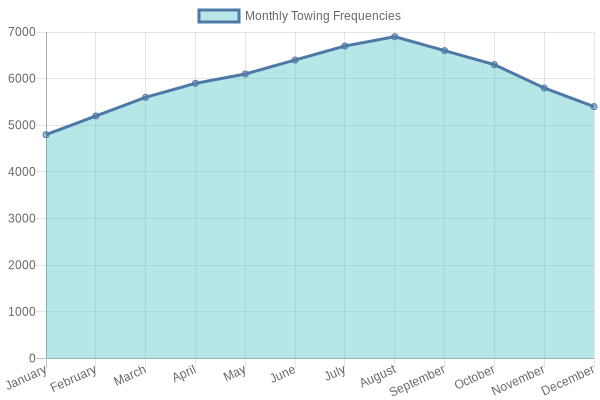
This chart visualizes the towing frequency over the past year, emphasizing the upward trend seen from January to August, indicating a growing concern in our community regarding unauthorized towing practices.
It’s essential to stay vigilant and informed; learn more about recognizing and reporting illegal towing practices.
Make sure to share these insights within your networks to help combat illegal towing effectively!
Testimonials from Local Auto Repair Shop Owners
Towing issues can significantly impact local auto repair business operations, creating emotional and financial stress for shop owners. Below are heartfelt testimonials from local auto repair shop owners that highlight these challenges and the importance of working with trusted towing services:
“After years of battling unreliable towing services, we partnered with a local company. Their timely response and professionalism have transformed our business. We reduced our vehicle wait times by 40%, which has improved our customer satisfaction tremendously!”
“Every time we had a car towed in without proper inspection, we faced delays and unexpected repairs. One of our team members said it best: ‘A good towing partner not only brings in the car, but also peace of mind.’”
“In rural Montana, we struggled with long wait times due to limited towing options. By forming a co-op with local tow trucks, we cut our average intake time from three days to under 12 hours. This improvement has been a game changer for us!”
Towing issues not only affect operational workflows but also damage the trust between auto repair shops and their customers. To avoid such frustrations, shop owners emphasize the need for certified, reliable towing companies.
For further insights on emergency preparedness for island fleets, learn more about our strategies that can enhance your auto repair processes.
Conclusion: Protecting Your Vehicle from Unauthorized Towing
In summary, staying informed and proactive against unauthorized towing is not just critical for car owners, but also for local businesses and property managers. The key points we discussed highlight the importance of understanding local towing regulations, ensuring clear signage in parking areas, and fostering community awareness about towing practices. By doing so, you create an environment that deters unauthorized towing and protects both your vehicles and your peace of mind.
Maintaining vigilance against unlawful towing practices is essential, especially in our local area, where community ties are strong. Empowering yourself and your staff with knowledge makes it harder for unscrupulous towing companies to operate unchecked. Additionally, regular communication with local towing services can foster a cooperative relationship, aiding in swift recoveries if towing does occur.
As a part of this proactive approach, consider partnering with credible services such as Summit Towing, known for their fast and reliable support. They provide 24/7 towing and roadside assistance, prioritizing community safety and vehicle protection. If you’re facing challenges related to unauthorized towing, reaching out to Summit Towing could be a pivotal step. They are equipped to help with vehicle breakdowns or accidents at any time, ensuring that your needs are met promptly.
Let’s work together to build a safer and informed community. Your proactive steps can make a difference, reducing incidents of unauthorized towing and enhancing overall vehicle security on our beautiful island. Stay informed, engage with your community, and don’t hesitate to seek help when needed!