Introduction
Owning a tow truck can be a game changer for various businesses, particularly for auto repair shops, commercial fleets, and property managers. In today’s fast-paced environment, the ability to provide immediate roadside assistance not only enhances customer service but also significantly reduces downtime for vehicles in distress. For auto repair shops, having a tow truck means being ready to assist clients at a moment’s notice, while commercial fleets can ensure their vehicles are quickly serviced whenever the need arises. Moreover, property managers and resort operators can enhance their service offerings, ensuring guests and residents receive comprehensive support during breakdowns or emergencies. This article will delve into the compelling reasons why owning a tow truck is essential, the various factors to consider when acquiring one, and tips on maintaining and utilizing your tow truck effectively. By the end, you’ll understand why investing in a tow truck is not just a convenience, but a necessity for thriving in today’s competitive landscape.
To explore the various strategies behind effective tow truck management, make sure to check out our article on essential fleet emergency response strategies or visit our page on emergency preparedness for island fleets.
The Benefits of Owning a Tow Truck
Owning a tow truck can provide numerous benefits for local businesses, particularly for auto repair shops, car dealerships, property managers, resort operators, and commercial fleet operators. Here are some compelling advantages:
Increased Service Offerings
- Enhanced Customer Convenience: Auto repair shops can significantly boost their service menu by including towing, which allows them to directly assist customers with roadside issues. This can enhance customer satisfaction and loyalty due to the convenience of integrated services. For more insights on enhancing your service offerings, check out how offering towing services can uplift your auto shop.
- Immediate Response Capability: Having a tow truck on hand allows businesses to respond swiftly to emergencies, ensuring that customers receive timely assistance when they need it most.
Increased Revenue Potential
- Additional Revenue Stream: Towing services can create a significant revenue stream for auto repair shops. As noted in a recent article, the combination of towing and repairs can streamline operations and improve profit margins.
- Partnership Opportunities: Businesses can form partnerships with insurance companies and local agencies to provide regular towing services, creating a steady demand for their offerings. This can be particularly beneficial for commercial fleet operators, as highlighted in District Towing’s blog.
Enhanced Operational Capabilities
- Fleet Maintenance: For commercial fleet operators, owning a tow truck helps maintain operations by ensuring the quick transportation of broken-down vehicles. This minimizes downtime and keeps the business running smoothly.
- Priority Dispatch and Consolidated Billing: Many professional towing services streamline operations, allowing for priority dispatch and easier billing processes for fleets. This makes for more efficient road service and fleet management.
Owning a tow truck not only enriches the services offered but also serves as a crucial asset to retaining and satisfying customers across various business sectors.
Comparing Types of Tow Trucks
Understanding the various types of tow trucks is essential for anyone considering ownership or operation in the towing industry. Here’s a detailed comparison of three main types: Flatbed, Hook and Chain, and Integrated Tow Trucks, highlighting their specifications, best use cases, and cost implications.
| Type of Tow Truck | Payload Capacity | Best Use Cases | Cost Range (USD) |
|---|---|---|---|
| Flatbed Tow Truck | 10,000 lbs | Low-clearance vehicles, damaged cars, delicate or non-running vehicles | $50,000 – $100,000 |
| Hook and Chain Tow Truck | 8,000 lbs | Light-duty towing, routine roadside assistance, minor recoveries | $40,000 – $70,000 |
| Integrated Tow Truck | 20,000 lbs | Heavy-duty towing, commercial vehicle recovery, construction equipment, large trucks | $100,000 – $150,000 |
Note: Pricing and specifications are based on current market data as of April 2026. Actual costs may vary by region, brand, configuration, and additional features.
Why Choosing the Right Tow Truck Matters
Choosing the right type of tow truck impacts operational efficiency and cost-effectiveness. For instance:
- Flatbed trucks are ideal for transporting vehicles with low ground clearance without damage, making them essential for auto repair shops and dealerships.
- Hook and chain trucks are primarily suitable for light-duty jobs and general roadside assistance but are becoming less popular due to potential damage during towing operations.
- Integrated tow trucks are designed for heavy-duty scenarios, perfect for fleet operators who manage large vehicles, such as buses and construction equipment.
You can explore more about essential fleet emergency response strategies and how various towing practices can help streamline your operations.
Owning a tow truck, especially in a unique island environment, involves understanding and complying with a variety of legal requirements. These regulations ensure that tow truck operators function safely and effectively in their communities. Here’s a comprehensive guide to the necessary legal obligations including licensing, inspection, and insurance considerations.
Licensing
Obtaining a tow truck involves securing appropriate licenses. Operators need to apply for a commercial driver’s license (CDL) if the vehicle exceeds a certain weight threshold. Additionally, many local governments require specific towing licenses that may include background checks and business regulations. Before starting your business, it’s crucial to check with local authorities for any specific requirements that may differ from general state laws. For further guidance, you can refer to resources like Wolters Kluwer.
Inspection
Regular inspections of tow trucks are not just an example of good practice; they are often a legal requirement. Compliance with safety standards helps ensure the vehicle operates reliably. Local regulations may mandate annual inspections that check the vehicle’s brakes, lights, and towing equipment. Inspections serve to protect not only your investment but also the safety of your clients.
Insurance
Insurance is a critical component of owning and operating a tow truck. The types of insurance required can vary significantly, but typically include:
- Commercial Auto Liability: Required to protect against damage to other vehicles during towing operations.
- On-Hook Coverage: Provides insurance while the vehicle is being towed.
- Garagekeepers Legal Liability: Covers damages to vehicles while stored in your facility.
Experts recommend maintaining a minimum of $1 million in liability coverage to safeguard against potential claims. For a detailed breakdown of insurance needs, refer to articles like Coverage Criteria’s Tow Truck Insurance Requirements.
Conclusion
Understanding the legal requirements for tow truck ownership in an island context is essential for the successful operation of your towing business. From obtaining the right licenses to ensuring your vehicles are inspected and adequately insured, aligning with these regulations not only protects your business but also contributes to a safer community. For those interested in additional information about fleet safety, consider exploring our safety awards initiatives.
By navigating these legal landscapes, you can establish a reliable and compliant towing operation that serves the community effectively.
Understanding Tow Truck Models
Owning a tow truck can be a rewarding venture, especially for those managing local auto repair shops, car dealerships, property management companies, and commercial fleets on our islands. To make an informed decision, it’s essential to familiarize yourself with different tow truck models available in the market:
-
Flatbed Tow Trucks: These are versatile and ideal for transporting multiple types of vehicles, including motorcycles and cars. Their platform allows cars to be loaded easily and securely.
-
Hook and Chain Tow Trucks: Often used for light vehicles and in repossession applications, these trucks are equipped with a simple hook and chain mechanism.
-
Wheel-lift Tow Trucks: A step up from hook and chain, these trucks lift the vehicle by its wheels, making it suitable for quick tows without damaging the vehicle.
-
Integrated Tow Trucks: These trucks combine features from both flatbeds and wheel-lift models, offering enhanced towing capabilities for larger vehicles and specialized jobs.
Identifying the right model aligns with operational needs and ensures you are well-equipped for effective roadside assistance.
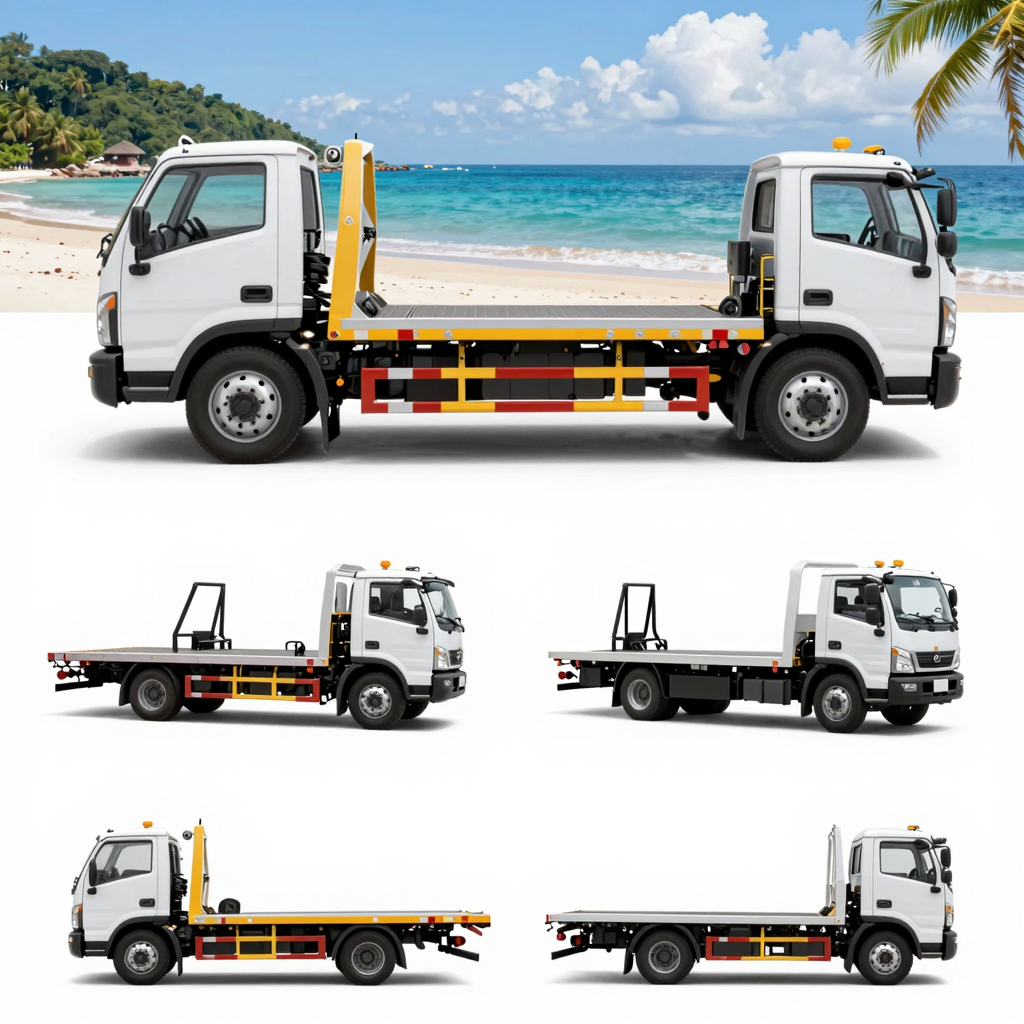
Owning a tow truck comes with significant responsibilities, not only for the vehicle but also for the safety of those who rely on your services. Proper maintenance practices are essential to ensure the longevity and reliability of your tow truck. Here are some crucial tips to help you keep your tow truck in top condition and safe on the roads.
1. Regular Inspections
Conducting thorough inspections on a regular basis is vital. Here’s what to include in your routine checks:
- Daily Checks: Inspect essential components daily such as:
- Tires: Check for adequate tread depth and proper inflation.
- Brakes: Ensure they are responsive, with no unusual noises.
- Lights: Test brake lights, turn signals, and headlights.
- Towing Equipment: Verify that all equipment, including hooks and chains, are in good condition and properly stored.
Refer to this comprehensive tow truck inspection checklist for a detailed guide on what to look for during inspections.
2. Maintenance Schedule
Following a maintenance schedule can prevent unexpected breakdowns. This includes:
- Oil Changes: Change the engine oil as per the manufacturer’s recommendations or more frequently if your truck is heavily used.
- Fluid Levels: Regularly check and top up fluids including coolant, transmission, and brake fluid.
- Air Filters: Clean or replace air filters to ensure optimal engine performance and fuel efficiency.
For more insights, explore this guide on preventative maintenance.
3. Protect Against Elements
Living in an island environment can be tough on vehicles. Protect your tow truck from rust and corrosion by:
- Washing the Truck: Regularly wash your truck, focusing on the undercarriage to remove salt and debris.
- Applying Protective Coating: Consider using a protective coating to shield your truck’s surface from the elements. This investment can aid in extending the life of your vehicle.
4. Emergency Preparedness
Being prepared for emergencies is crucial for tow truck services. Equip your truck with emergency supplies, such as:
- First Aid Kit: Always have an updated first aid kit on board.
- Roadside Flares: Ensure visibility during roadside assistance calls.
- Basic Tools: Keep essential tools handy for quick repairs on the go.
For more tips on being prepared for emergencies, check out our article on emergency preparedness for island fleets.
5. Documentation and Training
Maintain all documentation related to your vehicle’s maintenance history. This is not only essential for legal compliance but also aids in tracking your maintenance patterns which can inform future needs.
Lastly, train drivers on safe operation practices. When drivers are well-trained, the chances of incidents decrease. Consider continuing education, perhaps through courses that address the driver’s role in roadside emergencies.
By implementing these maintenance tips, you can ensure the safety and longevity of your tow truck, allowing you to provide exceptional service to your clients while protecting your investment.
Financing Options for Purchasing a Tow Truck
Investing in a tow truck is a significant commitment for any business owner, especially for local auto repair shops, car dealerships, and fleet operators in island regions. Understanding your financing options is crucial to making a financially sound decision. Here are several options you can consider:
1. Loans
- SBA Loans: The U.S. Small Business Administration (SBA) offers loan programs that can help finance your tow truck purchase. The average interest rate ranges from 5.2% to 8.0% in 2023, based on the prime rate plus a few percentage points depending on your business profile.
- Equipment Loans: Banks and credit unions offer equipment loans specifically for purchasing commercial vehicles like tow trucks. Interest rates typically fall between 6.0% and 9.0%. These rates can vary depending on your creditworthiness and the terms of the loan.
- Commercial Vehicle Loans: Generally available through specialized lenders, these loans typically have rates around 5.5% to 8.5%.
2. Leasing
Leasing is another appealing financing option, especially for businesses looking to minimize upfront costs. With leasing, you may pay 4.5% to 7.0% in effective rates. It offers lower monthly payments but might include mileage caps or terms that restrict modifications to the vehicle. Leasing is suitable for businesses needing flexibility.
3. Budgeting Tips
- Research and Compare: Look into various financing options, assess their terms, and compare interest rates. Use tools like Bankrate to gauge current market trends.
- Down Payments: Plan for a down payment to reduce monthly payments, improve loan rates, and enhance your chances of approval.
- Maintenance Costs: Don’t overlook the operational costs; include routine maintenance in your budget calculations.
Every financing decision should align with your business goals and financial health as you invest in this crucial asset.
Understanding the Costs of Owning a Tow Truck
Owning a tow truck is not just about the initial purchase; it involves a variety of ongoing costs that can significantly impact your finances. For local auto repair shops, car dealerships, property managers, resort operators, and commercial fleet operators, being aware of these costs can help you make informed decisions. Here’s a breakdown of the estimated average costs associated with owning a tow truck:
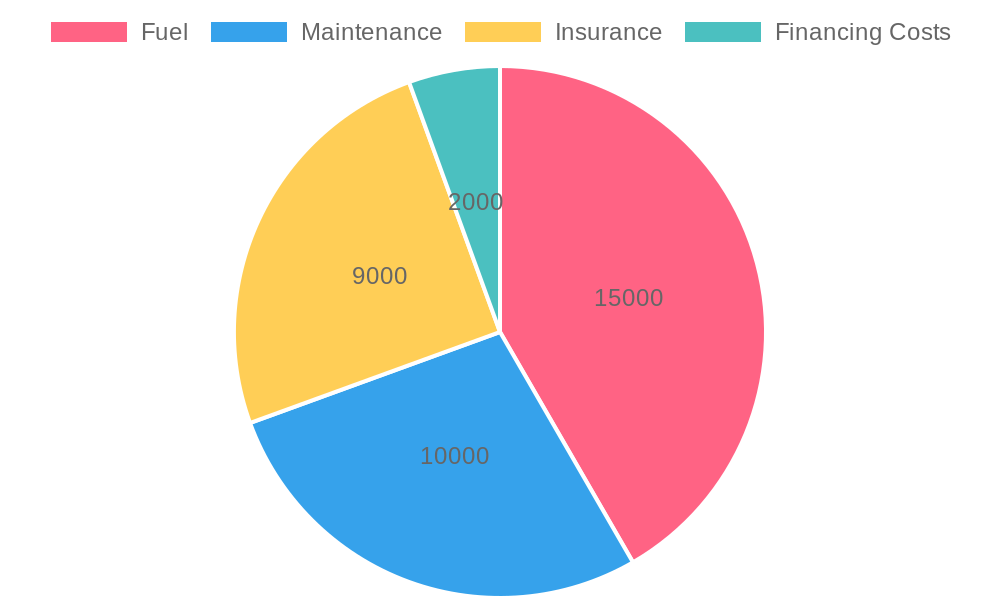
Average Annual Costs
- Fuel: Approximately $15,000
- Maintenance: Around $10,000
- Insurance: Average of $9,000, ranging between $6,000 and $12,000 depending on coverage
- Financing Costs: About $2,000 per truck per year
Total Cost
This brings the total average annual cost of owning a tow truck to between $42,000 and $46,000. The variation largely stems from the differences in insurance costs.
To help visualize these costs, see the chart below:
Sources indicate that expenses like fuel and insurance can vary dramatically based on operational demands and geographical location. It’s crucial to budget these properly to maintain a sustainable towing business.
For more insight on fleet management practices, you might want to learn more about emergency preparedness for island fleets or explore essential fleet emergency response strategies.
In conclusion, while towing can be a lucrative business, understanding and managing costs effectively is key to success. This way, businesses can focus on maximizing profitability while ensuring quality service for their clients.
Conclusion
Owning a tow truck offers significant advantages that can boost your business to new heights. As we’ve discussed throughout this article, the towing industry is driven by necessity, with consistent demand arising from vehicle breakdowns and emergencies. This makes a tow truck not just a vehicle, but a vital asset that can elevate your reputation in your community and beyond. By investing in a tow truck, you position your business as a reliable provider in times of need, enhancing your brand recognition and helping to establish strong customer relationships.
Moreover, a tow truck business opens various revenue streams. Not only can you respond to local emergencies, but you can also form partnerships with auto repair shops, commercial fleets, and property managers, thereby ensuring a steady influx of work. These collaborations foster a network that can increasingly expand your opportunities and profits.
Whether you’re a local auto repair shop, a property manager, or part of a commercial fleet, the benefits of owning a tow truck are profound. It represents a strategic move that can diversify your services and solidify your market presence.
If you’re looking to enhance your fleet, don’t forget to explore Summit Fairings for your bike needs. Investing in quality equipment is essential for success in the towing industry, so make sure your vehicles are equipped with the best!
Recommended Maintenance Service Providers for Tow Truck Owners
Using a reliable maintenance service provider is crucial for ensuring your tow truck operates at peak performance. Here’s a list of reputable companies specializing in tow truck maintenance and repairs:
-
BigRig411
BigRig411 offers a network for truck drivers and owners to connect with service providers for maintenance and towing across the country. Their services include both repair and towing, ensuring that you can get everything you need for your truck in one place. -
Express Towing
With 24/7 availability, Express Towing is committed to providing fast and affordable towing services across various locales. They specialize in emergency towing and vehicle recovery, making them a trustworthy service for any unexpected roadside incidents. -
TTN Fleet Solutions
TTN Fleet Solutions connects fleets with top service providers. This organization facilitates access to maintenance and repair services across a comprehensive network. -
Motorist.sg
For those in Singapore, check out Motorist.sg, which lists several reputable towing companies that provide reliable and diverse services. -
Best in Singapore
This site has an overview of the best tow truck services in Singapore, highlighting providers that offer prompt assistance and a variety of services, helpful to anyone looking to maintain their fleet effectively.
By collaborating with these maintenance services, you can ensure your tow truck remains in top shape while providing reliable service to your clients. Learn more about emergency preparedness for fleet operations for additional insights.