When the unexpected occurs on the roads—whether it’s a breakdown, an accident, or the need for vehicle transportation—reliable towing services are invaluable. For local auto repair shops, car dealerships, property managers, resort operators, and commercial fleet operators, understanding the cost of purchasing a tow truck is a critical element of providing efficient service. This guide will explore the financial aspects involved in acquiring a tow truck, comparing new and used options, and delving into the various factors that influence pricing. Each chapter offers insights and actionable information to help you make a well-informed decision that aligns with your business needs.
Tow Price Compass: How Size, Style, and Financing Shape the Cost of Buying a Tow Truck
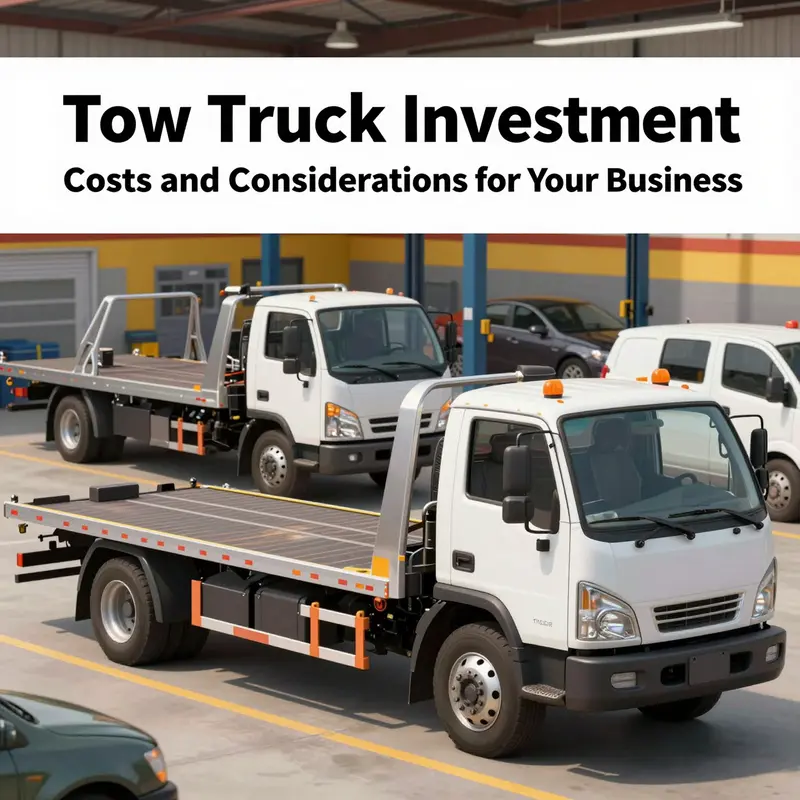
Choosing a tow truck is more than picking a vehicle; it is a strategic decision that anchors a business’s ability to move vehicles efficiently while staying financially sustainable. The cost landscape is shaped by three intertwined factors: the type of tow truck, the condition and age of the unit, and the financing and ownership structure you choose. When you look at the market through that lens, a wide spectrum opens up, and the path from initial sticker price to total cost of ownership becomes clearer. In practical terms, the journey begins with recognizing that tow trucks come in a handful of broad configurations, each with its own price band and its own set of operational advantages and constraints. On the lower end, smaller multipurpose models offer affordability and versatility for light-duty work, roadside assistance, and short-haul tasks. These compact machines tend to be priced in the single-digit ten-thousands to the mid-two-digit range, depending on features, the strength of the winch, and the platform. They are the sort of purchase that enables a small operator to enter the market quickly, with the caveat that capacity and weathering of heavier tasks may be limited. On the other end of the spectrum are heavier, more specialized units designed to handle larger vehicles, complex recoveries, or multiple-vehicle incidents in one operation. These larger machines carry significantly higher upfront price tags, with a wide gap between mid-range heavy-duty options and the top-tier configurations that include advanced stabilization, extensive hydraulic reach, and heavy-duty rotator capabilities. The cost here is not merely about buying power but about the operational bandwidth that the equipment unlocks. In the middle lie mid-sized, versatile configurations that strike a balance between capability and price. They offer enough reach and recovery power for a broad range of jobs while remaining affordable enough for many fleets to justify. This tier is particularly appealing for operators who want to scale with demand without shouldering the cash burden that accompanies the heaviest duty units. These price bands are not merely snapshots from glossy brochures; they reflect real-world choices made by fleets that want to maximize uptime while maintaining a practical budget for maintenance, licensing, and staffing. The simplest way to anchor your understanding is to parse price into two primary chapters: purchase price and total cost of ownership. The purchase price is the most visible hurdle. It depends on the truck’s type, its payload capacity, the configuration of the lifting system, and the overall build quality. Small multipurpose models can occupy the low end of the spectrum, where figures often fall well below the mid-range, sometimes in the single digits. These are functional, nimble machines that can perform a range of tasks with reasonable efficiency, but their capability ceilings become apparent as you encounter heavier cars, taller vehicles, or more demanding winch operations. In contrast, the most capable heavy-duty units can cross the six-figure line and approach the upper seven-figure family when equipped with cutting-edge stabilizers, rotators, and integrated systems. Even within the upper range, the preference of a business for a rotator or a non-rotator depends on the region, the typical job mix, and the speed at which you need to respond to incidents. The differences in functionality translate directly into cost: rotators and specialized underlift systems add tens of thousands of dollars to the price tag due to the engineering complexity, hydraulic load, and safety requirements involved in stabilizing and lifting large, unstable vehicles. For a fleet that prioritizes the ability to manage overturned or hard-to-reach recoveries, the investment is practical; for a shop that focuses primarily on standard towing and transport, there is often a better fit in the mid-range or smaller end of the spectrum. Yet even when you settle on a model that fits your job mix, the true economics begin to unfold only after you step into the arena of ownership costs that follow the initial purchase. The second dimension—operational realities—dominates the long-run affordability story. For every dollar spent on the sticker price, several recurring costs begin to accumulate: registration and licensing, insurance, routine maintenance, fuel, tires, and the occasional major repair. These costs vary by location and by the insurer’s appetite for risk, but the pattern is universal. The purchase price is only the doorway; the ongoing obligations determine whether the investment proves sustainable over the life of the truck. The modern market adds another layer of nuance: technology upgrades and fleet management tools. In today’s environment, the ability to track location, monitor performance, and optimize routes can yield meaningful savings in fuel and vehicle wear. Yet these upgrades also add to the initial outlay and ongoing monthly costs, so the decision to invest in telematics, GPS, or other connectivity features should be made in the context of the fleet’s needs and service commitments. When you begin to tally these items, the total cost of ownership becomes a more reliable compass for decision-making than the sticker price alone. The numbers from the market demonstrate a broad spread. New, entry-level models designed for light towing and roadside assistance can come in around the lower end of the spectrum, sometimes under $100,000, while larger, more capable configurations can quickly push toward the six-figure mark, and in some cases well beyond. The most advanced, fully equipped heavy-duty units, with integrated rotator systems or underlift wagons, frequently land in the upper reaches of the market, where the scale of the investment aligns with the expected recovery volume and the number of complex incidents the operator anticipates handling. It is also essential to acknowledge the used market, which broadens the horizon for buyers watching budgets tighten. A late-model, well-maintained used tow truck can offer substantial savings relative to a new unit. In practical terms, buyers have seen examples where a robust late-model platform with substantial remaining life is priced well below a comparable new unit, sometimes by a third or more. The value proposition here rests on the balance between remaining life, current maintenance needs, and the anticipated time to breakdown risk before the next planned overhaul. In this space, the buyer must be diligent about maintenance history, mileage, and any major component replacements or upgrades that might be necessary to maintain reliability. A diligent inspection, ideally with a trusted technician, can mitigate the uncertainty that sometimes accompanies buying used equipment. The economics of financing also shape the price reality. When a business decides to finance, the total cost includes interest, down payments, and various administrative or processing fees. Financing terms vary widely by lender, lender type, and the buyer’s credit profile, but the impact is consistent: even modest interest rates can add up over a typical five-year horizon and shift a seemingly affordable purchase into a longer-term expense commitment. A crucial consideration in financing is the down payment. A larger down payment reduces the loan amount, which lowers interest charges and can improve cash flow in the early years of operation. For many small fleets, a balance is struck that preserves working capital while still taking advantage of financing to spread the cost of a high-capacity asset over time. Insurance costs are another persistent variable. Liability coverage for a tow operation accounts for factors like location density, incident types, and the degree of risk associated with high-value vehicles and complex recoveries. Insurance needs can differ substantially from one operator to another, and the premium structure will reflect that variation. Operators must account for insurance as a predictable monthly cost rather than a one-time upfront expense. In addition to these ongoing costs, there are regulatory and administrative obligations that must be accounted for. Vehicle registration, compliance checks, and potential fees for road use or permits can add to the annual outlay. The interplay of all these costs—purchase price, financing, insurance, maintenance, fuel, and regulatory expenses—determines whether a tow truck purchase will be a sound investment in a given market. For fleets considering electrification, there is another layer to factor in. Electric or hybrid powertrains can offer lower fuel costs and potentially reduced maintenance between major service intervals. However, the initial purchase price for electric or hybrid configurations can be higher, and charging infrastructure may need to be added to the facility footprint. The decision to embrace electrification hinges on a careful calculation of expected utilization, downtime costs, and the relative prices of electricity versus diesel in the operator’s operating area. In practice, a wise buyer builds a cost model that includes not only the outlay for the truck itself but also the costs to operate it across a typical job schedule. This model should reflect the average miles driven per year, typical job types, the expected number of tows, and the anticipated maintenance cycle. The model will show how much value is unlocked by higher capacity and more robust lifting systems, and it will also reveal the point at which a modestly priced, lighter-duty truck may deliver a lower total cost of ownership due to lower insurance, lower maintenance overhead, and reduced downtime. When thinking about where to begin, many operators find it helpful to anchor their search by three practical questions. First, what is the expected job mix? If the business handles a steady stream of light to moderate tows, a mid-sized configuration with adequate lift and winch capacity may be the most cost-effective choice. If the operation regularly encounters heavy recoveries, country roads with long response times, or multi-vehicle incidents, the higher upfront cost of a stronger unit may be justified by faster service, greater reliability, and the potential to command higher rates. Second, what is the acceptable level of downtime and maintenance risk? A newer unit with more modern components may deliver lower downtime and simpler service intervals, translating into more predictable cash flow. Third, what financing approach best preserves working capital? Leasing, for example, can free up upfront cash and preserve credit lines for other capital needs, while a traditional loan might reduce total interest costs if structured with favorable terms. The final arrangement often converges on a hybrid path: a used or mid-range new unit for core operations, complemented by a maintenance plan and an optional lease on ancillary equipment or seasonal surges. The market’s evolving dynamics also encourage operators to consider the broader service ecosystem. Fleet management software, for instance, can optimize dispatch, maintenance scheduling, and preventive care. A smart integration of telematics yields data on utilization patterns, which informs whether to expand the fleet or tighten the service footprint. The decision to purchase a tow truck, therefore, is not a single, stand-alone price decision. It is a strategic choice that weaves together the expected workload, the level of risk a business is willing to absorb, the technology that supports efficient operation, and the financial structure that best aligns with cash-flow realities. In this context, the chapter’s refrain becomes practical: understand the type-based price ranges, anticipate the ancillary costs, and build a financing plan that fits the company’s growth trajectory. For readers who want to continue exploring how to apply these concepts in real fleets, the blog space offers further insights on fleet strategy, emergency-response readiness, and practical steps to align equipment purchases with service commitments. The reference point is not merely the sticker price but the total package that ensures your tow operation remains responsive, safe, and financially resilient in the months and years ahead. For further reading, you can visit The Island Tow Truck Blog for broader context and field-tested perspectives on fleet decisions and response readiness. The Island Tow Truck Blog. External references to market listings can also illuminate price ranges and configuration options observed across platforms. A representative listing from a major online marketplace demonstrates the breadth of options in the used and new markets, including lighter-duty platforms and heavy-duty recovery units, and helps calibrate expectations for upfront investment and maintenance planning. External reference: Tow wrecker listing on Alibaba
Beyond the Sticker Price: How New Tow Trucks Align Price, Power, and Purpose
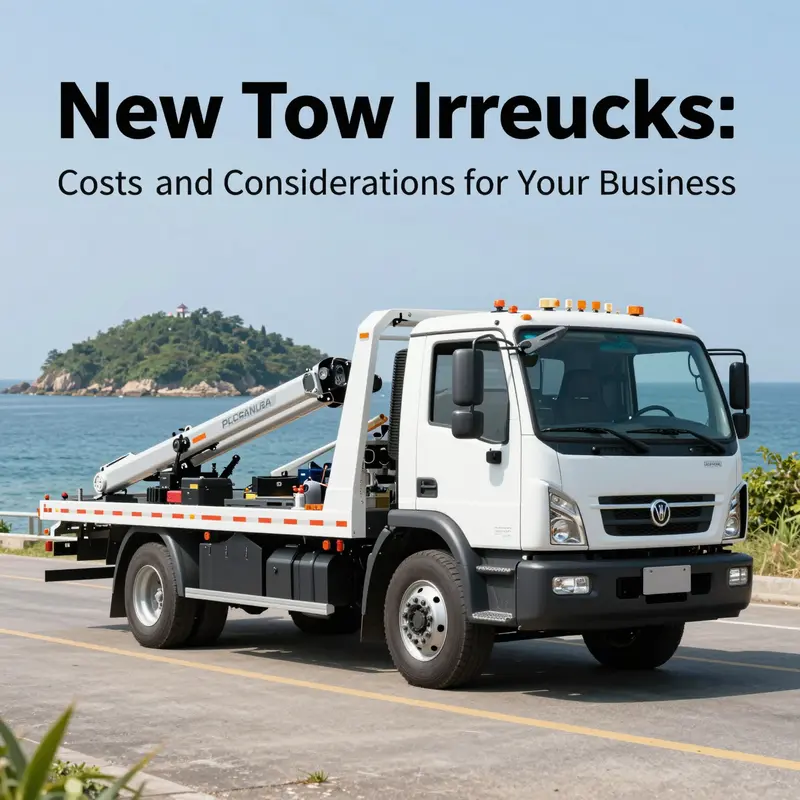
The market for new tow trucks sits at an intersection of necessity, capability, and long-term reliability. For a fleet operator, the decision to purchase a new unit goes far beyond the initial price tag. It is a careful calculus that weighs the immediate outlay against the ongoing costs of operation, maintenance, and downtime, all while matching the machine’s strengths to the demands of the work. In the current landscape, new tow trucks typically run from roughly seventy-five thousand dollars to three hundred thousand dollars or more, and the spread is not accidental. It reflects a spectrum of configurations, each designed to meet different towing, recovery, and emergency-response needs. At the lower end, standard or flatbed tow trucks offer dependable capability for routine recoveries and short-distance tows. They are favored for their safety profile, their ability to transport vehicles with minimal ground contact, and their generally lower maintenance footprint when compared to more specialized rigs. Yet within this accessible segment, choice still matters. A buyer must consider bed length, chassis strength, hydraulic systems, and the comfort and capability of the crew who will operate the machine day in and day out.
Towing in urban lanes and on congested highways imposes distinct demands. Vehicles may be AWD, low to the ground, or damaged in ways that demand careful loading. A well-chosen flatbed can protect valuable vehicles from transfer damage during loading, and its tilting bed simplifies operations in constrained spaces. Flatbeds have grown in popularity because they do not rely on wheel-lift or cradle devices that can stress a vehicle’s undercarriage. They also enable quicker deployment for many short-distance tows and reduce the risk of exacerbating issues in the vehicle’s driveline. However, the up-front cost remains higher than more basic configurations, and the overall operating costs—fuel, wear, and components—must be weighed against the level of daily work the fleet expects from each unit.
Rotator tow trucks, by contrast, embody a very different set of capabilities and a commensurate price. The rotating boom provides true 360-degree reach, enabling operators to lift, tilt, and remove vehicles from overturned positions or from angles where conventional equipment cannot safely access them. This flexibility makes rotators indispensable for heavy-duty recovery, highway incidents, and complex extrications where time and precision matter. Yet the power of the rotator comes with consequences. The equipment is heavier, more complex, and more demanding to operate. It requires specialized training to ensure safety for drivers, crew members, and bystanders. Additionally, the footprint on the job site is larger, and fuel consumption rises with the increased hydraulic load and engine power. For fleets that encounter the possibility of overturned or heavily damaged vehicles on a regular basis, rotators are a strategic investment that can pay off in reduced call-back times and fewer secondary recoveries. For others, the expenses may not be justified, and a robust flatbed or traditional wrecker may suffice.
Then there is the underlift or wrecker-integrated design, a configuration that seeks to combine stability with efficiency. Built-in underlift systems deliver enhanced stabilization during lifting and loading, which can improve safety margins and enable faster turnovers when handling difficult loads. The integrated approach often translates into higher purchase prices, but the long-term benefits—simplified maintenance routes, fewer standalone accessories, and potentially lower risk of load shift—can create a favorable return profile for operators who handle a steady stream of challenging recoveries. The choice among rotators, flatbeds, and underlift configurations hinges on a few guiding questions: What kinds of incidents are most common in your operating area? How often do you face overturns, rollovers, or vehicles with limited access? How much space do you have at your depots or on typical job sites? And how much training is your team prepared to undertake to safely exploit the full potential of a given truck? These questions shape a decision that is as much about risk management as it is about price.
The economics of a new tow truck also ride on the wheels of market dynamics that influence cost structure. A newer variant with high-end hydraulics, smarter control systems, and advanced safety features tends to command a premium, but it also benefits from longer service life and more predictable maintenance intervals. The most advanced rotators, for example, command prices that can stretch well into the upper end of the spectrum, reflecting not just the boom and winch capacity but the added complexity of the rotating mechanism, integrated control electronics, and enhanced operator safety features. These attributes translate into higher upfront investment, but they also promise lower downtime and more reliable performance during peak demand periods. Conversely, a basic new flatbed or standard wrecker may meet the needs of a small operation or a mid-size fleet focused on routine transports and quick turnarounds. In that scenario, the lower initial cost can accelerate fleet expansion and improve service coverage, provided the operator remains mindful of maintenance and part availability.
From a practical standpoint, buyers must scrutinize a few non-negotiables that often determine the life-cycle cost of a new unit. First is lifting capacity and reach. A tow truck must be able to handle the full gamut of vehicles in its service area, including high-profile SUVs, sedans with low ground clearance, and mid-size trucks with heavy rear ends. The selection of a robust hydraulic system, reinforced boom construction, and dependable cold-weather performance can influence reliability and uptime. Second is the rotation and stabilization system. A rotator’s success rests on the precision and responsiveness of its rotary mechanism, plus the reliability of its stabilizers and outriggers. Third is operator ergonomics and safety. Modern controls, digital readouts, cameras, and backing aids reduce the likelihood of injuries and accidental vehicle damage while also improving job-site efficiency. Training and certification requirements tend to accompany these features, ensuring that crews have the knowledge to maximize benefits while minimizing risk. Fourth is maintenance and spare-parts availability. A truck that is easy to service, with components sourced from a broad supplier network, will generally produce lower operating costs over time than a model whose parts are scarce or expensive. Each of these elements interacts with the others, shaping a total cost of ownership that often diverges from the sticker price alone.
In evaluating a new purchase, buyers should also reflect on their operational profile and planned utilization. Urban fleets performing many short, frequent pulls may prefer a flatbed for its protective design and faster turnarounds, even if the initial sticker price is higher. A highway-heavy operation that encounters a broad mix of recovery scenarios can justify the investment in a rotator, given its potential to reduce response times for complex incidents and to handle overturns without requiring additional equipment. For those seeking a balance of capability and cost, a traditional wrecker with an underlift may offer a middle path—enhanced stability and loading versatility without the full complexity of a rotator.
Beyond the mechanical and safety considerations, budgeting for a new tow truck involves a broader view of lifecycle expenses. Insurance premiums often reflect the perceived risk of high-load operations and the potential for liability during recoveries. Fuel efficiency matters more than one might expect, as the heavy aerodynamics and hydraulic loads of these vehicles can push fuel usage higher than typical commercial trucks. Tires, wear parts, and periodic hydraulic maintenance contribute recurring costs that add up over the vehicle’s lifetime. Depreciation is another critical factor; a well-chosen unit can retain value if kept in good condition and serviced according to manufacturer recommendations. When a fleet manager aligns the truck’s capabilities with anticipated workload, the result is a more predictable budget and less variance in maintenance cash flows.
The conversation about new tow trucks cannot ignore the practical realities of procurement. Financing options, dealer terms, warranty coverage, and the availability of on-site service can all influence the ultimate cost of ownership. Some buyers may find favorable terms that reduce the apparent monthly burden, while others may encounter longer lead times as manufacturers balance production schedules with demand. In this environment, it is prudent to pair a thorough needs assessment with a carefully staged negotiation strategy, ensuring that the chosen configuration truly matches the fleet’s risk tolerance, service level commitments, and geographic operating footprint. The aim is not merely to acquire a machine but to secure a tool that reliably expands the fleet’s capacity to protect property, enable rapid response, and support a higher standard of service.
As with any major equipment decision, it helps to anchor the conversation in examples that illustrate the range of possibilities without drifting into brand-specific territory. A 25-ton road wrecker, built to handle demanding recovery tasks, might be priced in the mid-to-upper range of new units due to its rugged construction and substantial hydraulic power. A high-capacity flatbed with a tilting bed designed to protect AWD and low-clearance vehicles can command a premium that reflects its safety advantages and the efficiency gains it delivers for routine towing. A rotator with an integrated stabilization system offers a specialized toolkit for extreme recoveries and complex scenes, and its purchase price should be weighed against the frequency of incidents that truly demand that level of capability. In all cases, the decision rests on aligning the truck’s strengths with the operator’s core mission, rather than chasing the latest feature for fear of missing out.
For readers who want to explore the broader implications of emergency readiness as it relates to fleet choices, there is value in examining how preparedness translates into practical decisions on equipment. A well-prepared fleet does not hoard capacity; it aligns assets with risk exposure, response times, and the ability to scale operations during peak demand. This is where the link between equipment choices and emergency response strategy becomes most visible. For practical guidance on preparedness, see Essential Fleet Emergency Response Strategies. The integration of such planning with equipment investments strengthens a fleet’s resilience and can help justify the capital outlay for a suitable new tow truck by demonstrating measurable improvements in uptime and service levels.
In sum, the price tag for a new tow truck is only the opening line of a broader financial narrative. The true cost of ownership emerges when you weigh the type of vehicle against its job profile, the reliability of its systems, and the ongoing costs that follow the initial purchase. Rotators offer unmatched capability for specialized recoveries but at a price that reflects their complexity. Flatbeds deliver broad utility and enhanced vehicle protection, often with favorable long-term serviceability. Underlift models promise stability and efficiency in a middle ground between rotators and flatbeds. Whichever path a fleet chooses, the decision should be guided by a careful assessment of the daily realities on the road, the anticipated mix of incidents, the training resources available, and the long-term maintenance landscape. This approach ensures that the investment in a new tow truck translates into dependable performance, safer operations, and a sustained competitive edge in a demanding and fast-moving field.
External resource: https://www.alibaba.com/product-detail/Sinotruck-HOWO-6X4-10-wheel-25tons-Road_1601274585957.html?spm=a2700.1.writing.1
Smart Investments on the Secondhand Lane: Navigating Used Tow Trucks, Economy, and Market Trends
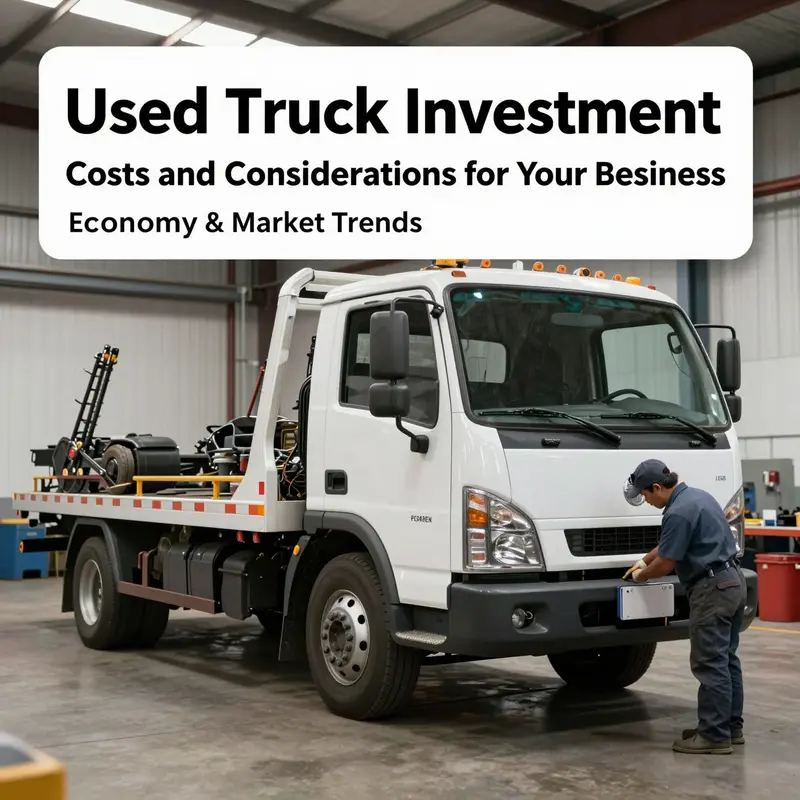
The cost calculus behind purchasing a tow truck is rarely static. It shifts with the same market forces that influence any capital equipment purchase: supply and demand, operating risk, the value of reliability, and the long-term costs of maintenance and downtime. In this chapter we move beyond sticker prices and look at the broader economics of acquiring a used tow truck. The conversation begins with the obvious question for any buyer, especially a small or mid-sized operator: how much can I realistically spend and what do I get for that investment? As the industry data indicate, the global tow truck market is expanding, driven by ongoing demand for dependable roadside assistance and recovery services. Analysts project the market to grow from roughly USD 3.5 billion in 2024 to about USD 5.8 billion by 2033, a compound annual growth rate near 6 percent. That trajectory signals both opportunity and heightened competition for used equipment, as more buyers seek to leverage lower upfront costs while still delivering reliable service to customers who expect timely and safe recoveries. Within this expanding environment, used tow trucks emerge as a practical entry point for many operators, offering substantial savings versus new models and rapid deployment once a suitable unit is found. Yet the savings come with a set of trade-offs that require careful evaluation. The appeal of a pre-owned vehicle lies in the immediate reduction of upfront capital and in the ability to scale a fleet without tying up large sums in new inventory. For small and mid-sized providers, this can translate into more elastic budgets, enabling investments in staff training, service networks, and essential equipment like winches, hydraulic systems, and stabilization devices. When the market is tight, and when components are in short supply, the economic case for a well-chosen used tow truck grows stronger. It is not mere thrift; it is strategic optimization of assets that must perform in high-stakes, time-sensitive situations. If a buyer focuses on total cost of ownership rather than the purchase price alone, the long-term value of a used truck can be compelling. The current research landscape reinforces this perspective. The market overview points to a growing interest in cost-efficient solutions that still deliver dependable performance for routine towing, roadside assistance, and light-to-mid-duty recovery. In other words, used units are not a fallback choice but a deliberate strategy for sustaining operations under budget constraints and market volatility. To understand this strategy more deeply, it helps to consider buyer archetypes and the kinds of operational pressures they face. A large share of the demand for used tow trucks comes from small to mid-sized service providers who aim to manage operating budgets while maintaining sufficient capability to handle everyday calls and the occasional more demanding recoveries. For these buyers, the advantages of buying used are clear: the upfront investment is significantly lower than for a new truck, enabling faster fleet expansion or a quicker recoup of depreciation through rental or service margins. The practical allure often centers on the ease with which a used truck can be integrated into an existing chassis or a new body, especially for operations that already operate a mixed fleet. The observed ease of installation and customization is a practical benefit; many used chassis come with straightforward configurations that simplify the integration of a tow body and essential recovery components. This ease of deployment translates into quicker hit targets for service availability and faster response times, both of which carry measurable value in a sector where every downtime incident can erode a business’s reputation and bottom line. Yet the story of used tow trucks is not merely a narrative of opportunity. It is also a careful accounting of risk. While the cost savings can be meaningful, there is a nontrivial probability of higher maintenance needs, especially as a vehicle ages and accrues mileage. The wear and tear associated with frequent winching, hydraulic operations, and stabilizing functions can accumulate in a way that increases downtime and parts expenditure. Low-clearance or compact configurations, while agile for certain environments, may also introduce higher risk when dealing with damaged vehicles or challenging recovery scenarios. These realities underscore the necessity of thorough mechanical inspections, comprehensive history checks, and an honest appraisal of the long-run maintenance plan before any purchase. The market dynamics reinforce the idea that used tow trucks are increasingly attractive in the wake of rising new-truck prices and ongoing supply-chain fluctuations. A key trend shaping the used market is the growing demand for higher-end features that were once reserved for premium new units. Rotator-style towing equipment, which includes a rotating boom for lifting and manipulating overturned or hard-to-reach vehicles, has become a notable draw even though it adds complexity and cost. In the used market, rotators can command premium prices because they fulfill specialized needs, particularly for emergency response and heavy-duty recovery operations. The fact that such equipment remains in demand while the supply of trained technicians and compatible parts can be limited adds to the calculus buyers must perform. The same dynamic applies to underlift or wrecker-integrated systems, which offer stability and efficiency but at the higher end of the cost spectrum in the pre-owned market. For buyers, the implication is that not all used trucks are created equal. The presence or absence of advanced lifting technologies will influence both the upfront price and ongoing maintenance costs. A unit with a rotator, for example, may deliver greater capability but will also demand more specialized service and higher parts expenditures. This is not inherently prohibitive, but it does alter the total cost of ownership and the anticipated return on investment. To navigate these realities, buyers must adopt a disciplined evaluation framework. The mechanical properties of a used tow truck warrant careful scrutiny. Material integrity, including the chassis, body, and mounting points, should be assessed for fatigue and corrosion. Hydraulic systems deserve special attention: pump performance, hose integrity, valve safety, and the presence of up-to-date certifications matter for both safety and reliability. Compliance with industry regulations is a non-negotiable consideration. Vehicles used for towing and recovery operate under strict safety standards, and any gaps in compliance can translate into enforcement risk, insurance complications, or workplace accidents. An informed buyer will review maintenance histories, service records, and any notes about accident history or structural repairs. The value of a thorough inspection cannot be overstated: a well-documented history provides insight into previous loads, work environments, and potential hidden issues. In practice, a buyer benefits from a holistic approach that combines a visual assessment, a mechanical diagnostic, and a review of the truck’s operating profile. This triad—appearance, function, and documented history—helps identify potential red flags early and supports a more accurate forecast of maintenance costs and downtime. The market’s current trajectory suggests that supply constraints are likely to persist for niche components and specialized equipment. When a used unit includes rotator capabilities or an integrated underlift, buyers should anticipate tighter repair parts supply and longer lead times for service. This reality underscores the importance of building relationships with reliable technicians and parts suppliers who can respond quickly when equipment needs attention. It also highlights the strategic value of choosing a model with a robust service network and readily available parts. The economic rationale for selecting a particular used unit extends beyond the sticker price. Buyers should consider financing options, insurance costs, and the tax treatment of depreciation. In many jurisdictions, depreciation schedules for heavy-duty vehicles can offer meaningful tax relief over time, improving the effective cost of ownership. A prudent purchaser will project six to twelve months of operating expenses, including routine maintenance, tires, hydraulic fluid, and contingency reserves for unexpected repairs. A well-structured plan may also include a staged deployment approach. Leasing a portion of the fleet or purchasing a smaller used unit initially, then expanding as demand grows, can reduce exposure to underutilized equipment. This gradual approach can be especially appealing in markets where demand is elastic and customer expectations for rapid response remain high. The broader narrative of used tow trucks also intersects with public-facing and fleet-management considerations. The decision to invest in used equipment is not solely a function of price or performance; it is tied to the operational readiness of a fleet, the reliability of response times, and the capacity to support ongoing training and safety compliance. An operator who buys used trucks with careful planning can maintain a consistent service level while preserving capital for essential workforce development and fleet maintenance programs. In this light, the sourced data from industry analyses becomes more than a statistical backdrop. It informs practical decisions about what to buy, when to buy, and how to manage risk in a sector where uptime is a critical commodity. As with any major equipment decision, market signals suggest that used tow trucks will continue to represent a viable, sometimes preferable, option for many operators. The key is to align the specific unit you purchase with your business model, your service mix, and your regional demand dynamics. A well-chosen used truck can deliver years of dependable service if paired with prudent maintenance planning, a reliable parts and service network, and a clear understanding of the total cost of ownership. For readers seeking further context on industry trends, the The Island Tow Truck blog offers practical perspectives on fleet management and emergency-response strategies, helping you translate these market dynamics into actionable fleet decisions. The Island Tow Truck blog. As the market continues to evolve, buyers should stay attuned to shifting demand for specialized features and the imprints these shifts leave on pricing and availability. The combination of rising new-truck prices, constrained supply chains, and a growing appetite for turnkey, reliable used units creates a dynamic where informed buyers can maximize value by choosing equipment that precisely matches their operational profile. In the final analysis, the decision to purchase a used tow truck hinges on aligning upfront cost, ongoing maintenance, and expected performance with the realities of daily operations, seasonal demand, and future growth plans. The numbers tell a story of opportunity, but it is the buyer who reads the market well enough to turn that opportunity into consistent, profitable service. External industry context and pricing dynamics are explored in depth in the broader market analysis conducted by Grand View Research, which provides a comprehensive look at how demand, pricing, and feature trends interact across regions and segments. https://www.grandviewresearch.com/industry-analysis/tow-trucks-market
The Price Levers Behind Tow Trucks: How Capabilities, Conditions, and Class Shape Procurement Costs
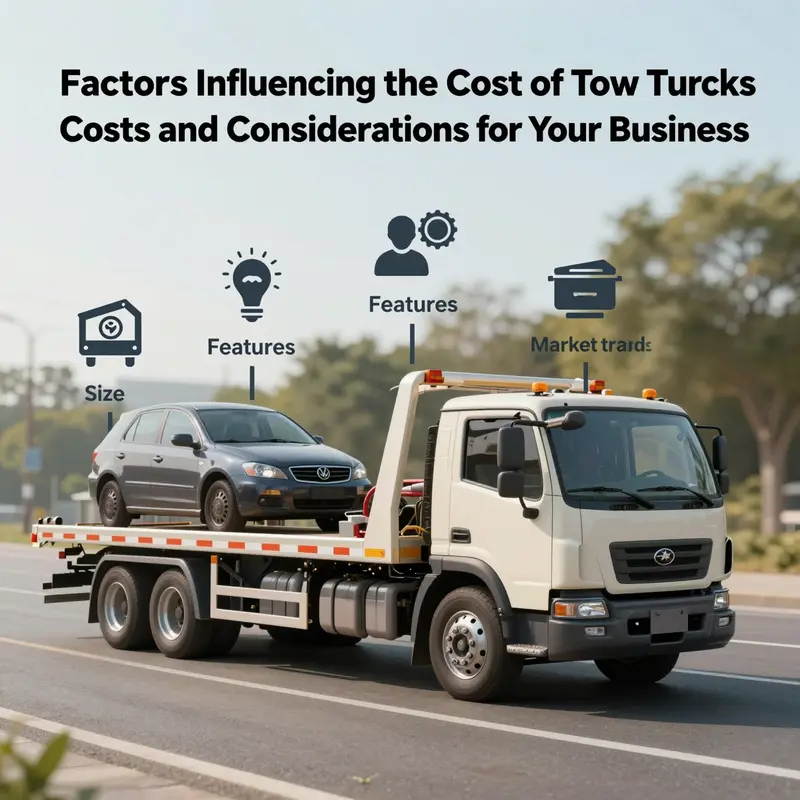
Every fleet manager confronting the question of purchasing a tow truck faces a web of decisions that goes far beyond a sticker price. The cost of acquiring a tow truck is a function of the machine’s class, its intended duties, and the level of sophistication required to perform those duties safely and efficiently. In practical terms, the price you see on a shop’s ledger is a snapshot of what the truck can do, how long it will endure under heavy use, and how it fits into your broader fleet strategy. When you strip away the marketing gloss, the price levers map directly to three core dimensions: the type or class of the unit, its condition—new versus used or refurbished—and the specific equipment and build-out that enable it to tackle the most demanding jobs in your territory. This interplay creates a spectrum that invites careful budgeting, long-range planning, and a clear sense of how your company intends to grow or adapt its recovery capabilities over time.
To begin, the most obvious driver is the type of tow truck itself, which is best understood as a spectrum rather than a single, uniform category. A standard or flatbed tow truck, designed to cradle a vehicle on a stationary platform so tires never touch the roadway, represents the baseline in many markets. These units are typically the most price-accessible within new builds, starting in a broad range that makes them a common entry point for smaller shops or growing fleets. They are exceptionally suited for cars with all-wheel drive or those with low clearance, reducing the risk of damage during loading. In contrast, rotator tow trucks, which feature a rotating boom capable of lifting overturned or otherwise difficult-to-access vehicles, carry a premium that reflects their heavier professional use. The rotator is a high-capacity machine built for emergency response and demanding recoveries, and its price tag mirrors the advanced hydraulics, control systems, and the safety margins required for heavy-duty operations. Between these two poles sits underlift or wrecker-integrated configurations, which emphasize stability and efficiency through integrated lifting mechanisms. These setups, prized for their quick engagement and durable performance, sit at the higher end of the new-truck price spectrum because of their specialized design and the value they deliver in busy, multi-vehicle recoveries.
New versus used is the second major axis that determines the initial cost of ownership. New tow trucks come with the latest safety features, warranty protections, and the confidence that every component is fresh and within spec. The price ceiling for a brand-new unit grows as capabilities increase and as the market pushes toward more advanced control systems, stronger frames, and heavier payload ratings. On the lower end, a brand-new standard or flatbed model often lands in a range that is accessible to small operators looking to establish a foothold or to those expanding from a single on-call vehicle to a small, two-truck operation. The rotator, even as a new unit, stretches toward steep pricing because its payload capacity, hydraulic reach, and precision control are engineered for extreme recovery scenarios. And then there is the underlift category, which combines a robust chassis with an integrated lifting solution; these units command premium pricing due to the compact, all-in-one design that can shorten loading times and improve stability in tough terrain or uneven urban streets.
Used tow trucks offer a markedly different starting point. The pre-owned market rewards careful evaluation of wear, hour usage, and historical maintenance, which can remove a substantial portion of the new-truck premium. For instance, a late-model heavy-duty chassis with an aluminum body and a substantial mileage history can surface at prices well below the new-truck baseline while still delivering reliable performance for many operators. The right used unit, properly inspected and reconditioned where needed, can bridge the gap for small fleets or independent operators who perform a mix of light- and mid-duty towing. The decision between new and used hinges on the operator’s tolerance for maintenance, the expected lifespan of the equipment, financing options, and the planned utilization rate. A higher-mileage or older frame might necessitate earlier replacement or more frequent rebuilds, but that cost can be offset by lower upfront cash outlay and favorable financing terms. In any case, the purchasing decision should be anchored in an honest forecast of workload, downtime, and the cash flow needed to sustain both the asset and the business.
But the price of the unit alone does not tell the whole story. The equipment adjacent to the tow mechanism—hydraulic systems, wheel-lift configurations, underlift integration, and the sophistication of on-board controls—drives both the initial outlay and ongoing ownership costs. A flatbed unit with a simplified hydraulic package may be economical to acquire and maintain, but may not offer the same speed and versatility as a more advanced platform in high-volume operations. A rotator’s capabilities come with correspondingly robust maintenance needs: more complex hydraulics, extended service intervals, and higher parts costs. An underlift system adds to the purchase price, but many operators value it for the stability it provides when loading a wide variety of vehicles, including larger or awkwardly positioned ones. Each feature, while adding to the upfront price, maps to a different cost curve over the life of the asset, influencing not only monthly maintenance budgets but also insurance considerations, downtime risks, and the ability to meet service-level commitments in busy districts.
financing often plays a pivotal role in shaping the final cost picture as well. For many buyers, the sticker price plus interest and terms can determine whether a purchase pencils out against the revenue expected from service calls. A longer loan term can lower monthly payments but may increase total interest, while a shorter term raises monthly costs yet reduces total interest and accelerates equity recovery. Warranties and service packages can alter the economics by transferring some future maintenance risk to the seller or manufacturer, improving predictability for budgeting. These financial levers can be especially important for smaller fleets that must balance vehicle replacement with other capital needs, such as updating dispatch software, expanding after-hours coverage, or investing in training for operators and mechanics.
The regional market itself also exerts a surprisingly strong influence on the final price. In urban centers with high demand and intense competition for skilled labor, the price of both new and used tow trucks tends to reflect the higher overhead and labor costs embedded in each unit. Dealers may charge more in these markets, and buyers may encounter longer wait times for back-ordered options or specific configurations. In rural or less-dense areas, the price pressures may tilt toward value and ruggedness, with operators prioritizing simple, durable platforms that can handle longer travel to service calls and a steady cadence of mid-range loads. The geographical footprint of a fleet—how many miles it covers, the typical weight classes it encounters, and the environmental conditions it must endure—maps directly to the preferred level of sophistication in the equipment and thus its price. A company that expects to undertake long-distance tows across country roads may justify purchasing a robust rotator, while a shop serving a small town with frequent, short-distance calls may derive greater return from a reliable flatbed with a modest yet capable lifting system.
Beyond the basic machine and its primary features, the build-out and configuration add layers of cost and value. The chassis selection, the material of the body, the choice between steel and aluminum construction, and the extent of modularity all affect price and maintenance. Aluminum bodies, for instance, can reduce weight and corrosion risk, potentially extending the life of the truck in harsh climates, but they may come at a premium compared with traditional steel bodies. The inclusion of additional safety systems, lighting packages, on-board diagnostics, and telematics also contributes to upfront spend while offering long-term operational benefits. For some operators, this is not merely a matter of convenience; it is a way to shorten cycle times, improve utilization, and enhance the safety profile of drivers and bystanders during recoveries. The up-front decision to include or omit these features should be guided by a careful assessment of expected recovery calls, the typical severity of incidents in the service area, and the organization’s risk tolerance.
A practical way to understand the economics is to imagine a spectrum of potential purchases: a basic, new flatbed with essential lifting hardware; a mid-range unit with a reliable wheel-lift system and upgraded controls; and a high-end machine with an integrated underlift, rotator capability, and a suite of safety and telematics features. The cost difference between these options is not merely a line item; it is a reflection of how the fleet will perform. The basic unit may offer the leanest operating budget and the least downtime risk in terms of upfront costs, but it could suffer higher maintenance frequency and slower call-backs if the recovery scenarios require greater versatility. The mid-range option represents a balance of capability and cost, suitable for operators who need dependable performance across a broad set of jobs without venturing into extreme capacity. The high-end unit, while the most expensive at purchase, can yield savings through faster job completion, higher payloads, and improved reliability in demanding environments. It can also maintain higher residual value if the operator anticipates reselling the asset in a few years.
For operators weighing the economics of purchase versus ongoing reliability, it is essential to consider the total cost of ownership, not just the sticker price. The total cost of ownership includes not only the purchase price but also financing charges, insurance premiums tailored to the truck’s risk profile, maintenance and parts costs, fuel efficiency relative to drive and hydraulic systems, and the potential for downtime when parts are back-ordered or repairs are needed. The more sophisticated the system, the greater the potential for higher maintenance expenditures and more complex repairs, but those costs may be offset by longer intervals between major overhauls, shorter response times, and improved fuel efficiency through smarter hydraulics and drive train technology. The decision over which path to take must consider the operator’s service profile, the expected volume of tows, and the ability to schedule maintenance in a way that minimizes downtime.
In this context, it is worth noting that the decision to buy, rather than lease, hinges on a few practical considerations. A lease can lower the initial cash outlay and provide predictable monthly expenses, which can be attractive for a growing business facing uncertain demand. However, a lease may limit customization, entail mileage caps, and lead to higher long-run costs if the asset is kept beyond the lease term. Ownership, by contrast, offers full control over the asset, the possibility of customizing the build-out to fit specific job types, and the opportunity to capitalize the depreciation on tax returns and balance sheets. Each path has advantages and trade-offs that should be weighed against projected annual call volume, maintenance budgets, and the likelihood of revenue growth in the coming years.
As this chapter threads through the levers of price, it becomes clear that the cost to purchase a tow truck is not a single, static figure but a disciplined compromise. The operator’s geography, workload, and service expectations guide the choice among basic, mid-range, and high-end configurations, while the decision to buy new versus used intersects with financing, risk tolerance, and the anticipated lifespan of the asset. The elements that shape cost—the class of the vehicle, the presence of specialized equipment such as rotators or underlift systems, the material and construction of the body, and the level of built-in technology—each contribute to a unique economic profile. This profile, in turn, determines not only the upfront expenditure but also the long-run viability of the fleet’s recovery capabilities.
For readers seeking a concrete sense of how to apply these ideas, consider how a small-town operator with a steady stream of mid-range tows might map the decision. The operator may value a sturdy, mid-tier flatbed with a reliable wheel-lift and a modest set of safety features. The cost difference to a top-tier model with an integrated underlift and rotator capability will be substantial, but the incremental gains in uptime, faster loading, and reduced risk of vehicle damage can translate into higher yearly revenue and lower indirect costs from customer dissatisfaction or vehicle damage claims. Conversely, a large urban fleet facing a high volume of complex recoveries may justify the higher upfront price of a rotator or an underlift, since the equipment can dramatically shorten job times, improve on-scene safety, and increase the number of calls that can be completed in a shift. In both cases, the critical step is a disciplined cost-benefit analysis that connects the purchase decision to service levels, revenue targets, and the day-to-day realities of operating in a specific market.
As you map the cost landscape, a practical note anchors the discussion in real-world budgeting. The price you ultimately pay will be shaped by the extent to which you plan for maintenance, training, and parts availability as part of your long-range capital plan. It will also be affected by how you structure financing and whether you blend new purchases with selective used buys to hedge risk. And it will reflect your strategy for fleet resilience—how you balance readiness for emergencies with the daily demands of routine towing. For operators who want to connect this pricing logic to broader fleet management, there is substantial value in exploring guidance on emergency response planning and strategy. This is not a sideline concern but a core element of how you sustain reliability and keep costs predictable over time. To deepen that alignment, consider reviewing resources that focus on essential fleet emergency response strategies, which can illuminate how to optimize asset selection, maintenance scheduling, and on-call capacity in a way that complements the purchasing calculus described here.
For readers who want a practical synthesis of these ideas, the next sections will tie the cost considerations to common pricing structures used by providers and show how to request a transparent, itemized quote that reveals the true economics behind a tow truck purchase. When negotiating with dealers or manufacturers, insist on a detailed breakdown that includes the base chassis price, the cost of each optional feature, any warranty or service package charges, and the anticipated maintenance plan. Don’t overlook the importance of a thorough inspection on used units, especially the condition of the hydraulic systems, winches, and structural members that bear the load in everyday work. A well-structured cost discussion also anticipates regulatory costs, such as licensing, inspections, and any local compliance requirements that may affect the final price or the time to delivery. The more you can quantify, the more confident you will be in selecting a unit that meets the dual objectives of affordability and operational readiness.
In the end, the cost to purchase a tow truck remains a negotiation between capability and constraint. It is a balance of how much you need from a machine to service your customers efficiently today, and how much you are willing to invest to protect that capability tomorrow. The right decision emerges when you translate the technical specifications into concrete business outcomes: faster response times, lower damage rates, higher utilization, and a durable asset that supports growth without sacrificing reliability. The road from sticker price to total cost of ownership is winding, but it is navigable with a clear view of your service area, your workload, and your longer-term fleet strategy. And as you traverse that road, a thoughtful alignment with broader fleet resilience guidance—such as the essential emergency-response strategies for island or regional fleets—can offer a practical framework for turning purchase decisions into durable, value-driven investments that keep your operation ready for whatever the road brings.
External reference: https://www.nerdwallet.com/article/insurance/car-towing-costs
Final thoughts
Understanding the cost of purchasing a tow truck is paramount for any business aiming to provide reliable towing services. Whether opting for a brand-new model equipped with the latest technology or a well-maintained used truck that offers economic benefits, the right choice hinges on your specific operational needs and budget. Each choice carries a mix of advantages, allowing you to enhance your service offerings and ensure customer satisfaction. Equipped with the insights from this guide, you’re ready to explore your options and invest wisely in your towing capabilities.