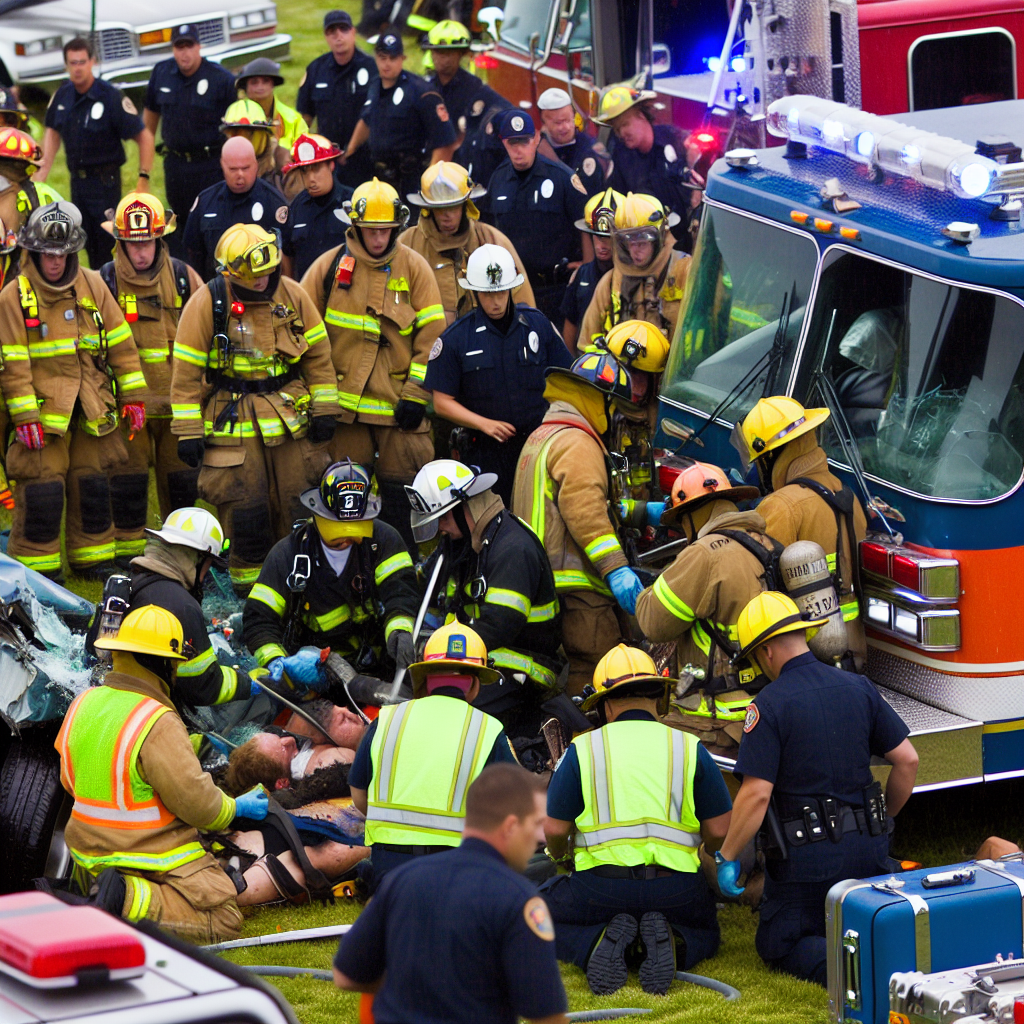
When your vehicle breaks down or you face an accident, the arrival time of a tow truck can significantly impact your peace of mind. Local auto repair shops, car dealerships, property managers, resort operators, and commercial fleet operators all have a vested interest in understanding how long it takes for help to arrive. Factors such as your specific location, the service provider, current traffic conditions, and the technology utilized by tow services can all influence arrival times. This article delves into each of these aspects, offering insights that will help you better anticipate when assistance will arrive, ultimately enhancing your service experience.
Geography on the Line: Decoding Tow Truck Arrival Times Across Urban, Suburban, and Rural Places
Waiting for a tow can feel like standing at the edge of a map, waiting for the needles on a compass to settle on a single point. Yet the distance between your car and a welcome tow is rarely fixed. It shifts with your exact location, the time of day, traffic currents, and how many other vehicles are calling for help in the same neighborhood. The core idea is simple: ETAs are never a crystal ball. They are educated estimates drawn from live data, fleet availability, and the ebb and flow of road networks. In practice, the more you understand about where you are and how the dispatch system works, the more you can interpret the numbers you’re given. You may not control the weather or the traffic, but you can influence the quality of the information you receive and the actions you take while you wait. The journey to arrival begins the moment you call for help and ends when the tow truck’s lights appear beyond the glare of your headlights.
Location is the most conspicuous driver of ETA, and it operates on two parallel truths. First, the density of towing providers varies dramatically by geography. In sprawling cities, there are more trucks per square mile, more routes, and more arrival chances at any given moment. That clustering can compress wait times during peak demand, but it can also create snags when a dozen similar calls arrive in the same half-hour and a single dispatch center must juggle multiple priorities. In contrast, rural or remote areas spread fleets thinner. The nearest available tow might be several miles away, and a single rural road can become a chokepoint if a truck must maneuver through winding lanes, gravel stretches, or limited access routes. Second, the physical layout of the area—its highways, local roads, and topography—shapes how the dispatch system calculates arrival. Straight shot routes with fewer intersections tend to produce simpler timing estimates, while routes that weave through neighborhoods, pass through toll points, or navigate steep grades can introduce variability even when there are multiple nearby tow trucks.
The most reliable anecdotes about arrival times come not from the distance alone but from how the nearby fleet is deployed and how traffic behaves on the day of the call. In central business districts, a tow may be dispatched and arrive in a matter of minutes if the weather is ordinary and the roads are clear. When weather deteriorates—rain, snow, fog—those same routes can slow down even as the number of available trucks remains constant. If there is a major accident nearby or a road closure that diverts traffic through a narrow corridor, the ETA can jump as drivers are rerouted to avoid danger or to coordinate with on-scene responders. In those moments, the phrase you hear about “real-time ETA updates” starts to matter more than a bland average. Real-time information reflects not just the truck’s location, but the dynamic constraints of the road network the driver is navigating.
A second dimension of location is the time itself. The same neighborhood can feel like a different place at dawn, midday, or late at night. During morning and evening rush hours, more vehicles touch the same routes, and the dispatch system often benefits from a larger pool of nearby trucks that can be assigned to urgent calls quickly. Yet congestion can erase that advantage, transforming a 10-minute drive into a 25-minute detour. In the quiet of rural nights, a single truck may be the sole lifeline, which makes each mile feel longer and each minute more precious. Nighttime also carries its own hazards: reduced visibility, longer reaction times, and fewer surrounding services that can absorb the spillover of a busy evening. The timing is never just about distance; it is about the choreography of a living transportation ecosystem that adapts to the clock and the weather.
Complicating the map is the way dispatch centers operate in concert with mobile fleets. Modern fleets increasingly rely on GPS-enabled systems and digital mapping to assign the closest available tow and to route that vehicle along paths that minimize travel time while avoiding known bottlenecks. These systems often interface with mapping platforms that ingest live traffic data, accident reports, and roadwork alerts. The result is an ETA that responds to the road as it is happening, not as it was imagined at the moment the call was placed. The precision of a modern ETA comes from the confluence of location data, vehicle telemetry, and real-time traffic models. Every update is a small recalibration, a readjustment as the situation on the ground evolves. As a caller, you may see a sequence of updates, each painting a clearer picture of when the tow will reach you. And while those updates provide reassurance, they also carry a caveat: all estimates carry a margin of error because the road is inherently unpredictable.
The way a customer experiences wait time is also shaped by the type of service and the level of urgency. In urgent or emergency scenarios, dispatch centers prioritize rapid mobilization, squeezing the time from call to departure as much as possible and then relying on the nearby fleet to minimize the distance to the scene. In other situations, where the need is less immediate, the system can opt for a more deliberate approach, coordinating with the nearest trucks while considering the most efficient route for multiple picks. The consequence is that two calls placed within minutes of each other in the same neighborhood can yield different ETAs, depending on whether the first call already tied up a nearby truck or if another call diverted a resource to a more pressing matter. This is an industry where urgent needs are met with calm, calculated logistics, not with random luck.
The numbers you hear, such as 30 to 60 minutes on average, capture a broad range rather than a single moment for everyone. In many urban centers, the density of service providers and the efficiency of dispatch systems can push the lower end of that spectrum toward 15 to 20 minutes when demand is favorable and the vehicle is within a short, direct corridor. But a similar urban area can also stretch to 60 minutes or more during a sudden weather event or when a large incident creates a cascade of calls. Rural areas commonly see longer waits, often in the 45 to 90-minute window, simply because the physical distance to the nearest available tow is greater and a single dispatch can be responsibly allocated to the needs of the moment. Even within the same county, different towns may experience different patterns based on the local concentration of providers, the quality of the road network, and the prevalence of heavy truck traffic that adds to road wear and travel times.
What makes the ETA meaningful is not merely the number but the ability to monitor and interpret it. Many drivers now benefit from platforms that offer real-time tracking, letting them watch a vehicle’s movement on a map as it closes in. This visibility can be a source of comfort, reducing uncertainty and letting a driver judge whether there is time to prepare for the tow, check a few belts and hoses in the car, or secure belongings before the truck arrives. The utility of such tracking goes beyond personal reassurance: it helps anticipate the exact moment when the service will arrive, which in turn informs decisions about where to stand, how to position the car for the tow, and how to communicate with the driver when the truck reaches your location. The best experience comes when the ETA remains transparent and up-to-date, not when it is a stubborn guess that never changes.
The discipline of getting a tow to arrive on-time is both an art and a science. On the science side, the fleet relies on a continuous feed of data about where every available tow is parked, what routes are open, and how long each segment of a journey is expected to take in real time. On the art side, operators must interpret the data, make judgment calls about what to do when a road closes unexpectedly, and communicate with you in terms you can rely on. If a road becomes blocked, the operator may re-route and offer a revised ETA, explaining the reason behind the change and what you can expect next. You, in turn, can respond by adjusting your expectations, stepping back from the edge of the road, and considering safety. If you are stranded in a potentially unsafe situation—on a shoulder in heavy traffic, for example—you should prioritize safety over waiting for a precise ETA. The system is designed to help, not to trap you in doubt.
For those who want to understand the practical, everyday implications of these timelines, a few rules of thumb can help manage expectations and reduce frustration. First, provide precise location details when you call. A sticky note on your windshield or a landmark you can see from the road can help the dispatcher triangulate your position more quickly and reduce the distance the tow must cover. Second, share any critical vehicle details that could influence the tow process, such as whether your car is operable enough to be moved out of a dangerous traffic lane, or if you will require a winch or a wheel lift. Third, if you have access to a mobile app or an online platform that shows ETAs, monitor the progress and keep the line of communication open so the dispatcher can contact you if circumstances change.
Meanwhile, the question of location continues to frame the rest of the waiting experience. An urban center with a dense grid typically engenders a faster initial response, but the context of traffic then governs final arrival. A suburban corridor with a mix of local streets and longer highway segments might deliver a steady, predictable ETA, punctuated by occasional delays from incidents. A rural roadway, by contrast, offers a different kind of predictability: longer distances to cover and fewer fleet options, but a smoother travel path if there are no detours or weather events. In each case, the ETA is a living estimate, designed to reflect the best understanding of the road at that moment, not a guarantee carved in stone. This is why the best mindset when you’re waiting is to treat the ETA as a guide—use the information to position yourself safely, conserve battery life on your phone, and stay alert for updates.
If you’re curious about how dispatch mechanics translate into the numbers you see, you can explore more about the broader mechanics of fleet logistics and emergency response through industry discussions. For a broader perspective on dispatch and fleet coordination, see The Island Tow Truck Blog. It offers context about how fleets balance speed, safety, and reliability in a variety of settings, from busy urban cores to isolated stretches of road, and how technology supports those decisions. This resource can deepen your understanding of why arrival times can swing so widely and why transparency about ETA matters so much when you’re stranded and anxious about a road ahead. The Island Tow Truck Blog provides a window into the practical day-to-day realities behind the numbers you see when you check an ETA on a map.
The real-world takeaway is straightforward: when you are waiting for a tow, you are part of a dynamic system that is constantly adapting to location, demand, and the road itself. The ETA is a tool designed to bring that system into your awareness, not a promise carved in stone. In urban settings, expect shorter dispatch-to-arrival windows on good days, with the caveat that weather and accidents can compress those gains. In rural settings, hold space for longer waits, and plan accordingly by having essentials on hand as you wait. In all cases, staying informed, prepared, and patient helps the process work as it should—quickly enough to reduce risk, and precisely enough to ensure your safety.
For those seeking a broader, data-driven view of how these times come to be and how to interpret them under a variety of conditions, consider consulting established guidance on the subject. External resources that analyze ETA patterns across different contexts offer insight into how traffic, weather, and fleet distribution shape the experience. These resources emphasize that the most reliable information comes from the source—the dispatcher or roadside assistant handling your call—and that the best way to reduce uncertainty is to engage with the official ETA and update channels as they appear. When you receive an ETA, read it as a plan that can adapt rather than a fixed deadline. Your awareness of the location, the road conditions, and the status of nearby traffic will empower you to respond in ways that keep you safe and minimize the stress of waiting.
In the end, the arrival time is a reflection of geography, technology, and human coordination operating together. No two waits are exactly alike, and that is precisely why the concept of ETA works so well: it is a snapshot of probability at a moment in time. When you’re stranded, the map becomes a map of possible futures—the tow truck’s progress a thread tying you back to the road, the sound of a truck’s approach a signal that help is near. By understanding the factors that influence ETA, you gain not just a better expectation but a better sense of how to navigate the experience with calm, safety, and clarity. If you want to stay engaged with the broader conversation about how dispatch networks function in real-world settings, the linked blog provides a helpful companion read that translates practice into principle, and the external resource at the end offers a data-backed perspective on typical arrival ranges across different contexts.
External resource: For a broader, data-backed perspective on tow-truck arrival times and the factors that influence them, you can consult industry analyses and guidance such as this overview: https://www.aaa.com/autocare/articles/how-long-does-it-take-for-a-tow-truck-to-arrive
The Network Effect: How Service Provider Networks Shape Tow Truck Arrivals
When a vehicle breaks down, the clock starts ticking in more than one way. The driver or passenger wants help fast, yes, but equally important is the quality and reliability of the help that arrives. In modern roadside assist, the speed of arrival is not solely a function of one company’s fleet. It is the product of a broader, dynamic ecosystem—an expansive network of vetted providers, real-time dispatch technology, and intelligent routing that together determine how quickly a tow truck reaches the scene. This network effect is less about a lone driver racing toward a single location and more about a synchronized web that can pull the right resource from a pool of candidates at a given moment. Understanding this difference helps explain why times to arrival can vary so much from one incident to the next and why some platforms routinely deliver noticeably shorter waits than others in similar urban or rural contexts.
At the heart of these systems lies a simple, powerful principle: proximity is only part of the equation. A network that maintains a broad, well-vetted roster of providers has two critical advantages. First, it increases the likelihood that a compatible, available tow operator is nearby enough to respond quickly. Second, it creates redundancy. If one provider is tied up with a prior job or cannot access a particular location, another from the same network can step in without a long pause. The result is a smoother, more reliable chain of dispatch that translates into shorter average ETAs (estimated times of arrival) for many customers. Platforms that curate large pools of licensed, insured, and safety-conscious professionals are better positioned to leverage this redundancy and to keep a service moving even when conditions on the ground become challenging.
How does this play out on the street? When a user requests assistance, the platform’s software surveys a live map of all available providers, each with a current status—en route, on scene, or unavailable due to a job in progress. The algorithm then selects the closest provider who has capacity to take the job, considering factors such as traffic, the most efficient route, and the ability to reach the customer quickly. This is not a blind proximity bet. Real-time location data, traffic patterns, and even predicted travel times to the pickup point feed the decision-making process, allowing the system to assign the next available professional who can arrive fastest while meeting safety and liability criteria. In urban areas, this often yields arrival windows as tight as 15 to 30 minutes for many customers during normal hours. In suburban or rural zones, or during peak demand, those times may stretch, but the network still aims for the shortest feasible delay by tapping that same broad pool of providers.
A key element in delivering speed and reliability is the quality filter that accompanies every provider profile. A reputable network does not simply count bodies; it screens for licensure, insurance, and adherence to safety and service standards. This reduces the risk of delays that can arise from last-minute paperwork, liability concerns, or a driver who is not equipped to handle the specific vehicle or situation. It also helps protect the customer from being handed off repeatedly to different operators, a scenario that can create confusion about who is arriving, when, and under what conditions. Instead, customers experience continuity: a single, reliable driver is identified by a name and contact information, and the ETA is tied to a single, accountable professional rather than a rotating cast. In practice, this means faster, more predictable service and less uncertainty for someone already dealing with a stressful emergency.
Transparency also plays a central role in how these networks operate. A modern platform provides continuous updates about the driver’s progress, including the driver’s name, contact information, and a precise ETA. This level of visibility reduces anxiety and helps customers coordinate with others in their vehicle, navigate to safer spots on the roadway, or arrange alternatives if the weather or traffic suddenly intensifies. Real-time tracking is not merely a convenience; it is a safety feature that helps people manage the moment when time feels stretched and tension peaks. The driver’s proximity, the route being taken, and the estimated arrival moment all converge into a clear narrative for the customer. In turn, this clarity reinforces trust in the network and makes the overall experience less nerve-wracking than previous generations of roadside assistance, where ETA updates might arrive sporadically or not at all.
Beyond speed, the strength of a provider network emerges in how it handles the variety of requests that roadside emergencies create. A breakdown can happen in a city center with dense traffic, on a dark rural highway, or in a sparsely populated industrial area after hours. Each scenario demands a different mix of providers. A robust network maintains coverage across regions and times, ensuring there is no single choke point—the situation that slows everything down when a lone operator is all that can be called upon. The dispatch system, therefore, is designed to route jobs to the nearest available professional with capacity while also considering potential delays caused by factors such as weather, road closures, or special access needs at certain locations. For the customer, this translates into a more resilient service that can absorb disruption and still deliver a timely response.
The effectiveness of this network is also a function of the platform’s ability to coordinate with drivers in real time. When a request comes in, the dispatch system communicates with the driver’s app, confirming the job details, providing the customer’s location, and offering a line of communication should the driver need to contact the person waiting. The driver can share their own ETA, and the customer can see it update live as the vehicle moves toward the pickup point. This bidirectional communication is not incidental; it is central to managing expectations and preventing frustrating misalignments, such as the driver arriving to find the vehicle in an unreachable location or lacking permission to access a gated area. The result is a smoother handoff from dispatch to driver and a clean, coordinated arrival that minimizes wasted minutes.
The practical effect of these networks on arrival times can be especially noticeable during peak demand or adverse conditions. When a city experiences a surge in incidents—whether due to a holiday traffic pattern, a severe weather event, or a high-temperature afternoon when vehicles overheat more easily—the ability to tap a broad provider pool is crucial. A smaller, less diverse roster may quickly exhaust its nearby drivers or require longer cycles to reallocate resources. A larger, well-curated network has a greater probability of having at least several capable providers within the vicinity who are free and ready to take on a new assignment. In those moments, the chance of a more favorable ETA rises simply because there are more available options to draw from. Customers may still see variation in wait times, but the width and responsiveness of the network often compresses the range, turning what could be a lengthy, uncertain wait into a shorter, more predictable experience.
This is where the design of the platform itself shapes outcomes. The best networks combine a large provider base with smart routing logic, safety controls, and clear customer communication. They avoid the trap of prioritizing speed at the expense of quality or safety. A quick arrival is valuable only if the provider arrives prepared to handle the situation properly—whether that means having the correct equipment, the right insurance, or the ability to secure a safe location for a roadside operation. In practice, customers benefit from both the speed of dispatch and the confidence that comes with professional standards. The balance between urgent response and responsible service is what differentiates a truly reliable network from a fast-but-fragile alternative.
For readers curious about how fleets and platforms structure these emergency-response capabilities, a deeper exploration into fleet coordination strategies can be instructive. One relevant resource, for example, examines how fleets integrate emergency response into their broader operations and how networks of providers can be coordinated to maximize readiness and minimize delay. This perspective helps explain why the ETA you see after booking can reflect not merely the distance to you, but the health of the entire response ecosystem working behind the scenes. essential fleet emergency response strategies
Another practical aspect to consider is the customer’s role in shaping arrival times, even within a well-managed network. When you request service, providing precise and verifiable location information accelerates dispatch. Cross streets, GPS coordinates, nearby landmarks, and access instructions (gate codes, parking restrictions, or vehicle height limitations) all remove friction that might slow a driver down once they are en route. If the location is complex—say a crowded campus lot or a narrow rural drive—sharing specific entry points and preferred pickup zones can prevent the driver from wandering or encountering closed routes. While the network’s algorithms and drivers handle the heavy lifting, a small amount of customer preparation can significantly improve the likelihood of a prompt arrival. This collaboration mirrors the broader principle behind reliable service: speed benefits from clarity, and clarity benefits from data that is timely and correct.
It is also useful to see how the customer experience in this context connects with the broader digital roadside ecosystem. In-app features that provide an ETA, allow real-time tracking, and display driver details are designed not just for convenience but as tools for risk management and situational awareness. When a customer can watch the vehicle approach on a map, they can adjust plans, coordinate with others, or direct the driver to a safe staging area if conditions worsen. The visibility built into these networks thus protects users and helps the provider deliver faster, more predictable service. In practice, this transparency reduces the cognitive load of a roadside emergency, turning an inherently stressful moment into a sequence of clear, manageable steps.
Finally, the interplay between provider networks and arrival times has important implications for the broader reader audience—fleet managers, dispatch coordinators, and individual customers alike. For fleets that manage roadside assistance as part of their service offering, the lesson is not only about reducing ETA but about building a reliable, scalable model that can sustain performance under pressure. It means investing in a diverse provider network, ensuring every partner meets rigorous safety and service standards, and equipping your team with the tools to monitor, adjust, and communicate effectively. For individual customers, the practical takeaway is to look for platforms that emphasize transparency, real-time updates, and a broad network of qualified providers. Knowing that a platform can rapidly mobilize a credible professional from a nearby location can make the difference between a prolonged, anxious wait and a calm, efficient resolution. The ask is straightforward: value speed, but not at the expense of safety or reliability.
In summary, the arrival time of a tow truck is rarely a single-driver story. It is the outcome of a coordinated network—one that can marshal qualified professionals, optimize dispatch in real time, and communicate clearly with the customer as the vehicle closes the distance. When you understand this network effect, you gain a fuller picture of why some experiences feel instant and others take longer, and you can make smarter choices about the services you use, how you interact with them, and what to expect when you need roadside assistance. For those curious to explore more about how fleets and networks balance emergency response with everyday operations, the linked resource offers a broader framework that complements the practical, on-the-ground realities described here.
External resource: https://apps.apple.com/us/app/honk-tow-roadside-on-demand-app/id1469621876
Racing Against the Grid: How Traffic Shapes Tow Truck Arrival Times and What You Can Do About It
When a vehicle breaks down or is involved in a roadside incident, the clock starts ticking in two ways. The driver facing a stalled engine or a flat tire hears the cough of the clock, a siren-like reminder that time matters. The dispatcher hears a parallel clock, ticking as algorithms weigh location, availability, and the fluid math of the road network. The question at the heart of this chapter is simple and stubborn: how long will a tow truck take to arrive, and what happens when the city grid turns into a maze of red lights, stalled lanes, and detours? The answer, in practice, is not a fixed minute count but a dynamic estimate shaped by traffic conditions, the tempo of the streets, and the intelligence behind how fleets move their units from one call to the next. In the modern era, the best tow services treat ETA not as a rough guess but as a disciplined outcome of data, routing logic, and real-time situational awareness. This approach elevates the waiting experience from a desperate pause to an informed moment, where drivers can anticipate arrival, safety can be managed, and responses can be coordinated across multiple incidents on the same corridor.
Traffic is not merely a backdrop; it is a living force that can compress or stretch the reach of a tow fleet. Congestion, accidents, and ongoing roadwork can transform a straightforward trip into a test of navigation and timing. Real-time traffic monitoring has become a core capability for dispatch centers, enabling operators to see the lay of the land as vehicles move. The idea is straightforward: know where the road is clear, where it is blocked, and where a detour can shave minutes off a route. The most effective dispatch systems increasingly rely on machine learning to translate noisy traffic signals into reliable operational guidance. This is not just about predicting the future for a single call; it is about forecasting the broader traffic picture well enough to optimize a fleet’s entire stream of tasks.
At the heart of these improvements is a class of data-driven techniques that can describe traffic events, classify their severity, and help decide which tow should go where and when. Data sources range from official traffic feeds to crowdsourced observations, including social media streams where people report incidents in real time. When models learn to distinguish between a harmless slowdown and a genuine incident, they reduce the risk of misallocation—sending a truck to a non-urgent area while a more critical call sits waiting. Early research in this space showed that even simple classifiers could improve the speed of recognizing emergencies, which in turn shortens the path to a vehicle being towed or recovery being performed. The practical payoff is clear: faster dispatch translates into shorter wait times for customers and quicker clearance of the scene, enabling the highway system to resume normal operation sooner.
A real-world implication of this data-driven approach is the ability to re-route a truck on the fly. If a tow truck is en route and a sudden crash blocks a corridor ahead, the system can pivot to a secondary route that preserves time. This is not magic but careful orchestration. The dispatch algorithm feeds live traffic signals into a routing engine, which estimates ETA for each candidate route and then selects the option that minimizes total delay. The result is a living estimate that adapts as conditions change. In urban settings, where traffic is dense and unpredictability is the rule, dynamic routing can be the difference between a 25-minute ETA during a lull and a 60-minute ETA during a peak-hour jam.
The ETA provided to a customer often comes from a two-step process. First, the system identifies the nearest available tow truck with the right capabilities. Then it computes the most efficient path to the vehicle’s location, considering current traffic conditions, road restrictions, and the truck’s own travel time. The ETA is not a fixed countdown but a probabilistic range that reflects the best available information at the moment. Many modern roadside assistant platforms now offer ETA visualization within an app, letting the user watch the tow truck’s progress in real time. This transparency reduces the anxiety of the waiting period and helps the driver prepare for the arrival, including securing the vehicle in a safe position and coordinating any on-scene needs with the operator on the other end of the line.
Yet even with advanced routing and live tracking, there are moments when traffic creates unavoidable delays. A sudden incident on a major artery, a work zone, or a weather-induced slowdown can ripple through a fleet’s plan, delaying not only the first-arriving unit but potentially cascading into a backlog of calls across several zones. In these moments, the quality of service hinges on how quickly a fleet can absorb the disruption, reallocate resources, and push the next-best unit toward the scene. This is where a data-driven mindset becomes essential. By analyzing historical patterns of congestion and incident frequency, fleets can anticipate busy times and strategically position trucks along high-demand corridors before calls come in. It is not control by fiat but optimization through foresight, a subtle art of being a step ahead in the city’s choreography of movement.
The scientific literature around this topic reinforces the practical intuition. Studies using real-time traffic data and machine learning for emergency response indicate that accurate detection of traffic events improves dispatch efficiency. Techniques like Support Vector Machines, Naïve Bayes, and Decision Trees have been evaluated for their ability to classify events—distinguishing, for instance, a temporary slowdown from a true traffic incident requiring immediate response. The quality of these classifications is judged by metrics such as precision, recall, and F1-score, which balance the trade-offs between missing a critical event and overreacting to false alarms. When these models perform well, dispatchers can prioritize calls based on actual risk and potential impact, sending the right unit to the right place at the right time. The takeaway for customers is straightforward: the more data the system can parse, the more accurate the ETA becomes, reducing the wait without increasing risk to driver or vehicle.
A core virtue of modern dispatch is aligning the customer’s expectations with the realities on the road. Real-time ETA after booking is not a luxury; it is a practical tool borne from the convergence of software, telematics, and urban mobility data. For a customer stranded on the shoulder, the ETA should feel like a transparent window into the road world rather than a vague promise. The ability to track the tow truck’s location in real time is more than a convenience; it is a safety feature. It allows the driver to plan for safe pickup and ensures bystanders and other drivers understand the unfolding sequence of events. In dense urban zones, this visibility helps reduce duplicate crowding at the roadside and minimizes the time vehicles spend in unsafe positions.
From the perspective of the fleet, traffic-aware dispatch is a discipline built on data governance and process discipline. It starts with accurate location data and ends with disciplined routing. The device in the tow truck speaks the language of GPS, but the interpretation occurs in the dispatch center, where algorithms benchmark routes, consider road restrictions, and respond to real-time disruptions. If a vehicle breaks down near a busy interchange, the system might position a second tow unit nearby to cut the overall response time for potential second calls, or allocate a lighter truck for a near-term non-urgent tow and reserve a heavier unit for a later incident that could arise in the same corridor. This strategic flexibility is what keeps response times dependable across the day, even when the city’s tempo rises and falls.
The human element remains essential. A skilled dispatcher weighs information beyond the numbers: the severity of the situation, the number of people involved, and the weather around the incident. The operator must communicate clearly with the customer, setting expectations about ETA while also offering practical guidance for safety and immediate next steps. The best practices in this domain emphasize concise, accurate information sharing and proactive communication. Rather than promising a precise minute-by-minute countdown, the operator offers a realistic ETA window, explains the likelihood of detour changes, and provides instructions for staying safe until help arrives. In the end, technology serves the human operator by delivering actionable intelligence, while the operator serves the customer by translating that intelligence into clear, calm guidance.
The practical implications for drivers on the road are also worth noting. When you call for a tow, you contribute data to the system through your location, the description of the incident, and your permission to share updates. If you can share exact landmarks, GPS coordinates, or notable nearby features, the dispatch algorithm will likely generate a more precise ETA. Enabling real-time tracking means you can anticipate the truck’s arrival, and you can coordinate with your own on-site safety plan—turn on hazard lights, move to a safe area, and keep a clear path for the tow operator. The more cooperative the interaction, the faster the process becomes, and the more predictable the outcome. This co-creative workflow—between customer, dispatcher, and vehicle in transit—embodies a broader trend in modern road assistance: the integration of human judgment with machine-assisted precision to produce reliable, timely service on roads that never stop moving.
The boundaries of what is possible with traffic-informed tow arrivals continue to expand. As datasets accumulate, as modeling techniques mature, and as telematics networks strengthen, the ETA becomes a more resilient estimate. The aim is not to eliminate all variability but to dampen its effect enough that a customer can plan around an arrival that is as predictable as possible given the circumstances. In the moments after a breakdown, that predictability matters. It shapes decisions about equipment, safety, and how to proceed with the next steps after the tow arrives. And it matters to the operators too, because it helps balance workload, reduce idle time, and optimize the use of precious roadside assets amid a city’s ceaseless cadence of traffic.
For practitioners, there is value in looking at the broader ecosystem of emergency response strategies, where a calm, data-driven mindset helps align fleet operations with city traffic realities. Emphasizing proactive routing, intelligent incident detection, and transparent customer communication creates a smoother experience for everyone involved. If you want to explore practical frameworks and strategies in this area, you can read about fleet emergency response strategies through industry resources that synthesize best practices and case studies. These resources summarize how fleets can prepare for peak traffic, respond to incidents with agility, and maintain reliability for customers who need help most when the streets are busiest. fleet emergency response strategies
In sum, traffic conditions shape tow truck arrival times in measurable ways, but they also catalyze a set of responsive practices that make those times more predictable. The convergence of real-time data, machine learning for traffic event detection, and disciplined dispatch workflows enables fleets to anticipate congestion, optimize routes, and provide customers with clear, actionable ETA information. The result is a more trustworthy service that respects the value of time for drivers, bystanders, and the professionals who work every day to clear the road. While no one can promise a universal, fixed arrival time, the trend is toward increasingly reliable estimates that reflect the lived reality of the road—the constant negotiation between a vehicle’s need and the grid it must traverse.
External resource for further reading: the integration of real-time traffic monitoring and machine learning to improve emergency vehicle response times is explored in depth in analytical literature available at https://www.sciencedirect.com/science/article/pii/S240584402300724X. This resource provides a rigorous examination of how data-driven models can improve precision, recall, and F1-scores in traffic event detection, ultimately supporting faster and safer tow operations.
Real-Time Tracking and the Clock on the Road: How Technology Shapes Tow Truck Arrival Times
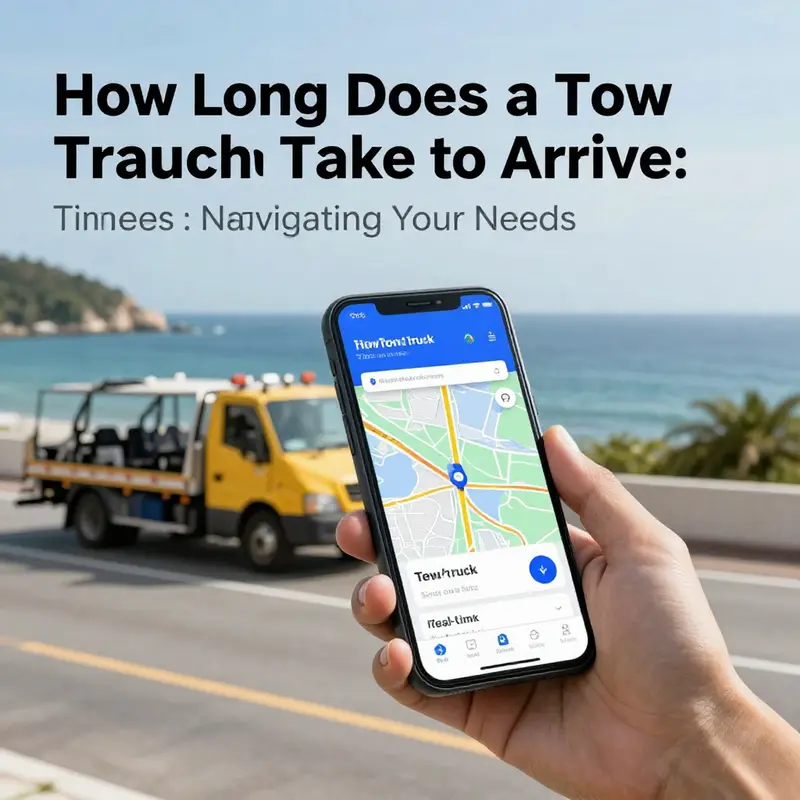
When a vehicle breaks down or is suddenly disabled, the first question on a traveler’s mind is often both simple and urgent: how long will help take to arrive? The answer used to be a rough estimate based on the dispatcher’s best guess and the driver’s current location. Today, the arrival time is increasingly anchored in real-time data. Real-time tracking tools weave together GPS signals, traffic feeds, and the live status of available drivers to deliver a current estimate of when a tow truck will reach the scene. The result is more than a number on a screen; it is a dynamic forecast that updates as conditions change, giving stranded motorists a tangible sense of progress rather than a static promise. In this light, the timer on the roadside is less about a fixed duration and more about a living, responsive plan that adapts to the road’s demands in the moment. This shift—from a single ETAdjusted by a dispatcher to a continuously refined ETA—has transformed not only how quickly tow trucks arrive but how confidently customers can plan their next steps in the aftermath of a breakdown.
The mechanism behind this evolution rests on several strands of data working in harmony. At the core is the GPS position of the nearest available tow truck, which serves as the baseline for any arrival time. Add to that real-time traffic information, which captures the ebb and flow of congestion, accidents, and construction that can stall a drive. Layer in road conditions, weather alerts, and any notices about road closures, detours, or incidents that could divert a route. With these inputs, dispatch software can estimate a route for the selected truck and project a practical ETA. Importantly, this is not a one-and-done calculation. As a truck leaves its current location, as traffic shifts, or as other incidents pull resources away, the ETA recalibrates. The customer’s device then receives a fresh forecast, and the map continually updates to reflect the truck’s moving position and the evolving clock on the dashboard.
The immediacy of this data is what makes the experience feel reliable rather than speculative. Users booking a roadside assist service often gain access to a clear, timestamped ETA right after booking. They can watch the tow truck’s progress in real time, with the ETA converging as the vehicle approaches and then tightening further as the last bearings are aligned with the caller’s location. This visibility matters on several fronts. For the person stranded on a highway shoulder or a quiet rural road, a precise ETA translates into practical decisions—whether to stay near the vehicle for safety, seek shelter in a nearby shop, or coordinate with a passenger who can meet the driver at a designated point. It also reduces the cognitive burden that accompanies car trouble: instead of guessing how long it will take, the passenger can plan for a concrete window of time and adjust plans accordingly.
Beyond the individual user, real-time tracking reshapes the operational heartbeat of the service network. Dispatchers gain a clearer picture of where resources sit in the system and how rapidly they can pivot when demand spikes. If a breakdown occurs in a dense urban core during rush hour, the system can compare multiple nearby trucks and reallocate the most suitable one to the scene, sometimes even preemptively rerouting a truck that is already en route to a different call. This flexible allocation can shorten the time a driver spends idle and, crucially, shorten the overall wait for a customer in need. The result is a tighter feedback loop between demand and supply, where information becomes a tool to optimize performance, not just a means of recording it.
The customer experience is at the center of these improvements. Real-time transparency changes the relationship between the operator and the road user. When someone sees a line on a map that moves toward their location, when the ETA increments forward with each passing minute, and when each update includes a note about an expected arrival window, trust grows. It is no longer a mystery why help is delayed; it is a visible, understandable process that unfolds in plain sight. This clarity is especially valuable in regions where road networks can be opaque, where weather can suddenly worsen, and where the first few minutes after a breakdown feel like a liminal moment between vulnerability and relief. In these contexts, the ability to observe a technician’s progress in real time is not merely a convenience; it becomes a core safety factor. The sense of security that comes from consistent updates helps keep a stressed motorist calmer, more prepared, and better able to respond to evolving circumstances.
Yet the technology is not without its complexities. Real-time ETA accuracy depends on robust data streams and resilient connectivity. If GPS data momentarily drops, or a traffic feed encounters an outage, the system must gracefully manage those gaps—perhaps by defaulting to the last known position and next-best route while continuing to monitor for data lull recovery. Network coverage matters as well; rural pockets with sparse signal can introduce brief uncertainties, even as the broader system remains precise elsewhere. Solar glare, icy conditions, or even urban canyons with multiple high-rise reflections can also challenge GPS accuracy. For customers, the practical consequence is that the displayed ETA remains a projection rather than a guarantee, a nuance that is usually explained in the app’s terms but is worth internalizing as a reminder to stay flexible and prepared.
To make sense of arrival times in this environment, it helps to think in terms of a composite of factors rather than a single straight line from A to B. The distance to the scene matters, but so does the truck’s current duty cycle, which indicates whether the nearest available unit is already managing a nearby call or has been idle long enough to be redirected. Traffic realities, including the way congestion builds and dissipates through the day, shape the speed of the journey. The road network’s topology can also influence ETA stability. A straight, multi-lane corridor might offer a predictable glide, while winding routes through neighborhoods or switching between highways and local streets can introduce more variability even when the distance remains modest. Weather adds another layer of texture: rain can slow movement, high winds can complicate towing, and fog can obscure the driver’s line of sight. Each factor contributes to a living forecast, and the engine behind it all is a dispatch framework that continuously absorbs information and refines its predictions.
As the arrival time becomes a dynamic indicator rather than a static promise, two practices emerge as especially important for customers seeking peace of mind. First, leveraging the ETA as a planning tool rather than a fixed deadline helps manage expectations. If the ETA is five minutes away but the scene has hazards or the caller anticipates delays in access, adjusting plans becomes a practical choice rather than a defeat. Second, maintaining reasonable confidence in the system means recognizing that the ETA is most accurate when the customer’s location and access points are clearly defined in the booking. A well-described meeting point, up-to-date contact details, and a brief note about any gate codes or access instructions can prevent small frictions from introducing unnecessary delays. The more the customer and the dispatcher align on those details, the tighter the alignment between predicted and actual arrival.
Curiously, the shift toward real-time tracking also illuminates the broader role of technology in road safety and wait-time management. When a tow arrives promptly, the driver can secure the vehicle and begin the recovery process with minimal disruption to traffic flow. A clear ETA helps the person waiting to move vehicles out of danger zones, especially on busy routes where even a small pause can cascade into larger traffic back-ups. In addition, the data produced by real-time tracking contributes to ongoing improvements in fleet operations. Dispatchers can audit how accurately ETAs reflected reality, identify patterns of delay, and adjust routing or staffing to address recurring bottlenecks. Over time, these analytics translate into shorter, more predictable waits, even on the busiest days.
For readers seeking a tangible illustration of how this works in practice, consider the broader ecosystem in which roadside assistance operates. Data-driven dispatch enables a closer coupling of demand signals with supply capacity, so that a vehicle can be allocated with minimal idle time and maximum coverage. The technology also enables better coordination with other services that may be needed at the scene, such as spare parts retrieval or ancillary support, ensuring that the overall time from breakdown to safe resolution is minimized. When customers experience fewer moments of uncertainty and more consistent progress updates, the overall perception of reliability increases. The system earns trust not just by working when conditions are easy, but by maintaining visibility when things get tangled on the road.
In the end, the time it takes for a tow truck to arrive is no longer a single number. It is a living, data-informed forecast that rides on the lane changes, traffic patterns, weather, and the precise moment a driver accepts a call. The real-time tracking that supports this forecast has become a central nerve of modern roadside assistance, linking the person stranded on the curb to the technician en route with unwavering clarity. It makes the gap between expectation and reality smaller, and it gives both sides—customer and technician—a shared frame of reference for the journey from breakdown to resolution. For those who want to explore how this approach reflects broader trends in fleet management and emergency response, a useful pointer can be found in the practitioner communities that discuss transparency and efficiency in shared mobility venues. The Island Tow Truck blog offers perspectives on fleet reliability and emergency-response readiness that echo these ideas in a grounded, practical voice. The Island Tow Truck blog
As the road ahead continues to be shaped by data, the promise of even more precise ETAs drawn from richer data streams looms large. The capacity to factor in real-time incidents, dynamic road work, and driver behavior could yield arrival estimates that are not only faster on average but also more consistent in their timing. That convergence of speed and reliability would transform the experience of roadside assistance from a tense wait into a monitored, almost anticipatory process where customers feel seen, informed, and safe. In the meantime, the current generation of real-time tracking—while never perfect—offers a more trustworthy, more transparent, and more humane way to approach the time between call and arrival. It is not just about getting help faster; it is about making the journey toward help something that can be anticipated, understood, and planned around, even in the stress of a roadside emergency. For those who want to explore further, external resources are available that discuss real-time platforms and their impact on service delivery in other regions of the world, including markets that require rapid adaptation to varied environmental conditions. External resource: https://www.drivelo.com.
Final thoughts
Understanding how long it typically takes for a tow truck to arrive involves considering various factors like location, service provider, traffic conditions, and the innovations of real-time tracking technology. By being informed of these aspects, auto repair shops, dealerships, property managers, resort operators, and fleet managers can prepare better for unexpected breakdowns. Always remember, being aware of these details not only enhances service quality but also minimizes stress during roadside emergencies.