
For local auto repair shops, car dealerships, property managers, resort operators, and commercial fleet operators, understanding tow truck charges per mile is crucial for effective budgeting and operational management. Tow truck rates can vary broadly based on several factors, including base fees, vehicle type, and regional trends. This comprehensive guide will discuss the essential components of tow truck pricing, providing you with the insights needed to make informed decisions. Each chapter will dive into specific aspects that influence overall costs, ensuring you grasp the full picture of towing services in your region.
Beyond the Hook: Decoding Base Fees and Per-Mile Rates in Tow Truck Pricing
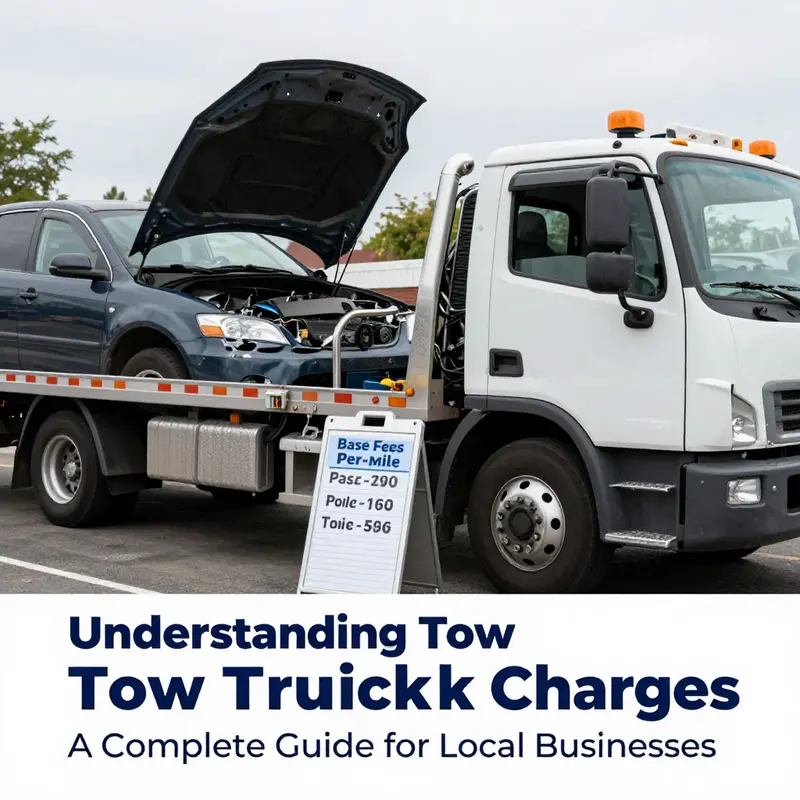
When a tow truck is on the way, the clock starts ticking and a price tag starts forming in the mind of a stranded driver. The most reliable map through that price maze is a basic structure common to the industry: a base or hook-up fee that gets the dispatcher moving, followed by a per-mile charge that climbs as the tow distance grows. This framework is simple in concept, yet it hides a lot of variation in practice. It depends on where you are, what kind of vehicle needs to be moved, how quickly you need help, and the specifics of the service call itself. A clear understanding of these two building blocks—the base fee and the per-mile rate—can help you anticipate costs and avoid sticker shock when the bill lands.
The base fee is the first number you’ll encounter, and it is not tied to how far the tow truck travels once dispatched. It compensates for the operator’s response, readiness, and overhead in mobilizing the service. You’ll see the base fee cited as a range because it shifts with geography, company policy, and the precise service requested. Urban centers tend to show higher base fees than rural areas, reflecting the greater operational costs and the density of competing providers in a city block. The base fee also varies with the type of service—standard tow versus emergency roadside assistance can carry different dispatch costs, because some scenarios require additional equipment, personnel, or quicker response times. In practical terms, most customers encounter a base fee that sits roughly between seventy-five and one hundred twenty-five dollars. That range captures the realities of the market and the way providers position themselves relative to local demand and competition.
Once the base fee is set, the distance towed becomes the primary driver of the final price. Per-mile charges are designed to reflect the wear and tear on equipment, fuel consumption, and the time spent traveling to and from the vehicle’s location. Across the industry, per-mile rates typically fall in a band from about two dollars to five dollars per mile. But this is far from a uniform number. Some operators implement tiered rates, where the first few miles carry one price and longer hauls trigger a higher rate. Others segment the market with flat rates for defined zones or distance bands, reducing complexity for customers who hate surprises. A few savvy providers apply a hybrid approach: a consistent per-mile rate within a zone, plus a higher rate for miles beyond that zone or for exceptionally heavy loads that demand heavier equipment. The result is that a single tow can turn into a small sum or a substantial bill, depending on how the mileage stacks up and which pricing model the company uses.
In addition to the base and per-mile charges, there are ancillary fees that can quietly mount the total cost. These supplementary charges cover services that accompany the tow rather than the distance alone. Winching is charged when a vehicle is stuck or needs to be moved out of a ditch or soft ground. Jump-starts on a dead battery, fuel delivery when there is no fuel in the tank, tire changes, or other on-the-spot services can add to the fare. Some calls demand specialized equipment or extra personnel, which prompts higher fees for the call itself or for the duration of the service. The exact mix of extra charges varies by company and by circumstance, so a longer tow might still feel affordable if it avoids costly optional services that aren’t necessary in your case. The practical upshot is this: when you request help, it pays to ask not just for the base and per-mile numbers, but for a line-item estimate that spells out any anticipated add-ons.
To make sense of the numbers you’re given, consider a few concrete examples. A short, five-mile tow, the kind of distance you might expect from a roadside assistance call in a suburban corridor, could fall into a price range roughly around seventy-five to one hundred twenty-five dollars. This band reflects the base fee plus a handful of miles at the prevailing per-mile rate, with potential minor variations for time of day or service type. A much longer tow—say fifty miles—likely exceeds three hundred dollars, and possibly more if the vehicle is large or requires specialized rigging. Heavier vehicles like pickups or sport-utility trucks often demand extra fuel and equipment, which translates into higher per-mile costs and sometimes a separate weight-based surcharge. Rural routes also skew prices upward, not just because of longer travel times but because there are fewer service providers to share the work over extended geographic distances. The same logic applies during peak periods or emergencies, when demand surges and availability tightens; it’s not uncommon for base fees to be at the higher end of the spectrum during these times, and for per-mile rates to be applied more aggressively as the tow distance grows.
Understanding the math behind these charges can empower you to compare quotes with confidence. Start by identifying the base fee quoted and the per-mile rate. Then multiply the distance by the per-mile rate and add the base fee. If a company cites a minimum charge, factor that into your calculation—as a minimum, the total cost won’t fall below that amount, even if the miles are few. Finally, scan for any line items that reference optional services and confirm whether they are necessary for your situation. In the moment of distress, this careful breakdown can feel tedious, yet it is a small investment in financial clarity that can save you from unexpected bills. If you’re uncertain about what a scenario might entail, request a written estimate that lists all applicable charges and explains what each line item covers. A written estimate also gives you leverage to negotiate or to shop around if the numbers don’t align with what you know about typical pricing in your area. For readers who want a deeper dive into regional flavors of pricing and to see how different markets approach the same problem, practical insights can be found in industry-focused resources such as regional pricing guides and roadside assistance scholarship materials. For a broader sense of how pricing can vary by region, you can consult a comprehensive roadside assistance pricing resource that aggregates regional differences and service-type variations. This external reference offers context for the numbers discussed here and helps you calibrate expectations against your local market. It’s worth noting that the numbers cited in this chapter represent commonly observed ranges and are not guarantees. The actual price you pay will depend on the specific provider, the details of the call, and local market conditions.
As you navigate the pricing landscape, a few practical habits help you keep costs predictable. First, request a detailed, written estimate before service begins. If the company provides a phone quote, ask for it to be confirmed in writing. Second, ask for the exact base fee, the exact per-mile rate, and whether the call includes any minimum mileage or other fixed charges. In some cases, the base fee can serve as a minimum bill, even if the tow distance is short. Third, inquire about any after-hours or weekend surcharges. Late-night calls, holiday hours, or weather-related disruptions can carry premium fees that inflate the total beyond the daytime average. Fourth, discuss possible add-ons before they are performed. If you don’t need winching, fuel delivery, or a battery jump, you can avoid those charges by clarifying your needs up front. Finally, consider shopping around. Prices can vary significantly between nearby providers, and a quick comparison can yield dozens of dollars in savings on a single tow. The island tow truck blog encapsulates many of these practical tips and offers regionally relevant budgeting insights that can help you frame expectations when time and safety are of the essence. https://theislandtowtruck.com/blog/
The pricing structure described here—base fees, per-mile charges, and optional add-ons—speaks to a broader truth about roadside services. The numbers are purposeful, rooted in the realities of equipment, labor, fuel, and logistics in a market that spans dense urban corridors to remote rural routes. When you understand the logic of the base and the miles, you can translate a cold quote into a story about what you are paying for: a dispatcher’s readiness, a truck’s journey to your location, the miles that carry you toward safety or a tow yard, and the careful balance between cost, speed, and service quality. This awareness doesn’t just protect you from surprise bills; it also informs how you communicate with providers. Clear questions and a straightforward estimate invite transparency and, often, a smoother experience when you’re dealing with vehicle trouble. The framework remains the same regardless of the vehicle type, though the numbers shift somewhat with heavier loads. It’s a reminder that the economy of towing, like any service that blends logistics with physical labor, rests on predictable components that can be explained, negotiated, and planned for ahead of time.
In the end, the art of understanding tow pricing boils down to separating distance from dispatch, and recognizing where flexibility exists. Base fees are not merely a fixed cost; they signal the level of service you should expect at the outset. Per-mile charges reflect the mileage and time involved in reaching and returning from your location. Together, they form the backbone of a charge that grows with your distance and needs. When you couple this knowledge with a careful review of any ancillary services, the odds of an overblown bill decline. The chapter you’ve read translates a roadside moment into a clearer financial map, guiding you to a fair price and a better request for service when you need it most. For readers seeking further regional context, the external resource linked here provides a broader frame for how pricing tends to shift across locales: https://www.aa.com/roadside-assistance/towing-fees
Where the Mile Has a Price Tag: Understanding Regional Variations in Tow Truck Charges Per Mile
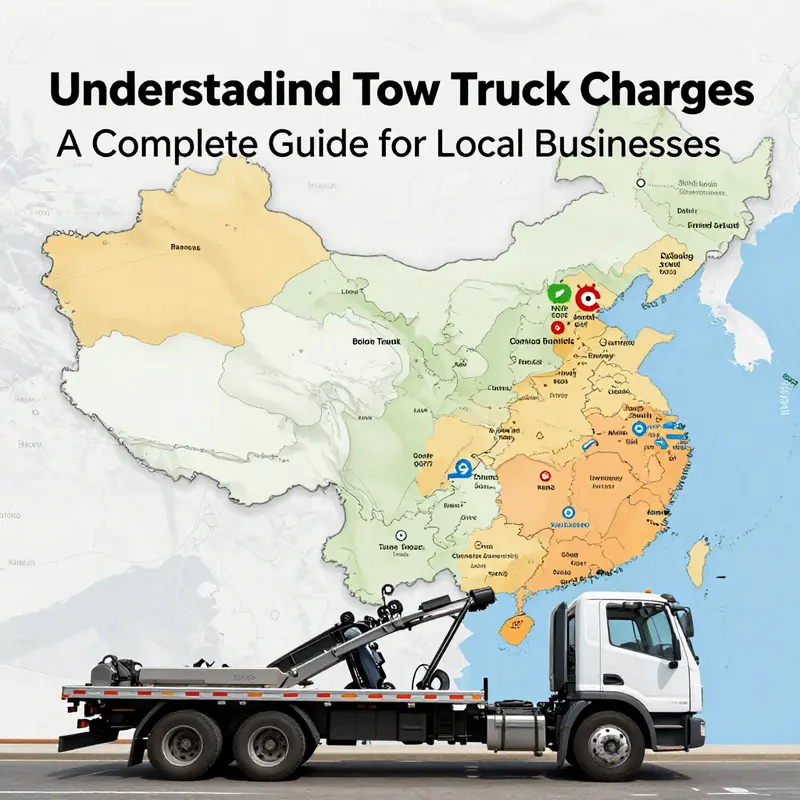
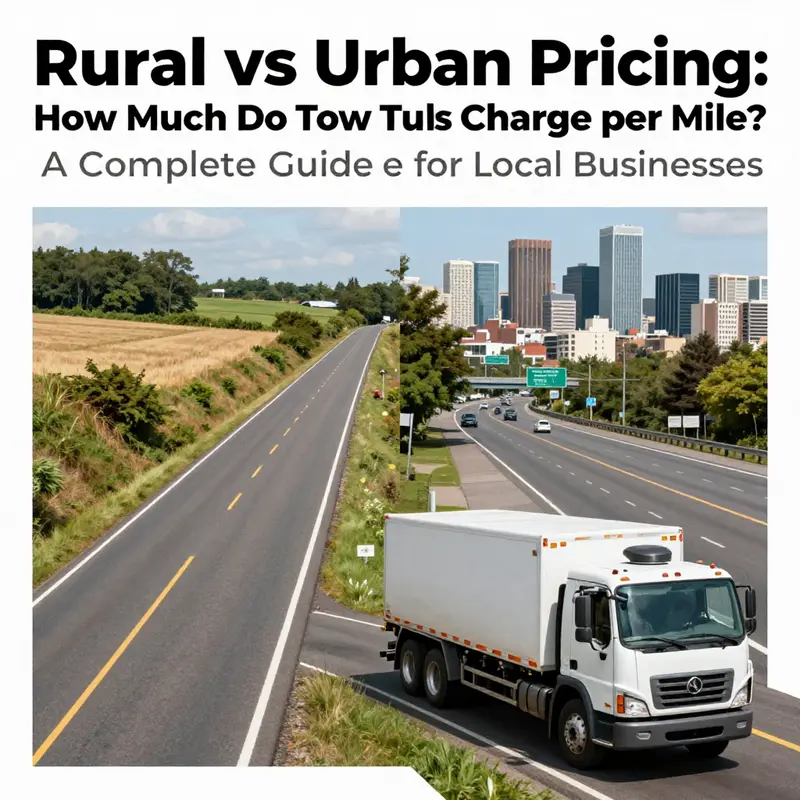
Charges per mile for tow services do not arrive in a vacuum. They emerge from a web of regional realities that shape the costs of doing business on wheels. When a vehicle breaks down, the distance a tow truck travels matters, but it matters differently depending on where that distance is measured. In dense urban centers, costs tend to ride higher, while in rural landscapes the same mile can carry a different price tag, shaped by longer travel times, staffing needs, and the logistics of serving dispersed neighborhoods. The result is a landscape where a single-mile figure is rarely enough to tell the full story. To understand what a tow might cost you from mile to mile, you have to read the regional climate on which those numbers are built, and that climate changes with the geography, the regulations, and the demands of the moment.
A practical starting point is the common pricing structure: a base fee, sometimes called a hook-up fee, followed by a per-mile rate. Across the country, the hook-up fee commonly falls in the neighborhood of fifty to one hundred dollars, reflecting the costs of dispatch, personnel, truck readiness, and the equipment needed to secure a vehicle and tow it safely. The per-mile charges typically range from around one fifty to three dollars, though some providers extend the rate in either direction depending on circumstances. This basic model—base fee plus per-mile charge—serves as a rough frame for most regional pricing, but the fill-in details vary by place, by demand, and by the vehicle being towed.
National averages, when you pull them together across regions, tell a story that is both reassuring and cautionary. A 2023 reference from a major motorist association noted that the first ten miles of towing in many parts of the United States commonly cost between seventy-five and one hundred twenty dollars. After those initial miles, the charge per mile tends to fall into a broader band, often two to five dollars per mile, again with regional drift. What this means in practice is simple on the surface: shorter distances can feel predictable, while longer tows can accumulate costs quickly, especially if the distance involves significant miles and heavier vehicles that require more fuel and specialized equipment.
If you zoom into states, you see more texture in the pricing. California, for example, is a market where higher demand, urban density, and regulatory rigor can push the initial towing distance into well over one hundred and fifty dollars in some locales. The same line item, when stretched to longer tows, can escalate quickly. In other states such as Texas and Ohio, prices tend to cluster toward the middle or lower end of the national range, reflecting a mix of lower operating costs and different market pressures. These state patterns aren’t just about the sun and wind over the state’s highways; they reflect labor costs, insurance premiums, and the cost of maintaining a fleet that can respond at the drop of a call, even during peak demand or in less accessible areas.
Regulation plays a potent, sometimes underappreciated, role in shaping those numbers. Many states impose rules that aim for transparency and fairness. Some require itemized invoices that break out hook-up fees, mileage, and any ancillary charges, helping consumers see exactly what they are paying for. California’s Vehicle Code, for instance, mandates upfront disclosure of all fees in many towing situations, a rule designed to curb surprise charges at the roadside and to help people compare quotes more effectively. Where regulation makes the bill more explicit, it can also influence pricing behavior—encouraging clear, predictable pricing that reflects the real cost of service rather than a rush-hiring approach during an emergency.
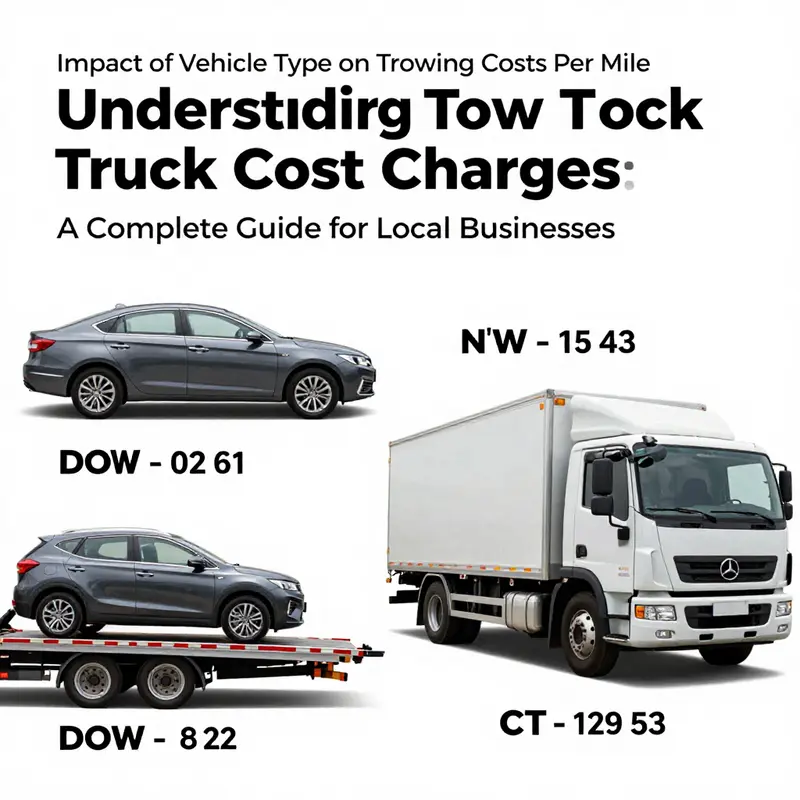
Beyond the base and per-mile framework, a number of tangential factors shape what you actually pay. Time of day and the immediacy of need matter more in urban corridors where the clock is a constant driver of cost. Emergency or after-hours calls come with a premium, as do waits in traffic-heavy regions that extend the time on the clock and burn more fuel. The vehicle’s class also matters: towing a compact sedan involves different equipment, energy use, and labor than towing a heavy truck or a commercial vehicle. A heavier vehicle may require specialized rigs, longer hook-up times, and circulations that demand slower, more careful handling, all of which can nudge the total price up for long-haul or heavy-duty tasks.
The regional matrix also threads through the debate on how to price long-distance tows. In rural expanses where service coverage is thinner and travel distances to reach a stranded motorist can be substantial, the economics of the operation tilt toward higher per-mile charges and sometimes flat-rate travel surcharges. A shorter tow in a metropolitan core begins with a higher base fee to cover the costs of rapid response, city-specific regulations, and the logistics of maneuvering in crowded streets. In essence, urban and rural pricing are two sides of the same coin, each reflecting the realities of getting a tow truck to the scene, securing the vehicle, and delivering it to a repair facility that can take over from there.
For those managing fleets and planning budgets, the regional variation is more than a curiosity; it’s a practical tool. A good approach is to treat regional pricing as a risk factor in emergency planning. When you know you operate across multiple regions, you can build a buffer into your maintenance and contingency budgets to accommodate higher expected rates in certain markets. It also makes sense to cultivate relationships with local providers who understand the terrain and regulatory environment. A regional partner can offer faster response times, more accurate quotes, and more transparent invoices, reducing the friction that often accompanies out-of-area tows.
For individuals, the central takeaway is to obtain a detailed estimate before agreeing to service and to ask the right questions up front. A sound quote should specify the base hook-up fee, the per-mile rate, any minimum charge that applies, and all ancillary costs—winching, fuel surcharges, after-hours premiums, and possible tolls if the route requires crossing a state line or a costly bridge. In this regard, a word of caution is warranted: price disparities between quotes can be a signal that not all providers are structured the same way. One company might advertise a low base fee but a steep per-mile rate, while another might present a moderate base with a lower mile charge but add service-specific surcharges. Only an itemized estimate can help you weigh the total cost fairly and avoid sticker shock when the bill arrives.
For fleets and individual drivers alike, one practical lever is the way pricing is communicated and documented. Look for transparency in billing practices, and seek providers who can present a clear, itemized bill at the outset, not only after service is rendered. If you manage a fleet, consider establishing preferred partners in each region who can deliver predictable pricing and consistent service. In that context, it can be useful to consult guidance geared toward fleet resilience and emergency response, such as resources that emphasize proactive planning, route awareness, and contingency strategies. essential fleet emergency response strategies offers a framework for how to approach these issues in a cohesive way, balancing speed, safety, and cost efficiency across a regional network.
Finally, the practical habit of cross-checking information remains essential. In a landscape where rates can swing by geography, you should verify current pricing with local providers or consult reputable reference sources that publish regional breakdowns. The national picture provides a scaffold, but the regional texture—the roadways you are on, the local rules you must follow, and the market forces of the day—ultimately determines the number you will see on a bill. And while the dollar figure per mile matters, the reliability of service, the clarity of the invoice, and the speed with which a tow reaches you are equally important when you are stranded and weighing your options on the shoulder.
In sum, regional variations in tow truck charges per mile reflect the realities of place, regulation, and market demand. Understanding these variations helps people budget more accurately, compare quotes more fairly, and select providers who offer transparent pricing and dependable service. The next step is to translate this understanding into practical steps—how to request estimates, how to compare them, and how to build a budgeting approach that holds up whether you’re in a bustling city or a quiet rural stretch. For now, recognizing that a mile is not a universal price, but a price that shifts with the setting, is the first move toward smarter, calmer decisions when you need a tow.
External resource for further context: For an authoritative overview of current regional pricing trends, you can consult the official information available at the AAA website: https://www.aaa.com
null
null
Under the Lights: How Time of Day and Emergencies Shape Tow Fees Per Mile
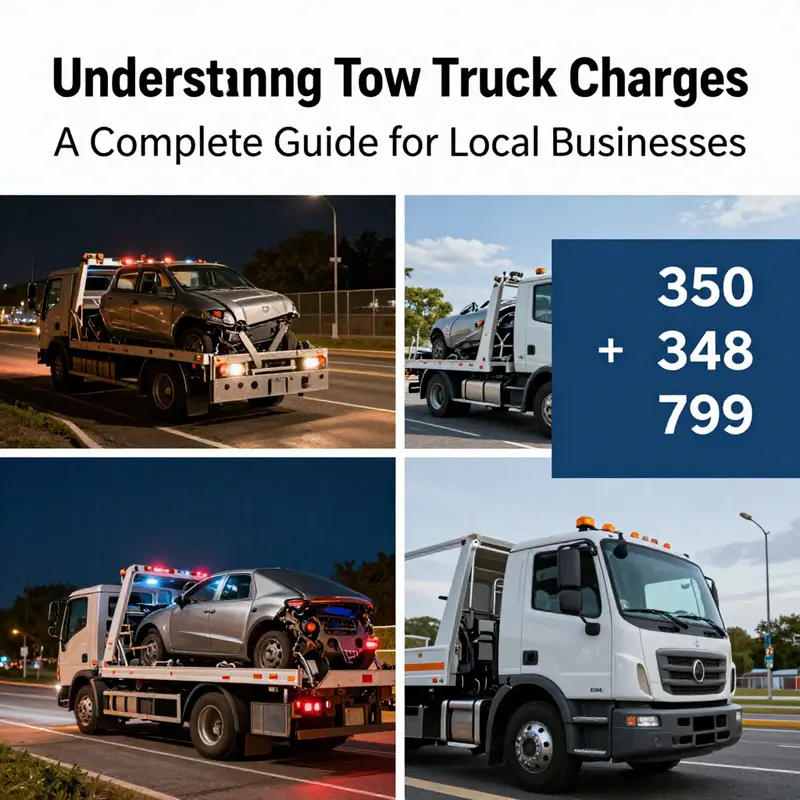
Breakdowns rarely come at a convenient moment. A car stalled on a dark highway, a tire blown on a rain-slick frontage road, or a vehicle stranded in a remote lot can all trigger a tow with urgency that feels every bit as important as the miles involved. That urgency is reflected not only in service delivery but in the way price scales with time and risk. When we talk about how much tow trucks charge per mile, the conversation cannot stop at the math of base fees and per-mile rates. Time of day and whether the situation is an emergency are shaped into the equation in ways that can double, or even more than double, the final bill. The base charge and mile rates set the template, but the clock adds its own increments, and the situation adds a premium for speed, safety, and availability when demand spikes. In practical terms, you are often paying for the chance to have your vehicle off the road, and you are paying for the tow operator to be where you need them, when you need them, without compromising safety for anyone involved.
Time of day is one of the most predictable, yet sometimes surprising, levers in a towing price. Daylight hours typically feature more options, shorter wait times, and a broader pool of drivers. Nighttime, weekends, and holidays tend to pull the price upward, as crews contend with reduced availability and a larger share of urgent calls. This is commonly described in the industry as after-hours, overtime, or surge pricing. The logic is simple: with fewer operators on the road, the likelihood of a long wait or a blocked lane increases, and the operator must balance the risk of an unsafe roadside situation against a customer who needs assistance now. The resulting premium is designed to incentivize timely response while ensuring that drivers can maintain safety standards, keep fuel and equipment in good condition, and manage the higher stress and risk that come with late-hour calls. The effect on the mile rate is real. A tow that might otherwise run at a moderate per-mile price can lift significantly when the clock pushes past typical business hours.
Emergency situations amplify this effect in ways that are both ethical and practical. When a vehicle breaks down on a busy highway or a collision blocks lanes, the demand for a quick, safe, and professionally managed response climbs. Operators must coordinate traffic control, sometimes arrange for safety vehicles or lighting, and allocate additional personnel to protect the scene and other motorists. All of these elements translate into higher overhead and faster dispatch. The surcharge for an emergency haul is not just a punitive add-on; it reflects the extra risk, the complexity of the work, and the priority given to clearing hazards from the roadway. In many markets, emergency-related fees and after-hours surcharges are designed to ensure that the service provider can mobilize rapidly without compromising safety. The rule of thumb that industry insiders often share is that such surcharges can range from roughly a quarter to half again the standard price, depending on the region, time, and the exact nature of the emergency. In other words, a scenario that starts with a straightforward hook-up and a known distance can become a more expensive operation once urgency is declared and the crew is mobilized under pressure.
The practical upshot for consumers is straightforward: the same mile can cost more when the call is deemed an emergency or when the clock shows off-peak hours. A typical 5-mile tow might range within a certain base price plus per-mile charges during normal hours, but if that tow occurs on a late Friday night, or if the vehicle needs immediate extraction from a dangerous location, the final tally will include those overtime or surge fees. Likewise, longer hauls—such as a 50-mile tow that requires special equipment to handle a heavier vehicle or to navigate complex routes—may push the total well beyond what a simple long-distance tow usually costs. Heavier vehicles, like light trucks or commercial fleets, often require specialized platforms or winches, more fuel, and additional crew support, and those equipment and labor demands feed into the per-mile rate over and above the base hook-up charge.
The broader pricing framework for these scenarios remains consistent: a base fee to hook up the vehicle, a per-mile rate to cover the distance, and a set of variable surcharges that apply during evenings, weekends, holidays, or emergencies. In some regions, providers implement a tiered structure, where the first few miles carry a fixed surcharge and subsequent miles are charged at a standard rate, while others publish a straight per-mile figure that includes or excludes certain fees. The important takeaway for drivers is not a single number but a dynamic range: add the base, multiply by distance, and factor in the multiplicative effect of time and danger. Rural areas may see higher overall rates due to longer travel distances, fewer service providers, and the higher fuel and time costs associated with responding from a greater distance. Even within the same city, a late-night call can be more expensive simply because the dispatcher needs a fleet that is ready and nearby, not just available.
From a consumer perspective, the practical steps to navigate these costs start with openness about the date and time of service and the nature of the emergency. If you can, call with enough information to allow the dispatcher to provide a ballpark estimate that reflects the likely after-hours surcharge and any emergency-related fees. Politely ask for a detailed estimate that breaks out the base hook-up fee, the per-mile rate, and any surcharges tied to time of day or emergency status. And where possible, request a written quote before the driver arrives. This is not only about price transparency; it is about ensuring that you understand what you are paying for and avoiding surprises once the truck is on the scene. If the situation permits, you can also explore safer alternatives that may help reduce the cost of the tow. For instance, if the vehicle is drivable but you are stuck in a problematic location, a tow company may offer to deliver the car to a nearby safe location or service area rather than towing directly to a fixed address, which could influence the final miles charged and the associated fees.
In some cases, fleets facing recurring emergencies adopt proactive strategies to manage costs while preserving safety. The discipline of coordination and rapid response can reduce wait times and the likelihood of multiple trips to and from the scene, which in turn stabilizes the miles billed and the associated fees. For those managing a fleet, resources like Essential Fleet Emergency Response Strategies provide operational guidance on how to plan routes, assign the nearest available unit, and communicate clearly with drivers and customers to minimize delays and extra mileage. This kind of coordination not only streamlines outages but also keeps the per-mile cost closer to expected norms, even when calls come in at odd hours. Essential Fleet Emergency Response Strategies.
To deepen understanding of how time and emergency factors shape towing costs, consider the broader guidance published by major authorities in the field. The American Automobile Association offers a detailed explanation of how these fee structures are designed and how customers can minimize unexpected charges. The resource examines why surcharges occur, how they are typically calculated, and what steps consumers can take to protect themselves when a tow is necessary. This information can be especially valuable if you are facing a high-pressure situation and need guidance on the most cost-effective options while maintaining safety and reliability. For a detailed breakdown, see AAA’s guide on towing costs and the role of time and emergency factors in shaping your bill: https://www.aaa.com/automotive/towing-costs/.
What this all boils down to is a practical picture of value in a roadside emergency. The per-mile price is a meaningful metric when you know the base fee and the distance, but it is inseparable from the context in which that distance is traveled. A five-mile tow in daylight is a different financial proposition than a five-mile tow at midnight, when the same miles must be logged in a context of traffic hazards, vehicle safety concerns, and the need for prompt, careful service. The interplay of time and risk means that the true cost per mile can’t be captured by a single number; it requires an understanding of how surcharges, availability, and safety protocols interact with distance. In the end, a well-informed driver or fleet operator can navigate these charges with less friction by seeking transparent estimates, asking for a breakdown of fees, and understanding how time and emergency status are likely to influence the bill. The goal is not to eliminate charges but to ensure that those charges are fair, explained, and aligned with the specific circumstances of the tow.
null
null
Final thoughts
In navigating the world of towing services, knowing how much tow trucks charge per mile empowers local auto repair shops, dealerships, property managers, and commercial fleet operators to make informed choices. From understanding pricing structures informed by vehicle type to the various regional dynamics affecting costs, each factor plays a crucial role in your operational budgets. Being proactive and seeking detailed estimates can further safeguard against surprise expenses while optimizing your transportation strategies in the local context.