
Understanding which trucks can tow 10,000 lbs is essential for local auto repair shops, car dealerships, property managers, resort operators, and commercial fleet operators. The ability to tow such heavy loads opens myriad possibilities for diverse applications, from transporting equipment to moving trailers. This article delves into the various categories of trucks, including medium-duty, heavy-duty, and high-performance light-duty options, each capable of this impressive task. We will also discuss vital considerations to ensure safe towing practices. Each chapter aims to equip you with insights tailored to your specific needs, fostering informed decisions to support your operations on our beautiful island.
Tow-Ready Medium-Duty Workhorses: Exploring 10,000-Pound Towing Capabilities
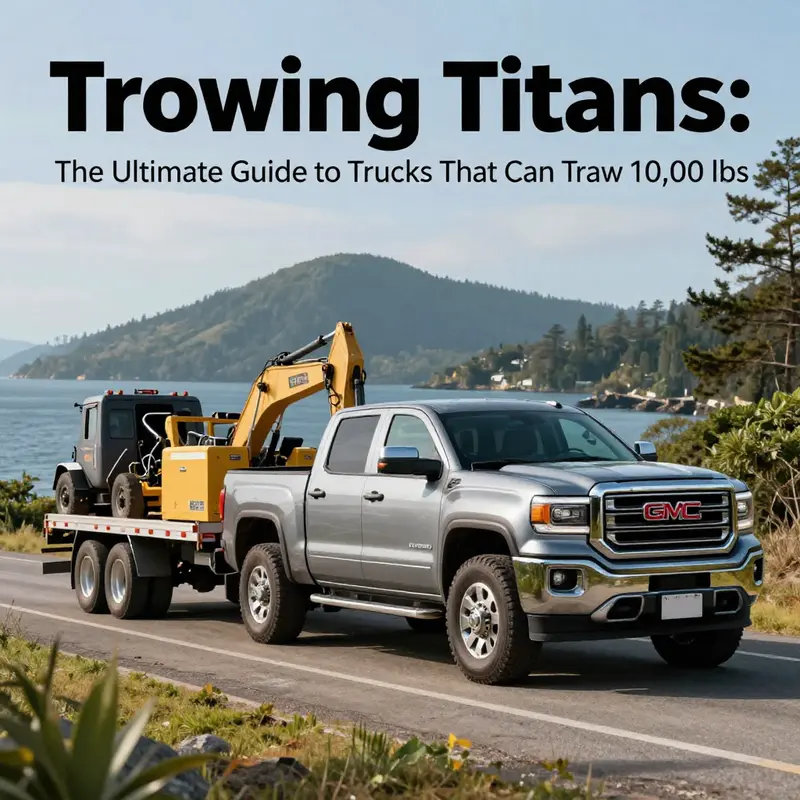
Medium-duty trucks occupy a crucial middle ground in the towing landscape. They are the workhorses fleets rely on when tasks demand more capability than a light-duty pickup can reasonably provide, yet without stepping into the specialized realm of full commercial tractors. In practical terms, many medium-duty configurations are engineered to handle trailers and cargos totaling up to about 10,000 pounds, making them a common choice for towing jobs that are too heavy for lighter pickups but not heavy enough to require a full-on commercial tractor. This capability isn’t just about raw power; it rests on a carefully choreographed balance of structure, drivetrain, brakes, and hitching systems that enable a stable, controlled pull under varying road and load conditions. The mid-range class, defined by a GVWR commonly falling within roughly 4,500 to 10,000 pounds, reflects a design philosophy that prioritizes robustness and reliability in demanding work environments while maintaining a degree of maneuverability and efficiency that fleets and contractors value daily.
At the core of this class is the concept of tow rating as distinct from payload capacity. Tow rating, or towing capacity, is the maximum weight a vehicle can pull, which depends on the engine output, transmission, axle ratio, suspension geometry, braking systems, and even the height and weight distribution of the trailer. Payload capacity, on the other hand, speaks to how much cargo the truck itself can carry in its bed and cab. A medium-duty truck can be configured so that it tows up to 10,000 pounds with the right drivetrain and towing package, but the same truck may have a different towing ceiling if it’s outfitted differently or asked to haul a heavier payload in the bed. This interdependence means dealer specifications, owner’s manuals, and manufacturer towing charts must all be consulted to confirm the exact figures for a given build. For operators who rely on predictable performance, the distinction isn’t academic; it translates into the planning and safety checks that underwrite every haul.
The hardware that makes this possible is a blend of chassis strength, axle design, and engine options that together determine how well a medium-duty truck handles a 10,000-pound trailer. A reinforced frame and upgraded suspension are common in this class, enabling better control when the trailer is in motion and more consistent braking response when decelerating or stopping. The choice between gasoline and diesel powertrains, along with the selection of manual or automatic transmissions, can influence towing behavior as much as the advertised rating itself. Diesel engines typically deliver higher torque at low RPM, which is advantageous for starting from rest with a loaded trailer and for hill climbs. Meanwhile, the gearing selected for the rear axle—reflected in the axle ratio—plays a critical role in both acceleration and braking performance during towing. A steeper ratio can improve pulling power at low speeds but may reduce highway efficiency; a taller ratio improves highway fuel economy but can sacrifice some off-the-line oomph. The end result is a towing package that is as much about system integration as it is about raw horsepower.
Beyond powertrain and frame, effective towing in this class hinges on proper hitching and braking systems. A robust weight-distribution hitch, compatible with the trailer’s tongue weight, helps keep the truck’s handling nearly symmetrical and reduces sway. Trailer brakes, when required by local regulations or by trailer weight, should be integrated with a compatible controller inside the truck cab to modulate braking force smoothly. Electronic stability controls and trailer sway control become valuable tools here, helping the driver maintain control if a crosswind or a sudden gust threatens to push the trailer out of line. These features are not mere add-ons; they are essential to transporting loads safely and efficiently when the tow rating nears the upper end of the truck’s capability.
From a practical standpoint, the appeal of medium-duty trucks for towing at the 10,000-pound threshold is their versatility. Contractors may use these trucks to haul heavy equipment trailers, tool-laden utility trailers, or flatbeds loaded with materials. Recovery operators might rely on a medium-duty wrecker to handle heavier vehicle recoveries, where the ability to tow a vehicle out of a difficult spot or onto a transport trailer is critical. The balance of maneuverability and power that these trucks offer means they can perform multiple roles on a fleet, reducing the need for more specialized equipment in some scenarios. This, in turn, supports tighter fleet budgets while still delivering the capacity required for tough, real-world tasks.
For operators weighing their options, the decision often comes down to the configuration that best matches the job mix. If the daily load includes frequent uphill pulls or heavy tool-hauls with a trailer, a model with a diesel powertrain and an axle ratio tuned for higher torque may be preferable. If the work involves frequent urban driving with short hauls, a configuration that favors smoother shifts and responsive under-load acceleration might be more beneficial. It is also important to consider the trailer itself—its length, width, and center of gravity influence tongue weight and braking needs. A trailer that is too light for the tow vehicle can lead to instability, while one that is too heavy for the truck’s rated capacity may push the vehicle beyond its safe operating envelope. The careful pairing of vehicle and trailer is not just about meeting a number; it is about ensuring predictable handling, consistent braking performance, and, ultimately, safer operations for people on the road and workers on site.
The landscape of options within this segment can include a broad spectrum of builds, from work-site-focused crew cabs with heavy-duty suspensions to more commuter-style cabs that emphasize comfort alongside capability. This breadth means there is no one-size-fits-all answer when the goal is to tow 10,000 pounds with a medium-duty configuration. Instead, what matters is a clear understanding of the vehicle’s rated capacity in conjunction with the chosen trailer, and a disciplined approach to matching this pairing with a compatible hitch, braking system, and weight distribution strategy. To consult the official specifications and verify configurations, teams often cross-check manufacturer charts, dealer build sheets, and test-ride feedback to ensure that the selected setup will deliver consistent results across the typical work cycle—whether that cycle includes long hauls between sites or frequent, shorter hauls within a congested urban corridor. For readers seeking a broader practical context on towing operations and fleet management, a well-curated industry blog often provides a reservoir of real-world insights and case studies that help translate numbers into performance on the ground. The Island Tow Truck Blog
As a chapter in the broader discussion of what trucks can tow 10,000 pounds, this examination of medium-duty options highlights how capacity is not a single figure but a system of choices. The rating emerges from the combination of a sturdy frame, a torque-rich powertrain, and carefully calibrated driveline components that together enable a controlled, safe, and reliable pull. Yet even when a vehicle is engineered to meet the 10,000-pound mark, operators must remain mindful of the importance of proper setup and ongoing maintenance. Regular inspection of the hitch hardware, brake controllers, wiring for trailer lights, and the integrity of tires and brakes on both the truck and the trailer is essential. Flawed components or mismatched systems can erode performance and, more importantly, compromise safety when towing heavy loads. In practice, the process of selecting a medium-duty setup for towing up to 10,000 pounds becomes a blend of engineering judgment and hands-on experience—the kind of know-how that emerges from field use, fleet feedback, and careful adherence to manufacturer guidance.
The why behind this chapter’s focus is simple: understanding the capabilities and limits of medium-duty trucks helps fleets optimize their equipment investments. It is not about pushing a vehicle beyond its design; it is about recognizing where the line sits and equipping the vehicle with the right hardware to move a 10,000-pound load with confidence and control. This perspective also underscores why the distinction between GVWR, GCW, and tow rating matters in practice. A vehicle’s capacity is not only about the engine or the axle; it is about how the entire system behaves when it is carrying a trailer that challenges its limits. When the job calls for reliability over long hours on the road, a medium-duty truck that can tow up to 10,000 pounds becomes a strategic asset—a tool that extends the reach of a fleet while maintaining the efficiency, predictability, and safety that clients and operators demand. For readers exploring the full spectrum of towing options, this chapter should be read alongside discussions of heavy-duty tractor units and high-end light-duty configurations, since each class contributes a different piece to the puzzle of what trucks can tow 10,000 pounds and how those capabilities translate into real-world performance. A broader view of fleet operations and the practical realities of towing can be found in industry resources and the ongoing conversations within the field. External references provide additional perspectives and examples that help ground the numbers in everyday practice. External resource: https://www.alibaba.com/product-detail/China-HOWO-4-10tons-Medium-Duty-Removal1600795866724.html?spm=a2700.productlist.d_title.1.1b7d3a2fL7oXvA
Beyond the 10,000-Pound Threshold: The Architecture of Heavy-Duty Towing Power
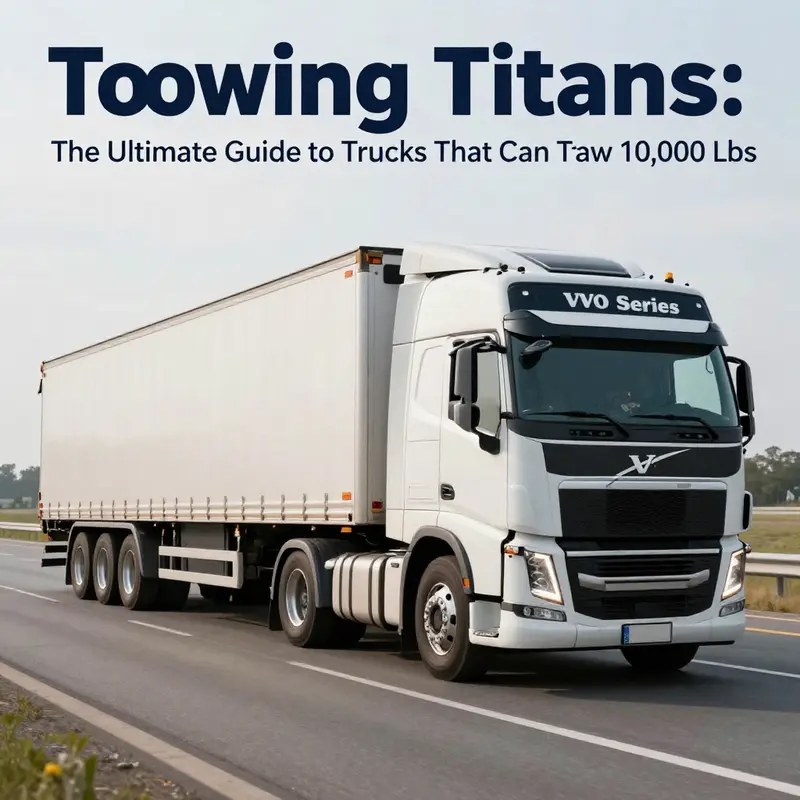
Heavy-duty towing exists on a different scale from everyday road work, where a vehicle crossing the 10,000-pound line is less about moving a trailer and more about engineering a system capable of absorbing shock, distributing weight, and maintaining control under extreme stress. When the discussion centers on capacities above 10,000 pounds, the conversation shifts from mere horsepower to a holistic marriage of frame integrity, drivetrain resilience, braking prowess, and intelligent suspension. In this realm, the truck becomes a purpose-built tool, a mobile platform designed to haul not just weight but momentum, gravity, and environmental challenges across rough terrain, long distances, and demanding job sites. The principles guiding these machines rest on long experience with heavy loads, safety margins built into every critical subsystem, and a willingness to accept higher operating costs in exchange for reliability, predictability, and performance when it matters most.
The backbone of any heavy-duty tow capability starts with the chassis. The frame is not a cosmetic shell but a high-strength skeleton engineered to resist flex and fatigue. Wind, road irregularities, and the dynamic forces generated by a heavy trailer can produce moments that push a vehicle beyond what a lighter frame can safely absorb. To counter this, manufacturers use reinforced materials and heavy-duty cross-members, often a boxed-section design that resists twisting and distributes stress evenly along the length of the vehicle. In practical terms, this means the truck can maintain steering feel and braking response even when the trailer is pulling at a nearly unfathomable resistance. The frame, in combination with a robust suspension system, ensures that the load does not translate into dangerous pitch, sway, or wheel lift under braking or acceleration.
Axles are another focal point. Heavy-duty configurations typically employ heavy-duty rear axles with increased load ratings and, in many cases, dual rear wheels. The additional contact patch can dramatically improve traction and weight distribution, which matters when the trailer imposes substantial vertical and horizontal forces. A properly matched axle ratio is crucial because it governs torque transfer to the wheels and how quickly engine power translates into forward motion. The combination of a sturdy axle housing, premium bearings, and precise gear engineering ensures that a high-torque engine can deliver controlled acceleration without overheating, buckling, or excessive wear. These components work in concert with a suspension system that can keep tires planted on the road or terrain, even when weight shifts as the trailer climbs grades or encounters ruts and rocks.
A heavy-duty tow profile relies on a sophisticated powertrain. Diesel engines with high torque curves dominate this segment because they provide the steady pull required to move great masses at modest speeds. What matters more than peak horsepower in this context is sustained torque at low revs, which helps the system to climb grades, accelerate smoothly from standstill, and maintain momentum when the terrain changes suddenly. The transmission must be capable of harnessing that torque without frequent overheating or aggressive gear hunting. Many heavy-duty configurations pair torque-strong engines with heavy-duty automatics or manual options designed to handle extreme duty cycles. The aim is to deliver predictable shifts, robust clutch or torque converter performance, and reliable cooling beneath heavy loads. Engine design also includes durable cooling systems, upgraded intercoolers, and careful exhaust management to prevent heat soak in demanding tasks, where engine temperatures can run hot for extended periods.
Braking systems in these trucks are a line of defense against the magnitude of force generated when hauling heavy trailers. Large-diameter front and rear brakes, often with hydraulic actuations that provide substantial stopping power, are complemented by electronic stability programs that help the vehicle maintain direction and tire contact with the surface. Modern heavy-duty platforms integrate advanced traction control, trailer-sway mitigation, and brake controllers that can be calibrated for the combined weight of the truck and its trailer. The goal is not just longer stopping distances but the ability to modulate braking in a way that preserves control—especially when descending grades or navigating slippery surfaces. Cooling for brakes and driveline components is another essential element; high-load towing can generate heat that degrades braking performance if unchecked. Engineers address this with bigger rotors, more efficient cooling ducts, and consideration of heat rejection in the drivetrain and axle assemblies.
The landing strip for power in this category is not only the engine and transmission but also the electronic architecture that unifies the vehicle’s many systems. Heavy-duty tow configurations rely on robust electronic stability programs, traction control, hill-descent or engine braking strategies, and precise data exchange between the engine, transmission, brakes, and chassis controls. This integrated approach gives drivers the confidence to maintain speed and control over long distances and varying terrains, while the trailer’s weight—often far exceeding what most drivers encounter daily—places heavy emphasis on predictable responses from the vehicle’s control systems. The presence of advanced monitoring and diagnostic capabilities reduces the risk of unexpected failures and supports maintenance planning, a crucial consideration when the job site is spread across long hauls or remote locations.
To realize heavy-tow capabilities above 10,000 pounds, manufacturers also introduce specialized hardware designed to handle the extra load and ensure crew safety. For instance, reinforced frames and suspension systems are often paired with upgraded electrical harnesses, heavy-duty cooling packages, and integrated brake control modules. The result is a cohesive platform that can sustain heavy pulling forces without compromising steering feel, braking response, or ride quality. In practice, this means a driver can command a trailer with confidence over challenging routes—whether it’s a construction site nestled in a hillside, a remote industrial facility, or a long-distance freight corridor—without the vehicle’s behavior turning unpredictable as the mass increases.
Within this landscape, certain maintenance realities shape the everyday experience of owning and operating a heavy-duty tow vehicle. The drivetrain’s durability is only as good as its maintenance discipline. Components like pinion seals, differential lubrication, and cooling systems require careful attention because leaks, contamination, or overheating can ripple outward, affecting performance and safety. Regular inspection of drive-line components, proper torque on critical fasteners, and timely service of the braking system are not routine chores but essential investments in reliability. The same attention applies to the electrical harnesses and control modules that tie together the vehicle’s stability, traction, and braking subsystems. A meticulous maintenance regime reduces the likelihood of downtime and extends the life of the truck while it repeatedly fulfills its heavy-duty role.
The practical implications of these engineering choices reveal themselves in the field. When a job demands the movement of machinery, a high-volume trailer, or a heavy payload across a worksite, the vehicle must not only move the weight but also manage the weight’s distribution. Weight distribution is a science in itself; it involves hitch selection, trailer design, hitch height, and load placement within the trailer. A poorly balanced configuration can lead to dangerous sway, uneven tire wear, or compromised braking performance. Therefore engineers and fleet operators emphasize proper hitching practices, load balancing, and, where appropriate, weight-distribution hitches that help keep the trailer’s tongue weight within a safe range. The right combination fosters stable steering, crisp braking, and a smoother ride for both vehicle and cargo. This is not mere preference; it is a safety system built on physical laws and tested performance.
The realm beyond the 10,000-pound threshold also includes recovery and specialized support vehicles used in industry and municipal settings. In those contexts, the ability to move massive loads safely becomes a core capability. Recovery operations demand not only raw pulling power but precise control, rapid engagement of braking and stabilization systems, and a level of durability that can endure repeated cycles of winching, lifting, and repositioning. Heavy-duty wrecker configurations, with their hydraulic winches, articulated booms, and reinforced structures, demonstrate how engineering extends far beyond simple traction. They embody a philosophy of resilience: a vehicle is more than a sum of components; it is a carefully engineered system designed to protect operators, cargo, and infrastructure under demanding conditions.
This broader perspective brings us to an important, often overlooked implication for readers who are navigating the world of heavy towing. When evaluating whether a truck can tow a given mass above 10,000 pounds, it is essential to distinguish between multiple ratings and real-world capabilities. The vehicle’s towing capacity rating, while useful, is not a single universal number. It depends on engine configuration, transmission, axle ratio, brake system, frame reinforcement, and the presence of tow-specific equipment. The Gross Vehicle Weight Rating (GVWR) and Gross Combined Vehicle Rating (GCWR) help define the maximum allowable weights for the vehicle and its trailer together, while the payload capacity indicates how much cargo the truck can carry in addition to its own weight. A driver who plans to move heavy trailers should understand these numbers and compare them to the actual weights in play on a given job. The distinction matters because a truck may have a theoretical towing capacity that exceeds 10,000 pounds only when equipped with certain packages, hitch configurations, and trailer brakes. In real-world operations, the best practice is to verify the exact capacity with the manufacturer’s specifications and to confirm that the attached trailer’s weight lies within the safe envelope for the chosen configuration.
For practitioners and managers who must balance performance, efficiency, and cost, the decision to operate heavy-duty tow equipment is not about chasing the biggest number on a brochure. It is about building a reliable, repeatable process for moving heavy loads, with a clear understanding of how all pieces—frame, axles, drivetrain, brakes, and electronics—interact under load. This is why the most robust heavy-duty packages emphasize a tightly integrated design where every subsystem supports the others. The result is a vehicle that can, with discipline and proper equipment, deliver controlled, predictable performance when hauling more than 10,000 pounds for work that demands consistency, safety, and resilience. The operator’s role remains crucial; no amount of engineering can substitute for cautious driving, proper training, and careful planning when the stakes are measured in tons rather than pounds.
As the chapter closes, the reader can sense how far the technology described here has evolved from simple engine torque to a holistic system built to endure. The heavy-duty tow vehicle of today is less about brute force and more about orchestrated reliability: a platform that combines frame rigidity, axle strength, torque-rich powertrains, robust brakes, and intelligent electronic control. It supports the crew that relies on it to move heavy machinery, build critical infrastructure, and respond to urgent recovery scenarios with confidence. In the end, the ability to tow above 10,000 pounds is not a single magic number but a threshold crossed through meticulous design, disciplined operation, and ongoing maintenance. For those who want to dive deeper into applied industry guidance and practical fleet strategies, theislandtowtruck.com/blog/ offers a wealth of resources that translate these engineering principles into everyday field practices.
External resource: https://www.ford.com/trucks/40ton-wrecker/
When Light-Duty Picks Pull Heavy Loads: How High-Performance Trucks Reach 10,000 Pounds
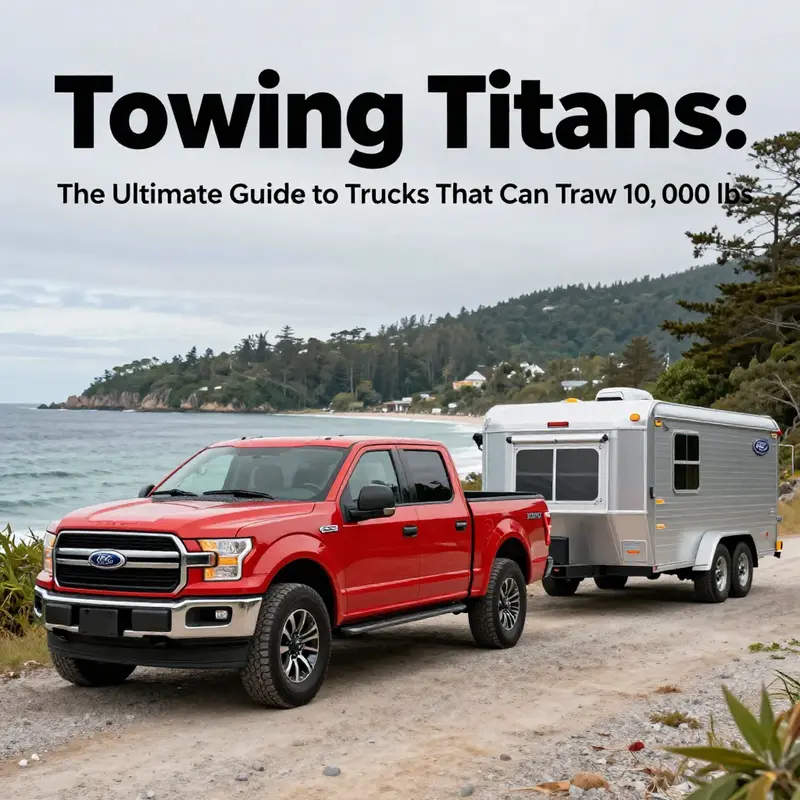
High-performance light-duty pickups can surprise you. Built to blend daily driving comfort with serious power, they bridge the gap between standard light trucks and full heavy-duty models. With the right powertrain, axle ratios, and factory-installed towing equipment, these trucks can tow trailers that weigh 10,000 pounds or more. This chapter explains how they do it, what limits remain, and what to check before you hitch up for a heavy tow.
Most consumer-grade light trucks rely on modern engines and transmissions that produce high torque at low rpm. Turbocharged six-cylinder and high-output V8 architectures deliver the pulling force needed to move large trailers. Electric drivetrains also deliver instant torque, which helps when launching from a stop while towing. However, raw power is only one part of the towing equation. Manufacturers combine powertrain options with specific rear-axle gear ratios, reinforced suspensions, transmission coolers, and factory tow packages to raise the safe towing limit. Without the correct combination, the same chassis may have dramatically lower published towing numbers.
Towing capacity figures are configuration-specific. A single truck platform might offer a broad range of maximums depending on cab size, bed length, engine choice, axle ratio, and whether the vehicle includes a fifth-wheel prep or a gooseneck option. The factory-installed towing package usually includes components designed for heavy trailers: a high-capacity radiator and oil cooler, a beefed-up rear axle, high-capacity trailer wiring and integrated brake controller, and strengthened mounting points. Those elements together allow a light-duty truck to approach or exceed the 10,000-pound threshold while maintaining safety margins for daily driving.
Understanding the limits requires a short primer in weight ratings. Gross Vehicle Weight Rating (GVWR) is the maximum weight a truck can safely carry, including the truck itself, passengers, cargo, and the tongue weight of the trailer. Gross Combined Weight Rating (GCWR) is the maximum combined weight of truck plus trailer that the powertrain and chassis can handle. Payload is the amount of weight you can add to the truck itself. To tow 10,000 pounds safely you must ensure the trailer weight, plus cargo and passengers, keeps both the GVWR and GCWR within limits. Exceeding those limits transfers stress to brakes, drivetrain, and chassis components and increases risk of mechanical failure and unsafe handling.
Key mechanical factors determine whether a particular light-duty variant can tow 10,000 pounds. Axle ratio is critical: numerically higher ratios increase available torque at the wheels, aiding in acceleration and hill climbing with a heavy trailer. Rear suspension tuning and spring capacity affect sag and ride height under load. Transmission cooling and a dedicated transmission cooler prevent overheating during sustained heavy towing. Integrated trailer brake controllers and robust wiring ensure the trailer’s brakes can assist the truck effectively. Tires and braking systems must be rated for the combined mass. Manufacturers that advertise near-10,000-pound towing often offer models with optimized ratios, stronger springs, and upgraded cooling systems.
Trailer connection type also matters. Conventional bumper-pull trailers place a portion of the trailer weight on the truck’s rear axle as tongue weight. Proper tongue weight is typically 10–15% of the trailer’s gross weight for a conventional trailer. For a 10,000-pound trailer that translates to roughly 1,000–1,500 pounds of tongue load − a significant addition to payload that must be accounted for when calculating GVWR. Fifth-wheel and gooseneck setups transfer weight more directly into the truck’s bed and center of mass, often improving stability and allowing higher safe towing capacities, but these require specific in-bed hitching hardware and reinforced beds. If you plan to tow near the 10,000-pound mark regularly, consider the connection type and the structural reinforcements that come with factory or dealer-installed fifth-wheel prep packages.
Electric light-duty trucks bring a different set of trade-offs. They often produce ample torque for initial acceleration, but sustained heavy towing draws energy rapidly and stresses thermal management systems. Manufacturers that rate electric models for heavy towing add robust battery cooling, specific tow modes, and recalibrated gear ratios. Expect reduced driving range while towing, and be mindful of charging infrastructure along your route. That said, electric powertrains remove concerns about transmission slip in some cases, since electric motors deliver consistent torque without shifting. Still, pay attention to the approved towing capacity in the owner’s documentation, as electrical systems and battery warranties can be affected by towing practices.
Safety systems and electronic aids are vital at higher towing weights. Trailer sway control, integrated trailer brake coordination, and adaptive transmission shift patterns reduce driver workload and improve stability. Stopping distances increase dramatically with heavy trailers, so a truck rated to tow 10,000 pounds must also have robust brakes and, ideally, a properly functioning trailer braking system. Electronic aids do not replace correct weight distribution, proper hitching, or mechanical preparedness; they augment these basics to keep the rig controllable in real-world conditions.
Practical preparation before towing a heavy trailer matters. Start with a weight verification: weigh the loaded trailer at a certified weigh station to confirm gross trailer weight and tongue weight. Compare figures to the truck’s GVWR and GCWR found in the owner’s manual or on the certification label. Check tire pressures on both truck and trailer to the recommended values for loaded conditions. Confirm the hitch rating and chain strength exceed the trailer’s gross mass. Test the trailer brakes independently and ensure the integrated controller in the truck is set correctly. Verify lighting and marker lamps. Inspect suspension and steering components for excessive wear. A pre-departure checklist reduces the chance of surprises on the road.
Distribution of cargo within the trailer is often overlooked. Keep heavy items low and centered over the trailer axles. Avoid excessive rear bias that reduces tongue weight below safe levels. For fifth-wheel and gooseneck trailers, position the load to maintain the specified pin weight. When carrying heavy loads inside the truck bed, remember that bed cargo adds to payload and affects GVWR. If the combined weight of net cargo, passengers, and tongue weight approaches the truck’s payload limit, you have less margin to safely tow a 10,000-pound trailer.
Legal and regulatory considerations also influence towing decisions. Many jurisdictions set rules for trailer brakes, safety chains, lighting, and maximum axle and gross vehicle weights. Exceeding certain thresholds can change licensing requirements for drivers, or require special permits for oversized or overweight loads. Check local regulations before planning a heavy tow, especially for interstate travel. Insurance policies may have stipulations about towing and payload limits, and warranty coverage can be voided if a manufacturer’s published limits are exceeded.
Maintenance and long-term durability deserve attention when you frequently tow near 10,000 pounds. Regular inspections of transmission fluid, differential oil, cooling-system condition, and brake pad wear are essential. Tow-rated trucks often require more frequent service intervals under heavy use. Consider upgrading to heavier-duty cooling components or fitting a supplemental transmission cooler if the truck is used extensively for towing. Keeping up with maintenance preserves performance and reduces the risk of breakdowns while hauling heavy loads.
Operational techniques help protect equipment and improve control. Use low-range or tow/haul modes when climbing or descending steep grades. Downshift to use engine braking and avoid prolonged use of service brakes. Accelerate gently to reduce stress on driveline components. Plan routes to avoid steep, sustained grades or choose alternatives where possible. Monitor engine and transmission temperatures; modern vehicles provide built-in gauges and warnings that warn of overheating before damage occurs.
Finally, information and verification are your allies. Manufacturer online configurators and towing calculators give precise, configuration-specific towing limits and are the authoritative source for a given vehicle build. Before committing to a tow near 10,000 pounds, consult the vehicle’s published specifications and owner’s manual. For fleet operators and drivers who routinely tow heavy loads, additional resources on preparing for emergencies and handling heavy trailers can be valuable; one practical primer on readiness for isolated operations is available at Emergency Preparedness for Island Fleets. For detailed manufacturer guidance tailored to specific models and towing packages, consult the maker’s official towing overview at: https://www.ford.com/trucks/f-150/overview/.
When a light-duty truck is properly equipped, configured, and maintained, it can perform heavy-duty towing tasks reliably. The limits are set not just by horsepower, but by the whole system: axle gearing, cooling, braking, suspension, hitching, and weight distribution. Respect those limits, verify the numbers before you tow, and adopt disciplined preparation and driving habits to get the most from a high-performance light-duty pickup when pulling loads around 10,000 pounds.
Reading the Towing Threshold: Real-World Considerations for Trucks Capable of 10,000 Pounds
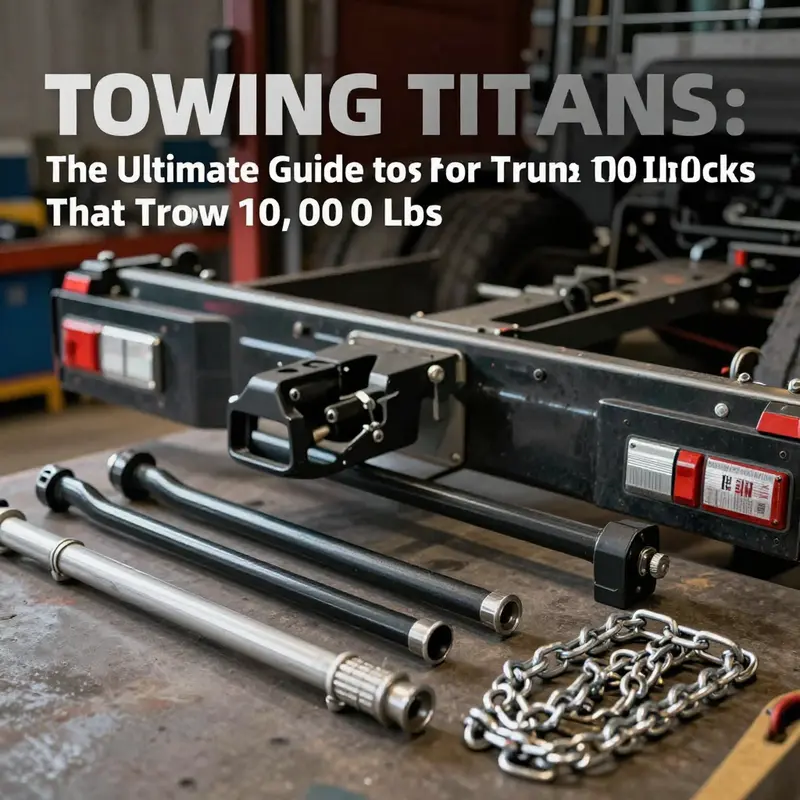
When a truck marketed as able to tow up to 10,000 pounds appears, it is tempting to treat that number as a simple floor for calculations. Yet the actual safety margin, the usefulness of that rating, and the daily reality of hauling a loaded trailer hinge on a few foundational concepts that go far beyond a single figure. The most important among these are the Gross Combined Weight Rating (GCWR) and the truck’s own curb weight. Together, they determine how much weight you can legally and safely put on the road, including passengers, fuel, cargo in the truck, and the trailer with its contents. GCWR is not just a limit for the trailer; it is the ceiling for the entire combination. In practical terms, towing 10,000 pounds means your total loaded weight, including the truck and everything in it, must stay within that GCWR. This is not merely a matter of checking a sticker on the door jamb or a page in the brochure. It is a daily discipline that shapes route planning, fuel choices, and even the spacing of your workday. The weight that sits in the truck—its curb weight, plus passengers and cargo—reduces the headroom you have left for the trailer. A heavier truck leaves less room for a loaded trailer under the GCWR, while a lighter one may allow more trailer weight but at the expense of other practical needs, such as passenger comfort or payload. In the real world, a 10,000-pound towing capacity is a kind of balance point rather than a hard invitation to pull a heavy trailer everywhere. You may be surprised to discover how quickly these numbers become meaningful constraints, especially on longer trips or when navigating steep grades and winding roads. This balancing act also highlights why the media often presents towing capability as a one-line spec rather than a conversation about safety, performance, and legality. The nuanced understanding begins with GCWR, but it extends to a second cornerstone: the actual weight of the trailer you intend to haul. Even when the trailer’s gross weight is advertised at or near 10,000 pounds, the trailer’s own weight plus any cargo inside it can shift the load on the tow vehicle dramatically. This is where tongue weight—roughly 10 to 15 percent of the trailer’s gross weight—becomes a practical guide rather than a theoretical figure. If the trailer weighs 9,000 pounds and carries 1,000 pounds of gear, the tongue weight may be around 1,000 pounds. That amount of downward force on the hitch is a key parameter for steering stability, braking responsiveness, and the overall balance of the vehicle-trailer combination. When thinking through these numbers, it is natural to consider the weight of people and gear in the cab. Passengers and their luggage do not disappear into thin air once the trailer is attached. A crew of four plus a full tank of fuel can add noticeably to curb weight. The GCWR is a fixed ceiling; the tone of safety is set by how close you push toward that ceiling in daily use. If you routinely carry a full crew, a generous fuel load, and a substantial cargo bed full of tools or gear, you may find that you have less margin for the trailer than you expected. This is not a flaw in the rating, but a reminder that towing is a system problem: the vehicle, the trailer, and the road all interact under gravity, aerodynamics, tires, and road surface conditions. The road itself imposes limits that are easy to overlook in a showroom or on a quiet test drive. Legal constraints, such as axle weight and bridge formulas, add another layer of caution. Most jurisdictions regulate axle loads to prevent excessive weight per axle from overloading pavement structures and bridges. This means that even if the GCWR and trailer weight suggest a comfortable margin on paper, the actual permitted weight per axle or per bridge can further constrain what you can legally and safely tow on specific routes. To stay compliant and safe, you must consider the axial load ratings, which describe how much weight each axle is designed to bear. These ratings interact with the suspension setup and tire specifications to determine how weight is distributed across the vehicle when towing. If the tongue weight and trailer weight push the rear axle beyond its rating, handling becomes unpredictable, braking effectiveness changes, and tire wear accelerates. The careful reader will also recognize that the drivetrain and suspension are not cosmetic add-ons. They are the business end of what makes you feel confident behind the wheel when you’re pulling a substantial load. A robust drivetrain helps deliver the torque needed to accelerate with a heavy trailer in tow, while a well-tuned suspension keeps the tow vehicle controlled and stable over uneven pavement and during braking. The best setups in this class typically combine a capable engine with transmission gear sets tuned for towing, reinforced frame structures, and suspension that maintains proper ride height and stability under load. In practice, the choices you make about engine type, tow package, and axle ratio directly influence how the 10,000-pound target translates into real-world performance. A more powerful powertrain can feel smoother under load, but it does not magically increase GCWR. The moment you add weight to the combination, the GCWR remains the same. What changes is how much headroom you have left for maneuvering, braking, and reacting to road conditions. A key step in planning is to verify exact specifications through official sources and to consult the owner’s manual or manufacturer pages for the specific configuration you plan to use. Specifications often vary not only by model line but also by drivetrain, cab configuration, and whether a heavy-duty towing package is installed. For readers seeking a practical path to understanding their own situation, the first move is to translate the numbers into a real-world checklist. Start with the GCWR and curb weight as fixed inputs, then add your expected trailer weight and tongue weight. Subtract these from GCWR to determine your remaining margin for passengers, cargo, fuel, and any incidental weight. If that margin becomes slim, you will feel it in steering response, braking distance, and overall confidence on the road. It is not unusual for drivers to find that the difference between an apparently adequate rating and a truly comfortable margin is a matter of a few hundred pounds of trailer weight or a few dozen pounds of tongue load. This is especially true on long, grade-heavy routes where sustained braking and engine torque are taxed. The integration of a trailer with a tow vehicle also imposes a need for careful attention to tires. Tire choice, inflation pressures, and tread condition all influence how weight is borne and how well the vehicle maintains grip and stability. Under load, tires heat up faster and respond differently to steering inputs, so drivers should monitor temperature and wear, especially on frequent towing trips. The dynamic of weight distribution also calls for vigilance about braking performance. Many tow systems rely on a combination of vehicle brakes and trailer brakes to manage the added mass. Properly functioning trailer brakes, matched to the vehicle’s braking system, help maintain control and prevent the trailer from pushing the tow vehicle in emergency stops. This is not merely a performance enhancement; in many places it is a regulatory requirement. The broader lesson is clear: a 10,000-pound towing capability is not the same as a guarantee that any load up to 10,000 pounds can be pulled safely with any configuration or route. It is an invitation to measure, plan, and partner with the items that frame the tow. A practical approach recognizes four realities that shape every decision. First, GCWR is the governing limit for the entire combination, not a stand-alone number for the trailer. Second, the actual trailer weight and cargo matter, even when the rating seems generous. Third, axle load ratings and road regulations determine the legal envelope for any given trip. Fourth, the vehicle’s drivetrain, suspension, tires, and braking system must be able to handle the stresses of towing over the course of the journey. With these realities in mind, drivers and fleet managers can approach the 10,000-pound threshold not as a ceiling to be exploited, but as a set of guardrails that keep the operation safe, compliant, and predictable. If a reader is seeking a more narrative, experiential sense of how these factors play out, consider how a typical day might unfold when preparing to tow near that threshold. You might begin with a pre-trip assessment of the vehicle’s curb weight, including fuel and passengers. Then you would estimate the trailer’s gross weight including cargo, and you would calculate the tongue weight. You would cross-check these numbers against GCWR and you would consider the route: length, elevation profile, surface condition, and traffic patterns. You would ensure the hitch and electrical connections are sound, test the trailer brakes, and confirm that the load distribution is even, with a preference toward maintaining stability rather than just hitting the maximum rating. The engagement with this planning process is personal as well as technical. It invites a disciplined approach to maintenance, inspection, and safe driving practices. The more you treat the 10,000-pound benchmark as a functional threshold rather than a marketing line, the more you gain in terms of reliability and safety. For readers who want to explore these concepts within their existing knowledge ecosystem, an accessible entry point is to follow resources that collect practical towing insights and relate them to everyday fleet operations. For example, the Island Tow Truck blog offers practical reflections and scenarios that can help translate theory into method. You can visit it here: the Island Tow Truck blog. This kind of resource can complement the technical depth found in official spec sheets and manuals, providing a bridge between numbers and real-world decision making. In the end, the 10,000-pound towing capability remains a meaningful but bounded capability. It is a reminder that every trailer and tow vehicle combination operates within a real system, where weight, balance, braking, and control converge on the road. The more thoroughly you understand the GCWR, the curb weight, and the trailer’s actual weight, the more confidently you can plan—and the fewer surprises you will face on the highway. This integrated perspective helps ensure that your next heavy haul is not just possible on paper but reliable and safe in practice, on the road you drive every day. External resource: https://www.macktrucks.com/
Final thoughts
Navigating the world of trucks capable of towing 10,000 lbs is crucial for local businesses needing reliable hauling solutions. Whether you are assessing medium-duty options like the GMC Sierra or heavy-duty giants like Volvo, each choice brings unique advantages tailored to specific needs. As you consider adding to your fleet or informing your customers, remember that understanding towing capabilities extends beyond just seeing numbers. Safety equipment, weight distribution, and vehicle maintenance all contribute to effective and safe towing. By investing in suitable vehicles and utilizing the right tools, you can ensure seamless transport across our islands.