Understanding a truck’s towing capacity is not just a matter of specifications; it’s a crucial aspect that affects safety, efficiency, and performance on the road. Whether you’re a local auto repair shop, a car dealership, or a property manager, knowing how much your truck can safely tow can mean the difference between a successful day on the job and a potential disaster. Picture this: you’re set to haul a heavy load, and without accurate knowledge of your vehicle’s limits, you could be putting yourself, your team, and your cargo at risk. This inherent risk amplifies for commercial fleet operators and resort managers who rely on safe transportation for their services. Join us as we unveil the steps to determine your truck’s towing capacity and ensure you’re equipped for safe and effective towing operations in our unique island landscape. Learn more about essential strategies for fleet safety and make your operations safer today.
Understanding How Towing Capacity is Determined
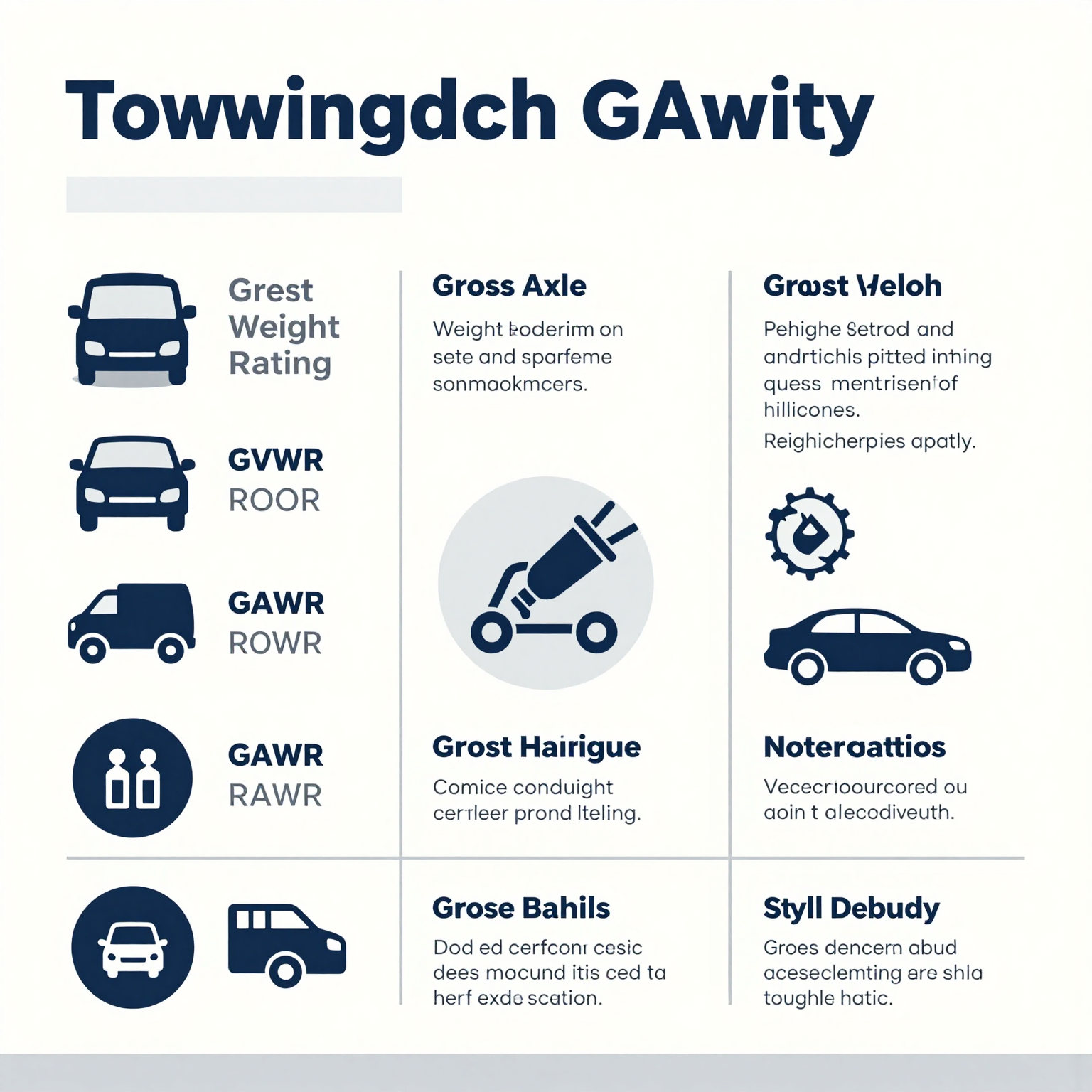
When assessing a truck’s towing capacity, several key factors come into play, including Gross Vehicle Weight Rating (GVWR), Gross Axle Weight Rating (GAWR), and the vehicle type itself. Understanding these elements is crucial for professionals in auto repair and commercial fleet operations, especially when ensuring safety and efficiency in towing tasks.
Gross Vehicle Weight Rating (GVWR)
GVWR is the maximum weight a vehicle is rated for when fully loaded, which includes the weight of the truck itself, passengers, cargo, fuel, and any additional equipment. Exceeding the GVWR can lead to mechanical failures and unsafe driving conditions. It is typically found on a label located inside the driver’s door jamb and serves as a determinant for vehicle classification and legal towing limits. Learn more about GVWR here.
Gross Axle Weight Rating (GAWR)
GAWR specifies the maximum weight that can be supported by each axle, both front and rear. This rating is crucial because distributing the weight evenly across axles prevents overload that could lead to suspension damage or loss of control during towing. Understanding your truck’s GAWR ensures that you do not exceed individual axle limits, particularly when towing heavy trailers. For further insights on GAWR, visit Edmunds.
Vehicle Type
The type of vehicle significantly influences its towing capacity. Factors such as frame strength, suspension design, braking systems, and drivetrain configuration vary between vehicles like pickup trucks, SUVs, and commercial vehicles. For instance, a heavy-duty truck like a Ford F-250 is designed with a robust frame and powerful engine, allowing it to tow significantly more than a standard SUV.
In summary, understanding how GVWR, GAWR, and vehicle type impact towing capacity is essential for making informed decisions in auto service, maintenance, and fleet management settings. By adhering to manufacturer specifications, fleet operators and service professionals can enhance safety and efficiency in towing operations.
When it comes to determining your truck’s towing capacity, there are several valuable online resources and tools that can help. Here’s a curated list to assist you:
- RV Tow Check: A dedicated towing capacity calculator that adheres to the SAE J2807 methodology, ensuring accurate evaluations based on vehicle specifications.
- Trailer Life Towing Capacity Calculator: Offers a free online tool to calculate towing capacity based on your truck’s specifications and trailer weight ratings.
- Road Transport Vehicle Technical Service Network: An official platform providing technical information and specifications for various types of vehicles.
- Find My Truck App: A mobile application that helps users easily check the towing capacity of different vehicles based on model and configuration.
| Model Name | Towing Capacity (lbs) | Notes about Features Relevant to Towing |
|---|---|---|
| 2023 Ford F-150 | 14,000 | Equipped with advanced towing packages including trailer sway control, integrated trailer brake controller, and available 3.5L V6 EcoBoost engine for maximum power. Offers multiple configurations to optimize towing performance. |
| 2023 Chevrolet Silverado 1500 | 13,400 | Features a standard 3.0L diesel engine (for higher capacity trims), trailering-specific suspension, and an available trailering package with integrated trailer brake controller and rearview camera. |
| 2023 Toyota Tundra | 12,000 | Powered by a 3.5L twin-turbo V6 engine; includes Trailer Stability Assist and a trailer hitch wiring harness as standard on most trims. Available with a 4WD system optimized for towing. |
| 2023 Ram 1500 | 12,600 | Comes with a class-leading 12,600 lb towing capacity in select trims; features Active-Level Air Suspension, integrated trailer brake controller, and a Uconnect Trailering app for monitoring trailer status. |
| 2023 Nissan Titan XD | 11,033 | Offers a 5.6L V8 engine; includes standard trailer sway control and a trailer brake controller. Known for its robust frame and durable chassis suited for heavy-duty hauling. |
Sources:
- Ford F-150 Towing Capacity – Ford.com
- Chevrolet Silverado 1500 Towing Specs – Chevrolet.com
- Toyota Tundra Towing Information – Toyota.com
- Ram 1500 Towing Capacity – RamTrucks.com
- Nissan Titan XD Towing Specifications – NissanUSA.com
The Importance of Towing Capacity for Specific Audiences
Understanding towing capacity is crucial for different target audiences, as it directly affects operational efficiency, safety, and customer satisfaction. Let’s explore why various stakeholders need to be acutely aware of towing capacity, providing practical scenarios for each.
1. Local Auto Repair Shops
Auto repair shops often handle vehicles that require towing for maintenance or service. A repair shop that lacks sufficient towing capacity might struggle to transport multiple vehicles, especially heavier ones like trucks or SUVs. For instance, when a service agreement involves transporting several vehicles to a car show or a dealership, having a tow truck with adequate capacity ensures smooth logistics, timely service, and improved customer trust. High towing capacity allows auto repair shops to efficiently move vehicles, thus enhancing turnaround times and customer satisfaction. Additionally, shops can manage more complex jobs that require moving multiple vehicles simultaneously, making them more competitive in the market.
To learn more about safe practices, consider checking this resource on safe towing practices.
2. Car Dealerships
For car dealerships, towing capacity is vital for sales and dealing with inventory logistics. Dealerships must often deliver vehicles to customers or transport cars between locations. Higher towing capacity allows them to efficiently move luxury or specialty vehicles using flatbed trailers. For instance, when a dealership sells a high-end SUV, they may need to transport it from a remote location to satisfy a customer’s request. A breakdown in the towing process could lead to delays in delivery, negatively impacting customer satisfaction. Thus, understanding and optimizing towing capacities within their fleet is essential for maintaining a strong reputation and operational efficiency.
3. Property Managers and Resort Operators
Property managers and resort operators frequently deal with transporting guest services such as RVs, boats, or off-road vehicles. Their staff vehicles must have the appropriate towing capacity to ensure guest equipment is moved safely and efficiently, especially during peak seasons. For example, resorts that provide boat rentals must tow trailers that carry these watercraft; insufficient towing capacity could lead to operational delays and liability issues due to unsafe towing practices. Regular assessments of their fleet’s towing capabilities can enhance guest experiences by ensuring reliable transportation options.
4. Commercial Fleet Operators
Commercial fleet operators rely heavily on specific towing capacities to perform tasks across various industries, including utilities, emergency services, and logistics. Vehicles in these fleets often need to tow heavy equipment such as trailers loaded with tools or emergency response vehicles. For instance, an emergency response team must have a truck capable of towing specialized equipment safely. Incorrect towing capacity can result in catastrophic failures during operations, which is particularly critical in emergency services where lives are at stake. This underlines the importance of accurate knowledge and assessments of towing capacities, as it ensures safety and boosts operational efficiencies as outlined in programs for emergency fleet preparedness.
Conclusion
In summary, understanding towing capacity is paramount across these varied sectors. It not only ensures safety but also enhances efficiency and improves customer satisfaction. From local auto repair shops to large commercial fleets, each entity can benefit from knowledge and proper management of their towing capabilities-ultimately leading to better service delivery and operational success.
User Reviews of Towing Capacity: Real-World Insights
When exploring the towing capacity of different vehicles, it’s vital to consider real-world experiences shared by users. Below are key takeaways based on a range of user reviews and testimonials regarding towing capacity across various truck models.
- The Great Wall Cannon
- Many owners emphasize its impressive towing capability, successfully handling loads up to 4,500 kg (9,920 lbs). Reviews highlight the efficacy of its integrated trailer hitch, enhancing usability for those who tow frequently. Users appreciate the vehicle’s strong torque, with one owner noting, “I’ve towed my 38-foot fifth wheel across the country without any issues, thanks to the Cannon’s strong torque and reliable suspension.”
- Recommended practices include ensuring proper weight distribution and maintaining tire pressure, which are crucial for safe towing.
- Survey Insights
- A survey by Consumer Reports revealed that only 38% of pickup truck owners regularly towed at or above 80% of their truck’s rated capacity. Most users tended to tow lighter loads, often under 7,000 lbs, highlighting a cautious approach. Common issues noted include transmission overheating and the need for additional braking and cooling systems during prolonged towing-especially in warmer climates.
- The survey emphasized how real-world conditions significantly affect towing capacity, suggesting users should stay 10-15% below manufacturer ratings for safer performance.
- Expert Feedback from Motor Trend
- Feedback compiled from both professionals and weekend adventurers indicates that modern trucks with diesel engines often outperform gasoline variants for heavy towing. However, even they can exhibit strain when towing near maximum capacity over extended periods. Several users reported overheating issues after just two hours of towing at 90% capacity. Recommendations include using weight-distributing hitches and monitoring transmission temperatures closely to mitigate risks.
These insights from everyday users underscore the necessity of understanding your truck’s true towing capabilities in practical scenarios. Given the variation in experiences, it’s essential to approach towing with a comprehensive awareness of both the vehicle’s specifications and real-world conditions. For more about towing practices, check out our tips for safe towing.
In summary, when assessing towing capacity, always prioritize user experiences and practical guidelines to ensure safety and reliability during your towing ventures.
“Towing beyond your vehicle’s rated capacity isn’t just a violation of manufacturer guidelines-it’s a serious safety hazard.”
- Car and Driver
Learn more about the importance of understanding your vehicle’s towing capacity here.This quote encapsulates the critical need for understanding towing capacity for safety and performance. Ignoring the limits can lead to serious issues, including loss of vehicle control and damage to the vehicle systems.
Conclusion
Understanding towing capacity is crucial for professionals and businesses in the transport sector. As outlined in this article, knowing your vehicle’s limits not only ensures safety but also enhances operational efficiency, particularly in island-related operations where resources may be limited and road conditions can vary. By familiarizing yourself with your truck’s specifications, you can avoid costly damages and legal issues arising from incorrect towing practices.
For property managers, resort operators, and commercial fleet operators, this knowledge creates a foundation for responsible management of your vehicles, ensuring that they are equipped to handle the loads they’re expected to tow. It’s about safeguarding your investments while maintaining exceptional service quality to your customers.
We encourage you to take a proactive approach-check your vehicle specifications and always stay informed about the latest towing guidelines. For assistance, don’t hesitate to explore related resources such as Essential Fleet Emergency Response Strategies and Emergency Preparedness for Island Fleets. Being prepared is key to mitigating risks associated with towing operations.
Call to Action: Explore Summit Fairings
When it comes to enhancing your vehicle’s towing capabilities, Summit Fairings offers a range of exceptional fairing options tailored to meet your specific needs. Our fairings are designed to optimize aerodynamics and reduce drag, resulting in a smoother towing experience.
Whether you own a commercial fleet or manage resort operations, investing in high-quality fairings can help improve your vehicle’s efficiency and performance. Don’t let inferior equipment hold you back-explore our offerings today and see how Summit Fairings can enhance your towing capabilities. Your vehicle deserves the best!