
Leasing a tow truck can be a significant investment for local auto repair shops, car dealerships, property managers, resort operators, and commercial fleet operators. With the dynamic needs of island businesses, understanding the costs associated with leasing a tow truck is crucial to managing budgets effectively. Each chapter of this guide dives into the intricacies of leasing, starting with a detailed cost analysis, exploring various factors that influence leasing costs, comparing leasing versus purchasing, and examining how regional variations affect pricing. Together, these insights will equip you with the knowledge needed to make the best decision for your operations.
Tow Truck Leasing Costs: Navigating Vehicle Size, Duration, and Location to Pin Down the Real Price
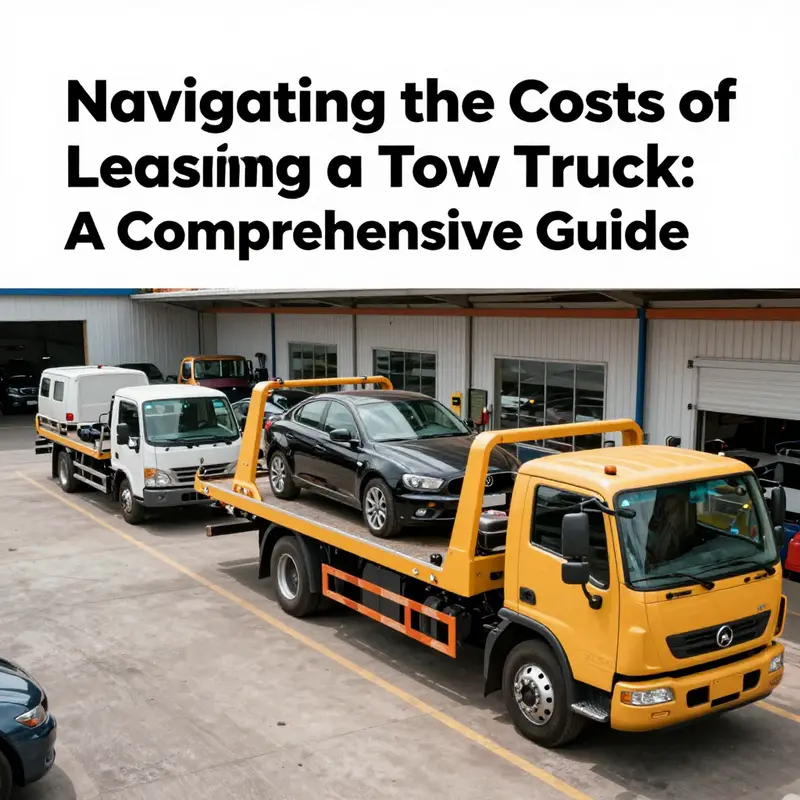
Estimating what it costs to lease a tow truck is rarely a matter of looking at a single daily rate. Prices shift with the vehicle’s capabilities, the length of the commitment, and the geography of where the work will be done. In practice, the cost structure resembles a layered negotiation rather than a flat sticker price. For anyone building or expanding a towing operation, understanding these layers is essential to avoid surprise charges and to align a fleet lease with business needs. The most immediate driver is the vehicle type and size. Tow trucks come in a spectrum of configurations, from compact light-duty units designed for roadside assistance to large heavy-duty rigs meant for commercial vehicles, buses, or heavy machinery. The cost implications follow this scale. Small tow trucks, with lighter towing capacities, typically command daily rental rates in the range of modest figures that can be noted by operators who handle minor roadside calls. In practice, daily costs for these smaller units might fall roughly between fifty and one hundred fifty dollars. This tier reflects a balance between maneuverability, fuel efficiency, and the ability to respond quickly in dense urban settings where speed and access matter. For mid-range needs—those trucks built to handle standard passenger vehicles and small sport utilities—the daily rate rises to a more comfortable band, generally between one hundred fifty and three hundred dollars. These models offer greater weight capacity, longer reach, and more robust recovery equipment, which translates into tangible value for a growing fleet that targets a broader service window without stepping into the high-cost territory of heavy-duty machines. At the top end are large or heavy-duty tow trucks. These rigs are purpose-built for demanding jobs: extracting disabled commercial vehicles, buses, or heavy machinery, or servicing routes that routinely involve long distances and challenging recoveries. The day rate for these specialized machines can exceed three hundred dollars, and in some markets the rate can climb higher when premium features are required. There is also a nuanced caveat worth noting: market data from different regions can present markedly different baselines. In a global context, a recent localized study from one market notes that when measured in local currency, the equivalent daily fee for heavy-duty units might appear modest or even low, yet the real purchasing power, and the total cost of ownership or rental, can differ dramatically across borders. For example, a 2026 reference to heavy-duty tow trucks in a large market reported daily charges exceeding a certain threshold in local currency, which translates to a far lower figure when converted—an illustration of how currency, market structure, and cost components beyond the base rental price interact. The key takeaway is that the base daily rate is only the starting line. If you add fuel, insurance, maintenance, and administrative tasks, the effective daily cost can shift considerably. Still, the baseline is useful: knowing the vehicle category helps set expectations and quickly narrows the pool of quotes to relevant options. The size and type of the truck also interact with the operational design of a fleet. A shop that concentrates on quick recoveries in city corridors may favor smaller, more nimble units for their lower per-call cost and faster turnover. A business that handles on-highway incidents, stranded trucks, or remote site recoveries may prioritize heavier machines, even though they come with greater fuel consumption, longer callouts, and more complex maintenance planning. In practice, the decision is rarely driven by the sticker price alone but by the total cost of ownership over the period of the lease and the expected utilization pattern. To illustrate, imagine a fleet evaluating two different paths: one, a small light-duty unit intended for routine roadside assistance, and another, a heavy-duty machine activated for less frequent but higher-stakes recoveries. If the operation anticipates frequent daily calls, a small to mid-range fleet could deliver the most cost-efficient coverage by leveraging the lower daily rate and faster dispatch. If the operation must tackle more demanding jobs or longer haul distances, the heavier unit might reduce the number of separate trips required and shorten dwell times at sites, a trade-off that can justify the higher rate when calculated against uptime and service quality. Beyond the vehicle itself, the lease duration exerts a predictable influence on price. Short-term rentals—those measured in days—usually align with the daily rates described above. However, as the lease stretches into weeks or months, many providers offer significant per-day discounts. The economics of longer terms are straightforward: a longer commitment gives the provider predictability in asset utilization and a steadier revenue stream, which can translate into lower daily charges for the lessee. For a business that plans to operate the truck as a core part of its service capability, a monthly or quarterly lease often becomes dramatically more economical than a series of separate daily rentals. The effect of duration is amplified when combined with other factors such as maintenance schedules and insurance. Some lease agreements bundle basic insurance and essential maintenance into the monthly payment, while others present these as add-ons that must be contracted separately. The distinction matters. A bundled package might streamline budgeting and reduce the risk of unplanned expense spikes, while an unbundled approach can sharpen cost transparency if the business has preferred providers for insurance, tires, or preventive maintenance. The geographic footprint of the operation—its location and service area—also plays a major role in cost. Urban environments, with dense dispatch networks and shorter travel distances, tend to produce more favorable per-call economics, even if the base rate is higher in some cases because of demand and scheduling efficiency. Rural or remote areas introduce a different calculus. Longer travel distances, extended callouts, and less competition can push up the perceived cost per mile and per hour. When a tow requires driving substantial distances to reach a breakdown site or to return a vehicle to a shop, many providers charge distance-based fees that can accumulate quickly. These mileage surcharges are often calculated from a base mileage threshold and can vary widely by vehicle category. In addition to distance, time-based charges can appear for certain operations. If a job spans multiple hours—such as a difficult winching operation, a complex recovery, or a high-need event—hourly rates, typically in the double digits, may apply. Night shifts, holidays, or emergency recoveries often command higher hourly or on-call rates, reflecting the premium placed on specialized labor and rapid response. There are also specialty fees that can emerge for transporting hazardous materials, oversized loads, or unusually delicate vehicles. In such cases, the provider may apply fixed adjustments or percentage-based surcharges to the base rate, and in some cases, a flat service fee is added to cover the extra equipment and handling required. Fuel and maintenance costs are another layer. Depending on the lease structure, renters may be responsible for fueling the vehicle or may enjoy fuel-inclusive terms. Even when fuel is included, fluctuations in fuel price can creep into the overall balance through negotiating price adjustments or fuel surcharges. Maintenance costs commonly fall into two camps: either the lease keeps a maintenance obligation on the renter and the provider remains responsible for major servicing, or the renter shoulders ongoing upkeep as part of a more flexible, cost-conscious agreement. Administrative charges—documentation, insurance, and processing fees—are sometimes levied at the outset or at renewal. These fees, while generally smaller than other line items, can accumulate when leasing multiple units or renewing annually. Before committing to a lease, a careful estimate should be prepared that includes all these elements: the base daily rate by vehicle type, expected duration-based discounts, location-based surcharges, distance and time fees, specialty charges, fuel, maintenance, and admin costs. A detailed, itemized quote helps prevent gap surprises and supports a cleaner budget forecast. For operators seeking ideas on fleet strategy and readiness, there is a broader reference point in the industry’s thought leadership, such as discussions hosted on industry blog platforms that cover topics from fleet emergency response strategies to general readiness. For readers curious about how fleet decisions like this can interface with broader operations, a related resource discusses emergency response and preparedness for island fleets, offering a wider view of how towing capacity fits into overall resilience planning. You can explore insights from that source via the internal link to the industry blog: The Island Tow Truck Blog. As you consider the numbers above, a practical approach is to translate them into your own usage profile. If you anticipate steady demand in an urban setting, you may lean toward shorter-term trials to calibrate utilization, followed by a move to longer-term arrangements that lock in stability. If your demand is irregular or tied to seasonal peaks, a hybrid model—an initial short-term phase with optional extensions—can help manage risk while preserving flexibility. In any case, securing a detailed quote that breaks out base rates, time and distance fees, and all extras is essential before finalizing a contract. The goal is to build a leasing plan that mirrors actual service patterns, so the fleet operates with predictable cash flow and optimal uptime. For those who want a broader view on how such decisions fit into emergency preparedness and fleet readiness, industry guidance emphasizes the interplay between response capability and operational cost. The broader conversation connects with how fleets allocate resources to ensure rapid, reliable service during peak demand or critical incidents, a consideration that extends beyond the initial daily rate and into long-term strategic planning. For ongoing learning and context, readers might also consult broader transportation cost analyses and industry case studies to see how similar capital investments are evaluated in related sectors. External context can provide a benchmark against which to compare tow truck leasing terms, uptime expectations, and service levels. If you are seeking a global frame of reference for what drives these costs, you can explore a transportation statistics resource that highlights how utilization, maintenance, and labor costs shape equipment leasing in various markets. External resource: https://www.bts.gov
What Actually Sets the Price on a Tow Truck Lease: A Practical Guide for Fleets
Pricing a tow truck lease isn t a single number but a moving target shaped by the vehicle type, its age, the demand in your region, and the terms you sign. For anyone running a towing operation, understanding these levers is essential because a lease can swing by thousands of dollars each month depending on how you balance capabilities with risk. The numbers from broader heavy vehicle rentals give a useful frame of reference. Daily rates for large or specialized trucks tend to range from roughly eight hundred to two thousand dollars, with a 9.6 meter standard rig sometimes falling in the eight hundred to twelve hundred per day band. Newer, more capable systems with expanded features can push into the higher end of that spectrum. While exact figures for tow truck leases are scarce in public sources, those rental benchmarks illuminate the core idea: higher capacity, newer equipment, and more complex operations come with a higher price tag, while longer commitments or older units can lower the monthly exposure even as maintenance costs creep up in the background. Keeping this frame in mind helps set realistic expectations as you weigh a prospective lease against the daily realities of towing work.
The first and most obvious factor is the type of tow truck you need. Rotator tow trucks, with their 360-degree rotating booms and the ability to lift overturned vehicles, stand out as the most capable and, naturally, among the most expensive to lease. Their operational versatility is unmatched in many urban recovery scenarios, but that versatility comes with a price. The initial investment necessary to acquire a rotator is substantial, and the lease market reflects that by applying higher monthly payments to reflect both the asset value and the specialized maintenance it requires. In contrast, flatbed tow trucks, which use a hydraulically tilting bed to transport vehicles with no contact between the vehicle and the ground, offer excellent safety for AWD and low-clearance cars. They are generally less costly to lease than rotators, yet their robust construction and safety features keep their lease rates well above a bare minimum. The choice between these two archetypes, and any hybrids in between, sets a ceiling on what you will be willing to pay each month and, by extension, your fleet s financial threshold for revenue generation.
Age and condition follow closely behind. A brand-new tow truck, particularly one equipped with hydraulic systems, wheel lifts, and high lifting capacities suited to urban recoveries, demands a premium lease. The vehicle represents not only raw capability but also predictable performance and minimal downtime in the early years, two attributes that lenders reward with favorable terms. Conversely, a used or older unit can carry a noticeably lower monthly payment, which may be appealing to startups or fleets expanding into new service areas. Yet that lower base comes with higher risk of maintenance costs and more frequent downtime, both of which can erode any initial savings from a reduced lease price. In a market where breakdowns can translate into missed opportunities and stalled response times, the choice often comes down to a fundamental calculus: does the monthly lease payment saved by opting for a used unit offset the potential loss of availability during peak periods or after hours when demand spikes? For many operators this is the decisive question, because a single extended outage can negate weeks of savings in the lease line item.
Market demand and location are not abstract factors; they shape the economics of every lease agreement. In areas with heavy traffic, dense populations, busy industrial zones, or frequent accident clusters, the demand for towing services rises. That higher demand tends to push lease prices upward because lessors anticipate higher utilization and a quicker return on their investment. The geographic reality can also influence the kind of unit that is most in demand. A city with frequent multi-vehicle recoveries and complex scenes might see rotators used regularly, translating into higher lease costs for operators who need that capacity. In contrast, rural or lower-traffic regions may find flatbeds or lighter-weight units offer sufficient coverage at a more modest rate. Beyond the straight asset price, the lease also encapsulates the risk profile associated with the local environment. High-crime areas, rough road conditions, or challenging weather patterns add to the expected wear and tear and potential for sudden maintenance needs, and those risk considerations can nudge the lease price upward as the lessor seeks to cover anticipated contingencies.
The terms of the lease themselves are a powerful dial. Length of the lease, mileage allowances, and maintenance responsibilities are not mere contractual boilerplate; they are the levers that directly translate into monthly cost. A longer lease typically carries a lower monthly payment, as the lessor commits to a longer revenue stream and amortizes the asset over a longer period. Conversely, a short-term lease or a pilot arrangement tends to have higher per-month costs but can be justified by a fleet that expects seasonal fluctuations or rapid expansion in service territory. Mileage caps matter too. Tow trucks encounter a lot of road time, and operators who exceed generous mileage allowances can incur penalties that make a seemingly small per-mile overage add up quickly over a month. Maintenance responsibilities are another big factor. Some leases include routine upkeep, inspections, and even certain repairs, transferring cost and risk away from the operator. Others require the lessee to shoulder most routine expenses. When maintenance is bundled into the lease, you gain predictability; when it is not, you must budget for unexpected repairs and the downtime they cause, which can be just as costly as higher monthly payments.
Fuel consumption and maintenance complexity are practical realities that directly influence a lease price. Rotators, by their very nature, demand a higher power draw, more advanced hydraulic systems, and often more sophisticated driver training. These operational realities translate into higher ongoing costs that the lessor factors into the lease rate. A newer, more capable engine might extract more performance from the same fuel budget, but the marginal cost of that extra capability is typically reflected in both upfront and ongoing charges. Maintenance complexity matters as well. A vehicle with a sophisticated stabilization system, a multi-point hydraulic circuit, or an integrated winch setup requires technicians with specialized skills. The pool of qualified labor, the cost of replacement parts, and the longer turnaround times for certain repairs all feed into the overall lease price. Even routine items, such as tires, brake components, and hydraulic fluids, can be more expensive when the vehicle s systems are more intricate or when the fleet promises higher service levels and faster response times for customers who rely on these assets during emergencies.
Risk and support considerations also shape the lease proposition. Leasing is, at its core, a risk-sharing arrangement. The lessor must account for the possibility of vehicle downtime, the cost of rapid response to breakdowns, and the logistics of supplying spare parts or mobile service teams. If a fleet operates in remote locations or around-the-clock shifts, the value of a robust support package rises, and with it the lease price. Some operators will pay a premium for extended warranty terms, on-call maintenance, or guaranteed replacement units during repairs. Those add-ons are not merely comfort features; they reduce the operational risk of owning or leasing a high-stakes recovery asset and, in return, operators must absorb a higher monthly cost to lock in that stability. The math behind these decisions is not just about what the vehicle can lift, but about the confidence it provides the business during critical moments when every minute counts and a stalled job translates into lost revenue.
In this landscape, the practical approach to grasping a fair price is to assemble multiple quotes that reflect the same core requirements while varying the lease terms and maintenance arrangements. The lesson from the broader heavy-vehicle rental space is straightforward: negotiate with a clear appetite for how much infrastructure you want in place to protect uptime. If your operations require maximum readiness, you will likely lean toward a higher-end unit with a more inclusive maintenance plan and a longer lease term. If uptime can tolerate occasional downtime and you can absorb risk, you may opt for a more economical package with leaner maintenance commitments. Either way, the starting point is awareness of the main drivers and a realistic expectation that the sticker price will shift with every adjustment in type, age, location, and terms.
For readers seeking a starting point on how to navigate these decisions in practice, a helpful primer on leasing considerations can be found in industry resources such as the Island Tow Truck blog. The link below highlights the kind of practical guidance that helps owners translate technical capabilities into budget realities: theislandtowtruck.com/blog.
As you prepare to engage with local operators, keep in mind the baseline ranges described at the outset. The typical daily exposure for large or specialized vehicles in related rental markets provides a useful frame. In many cases, longer lease commitments will unlock better daily rates, and the total cost of ownership over the lease term will reflect the sum of base payments plus fuel, insurance, maintenance, and any agreed-upon service arrangements. Urban centers often demand premium pricing, but those same centers also offer the advantages of quicker response times and greater demand for reliable recovery assets, potentially increasing utilization and return on investment. The bottom line is to enter each negotiation with a clear map of your service requirements, a preferred balance between capacity and resilience, and a plan for how you will manage the ancillary costs that accompany the base lease price.
For precise, up-to-date pricing tailored to your fleet size, service area, and operational tempo, engage directly with local towing or heavy-vehicle rental providers. The landscape is dynamic, and lease terms are highly negotiable when you bring a well-defined utilization plan and maintenance expectations to the table. A thoughtful approach to these conversations will yield a lease that aligns your asset capabilities with your service commitments, without overcommitting to a price point that strains cash flow during slower periods or underutilization peaks. In short, the cost of leasing a tow truck is not fixed; it is a function of the asset class you choose, its age and condition, the demand and costs in your market, the exact lease structure you sign, and the level of risk coverage and maintenance support you require. The more precisely you articulate these elements, the closer your quotes will be to a price that reflects real value for your operation.
External resource: https://www.towtrucks.com/leasing
Leasing vs. Owning a Tow Truck: Weighing the True Fleet Cost
Choosing between leasing and buying a tow truck hinges on cash flow, risk, and how the asset fits into a longer-term plan. In general, leasing lowers upfront costs and yields predictable monthly payments, while buying creates an owned asset and a depreciation path. Over a typical 3- to 5-year window, the differences become nuanced and depend on usage, maintenance, and finance terms.
Leasing offers liquidity and a budgeting anchor with short commitments and often includes maintenance. It can provide newer equipment every few years, which tends to reduce downtime and surprises, and keeps capital free for parts, software, and staffing. The main tradeoffs are mileage penalties, lack of ownership, and the possibility of higher long-run costs if miles are very high or the lease terms are unfavorable.
Buying shifts the focus to asset ownership, depreciation, and long-run cost discipline. With high mileage, ownership can be cost-effective once the loan is paid and the asset remains productive. You gain full control over usage and customization but assume maintenance risk and the responsibility to manage upkeep. Upfront costs are higher, and depreciation creates accounting impact, yet resale value can offset part of the investment through the life of the asset.
A useful framework is total cost of ownership (TCO): base payments or price, financing costs, maintenance, fuel, insurance, taxes, and any residual value. In many fleets, ownership begins to beat leasing after roughly four to six years for operators with heavy use. The right choice often comes down to workload pattern, capital position, and maintenance strategy.
Practical considerations include negotiating the contract terms (price vs. monthly payment, mileage caps, and residual value), selecting a unit with a credible maintenance history if buying used, and aligning the decision with broader fleet goals such as technician training, dispatch reliability, and uptime targets. Many fleets employ a blended approach: owned core units for reliability and newer leases to handle peak demand.
In sum, leasing reduces upfront risk and preserves capital, offering predictable uptime and modern equipment. Buying trades that flexibility for long-run ownership and potential asset value, especially if you expect high mileage and a long horizon. The best path depends on your service mix, demand volatility, and how you want to balance control, risk, and cash flow.
Pricing Across the Map: How Regional Forces Shape Tow Truck Leasing Costs
When a business moves from a broad pricing sketch to the specific reality of leasing a tow truck, regional realities rise to the surface with surprising clarity. Across the country, the cost to lease a heavy-duty vehicle used for towing or hauling is not a single line item. It becomes a tapestry woven from local demand, labor market conditions, regulatory requirements, fuel costs, and the particular type of tow equipment being rented. The baseline numbers cited in industry chatter—roughly eight hundred to two thousand dollars per day for larger and more specialized units—provide a starting frame, but the actual dollars on the invoice can swing widely by region and season. In practice, a 9.6-meter standard tow truck might commonly fall within an $800 to $1,200 daily band in many markets, while more advanced models with higher capacity or specialized equipment can push past the $1,500 to $2,000 threshold. Yet those figures are not universal; they are a snapshot conditioned by where the truck is operating and how long it is leased. The regional lens matters because it captures the economics of the local towing ecosystem: the density of traffic, the frequency of incidents, the cost of living, and the regulatory appetite of the area for stricter compliance. Even the same model can carry a different price tag in a coastal megacity than in a midwestern rural corridor, and that divergence is not simply a matter of prestige or brand. It is the result of a weighted calculus in which cost of operations, risk premiums, and demand-side pressures mix with supply-side frictions. This is why a single quote for a tow truck can look almost opaque until you understand the regional context that shaped it in the first place. The regional story also speaks to the practical realities of running a tow business. Operators in busier regions must staff with qualified drivers more often, respond to a higher volume of calls, and comply with more stringent local rules. These factors translate into higher labor costs, more robust insurance requirements, and greater overhead per hour of operation. When the price of labor, insurance, and compliance becomes a recurrent line item in a lease, the daily rate reflects not just the vehicle itself but the entire operating environment that frames how that vehicle will be used. In areas with intense traffic and complex congestion patterns, the utilization rate of a leased unit tends to be higher, which can justify higher base rates. In regions with calmer traffic and fewer demand spikes, the same vehicle may sit idle longer and command lower prices, or it might attract longer minimum rental periods that come with their own set of economic advantages and constraints. In short, regional variation in tow truck leasing costs is less about the color of the truck and more about the color of the market behind it—the traffic, the policy, the people, and the pockets of the customers who sign the lease. This broader frame helps explain why two neighboring counties might offer identical trucks at markedly different daily rates, simply because their regulatory environments reward or penalize certain maintenance regimes, emissions controls, and safety standards, or because one region experiences a summer surge in construction or tourism that spikes demand. In practice, that means a prospective lessee needs to move beyond sticker prices and into a structured evaluation of regional cost drivers. A quote in one city may arrive with a few surcharges hidden in the fine print—fuel surcharges, maintenance buffers, or insurance add-ons—that are routine in that area but rarer elsewhere. Conversely, another region might present a leaner price, but with constraints such as shorter rental terms, higher security deposits, or stricter requirements for fleet maintenance documentation. The interplay of these factors often makes the total cost of leasing a tow truck in a given region a function of both the vehicle’s capabilities and the market’s appetite for risk management. It also underscores the need to compare apples to apples: ensure that the scope of the lease—the duration, the included mileage, the maintenance responsibilities, and the level of operator support—matches across quotes to avoid inadvertently masking long-run costs behind an attractive daily rate. The regional dimension also interacts with the broader lifecycle costs of operating a tow truck. Beyond the daily rental fee, fuel can be a significant and variable line item. Regions with higher diesel prices or longer average tow distances will push the operating cost per hour higher, especially if the lease requires the customer to cover fuel or if a fuel surcharge is baked into the contract. Maintenance and insurance are not mere background expenses; they are central to protecting the investment and ensuring compliance with safety standards that vary by state or province. In high-regulation regions, compliance regimes may demand more frequent inspections, stricter emissions controls, and more extensive documentation, all of which add to the monthly and annual cost of ownership when a truck is leased rather than owned outright. The result is a mosaic of regional cost patterns that requires careful navigation. In urban cores where congestion, parking, and towing complexities are more intense, operators favor trucks with higher maneuverability, stronger winches, and advanced safety features. These capabilities come at a premium, but they also unlock higher utilization and faster response times—economies of scale that can offset the higher daily rate over the course of a busy month. In contrast, rural markets tend to privilege robustness and payload capacity for longer, longer-distance tows with fewer calls per day. The equipment there may be simpler, and the pricing can be more favorable, reflecting lower labor costs and a lower perceived risk of regulatory friction. The conversations with regional providers often reveal a nuanced alignment between vehicle type and operating environment. Rollback-style trucks, with their receding wheelbase and more compact footprint, might dominate in dense urban zones where curb space is valuable and traffic patterns favor short tows. Flatbeds, with their longer reach and specialized load capabilities, can be more prevalent in rural or long-haul networks where the tows require secure stable loading across greater distances. The regional drift in vehicle preference then reinforces price signals: different demand profiles, different maintenance demands, and different insurance marketplaces. The economics extend into contract structure as well. In regions with reliable, predictable demand, providers may offer more generous weekly or monthly terms, with discounted daily rates for longer commitments. In markets subject to seasonal peaks—holiday travel, tourism surges, or weather-driven incidents—the cost structure often includes temporary surcharges that reflect the upsurge in utilization and risk exposure. A well-planned leasing strategy recognizes these cycles and negotiates terms that smooth costs over time, rather than chasing the lowest daily price that can sabotage coverage or service levels during peak periods. For anyone evaluating regional options, a disciplined approach to pricing begins with a clear statement of needs: what model or class of tow truck, the typical call profile, expected hours of operation, and target maintenance expectations. With those inputs, a buyer can solicit regional quotes and compare them with a simple framework that accounts for base rate, duration discounts, mileage allowances, fuel and maintenance surcharges, insurance and licensing pass-throughs, and any regional regulatory fees. It is also worth recognizing that some regions may benefit from industry associations or regional benchmarking data that provide more context than a single quote. For those seeking a broader framework, a useful resource for understanding current market trends is the National Association of Roadside Assistance, which provides annual benchmarks and regional analyses. As you weigh regional differences, keep in mind that the lowest headline rate is rarely the best value if it comes with hidden costs or a mismatch between the truck’s capabilities and the typical work it will perform. The most practical path is a transparent comparison that places regional costs in context with the actual operational needs of your fleet. In this spirit, you can also explore targeted strategies that help a fleet stay cost-smart across regions. For instance, aligning the lease with anticipated call volumes, ensuring the contract includes predictable maintenance schedules, and negotiating fuel contingencies can reduce volatility. Taking the time to map out the regional cost drivers—traffic density, labor markets, regulatory strictness, fuel prices, and the type of tow equipment most common in the area—gives a clearer sense of where your dollars will go. It also helps in crafting a procurement path that balances reliability, compliance, and cost. When you need practical guidance on fleet readiness and emergency response planning in a regional context, consider resources focused on essential fleet strategies, such as the toolkit for essential fleet emergency response strategies. These materials can provide insights into how regional realities shape not just equipment costs but the broader readiness that keeps a tow operation resilient in changing markets. For those who want a broader market lens beyond the immediate lease terms, consult external industry benchmarks at https://www.nara.org/industry-research. This broader view helps anchor regional quotes in the larger trajectory of the industry and supports decisions that align with both current needs and future growth.
Final thoughts
Understanding the costs associated with leasing a tow truck is vital for local businesses aiming to streamline their operations. By delving into the analysis of costs, recognizing influential factors, comparing leasing with purchasing options, and acknowledging regional differences, businesses can make sound financial decisions. By being informed, auto repair shops, dealerships, property managers, and fleet operators can harness leasing benefits while effectively managing their budgets.