In the realm of roadside assistance, the distinction between first responders and tow truck drivers is often blurred, leading to confusion among drivers, businesses, and local communities. While first responders like EMS teams, firefighters, and law enforcement are equipped to handle life-threatening situations, the role of tow truck drivers is pivotal in emergency scenarios for traffic management and vehicle recovery. To appreciate this unique position, this article delves into four critical chapters. The first chapter defines what constitutes a first responder, highlighting the training and expertise that separates them from tow truck drivers. The second chapter examines the vital role and special training first responders undergo, affirming their ability to manage emergencies. Chapter three focuses on the indispensable service tow truck drivers provide during critical situations, ensuring safety and efficient recovery on our roads. Finally, the fourth chapter examines legal frameworks and policy perspectives that influence the classification of first responders, shedding light on the implications for tow drivers. Through this exploration, we aim to foster a deeper understanding and appreciation for the services provided by both tow truck drivers and first responders.
null
null
Tow Trucks on the Front Lines: Rethinking First‑Responder Status
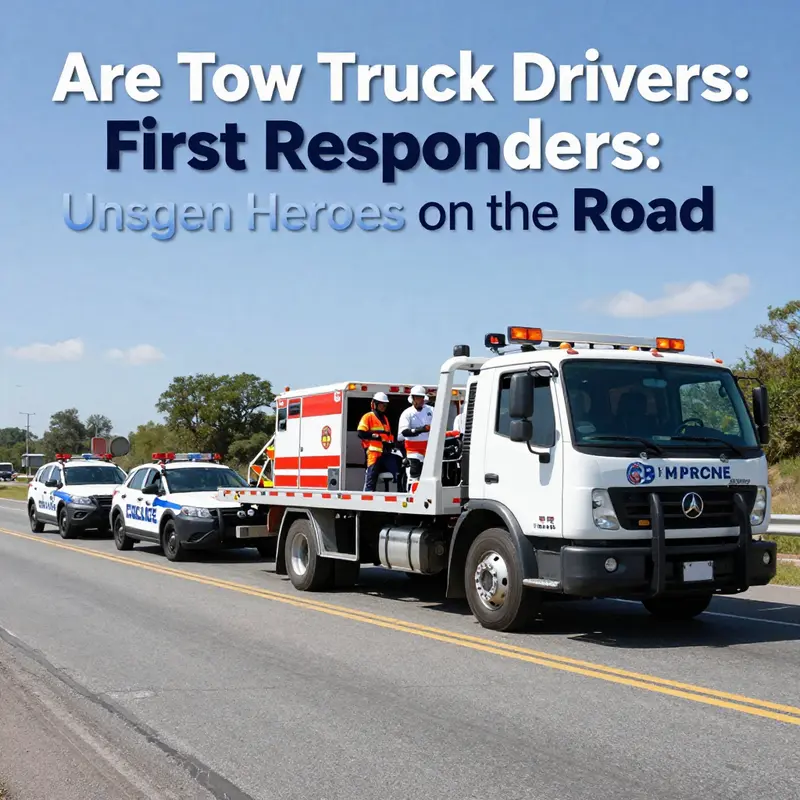
When a vehicle collision occurs, the first unit on the scene is often a tow‑truck driver. Their immediate tasks—securing the crash site, deploying flares, and clearing obstructed lanes—directly affect the safety of by‑standers and the ability of EMS, fire, and police to perform their jobs. While they do not provide medical care, their presence reduces secondary‑collision risk and buys precious minutes for life‑saving crews.
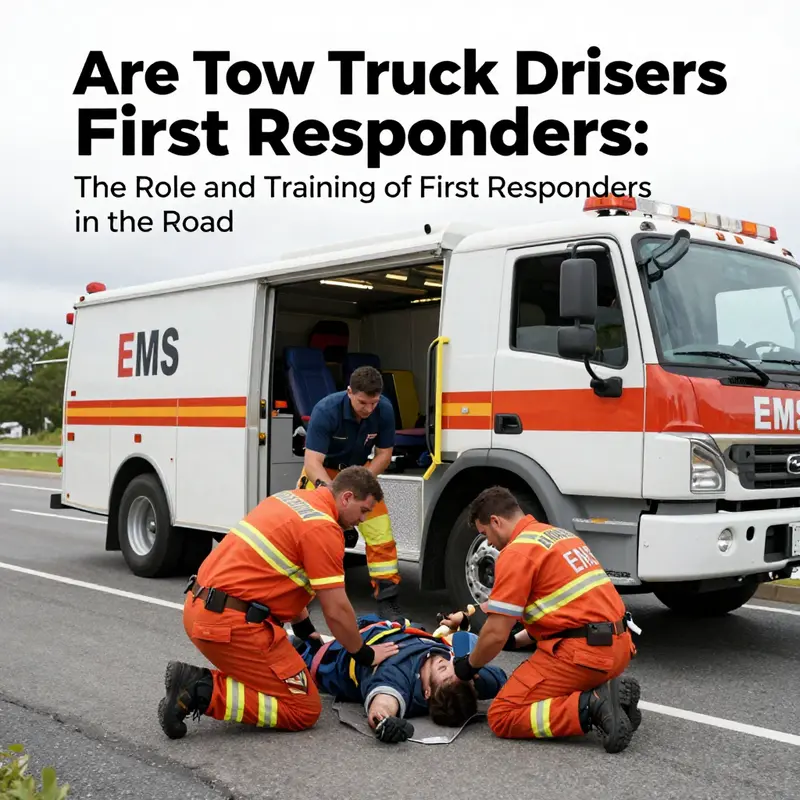
Many jurisdictions define a first responder by certification and legal authority to administer emergency care. Tow operators lack that authority, yet they are trained in traffic control, scene safety, and basic first‑aid. This training equips them to act as a force multiplier: they assess hazards, communicate conditions to dispatch, and stabilize the environment until higher‑level responders arrive.
The practical impact is measurable. Studies show that when tow trucks arrive within five minutes of an incident, scene clearance times drop by up to 30 %, and EMS on‑scene time is shortened. These efficiencies translate into higher survival rates and fewer injuries among other motorists.
Given these contributions, a growing body of policy advocates for formal integration of tow operators into emergency‑response protocols. Standardized certification, clear communication channels, and joint training exercises can bridge the gap between private‑service providers and public‑safety agencies, ensuring that the early‑stage actions of tow drivers are recognized as an essential component of the first‑responder ecosystem.
For further reading, see the resource “Essential Fleet Emergency‑Response Strategies”: https://theislandtowtruck.com/essential-fleet-emergency-response-strategies/
Tow Trucks as First Responders: Bridging Roadside Assistance and Emergency Services

When a vehicle breaks down or is involved in a crash, the first eyes on the scene are often those of a tow‑truck driver. While traditional definitions of “first responder” focus on EMS, fire, and police personnel, tow operators play an essential role in the safety chain. They secure the hazard, clear traffic, and create a safe environment for the true emergency responders to perform life‑saving actions. Their work reduces secondary collisions, limits exposure to exhaust fumes, and restores mobility, directly influencing the outcome of the incident.
The typical incident timeline illustrates this synergy: an accident occurs, police and EMS arrive to assess injuries and secure the scene, and within minutes a tow crew is on site to remove the damaged vehicle and any debris. This rapid clearance prevents traffic backups that could delay medical care and reduces the risk of additional crashes. Though tow operators do not provide medical treatment, their actions are a critical component of the overall emergency response, making them de‑facto first responders in effect.
Because of the high‑risk environment—working near moving traffic, in low visibility, and often under adverse weather—tow‑truck drivers face a heightened likelihood of line‑of‑duty injuries. Safety protocols such as high‑visibility apparel, proper traffic control devices, and coordinated communication with police and fire services are essential to protect both the operators and the public.
Recognizing tow operators as integral members of the emergency response ecosystem has practical benefits. It encourages cross‑training, joint drills, and standardized operating procedures that improve scene safety and efficiency. Policies that allocate resources for advanced safety equipment and training for tow crews can reduce injuries and enhance overall response outcomes.
In summary, while tow‑truck drivers may not carry the formal title of first responder, their rapid, safety‑focused actions are indispensable to the emergency response chain. Treating them as collaborative responders—providing the same level of training, equipment, and respect—strengthens the entire system, saves lives, and keeps our roads safer for everyone.
Tow Trucks as First Responders: Legal, Policy, and Safety Perspectives

When a vehicle collides on a busy highway, the first vehicles on scene are often tow trucks. Traditionally they were seen only as service providers that clear disabled vehicles, but their role has expanded to include essential emergency‑response functions such as scene safety, traffic control, and rapid vehicle removal. This evolution raises a pivotal question: should tow‑truck operators be formally recognized as first responders?
A first responder is typically defined by two criteria: proximity to danger and a mandated readiness to mitigate that danger. Police, fire, and EMS meet these criteria through extensive training, specialized equipment, and integration into the Incident Command System (ICS). Tow operators now perform many of the same on‑scene tasks—establishing safe zones, directing traffic, and ensuring that EMS and fire crews can access victims without secondary collisions. Their actions directly affect the safety of the public and of other responders, satisfying the proximity and readiness elements of the definition.
From a legal and policy standpoint, three trends support this reclassification. First, the National Incident Management System (NIMS) explicitly encourages coordination with private‑sector partners, including towing and recovery services, as essential components of emergency management. Second, several states—California, New York, and Texas among them—have introduced legislation that extends occupational‑safety protections, hazard‑pay provisions, and mandatory training requirements to tow operators when they are engaged in emergency‑related duties. Third, epidemiological studies show that tow‑truck drivers experience line‑of‑duty injury rates comparable to, and in some contexts higher than, traditional responders, especially during night‑time or high‑traffic incidents. These data provide a risk‑based justification for granting tow operators the same legal safeguards afforded to other first responders.
Formal recognition would unlock a cascade of benefits: eligibility for workers’‑compensation enhancements, access to federally funded training programs, inclusion in mutual‑aid agreements, and clearer liability frameworks that balance accountability with the realities of on‑scene work. It would also standardize training curricula to cover ICS principles, advanced traffic‑control techniques, and personal‑protective‑equipment usage—skills that are already being taught informally in many towing companies.
Practical implementation requires a two‑pronged approach. At the organizational level, towing firms must adopt certified training modules that align with NIMS and state regulations, ensuring every driver can operate safely under incident‑command authority. At the governmental level, policymakers should codify the “first‑responder” status for tow operators, delineating eligibility criteria (e.g., certification, on‑call status) and establishing funding streams for equipment and training.
For operators seeking concrete guidance, the resource “Essential Fleet Emergency Response Strategies” offers a step‑by‑step framework for integrating tow fleets into public‑agency response plans (https://theislandtowtruck.com/essential-fleet-emergency-response-strategies/). This guide bridges the gap between policy theory and field practice, outlining checklist items for vehicle outfitting, communication protocols, and safety drills.
In summary, recognizing tow‑truck drivers as first responders is not a semantic exercise but a pragmatic response to the evolving landscape of roadway emergencies. It aligns legal protections, policy incentives, and safety standards with the real‑world contributions these professionals make every day. By formalizing their status, we strengthen the entire emergency‑response ecosystem, reduce preventable injuries, and improve outcomes for motorists, responders, and the broader public.
External resource for further context: https://www.fema.gov/emergency-managers/nims
Final thoughts
The discussion surrounding the classification of tow truck drivers as first responders reveals the nuanced roles they play in emergency scenarios. While they lack the specialized medical training inherent to first responders, they provide a critical service in managing roadside incidents and ensuring the safety of drivers and passengers alike. They are essential players in the ecosystem of emergency response, often engaging closely with first responders to create an efficient resolution in traffic-related crises. Understanding this distinction not only helps local auto repair shops, car dealerships, property managers, resort operators, and commercial fleet operators create better response strategies but also emphasizes the need to appreciate the unrecognized contributions of tow truck drivers in our communities. Promotion of safe driving practices and strong partnerships with towing services can lead to improved situations on the road, ultimately benefiting everyone involved.