
Tow truck drivers play a crucial role in automotive assistance, yet their earnings can vary widely based on multiple factors. As local auto repair shops, car dealerships, property managers, and commercial fleet operators, understanding how much these drivers make is essential for informed business decisions. This article delves into the average earnings of tow truck drivers across different regions, the influences shaping those earnings, and how specialization can impact salaries. Additionally, we will examine the comparative salaries of tow truck drivers in various countries, giving you a clearer picture of what to expect in this vital industry. By the end, you’ll have the insights needed to navigate hiring or working with tow truck drivers effectively.
Tow Truck Pay on the Move: How Regional Realities Shape Earnings Across North America and Australia
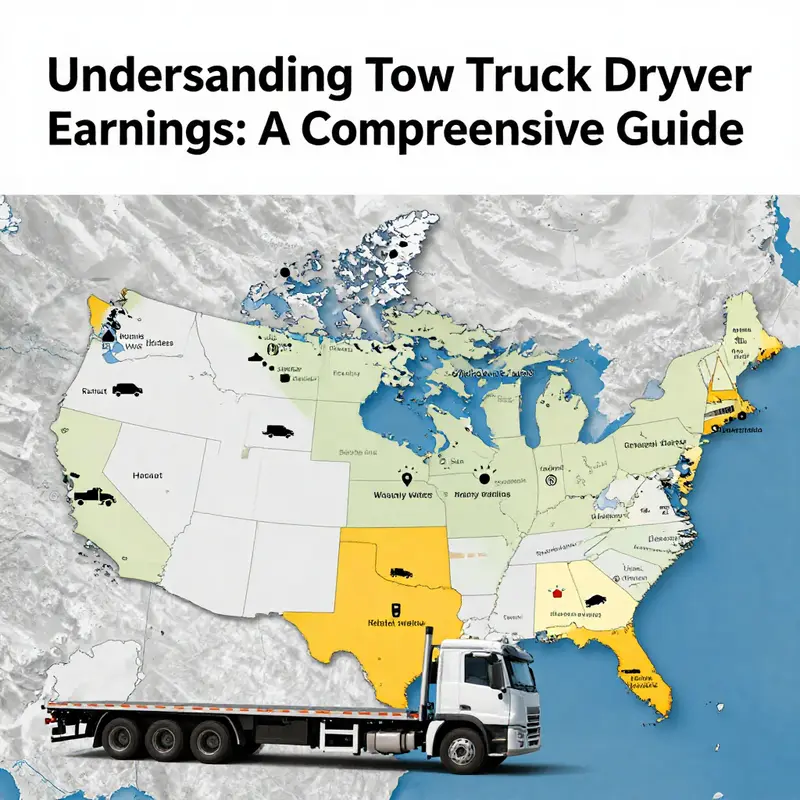
Pay for tow truck drivers does not sit still. It shifts with the seasons of demand, the density of traffic, the price of fuel, and the cost of living in a given place. Across North America and even as far as Australia, the numbers tell a story: earnings depend as much on where you work as on what you do behind the wheel. The most recent data paint a picture of a profession that offers a stable, if uneven, ladder of pay. In the United States, the national average salary sits around $55,952 per year, or roughly $28.32 per hour, based on a large pool of more than four thousand salaries collected over the past three years. That figure, while useful as a broad signal, masks a broad spectrum within the field. Drivers who specialize in semi-trucks or heavy‑duty towing can push annual earnings toward $80,000, a level that stands about 41% above the general average. Those with less experience or who work in entry‑level roles often begin closer to $40,853 per year. This spread is not just about skill; it reflects the varied demands of the job, from on-call shifts that require readiness at odd hours to the higher risk and complexity of moving large, unwieldy payloads in congested environments. It is a profession that rewards the right blend of reliability, technical know-how, and the willingness to work when others prefer to rest or to idle behind a desk.
To understand how these numbers translate into a day‑to‑day reality, consider how regional markets tilt the scales. A driver stationed in a busy metropolitan area with a high cost of living may see a higher hourly rate or more consistent overtime opportunities, yet the same pressures that push wages up can also shrink take‑home pay when housing and taxes bite. Conversely, smaller towns or regions with lower costs of living might present a modest hourly wage, but the overall picture could be favorable when combined with shorter commute times and lower living costs. The national average hides these nuances, and the true story of a tow truck driver’s earnings emerges only when we read the landscape across regions and job types.
Across Canada, the arithmetic of pay shifts in a different way, but the pattern of regional variance remains. The national picture shows an average hourly wage of about $17.75 for tow truck drivers, based on a broad set of salaries reported in late 2025. Within provinces, the numbers tilt a bit. British Columbia tends to run slightly higher, at around $17.85 per hour, signaling tighter labor markets and a cost of living that keeps wages buoyant in urban pockets. The map gets even more differentiated when we zoom into cities. Richmond, British Columbia, stands out as a high‑pay node in the country, with drivers earning roughly $24.06 per hour on average. This figure sits well above the national Canadian average and suggests that specialized work in urban towing, perhaps involving more complex call-outs or parking‑lot recoveries, can command premium rates. The mechanism behind these numbers is straightforward: demand for reliable, quick service in dense urban cores, combined with the costs of operating a tow fleet in a major city, tends to push compensation upward for the drivers who can deliver.
The Canadian market also shows how pay can be expressed in different compensation structures. For example, some roles in Vancouver and surrounding areas are paid on a monthly basis, with totals ranging roughly from $4,000 to $8,000 per month. That kind of arrangement highlights how employer preferences and regional labor norms shape earnings. Large employers in the Surrey and Vancouver areas offer hourly contracts that fall into patterns like $39.50 per hour for a full‑time post, while other employers in nearby cities report $37 per hour for similar work. These figures illustrate that the same basic job—towing and roadside assistance—can produce a noticeably different economic outcome depending on the employer’s model, the driver’s schedule, and the precise mix of calls and on‑call time.
When we turn to Australia, the regional picture broadens again. In Sunbury, Victoria, tow truck drivers report an average annual salary of about $122,535, which sits roughly 56% above the national average in that market. Although the sample size for Australia is smaller in the available data, the contrast with North America remains striking. The higher rate of pay in that Australian market likely reflects a combination of factors common to regional labor markets abroad: stronger union presence in some sectors of transport work, regulatory environments that place a premium on safety and equipment standards, a relatively high cost of living in certain Australian regions, and perhaps a smaller pool of drivers to meet a steady but not unlimited demand for specialized towing services. The Australian figure underscores an important point: regional pay is not just a function of the basic math of supply and demand. It is also shaped by regulatory frameworks, the requirements for licensing and heavy‑duty operation, and the particular cost pressures facing employers and drivers in a given locale.
Taken together, these regional portraits reveal a lot about what moves wages in tow work. Experience matters because it unlocks more complex call-outs and the ability to handle large, heavy loads with confidence and speed. Specialization matters, as well; drivers who routinely handle semi‑trucks, tractors, or other heavy‑duty tows can command a premium that dwarfs entry‑level pay. The numbers also reflect a broader market truth: the job is not one uniform role but a spectrum, with different postings offering different scales, overtime, and on‑call expectations. In the United States, the pay ladder often tracks the level of responsibility. A new driver stepping into the industry might earn a modest entry figure around $40,000 to $45,000 per year, but with a few years of experience and a proven reliability record, that same driver can move into the $50,000s and beyond as the work shifts toward more complex recoveries or heavy‑duty engagements. In Canada, a similar arc exists, but the headline figures are tempered by local market conditions and the cost of living, which shapes both the demand for skilled labor and the compensation needed to attract and retain drivers.
This pattern of regional variation also has practical implications for people entering the field or reconsidering their paths within it. A driver weighing a job offer must look beyond the headline hourly rate and consider the total compensation package, the pattern of shifts, the geographic realities of the work site, and the potential for overtime or on‑call premiums. In high‑density urban markets, even a similar hourly wage can feel different if calls come in around the clock and require rapid, nonstandard responses at any hour. Conversely, in markets with lower call volume, a similar wage might come with more predictable hours and less on‑call pressure, which can contribute to a more stable lifestyle even if the nominal pay looks lower. These are not merely abstract considerations; they translate into real differences in monthly take‑home pay, job stress, and the overall quality of life that a driver can expect in a given region.
What does this mean for readers who are actively exploring tow truck work as a career or who are advising others about career options? First, it is essential to anchor expectations in a region’s economic structure. If you are drawn to the United States, you should anticipate a broad pay spectrum that rewards specialization and the willingness to handle heavy‑duty recoveries with a readiness to work nights and weekends. If you are evaluating Canada, you will notice a somewhat more tempered hourly rate overall but with pockets of premium pay in cities like Richmond and among employers that offer attractive hourly rates or robust overtime opportunities. If your curiosity reaches across the Pacific, the Australian market suggests that specialized, well‑equipped teams working in certain regional hubs can command substantial compensation, though the sample base remains smaller and the market can be more sensitive to local regulations and insurance costs. These observations are consistent with the broader consumer and labor market data that economists use when they try to interpret why a tow truck driver’s earnings differ so much from city to city and country to country.
Another layer worth noting is the way wages intersect with living costs and local economies. A higher hourly rate in a major city can still yield a comparable or even lower effective income once housing, transportation, and taxes are factored in. In the United States, heavy‑duty specialization can push annual earnings toward the upper end of the spectrum even after accounting for taxes and benefits, while in Canada, provincial variation can tilt the wage‑to‑cost‑of‑living balance in a way that makes Richmond and similar urban centers feel disproportionately lucrative for drivers who can endure the urban pace. In Australia, the relatively high pay in places like Sunbury may come alongside tougher regulatory landscapes and a requirement for highly specialized equipment that can raise entry costs for new drivers. These are realities that shape career decisions and influence how drivers negotiate offers with prospective employers.
For readers and practitioners who want to dig deeper into the practical dimensions of these numbers, there is value in looking beyond the headline figures. Job postings and wage summaries from large employment platforms, as well as direct employer postings in your locale, can offer more granular insight into what a given employer is willing to pay for the exact mix of skills and responsibilities you bring to the table. You can also explore resources that discuss fleet and emergency response readiness, which ties into how a company values its tow operators and the kind of training and equipment it provides to ensure safe, efficient responses to roadside incidents. For those who want to explore how this information can translate into real-world career planning, the article ecosystem around tow work on the Island Tow Truck blog provides context on fleet operations and emergency response strategies that complement the data presented here. The Island Tow Truck blog can offer practical perspectives on how fleet decisions and driver readiness influence daily work, and it can help illuminate why some jobs pay more or less depending on the operational model a company chooses. This kind of context matters because pay is not decided in a vacuum; it is the product of how a fleet is organized, how quickly it can mobilize in response to a call, and how it balances safety, speed, and customer service on every tow.
As readers contemplate what these numbers mean for their own career paths, the main takeaway is that tow truck driving is a profession with meaningful earnings potential, but the value of that potential is not uniform. In the United States, the lure of substantial earnings for those who specialize in heavy‑duty towing is clear, but it comes with the reality of higher risk exposure and the necessity of mastering larger, more complex equipment. In Canada, the pay spectrum is broader but generally anchored by the realities of provincial markets and cost of living, with notable upside in certain urban centers. In Australia, the signs point to strong compensation in regions with high demand and specialized fleet requirements, even as the market remains smaller and more regulated. Across all regions, experience, specialization, and the ability to manage a demanding schedule are the levers that most reliably lift earnings higher. For job seekers, this means choosing a path that aligns not only with the immediate pay but with long‑term potential: the chance to take on progressively more challenging recoveries, to build a reputation for reliability, and to assume leadership within a fleet or company that rewards those who contribute to safety and efficiency on every call.
To keep pace with changing market conditions, it is wise to consult up‑to‑date salary data and to compare recent postings across regions. The landscape shifts as cities grow, insurance costs, fuel prices, and labor regulations evolve. If you want a reliable, current snapshot, Indeed’s salary data for tow truck drivers—covering thousands of postings and reflecting regional trends—offers an important periodic benchmark to complement the figures cited here. This broader market context can help drivers set realistic salary expectations, negotiate more effectively, and plan a career path that grows with the market rather than against it. For readers seeking practical resources on how to approach fleet planning, emergency readiness, and the broader ecosystem in which tow operators work, the internal hub of industry insights is rich with material that connects pay to performance and safety on the road.
External resource for further exploration: https://www.indeed.com/career/tow-truck-driver/salaries
Tow Wages Unfolded: Geography, Experience, and the Complex Math Behind Tow Truck Pay
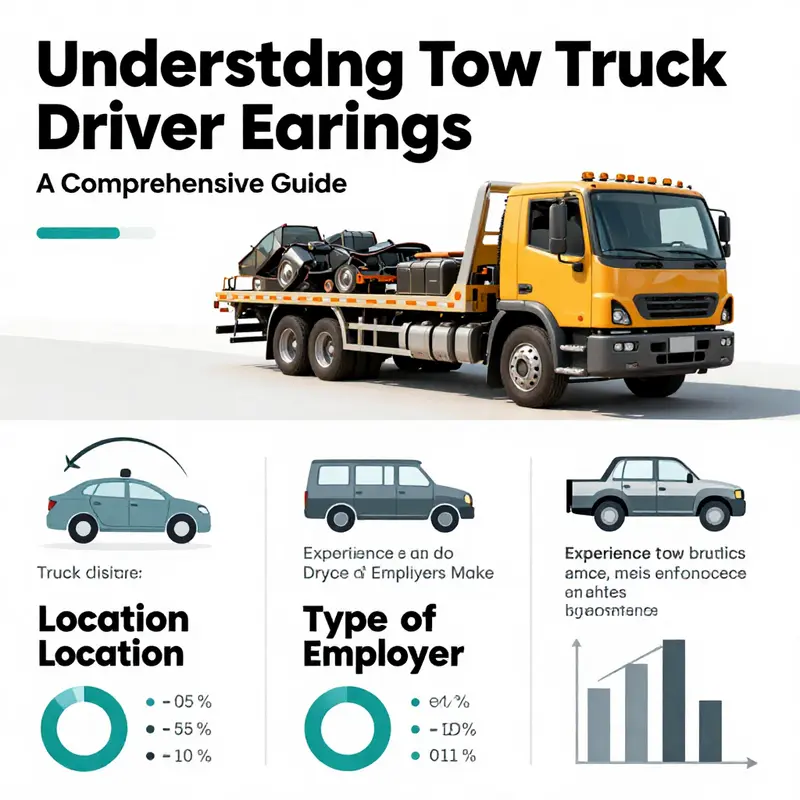
Wages for tow truck drivers rarely settle into a single, neat number. They form a mosaic built from where you work, how long you’ve been in the trade, what kind of towing you’re asked to do, and who signs your paycheck. The most recent data paint a picture of variation as much as value, with national averages acting more as a starting line than a final destination. In the United States, Indeed’s December 2025 outlook places the national average at roughly $15.51 per hour, a figure that sits well below some of the broader public perceptions of the job. Yet that average is not the whole story. Regional demand, cost of living, and the specific duties you handle can push earnings well beyond that baseline. It is common to see much higher pay in places where shuttling broken-down vehicles is a frequent, urgent need and where the costs of doing business—fuel, insurance, maintenance, and equipment—are distinctly higher. In other words, a tow truck driver’s pay is a function of place, pace, and the particular lane of towing you pursue.
To begin with, geography matters a great deal. The data from Canada illustrate this vividly: the national average for a tow truck driver sits around $17.75 per hour, based on 469 salaries updated through December 11, 2025. In British Columbia, the rate edges up to about $17.85 per hour, reflecting a market where demand sits close to the population centers and the cost of living remains relatively high. But within BC, the numbers aren’t uniform. Richmond, a city with dense traffic and a high volume of recoveries, shows an average of roughly $24.06 per hour from 12 salary reports, significantly above the national and provincial averages—about 36 percent above the BC figure and well over the Canadian average. Those disparities aren’t merely academic. They translate into real differences in take-home pay that can compound over a year.
Job postings across Canadian markets further reveal how pay scales can scale up quickly in response to local needs. A full-time posting with Brown Boys Transport Ltd in Surrey, BC lists $39.50 per hour, a rate that signals the premium value placed on rapid response and the higher operating costs of urban work. Similarly, Rusty’s Auto Towing Ltd in Richmond posts $37 per hour, and Champion Towing Ltd in Chestermere, Alberta, offers $36.10 per hour. There are also reminders of the other side of the spectrum: some Vancouver-based roles are paid on a monthly basis, with ranges from $4,000 to $8,000 per month, which paints a very different picture of cash flow and expectations than an hourly wage. Taken together, these numbers underscore that even within a single country, the wage landscape for tow truck drivers shifts as surely as the traffic patterns that shape their workday.
Across the Atlantic, the United States presents a similar mosaic, albeit with its own contours. The national average of roughly $15.51 per hour sits within a marketplace that also reveals ample upside for those who specialize. For drivers who expand beyond basic tow skills into heavy-duty or specialized recovery—such as wrecked vehicle recovery or commercial hauling—the earning potential can rise sharply. In this segment of the market, annual compensation can approach $80,000, a figure that is about 41 percent above the general average for tow truck drivers. The high end here doesn’t just reflect longer hours; it reflects the added training, risk, and equipment required to manage large or complex recoveries, where the stakes and the costs are higher. The contrast between the entry-level hourly pay and the specialized, heavy-duty tracks the broader reality of the industry: pay scales are bifurcated by the nature of the job and the skills the driver brings to the scene.
Another region that punctuates the global map is Australia. In Sunbury, Victoria, tow truck drivers report an average annual salary of about AU$122,535, a figure noted as 56 percent above the national average based on a small sample of four salaries reported in late 2023. The stark divergence here—tied to a different labor market, currency, regulatory framework, and operating costs—reminds readers that cross-border comparisons require careful translation of what constitutes “average pay.” Currency value alone doesn’t tell the full story. It’s crucial to consider local living costs, tax structures, and the style of service demand when translating wages from one country to another.
The data points above aren’t just about what people earn now. They hint at the various levers that drive pay in this line of work. The role of geography is inseparable from the role of demand: in cities with heavy traffic, a driver may encounter more tow opportunities per shift, but there is also greater competition and higher costs for fuel, tires, insurance, and vehicle maintenance. Conversely, rural or less dense markets might offer fewer tow requests, but drivers can sometimes negotiate longer distances per job, which can be reflected in mileage- or distance-based pay structures. These two dynamics—volume and distance—often shape the day-to-day cash flow more than a single hourly rate.
Experience and certification form another axis of variation. In many regions, the entry line gives a modest hourly wage, but as a driver earns credentials in specialized techniques—wrecked vehicle recovery, winching, heavy towing, or commercial hauling—pay scales can level up. The industry recognizes that more advanced skills come with additional risk and complexity. In the United States, for example, the premium for heavy-duty capabilities isn’t merely anecdotal; it’s baked into the market with credible incomes for specialists. For many technicians, the investment in training pays off in higher rates, more consistent days, and access to a broader roster of emergency and long-haul assignments.
Beyond the skill set, the type of employer and the structure of pay can substantially alter earnings. Independent operators or owner-operators who own and lease their trucks may be able to realize higher gross revenues over time because they capture the entire margin from their work. That path, however, comes with the responsibility to cover fuel, maintenance, insurance, and all the other costs of doing business. It also requires strong business acumen, solid customer relations, and an ability to weather slow periods. By contrast, employees of larger towing companies typically receive a steady hourly wage or salary, along with benefits such as health insurance and paid time off. Their earnings are often steadier but may be constrained by company policy or caps that don’t apply to a small operator who can scale output with a fleet and client base. The pay difference between these paths is not just about hourly rate; it’s about cash flow, risk, and the proportional share of profits that different work arrangements allow a driver to keep.
The discrete mechanics of the job also matter. Tow jobs are not a monolith. Emergency roadside assistance, accident scene recovery, long-haul relocations, and specialized recoveries each carry their own pay profiles. Emergency and accident-associated work often requires rapid response, precise risk assessment, and the ability to work within the constraints of safety regulations and the dynamics of live traffic scenes. These demands justify premium rates in many markets. Long-haul relocations and off-hours assignments—night shifts, weekends, or holiday periods—often trigger bonuses or per-tow premiums. The economics of a given shift can therefore hinge on when it happens as much as where it happens.
All of this cooks into a broader truth: while a national or regional average provides a baseline, the actual take-home for any given driver is the outcome of a negotiation between market forces and personal strategy. Consider the contrast between a driver who focuses on urban, high-volume markets with optional overtime and a small-business operator who handles a mix of emergency calls and scheduled tows, absorbs the fixed costs of running a truck, and hunts for long-term contracts. The first path may deliver more predictable hours and potentially higher gross earnings during busy periods, but it can also come with more intense competition and higher operating costs. The second path offers autonomy and potentially higher margins on certain jobs, yet it demands sophisticated financial discipline and the ability to source and maintain reliable clients.
For readers seeking a practical compass in this landscape, a few guidance points emerge. First, proximity to demand matters. Where traffic, accidents, and vehicle activity cluster, there is a basin of tow opportunities that can push earnings upward. Second, investing in skill pays off. Certifications and training that unlock heavy-duty or specialty recoveries can meaningfully raise the hourly rate and open doors to higher-paying assignments. Third, the choice between employment and independence shifts the risk-reward profile. A steady wage with benefits can be reassuring, yet it may cap top-end earnings. An independent path carries higher risk but offers a broader canvas for profit when managed well. Fourth, the structure of the job—whether it’s a quick short tow, a mid-length recovery, or a long relocation—changes the compensation logic. Short, high-risk emergency calls pay differently from routine, high-mileage transports. Keeping an eye on the calendar helps too: weekends, holidays, and nighttime hours often carry premium pay that can meaningfully boost annual income.
All these threads connect to a single, actionable truth: pay is a function of context as much as it is a function of skill. To gauge what a tow truck driver might earn in a particular city or company, prospective job seekers should look beyond the headline hourly rate. They should consider how many shifts they can work, what kind of tow work dominates the market, and what share of earnings will be consumed by fuel, insurance, maintenance, and tolls. They should also be aware of data sources and update cycles. The landscape shifts with new contracts, regulatory changes, and fluctuations in demand. Keeping current with industry data—such as what Indeed and local postings indicate—helps align expectations with reality. For readers who want to explore how these dynamics play out in different contexts, a deeper dive into the latest discussions is worthwhile; the industry conversation is ongoing and often nuanced, as reflected in resources like the The Island Tow Truck blog, which synthesizes field observations and market signals over time. You can learn more there by visiting the site. the island tow truck blog
When we look at the broader picture, the numbers suggest that there is no single answer to “how much do tow truck drivers make?” Instead, there is a spectrum shaped by geography, demand, experience, and the strategic choices drivers make about where to work, what kind of jobs to pursue, and whether to operate as an independent businessperson or as an employee. In Canada, where the national average hovers around $17.75 per hour, you can see how city and province matter, with Vancouver-area wages sometimes aligning with higher-cost living and Richmond offering premiums that echo the density of demand there. In the United States, the comparatively lower national average at roughly $15.51 per hour does not preclude significant earnings for those who specialize, take on heavy-duty or high-volume work, or secure off-hour assignments. And in Australia, the outsized figure in Sunbury reflects a market with its own cost structure and demand dynamics. These are not just numbers; they are signals about what a person can expect if they choose to enter or advance in the field, and how they can tailor their career path to maximize earnings within the realities of their local market.
For readers seeking a current, data-backed snapshot that reflects today’s job market, Indeed’s salary pages remain a valuable resource. They offer daily snapshots of what employers are posting and paying, with the caveat that pay scales can shift with geographic and economic trends. As you think about your own plans—whether you’re evaluating a potential move, negotiating a salary, or considering becoming your own boss—use these figures as directional guideposts rather than absolute guarantees. The real-time data will always be the strongest compass for navigating a profession that, at its core, lives in the business of keeping roads clear, emergencies addressed, and people and goods moving safely from one place to another.
For further exploration on how market forces shape the daily rhythm of tow work, readers can consult the broader body of industry discussions and case studies available through industry blogs and employer postings. If you’d like to cross-check more practical perspectives on wages and job expectations, the Indeed salary hub provides a direct, up-to-date lens into current postings and salaries, which can help illuminate how a particular market compares to others and how your own skills might translate into higher earning potential. https://www.indeed.com/career/tow-truck-driver/salaries
Note: While the numbers above illustrate the range of pay drivers may encounter, the most reliable approach to understanding a specific opportunity is to review current job listings in your area and talk to drivers who work in similar markets. Personal networks, local unions or associations, and conversations with fleet managers can reveal compensation structures that aren’t immediately obvious from a job description alone. In many places, even a modest hourly rate can be augmented by bonuses, shift differentials, or performance incentives tied to the volume and safety of tows completed. The combination of these elements—location, demand, experience, and pay structure—creates a dynamic landscape in which tow truck drivers can build satisfying, sustainable livelihoods if they navigate it with knowledge, strategy, and careful planning.
The Earnings Edge of Specialization: How Skilled Tow Roles Lift Tow Truck Pay
Specialized roles within the tow truck industry do more than add lines to a pay stub; they reshape the value a driver can command in a market that otherwise moves on base rates and availability. When a driver moves beyond routine roadside assistance and into the realm of high-stakes towing, heavy recoveries, hazardous environments, and intricate equipment handling, the work becomes a specialized service. Employers are not simply paying for time on the clock; they are investing in capacity to recover vehicles that others cannot, in spaces that demand precise knowledge, and under conditions that stress both safety and efficiency. In this sense, specialization functions as a premium feature in the tow truck labor market, one that can lift earnings well above the base wage floor and, in certain sectors, even redefine a driver’s career trajectory.
Across North America, the numeric signposts illustrate the tension between generalist tow work and specialized roles. In Canada, the national average wage for tow truck drivers sits at roughly $17.75 per hour, figures gathered from hundreds of reported salaries and updated with recent market data. The provincial pattern tilts higher in British Columbia, where the average hovers near $17.85 an hour, with Richmond presenting a clearer indicator of premium pay in a dense, demand-driven market—about $24.06 per hour. These figures reflect conventional, day-to-day towing duties rather than the specialized tasks that command a separate pay scale. Yet these numbers also set a baseline from which specialty roles can be measured, because the premium for higher skill emerges when the job requires more training, more risk management, and the capacity to tackle the most demanding scenarios.
On the other side of the globe, the United States paints a different, yet equally instructive, portrait. The national average for tow truck drivers in the United States sits around $21.23 per hour, based on a rich trove of Indeed postings over a multi-year window. That average masks a broad spectrum: routine calls versus specialized work. When a driver concentrates on semi-trucks or heavy-duty towing, the compensation profile shifts dramatically, with earnings potential climbing toward six figures for the most demanding assignments in some markets. A notable data point from the specialized end of the market estimates annual earnings near $80,000, a figure that signals a substantial premium over general tow work and reflects the increased responsibilities, training, and operational exposure that come with heavy-duty recoveries.
The Australian example, while geographically distant, reinforces the same logic: specialization matters. In Sunbury, Victoria, tow truck drivers earn well above the national average, with annual figures approaching six figures. The consistent thread across these regions is clear—the higher the complexity, risk, and technical skill required, the greater the reward for the driver who is willing to invest in specialized capabilities. These market dynamics are not just about paychecks; they represent a shift in how employers value the capacity to deliver results in high-stakes environments. For readers focused on the trajectory of tow truck earnings, the specialized lane is where the most compelling growth stories tend to emerge.
The Moran Specialized Hauling Inc. example, cited in the research materials, crystallizes this premium in a tangible number. Drivers in that specialized outfit earn roughly $71,151 annually, a salary labeled as about 25 percent above the national average in the same data set. The premium here is not simply a reflection of longer hours or more dangerous work; it underscores the explicit value that sophisticated training, precise execution, and the ability to manage complex towing operations confer to an employer. When a company relies on specialized crews to recover heavy vehicles, to move large loads, or to extract vehicles from precarious spaces, the payoff is calibrated not just in hourly rates but in the capacity to deliver outcomes that standard tow work cannot guarantee. This is the premium that elevates a driver from typical roadside assist to a valued technician in a niche market.
What transforms a routine tow into a specialized assignment? Several factors converge to create the conditions for higher pay. First, the nature of the vehicle being towed matters profoundly. A tow that involves commercial trucks, luxury automobiles, or wrecked vehicles in hazardous locations demands a level of precision, planning, and risk assessment well beyond the ordinary. The upper end of the pay curve is often anchored to tasks that require not just physical strength but also an engineered approach to recovery. The equipment mounted on specialized tow trucks—rotators, wheel-lift systems, multi-axle winches, and precisely calibrated rigging gear—adds another layer of capability. Operators who can deploy this equipment safely and efficiently—especially when space is tight, or road conditions are poor—are, by design, rare and therefore more valuable to employers.
Second, the services offered set the ceiling for earning potential. Emergency roadside assistance, heavy-haul recovery, and wrecker services form a tier of offerings that typically command higher rates than routine jump starts or lockouts. When a tow operation can be aligned with urgent recovery scenarios, the value delivered to clients and insurers increases, and the driver who can lead these operations becomes a more strategic asset to the business. The premium is not just for the act of towing; it is for the orchestration of a complex service chain that reduces risk for the vehicle owner, the insurer, and the towing company alike. The ability to manage time-critical, high-stakes recoveries translates into more repeat business and a stronger reputation in markets where customers remember the person who saved the day and reduced downtime.
Certifications and formal qualifications are another decisive factor in earnings. A driver who holds certifications in rigging, winching, or hazardous material response demonstrates an additional layer of expertise that translates directly into safer, more effective recoveries. These credentials often come with a price tag in terms of time and cost to obtain, but they unlock higher-paying assignments and broaden the scope of services a driver can credibly offer. Certification pipelines also signal to employers and clients a commitment to safety and reliability, two currencies that increasingly govern pricing in high-risk sectors of the industry. In practice, a certified operator can take on jobs that require meticulous planning, adherence to regulatory requirements, and the capacity to manage complex equipment setups—qualities that not only protect people and property but also reduce insurance costs and liability exposure for the company.
Beyond personal credentials, the operational complexity of specialized roles can also justify higher compensation. The work environment matters: recovery in a congested city street at night, a remote rural site with limited backup, or a multi-vehicle accident in hours of peak traffic. Each scenario asks for an operator who can coordinate with police, insurance adjusters, road managers, and other tow teams while maintaining optimal safety protocols. The driver becomes a field project manager, orchestrating multiple moving parts to achieve a successful outcome. The mental acuity required to assess risk, select the most efficient recovery plan, and adjust on the fly under pressure is a different skill set from the casual, roadside assist model. Employers know this, and they price the added capability into wages because the marginal cost of error in such scenarios can be high, both financially and in terms of liability.
For those considering entrepreneurship within the towing sector, the economics of specialization become even more pronounced and, at times, sobering. The literature on specialized operations rarely glosses over the costs of building and sustaining a high-end fleet. A widely cited practical income guide for owners of specialized towing businesses suggests that first-year revenue can approach the seven-figure mark, but EBITDA may run negative, in some instances substantially so. A recent case demonstrates revenue around $1.67 million in year one with EBITDA negative by roughly $809,000. The calculus here is not that specialization guarantees immediate profitability; rather, it signals that the premium for skilled crews, advanced equipment, and rigorous safety regimes can drive higher top-line revenue, while the fixed and variable costs—fleet depreciation, insurance, maintenance, regulatory compliance, and payroll—can erode early profitability. Yet the scenario also underscores a common pattern: with disciplined cost control, a experienced, specialized crew, and effective operational management, breakeven can arrive by year three, and the potential for substantial earnings follows as the business scales.
The geographic dimension further colors the earnings picture. In markets where demand for specialized recoveries runs high—whether due to dense urban gridlock, challenging seasonal conditions, or a large presence of commercial fleets—the premium for specialized capabilities tends to widen. In some regions, the difference between a generalist tow driver and a specialized technician can amount to several dollars per hour or a noticeable jump in project-based rates. Those who pursue targeted training and accumulate a track record of successful, safe recoveries create a durable competitive advantage. They can build reputations that draw higher-margin work, cultivate repeat clients, and command premium pricing for urgent or complex services. Conversely, markets with limited demand or high competition may compress the premium and require strategic decisions about service diversification or partnerships to sustain earnings growth.
Within this landscape, individuals should also consider the personal and professional development path that specialization entails. The investment in training is not merely a financial cost; it is a career investment that expands a driver’s toolkit for years to come. The return on that investment is not guaranteed in every market, but where it pays off, the payoff is meaningful: greater earning stability, the potential for overtime or on-call premiums, and an elevated standing among peers in the industry. The alignment of personal strengths with the demands of specialized work—such as an aptitude for mechanical reasoning, calm leadership under pressure, and a propensity for precise physical work in challenging environments—often predicts who will convert specialized training into durable, higher earnings. In this sense, specialization is both a technical upgrade and a professional repositioning, inviting drivers to think of themselves not just as operators of a tow vehicle but as technicians who can navigate the full spectrum of recovery operations with confidence and safety.
The discussion here should also be read alongside broader market signals. The Canada data suggest that even in normal times, the wages for tow drivers track along with location, employer, and the presence of growth in the towing market. Provinces with robust commercial activity, dense urban cores, and a high concentration of fleet operators tend to offer more opportunities for specialty work and, with it, higher pay brackets. In the United States, the spread between generalist and specialized roles maps onto the broader wage dispersion observed across skilled trades and field services. The Moran salary example helps illustrate that when specialized competencies translate into safer, more efficient, and higher-capacity recoveries, the labor market recognizes and remunerates that value. For motor carriers, this translates into a strategic decision: invest in people with specialized skill sets, and the payoff can accumulate across time through greater utilization of premium equipment, expanded service offerings, and stronger customer relationships—though this path requires careful financial planning and rigorous safety governance.
In practice, the decision to pursue specialization should be guided by a realistic appraisal of local market demand, the availability of credible training options, and a clear plan for integrating specialized services into the existing service mix. It is not only about the potential salary headline but about the steady rhythm of work that comes with a fleet ready to handle the most demanding jobs. For drivers, an actionable route might include: identify the most common high-value scenarios in your market (heavy-duty recoveries, hazardous environments, luxury or specialty vehicles), seek targeted certifications that directly support those scenarios, invest in the corresponding equipment and maintenance plan, and align with employers or customers who value safety, reliability, and speed in recovery operations. When these elements align, the specialized lane becomes a sustainable source of earnings growth rather than a transient premium.
For readers who want a practical touchstone on expanding knowledge and pursuing specialization while remaining connected to broader industry resources, one can start with a resource that frames how fleets plan for emergencies and how drivers can align their training with those needs. A useful entry point is the essential fleet emergency response strategies resource, which offers context on how an organized fleet thinks about risk, response time, and the kinds of skill sets that keep a fleet operating under stress. This resource is linked here for convenience: essential fleet emergency response strategies. By integrating the ideas from such materials with the hands-on experience of specialized towing, drivers can chart a path that not only increases earnings but also enhances safety outcomes, customer satisfaction, and long-term career resilience.
In sum, specialization transforms tow truck driving from a job that pays for hours spent on the road into a professional service that commands value for expertise, planning, and risk management. The data from Moran and the cross-regional patterns in North America both point toward a future where the most durable earnings come from a blend of technical mastery, strategic service design, and disciplined execution. Those who acquire the right mix of certifications, accumulate the high-demand skill sets, and operate within markets that reward complex recoveries will likely see a meaningful lift in their compensation and career prospects. The path is neither instantaneous nor universal, but it is a clearly delineated route toward higher earnings in a field that constantly tests a driver’s judgment, endurance, and precision.
External reference: Moran Specialized Hauling Inc. Tow Truck Driver Salary. https://www.indeed.com/cmp/Moran-Specialized-Hauling-Inc/salary/tow-truck-driver-salary
Internal resource for fleet readiness: essential fleet emergency response strategies. https://theislandtowtruck.com/essential-fleet-emergency-response-strategies/
Tow Truck Pay Across Borders: A Cross-Country Look at Earnings
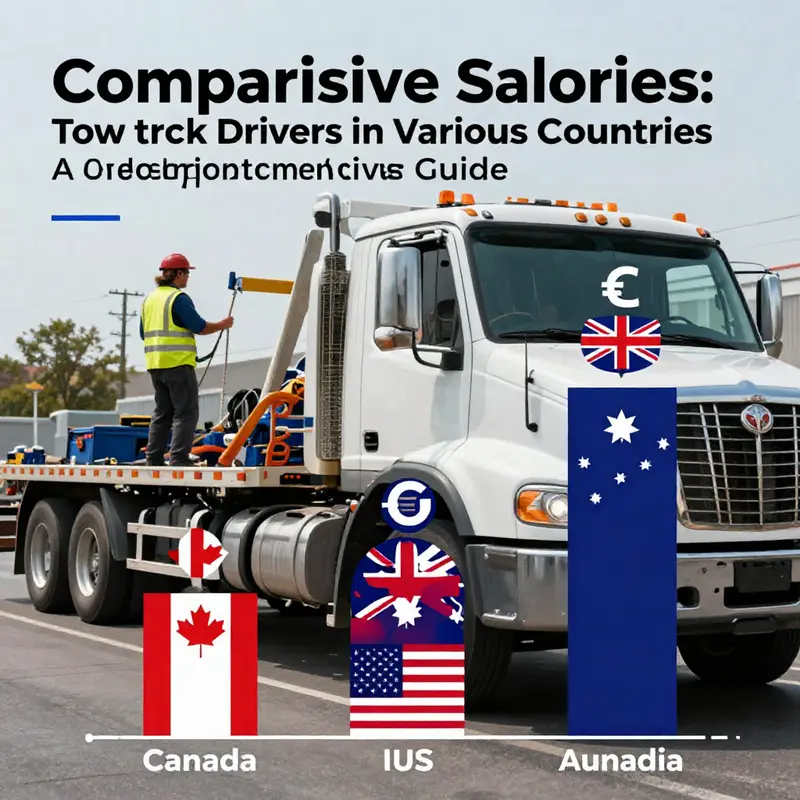
Tow trucking is a hands-on line of work that keeps urban life moving, literally. When a vehicle breaks down, a tow truck is often the first and most visible sign that help is on the way. But behind the service calls lies a patchwork of pay scales that shift with the city, the province or state, and the country. The numbers aren’t just numbers; they reveal how markets value quick response, risk, on-call hours and the specialized skills that keep a fleet moving. Reading data across Canada, the United States, and Australia shows a pattern: pay reflects demand, cost of living, and the structure of the job, whether drivers are paid hourly, salaried, or on a per-job basis.
In Canada, the national picture averages around 17.75 CAD per hour for tow truck drivers, based on a broad salary survey updated in late 2025. That average sits within a spectrum that starts with provincial variation and ends with city-level outliers. In British Columbia, the average is marginally higher at 17.85 CAD per hour, driven by a coastline economy that concentrates demand for roadside assistance and heavy vehicle traffic. The variance translates into real differences for families who depend on steady earnings. Richmond, a city within the Metro Vancouver region, stands out with average pay around 24.06 CAD per hour—roughly 36 percent above the national Canadian average. It’s a striking delta that speaks to the density of urban work, proximity to major ports, and the higher cost of living in the region. Data from Richmond comes from a handful of salaries reported, but the concentration of high-hour opportunities is clear. The narrative is reinforced by postings in nearby Surrey and Vancouver—jobs that promise substantially higher pay than the national baseline. For instance, a Surrey-based employer advertised a full-time position at 39.50 CAD per hour, and Richmond hosts postings offering around 37 CAD per hour. Even within the same province, the market can vary by employer and the kind of towing work (emergency roadside assistance, accident recovery, or heavy-duty towing).
The larger Canadian scene also includes variants in how payments are structured. Some roles are clearly hourly, but other positions, such as one advertised in Vancouver by a local firm, are paid on a monthly basis, with a range roughly from 4,000 to 8,000 CAD per month. That kind of arrangement can alter the take-home picture, particularly when overtime, on-call rotations, and the demands of night shifts are factored in. In practice, this means that the same job title—tow truck operator—can yield significantly different annual earnings depending on how the job is packaged: hourly rates, monthly salaries, on-call premiums, and overtime rates can all tilt the total compensation in a given year.
A parallel, global snapshot helps illuminate how Canada fits into a broader map of tow-truck pay. In the United States, the national average is approximately 21.23 USD per hour, drawn from thousands of Indeed postings over the past three years. The pattern here aligns with Canada in showing that urban, demand-heavy markets push wages higher; however, the U.S. market also emphasizes specialization. Tow drivers who focus on semi-trucks or heavy-duty towing can earn substantially more—up to about 80,000 USD per year—which is roughly 41 percent above the average for tow truck drivers across the country. That premium reflects the extra training, heavier equipment, and the higher risk and responsibility inherent in handling large commercial vehicles and complex recoveries. It’s a reminder that the ladder to higher pay in this field isn’t one-size-fits-all; it’s layered with the kind of rig you’re trained to tow, the hours you’re prepared to work, and the types of calls you’re most often stepping into.
Turning to the other side of the globe, Australia presents a different but equally telling picture. In Sunbury, Victoria, tow truck drivers earn an average annual salary of roughly AU$122,535, a figure that sits about 56 percent above the Australian national average for the role. While the dataset from Sunbury is smaller—only a handful of salaries—the result reinforces a common global thread: where the cost of living is high and demand for rapid, specialized roadside service remains robust, pay scales tend to rise accordingly. The Transport for NSW data adds another layer to this mosaic. It shows weekly pay bands for tow truck drivers ranging from AU$692 to AU$2,100, with an approximate average weekly pay near AU$1,264. If we translate that to hourly terms assuming a standard 40-hour week, the implied hourly rate lands around AU$31.60. That’s a substantial premium relative to the Canadian and U.S. averages, and it reflects both regulatory environments and living costs in Australia’s prosperous urban centers.
What these cross-country numbers reveal goes beyond the raw figures. They reveal the balancing act drivers must perform when considering where to work, or whether to shift their career trajectory within the industry. In Canada, the higher pay in metropolitan pockets like Richmond often correlates with a dense network of service calls, more aggressive competition among dispatch teams, and the premium cities place on timely response to keep traffic moving and road safety intact. In the United States, the emphasis on specialization—heavy-duty towing and semi-truck recovery—opens a pathway to higher earnings but typically demands more training, certification, and experience. In Australia, the combination of higher wages and a high cost of living in major cities can be a draw for drivers seeking a premium for the consistent, high-stakes work that keeps fleets and emergency responders moving.
The pattern also underscores the practical realities of how tow-truck work is structured in different markets. Pay isn’t simply a function of hours; it’s about the overlay of on-call exposure, night shifts, on-site risks, and the complexity of the towing tasks. In markets with strong urban demand, you’ll often see higher hourly wages, tighter competition for qualified drivers, and a willingness to pay a premium for rapid response. In other settings, compensation might hinge more on a salaried base with additional incentives, or on a monthly pay model that nets a higher guaranteed income but with less visibility into the true value of overtime and premium hours. The Vancouver example of a monthly pay range illustrates how a seemingly stable number can mask fluctuation in practice: some months are lean, others rich with call volume, overtime, and weekend work. The key for a driver weighing options is to read the whole contract: when are on-call premiums paid, how are overtime hours calculated, and what is the true take-home when bonuses and shift differentials are included?
Beyond the numbers, several personal and market-driven factors shape what a tow-truck driver can actually expect to earn. Experience counts: seasoned operators who handle heavy vehicle incidents, complex recoveries, and high-risk situations typically command higher wages or premium pay. Location matters most of all. Urban centers with dense traffic, busy ports, and a constant stream of incidents create a high-volume environment where a driver’s availability translates directly into income. The employer’s size and business model also matter. Large fleets with formal wage structures may offer predictable pay and benefits, while smaller outfits might lure drivers with higher hourly rates or monthly pay plans, offset by less predictable workload. Training and licensing requirements influence both barrier to entry and potential earnings. In some markets, additional certification for heavy-duty or specialized towing adds to earning potential but requires time and investment.
For readers considering their own career decisions, the cross-country snapshot also suggests practical strategies. First, research local markets where you intend to work. Look beyond the headline hourly rate and ask about overtime, on-call expectations, and how pay is reconciled with shift length and holidays. Second, consider the value of specialization. In the United States, the heavy-duty track can unlock substantially higher earnings, provided you’re willing to invest in the necessary training and the physically demanding calls that come with heavy equipment. Third, evaluate the cost of living in the market you’re targeting. A higher wage can be offset by rent, commuting, and general expenses, so the real question becomes what you can comfortably take home after taxes and essential costs. Fourth, seek out employers who publish transparent pay structures, including overtime rates and on-call premiums. Some cities and provinces, like Richmond, appear to push the boundary of average pay due to concentrated demand; in other places, pay may be steadier but lower, with fewer spectacular salary outliers.
The data also points toward a broader conversation about how the industry values the role of a tow truck driver, and how drivers can navigate this market to improve their own compensation. It’s not just about negotiating a higher hourly wage; it’s about building a career path that includes specialized skills, reliable performance, and demonstrated value for the fleets that rely on prompt, safe, and efficient service. For many, the path toward greater earnings lies in a combination of experience, diversification of tow services (emergency roadside assistance, accident recovery, heavy-duty towing), and the ability to work efficiently during peak demand periods. In markets with strong bidding for emergency response, a driver who can minimize downtime and maximize safe recoveries will be seen as an asset, which in turn supports higher pay and better shifts.
As you weigh these cross-border signals, keep in mind that data is intrinsically provisional. The latest snapshots reflect the conditions at the moment of data collection, which in turn reflect the local economies, regulatory landscapes, and industry practices of that time. The numbers serve as a compass rather than a map: they point toward relative expectations rather than prescribing exact outcomes for every individual. For drivers already in the field, these figures can guide negotiation, relocation considerations, and decisions about whether to pursue specialized training. For those entering the profession, the data lay out the terrain: opportunities exist, but the reward varies by market, and the best choice depends on how you value stable income versus the chance of higher pay through specialization, extended on-call hours, or relocation to a higher-demand city.
To stay informed as markets shift, it helps to consult current listings and salary databases regularly. Job postings and salary aggregations offer real-time insights that static summaries cannot capture. For readers who want a deeper dive into Canadian pay trends and provincial differences, regional postings and salary surveys provide a practical lens into the day-to-day realities of the market. For an ongoing deeper dive into related topics like fleet management, emergency response, and industry dynamics, you can explore The Island Tow Truck blog here. And for a broader look at pay scales, job postings, and salary expectations, the Indeed Canada salary pages remain a useful compass, with detailed breakdowns by region and subfield. The landscape is complex and evolving, but the core message is clear: pay for tow truck drivers is influenced by where you work, the kind of work you do, and how you structure your compensation, all guided by the rhythms of demand, risk, and the ongoing need to keep people and vehicles moving through every hour of the day.
In closing, the cross-country view shows a consistent pattern: higher pay tends to track higher urban density, heavier types of towing work, and stronger market demand for rapid, reliable roadside service. Canada presents a patchwork where metropolitan hubs exceed the national average by a comfortable margin, while more rural roles hover closer to the baseline. The United States demonstrates that specialization—handling larger vehicles and complex recoveries—can unlock significantly higher earnings, even as the general pay sits above Canada’s average in many markets. Australia’s numbers emphasize how living costs and regulatory frameworks shape compensation in a market that values high-volume, high-stakes service. For drivers, this is not just a ledger of numbers; it’s a map for making informed career decisions—whether to stay local, move to a higher-paying city, or pursue specialized training that moves earnings into a new tier. And as the market evolves with fleets adopting new technologies, expanding service areas, and navigating labor-market changes, the earning potential for tow truck drivers will continue to shift in response to demand, skill, and the enduring need to keep roads safe and accessible for everyone who relies on a tow in a moment of need.
Final thoughts
In the dynamic world of towing services, understanding the compensation landscape for tow truck drivers can significantly impact your operational decisions, whether you are an auto repair shop, a car dealership, or a property manager. Knowledge of regional wage differences and the factors influencing earnings empowers you to negotiate effectively, make informed hiring choices, and adjust your budget accordingly. As the towing industry evolves, staying informed about salaries, specialized roles, and international comparisons will help ensure that you remain competitive and informed as you navigate this essential service sector.