Experiencing damage to your car while it’s in the hands of a tow truck can be frustrating and stressful, especially in tight-knit island communities where trust is paramount among businesses. Understanding the proper steps to take following such an incident is crucial for vehicle owners. This article provides a comprehensive guide tailored for local auto repair shops, car dealerships, property managers, resort operators, and commercial fleet operators. We’ll explore the importance of immediate documentation, reporting the incident, filing insurance claims, seeking independent assessments, and understanding legal actions available. Each chapter is designed to empower you with the knowledge needed to navigate these situations efficiently and effectively.
Tow Truck Damage to Your Car: The Crucial First Steps to Protect Your Rights
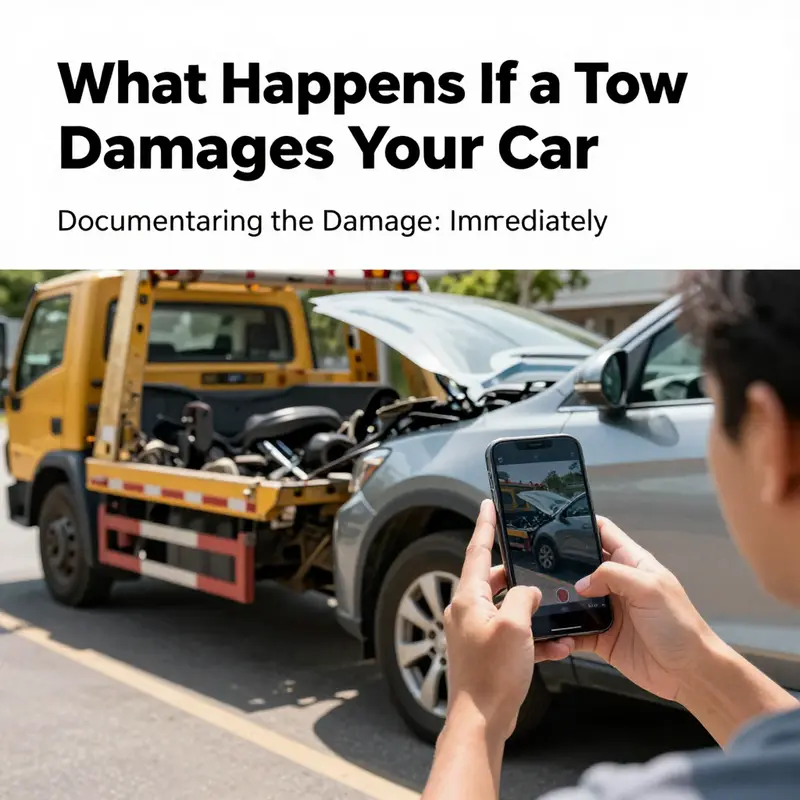
When a tow truck damages your car, the moment you realize it isn’t just a minor inconvenience. It can trigger a chain of claims, assessments, and negotiations that determine how quickly you can repair the vehicle and recover costs. The best outcome begins with a calm, deliberate response that preserves evidence and communicates clearly with every party involved. The central idea is simple: document thoroughly, inform the right people promptly, and pursue independent evaluation when needed. In practice, this means turning a stressful incident into a well-supported claim, one that stands up under scrutiny and accelerates repair rather than prolonging the dispute. The difference between an smooth resolution and a drawn-out fight often comes down to what you do in the first hours after the damage occurs and how consistently you maintain your records thereafter.
The backbone of any successful claim is meticulous documentation. Start with clear, detailed photographs and videos that capture all visible damage from multiple angles. Focus on the points most likely to be involved in towing—bumper corners, wheels, undercarriage, hitch areas, and any mounting hardware. Don’t forget to widen the frame to show proximity to curbs, ramps, or loading equipment, which can help establish how the tow occurred. Close-ups of cracks, bent components, fresh paint scratches, and newly shifted alignment marks are crucial. If you can, photograph the vehicle before you move it again, or note pre-existing damage you already knew about, so you can distinguish old wear from new impact. A simple, time-stamped video of the loading process can be a powerful corroborating piece of evidence should questions arise later.
Along with photos and video, gather any written documentation the tow operator can provide. A written incident report from the operator isn’t universal, but it should be your goal to obtain it. If one isn’t offered, record the driver’s details—name, company, contact information, driver’s license number, and location or dispatch time. If the company hands you a receipt or a service summary, keep a copy. It may seem pedantic, but a well-kept packet of evidence—photos, videos, a written report or driver details, and a service receipt—creates a cohesive narrative that supports your claim and reduces back-and-forth with insurers.
Next comes the formal step of notifying your insurer. Prompt communication is essential. When you report the incident, present the facts succinctly and attach the visual documentation and operator details. Your auto policy may cover damage caused by a third party under comprehensive or collision coverage, and timely notification helps the insurer align its assessment with the actual sequence of events. As you discuss the claim, you’ll likely be asked about how the damage occurred and who was at fault. It’s wise to withhold definitive statements about fault until you’ve gathered all evidence and, if appropriate, consulted an independent appraisal. Your insurer can guide you through the process and may arrange for a professional estimate or inspection, but having a prepared packet of evidence will keep the discussion focused and efficient.
There are times when the most reliable route to a fair outcome includes an independent inspection. A trusted mechanic or body shop can provide a professional assessment that complements or challenges the tow operator’s account. The independent report helps you understand the true extent of the damage and the needed repairs, and it can serve as crucial leverage if the initial repair estimate from the tow company seems high or inconsistent with what you’re seeing. If your insurer requires or recommends an independent appraisal, follow that guidance closely. A third-party opinion can prevent inflated estimates from skewing the claim and can establish a credible baseline for negotiations.
An important but often overlooked dimension of vehicle damage claims is the practical impact on your daily life. Comprehensive coverage often includes benefits that help you stay mobile while your car is being repaired. A common feature is a courtesy car or replacement vehicle for a limited period after an accident or breakdown. The exact terms vary by policy, but you should expect to confirm whether such benefits apply, how long they last, and under what conditions you qualify. Knowing this in advance can prevent a gap in transportation that would complicate your schedule or finances. When you speak with your insurer, ask about the duration of the courtesy vehicle, any mileage or fuel limits, whether you must use a specific rental partner, and what documentation is required to access the benefit. Even if the damage wasn’t your fault, having a clear understanding of these provisions can keep your life on track while repairs are underway.
The process can become more straightforward if you keep a steady, factual log of every step. Write down when you first noticed the damage, when you contacted the tow company, when you filed the insurance claim, and when you obtained the independent assessment. Save all correspondence, including emails, texts, and voicemail messages. If you receive any offers from the towing company for a settlement, review them against your evidence and independent estimate before responding. Do not rush to accept a settlement that doesn’t fully cover repair costs and any related out-of-pocket expenses. If a settlement seems low or if the company disputes liability, you can escalate the matter through your insurer or, if necessary, pursue a legal remedy in small claims court. The key is to maintain a consistent record and to respond with precise facts rather than emotions.
Beyond the mechanics of the claim, awareness of legal rights and local regulations can prevent a bad-faith mistake from derailing your pursuit of fair compensation. Towing practices are regulated in many jurisdictions, and some places require tow operators to carry liability insurance or to follow explicit procedures when damage occurs. Understanding your rights helps you avoid being pressured into accepting a subpar resolution and keeps the process compliant with local law. If you encounter resistance, consult consumer protection resources or your motor vehicle department for guidance, and consider reaching out to your insurer for protection of your interests. Authorities such as the National Highway Traffic Safety Administration provide consumer information related to towing services and vehicle safety, which can be a helpful reference when you’re weighing your options.
For readers who manage fleets or frequently rely on towing services, there is value in a broader readiness framework that extends beyond a single incident. A practical resource on emergency planning and fleet readiness offers insights into incident response, rapid documentation, and coordination with service providers. See the guide on Emergency Preparedness for Island Fleets for related practices and checklists. Emergency Preparedness for Island Fleets.
As you work through the steps, remember that the aim is not to assign blame in the heat of the moment. It is to secure a fair process that accounts for the actual damage, the cost of repairs, and the practical realities of getting the vehicle back on the road. That means preparing a clear case, aligning the evidence with the insurer’s requirements, and keeping an even, organized cadence as the claim progresses. If you approach the situation with careful documentation, disciplined communication, and a readiness to pursue independent assessment when necessary, you increase the likelihood of a timely repair and a fair settlement. The experience may be stressful, but the result you want—restoration of your vehicle and reimbursement for verified costs—depends on how you manage the first few days after the incident and how consistently you protect the record of what happened.
External resource for policy details: https://www.allianz.co.uk/insurance/vehicle/electric-car-insurance
Tracing the Toll: Reporting Tow Truck Damage and Reclaiming Control of Your Car’s Recovery
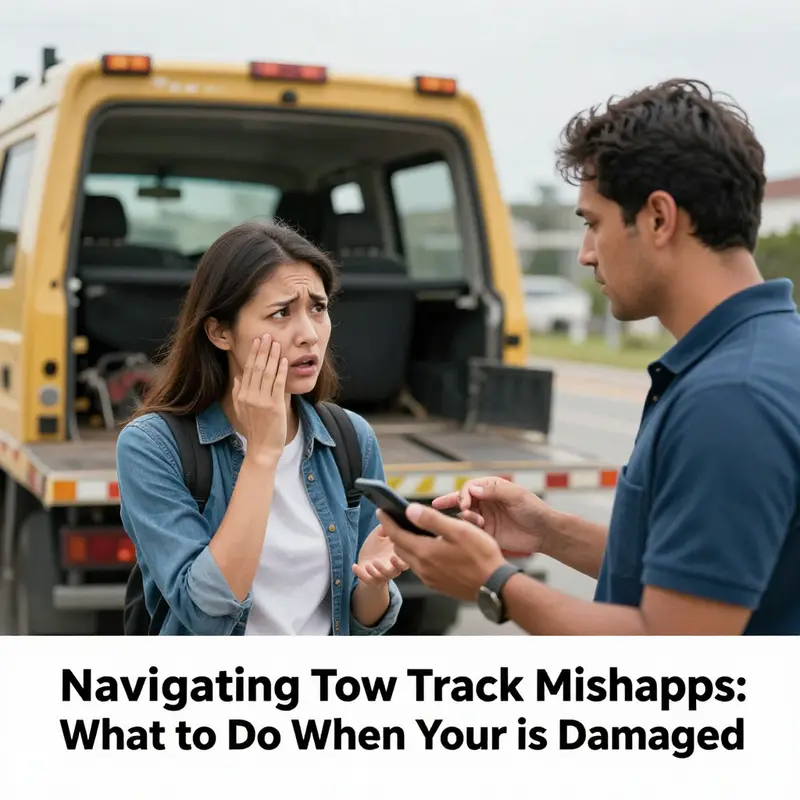
The moment you realize a tow truck has damaged your car, a flood of questions can overwhelm you. You worry about who bears the cost, how you prove it, and how quickly you can get back on the road. The way you respond in the first hours is not about drama; it’s about building a solid path to accountability and fair repair. The steps that follow are straightforward in theory, but they demand careful execution to protect your rights and your wallet.
Documenting the damage as soon as you can is the bedrock of any claim. Photos should be crisp and comprehensive. Take close-ups of dents, scrapes, bent panels, and anything that looks unusual. Back away and capture wider shots that show the full frame of the vehicle and its surroundings at the time of the tow. If the tow occurred on a street, sidewalk, or parking lot, note the exact location and the time. This isn’t vanity; it’s evidence that calibrates the scope of the damage and situates it within a timeline. If there were bystanders who witnessed the incident or the tow, gather their contact information and a brief statement of what they observed. Witnesses who can corroborate your account can be crucial if later disputes arise about what happened and when.
After you’ve secured initial evidence, your next move is to report the incident to the towing company that performed the tow. Do this promptly, ideally within 24 hours, and be sure to keep a written record of every communication. When you call or email, provide the essential details: your vehicle’s license plate, make, model, and year; the VIN if you can access it; the tow date and time; and a precise description of the damage. If the company directs you to an incident report form, fill it out completely and ask for a copy or confirmation that it was received. A formal complaint or incident report is not merely bureaucratic paperwork; it is the company’s formal entry into your claim file. If you can’t reach someone by phone, send a detailed email and request a written acknowledgment. Delays in reporting can complicate the claim, so timeliness is a practical element of your strategy.
As you file with the towing outfit, parallel channels open. Your auto insurance provider should be informed promptly about the damage. Even if liability remains contested, many policies cover repairs through comprehensive or collision coverage, depending on your plan. Your insurer can guide you through the process, advise on what evidence is needed, and, in some cases, pursue reimbursement from the towing company themselves. In this system, you’re not navigating alone. The insurer can become a coordinator who helps marshal your documentation, schedule appraisals, and ensure that the repair path aligns with your coverage. It’s worth noting that some insurers prefer clients to obtain repair estimates before final approvals, while others may pre-authorize certain repairs. Check your policy documents and speak with a representative to understand the required steps and any deductible implications.
To guard against underestimation or miscommunication, consider obtaining an independent assessment. A trusted mechanic or body shop who did not perform the original tow can provide an impartial appraisal of the damage and a repair estimate. This external view helps you cross-check the towing company’s assessment and offers another data point if a dispute arises. An independent estimate can identify hidden damage—like frame alignment or electrical issues—that might not be immediately visible. When you request a quote, ask for an itemized breakdown that lists parts, labor, and any necessary non-routine tasks. An itemized approach makes it easier to compare estimates, spot anomalies, and support your claim if the numbers feel inflated or inconsistent. Preserve these estimates and related correspondence in a dedicated file, whether that file is physical or digital. You want a clear chain of custody from incident to settlement.
There are times when the towing company pushes back or refuses responsibility. If that occurs, you may need to escalate beyond initial communications. Legal action isn’t a first resort, but it becomes a real option when a company refuses to acknowledge fault or offer fair compensation. Small claims court can be an effective venue for straightforward, verifiable repair costs without the overhead of a full-blown legal suit. Before taking this step, gather all your evidence: the photos, the incident report, your insurance communications, independent estimates, witness statements, and a log of every phone call and email. A well-organized packet makes your case easier to present and helps demonstrate that you acted promptly and in good faith.
The heart of the process, however, also rests on knowing your rights and understanding the local framework that governs towing. Liability coverage for towing operators is not universal, and laws vary from place to place. Some jurisdictions require towing companies to carry liability insurance and to respond to claims in a timely fashion. Others may have specific filing procedures with consumer protection agencies or motor vehicle departments. This is why it helps to keep a pulse on the regulatory environment that applies where the tow happened. Reading up on your rights, and knowing when to seek help, can spare you from frustrating delays. If you want a concise blueprint of emergency response practices that apply to fleets and by extension to individual cases too, you can consult resources such as the guide on essential fleet emergency response strategies. It’s a practical companion for understanding how organizations structure rapid responses to incidents and what you might expect when you push for accountability. For deeper exploration, see essential fleet emergency response strategies.
As you navigate the financial and legal terrain, remember to maintain a calm, evidence-focused stance. Emotions can run high when a car is damaged and you’re facing insurance questions, but clarity will serve you better than anger. Keep the conversation focused on facts: the date and time of the tow, the location, the exact nature of the damage, and the evidence you’ve gathered. If the towing company suggests temporary fixes or asks you to sign forms waiving rights, pause before agreeing. Read everything carefully, and ask for time to review the documents with your insurer or legal advisor. It’s not about stalling; it’s about making sure you don’t inadvertently create conditions that undermine your claim or your ability to pursue full repair coverage.
Over the course of the claim, your record-keeping becomes a narrative of caution, diligence, and tenacity. Store digital copies of every message, keep a dated log of conversations, and back up photo and video files with timestamps. If you use a rental car or incur any related expenses while your vehicle is in repair, document those costs as well. Some jurisdictions allow you to seek restitution for incidental costs tied to the incident, such as rental fees or transport expenses, if they’re reasonably necessary and supported by receipts. Your insurer can help you sort out these ancillary items, but you should still retain receipts and confirmations so that there is a coherent trail from incident to settlement.
Throughout this journey, you may encounter advice that sounds simple but is easy to overlook. For example, insist on a written repair plan, including a proposed start date, estimated duration, and the anticipated scope of work. If a repair facility updates the plan or the timeline, ask for a revised, itemized quote and a new completion date. A consistent thread through the process is documentation: utilize it to anchor your claims, avoid ambiguity, and reassure yourself that you are building a legitimate case rather than relying on impressions. In many cases, the damage will be straightforward and quickly resolved; in others, it will require extended negotiations or an assessment from a third party. Either way, your thorough documentation becomes your strongest ally.
There is value in knowing when to step back and seek professional guidance. If you’re facing resistance, or if the numbers don’t align with your understanding of the damage, consider engaging a consumer rights advocate or attorney who has experience with vehicle-tow cases. Legal counsel can help interpret insurance policy language, guide you through the small-claims process, and ensure that deadlines are met so you do not lose your recourse. You should not interpret this as legal advice here; rather, it’s a reminder that professional guidance can translate complicated policy terms into concrete steps.
Finally, keep in view the broader landscape—the interplay between the tow operator, the insurer, and the consumer rights framework. You are an active participant in a system designed to force accountability and to ensure that a damaged vehicle is restored to its previous condition as closely as possible. The existence of rights and channels for redress is not a formality; it is a practical scaffold that supports families, commuters, and small businesses that depend on reliable transportation. If you want to explore how emergency response logic translates into everyday claims, follow the internal link to the fleet strategies resource above.
External resources can provide additional clarity when you need it most. For authoritative guidance on rights and steps, consult the National Association of Automobile Manufacturers’s guide on tow-truck damage claims: https://www.naam.org/tow-truck-damage-claims
Tow Truck Damage and Insurance: A Clear Path to Claims, Repairs, and Recovery
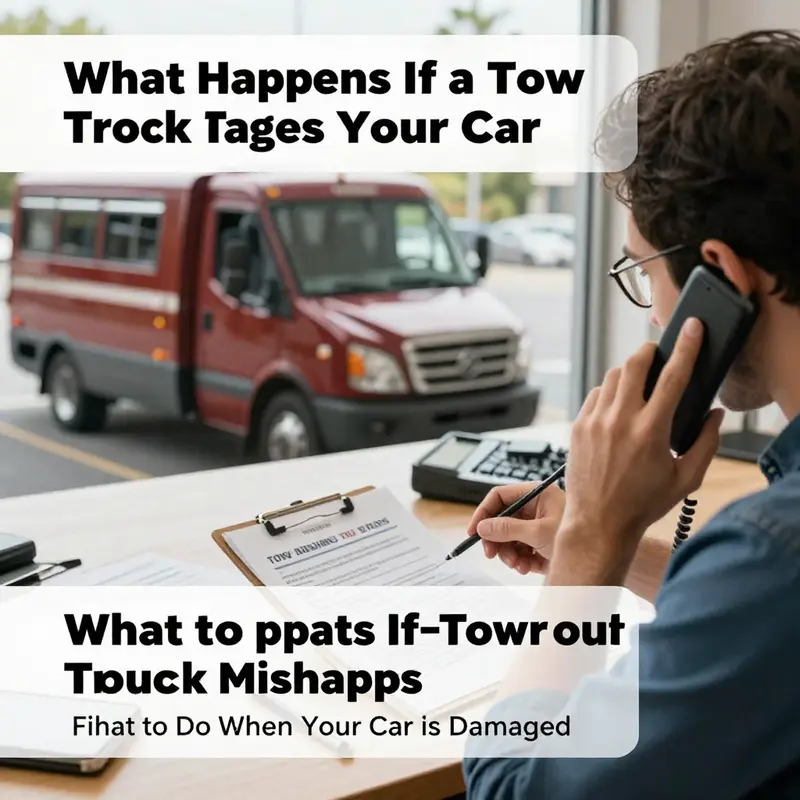
When a tow truck backs into your car or jostles it during loading, the moment can feel chaotic. The car that seemed like a routine asset suddenly becomes a source of stress, questions, and practical concerns. Yet the path from the initial damage to a fair settlement is not a mystery confined to lawyers and adjusters. It is a sequence of deliberate, documented steps that anyone can take to protect their rights and get back on the road with as little disruption as possible. The key is to move quickly, stay organized, and view the process as a careful collaboration between you, your insurer, and, if necessary, the tow company’s insurer. In this chapter we follow that trajectory, weaving practical guidance into a cohesive narrative that keeps the larger goal in view: fair compensation for repairs and restoration of normal use and value of your vehicle.
Start with documentation the moment you become aware of the damage. Photos are not just a formality; they are the foundation of your claim. Take clear shots from multiple angles, capturing both the new damage and the surrounding condition of the vehicle. Include close-ups of dents, scratches, broken lights, bent panels, and any marks on the undercarriage that could indicate where the vehicle was jostled or dragged. A wider shot that shows the car’s position relative to the tow truck and the loading ramp can help establish the circumstances. If there were witnesses—perhaps another driver who saw the loading or a passenger in your own vehicle—collect their contact information and, if possible, a brief statement describing what they observed. This early evidence will be your strongest ally when you report the incident.
With the evidence in hand, contact the towing company to report the incident. Reaching them promptly signals seriousness and helps secure a record of the event. When you speak with the company, be factual and specific. Describe what happened, the damage you observed, and any details that might clarify how the damage occurred. If the driver or crew offered explanations at the scene, note them for future reference. Request an incident number or a written acknowledgment of the damage, and ask for a point of contact in their claims department. This establishes a chain of communication that you will rely on throughout the process. If you are still at the scene, consider asking the driver to document the damage in writing on company letterhead or on the tow ticket. While this is not a guaranteed anchor, it can help create a contemporaneous record that supports your narrative.
Next, inform your auto insurer about the incident. Most providers offer a 24/7 claims channel through a hotline or online portal, and reporting early can streamline the process. When you file the claim, provide a complete picture: your policy number, the date and time, the location, and a clear account of the circumstances surrounding the towing. Describe the damage with precise language—what parts are affected, whether gauges and indicators function, and if there are concerns about alignment or the frame. Include the photos as attachments if you are filing online, or have them ready for the claims representative if you are speaking by phone. Your insurer will assign a claims adjuster to evaluate the damage, and this person will be your primary point of contact through the assessment and settlement phases. Acknowledge that liability will be a central question. If the tow operator was careless—such as using equipment that was in disrepair, failing to secure the vehicle properly, or mishandling the load—their liability coverage is typically triggered. If you carry comprehensive or collision coverage, your insurer may advance the repair costs and pursue reimbursement from the tow company’s insurer through subrogation. Either path should be explained by your adjuster, who can also outline the expected timelines, required documentation, and any deductibles that apply.
An important, often overlooked step is to obtain an independent assessment of the damage. A trusted mechanic or body shop can provide a repair estimate or a detailed inspection report that captures the true extent of the harm. Independent estimates protect you from underestimating repair costs or missing hidden damage that a quick, on-site estimate might overlook. If you are offered a standard inspection from the insurer or the towing company, you can still seek a second opinion. The goal is to ensure that the repair scope captures both visible and potential hidden issues—frame alignment, suspension effects, or interior damage that could worsen if not addressed promptly. When you present these independent estimates to your insurer, you strengthen your position. You may find that the insurer agrees with the independent assessment, or you may need to negotiate to ensure the scope aligns with what a body shop would reasonably perform.
Liability determination often sits at the intersection of evidence, policy language, and local regulation. If the tow operation was at fault, the driver’s liability insurance is typically responsible for the repairs. If the incident occurred due to equipment failure, improper loading, or failure to follow proper procedures, the fault sits with the tow company. In many cases, liability can be established through a combination of the incident report from the tow operator, the driver’s testimony, witness statements, and expert assessments. If fault is clear, your insurer may move toward authorizing repairs and issuing a settlement that covers the full cost, minus any applicable deductible. If fault is less clear or contested, you may negotiate partial settlements while continuing to gather evidence. This is where patience pays off. Insurance settlements can take time, and the path may involve back-and-forth communication as adjusters compare estimates, review photos, and consider the tow company’s insurance limits.
For many people, a reliable outcome includes a consideration of transportation needs while repairs are underway. Some policies provide a courtesy vehicle or rental coverage for a certain period, ensuring you are not stranded without transportation. While the specifics will depend on your policy, it is wise to explore this option early in the process. If a courtesy vehicle or rental allowance is available, your insurer can set expectations, outline any fees or conditions, and coordinate with preferred service providers. Knowing this in advance helps you plan for daily life around the repair schedule and avoid surprising gaps in mobility. The broader takeaway is that your policy may offer more than just coverage for physical damage; it can also cushion the disruption that follows an accident, a factor that many people underestimate when they are focused on the mechanical repair itself.
As the repair plan takes shape, you may need to reconcile liability, repairs, and payment. If the tow operator is found liable, their insurer will typically handle repair costs directly with your chosen repair facility or with your insurer, depending on the arrangement. If you are using your own policy’s coverage, your insurer may advance costs and then pursue reimbursement from the other party’s insurer. In either scenario, keep meticulous records of every communication, estimate, invoice, and receipt. These documents form the backbone of the formal settlement and will be invaluable should questions arise later about the scope of repairs, the timeline, or the value of the vehicle before and after the incident.
There are times when the tow company resists responsibility or offers an amount that does not cover all repairs. In such cases, you may need to escalate the matter. Your attorney can review the facts, identify gaps in liability, and advise on whether to file a claim in small claims court or pursue a more formal civil action. Small claims courts can be an efficient route for recovering repair costs when the amount involved is within the court’s limits. Even if you do not ultimately appear in court, understanding this option gives you leverage in negotiations with insurers. It is essential to avoid signing releases or waivers that would prevent further claims once you accept a settlement. A settlement should reflect the total repair cost, including any ancillary expenses such as a travel cost to visit the repair shop, storage fees for the vehicle if it has to stay while work is done, and any depreciation concerns if the car’s value has been affected by the damage.
Beyond the immediate case, it is worth clarifying the legal landscape that governs towing-related damage. Some states require towing companies to carry liability insurance, which provides a practical route for compensation without needing a lengthy legal battle. If you suspect a gap in coverage or if the tow company denies responsibility without a convincing basis, consumer protection agencies or motor vehicle departments can offer guidance and avenues for recourse. The practical implication is that you should not rely solely on luck or the driver’s goodwill. You should treat the incident as a formal event that begins a documented process designed to secure a fair outcome.
For readers seeking broader context on how to navigate the aftermath of vehicle damage and to explore related topics such as emergency response for fleets and prep strategies, see The Island Tow Truck Blog. This resource offers perspectives that can illuminate the process from a practical, owner-operator viewpoint and helps you connect the dots between roadside incidents and long-term resilience. You can find it here: The Island Tow Truck Blog.
As you move toward final resolution, review your policy details and your rights carefully. Check the deductible amount, the definitions of comprehensive and collision coverage, and the extent of any subrogation rights your insurer may pursue. The language in your policy will guide you through the settlement framework and reveal your options if the insurer proposes a compromise. In all cases, maintain a steady line of communication with both your insurer and the tow company’s representatives. Ask for written confirmations of decisions, keep timestamps on all emails and calls, and preserve the documented history of what occurred, who was involved, and what each party promised. This disciplined approach reduces the likelihood of surprises and ensures that, even if the incident was stressful, you end with a clear, verifiable record of outcomes.
Ultimately, the experience of a tow truck incident is not just about repairing metal. It is about restoring confidence in your daily mobility and protecting the financial value of your vehicle. It requires a careful balance of prompt action, thorough documentation, informed negotiation, and a willingness to pursue formal remedies if necessary. The chapter you’ve read sketches a path that many drivers follow to recover from a roadside mishap without letting a single accident become a permanent financial burden. With evidence in hand, the right inquiries made, and a calm, persistent approach to the settlement process, you can move from incident to repair with clarity and assurance. External resources can offer additional clarity on policy options and rights, providing a broader lens through which to view your claim. For a detailed discussion of courtesy-car benefits and related coverage, consult the external resource linked at the end of this chapter. The process may be meticulous, but it is ultimately about reclaiming control and returning to the road with fairness on your side.
Seeking Clarity After Tow Damage: The Strategic Case for an Independent Assessment
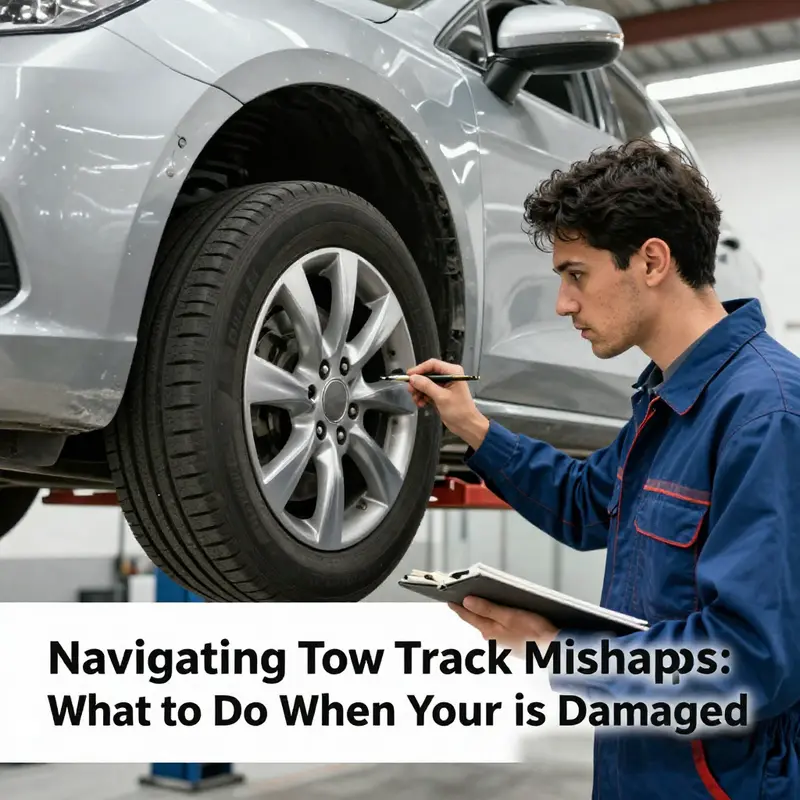
When a tow truck leaves you stranded with a dent, a scrape, or a more serious misalignment, the immediate emotional reaction can color every subsequent decision. Yet the moment you realize that the vehicle you depend on has been damaged not by you but by a service that’s supposed to help you, a strategic path emerges. The most effective step you can take to protect your rights and maximize your chance of fair compensation is often an independent assessment. This is not a defense of paranoia; it is a practical, evidence-based approach that anchors your claim in impartial judgment rather than memory, speculation, or company assurances. An independent appraisal or evaluation from a trusted mechanic or a certified auto body shop provides a third-party determination of whether the damage was caused by towing practices, the extent of that damage, and what repairs are required. It also serves as a credible document when you later interface with insurers, consumer advocates, or, if necessary, the small claims court system. In short, the independent assessment is the compass that keeps the rest of your response oriented toward accuracy, accountability, and fair treatment.
The first moments after learning of the damage set the stage for everything that follows. Take stock of your surroundings and the vehicle’s condition while the tow crew is still on the scene or shortly after they depart. If possible, photograph the car against a neutral backdrop to minimize distractions in the images. Capture the damage from multiple angles so that a reader who has never seen the vehicle can understand the precise location and severity. Include close-ups of mismatched gaps in body panels, bent brackets, leaking fluids, or tire rub on fender wells. A few wide shots that show the car in its overall condition relative to the tow truck, the street, or the parking area can also help establish context. If there were bystanders or witnesses, politely ask for contact information. A witness who can corroborate how the car was loaded or secured can be a valuable ally later in the process, especially if the damage might have occurred during the loading, securing, or transport phases.
After you have documented the scene, the next logical move is to report the incident to the towing company in writing. Use a calm, precise, and factual tone. Describe what happened, reference the time and location, and attach your photos or videos as evidence. Do not rely on memory or vague statements about what you think happened; your goal is to create a clear, traceable account that the company’s insurance providers can evaluate. Reputable towing firms understand that damage during towing is a legitimate concern, and they typically have internal procedures to open a claim, coordinate an inspection, and arrange for repairs. Even if you plan to pursue a separate claim with your own insurer, initiating a written report with the towing company creates a paper trail that can be indispensable later. When you file this report, ask for a written acknowledgment of receipt and for the incident reference number or claim number. These references will become handy anchors as you navigate the rest of the process.
The heart of the matter, however, lies in the independent assessment. Arranging an evaluation with a third-party expert does not imply distrust; it invites objectivity. Seek out a certified auto appraiser or an independent repair facility that specializes in collision or tow-related damage. The evaluator should examine structural components if the damage appears substantial, check for frame misalignment, inspect welds and mounting points, review the undercarriage, and assess any electronic or sensor systems that could be affected by improper towing. This is not a superficial check; it is a thorough appraisal that may involve measurements, diagnostic tests, and a comparison with the vehicle’s original specifications. The independent assessor should also review the towing company’s own inspection results, if available, and note any discrepancies between the two assessments. The value of this step lies not only in the repair estimate but in the documentation of causation—whether the damage is consistent with improper tow methods such as improper winching, dragging, or misalignment during loading and unloading. A credible report will distinguish existing wear or preexisting conditions from newly incurred damage, a distinction that can make or break a claim.
As you pursue an independent assessment, you will likely intersect with your own auto insurance policy. Many comprehensive plans include coverage for third-party damage, which can cover incidents involving a tow truck. The insurance path can be efficient if you provide the independent assessment as part of your claim package. Your insurer may pursue subrogation against the towing company’s insurer to recover the repair costs, but this is a process that benefits from a robust, objective appraisal that demonstrates negligence or fault. When you talk to your insurer, present the independent report, along with the photos and the written incident notice. If your policy includes rental reimbursement, you may also want to document whether the claim affects your ability to use a rental car during repairs. Insurance discussions often unfold more smoothly when there is a clear, nonpartisan starting point—an assessment that stands apart from the narrative of either party and speaks in the language of evidence.
Documenting the coming and going of information is essential. Keep a meticulous log of every communication related to the incident. Record dates, times, and the names and roles of people you spoke with, including representatives of the towing company, the insurer, and any repair shops involved. Save emails, text messages, invoices, and any written correspondence. If you speak by phone, jot down notes immediately after the call and, when possible, confirm summaries by email in your own words. This practice may not sound glamorous, but it builds a solid, chronological timeline that can help resolve disputes more quickly and with less confusion. It also reduces the risk that a later claim could be derailed by misremembered details or missing documents. The goal is to create a complete, transparent dossier that you can present in a straightforward, non-confrontational way to the relevant authorities, insurers, or, if necessary, a small claims court.
There are times when the towing company disputes responsibility or offers a settlement that does not reflect the true cost of repairs. In such cases, seeking legal guidance from a consumer-protection attorney can be a prudent step. An experienced attorney can interpret the terms of your policy, assess the strength of an independent assessment, and help you understand potential remedies, including negotiation strategies or litigation. Even if you pursue a legal path only as a last resort, having professional guidance can help you navigate the procedural complexities, deadlines, and required documentation. If direct resolution stalls, you can also consider contacting relevant authorities or consumer agencies, such as your local motor vehicle department or the Better Business Bureau, for impartial guidance and complaint channels. The aim is not to threaten but to ensure that your rights are enforced in a fair and orderly manner.
Throughout this process, it is valuable to anchor your actions to reputable resources that provide guidance on consumer rights related to towing services. Official guidance from transportation authorities and consumer protection agencies helps you calibrate expectations and avoid missteps. The independent assessment serves as a cornerstone of this guidance: it anchors your claim in verifiable, objective data rather than subjective impressions. If you want to deepen your understanding or explore related issues, you can consult the Island Tow Truck blog for practical perspectives and real-world scenarios that mirror the situations described here. the Island Tow Truck blog.
Ultimately, the sequence—documenting the damage, reporting the incident in writing, securing an independent assessment, coordinating with your insurer, keeping thorough records, and consulting legal counsel when necessary—creates a robust framework for resolving tow-damage claims. It shifts the dynamic from reactive frustration to proactive, evidence-based negotiation. An independent assessment is not a one-off formality; it is a disciplined step that clarifies what happened, what is needed to repair the vehicle, and who should bear the cost. A transparent, impartial evaluation can prevent downstream battles over liability, expedite repairs, and restore your vehicle to its proper condition with confidence. The endgame is not simply getting back on the road but ensuring that the process honors your consumer rights and the standards to which towing professionals are bound.
For readers seeking broader context or additional guidance, consider consulting official resources that lay out consumer protections and recommended practices in towing-related incidents. While every case is unique, the core principles—documentation, independent assessment, and clear communication—remain consistent across jurisdictions and scenarios. The steps outlined here are designed to align with those principles and to support you in turning a stressful incident into a fair resolution.
External resource: For additional consumer guidance on vehicle damage and towing-related rights, you can reference broader safety and consumer information at https://www.nhtsa.gov/.
null
null
Final thoughts
Facing damage from a tow truck can feel overwhelming, but knowing the appropriate steps can lead to a successful resolution. Documenting the damage, reporting it to the towing company, and leveraging insurance can significantly ease the burden of repairs. Additionally, seeking independent assessments and understanding your legal rights will empower you in this process. Implementing these strategies ensures that you, as part of the community, can navigate the complexities of towing incidents with confidence and resilience.