
For local auto repair shops, car dealerships, property managers, resort operators, and commercial fleet operators, understanding the costs associated with tow trucks is essential for effective budgeting and operational planning. The investment in a tow truck can significantly impact business capabilities, whether for recovery or service offerings. Each chapter of this guide will dissect the different aspects of tow truck pricing—examining new models, assessing used options, evaluating specialized variants, and discussing the factors influencing costs. Additionally, we will delve into the fees associated with towing services to equip you with valuable insights to make informed financial decisions.
Price and Power: Decoding How Much a New Tow Truck Costs in 2026
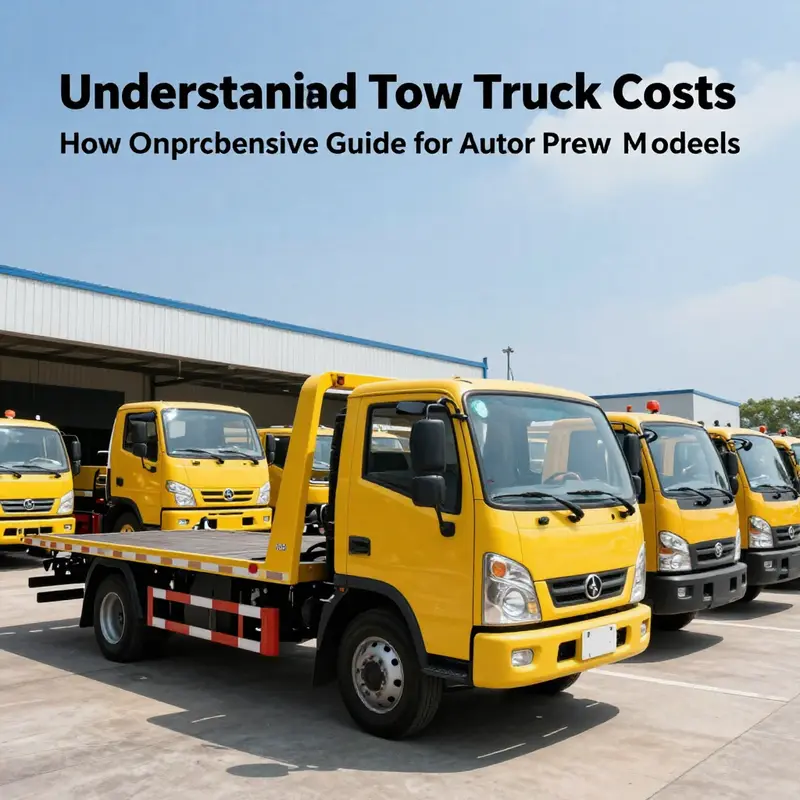
The question of what a tow truck costs is rarely answered by a single number. In 2026, the price you’ll pay for a brand-new tow vehicle is a function of purpose as much as hardware. The same decision that determines where your fleet operates—whether you need to recover overturned vehicles in high-speed corridors, or you simply move stranded cars from shopping lots and garages—also sets your price ceiling. Costs vary dramatically by type, size, and the features bundled into a single machine. What follows is not a catalog of specific makes, but a practical lens on the price ranges new buyers typically encounter and the factors that push those numbers up or down. The central takeaway is straightforward: the more specialized the job, the higher the upfront investment, and the longer the payback period often follows from that specialization.
Rotator tow trucks sit at the top of the price spectrum for good reason. These are the most capable recovery vehicles, built around a 360-degree rotating boom that can lift vehicles from almost any angle and location. The size and complexity of the rotating mechanism, plus the extended boom reach needed for high-clearance lifts, translate into a steep sticker price. In 2026, new rotators commonly start in the neighborhood of roughly $150,000 and can easily push past $300,000 for larger, more capable rigs. The corresponding operating costs reflect the same scale: higher fuel consumption, more sophisticated hydraulics, and training requirements that match the machine’s capabilities. For operators who run long, high-mileage recovery operations or must respond to highway incidents, the rotator’s price is balanced by a wider range of achievable recoveries and faster response times, which in turn can contribute to higher revenue or improved service levels.
Flatbed tow trucks, often favored for their versatility and safer transport of AWD or damaged vehicles, comprise the middle ground of entry costs. A hydraulic tilting bed provides a secure platform for loading, towing, and carrying a wide spectrum of vehicles without ground contact. The price span here is broad, reflecting differences in bed length, rear equipment, and lift capacity. In 2026, buyers typically see a starting point near the low tens of thousands, with many capable flatbeds landing somewhere in the mid-range before options and branding push the price higher. A practical working band for a basic yet reliable new flatbed is around $12,800 to $39,800, depending on configuration and the level of auxiliary equipment. The most common takeaway for fleets seeking a balance of safety, reliability, and cost is that flatbeds offer a favorable mix of utility and affordability, especially when the job mostly involves stable transport rather than heavy-load recovery.
Between rotators and flatbeds lie the four-by-four road rescue and other mid-sized wreckers. These vehicles are rugged and versatile, designed for difficult terrain and rural or industrial settings where traction and reliability are essential. Prices for new four-by-four road rescue machines tend to be lower than rotators and can vary in the mid-teens to low twenties of thousands, depending on payload, winch capacity, and added features. A typical new four-by-four road rescue vehicle might fall in the $16,000 to $19,000 range in some markets, with additional options quickly elevating the total as operators add heavier winch systems, advanced lighting, or enhanced off-road capability. While these machines do not reach the extreme costs of rotators, they offer a valuable combination of rugged performance and lower upfront risk for fleets that operate in challenging environments but do not require the unique limitations of a rotator.
In evaluating these ranges, it’s important to remember that the quoted prices often reflect standard configurations. The true total can climb with enhancements: heavier winches, longer booms, higher-capacity hydraulic systems, integrated backup power, advanced diagnostic packages, and compliance with emission and safety standards. Some buyers also factor in installation, training, warranties, and shipping fees, which can add materially to the out-the-door price. Because suppliers frequently tailor builds to match local regulations, vehicle weights, and operator skill levels, a precise quote almost always requires a direct inquiry. Yet the broad patterns remain consistent: rotators lead the market in price, flatbeds offer broad utility at moderate cost, and four-by-four wreckers provide a robust middle path with considerable value for rural or rugged applications.
For fleet managers, the choice is rarely driven by price alone. It hinges on the types of towing and recovery most common in their service area, the typical vehicle mix in the fleet, and the speed at which they need to mobilize a response. A busy urban operation with frequent overturned-vehicle incidents may justify the rotator’s premium, given the higher likelihood of swift, high-value recoveries and the ability to operate effectively in congested lanes. In contrast, a small-town service that primarily handles standard towing and on-site repositioning may find a capable flatbed or a compact four-by-four more cost-effective over the life of the asset, especially when paired with a prudent maintenance plan.
Beyond the sticker price, buyers should weigh ownership costs that shape the total cost of ownership. Maintenance and parts availability, fuel efficiency, and the need for trained operators all influence long-term economics. Rotators require more specialized training and a more robust maintenance regimen, factors that can erode returns if not planned for. The service life of a tow truck, the expected number of miles accrued each year, and the nature of the incidents typically encountered all contribute to a financing decision that looks as much to future cash flow as to current outlay. In some markets, buyers also compare used or demonstrator units against new builds, weighing depreciation, warranty coverage, and the potential for rapid upgrades as technology evolves. While used units offer lower upfront costs, they can bring higher maintenance risk, unexpected downtime, and uncertain residual values—risks that may offset apparent savings.
Price signals are only part of the story. The market landscape in early 2026 reflects a wide spectrum of offerings, including several factory-price configurations and multi-brand compatibility options. For buyers, this means that while a brand-new rotator might be out of reach for some budgets, there are still affordable paths to a capable platform through carefully chosen flatbed or four-by-four models, especially when buyers tailor the build to their actual operating profile and training plans. The surge in global manufacturing capacity and the variety of export channels have broadened the options available to fleets, though buyers should remain cautious about freight, import duties, and lead times that can add weeks or months to delivery.
If you want to explore the broader market landscape and see how new-tow-truck pricing trends have evolved in the last few years, a cross-check with industry-wide price comparisons can be insightful. These resources help frame the numbers you see from suppliers and provide a sense of what a given configuration should cost in today’s market. For readers seeking more fleet-focused insights from the Island Tow Truck community, the Island Tow Truck blog can be a helpful companion resource. It offers perspectives from operators who confront similar calculations every day. The Island Tow Truck blog.
In summary, today’s new-tow-truck price range reflects a spectrum that starts well below $20,000 for basic four-by-four rescue vehicles, climbs into the mid-range for versatile flatbeds, and reaches into the six-figure realm for specialized rotators. Buyers must balance upfront cost against operating costs, the severity and frequency of recoveries, and the strategic role the vehicle will play in the fleet. The path you choose should align with your service profile, training capacity, and financial plan. As with any major fleet investment, a clear understanding of both the capabilities and the long-run costs will help you select a platform that not only meets today’s needs but remains a sound asset as demands evolve.
External resource for broader market context: https://www.towtruckguide.com/new-tow-truck-prices-overview/
null
null
Specialized Tow Trucks: Understanding How Much is a Tow Truck Cost for Specialized Vehicles
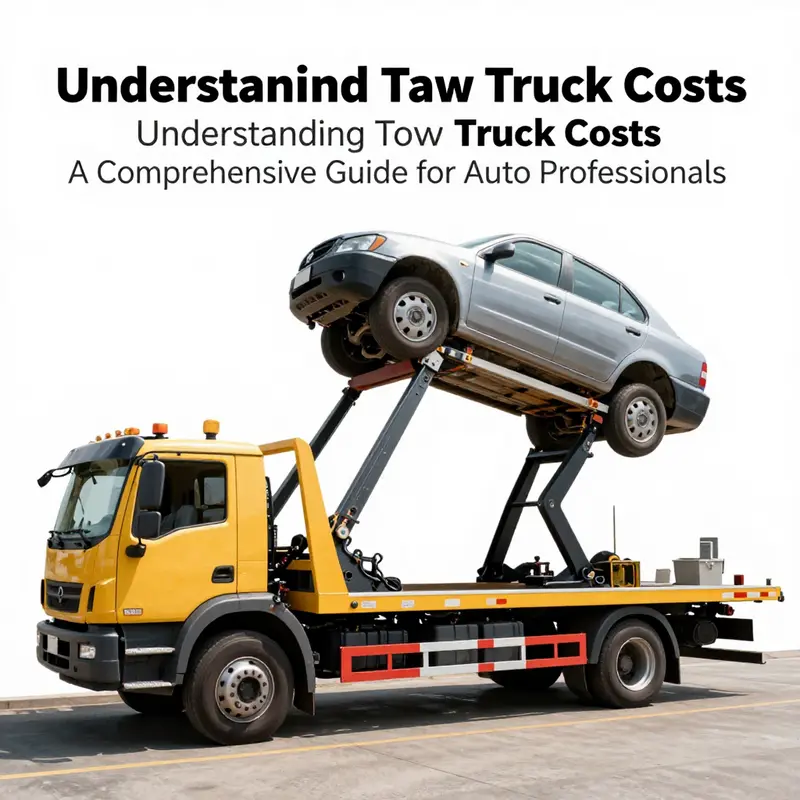
Specialized tow trucks do more than haul a car from the shoulder. They are purpose-built tools for rescuing vehicles that require careful handling, lifting weighty loads, and operating in environments that push equipment to its limits. When fleet owners and service providers ask how much a tow truck costs, there is a temptation to treat a specialized unit as simply a larger version of a standard wrecker. The reality is more nuanced: price is driven by capacity, controls, safety features, and the environment in which the truck will work. In this chapter we unpack that complexity, focusing on specialized machines designed to lift, move, or stabilize heavy and awkward loads, from oversized trucks to emergency vehicles, to industrial equipment and beyond. While numbers vary by region and supplier, several core patterns emerge that help managers budget with confidence and plan for safe operations that minimize downtime.
The cost envelope for specialized tow trucks starts with capacity. Heavier and more demanding loads necessitate heavier, more capable rigs. A unit that can lift or winch extremely heavy loads—think large commercial trucks, major off-road equipment, or large emergency vehicles—will command a higher price tag than a unit designed for regular passenger cars or light trucks. In practical terms, the base price for a purpose-built specialized tow truck often sits in the six-figure range and can climb beyond the mid-six figures depending on the exact weight rating, reach, and control systems. This is not simply a factor of size; it is the inevitable result of engineering choices that balance power, stability, and safety in real-world conditions where margins are slim and stakes are high.
Technical specifications and mechanical properties are a second major driver of cost. Specialized models emerge from a fusion of hydraulic power, extendable booms, robust winches, and, in many cases, rotators or other forms of precise handling equipment. A hydraulic system that can deliver high lift or tension reliably is essential for large loads, but it also demands meticulous engineering, premium components, and rigorous testing. Extendable booms enable reach and maneuverability in tight spaces, while rotators allow the operator to orient a load with fractions of a degree of control—an advantage when dealing with misaligned or destabilized loads on uneven terrain or along busy streets. Each additional feature adds not only to the upfront price but also to the ongoing maintenance and the required training. In other words, every advanced capability increases the total cost of ownership, not just the sticker price.
Intended use and operational environment further shape both cost and value. Vehicles designed for harsh climates, off-road terrain, or industrial settings must endure harsher wear and tear. Materials, seals, chassis engineering, and protection against dust, salt, moisture, and vibration all influence price and longevity. In regions with infrastructure challenges, for example, specialized tow trucks are often specified with rugged drivetrains, reinforced frames, and weatherproofing that can raise the initial investment but reduce downtime and repair cycles over the life of the machine. Operators working in emergency response contexts—where speed, reliability, and redundancy matter—tend to prioritize features like rapid-recovery capabilities, simpler maintenance access, and diagnostics that facilitate quick fault isolation. Those design priorities translate into higher upfront costs but can yield meaningful savings in uptime and safety over years of operation.
Another critical dimension is safety and certification. Specialized towing often involves lifting vehicles that are unstable, heavy, or suspended in awkward poses. The machine must deliver predictable behavior under load, with integrated safety systems, load indicators, and fail-safes. The operator’s skill set is equally important. In many jurisdictions, the most demanding jobs require certification, ongoing training, and regular proficiency checks. Those investments—both for the fleet and for the individuals who operate the equipment—drive long-run costs but also substantially reduce the risk of injury, vehicle damage, or collateral incidents on the roadside or at industrial sites. The result is a cost structure that reflects not only the machine but the ecosystem of safety, training, and dependable performance that surrounds it.
From a budgeting perspective, there is a clear distinction between new and used specialized tow trucks, and between different classes of specialized trucks. A high-capacity unit with a rotator or other sophisticated handling mechanism will sit at the upper end of the market, often in the six-figure range for basic configurations and climbing into the high six figures or more with premium options and new technology. In contrast, more modular or lighter-duty heavy equipment tow trucks—designed for large but not extreme payloads—tend to be priced lower, though still well above standard light-duty wreckers. The market also offers used or refurbished options, which can provide substantial savings, but these come with trade-offs in wear, remaining service life, and the potential need for more immediate maintenance. The core takeaway is that specialized capability buys safety, control, and resilience, and buyers should view the cost as a strategic investment rather than a one-off purchase.
An important practical consideration is the total cost of ownership, which includes maintenance, parts, and the cost of skilled labor for operation and repair. The most capable specialized units require more sophisticated diagnostics, higher-grade components, and sometimes bespoke parts that are not as readily available as those for standard wreckers. This reality makes the maintenance budget a non-negligible line item. Fleet managers should factor in a maintenance plan, a parts strategy, and a training schedule that aligns with the truck’s duty cycle. Although these elements push the annual expense upward, they also reduce the probability of unplanned downtime and lengthy service outages, which can be far more expensive in busy emergency-response contexts or in remote locations.
The justification for investing in a high-capacity, specialized unit often rests on the broader operational advantages it enables. A rotor-equipped or high-torque machine can stabilize a toppled vehicle, upright a damaged commercial truck, or recover equipment without requiring multiple passes or staged interventions. Such capabilities minimize the time spent on scene, reduce secondary damage during recovery, and lower the risk to both personnel and the vehicle being recovered. In this sense, the cost is not just about the machine in the cab; it is about the speed, safety, and reliability it brings to critical moments when every minute matters. Managers who quantify these benefits in terms of reduced downtime, fewer insurance claims, and faster incident clearance frequently conclude that the upfront expenditure pays for itself over a service life that can span multiple years of steady operation.
For those weighing options, it helps to orient the decision around a few practical scenarios rather than abstract specifications. If the fleet regularly faces incidents involving very heavy loads or unstable vehicles, a rotator-style unit represents a meaningful capability upgrade, albeit with a cost premium and higher training requirements. If the primary need is to recover large but stable assets from off-road sites or industrial yards, a robust flatbed or a hydraulic tilt-bed with extended reach may deliver most of the essential benefits at a more approachable price point. In either case, a careful appraisal of duty cycle, likelihood of extreme loads, and the on-scene time saved versus the investment required will illuminate the path forward. The choice is rarely about chasing the most powerful machine; it is about selecting the right balance of capacity, control, maintenance, and safety for the job at hand.
To connect these considerations with real-world planning, managers can reference broader fleet-readiness resources that address how equipment choices feed into emergency preparedness and response strategies. A well-rounded view links the capability of the specialized tow truck to the organization’s wider response framework, including training, deployment protocols, and coordination with other responders. For a broader look at how these decisions integrate into fleet resilience, see the discussion on essential fleet emergency response strategies. essential fleet emergency response strategies.
In summary, the cost of specialized tow trucks is not dictated by a single variable but by a constellation of factors: load capacity, mechanical and hydraulic sophistication, intended operating environment, safety and certification requirements, maintenance needs, and the anticipated return in reduced downtime and enhanced safety. The price spectrum—ranging from six figures to over three hundred thousand dollars for the most capable machines—reflects the high stakes of the work they perform. By framing the decision around duty cycles, risk, and the value of uptime, fleets can move beyond sticker prices to a clearer picture of total cost of ownership and long-term value. External market analyses reinforce this view, underscoring how capacity, features, and operating environment continuously shape pricing in this specialized segment of the towing industry. External resource: https://www.towtruck.com/industry-reports/specialized-tow-truck-cost-analysis-2026
Prices in Motion: A Deep Dive into Tow Truck Costs Across Types, Uses, and Timing
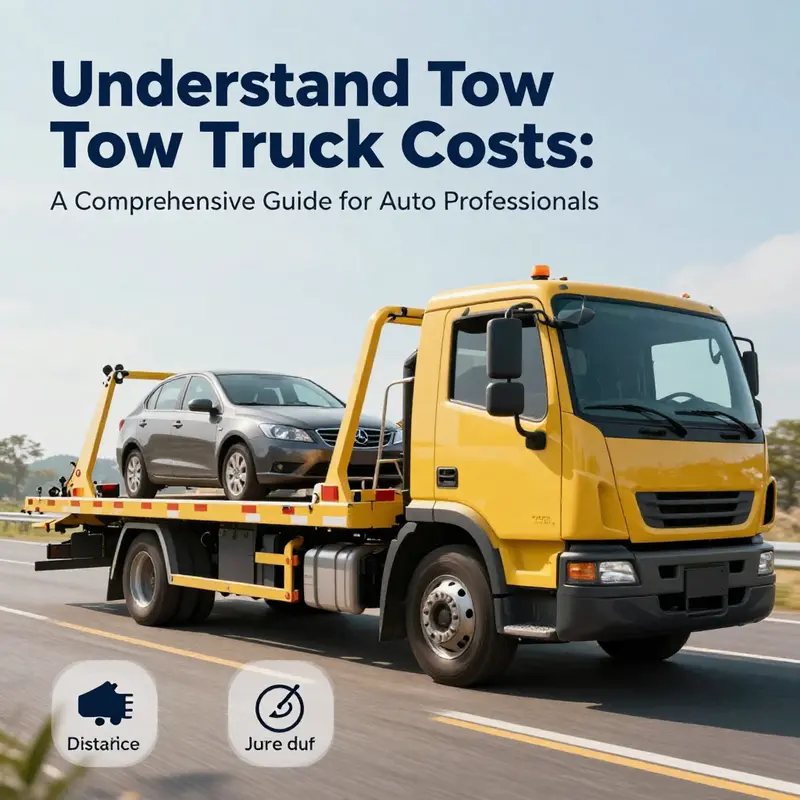
When someone starts sizing up the price of a tow truck, the numbers can feel like they are coming from different planets. A single price sheet can float from the low tens of thousands to well over six figures, depending on what the machine is designed to do, how big it is, what features it carries, and what kind of work it is meant to support. To understand what you should expect to pay, it helps to picture the spectrum in practical terms instead of chasing heroic list prices. On the purchase side, the range is broad but predictable once you separate the questions of type and capacity from the question of age or condition. A basic new heavy duty wrecker sits in a modest price band, often quoted around the low to mid thirties thousand dollars for a bare configuration. If you move into the world of flatbeds with hydraulic tilting beds, the sticker price can stretch far wider, with new units commonly labeled from roughly seventy thousand up to about one hundred fifty thousand dollars depending on the brand and the equipment tucked into the chassis. This is a reflection of the core difference between a traditional rollback or hook and chain style setup and a modern flatbed with controlled ramps, heavier winches, and more sophisticated wheel lifting options. For operators who need the kind of reach and flexibility that only a rotating boom can provide, the price climbs into a different league altogether. Rotator tow trucks, prized for their capability to recover vehicles that are overturned or jammed in difficult terrain, frequently land in the range of one hundred fifty thousand dollars to three hundred thousand dollars, and sometimes higher when customization, training, or specialty warranties are included. It is a world where the equipment itself is paired with specialized maintenance needs and higher fuel consumption, a trade that is accepted in exchange for the ability to respond to dangerous or complex recoveries with speed and care. By comparison, a mid range solution such as a standard flatbed intended for a broad mix of duties—vehicle recovery, accident scene work, and transport of damaged cars or small trucks—typically falls between seventy thousand and one hundred fifty thousand dollars if purchased new. The spread within each category often comes down to the quality of components, the horsepower of the engine, the size of the hydraulic system, the length of the bed, and the sophistication of the onboard controls and safety features. For buyers working with tighter budgets, there are factory price options for flatbed or wrecker configurations that can be much less, sometimes in the single digits of tens of thousands, though those figures are often paired with higher risk in terms of reliability, duty cycle, and spare parts availability. In some cases, a buyer might consider a used or commercial unit, where the price can vary widely. Used or lightly used heavy duty wreckers and flatbeds frequently fall into a broad range with substantial variability, and a practical estimate might sit somewhere around fifty thousand to one hundred twenty thousand dollars depending on mileage, maintenance history, and the remaining service life of critical systems. The truth is simple: the cost of ownership is not only about the sticker price. It is also shaped by ongoing maintenance, parts availability, and the expected life of the vehicle under heavy duty work. A smaller budget might fund a leaner setup that handles routine towing and light recoveries, but longer-term reliability and uptime can be a decisive factor when choosing between a basic new unit and a mid range or high end configuration. Beyond the purchase price, prospective buyers must consider the total cost of ownership, which includes insurance, annual inspections, maintenance intervals, and the inevitable expense of wear items like tires, brakes, and hydraulic fluid. The more capability a truck carries, the more frequent and expensive its service needs can be, even when it is kept in excellent condition. This is especially true for rotators, where the rotating boom adds complexity to the mechanical system and requires specialized knowledge to service and operate safely. In actual budgeting, many fleets weigh not just the upfront price but the long horizon of amortization, fuel costs, and downtime during repairs. A robust, well maintained, mid range flatbed can deliver reliable service for many years, but the same investment in a rotator is a strategic decision that reflects a specific recovery niche. For readers who want to see how the numbers align with real-world usage, it can be helpful to examine how the type of vehicle being towed influences the choice of truck. A small sedan or compact car will ride more easily on a standard loader or a smaller flatbed than a heavy truck or bus, and the service you choose will reflect that. Heavier vehicles demand stronger winches, larger wheel-lift systems, and sometimes additional stabilizing equipment, all of which push the price up on the service side as well as on the purchase side. When you add the factor of time, region, and immediacy, the picture becomes even more layered. Emergency or after hours calls, rush fees, and the premium charged for limited availability in rural areas can create a noticeable delta in the total cost of a tow, even if the vehicle in question is fairly ordinary in size. The same is true for the distance involved. Short city tows are priced with a base rate and a per mile fee that remains modest, while long hauls, cross state lines, or recoveries from remote locations can push the final bill well past the simple per mile calculation. In some pricing models, the base fee itself may increase during peak demand or off hours, reflecting the real costs a provider bears for staffing and readiness. These service level differences underscore a practical reality: the sticker price on purchase is only a part of the story. If a fleet aims to minimize downtime and keep trucks rolling, it may favor a tougher, more versatile platform despite a higher initial outlay. Conversely, a smaller operator focusing on routine, local recoveries can achieve robust results with leaner configurations and more conservative spending. As you navigate the market, it helps to anchor the decision in a clear assessment of what type of incidents you expect most often and how far you anticipate traveling to those incidents. A compact operator serving a dense urban core may justify a smaller flatbed, where the bed length and weight capacity balance well against frequent, shorter trips. A highway rescue outfit, by contrast, may see a rotator’s value in constant use, justifying the premium for the ability to manage overturned vehicles and complex scenes with efficiency. For those who want more context on fleet readiness and emergency response planning, a broader look at industry resources can be found at the Island Tow Truck blog. For reliable, up-to-date information on how fleets approach these decisions, see the internal resources at the The Island Tow Truck blog. And when you need a current, national snapshot of typical towing rates and benchmarks, official guidance from the American Automobile Association remains a useful reference: https://www.aaa.com.
Tow Truck Costs Unpacked: The Real Price Tag Behind Towing Services and Vehicle Recovery
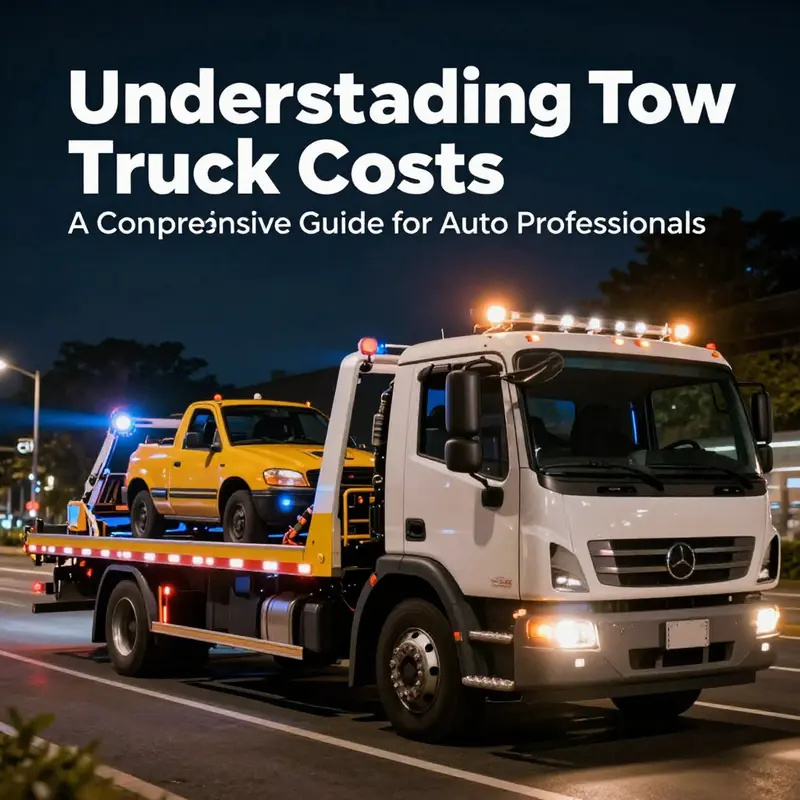
When people ask how much a tow truck costs, the first instinct is to browse sticker prices for a single vehicle and assume a simple, one-size-fits-all answer. In practice, the question splits into two distinct paths: the price to hire a tow service and the price to own and operate a tow truck. Each path carries its own set of variables, and both can influence decisions that ripple through personal budgets or fleet planning. To understand the true price, you must look beyond the distance between origin and destination and into the mechanics of service pricing, the realities of vehicle weight and recovery complexity, and the long-term costs of ownership. Only then can you gauge what makes a tow more affordable in one scenario and less so in another. For anyone managing a fleet or weighing the option of owning recovery capacity, the distinction matters as much as the dollar sign itself.
When a tow service is summoned, the price hinges on several core elements that work together to determine the final bill. A cornerstone is the base fee, a fixed amount charged for the act of responding to a call, hooking the vehicle, or loading it onto a recovery platform. On top of that base fee sits the mileage charge, which is typically framed as a per-mile rate or as part of a tiered structure that groups distances into brackets. In ordinary terms, a short tow of a few miles might land around a modest amount, while a longer haul can push the total well past three digits. A common rule of thumb in many markets is something like a base component in the range of a modest multiple of dollars, plus a per-mile charge that scales with distance. But the exact figures vary by region, company policies, and the time of day.
Distance is not the sole determinant. The type and weight of the vehicle being towed play a decisive role. A compact car requires less rigging and manpower than a full-size pickup, SUV, or commercial van. Heavier vehicles demand larger recovery gear, stronger winches, and greater fuel consumption, all of which raise both the immediate towing cost and the wear and tear on equipment. In practice, a lighter car will be far more affordable to tow than a heavy truck or a trailer with multiple axles. This is one reason why two tows of similar distance can have markedly different price tags depending on the vehicle involved. The complexity of the job matters too. If a vehicle is in an awkward location, requires winching out of mud, or involves delicate recovery to avoid further damage, the operator may employ additional equipment and personnel, which translates to higher charges.
Location and timing further sculpt the price landscape. Urban environments, with higher labor costs and denser traffic, may show elevated hourly rates and longer dispatch times, even if the tow distance is relatively short. Rural or remote areas can compound costs through longer drive times to reach the vehicle, longer rounds to drop at a repair shop or storage facility, and fewer nearby service options. Time of day adds another layer: emergency or after-hours dispatches often carry premium surcharges. In some markets, the need for a rotator or other specialized equipment, typically used for complex recoveries on highways or off-road sites, pushes the price higher still. The takeaway is that the same 10-mile tow in a city at noon can be a different financial proposition than a 10-mile tow at 2 a.m. in a remote area.
Beyond these core factors, the service type itself can influence cost. A hook-and-roll tow, where a simple hook-up is followed by rolling the vehicle onto a flatbed or wheel-lift, is usually less costly than a full flatbed recovery that requires alignment, stabilization, and careful loading to minimize damage. Rotator work, designed to upright overturned vehicles or recover stubbornly stuck cars, sits at the high end of the spectrum due to specialized equipment, higher fuel usage, and additional operator training. This spectrum—from basic hook-and-roll to specialized rotor operations—paints a realistic picture: consumers are not merely paying for distance but for the level of risk, effort, and expertise involved in the recovery.
Disclosures about potential extra charges are essential. Many tows incorporate ancillary fees such as a winching fee, a diesel surcharge, or a surcharge for using certain road tax or toll facilities. If a vehicle is stored overnight in an impound lot, there may be storage charges that accumulate daily. Some providers apply a dispatch fee or a trip charge that comes into play even before the haul begins. The practical effect is that a quote given over the phone or online should explicitly itemize all fees and provide an estimated total, rather than presenting a single figure that omits line items. This upfront transparency helps prevent sticker shock at the end of the service and enables better budgeting in both personal and fleet contexts.
To illustrate how pricing can diverge, imagine a routine five-mile tow of a small sedan. In many markets, you might encounter a base fee plus a per-mile rate, with a probable total around $75. Extend that same tow to fifty miles, and the cost can exceed $300 as the per-mile component compounds. The same distance for a heavier vehicle or in a location with higher labor rates could push the figure significantly higher even before considering any specialty requirements. For a fleet manager, these numbers emphasize the importance of vehicle classification, regional pricing norms, and service-level agreements that spell out what is included in the base fee and what triggers additional charges. For a private motorist, the takeaway is straightforward: always seek an upfront quote that includes all foreseeable fees and ask whether there are minimum charges, call-out fees, or after-hours surcharges that might affect the final tally.
An important figure in this discussion is the broader context of ownership costs, should the decision lean toward owning a recovery unit rather than outsourcing every tow. Understanding the price tag on owning a tow truck helps frame the long-term financial calculus. A basic, new wrecker or flatbed unit, with standard configurations, can sit in the lower six figures, while more specialized machines—such as rotators or heavy-duty wreckers designed for compromised or hazardous recoveries—can push well into the six-figure range. Even when the purchase price is within a certain bracket, ongoing ownership costs accumulate. Maintenance schedules, routine servicing, insurance premiums, licensing, and potential depreciation all add up over time. Fuel efficiency and daily utilization also influence operating costs, especially for fleets that rely on multiple tows each day. These factors remind readers that the price of a tow service is tightly bound to the decision to own versus outsource, and the math changes with the scale of operation and the geographic footprint of the service area.
For readers who want practical guidance on how to navigate these questions, practical planning and informed decision-making matter just as much as the price itself. If you are considering expanding a fleet or simply ensuring dependable roadside support for a small business, a careful cost-benefit analysis that accounts for utilization rate, maintenance liabilities, and expected incident volume can help determine whether owning recovery capacity is financially prudent or if a well-managed third-party arrangement offers a better return on investment. In either case, the emphasis remains that every tow encounter is unique. The distance, the vehicle, the environment, and the time of day converge to shape the final price. By approaching the topic with a clear framework, you can anticipate costs with greater accuracy, avoid surprises, and align the financial plan with the operational realities of on-road assistance.
For a broader sense of how these figures adapt across markets and to see how general price trends compare with consumer expectations, you can explore additional perspectives in industry and consumer guides. A resource that offers helpful context on average tow costs discusses how price structures can vary and why customers should request comprehensive estimates before service begins. This external reference can complement the local quotes you receive and help you benchmark expectations as you plan for the possibility of needing these services in the future. (External link: https://www.thespruce.com/average-tow-truck-cost-4168999)
In the meantime, if you are curious about the broader landscape of equipment availability and what it costs to acquire a recovery vehicle in today’s market, note that the range of new units spans a wide spectrum. From compact, light-duty recovery trucks to mid-range flatbeds and high-end rotators, the price bands reflect the intended role and capacity. The most basic new wrecker models often fall into a price range that is accessible to smaller operators or fleet starters, while more capable units with enhanced lifting capacity, longer reach, and advanced stabilization systems command higher prices. For buyers weighing this path, the decision hinges on expected usage, maintenance planning, insurance considerations, and how quickly the investment will be amortized through service revenue or cost savings on outsourced work. As these factors come into play, the practical advice remains the same: secure a transparent, itemized estimate, understand the full scope of what is included, and weigh the expense against the operational gains. For readers seeking a quick starting point on fleet planning and emergency-response readiness, you may find further insights in the community blog that covers practical tactics and real-world experiences, which can provide a grounded perspective on how these costs play out in day-to-day operations: The Island Tow Truck blog.
Final thoughts
Understanding the costs associated with tow trucks—from new purchases and used options to specialized vehicles and towing service fees—empowers local businesses to make strategically sound decisions. With the insights offered in this guide, auto repair shops, dealerships, property management entities, resort operators, and commercial fleet operators can effectively evaluate their towing needs and budget accordingly. Investing wisely in tow trucks enhances not just operational efficiency but also provides essential services to the community.