
In the realm of busy island communities, understanding how much a tow truck costs is essential for local auto repair shops, car dealerships, property managers, resort operators, and commercial fleet operators. Each of these stakeholders must weigh their unique requirements against the diverse types of tow trucks available on the market today. With varying capabilities and prices, it’s vital to dissect the costs associated with rotator trucks, flatbed models, and light-duty versus heavy-duty wreckers. Each chapter will provide insight and practical guidance to help determine the right investment for your towing needs.
Price, Power, and Purpose: Navigating the Costs of Rotator Tow Trucks in Heavy-Duty Recovery
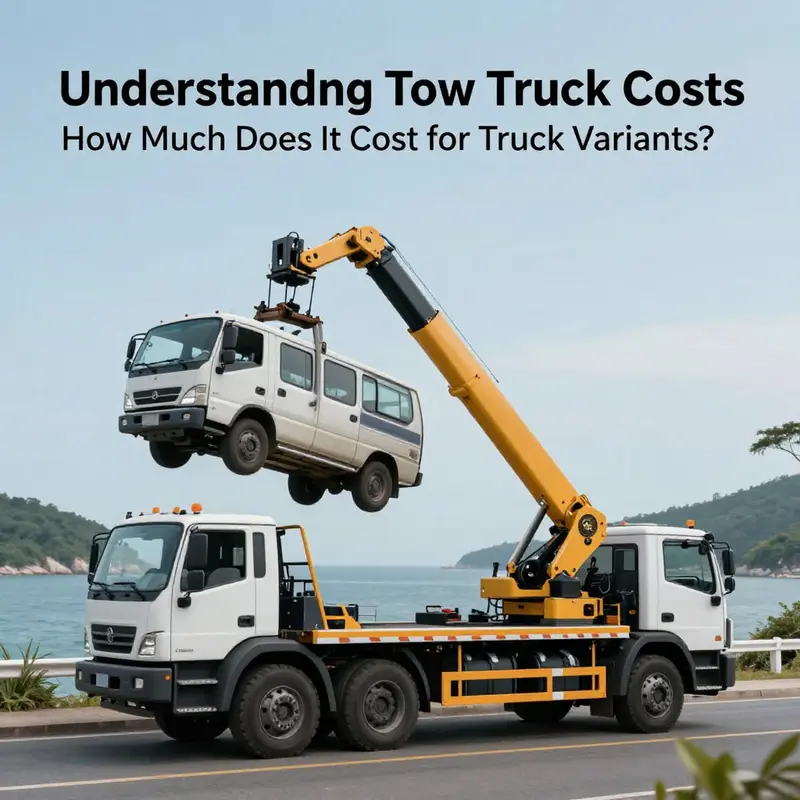
The cost of rotator tow trucks sits at a crossroads where engineering capability, operational demand, and regional market dynamics converge. These machines, built to perform under extreme conditions, carry a price tag that reflects not only raw lifting and rotation capacity but also the sophistication of stabilization systems, hydraulic ranges, and the reliability of the powertrain that sustains long shifts in demanding environments. In practice, the sticker price becomes a living number that swells or shrinks with every decision a fleet manager makes about capacity, endurance, and the expected cadence of use. For those charged with keeping commercial fleets, municipal services, or emergency responders moving after accidents or disasters, a rotator is less a single purchase than a commitment to a platform that will shape response times, safety protocols, and maintenance planning for years. The arithmetic of cost, then, is not merely a list of line items; it is a forecast of risk mitigation, downtime reduction, and mission readiness.
Across the global market, price dispersion for rotator tow trucks reflects a spectrum of capabilities. At one end, a broad class of entry-level rotators exists in the low tens of thousands of dollars in some regions, especially where government programs or large-volume procurement drive aggressive pricing. These models are designed to handle common recovery tasks with reasonable lifting and rotation ranges, and they often rely on modular kits or simpler control systems. They offer an affordable entry point for smaller fleets or municipalities looking to supplement a standard wrecker with a basic rotator capability. The practical value here hinges on things like warranty terms, parts availability, and the ease with which field crews can perform routine maintenance without specialized tooling. Yet, while the initial price may be tantalizing, the long-term total cost of ownership can widen the gap between perceived value and real value if the equipment requires frequent parts replacement or lacks proven uptime in the field.
Moving up the spectrum, mid-range rotator configurations typically command prices that sit in a more comforting mid-five-figure territory. In markets with robust manufacturing ecosystems and higher volumes, base prices for a 50-ton class rotator may begin around the mid $50,000s to the low $70,000s when purchased in single-unit lots. Such figures are often quoted as factory-in-base form, with specific markup depending on country, import duties, local taxes, and optional add-ons. In some cases, the same model may carry a slightly reduced per-unit price when ordered in higher quantities, as suppliers leverage scale to negotiate favorable logistics and service packages. It is here that the concept of value begins to mature: buyers can secure not only a rotator with sufficient lift but also a configuration that aligns with the typical load profiles of their region, the road conditions, and the height restrictions of the work sites they encounter. This tier is where the balance between price and performance feels most tangible, and where the decision often hinges on the reliability of after-sales support, the availability of trained technicians, and the adaptability of the control systems to evolving recovery scenarios.
At the upper end of the market, high-capacity rotators push beyond six figures, sometimes exceeding $150,000 and, in specialized cases, approaching or surpassing $200,000. These are the systems built for heavy duty operations: cranes with extended reach, rotators capable of lifting and stabilizing overturned or heavily damaged vehicles, and control architectures that integrate advanced diagnostics, remote monitoring, and enhanced safety interlocks. The appeal of these flagship configurations lies not only in raw capability but in the confidence they instill during high-stakes recoveries where every millimeter of movement must be controlled, and every component must perform flawlessly under load. Such models often feature premium engines, heavy-duty frames, and sophisticated jib mechanics designed to withstand repeated, demanding deployments. For fleet owners who respond to regional disasters, critical incidents, or large-scale incidents, the high upfront cost is offset by reduced turnaround times, lower risk exposure for operators, and longer intervals between major overhauls. Still, even here, the total cost of ownership remains a central consideration: downtime costs, maintenance cycles, and the eventual need for specialty technicians who can service these advanced machines can shape the true financial impact over the machine’s life.
To understand why these prices exist, it helps to look at how capacity translates into dollars. A rotator tow truck’s core function is to recover, stabilize, and relocate damaged vehicles with speed and minimal additional risk. The lifting capacity, measured in tons or kilonewtons, directly influences the size and weight of the vehicles that can be safely handled in a single operation. A higher-capacity unit can take on heavier vehicles without third-party assistance, which translates into faster recoveries and less vehicle damage during the process. Rotation capability, the defining feature of a rotator, allows operators to reposition a vehicle without multiple handling steps—an advantage in tight spaces such as narrow road shoulders, elevated highway bridges, or cluttered commercial lots. A more capable rotator also means more complex hydraulic systems, more robust chassis architecture, and more sophisticated crane and stabilizer configurations. All of these factors contribute to higher manufacturing costs, longer development cycles, and ultimately higher price tags.
Regional market dynamics add another layer to the pricing puzzle. Import duties, currency exchange rates, and local labor costs affect what a buyer ultimately pays. In some regions, a rotator may come with bundled service plans, extended warranties, or on-site training that adds room to the price but reduces the risk of unscheduled downtime. In others, buyers might encounter minimal after-sales support, which shifts the risk balance toward more expensive maintenance contracts or higher out-of-pocket repair costs in the event of part failures. The decision to purchase new versus used, or to opt for leasing or financing, further reshapes the cost equation. Leasing can convert a sizable upfront investment into a predictable monthly payment, which may be appealing for fleets that need rapid scaling or seasonally fluctuating demand. On the other hand, purchase often yields the lowest long-term ownership cost if the machine demonstrates strong reliability and a predictable maintenance schedule. In all cases, users must consider the total cost of ownership, which includes not only the purchase price but also insurance, registration, inspection costs, spare parts, routine maintenance, and the opportunity cost of tying capital into a single asset rather than distributing it across a broader equipment strategy.
The data landscape around rotator pricing reflects both the breadth of configuration options and the realities of global supply chains. In specific markets, you can find entry-level rotator configurations that begin in the lower end of the affordable spectrum, under $60,000 in some cases, with the caveat that these entry points may rely on simplified hydraulic assemblies, modest control packages, and limited customization. Yet, even within this base tier, the price signal communicates a clear trade-off: you gain access to rotation and lifting functionality at a price, but field reliability, long-term spare part availability, and service support can become a question mark if the product ecosystem is underdeveloped or if the device is sourced from a region with less experience in heavy-duty recovery equipment. Conversely, there are mid-range and high-end options that justify their higher price through upgraded components designed to minimize unplanned maintenance and maximize uptime in demanding environments. They often come with enhanced warranties, extended service networks, and better compatibility with fleet management tools that help monitor hydraulic health, load cycles, and structural stress. For decision-makers, the critical task is to translate the sticker price into a clear projection of return on investment.
From a practical standpoint, a chapter in a fleet’s operating manual often begins with a candid appraisal of the expected workload. How frequently will a rotator be called into duty? What percentage of calls involve heavy trucks, buses, or other vehicles at risk of tipping or systemic damage? Are there frequent rapid-response demands that require minimal setup time and robust stabilization? These questions guide the sizing of the investment. In regions with high accident rates on major corridors or where weather-related incidents are common, fleets prioritize reliability and uptime over the cheapest possible initial price. In other areas, where a smaller number of incidents occur but each one carries a high risk of escalation, a more capable but still cost-conscious rotator can deliver measurable value by reducing the duration of on-scene operations and the exposure of responders to hazards.
A core takeaway for buyers is that price exists in a broader ecosystem of cost considerations. Maintenance cost forecasting becomes an essential discipline. Rotator mechanisms include rotating booms, stabilizer legs, hydraulic power units, and crane jibs, each with its own service schedule and part replacement cadence. Failure of a single component can trigger cascading downtime, forcing crews to rely on alternative assets and increasing on-scene time. The more sophisticated the system, the more critical it becomes to secure a reliable supply of spare parts, timely technician access, and training programs that empower internal staff to perform preventive maintenance rather than waiting for external service calls. In this sense, the smartest price calculation for many operators is not the lowest upfront cost but the most stable and predictable total cost of ownership over a planned asset lifecycle. This involves evaluating warranty depth, the availability of certified technicians, and the ease with which newer control technologies can be integrated into existing fleet-management workflows. When a rotator is paired with modern telematics and diagnostic capabilities, fleets can monitor usage patterns, preempt failures, and schedule preventive maintenance during off-peak hours, reducing the likelihood of unexpected downtime that can otherwise erode the asset’s value.
The decision framework also benefits from a sober assessment of risk and safety implications. Rotator deployments inherently carry risk: the force vectors involved in lifting and stabilizing a vehicle can introduce dangerous loads on the chassis and limbs if mismanaged. Therefore, investment decisions must account for operator training, adherence to safety protocols, and the availability of redundancies in critical systems. In many markets, insurers favor fleets that demonstrate rigorous maintenance schedules and certified operator training, sometimes translating into lower premiums or more favorable terms over time. The economics of this relationship can tilt the cost-benefit analysis toward higher-quality, higher-priced configurations that deliver measurable safety and reliability advantages. Yet this is not a one-size-fits-all conclusion. In smaller operations with infrequent heavy recoveries, a carefully selected mid-range model with robust training and a solid parts network can achieve a balanced equation, combining reliability with a price that is easier to absorb within existing budgets.
To ground these considerations in concrete numbers, it is useful to acknowledge specific price bands reported in recent market surveys, while recognizing that regional differences will apply. In some markets, an entry-level rotator in a base configuration might be found around the mid-$30,000s to the mid-$50,000s, though these entries often come with limitations on rotation speed, reach, or hydraulic capacities. In the more common mid-range segment, buyers frequently encounter quotes in the broad range of the low six figures to around $70,000–$75,000 per unit when purchased with standard factory options and quantities. For high-capacity variants designed to tackle the most demanding incidents, the price floor begins at roughly $150,000 and can easily exceed $200,000, depending on the extended lifting capacity, the sophistication of the crane jib, the complexity of the stabilization system, and the inclusion of advanced diagnostic and safety features. It is also not unusual for some markets to present a rounded total after adding shipping, handling, taxes, and possible installation or commissioning charges, especially when the equipment is being imported. The key takeaway is that the spectrum is wide, and the exact price is driven by the job profile, the expected duty cycle, and the value placed on speed, safety, and long-term reliability.
Amid these price dynamics, buyers must not lose sight of the practical steps that translate price into performance. First, obtain multiple quotes from credible suppliers and request detailed specs that align with the working environment. This includes verifying lifting capacity, rotation range, stabilizer footprint, hook height, and the hydraulic system’s duty cycle. Second, evaluate the total cost of ownership by estimating maintenance costs, spare parts availability, and service-response times. Third, consider financing and ownership structures: outright purchase, leasing, or structured financing can dramatically alter the annual cost of ownership and the implications for depreciation, tax treatment, and budget planning. Fourth, assess training and safety programs—these can significantly reduce risk and extend equipment life. Finally, inspect the after-sales ecosystem: what is the availability of certified technicians, what are the typical lead times for critical parts, and how seamless is the integration with existing fleet-management platforms. When all these elements are weighed against the price, it becomes clear that the investment in a rotator tow truck is not simply a matter of a larger number on a price tag; it is a strategic decision that shapes response capability, crew safety, and operational efficiency for years to come.
For readers seeking a practical touchstone as they consider these dynamics, this chapter offers a bridge between the theory of price bands and the realities of field deployment. The numbers cited—ranging from under sixty thousand dollars in some corners of the market to well into the six-figure and seven-figure territory for specialized heavy-duty models—are not a parlor trick but a snapshot of the market’s breadth. The real question remains how a given operation will balance upfront investment with ongoing costs, how quickly the rotator will pay for itself through reduced response times and fewer secondary damages, and how well the chosen configuration can adapt as recovery challenges evolve with traffic patterns, weather, and urban development. In that sense, choosing a rotator is as much about foresight as it is about dollars and cents. It requires a clear sense of mission, a realistic appraisal of workload, and a candid assessment of the maintenance and support infrastructure that will keep the machine ready when the road calls.
As you consider next steps, remember that the journey from price to performance is anchored in the same principles that govern any serious capital equipment purchase: know your needs, quantify your risk, and align your choice with your fleet’s larger strategy for emergency readiness. The wide price spectrum is not a barrier but a map that helps distinguish between a tool fit for a given operation and a financial commitment that should be approached with guardrails. If the goal is to build a response capability that minimizes downtime, enhances operator safety, and delivers predictable outcomes when every moment on scene matters, then the conversation about cost becomes inseparable from the conversation about capability and resilience. For teams evaluating how to weave rotator capability into a broader emergency readiness plan, a practical resource on fleet resilience can provide actionable guidance on aligning equipment investments with operational priorities. This broader perspective—anchored in the practicalities of maintenance, training, and deployment—ensures that cost is not merely a number to be minimized, but a cornerstone of a robust, dependable recovery capability that serves a community or a company when it matters most.
To support ongoing learning and practical planning, readers may explore a broader discussion of fleet readiness and emergency response strategies in related resources. For deeper context on how to integrate such equipment into a resilient fleet, you can consult the article on essential fleet emergency response strategies. This resource offers perspective on aligning asset choices with mission-critical operations and highlights the importance of preparedness, coordination, and continuous improvement in recovery scenarios. essential fleet emergency response strategies.
External references for further technical context and market pricing trends can be found in industry-wide sources, including reports that summarize price bands and regional variations for rotator road towing trucks. A representative external pricing reference is available at https://www.made-in-china.com/products-search/hot-products/Howo30tons-50tonsRotatorRoadTowingTruckWreckerPickupTowTruckwithFactoryPrice.html, which illustrates how base configurations are marketed and how regional pricing may differ from other markets. This external resource provides a snapshot of the pricing landscape and helps illuminate the spread between affordable base configurations and highly specialized, high-capacity models across different regions.
Rolling with the Flatbed: How Much a Flatbed Tow Truck Really Costs and Why It Matters
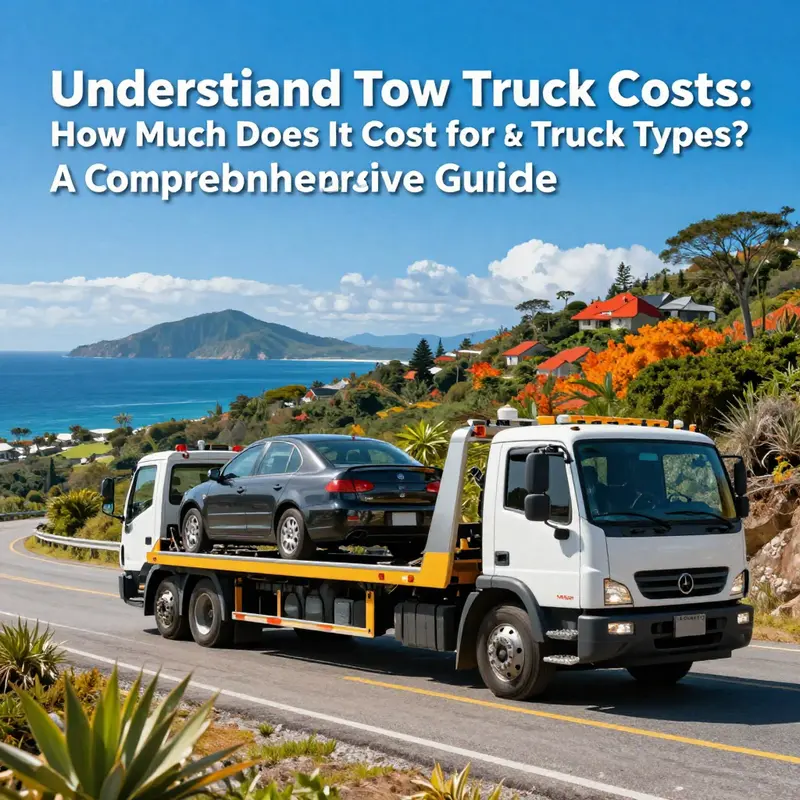
A flatbed tow truck sits at the intersection of safety, reliability, and practical economics. For fleets that move cars after accidents, roadside recoveries, or long-haul transports, the price tag on these machines is more than a sticker. It signals how capable the service will be, how long the vehicle will serve, and how much risk a shop must absorb in the form of maintenance, downtime, and eventual replacement. The cost landscape for flatbed tow trucks is wide because the equipment must be tuned to the expected workload, the types of vehicles encountered, and the operational climate in which the truck will operate. From a practical perspective, a buyer is not simply purchasing a bed on wheels. They are investing in a recovery system whose lifeblood is a robust winch, a sturdy bed, precise wheel-lift options, and corrosion resistance that can withstand years of outdoor exposure and brutal solvents used in bodywork bays and tow yards. In this context, the price differences among flatbeds are not random; they map directly to capacity, features, and the quality of the components that keep a truck functional when it is most needed.
When a shop begins to evaluate options, the first decision is capacity. A 4×2 flatbed wrecker with a six-ton (approximately six-metric-ton) capacity is the entry point for many auto-focused fleets. These units start in the mid- to upper-tens of thousands of dollars, but practical pricing for currently available configurations tends to cluster around a more specific range: roughly $26,000 to $39,000 per unit. That spread is not a magic number; it reflects variations in bed length, the strength of the winch, the size of the hydraulic system, and the level of corrosion protection offered by the chassis and bed assembly. A buyer who needs simple loading and a reliable recovery for standard passenger cars can often select a well-equipped 4×2 flatbed near the bottom of that band and still get a unit that remains serviceable for years with proper maintenance.
Beyond the 4×2 entry point, the market offers 5- to 8-ton flatbed wreckers that broaden the scope of what a fleet can handle. These mid-range machines—designed to pull larger vehicles, light commercial trucks, and mid-weight SUVs—tend to price between about $27,500 and $28,500 per unit when equipped with a winch. The narrowness of that range matters: it signals a market where the value of the added capacity and a more capable winch is carefully balanced against the initial outlay. For a shop that regularly recovers ambulances or mid-sized delivery vans, that incremental capacity is often worth the modest premium, because it reduces the number of chances to call a second unit or subcontract a recovery to a third party. The winch itself is a critical piece of the value proposition. A higher-capacity winch can pull out a stuck vehicle without resorting to a manual, time-consuming, and potentially unsafe process. That efficiency matters not just for the vehicle being recovered, but for the crew and the operation’s overall throughput.
A long-term view of the market reveals that some buyers seek out more advanced features that push the price higher still, though exact figures are less transparent. The most sophisticated flatbeds in the extended family may include rust-proofing, wheel-lift capabilities, and rollback configurations. These features address specific operational realities: rust-proofing extends service life in harsh climates; wheel lift reduces the risk of tire damage and makes it easier to cradle a vehicle during loading; a rollback bed design can simplify the handling of vehicles with transmission or undercarriage issues. While a price for these advanced configurations may not be published openly, industry chatter and practical procurement notes suggest they land on the higher end of the spectrum, often significantly above the basic six-ton class. The more premium the features, the more the buyer pays, but the payoff can manifest as lower maintenance costs, reduced downtime, and enhanced safety for drivers.
Some buyers are drawn to factory-direct options delivered straight from manufacturers. In these cases, the starting price can be surprisingly accessible, with catalog listings pointing to values around $23,990 for basic flatbed towing vehicles that can also serve other roles on the road. The factory-direct approach is appealing for fleets seeking tighter control over configuration, timing, and after-sales terms. It is important to note, however, that these direct-from-manufacturer options often require careful consideration of shipping, taxes, and minimum order quantities. The certainty of a direct purchase can be a meaningful advantage if a fleet plans to scale. Still, as with any large equipment purchase, the true cost of ownership includes not only the sticker price but the cost of logistics and the practical realities of maintenance, parts, and service availability in the fleet’s region.
To place these prices in a broader market frame, it is instructive to recall the upper end of the spectrum. The range widens dramatically as capacity and duty cycle rise. A 50-ton heavy-duty wrecker, built for extreme recoveries and overturned-vehicle scenarios, sits in a different lane altogether. Prices in the multi-hundred-thousand range—indeed, figures around the US$1.2 million mark—underscore the scale and the specialized nature of those machines. Such units are not everyday purchases for most fleets; they are purpose-built assets for major accident response, heavy industry, or large municipal operations. They demonstrate the way the cost curve bends as capacity and ruggedness increase. For organizations whose missions demand this scale, the higher price is justified by the added performance envelope, uptime potential, and the ability to recover vehicles in environments that would challenge lighter systems.
The pricing mosaic for flatbed tow trucks also includes the practical realities that appear when a buyer is negotiating in the real world. Market data from late 2025 into early 2026 shows that the basic flatbed category remains anchored around the mid to upper twenties for the most common configurations, with a general climb for units that add more robust features or larger capacity. In short, the base cost to enter the flatbed world for most fleets is in the low to mid twenty-thousands, while the value-added configurations hover in the high twenties, low thirties, or higher depending on the mix of capabilities. These figures reflect not only hardware but the economics of suppliers who are balancing demand, supply chain realities, and the currency environment. The price signals a wider truth: every extra kilogram of load capacity, every kilonewton of pull force, every additional inch of bed length, and every bit of anti-corrosion protection comes with a price tag that compounds as the truck’s role expands.
The decision calculus for an operator, then, is not merely about the sticker price. It also involves a careful examination of what the fleet will actually need in its day-to-day work. If most recoveries involve standard passenger cars and compact SUVs, a 4×2 flatbed with a solid winch can deliver dependable performance at a modest investment. For operators that regularly handle larger vehicles, or in regions with challenging terrain or weather, a larger bed, a higher-capacity winch, and additional stabilization features can translate into fewer call-backs, faster turnarounds, and safer recoveries. The balancing act between upfront cost and ongoing expenses like maintenance, fuel, and tires is where the total cost of ownership begins to dominate the conversation.
Another practical factor that often influences the price and the value equation is the end-to-end delivery and service framework. The cheapest price may not be the wisest choice if it comes with limited warranty coverage, sparse parts availability, or a remote service network. Conversely, a slightly higher initial investment can yield better uptime and lower long-run running costs when the seller offers strong on-site service, predictable parts supply, and robust warranty terms. The market recognition of these trade-offs has given rise to a form of buying philosophy that favors total value over immediate price relief. Buyers who align their choices to their operational realities—typical daily call volumes, the types of vehicles they encounter, climate, and the geography of their service area—often end up with a more favorable long-term cost profile, even if it requires a higher upfront outlay.
As with any significant fleet investment, the procurement process for flatbed tow trucks benefits from a disciplined, data-informed approach. The most prudent buyers solicit multiple quotes, compare configurations side by side, and factor in logistics, taxes, and the inevitable exchange-rate dynamics for international purchases. It is wise to include not just the bed and winch in the comparison, but the entire recovery package: wheel-lift options, bed reinforcement, and any specialized equipment that reduces the risk to the driver. The goal is not to maximize the initial discount but to optimize the total value received over the vehicle’s life. The market’s current state, as of March 2026, reflects a mature landscape where price transparency exists, but the best deals are often tied to a clear alignment between operational needs and the features on offer.
For readers who want to explore practical implications and broader fleet considerations beyond the price tag, there is a wealth of related material that can illuminate strategy and operations. The island tow truck blog offers perspectives on essential fleet emergency response procedures and planning, which can help a purchasing manager translate a price quote into a resilient, ready-to-respond fleet. See the resource linked here for deeper discussion on readiness and deployment dynamics: the island tow truck blog.
Finally, the market’s price data for 4×2 flatbed wreckers and their peers is not a fixed map. Regional variations, shipping costs, taxes, and payment terms (including any required minimum orders) can tilt the final delivered price in either direction. Buyers should expect some elasticity in the numbers and plan for contingencies in the procurement timeline. The rough ranges discussed here are starting points for budgeting, internal approvals, and supplier conversations. They provide a framework within which a fleet decision can be made with clarity and confidence. For those who prefer a more data-driven approach, cross-checking with external pricing databases or supplier catalogs can offer updated figures aligned with current market fluctuations as of early 2026. An accessible external reference that summarizes a wide spectrum of flatbed pricing data is available at the following link: https://www.made-in-china.com/products-search/hot-products/4X2FlatbedWrecker_Truck.html.
In sum, flatbed tow trucks sit on a price spectrum that mirrors their functional range. From practical, value-focused options at the lower end to highly capable, feature-rich units at the upper end, each configuration represents a deliberate choice about safety, reliability, and efficiency. The right decision hinges on a fleet’s workload profile, geographic context, and long-term maintenance plan. The numbers are not random; they reflect the real-world physics of towing, the economic realities of manufacturing and distribution, and the operational requirements that define every successful recovery operation.
From Light-Duty to Heavy-Duty: Navigating Tow Truck Costs for Smart Fleet Selection
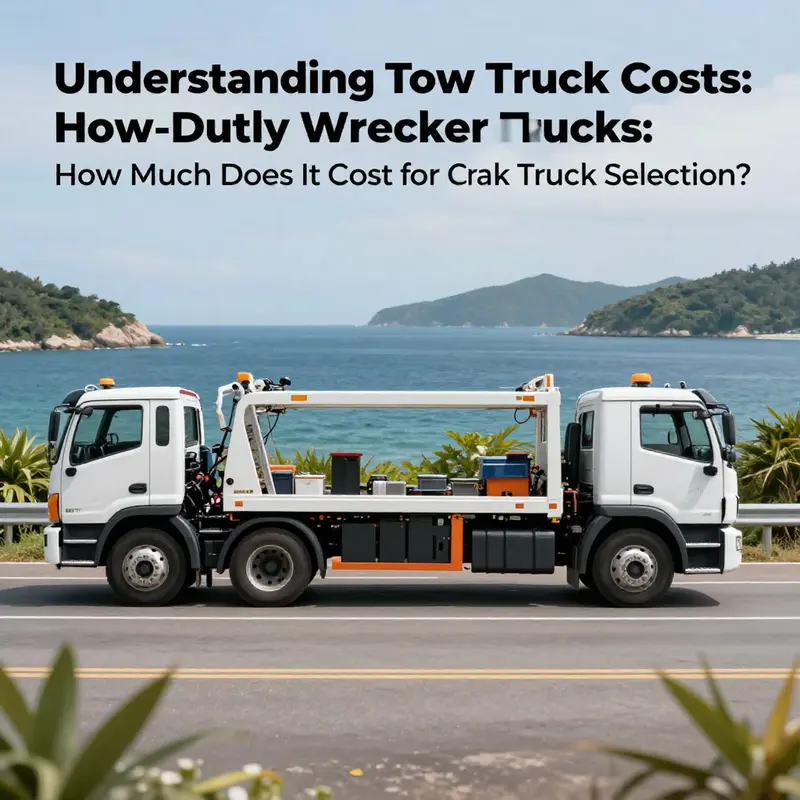
Choosing the right tow truck is more than picking a machine with the right lifting capacity. It is a decision that folds planned usage, risk exposure, maintenance realities, and long-term operating costs into a single financial equation. In urban environments, light-duty wreckers offer nimble performance and lower upfront costs. In contrast, heavy-duty wreckers are built to recover the biggest vehicles and perform in demanding situations, but they come with steep price tags and more complex ownership requirements. The heart of the matter lies in translating raw capacity into a credible total cost of ownership that aligns with the fleet’s on-the-ground realities. When a fleet manager weighs these options, the calculation must extend beyond sticker price and into durable mechanics of uptime, parts, training, and the often overlooked freight and delivery chain that moves a truck from factory floor to service bay. \n\nLight-duty wrecker trucks sit at the lower end of the capacity spectrum, yet they dominate many private towing operations and municipal tasks that keep ordinary roads clear during daily incidents. These lighter machines are designed to move smaller passenger cars, compact vans, and light sport-utility vehicles. Their towing capacities typically fall in the range of roughly three to seven tons. That scale fits urban rescues where streets are narrow, parking is tight, and response times must be fast. From a business model perspective, the appeal is straightforward: lower upfront cost, simpler maintenance regimes, and a shorter lead time from order to road-ready. In many cases, a light-duty platform can be procured for well under the price point of a single heavy-duty unit, making it attractive for smaller operators or fleets with a focus on volume rather than extreme lift. Pricing examples echo that affordability; basic 5-ton flatbed configurations can surface on global marketplaces for a few thousand dollars, sometimes just under the five-figure mark, depending on configuration, materials, and included winches or auxiliary equipment. While those figures represent the lower bounds of the market, they still translate into real opportunities for smaller outfits looking to establish a dependable towing capability without tying up capital in a single, high-ticket asset.\n\nBut price is only the first chapter in the story. Within the light-duty category, the total cost of ownership reflects a chain of dependencies: the reliability of the hydraulic system, the durability of the flatbed instrumentation, the availability of spare parts, and the ease with which field technicians can service the truck. A platform built on widely adopted hydraulic components and chassis configurations tends to offer lower maintenance costs because parts are plentiful and labor markets are familiar with the underlying technology. Conversely, a light-duty machine that relies on specialized, hard-to-find components can incur higher service costs and longer downtime when repairs are needed. For owners evaluating these machines, it is not enough to write down an enticing sticker price; they must forecast maintenance cycles, anticipated replacement intervals for critical components, and the cost of critical wear items such as winches, cables, hydraulic hoses, and bed rollers. In practice, these factors shape the actual affordability of a light-duty unit over the first five to seven years of ownership and set expectations for depreciation, resale value, and potential downtime that could interrupt service.\n\nFrom the supplier perspective, the approach to pricing for light-duty platforms is often straightforward and transparent. Market listings commonly emphasize the basic parameters: load capacity, deck length, bed type, and the presence or absence of auxiliary equipment such as powered winches, wheel lifts, or lighting packages. In some regions, buyers can discover entry-level units priced at the low end of the spectrum, with a rapid ascent to higher specs that enhance winch capacity, recovery accessories, or all-weather performance. The practical implication for an informed buyer is to map the intended use to a rough capacity envelope and then compare the incremental cost of upgrades that meaningfully improve job performance. If a fleet handles a large number of small vehicles daily, a 4- to 5-ton configuration with robust bed integrity and reliable hydraulics may deliver the best return on investment. If the mix includes occasional mid-sized vans or compact SUVs, the same platform might be upgraded with a more powerful winch or a longer bed to reduce cadence losses during a typical shift. These decisions influence not just the upfront price, but the cadence of maintenance, the logistics of operator training, and the readiness of the unit for immediate deployment when a call comes in.\n\nThe heavy end of the spectrum introduces a different calculus. Heavy-duty wreckers, capable of handling substantial loads and even trailer configurations, sit at capacities that extend well beyond the everyday, pushing into 12 tons and up, with some specialized units designed for much larger recovery tasks. These machines are designed for scale and resilience. They are the toolkits of government fleets, large towing operations, and transport logistics teams that must recover very heavy vehicles, rollovers, or multiple-axle configurations in challenging environments. The price signals for these behemoths tend to be steep and less transparent. Public price listings rarely publish exact numbers because the final figure is heavily contingent on configuration, optional features, and the terms negotiated with a supplier. Instead, buyers are guided to initiate direct inquiries to suppliers to obtain quotes that reflect precise needs—payload, chassis reinforcement, hydraulic pressure, winch capacity, outriggers, stabilization gear, and safety systems. The absence of a publicly posted price is not a sign of secrecy but a reflection of the bespoke nature of heavy-duty configurations and the complexity of freight, import duties, and lead times. In practice, this means that a heavy-duty unit may require longer lead times, more careful logistics planning, and a more involved procurement process. It also implies that the true cost of ownership includes not only the sticker price but the ongoing demands of service contracts, specialized maintenance, and emergency-response readiness.\n\nFor fleets weighing these two ends of the spectrum, the decision matrix becomes a balancing act between immediate budget constraints and the long-range needs of service reliability. The light-duty option can fill a substantial portion of daily towing tasks with reasonable uptime and predictable maintenance, all at a price point that enables fleet diversification or staged capital deployment. It also allows a fleet to build-up experience, train operators, and refine dispatch routines without risking large, singular investment tied to peak demand periods. Heavy-duty units, while dramatically capable, demand a different kind of financial discipline. The upfront cost is just one piece of a broader equation that includes highly specialized maintenance programs, access to skilled technicians, and parts inventories that can stretch procurement resources. The heavy-duty choice also invites strategic questions about fleet redundancy, risk coverage, and scalability. If a fleet experiences occasional surges in demand for heavy recoveries or the occasional overturned vehicle, the economics of owning a heavy-duty unit begin to shift toward a blended strategy—one that may involve renting or leasing additional capacity during peak seasons or for specific high-risk operations.\n\nBeyond the numbers, owners must also consider the freight and delivery realities that can affect both light- and heavy-duty purchases. Freight costs are not uniform and hinge on the truck’s weight, the distance to the buyer, and the logistical chains that move heavy equipment across borders or between regions. Delivery times matter when a unit is needed to restore service after an incident or to meet seasonal demand. A long wait time can translate into costly downtime and interdepartmental scheduling headaches. Some suppliers also apply minimum order quantities or require certain payment terms that influence the shape of the cash flow. When all these factors are weighed against the operational benefits of owning versus renting, the final decision often rests on a nuanced view of risk, availability, and the strategic role the tow truck will play in the fleet’s broader emergency response framework.\n\nA practical way to anchor the discussion is to translate capacity into scenario-based needs. Imagine a midsize private towing operation focused on daily urban traffic incidents. The majority of calls involve passenger cars, light vans, and small SUVs. In that scenario, a light-duty platform with a reliable bed, a competent winch, and a robust hydraulics package provides a clean fit. The upfront price, when combined with maintenance budgets and downtime allowances, tends to prove more forgiving and easier to justify within a typical fleet budget. Now picture a regional government program that must handle a wider range of vehicles, from heavy trucks to buses, and occasionally perform complex recoveries on interchanges or rural roads. Here, the heavy-duty extreme capability becomes essential. Yet the same operation might still adopt a hybrid approach: keeping a core heavy-duty unit for peak loads and maintaining a rotating roster of rental or lease options to cover rare but critical events. This blended approach helps mitigate the risk of overcommitting capital to a single asset while preserving the organization’s capacity to respond effectively when the incident volume spikes or the vehicle mix shifts.\n\nThe costs of ownership also demand a careful look at maintenance ecosystems. Light-duty fleets benefit from modular, widely available components and service networks that can quickly replenish wear items and perform routine calibrations. Maintenance costs tend to be lower on a per-kilometer basis during the early years, especially when the vehicle is under warranty or enrolled in a comprehensive service plan. Heavy-duty fleets, by contrast, grapple with higher maintenance costs that escalate with the added complexity of the hydraulic systems, reinforced chassis assemblies, and high-capacity winches. Parts availability remains critical, but the procurement pathways are less standardized, and the expertise required to service these machines is more specialized. Insuring and licensing heavy-duty equipment can also carry higher premiums due to the increased risk profile and the potential for catastrophic failure if a system malfunctions during a recovery operation.\n\nThe choice between light and heavy-duty does not occur in a vacuum. It is tethered to the fleet’s operating context, the geographic realities of rescue work, and the overall risk posture of the organization. For fleets serving busy urban centers, the probability of frequent minor recoveries tilts the equation toward light-duty viability, particularly when paired with an efficient dispatch system and a clear tiered response strategy. When the mission includes frequent large-scale recoveries or operations in challenging terrains, the heavy-duty option becomes more defensible, even if it requires a more deliberate procurement plan and a longer time horizon for achieving a full return on investment. In both cases, the procurement journey benefits from a disciplined evaluation framework: quantify load demands, map out typical rescue scenarios, estimate maintenance and downtime, and compare the price of ownership plus operation across a three-to-five-year horizon. A well-structured assessment reveals not only how much a tow truck costs at purchase but how much it will cost to keep it functional and mission-ready when calls come in at any hour of the day.\n\nTo further ground this discussion in practical procurement realities, consider the broader ecosystem of resources available to buyers. For those seeking baseline price references and a sense of the market, listings on large, global marketplaces frequently surface low-entry light-duty platforms with modest specifications at appealing entry points. This market reality helps many small operators bootstrap their fleets while maintaining cost discipline. For teams contemplating heavier investments, the procurement process is often more intricate, involving direct supplier conversations, specifications customization, and the negotiation of delivery terms, onboarding, and training packages. These conversations typically yield a tailored quote that reflects not just the equipment but the totality of the supply chain, including freight, taxes, and potential financing terms. In such engagements, the question remains how much a unit costs, but the more impactful question becomes: what is the value of the unit in service, and how does that value scale with the fleet’s evolving needs? \n\nAs readers reflect on these contrasts, it can be useful to keep a resource-presence mindset. For ongoing guidance on fleet procurement strategies, you may want to explore practical insights provided by the broader industry community. The Island Tow Truck Blog offers a useful repository of practitioner-focused perspectives on equipment selection, maintenance strategies, and emergency-response planning that can illuminate the day-to-day realities of owning tow trucks in varied contexts. You can access this resource through a dedicated page for fleet readers. The Island Tow Truck Blog\n\nExternal considerations inevitably shape the final decision. Freight costs are not merely a line item; they influence the economics of the entire purchase. As noted in the broader market commentary, delivery timing, and total landed cost depend on shipment routes, local duties, and the possibility of freight surcharges that may arise in peak seasons or due to regional restrictions. Payment terms, too, can affect cash flow and budgeting. Some suppliers require payments in a specific currency or impose minimum order quantities, which can constrain small operators while offering advantages to larger buyers who can secure favorable terms through volume. All of these factors feed into the total cost picture and alter the true price of ownership far beyond the sticker price displayed on a catalog page. \n\nFor organizations evaluating both light- and heavy-duty options, the economic logic often points toward a staged capital plan. Begin with a light-duty unit to handle the day-to-day workload, while maintaining a strategic reserve to address peak periods or specialized recoveries. This approach minimizes the risk of underutilized assets and provides a growth path that aligns more closely with revenue cycles and service demand. If the workload reveals a persistent need for heavy lifting, the organization can then consider acquiring a dedicated heavy-duty platform or entering into a structured rental arrangement to cover seasonal bursts. The advantage of this blended strategy is twofold: it preserves financial flexibility and delivers predictable performance across different operating conditions. It also distributes training, maintenance, and reliability considerations across the fleet in a way that reduces the likelihood of unexpected downtime during critical recovery operations.\n\nIn summary, the decision between light- and heavy-duty tow trucks hinges on a precise alignment of vehicle capacity with actual workload, tempered by a realistic appraisal of maintenance demands, uptime guarantees, and total ownership costs. Light-duty platforms offer a low-cost entry point with faster lead times and simpler service ecosystems. Heavy-duty platforms command higher upfront investments and more complex upkeep but unlock the capacity to tackle the most demanding recoveries with confidence. The prudent path often involves a hybrid approach: build resilience with a core light-duty unit, retain strategic flexibility through rental or leasing arrangements for heavy-load events, and continuously reassess the fleet composition as incident patterns and recovery protocols evolve. In this way, the cost of tow trucks becomes less about a single price tag and more about a prudent, adaptive strategy that keeps the fleet responsive, capable, and financially sustainable across changing demand cycles. \n\nExternal references and practical anchors can help ground these decisions in current market realities. For baseline price references and practical listings, the following external resource provides context on light-duty flatbed options and their price ranges: https://www.alibaba.com/product-detail/Light-Duty-Flat-Bed-Tow-Truck-5-Tons-LHD_1600555228825.html. While this external listing offers a snapshot of the market, buyers should engage directly with suppliers to obtain customized quotes that reflect freight, taxes, and payment terms specific to their location and order size. Meanwhile, for ongoing guidance on fleet procurement strategy and emergency-response planning, readers can explore additional perspectives and case studies on The Island Tow Truck Blog. The Island Tow Truck Blog
Final thoughts
Navigating the intricate landscape of tow truck costs is crucial for local businesses operating in island communities. By assessing the features and prices of rotator, flatbed, and wrecker models, stakeholders can make informed decisions that best suit their operational needs. The right tow truck not only enhances service capabilities but also represents a strategic investment into the safety and efficiency of vehicle transport. Understanding these costs will empower you to select the best fit for your situation, ultimately benefitting both your business and your customers.