
For local auto repair shops, car dealerships, property managers, resort operators, and commercial fleet operators, understanding the costs associated with tow trucks is crucial. The type of tow truck you need can greatly influence your initial investment and ongoing expenses. This guide will delve into various categories of tow trucks, examining heavy-duty wreckers, advanced rotators, practical flatbeds, and specialized rescue trucks, rounding off with critical additional costs such as equipment, maintenance, and training. Each chapter is designed to provide clarity and support your decision-making process in a way that aligns with your unique operational needs on the islands.
Heavy-Duty Wreckers Redefined: The Real Cost of Large-Scale Tow Operations
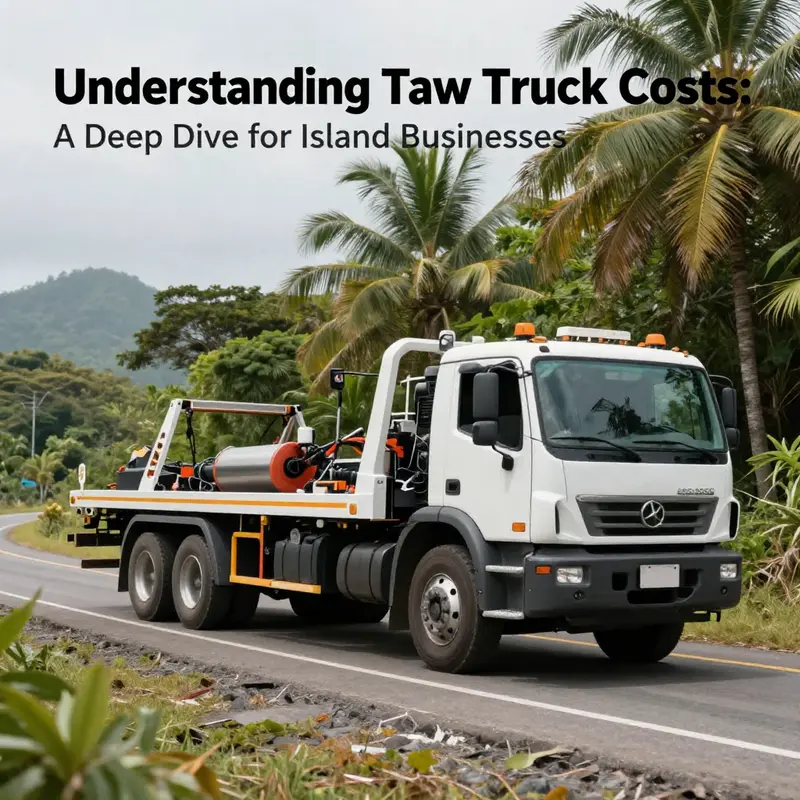
Heavy-duty wrecker tow trucks are more than road vehicles; they function as mobile recovery centers. In the heat of a major accident scene, infrastructure failure, or heavy vehicle breakdown, these machines must combine raw lifting power with precise control, durable construction, and dependable electronics. That combination translates into a price that reflects not only the sticker price but the total cost of ownership over years of service. When a fleet planner asks how much a tow truck costs, the answer is layered: the initial purchase price is only the first chapter in a story that includes installation, maintenance, operation, and eventual resale value. For large-scale recovery operations, the cost calculus centers on capacity, configuration, and the array of features that directly affect how quickly and safely a job gets done. The spectrum of options runs from robust but affordable baseline heavy-duty wreckers to highly specialized rotator units that can lift vehicles from virtually any angle. Across this spectrum, price points are shaped by the core question of what the operation needs to accomplish and the environment in which the equipment will run. A fleet that handles routine commercial trucking incidents may lean toward high lifting capacity and reliability at a moderate price, while an operator specializing in overturned vehicles or complex rescues may justify a rotator with a premium price tag. The economics are not only about buying power; they hinge on lifecycle costs, maintenance contingency, and the ability to deploy the right tool at the right time without compromising safety. In practical terms, a heavy-duty wrecker’s price is a function of capacity, drivetrain configuration, and the inclusion of advanced lifting and recovery features. Capacity classes tend to divide around light-duty, heavy-duty, and extra-heavy or specialized units. For large recovery tasks, the heavy-duty category is the backbone, designed to handle substantial loads, frequent use, and challenging sites. Drivetrain choices, such as 6×4 or 8×4 configurations, influence traction, stability, and fuel efficiency, all of which are reflected in the price. The more axles and more sophisticated driveline hardware a truck has, the higher the base cost, but often the better the overall performance in demanding environments. Included features such as a powerful winch, extended reach, multi-stage booms, and additional lifting capacities can push the price upward, yet these features are not luxuries when every minute of a recovery operation can determine the outcome of a scene. The price ramps up quickly when a unit incorporates a rotator, a capability that can reposition the boom to lift or recover a vehicle from any angle. Rotator-equipped wreckers are the most capable and the most expensive, and their price range commonly runs well into six figures. They bring a level of versatility that can be indispensable in complex scenes, where conventional straight-line lifting is not possible. The resulting cost reflects not merely hardware but the ability to complete tasks with lower risk and faster turnaround, especially in high-stakes environments like multi-vehicle collisions or incidents involving heavy machinery. For operators weighing the decision, the cost picture can be summarized as a spectrum. On the lower end of heavy-duty options, robust models designed for extreme recovery tasks start in the mid three figures, around thirty-six thousand dollars, and can climb toward eighty to ninety-eight thousand dollars when fully equipped with additional lifting options, enhanced hydraulics, and greater reliability systems. This range captures units that deliver the core function of a heavy-duty wrecker: to lift and tow substantial loads with consistent performance. On the high end, rotator tow trucks, which incorporate a rotating boom capable of lifting from multiple angles and positions, typically range from about one hundred fifty thousand dollars to three hundred thousand dollars or more, depending on the sophistication of the rotation system, the power of the winch, and the capacity of the crane. In addition to these headline prices, a practical buyer must consider the hidden layers of cost that accumulate over the life of the vehicle. Some units command higher purchase prices because they come with stronger warranties, longer service contracts, and favorable after-sales support. Customization options, including ODM or OEM services, can add to the base price based on how closely the vehicle must align with the operator’s workflow, safety standards, and regional regulations. A longer warranty period, sometimes extending to two years or more, can be a meaningful differentiator when weighed against a higher sticker price. Beyond the vehicle itself, the total cost of ownership includes operating equipment such as winches with substantial pull ratings, wheel lifts or axle pads, towing dollies, and a full set of safety gear and signage. Maintenance costs also rise with higher torque, more complex hydraulics, and larger engines. Fuel consumption is higher on bigger rigs, and routine maintenance—oil changes, filters, hydraulic fluids, and system diagnostics—tends to be more expensive per mile than on lighter equipment. Training and licensing costs are often overlooked but are essential, especially for rotator operations that require specialized handling and certification. The learning curve for high-capacity setups means ongoing education for operators, which translates into time and money but is a critical investment in safety and efficiency. When considering a purchase, it is prudent to request a detailed cost breakdown from suppliers. Prices can vary widely by region, supplier, and the degree of customization. A careful buyer will compare not only the initial price but the long-term value, including warranties, parts availability, and the expected lifespan of the equipment under typical workloads. For those exploring the market, resources such as industry-focused procurement platforms and B2B marketplaces provide current quotations and specifications that reflect up-to-date market conditions. Internal guidance from fleet managers who have faced similar decisions can also illuminate the practical implications of each option. For readers seeking a practical perspective on fleet considerations, resources at the Island Tow Truck blog offer broader context on how emergency response and fleet readiness intersect with equipment investment. Island Tow Truck Blog serves as a useful reference for understanding how the right tools fit into an overall preparedness and response strategy. The real-world takeaway is that purchasing a heavy-duty wrecker is not a one-time event but a strategic step in building a capable recovery operation. It is worth noting that the price landscape is mirrored by the availability of real-time quotations from manufacturers and suppliers. Market dynamics, particularly in regions with higher demand for heavy-duty recovery equipment, can push list prices upward and influence negotiation leverage. Conversely, buyers with flexibility in configuration, timing, and customization may secure favorable terms, including longer warranty periods and bundled maintenance packages. In the end, the key to a sound investment lies in aligning a truck’s capacity and features with the operation’s typical job profile, while also accounting for the predictable and unpredictable elements that recovery work entails. If you anticipate frequent, complex recoveries, rotator capabilities and enhanced lifting capacity can justify the premium, especially when they translate into faster scene clearance and reduced risk for personnel. If, however, the workload is more routine and equipment utilization is steadier, a high-quality heavy-duty wrecker without rotator may offer a more favorable cost-to-performance balance. Either path requires diligence in evaluating total cost of ownership, not just the upfront price. External reference for current quotations and specifications is available on established supplier platforms, including listings that reflect the latest market conditions. For those seeking a concrete starting point, a representative external listing can provide tangible figures for capacity and options, illustrating how a given configuration translates into a final price. External resource: https://www.alibaba.com/product-detail/50t-Sino-Truck-HOWO-8X4-Wrecker-Tow_1600773464370.html?src=marketplace&spm=a2700.shopsearch-84921570.0.0.7d9f7c5aKbRQ1l
Rotator Tow Truck Costs: The Expense of Advanced Tow Truck Technology
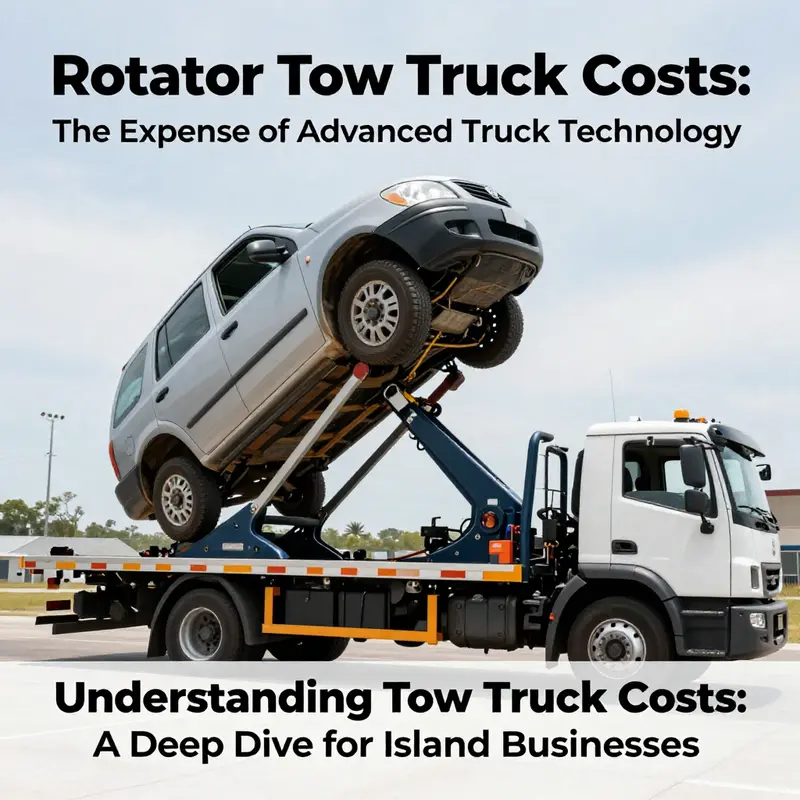
Rotator tow trucks sit at the apex of recovery technology, where power, precision, and safety converge to solve some of the toughest roadside and industrial challenges. They are not just bigger versions of standard wreckers; they combine a heavy-duty rotating boom, a robust chassis, and sometimes a crane, to reach and recover vehicles that would otherwise require multiple moves or risk collateral damage. This complexity is what makes their price so variable, and why buyers must look beyond sticker price to understand the total cost of ownership.
Pricing for rotator configurations spans a wide band, reflecting how different buyers intend to use them and how deeply equipped they want to be. In some market listings, a base 50-ton rotator heavy-wrecker setup can appear in the vicinity of US$59,000 to US$79,000 per unit with a minimum order of one. That figure, while startling in its accessibility, typically represents a basic combination of chassis and rotating superstructure with relatively modest options. It is important to note that many rotator packages that reach the higher end of the spectrum—especially those with a 60-ton independent boom, 360-degree rotation, larger engines, and enhanced hydraulics—will demand significantly more capital. In broader industry discussions, the more advanced, fully equipped rotator configurations can easily sit in the six-figure range and, in top-tier builds, move toward $300,000 or more. The variance is not merely about the boom size; it encompasses engine horsepower, drive configuration, and the breadth of add-ons such as cranes, heavy-duty winches, additional outriggers, and integrated safety and control systems.
To understand why the price can swing so widely, it helps to unpack the main levers that influence cost. Engine power is a primary factor, with configurations typically spanning roughly 266 horsepower to 371 horsepower. The difference matters, because heavier tow operations, on high-speed highways or under demanding load conditions, demand brisk torque and reliable power delivery. Then there is the drive configuration. Some rotators are built on a four-by-two chassis, others on six-by-four, and the most robust applications rely on eight-by-eight drive to maximize traction and stability when pulling from awkward angles or when traction is uncertain. The rotation mechanism itself can also become a price driver. A 360-degree rotating boom is inherently more complex and requires more precise controls and hydraulics, which translates into higher manufacturing and maintenance costs.
Customization plays a substantial role. Manufacturers offer a spectrum from standard recovery-ready platforms to bespoke superstructures tailored for road recovery, airport operations, or industrial sites. A company that needs to perform rapid, frequent rollovers or to operate in space-constrained environments may opt for specialized platforms, reinforced frames, heavier cranes, or integrated hydraulic systems designed for faster cycle times. Each of these enhancements increases upfront cost and, in some cases, ongoing maintenance. It is not unusual for fleets to request multi-configuration capabilities in a single vehicle, enabling rapid adaptation to different incident scenes. These tailored solutions can be worth the investment when a fleet faces frequent, high-risk recoveries or operates in jurisdictions with stringent safety standards.
Beyond the purchase price, the total expense includes several additional layers. Freight and installation can add thousands of dollars, depending on the distance from factory or dealer to a fleet location. The price may be affected by the cost of freight insurance and the logistics chain, as well as the availability of skilled technicians for installation and commissioning. Ongoing operating costs rise with the power and size of the machine. Larger rotators consume more fuel and incur higher maintenance bills; components like the hydraulic system, rotating joints, and crane hardware require regular inspection and replacement as wear accumulates. There is also the training and licensing bill: operating rotators safely demands specialized instruction, certification, and regular refresher courses to keep up with evolving safety standards and equipment features.
When a fleet makes a decision to invest in rotator capability, the calculation dwells on more than immediate needs. The value proposition rests on operational reliability, the ability to perform more complex recoveries without switching to multiple machines, and the potential to reduce vehicle damage during high-stress recoveries. In the field, time is money, and a rotator’s capacity to lift and rotate a vehicle from an awkward angle in one scene can dramatically shorten incident duration, minimize the risk to responders, and prevent secondary damage to vehicles and infrastructure. For operators on congested highways or in airports where space and safety margins are tight, the rotator’s precise rotation and controlled stabilizing outriggers translate into safer recoveries with fewer moving parts compared to ad hoc solutions. It is in this combination of capability and safety that the higher sticker price often finds justification.
The decision-making process for procurement remains nuanced. Buyers frequently request detailed cost breakdowns from suppliers to understand which features truly justify the premium. The price tag is never a standalone indicator of value; it is the sum of capability, reliability, and long-term maintenance commitments. A realistic purchasing plan should include a thorough evaluation of total cost of ownership over the expected service life, factoring in spare parts supply, warranty terms, technician training, and potential resale value. For fleets that anticipate a heavy workload of complex recoveries, rotator investments can be prudent; for others with infrequent, simpler needs, a more modest setup may deliver better economics.
For those seeking broader context on market dynamics and pricing trends, industry analyses remind buyers to consider regional supply conditions and currency fluctuations, as well as the availability of factory support and parts. The cost signals described here echo the wider market patterns observed in heavy-truck and construction-equipment segments, where capacity, deployment scale, and service ecosystems shape what customers ultimately pay. To gain a deeper sense of the macro environment, readers can consult external market research that surveys trends in major markets and clarifies how these advanced machines fit into national fleets. https://www.researchandmarkets.com/reports/6789012/china-heavy-duty-tow-truck-market-trends-2025-2026
Meanwhile, readers who want to explore practical implications for their own fleets may find value in resources that discuss readiness and response strategies for emergency operations. See essential fleet emergency response strategies for more on those strategies and how they relate to investing in higher-capacity recovery assets. Such considerations help align equipment choices with real-world needs and budgets, ensuring that the rotor’s promise is matched by disciplined operations and a clear plan for ongoing care.
Flatbed Tow Truck Costs and the Price of Safe Vehicle Transport: Navigating Capacity, Features, and Total Investment
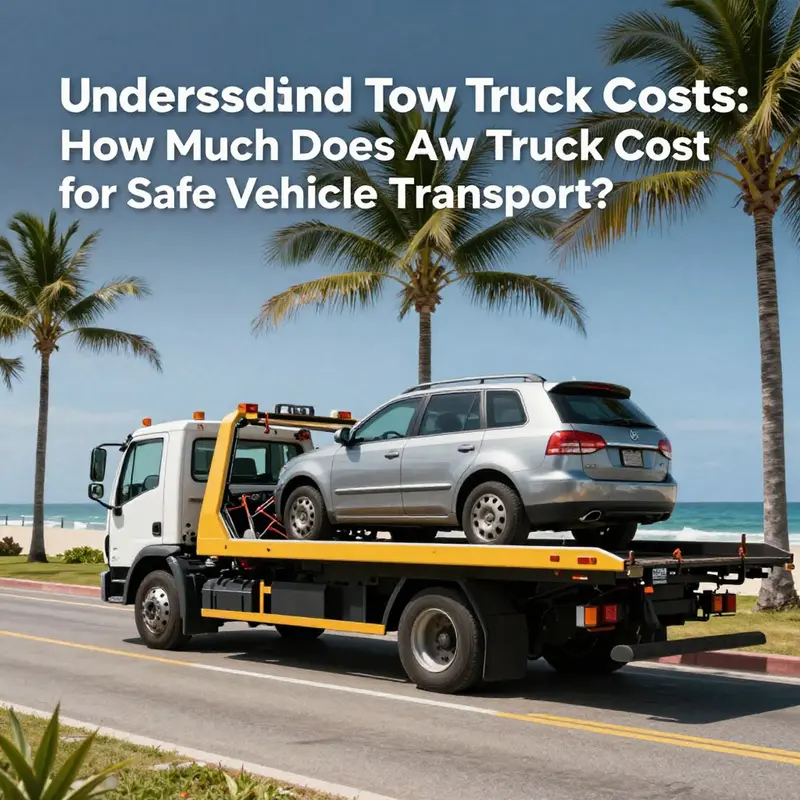
Selecting the right flatbed tow truck for safe vehicle transport means more than choosing a price tag. It requires reading the numbers behind the load, the road realities you face, and the hidden costs that quietly accumulate over time. A flatbed is designed to cradle vehicles during lifting, loading, and secure transport, reducing the risk of further damage and providing a versatile platform for a wide range of vehicle types. This practicality has a price that reflects not only the base price of the chassis and bed but also the specialized equipment, build quality, and long-term operating costs that compound as your fleet grows. For operators who prioritize safety and reliability, the first decision point is capacity. A typical five-ton flatbed designed for road recovery sits in a pricing window that can be understood as a floor for entry into professional service: roughly US$9,900 to US$42,600 per unit, with a minimum order quantity of one unit. These figures may seem broad, yet they map onto a pragmatic spread: lean, compact configurations built for frequent on-road towing versus more robust platforms intended to haul heavier non-operational vehicles. The range reflects not just the bed and hydraulics, but the broader package—sturdy frames, robust tires, corrosion protection, and the reliability of the hydraulic system that must work day in and day out without fail. As with any investment, the true cost of ownership extends far beyond the sticker price. When budgeting, operators should account for freight charges, regional certification requirements, and diverse payment terms. Freight can add a meaningful line item, especially when the unit is built to withstand rough handling or wheeled into remote service areas. Certification requirements vary by jurisdiction; some regions require operator training, vehicle inspections, or specific endorsements for low-profile or heavy-duty flatbeds. Payment terms may also influence the total outlay, with options ranging from upfront cash purchases to financing plans that spread the cost over several years. These details matter because they determine how quickly a service fleet can come online and begin generating revenue after purchase. Beyond the base price, the most consequential cost centers are equipment and ongoing operations. A flatbed’s core utility comes from its load-bearing capacity, the security features on the bed, and the precision of the tilting mechanism. A five-ton unit can be outfitted with a straightforward, secure platform for transporting damaged or disabled vehicles. Yet some operators opt for more advanced configurations, such as rollback systems with wheel lifts. These systems, capable of handling vehicles at unusual angles or in constrained spaces, can expand the types of recoveries you can perform, but they push price higher. In real terms, a more advanced unit might move into a price tier that reflects the added complexity: lengths and dimensions can be substantial—one rollback-ready model can measure up to 738 centimeters in length and 245 centimeters in width, with a height around 3130 centimeters and a gross weight of roughly 5,200 kilograms. Rust-proofing and enhanced safety features often accompany these upgrades, contributing to a higher upfront cost but offering benefits in longevity, reduced maintenance, and safer operations across loads and weather. While the five-ton baseline frames the market, there are alternative options worth considering when planning a fleet for safety-first vehicle transport. An eight-ton flatbed that includes a crane introduces a new spectrum of versatility. The crane expands operational capabilities, enabling lifting and moving heavier or awkward loads without relying on multiple vehicles or makeshift rigging. However, specific price points for this model are not always published, because customized configurations and dealer pricing heavily influence the final figure. This is where the total cost picture becomes clearer: the base price is a starting point, with a menu of add-ons, each of which alters the economic calculus. A common add-on is a wheel-lift system or a mechanical assist for distributing weight safely across axles. Alongside the bed and winches, the equipment fit-out includes safety gear—cones, vests, and flares—plus navigation tools, GPS tracking, and, increasingly, fleet management software that helps optimize dispatch and maintenance scheduling. Maintenance and fuel are not abstract costs; they manifest as predictable, recurring expenses that scale with the scale of your operations. Larger and more capable trucks consume more fuel and incur higher maintenance bills, especially as components like hydraulic pumps and bed hinges wear with use. Training and licensing, too, matter. Operators must master the nuances of loading, securing loads, and responding to high-stress recoveries in traffic, in fog, or at night. A well-trained crew reduces the likelihood of damage to vehicles in tow and increases overall safety, which can translate into lower insurance costs and fewer liability exposures—a meaningful return on investment over time. Within this broader context, it helps to compare the practical implications of different configurations. If your workload centers on rapid turnarounds and routine recovery, a five-ton flatbed with standard safety features may deliver the most favorable return, blending cost efficiency with reliability. On the other hand, if you frequently encounter stalled, overturned, or heavily damaged vehicles in constrained spaces, the additional upfront investment for a rollback or crane-equipped unit can extend your service window, reduce call-backs, and enable more complete on-site solutions. Either way, the buy-versus-lease decision hinges on your forecasted utilization, downtime costs, and the degree to which you must maintain a high standard of safety for drivers and motorists alike. The clarifying step is this: request a detailed cost breakdown from suppliers. A transparent quote should itemize bed construction, hydrau- lic capacity, crane reach (if any), wheel-lift ratings, corrosion protection, and the specific safety features included in the package. It should also spell out freight arrangements, delivery timelines, and any required certifications upfront. In the broader arc of fleet planning, these numbers connect with a larger philosophy of readiness. To borrow a lens from the field of emergency preparedness and fleet resilience, the cost of a capable transport unit becomes not simply an expense but an investment in reliability and response capability. This linkage is especially meaningful for island or remote-service fleets, where response times and equipment reliability translate directly into outcomes for stranded motorists and businesses alike. For readers exploring these considerations within a broader framework of fleet readiness, you can explore related strategies at essential fleet emergency response strategies. This resource offers a cohesive view of how the right mix of equipment, training, and preventative maintenance contributes to a stronger, faster response network in demanding environments. In practical terms, budgeters should also anticipate the total cost of ownership when planning purchases. Factor in freight to the destination, potential shipping delays, and warranty terms that affect repair costs down the line. Maintenance intervals, spare parts availability, and technician proficiency all influence uptime and the frequency of dispatch delays. The calculus then becomes a question of your operation’s cadence: how many calls per day or per week, what mix of recoveries do you handle, and what contingencies are built into your service model to keep the fleet on the move during peak periods. When you finalize your plan, remember to look beyond the sticker price and toward the total investment—how the chosen configuration aligns with service quality, driver safety, and dependable uptime. If you need a tangible benchmark while you weigh options, consult listings on major industrial vehicle marketplaces to compare specifications and current quotes. For a concrete example of available configurations and pricing variations, you can view related product listings at this external resource: https://www.alibaba.com/product-detail/5-Tons-Camion-Auxilio-Pesado-Flatbed_1600784568201.html. Such listings illustrate how subtle differences in capacity, features, and optional gear can shift the cost curve and alter which configuration best suits your operational needs. In the end, the right flatbed tow truck price is the one that fits your load profile, your risk tolerance, and your financial planning, while keeping the roads safer for everyone who shares them. For readers seeking a broader sense of how fleets prepare for emergencies and plan around critical equipment, the internal guide on essential fleet emergency response strategies offers a complementary perspective and practical pathways to align capital decisions with urgent service requirements.
null
null
Beyond the Sticker Price: The Hidden Equipment, Maintenance, and Training Costs of Owning a Tow Truck
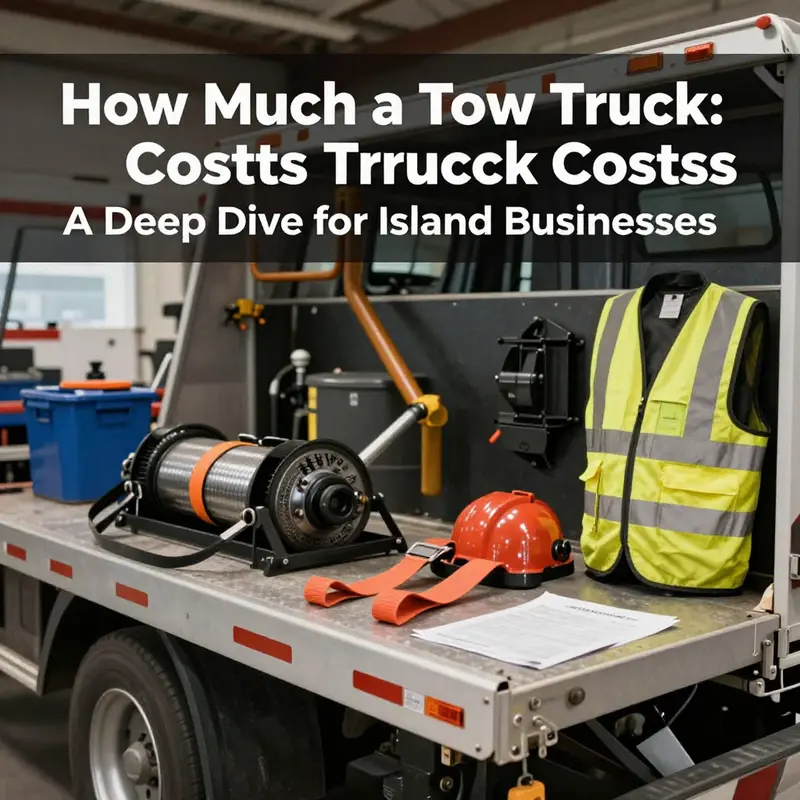
Owning a tow truck starts with a sticker price, but the true cost of ownership stretches far beyond the sheet. The price tag catches the eye, yet the ledger that follows demands careful planning. The market offers a spectrum of configurations, and that flexibility translates into different price points. A heavy-duty wrecker, built to haul large commercial vehicles or even buses, typically sits in a higher tier—roughly $95,000 to $155,000 for a single unit—depending on size, hydraulics, and build quality. That initial figure can be intimidating, but it is only the opening chapter of the financial story. For newcomers or smaller fleets, leasing can be an effective way to manage cash flow while still gaining access to capable equipment. Leasing preserves capital for operating needs and lets you scale up as demand grows, a practical approach for businesses that want to test service areas or adjust capacity without committing to ownership from day one.
Rotator tow trucks, the most advanced and specialized category, bring a different calculus. The rotating boom enables access to overturned or tightly constrained vehicles, but the technology and training demanded by rotators push the price considerably higher. A rotator can easily range from $150,000 to $300,000 or more, depending on boom reach, rotation speed, hydraulic capacity, and whether additional stabilization or assistive devices are included. The higher upfront cost is matched by the potential to bid on more complex recoveries, yet it also requires a commensurate level of maintenance, financing discipline, and operator proficiency. In practice, rotators demand not only investment but also ongoing investment in training and safety, to protect your crew and the vehicles you tow.
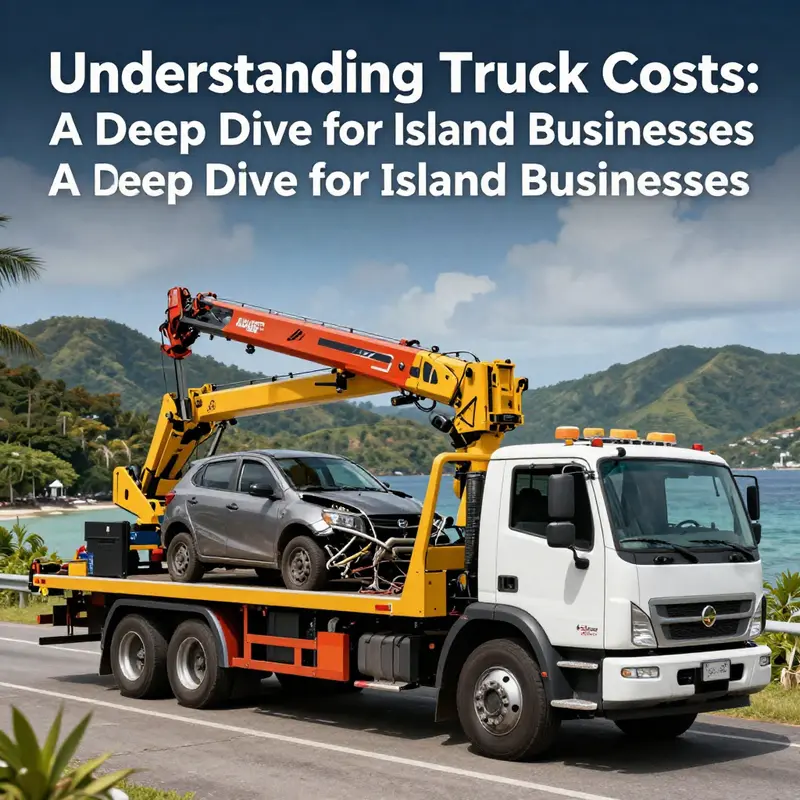
Flatbed tow trucks provide a versatile middle ground. They are favored for delivering vehicles safely—whether cars with AWD systems, low-clearance sports cars, or four-wheel drive pickups—without the rigging risks that sometimes accompany other configurations. The price for smaller or midrange flatbeds typically falls in the neighborhood of $12,800 to $39,800, though more robust or feature-rich flatbeds can exceed six figures when you add advanced stabilization, wheel-lift systems, multiple winches, or upgraded cranes. Then there is the factory-price rescue flatbed wrecker with a crane, advertised with a starting point around $12,800; prices rise with crane capacity, higher winch strength (often up to several thousand kilograms), and other add-ons. The wide spread in flatbed pricing matters because it translates into vastly different service capabilities, schedule reliability, and the types of roadside calls you can confidently handle without partner assistance.
These sticker prices, however, only hint at what a tow operation will actually spend over its lifetime. The equipment you select sets the baseline, but there are many more costs that either magnify or erode profitability. Supplier scope, location, and customization options all drive final numbers. As you compare bids, demand a detailed breakdown that lists not just the base price but every add-on, extended warranty, and installation fee. The consequences of missing items become evident when a repair bill lands after a few thousand miles of wear. For fleets facing particular geographic constraints—say, an island setting or a region with severe weather—the choice of equipment might also be influenced by accessibility, clearance, and the ease of transporting the unit to job sites.
Beyond the chassis and body, you must regard the array of operating equipment that turns a bare frame into a ready-to-work tow truck. Winning gear—winches, wheel lifts, straps, towing dollies, axle pads, safety cones, reflective vests, flares, light bars, sirens, GPS systems, and fleet-management software—enters the cost equation well before the first tow. Some of these items are bundled with certain packages, while others are optional upgrades that improve efficiency or safety. Even modest accessory kits can add several thousand dollars to the first-year outlay, and maintenance contracts for these items can compound annual costs if you pursue premium safety or telematics features. The math matters because every dollar spent on quality equipment translates into smoother recoveries, reduced on-scene downtime, and fewer liability events when things go wrong.
Maintenance is the quiet giant in the cost picture. Tow trucks endure heavy use, operate under demanding conditions, and contain complex hydraulic and drivetrain components that face accelerated wear. Regular, preventive maintenance reduces the risk of unexpected downtime but does require budget discipline. A blunt estimate shows that when fully loaded, these trucks may consume about 6 to 10 miles per gallon, with idling during recoveries adding to fuel burn. The real fuel picture depends on routing, call volume, and geography. The financial impact can be substantial when you factor in regional fuel prices and the frequency of long hauls or repeat calls. The maintenance ledger includes tires, brakes, hydraulic pumps, seals, transmission servicing, cooling system checks, and electrical components. It also factors in the cost of oil changes, filters, and fluid replacements that keep hydraulic lines and the engine performing under stress. Routine inspections, proactive parts replacement, and a reliable supply chain for spares save money over time by preventing costly breakdowns and extending the life of the investment.
Training and licensing sit at the intersection of safety, compliance, and customer confidence. Operators must be skilled in safe towing procedures, but more than that, they need to handle different vehicle types with care—four-wheel drives, all-wheel drives, or heavier vehicles with complex undercarriages. Rotator operations demand specialized training in stabilization, lifting, and precise maneuvering in constrained spaces. The cost of training varies by region and program depth, but it represents a critical ongoing expense because it directly influences accident avoidance, cargo protection, and liability exposure. Alongside training, there are ongoing overheads: insurance premiums that reflect fleet risk, licensing renewals, vehicle registration, and administrative overhead. These costs accumulate annually and should be forecasted with a conservative lens, especially for smaller outfits that lack a diversified revenue base.
From a financial planning perspective, the decision to own, lease, or borrow against equipment matters as much as the equipment choice itself. Leasing can reduce upfront cash outlays and preserve liquidity, while financing can allow ownership over time and potential tax advantages through depreciation. Either path requires a realistic view of maintenance and operating costs that will continue to accrue long after the warranty expires. For prospective owners, a robust budgeting exercise should include a maintenance reserve, fuel contingency, and a line item for ongoing training. It is easy to underestimate these expenses when the immediate thrill of securing a new asset dominates planning. The result is a mismatch between quoted monthly payments and actual cash flow, which erodes profitability in months of low demand or high repair bills. A practical approach is to simulate different call volumes and average repair costs, then adjust the budget for seasonality and potential regulatory changes that affect insurance or licensing costs.
For readers navigating these scales of investment, the path to smarter procurement also rests on context. If your operation is tied to a particular geography—like an island fleet or a region with limited road access—the cost calculus grows even more nuanced. In such contexts, it pays to consider equipment that minimizes downtime and simplifies transport to recovery sites, even if that means paying a bit more upfront for reliable performance and easier maintenance access. For those exploring emergency-response readiness within island fleets, you can learn more at Emergency Preparedness for Island Fleets. This resource underscores how readiness, response time, and regulatory compliance intersect with cost decisions to shape a sustainable, resilient service. Emergency Preparedness for Island Fleets.
As you assemble the data for a formal bid, remember that quotes are not universal. Prices shift with the supplier, the region, and the exact configuration you require. The most reliable path is to request a complete, itemized breakdown from several reputable providers and compare not only the price but the value of service contracts, training packages, and maintenance terms. A thorough quote should address upfront costs, the expected maintenance envelope, fuel efficiency expectations, and the anticipated lifespan of critical components under peak workload. Finally, for a broader approach to understanding ownership costs that aligns with professional best practices, see a comprehensive guide on Tow Truck Ownership Costs. The guide offers a framework you can adapt to your market and your business model: https://www.towtrucks.com/ownership-costs-guide.
This chapter thus frames the financial image of tow-truck ownership as more than a single purchase. It emphasizes the discipline of budgeting for a suite of ongoing costs that determine whether a fleet remains viable through downturns and competitive pressure. The sticker price is only the opening page; the real story is written in the maintenance ledger, the training calendar, and the terms of your financing arrangements. When you weigh the cost of a heavy-duty wrecker, a rotator, or a flatbed against the expected workload, it becomes clear that profitability hinges on accurate forecasting, robust equipment, and disciplined management of every dollar spent after the sale. The result is not simply a price to be paid but a strategy to be built around the service you provide, the safety you guarantee, and the resilience of your operation over time.
Final thoughts
Navigating the costs of tow trucks is essential for ensuring your business operates smoothly on our islands. Understanding the diverse options—from heavy-duty wreckers to advanced rotators, flatbed trucks, and rescue vehicles—enables you to make informed decisions that support your operations. Moreover, recognizing additional costs associated with equipment, maintenance, and training will help you budget effectively and establish a sustainable towing solution. By investing wisely, you can enhance your service offerings and ensure timely assistance for your clients.