
Facing a vehicle breakdown can be stressful, especially when you’re waiting for a tow truck. For local auto repair shops, car dealerships, property managers, and commercial fleet operators, knowing how long a tow truck takes to arrive is vital. The response time directly affects your operations, customer satisfaction, and emergency protocols. This article delves into the intricate factors influencing tow truck arrival times, such as urban vs. rural dynamics, the importance of location, the technological advancements in tracking, and peak demand implications. By understanding these nuances, you can better prepare for roadside emergencies and improve service delivery.
null
null
How Long Does a Tow Truck Take to Arrive? Decoding Urban Rhythm and Rural Distances
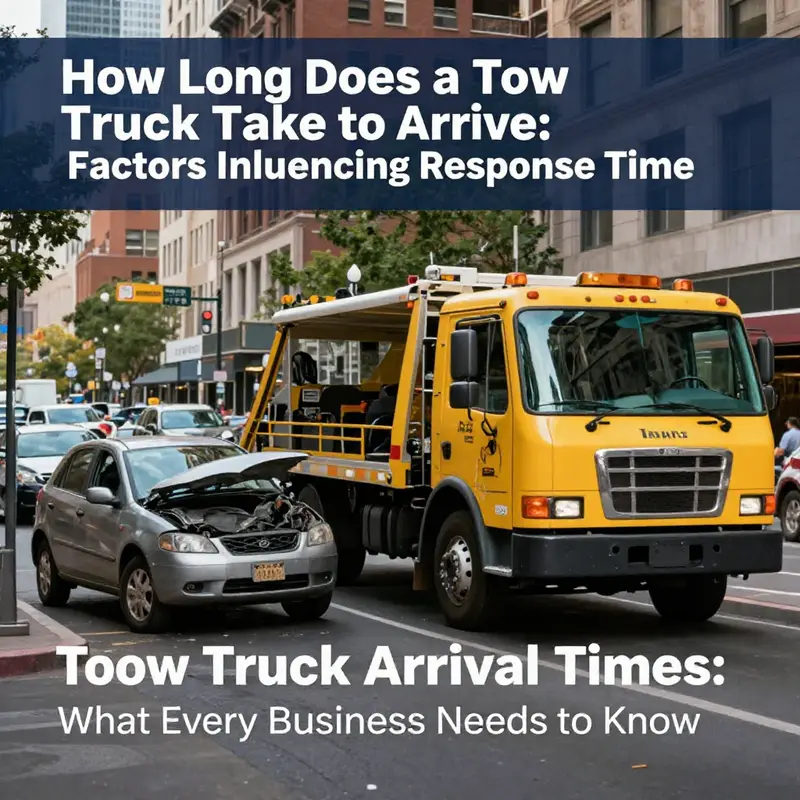
When a vehicle breaks down or an accident blocks the lane, the clock becomes part of the emergency. The question “how long will a tow truck take to arrive?” is not a single number but a moving estimate shaped by place, time, and the tempo of the road network. Arrival times hinge on more than the distance from the nearest driver. They reflect a balance between demand and supply, the type of incident, road conditions, and the way dispatch and navigation tools marshal the fleet to the most efficient route. In practice, this means that the ETA you see after you confirm a booking is a best current guess, not a fixed promise carved in stone. Real-time tracking offers transparency and a sense of control, letting you watch the journey unfold and adjust expectations as traffic and weather evolve. The core idea is simple: the closest available tow truck, guided by live data, becomes the mover of your moment of need. But the details matter and they swing widely from one setting to the next.
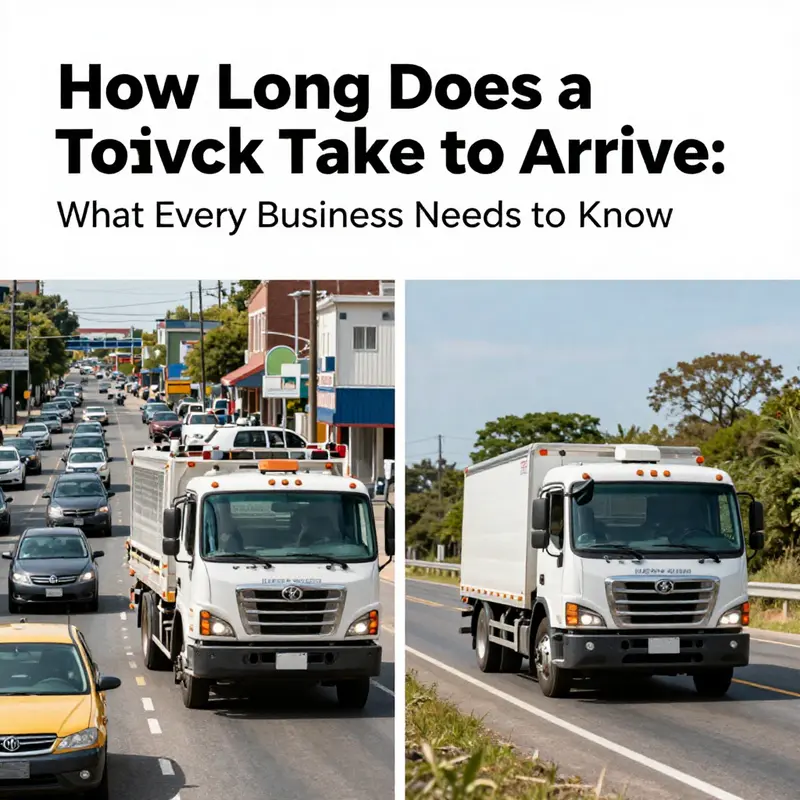
In urban environments, the physics of a daily commute interacts with the logistics of breakdowns, and the result is typically a faster arrival window. City streets teem with fleets, and towing services with broad coverage can usually field multiple trucks within a short radius. The density of service providers means that, on average, a tow truck can be en route within minutes and arrive within the 15- to 30-minute range after you place the request. It is not a universal guarantee—traffic snarls, minor incidents that occupy traffic lanes, or a deluge of requests during bad weather can stretch that window—but the odds favor quicker turns in the city. Dispatch systems in metropolitan areas are engineered to prioritize the closest viable option, in many cases assigning a truck that can reach you fastest with the fewest turns on congested roads. Real-time dispatch software, which tracks location and plots optimally, plays a crucial role here. You can see the route unfold, counting down to the moment of arrival, while the dispatcher re-optimizes on the fly if a ghost vehicle appears or another call changes the landscape.
This dynamic is partly why urban experiences tend to feel more predictable, even when the weather is bad or a major event clogs the streets. The same systems that locate the nearest truck also help keep the driver moving toward your location rather than circling aimlessly. In some major cities, there may even be priority dispatch for certain incidents that block lanes or require rapid clearance of traffic. The practical takeaway is that if you are in a city with robust coverage and visible lane options, patience is tempered by a sense of reliability: the clock is ticking, but the mechanism driving the clock is actively managing the shortest, safest route to you.
Move away from the city lights, and rural roads tell a different story. In many rural or remote areas, the density of towing services drops as the terrain stretches outward toward farms, hills, and small towns. Fewer trucks mean longer distances between the base and the breakdown, and that translates to longer wait times. A typical rural ETA can drift into the 45-minute territory or longer, occasionally extending to an hour or more, particularly during peak demand periods like winter storms, holidays, or extended bouts of severe weather. The challenges multiply when the terrain includes winding roads, steep grades, or limited cell service that can disrupt real-time updates. Long distances between service hubs also mean that a tow truck may not only travel farther but may also need to coordinate across counties or with other providers to ensure coverage in a given area. In remote locations, a single provider may be the only option for miles, and that reality inherently lengthens the time between your call and the arrival of help.
Weather and road conditions compound these effects. Snow, ice, heavy rain, fog, or slick surfaces can slow travel for any vehicle, but the impact on a tow truck is magnified by the slow approach, careful maneuvering, and, in some cases, the need for specialized equipment to navigate obstructed lanes or uneven surfaces. In rural zones where road maintenance cycles can differ from urban norms, winter weather can create longer detours or back routes, further extending arrival times. Terrain itself matters: unpaved roads, steep descents, and limited turning radii demand slower, more deliberate driving and sometimes additional crew, all of which ripple into the ETA. To travelers in these regions, preparation becomes a practical mindset. Knowing local contacts in advance, maintaining roadside assistance coverage that accepts extended response times, and having a plan for where to wait safely away from traffic can reduce stress when minutes stretch into longer spells of waiting.
A set of everyday factors also shapes the ETA across both urban and rural settings. Call timing and the information you provide at the moment you request service have measurable effects. A precise location, clear landmarks, and a description of the vehicle’s condition help the dispatcher allocate the right equipment and assign the driver with a route that minimizes backtracking. If you can be reachable by phone, with the phone charged and the line open, the dispatcher can confirm the ETA, adjust it as conditions change, and notify you of any unexpected delays. Accessibility matters too. A tow truck may need to reach you on a wide shoulder, a narrow lane, or a private drive, and each scenario can introduce additional steps or restrictions that alter timing. If your vehicle is in a tight curbside space or a location with awkward ingress, the operator may need to perform careful positioning or require you to move hazards away first, which adds minutes but can prevent accidents and damage.
The human element should not be overlooked. Dispatchers balance speed with safety, and drivers tolerate the same uncertainties that all road users face: a sudden detour, a detour around an accident, or a temporary road closure. This is where the ETA becomes a best-available estimate rather than a fixed promise. One of the most empowering aspects of modern roadside assistance is the transparency offered by live tracking. Even when you cannot see the road, you can watch the progress, recognize the turning points, and gauge the moment your helper will arrive. This transparency helps calm the tension of the wait and fosters a sense of trust between you and the service provider, reinforcing the idea that you are not left in the dark as the situation unfolds.
For readers seeking a broader sense of how roadside response works and the factors that shape arrival times, it can be helpful to explore practical discussions on roadside operations and planning. The Island Tow Truck Blog offers accessible perspectives on how fleets coordinate, communicate, and respond to varying demand in real time. The insights there complement the concrete knowledge of urban versus rural timing and help readers translate ETA expectations into actions they can take before and after a booking. For a deeper dive, see The Island Tow Truck Blog. The Island Tow Truck Blog.
If you want a broader, more formal frame of reference, consider the national guidance that highlights how response times can vary significantly based on location. According to federal resources, urban areas typically see faster arrival times than rural ones, reflecting the density of providers and the proximity of qualified drivers. This higher availability translates into shorter wait windows, especially when traffic patterns support efficient routing. Yet, the same guidance emphasizes that no single ETA applies universally, and variability is inherent to the system—driven by demand surges, weather, road conditions, and the realities of a dynamic roadway network. The practical implication for anyone preparing for a roadside incident is to plan for variability, not a fixed deadline, and to leverage available tools to monitor progress in real time.
The result of all these moving parts is a straightforward, if sometimes surprising, truth: the ETA is a live, evolving metric. In cities, you often see a quick turn of events and a shorter wait. In rural zones, you may experience a longer, more gradual approach, buffered by patience and preparation. The best strategies for navigating this uncertainty are practical and simple. Share precise location details with the dispatcher, stay in a safe, visible area, keep the engine off or in a safe mode if advised, and keep yourself and your passengers safe while the tow operator works. If you have a plan for where to wait—ideally in a safe, well-lit spot away from moving traffic—you reduce risk and often improve the efficiency of the eventual rescue.
In sum, the length of time a tow truck takes to arrive is a composite of proximity, demand, terrain, weather, and the efficiency of the dispatch network. It is not a single universal duration but a spectrum shaped by place and circumstance. Urban areas tend to deliver quicker responses thanks to dense provider networks and refined routing, while rural areas endure longer waits that reflect distance, fewer resources, and the vagaries of the road. By combining clear, accurate information with real-time tracking and a mindset prepared for variability, travelers can navigate the inevitable delay with less stress and greater confidence. External resources can provide additional context about how these dynamics play out at a national level, and the embedded links above offer pathways to more practical, location-specific guidance. For a broader federal perspective on how timing can vary across different landscapes, see the external reference and explore the full picture of roadside assistance and towing services: https://www.nhtsa.gov/roadside-assistance-and-towing-services#:~:text=Response%20times%20for%20tow%20trucks%20can%20vary%20significantly%20based%20on%20location%2C%20with%20urban%20areas%20typically%20seeing%20faster%20arrival%20times%20than%20rural%20ones.
Arrivals on the Move: How Location Shapes Tow Truck ETA and What It Means for You
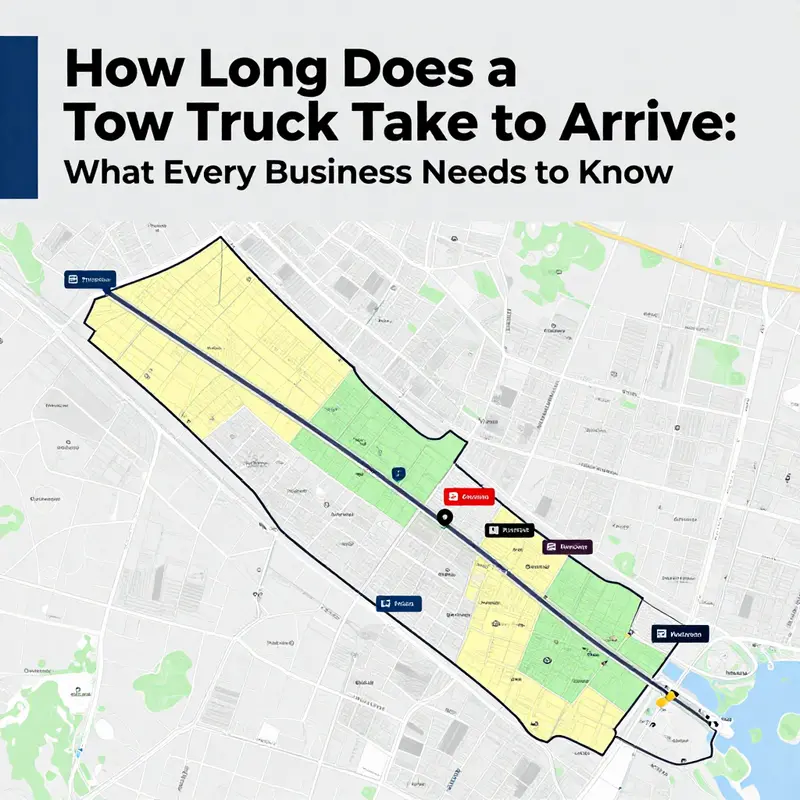
The moment you realize you need help from a tow truck, the clock starts ticking in a way that blends minutes with uncertainty. Tow arrivals hinge on a web of real-time variables that shift as you and the landscape around you change. Location matters: where you are, where the incident occurred, and the movement of surrounding traffic all influence how quickly a tow truck can reach you. ETA becomes a dynamic projection that updates as dispatch decisions and road conditions evolve. Modern roadside services use dispatch systems, GPS tracking, and live traffic data to route the nearest available tow truck. After you book, you don’t just get a rough estimate—you get an arrival time tailored to the moment you pressed the button, with real-time progress if you use a mobile app. This transparency reduces anxiety during a breakdown on a highway, in a city, or in a remote area.
In urban areas, proximity and density help: arrival windows of roughly 15–30 minutes are common because dispatch teams monitor truck locations, traffic speeds, and eligibility to re-route if delays occur. Real-time tracking provides a faithful narrative from dispatch to your location and helps you coordinate with others waiting with you.
In rural regions, fewer providers and longer distances can extend arrivals to an hour or more. Weather also adds complexity; icy roads or heavy rain can slow even short trips. Seasonal variations increase ETA variability in winter and during severe weather. These dynamics reflect how location, demand, and road conditions shape what you experience.
The practical upshot is that ETA is a live forecast, not a fixed milestone. A dedicated mobile app can pinpoint your location, identify the nearest tow, and calculate routes from live data. Updates reduce uncertainty, allowing you to move to a safe spot, gather documents, and inform others. Transparency supports safety, reliability, and accountability across drivers, dispatchers, and bystanders.
For readers who want deeper insight, resources on dispatch decisions and fleet management illustrate how information flows across the system to yield a continuously updated ETA. If you’re curious about how dispatch optimization translates to practice, ongoing discussions about speed, safety, and reliability offer practical guidance.
External reference: For broader regulatory and safety context on towing and transportation, see https://www.nhtsa.gov/vehicle-safety/towing-and-transportation.
Beyond the Static ETA: Real-Time Tracking, Predictive Tech, and the Clocked Reality of Tow-Arrival Times
When a vehicle breaks down on a busy highway or a frozen lockout leaves you stranded in a quiet cul-de-sac, the moment you request help is the moment a quiet, underlying clock starts to tick. It isn’t a single fixed number but a dynamic estimate that shifts with every mile of progress, every turn taken, and every surge of traffic. The core question—how long does a tow truck take to arrive?—has shifted from a rough, generic promise to a precise, moment-by-moment forecast that can be watched and even recalibrated as conditions change. The transformation rests on a blend of location intelligence, real-time tracking, and smarter dispatch logic. It is a story of how modern roadside assistance has moved from a static promise to an adaptive service that reflects the actual road, the actual weather, and the actual availability of help at that very moment.
In the simplest terms, arrival time depends on three broad factors: your location, the current demand for service, and the availability of nearby towing resources. Location matters because urban areas typically have better coverage and more trucks on the road, while rural or remote stretches demand longer response times due to distance. Demand matters because a sudden spike—during a holiday travel surge, a severe storm, or after a multi-vehicle incident—can stretch the pool of nearby tow trucks and slow down otherwise efficient dispatch. Availability matters because the fleet’s current position may differ from its next-best option; a nearby truck may be en route to a prior assignment or may need to complete a detour to pick up a new customer. These three variables together shape the ETA you see after you confirm the request, and they can cause the ETA to drift as the situation evolves.
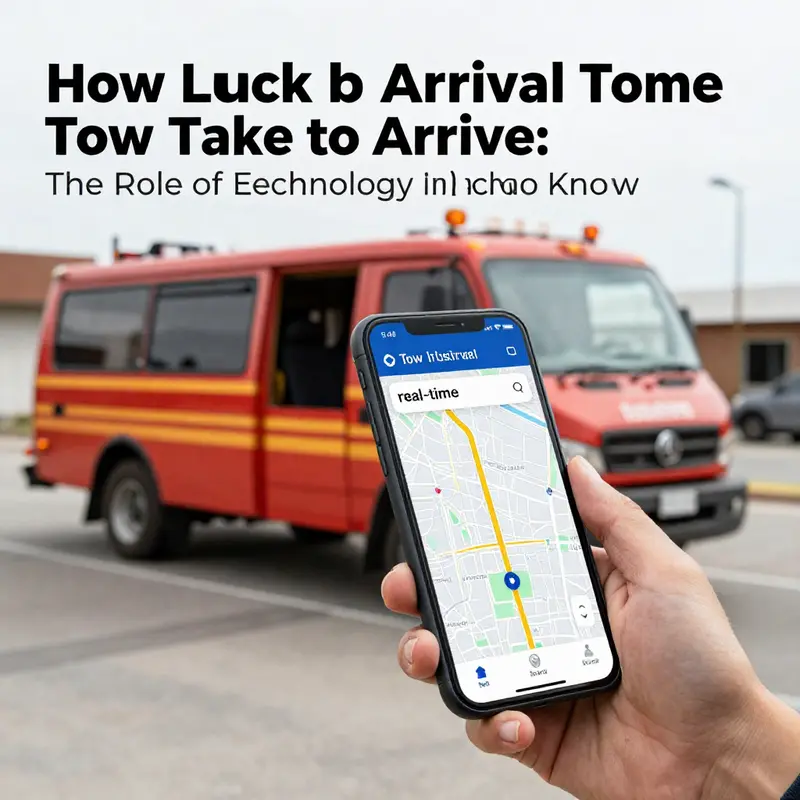
The most visible change in the last few years has been the rise of dedicated roadside assistance platforms that embed live tracking and intelligent routing into the booking flow. Instead of receiving a general ETA like “about 30 minutes,” a user now gets a dynamically updated window that narrows as the system recalculates. The app uses the vehicle’s GPS position in real time, so you can watch as the closest available tow truck pivots toward your location, navigating traffic, one-way streets, and any incident-related delays. This real-time visibility isn’t just about satisfaction; it’s a practical tool for safety and planning. If you’re waiting on a tow in a tented campsite on the edge of town, you’ll know precisely when the driver will arrive, and you can prepare accordingly—pull your car to a safer area, secure loose belongings, and keep a clear path for the driver to reach you.
In dense urban environments, the typical arrival window has become noticeably more consistent: many areas report an ETA of roughly 15 to 30 minutes after booking. That range is not a guarantee but a probabilistic forecast built from the balance of supply and demand, the efficiency of the dispatch system, and current traffic. In these settings, the number of available trucks is high, and the road network is well mapped, so the dispatch algorithms can steer the nearest vehicle toward you with confidence. The power of this approach is that it accounts for the unexpected: a sudden bottleneck, a wrong turn, or a short-lived failure of a traffic signal can be absorbed by the system’s ongoing recalculation, providing a new ETA without the user having to call back for updates. The practical effect is less waiting in the dark, more certainty in planning, and a smoother experience when time is of the essence.
Meanwhile, rural and remote regions tell a different story. Distances are longer, and the density of service providers is lower. The ETA in these settings tends to be longer and more variable, sometimes stretching beyond an hour, especially during severe weather, holidays, or after a sudden surge in demand. The technology doesn’t erase the geography; it clarifies it. It can still show you where the closest truck is and how long its path will take under current conditions, but the baseline reality is that travel times are inherently higher when the journey is longer and the network of responders is thinner. For someone stranded outside a town with flashing warning lights in the distance, those numbers become part of the scene—an honest picture that helps set expectations and reduces the shock of unexpected delays.
What makes this shift possible is a combination of GPS acuity and route optimization that feels almost instinctive to a user. The dispatch system no longer assigns a truck by a queue or by who called first; instead, it evaluates where the fleet is, where it’s heading next, and which vehicle can reach you fastest given the live traffic data. This is not a single magical map; it is an integrated workflow: a GPS ping from every vehicle, a live map, and a real-time solver that weighs the shortest path, the most efficient sequence of stops if the driver has multiple calls to service, and the potential impact of weather, road closures, or incidents ahead. The result is a precise ETA that updates as the route unfolds. The moment a truck encounters a new obstacle or an alternate route yields a revised ETA, you see the change, and you understand why the numbers shifted. For emergencies, this level of transparency can be a lifeline; every minute gained through smarter routing translates to faster assistance and less time spent waiting on the roadside.
To illustrate how a user experiences this technology, imagine a booking flow that begins with a simple confirmation and ends with a live map and a countdown. After you confirm, the system assigns the nearest capable truck and begins to track its movement. The initial ETA is displayed, but it isn’t static. If a traffic incident ahead clears or a detour appears, the ETA shifts, and you receive a fresh estimate. The driver’s progress appears on-screen as a moving dot, with landmarks and distance indicators that make the journey legible, almost tangible. You can see nearby streets, understand when a turn is coming, and anticipate your meeting point with the driver. This isn’t a showpiece; it is a functional tool to reduce uncertainty, coordinate safety, and minimize the stress of an unexpected roadside event.
Booking options contribute to speed and reliability as well. Some users prefer the immediacy of on-demand booking, while others opt to schedule a tow for a specific time window, which can be useful when you are not in immediate danger but need a service for a morning appointment or after-hours access. The ability to select a time frame gives you flexibility, but the real-time tracking remains central. Even when you book in advance, the system keeps a dynamic watch on the fleet’s movements, adjusting your ETA in the run-up to the scheduled arrival. This approach helps you plan care for others in your group, arrange a ride home if you’re not in a situation safe to wait in, or simply align your day with the arrival of help rather than with a rough, outdated promise.
Beyond the mechanics of ETA and tracking lies a broader benefit: transparency and trust. When a user can see the path of the tow truck on a map, know the estimated time, and watch as that estimate changes with the road, there is a sense of control that reduces anxiety. This is particularly valuable in emergencies, where seconds count and uncertainty compounds stress. The modern system acknowledges the human need for information and delivers it in a clear, accessible form. It speaks to the reliability of the service by demonstrating that help is not only on the way but on a precise timetable that adapts to the real world as it unfolds.
For fleets and operators, the implications extend further. Real-time tracking provides a feedback loop: it reveals patterns in demand, highlights bottlenecks in response, and enables more precise resource planning. When a driver is delayed due to a road closure or a surge in other calls, the dispatcher can reallocate nearby trucks, minimizing further delays and keeping customers informed. This is where the modern approach to towing intersects with broader emergency readiness and continuous improvement. In this context, the arrival time becomes a metric not merely of customer satisfaction but of operational resilience—an indicator of how quickly a fleet can reconfigure its assets to meet fluctuating needs under pressure. In turn, this fosters a culture of proactive communication: customers are kept in the loop, drivers have clearer expectations, and managers can refine routing rules to shave minutes off future waits.
For operators and planners, there is value in connecting this technology to a broader playbook that addresses urgent scenarios beyond a single breakdown. Consider a fleet that integrates predictive analytics with emergency response planning. The same systems that optimize a tow’s route can help coordinate island-wide or cross-city emergency services, ensuring that the nearest responders are mobilized rapidly and that their movements are harmonized with site access, weather advisories, and traffic constraints. This synthesis—combining real-time data, predictive routing, and contingency planning—speaks to a future where a roadside incident is managed with precision, not improvisation. It is a reminder that the clock on the curb is a shared clock: one that aligns the needs of the stranded motorist with the capabilities of the fleet, and that turns a moment of vulnerability into a coordinated, hopeful response. If your aim is to explore how this technology translates into practical operational strategies, a closer look at the broader literature on essential fleet emergency response strategies can offer meaningful context and actionable insights. Essential Fleet Emergency Response Strategies
In the end, the question of how long a tow truck takes to arrive is less about a fixed interval and more about the choreography of people, vehicles, and roads. Technology has not removed the complexity of real-world conditions; it has illuminated them, giving both customers and operators a shared, intelligible picture of what happens next. The ETA is no longer a line in the sand but a living estimate that breathes with traffic patterns and weather, adjusts with new information, and guides actions in the moment. It is a system designed not only to shorten the wait but to bring clarity to the wait, so that every minute spent waiting feels purposeful and purposeful in the sense that help is being directed toward you with deliberate, data-informed intent. If you want to see more about the practical side of this evolution and how operators translate these insights into everyday service, the broader ecosystem of roadside technology offers case studies and practical guidance for planning, execution, and continuous improvement. For those curious about the underlying technology and real-time tracking dynamics, a representative external resource provides direct insight into how such apps function and what users can expect as they wait for assistance: https://apps.apple.com/us/app/xtowtruck-user/id1506893552
When the Road Wait Ends: Decoding Tow Truck Arrivals Through Peak Times, Traffic, and Real-Time Tracking

When you call for a tow, the clock starts ticking in a way that feels personal and immediate, yet the stopwatch behind the scene is governed by a network of variables. The arrival time you see after you confirm your booking is not a fixed minute-for-minute deadline. It is a live projection, shaped by where you are, how many trucks are nearby, and what the road and weather conditions are doing in that moment. The ETA you receive is a real-time estimate drawn from the closest available tow, current traffic, and the dispatch rules that prioritize urgency. In practice, this means the wait can feel short one minute and stretch the next, especially when the road is crowded or the weather turns sour. A well-designed roadside-assistance app will push updates as the journey unfolds, letting you watch the route and the truck’s progress on a map and giving you a fresh ETA if conditions shift. This transparency matters because it changes how you plan the next minutes of your day, how you think about safety in the moment, and how you coordinate with others who may be stranded with you on the roadside.
The most reliable thread running through every ETA is peak-time demand. During rush hour, days around holidays, or severe weather events, the same number of trucks are stretching to meet a surge in requests. In that context, even a well-staffed network can experience longer waits. The baseline you often hear about in ordinary conditions—roughly 15 to 30 minutes in many urban areas—shifts as demand climbs. The math behind the ETA is simple in concept but complex in practice: more requests equal more calls that must be triaged, and dispatchers may prioritize calls deemed essential to safety or those with vulnerable occupants. If you’re stranded with a flat tire in a busy city corridor during a sudden storm, the clock might still move steadily, but you should expect the possibility of a longer window than the calm, dry daytime hour you might picture in a perfect world.
Location matters in a way that feels intuitive once you see it mapped out. Urban areas tend to enjoy a denser pool of service providers. There are more trucks, more drivers, and more lanes to navigate, which can translate into shorter waits when demand isn’t insane. Rural or remote locations, by contrast, often rely on a smaller fleet that is spread over a larger geographic area. The same weather or traffic snag can translate into a noticeably longer ETA simply because the closest available tow is farther away, and the next closest may be dealing with another call. And then there are the days when the weather itself becomes a full-time agent of delay—snow, ice, heavy rain, or fog can slow dispatch, complicate driving routes, and reduce the number of trucks that are able to reach you quickly. On top of that, the time of day affects road conditions and potential detours, meaning the dispatcher’s map changes as the world outside shifts from morning rush to midday lull to late-evening recovery.
Current demand is not a fixed property but a dynamic signal that multiplies or reduces ETA. When many people request roadside assistance in the same hour, dispatchers may prioritize urgent calls, such as situations involving a car in a dangerous location, a disabled vehicle with occupants at risk, or a vehicle that blocks traffic. Less urgent needs, like a stalled car in a quiet side street, may wait longer as the system tries to allocate the closest, safest option first. This is not a sign of inefficiency so much as a procedural reality: a network that must balance speed with safety and standard of care. In this sense, the ETA becomes a moving target, informative rather than absolute, a forecast built from the current skyline of demand and the geometry of the road.
From the rider’s or driver’s seat, it helps to understand the practical limits and the practical opportunities embedded in that forecast. If you know you are in a dense urban core with a reliable coverage footprint, you can reasonably prepare for a shorter wait window—perhaps a few minutes more or less than the advertised average. If you are in a rural county seat or a highway tucked between small towns, you can plan for a wider margin. A key benefit of modern roadside assistance tools is the real-time tracking they provide. Rather than waiting and wondering, you can watch the tow truck’s icon creep toward you, see the direction it’s coming from, and gauge whether traffic is compressing the distance or slowing the approach. The live updates also bring a human element into the experience: the ETA may be recalibrated as a driver takes a faster route or as a new truck becomes available, and in some systems you’ll even receive the driver’s name and contact information for coordination of access gate codes or on-site instructions.
This approach to arrival times—continuous updates, location-based adjustments, and an emphasis on safety—has transformed the way people feel about roadside help. When a customer trusts that the ETA is not a stubborn figure but a live projection, the wait becomes easier to manage. The information itself is empowering: you can start to map out who will meet you, where you can stand or wait safely, and what support you might need in the interim. In the moments of a breakdown or a stall, there is relief in predictability, even if the exact minute of arrival remains fluid. To what degree a given ETA aligns with your expectations depends on several intertwined factors, but the pattern is consistent across urban and rural landscapes. The best sources of clarity are the booking experience itself and the real-time updates that follow the booking confirmation.
Within this framework, there is also a reassurance layer that many customers value. Reliable networks emphasize that all service providers are licensed, insured, and vetted for safety and quality. This is not merely a compliance checkbox; it is a pledge that the person who arrives with the tow equipment has undergone screenings and safety checks, that the vehicle is properly equipped, and that the driver will handle your vehicle with care and professional standards. That reassurance matters precisely because the ETA can feel slow in certain moments. If you know the crew who will arrive is part of a vetted network, you can focus your attention on staying safe, sharing precise location details, and communicating any special needs for access or immobilization. The combination of transparent estimates, real-time progress, and vetted service providers creates a more humane, accountable experience for people who are often stressed and maneuvering through unfamiliar circumstances.
As you navigate the uncertain minutes between booking and arrival, your best ally is information that is specific to your situation. The ETA should reflect not just generic averages but the actual obstacles and opportunities in your area at that moment. If the weather suddenly worsens or a road closure redirects routes, the system should adapt, offering a revised ETA and clearer instructions about where to wait and how to reach the driver once they are close. This is the value of real-time tracking embedded in modern roadside assistance ecosystems: the sense that you are not left in the dark while the road hums with motion around you. In turn, this reduces anxiety and helps you coordinate with others who may be part of the response plan, whether that means directing a family member to bring extra blankets or arranging a ride when the tow is taking longer than anticipated.
For readers curious about how broader emergency-response mechanisms function in practice, there is additional insight available through related resources that discuss fleet coordination and real-time ETA practices across networks. In the meantime, those who want to explore more about the broader landscape of island and regional fleet operations can consult the Island Tow Truck blog, which offers perspectives on essential fleet strategies and on-the-ground operations. You can learn more at the Island Tow Truck blog.
External context can also be found in industry resources that discuss nationwide networks coordinating roadside assistance in real time. This helps explain how the near-instant, location-aware updates we expect today have evolved from earlier, more static models. For readers seeking a broader external reference, see industry discussions and case studies at https://www.honk.com.
Final thoughts
Understanding how long a tow truck takes to arrive hinges on a multitude of factors, including urban vs. rural distinctions, the significance of your specific location, the role of tracking technology, and peak demand considerations. For businesses such as auto repair shops, car dealerships, fleet operators, and managers of properties or resorts, familiarizing yourself with these elements can accelerate recovery times and improve service delivery. By leveraging tools like the XTowTruck User app, you can ensure that both you and your customers remain informed and assured during emergencies, ultimately enhancing operational efficiency and customer satisfaction.