
Understanding how much to tip a tow truck driver is more than just a simple calculation; it encapsulates the quality of service provided, the circumstances surrounding the towing, and local norms. For businesses such as auto repair shops, car dealerships, and property management firms, knowing the right tipping etiquette can foster good relationships and support the community. This guide delves into essential topics including service quality, emergency situations, location nuances, company policies, and general tipping percentages to provide you with a well-rounded perspective on tipping in this context.
Gratitude on the Road: A Practical Guide to Tipping Tow Truck Drivers for Solid Service
Towing arrives at a moment of disruption, when plans are upended and time feels scarce. In those moments, a tip is more than a monetary gesture; it is a recognition of effort, professionalism, and careful handling in a high-stress situation. The amount you tip a tow truck driver should reflect not just the fee for the service, but the quality of the work, the conditions under which it was performed, and the overall experience you had from the moment the call was made to the moment you reach safety or a repair shop. Tipping is not a universal obligation, and it does not replace fair pay or company policy. Yet, when the service is solid, a thoughtful tip can reinforce good practice and help ensure reliable service for others who rely on roadside assistance in the future. The conversation about tipping is therefore as much about ethics and empathy as it is about dollars and percentages, and it benefits anyone who has ever faced a stranded car, a busy highway shoulder, or a winter storm that tests both vehicle and driver alike.
Standard guidelines place tipping in a clear range for routine towing tasks. If you are satisfied with a professional, courteous driver who completes the job efficiently—think a vehicle pulled safely from the roadside, or a minor accident scenario—the typical range is about 10% to 15% of the total tow fee. To put it in practical terms, a tow that costs two hundred dollars would warrant a tip in the neighborhood of twenty to thirty dollars, with the caveat that you should adjust to fit the circumstances you experienced. The percentage approach helps keep tipping fair across situations where the price fluctuates based on distance, time, or complexity, and where the driver’s conduct makes a real difference in your sense of security and relief.
Of course, not all service encounters are the same. In the best-case scenario, a driver arrives rapidly, shows up with a calm, professional demeanor, and treats your vehicle with care—especially important if you are dealing with a dent, a fragile bumper, or new tires. In those moments, the tipping option may extend toward the upper end of the standard range. It is not unusual for customers to consider a 15% to 20% tip when the service is smooth, efficient, and the driver goes beyond the minimum expectations—perhaps by offering practical advice for the next steps, helping you locate the nearest repair facility, or taking extra precautions to prevent any further damage during loading and transport. In especially challenging conditions—think snow, ice, mud, or long-distance transfers—some people choose to stretch toward 20% or a flat amount like $40 or $50 if the time, effort, and risk feel substantial. These figures are not rigid laws but guidelines shaped by personal judgment and the visible value of the service delivered.
There is also a contrasting reality that deserves attention: not every situation invites a tip. If the service is unsatisfactory—perhaps the driver arrives late, exhibits rude behavior, leaves the scene with your vehicle in less-than-careful condition, or you perceive damage as a result of the handling—tip expectations are rightly revised. In such cases, tipping may be inappropriate or even counterproductive, and the more constructive course might be to address the issue with the company through a complaint or a formal review. This approach helps protect other customers and gives the company a chance to improve, while keeping the focus on accountability rather than generosity.
The question of tipping, then, extends beyond personal preference into policy and culture. Many towing organizations follow standard industry practices but also impose internal guidelines about accepting tips. In some cases, drivers may be prohibited from taking tips directly from customers, a policy intended to ensure that drivers are compensated by the company rather than relying on customer generosity. In other contexts, tips are welcomed as a direct acknowledgement of exceptional service. The important implication here is to ask or confirm the policy before any money changes hands. When tipping is not allowed, showing appreciation can take other meaningful forms: a positive review, a referral to friends and family, or a short note of thanks to the dispatcher or the company. This kind of feedback remains valuable to a business day-to-day and helps ensure reliable service across the network of responders that drivers represent.
Location matters as well. Tipping norms can vary by region, and the same service may be valued differently depending on local cost of living, demand, and customary practice. In some communities with high levels of traffic and frequent road incidents, a tip may be more customary, a sign of shared relief that a driver arrived promptly and executed the job well in potentially hazardous conditions. In other areas, where tipping culture is less pronounced or where company policies discourage tips, a tip may be less expected or altogether unnecessary. The key is to assess service quality, context, and policy together. If in doubt, a courteous conversation with the driver or the dispatcher can clarify expectations and prevent awkward moments on the scene.
From a consumer perspective, the decision-making process can feel like a balancing act between gratitude and practicality. Tow fees reflect the distance and effort involved, but they rarely capture the full value of a driver’s vigilance—whether they manage a safe hookup in limited space on a busy highway, carefully secure a vehicle so it is not further damaged, or calmly explain the steps you need to take after the tow. A tip, when given, should feel proportional to the help received, not as a penalty for the service you already paid for. If you know beforehand that you might be paying a premium due to high demand, poor weather, or unusual terrain, you can factor that into your tipping estimate without losing sight of the core message: you are expressing appreciation for a job well done, not inflating the cost of essential roadside assistance.
For readers seeking broader context and a grounded discussion of tipping etiquette in roadside scenarios, there is value in exploring practical resources that lay out the field norms. The guidance provided by trusted associations acknowledges that tipping is appreciated but not required, and it emphasizes that drivers are typically compensated by their employers rather than by customers directly. This framework helps ensure that the decision to tip remains aligned with service quality and personal circumstances rather than with a rigid payment protocol. If you want to explore the philosophy behind roadside service etiquette more deeply, consider a visit to the comprehensive discussions found in industry-focused outlets and blogs, where readers often share nuanced experiences and tips that reflect real-world variability.
In the end, the core message is simple: tip thoughtfully, guided by the service you received and the policies in place. If the driver demonstrated care, efficiency, and professionalism, a tip within the 10% to 15% range is typically appropriate, with potential adjustments up to 20% for standout performance or extraordinary circumstances. If the service was at any point lacking, it is prudent to withhold a tip and pursue formal feedback channels. And if tipping is not permitted, look for other meaningful ways to show appreciation—glowing reviews, recommendations to others, or a brief note of thanks that acknowledges the driver’s efforts. The goal is to foster a culture where roadside assistance is treated with respect and consideration for the people who provide it, while also recognizing that the most important service is safety, reliability, and the relief that comes from getting you back on the road.
For readers who want to connect with a broader community of motorists who have faced similar choices, you can explore more discussions and tips at The Island Tow Truck Blog. The conversations there reflect a shared commitment to practical, fair, and considerate tipping in a world where every mile counts. And for those seeking definitive, externally sourced guidance, a widely used reference point is the towing tips and advice published by national organizations, which acknowledge tipping as a gesture of appreciation rather than an obligation. External resource: https://www.aaa.com/automotive/towing-tips
Tipping in Crisis: How Much to Reward a Tow Truck Driver When Time Is of the Essence
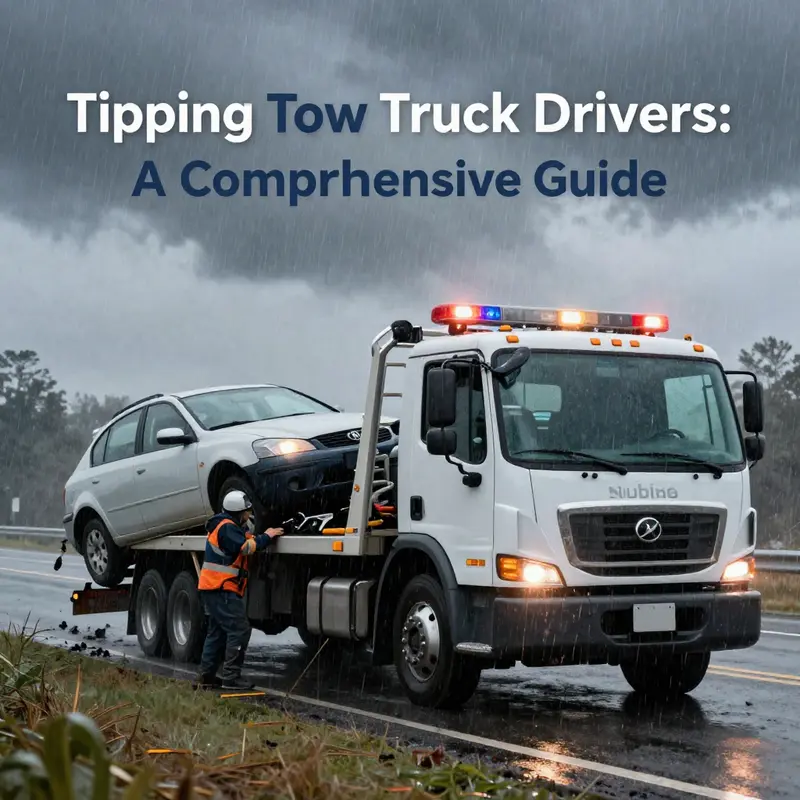
When a car stalls on a busy highway or a remote roadside on a stormy night, a tow truck arrives. The urgency is immediate. The driver quickly surveys the scene, secures the vehicle, and works to get you back on the road. In those moments, a simple gesture can feel meaningful. Tipping guidelines across the industry tend to point to 10 to 20 percent of the tow fee if you’re satisfied with the service. If the tow costs 150 dollars, a tip of 15 to 30 dollars is a reasonable range. That range is not a mandate but a way to acknowledge the effort, the risk, and the skill it takes to handle a stressful situation with calm and care. Remember, the goal is a fair exchange that rewards competence without creating pressure in a moment when grace matters more than calculation.
In emergencies, many towing services are bundled into insurance coverage, roadside assistance programs, or the vehicle owner’s policy. That means the customer’s pocket may not be directly charged for the tow itself. Still, the driver’s professionalism can make a tough moment easier. If the driver demonstrates speed, clear explanations, safe practices, or goes the extra mile to secure cargo, communicate clearly about options, and coordinate with others on the scene, a small token of appreciation can feel appropriate. A deliberate, modest gesture—say 10 to 20 dollars—has the advantage of being flexible across different tow scenarios. It is entirely discretionary and should never feel like a burden, especially in emergency contexts where resources are already stretched thin.
Before you tip, check with the company about tipping policies. Some firms prohibit cash tips or request that tips go through a central office. In such cases, tipping is not expected, and a glowing review or a personal thank you can carry weight. If tipping is allowed, but conditions make giving a tip impractical, you still have options. Positive feedback online helps others find reliable help. A written note of appreciation to the dispatcher or the driver, if you can, communicates respect for the work and preserves goodwill that may matter when you need help again.
Deciding how much to tip in an emergency should balance the service received with your own constraints. If you know the tow charge in advance, using a percentage guide becomes straightforward. For example, a 15 percent tip on a 150 dollar tow equals 22.50, a gesture that recognizes a particularly smooth and fast recovery. If the service is excellent but the fee is modest, a fixed token such as 10 or 20 dollars can be appropriate. In other words, let the tip reflect the driver’s performance as much as the fee itself. In chaotic or dangerous conditions, favor quality of service over maximizing the number on the tip, because the driver’s focus is safety and efficiency under pressure.
Location matters too. Tipping norms vary by region, weather, and local customs. In some places, a tip for roadside assistance is expected when the driver has reduced your stress and minimized risk. In others, tipping may be less common, and showing appreciation through a review or direct thanks to the company is preferred. If you manage a fleet or oversee island operations, you may find it useful to consult resources on emergency preparedness and fleet response. For example, residents and managers can explore materials like emergency preparedness for island fleets. This resource can help you align tipping expectations with broader service standards while planning for contingencies. emergency preparedness for island fleets.
Another factor to consider is safety and timing. If you are stranded in bad weather, at night, or in a high-stress location, the driver’s decisions can directly impact your safety. In such moments, the tip becomes a reflection of gratitude for calm, professional conduct that reduces risk and speeds your return to a safer place. If a driver stays with you through a difficult setup, coordinates alternatives, or calmly explains each step while keeping you informed, a higher tip within the 10 to 20 percent range may be a fitting acknowledgment. Conversely, if the service is hurried or lacks clear communication, you may adjust expectations downward without feeling obligated, recognizing that a tip is never a substitute for quality customer care and ethical service.
Practical considerations also shape how you handle the exchange. Many drivers prefer cash for immediacy, while others may accept cards or digital tips. If the company permits tipping through a centralized channel, follow their guidance to avoid any policy breaches. And if tipping simply isn’t possible due to policy or financial constraints, remember that a sincere thank you, a thoughtful review, or a personal recommendation can carry substantial weight. In the end, the most meaningful tip is the one that matches the driver’s level of professionalism, the complexity of the job, and the immediate relief you feel in a crisis.
For readers who operate fleets or navigate frequent emergencies, the broader lesson extends beyond the single encounter. Tipping can be part of a broader culture of recognition for responders who handle high-stress tasks with care, accuracy, and safety. A policy that balances fair compensation for drivers with respect for company guidelines can support reliable service in critical moments. As with any service rule, the key is transparency and consistency: be clear about what is expected, what is permissible, and what form appreciation can take when a job well done helps you regain stability in a volatile situation.
External resources can offer additional context on towing practices and procedures. For a comprehensive overview, you can consult established roadside assistance guidance at https://www.aaa.com/vehicle-towing.
Tow Truck Tipping Across Regions and Situations: A Practical Guide to Saying Thanks
Tipping a tow truck driver is not a universal practice, and the decision to tip can feel like a quiet negotiation between courtesy and circumstance. In many places the transaction is viewed as a paid service, not a personal gratuity like a restaurant meal or a taxi ride. Yet when a driver goes beyond the call of duty—arriving in bad weather, maneuvering a tricky recovery, or offering practical advice that helps you get back on the road sooner—the impulse to acknowledge that effort with a small tip can feel natural.
The range you might consider is often small but flexible. The common approach in the United States is to think in terms of the total tow fee and the level of service, rather than a fixed token. If the tow costs around 150 dollars, tipping in the range of 15 to 30 dollars is a reasonable expression of appreciation when you are satisfied with the service. If the fee is higher or the service more demanding, you might lean toward the upper end of that range. Conversely, if the tow is routine and the driver is courteous but not exceptional, a modest tip in the range of 5 to 10 dollars can still be meaningful without feeling excessive.
That said, tipping is not always expected or permitted. Some towing companies do not allow drivers to accept tips, and policies vary by region and by business culture. Before you hand over cash or a card, it is prudent to check with the company or ask the driver directly whether tips are appropriate. If tipping is not permitted, there are alternative forms of recognition that carry weight with drivers and their employers. A thoughtful online review, a quick referral to friends, or even a written note of thanks can reinforce a service that was done well and help the driver sustain business.
Beyond the general guideline, the context matters a great deal. In an ordinary breakdown on a flat stretch of highway, a small tip may suffice. If the driver arrived within minutes after you called for help, secured the vehicle with care, and explained the options clearly, your appreciation should reflect that extra effort. In emergencies—when you are stranded in cold rain or a blizzard and the path to getting your car back on the road is uncertain—the scale of gratitude can be larger. A tip in that scenario not only acknowledges promptness and skill but also the risk and the emotional weight of coordinating a safe tow under pressure.
Geography also shapes tipping norms. In the United States, tipping culture varies by region, with some communities more accustomed to small gratuities for service workers than others. In parts of the Midwest and Northeast, tipping for roadside assistance can feel second nature, especially if the driver has been patient, thorough, and offers practical advice about next steps. In other areas, tipping may be less common, and a straightforward acknowledgment alongside a review may be the preferred form of thanks. The reality is that there is no universal rule. The decision is personal and anchored in the driver’s demonstrated service, your own financial comfort, and the local business climate.
To navigate this quietly evolving practice, consider a few practical steps. First, verify tipping norms at the outset. When you speak with the dispatcher or the driver, ask whether tips are welcome or discouraged. If tips are allowed, you can decide on a amount after you assess the service. If you do not have cash, ask whether a card tip is possible, or consider a digital gratuity where offered. Cash tips are still common, but many drivers accept electronic tips as well. Second, present the tip with discretion and respect. A brief, calm moment to hand over cash or to indicate a card option preserves dignity for both of you and avoids an awkward scene. Third, if you are unsure about tipping or if the service occurred in a context where the driver worked through complicated conditions—such as an icy incline or a vehicle under more than one pull—err on the side of modest generosity if the service was professional and communication was clear.
If you choose not to tip, you can still offer meaningful recognition. A carefully written review that highlights the driver’s punctuality, safety practices, and courtesy can influence future customers as well as the company’s willingness to maintain high service standards. A personal recommendation to others who might need roadside assistance can be as valuable as a tip, translating into more business for a driver who has earned it. Some drivers also appreciate a simple thank you note or a brief call to their supervisor, acknowledging the quality of the work performed. Those gestures, while not monetary, reinforce a culture of accountability and professionalism that benefits everyone on the road.
It is also worth recognizing that the tipping conversation exists within a broader frame of consumer rights and responsible, safe service delivery. Because towing services sit at the intersection of urgent need and paid service, there is room for miscommunication or even exploitation. The Federal Trade Commission offers guidance on towing scams and consumer protections, reminding drivers and customers alike to ask questions, verify licenses and rates, and avoid being pressured into unnecessary add ons. Familiarizing yourself with this guidance helps you navigate the tipping choice with confidence rather than anxiety, ensuring that your decision is aligned with transparency and fairness.
In more strategic terms, fleets that operate tow trucks and roadside assistance teams sometimes think about tipping as part of a broader service ethic rather than a personal transaction. For operators and drivers who regularly respond to emergencies, a culture that recognizes good performance with incentives—whether through internal policies or through consistent customer goodwill—encourages safer work, punctual responses, and clearer communication. As part of preparing for the future of island and coastal operations, some teams plan around emergency readiness and service excellence. For those readers who want to dive deeper into what preparedness means in practice, see emergency preparedness for island fleets.
The tipping question, then, sits at the crossroads of human courtesy and professional service. It does not demand a fixed sum, and it rarely comes with a universal expectation. The more you can gauge the situation—the complexity of the tow, the driver’s technical skill, the speed and safety with which the job is completed—the more your response can reflect the value you place on that work. The goal is to acknowledge effort without creating discomfort for either party. In the end, tipping is a flexible signal of appreciation rather than a rigid payment structure. It functions best when it aligns with local practice, company policy, and your own sense of fairness and gratitude, leaving you with the confidence that you treated the incident with respect and helped the driver feel valued for the crucial role they play in restoring safety on the road.
As you navigate the intersection of region, circumstance, and policy, keep a simple rule in mind: tip if the service goes beyond what is expected or if the situation imposes extra effort, but do not feel obliged to tip if the policy or the need does not support it. In those moments, a detailed note to your insurer, a clear report, or a recommendation to others can still help ensure the service remains strong for those who follow. The bottom line is that tipping is a nuanced, situational gesture that reflects both the humanity of the moment and the practical realities of roadside assistance. It is not a rigid requirement, but when used thoughtfully, it can reinforce a standard of care that benefits drivers and travelers alike.
External resource: https://www.consumer.ftc.gov/articles/0438-towing-scams
Tow Gratitude Without Tips: How to Acknowledge Exceptional Service When Tipping Isn’t Allowed
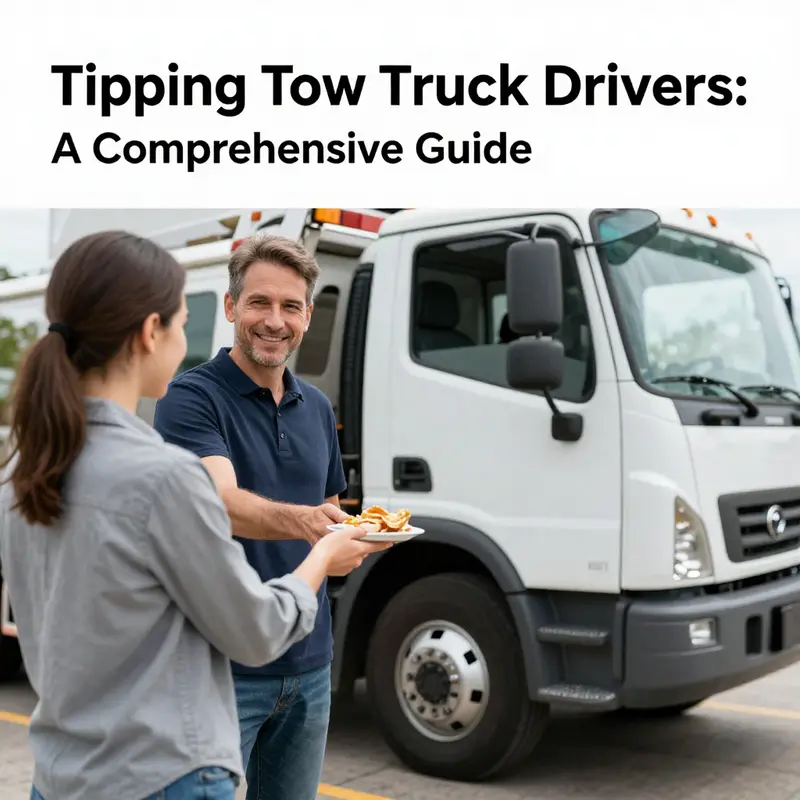
When a no tipping policy is in place, you can still show genuine appreciation for excellent roadside assistance. Start by noting whether the driver was punctual, safe, and clear about what could be done. If the service met or exceeded your expectations, your response should reflect that quality. A brief, sincere compliment at the end of the service can carry as much value as cash, for example recognizing the driver’s careful vehicle handling and clear communication.
Beyond personal thanks, consider leaving a detailed online review that mentions the driver by name and notes specific actions that helped you stay safe and choose the right option. A well crafted review can guide future customers and signal to the company that this level of service is appreciated and rewarded in non cash ways.
You can also contact the company with a note of thanks to the dispatcher or customer service, requesting that the driver be recognized in internal commendations or rewards. If the policy allows, sharing positive feedback with the driver directly or on social channels, while respecting privacy and brand guidelines, can further reinforce positive service standards without violating rules.
Tow Truck Etiquette in Hard Times: Deciding How Much to Tip for Roadside Service
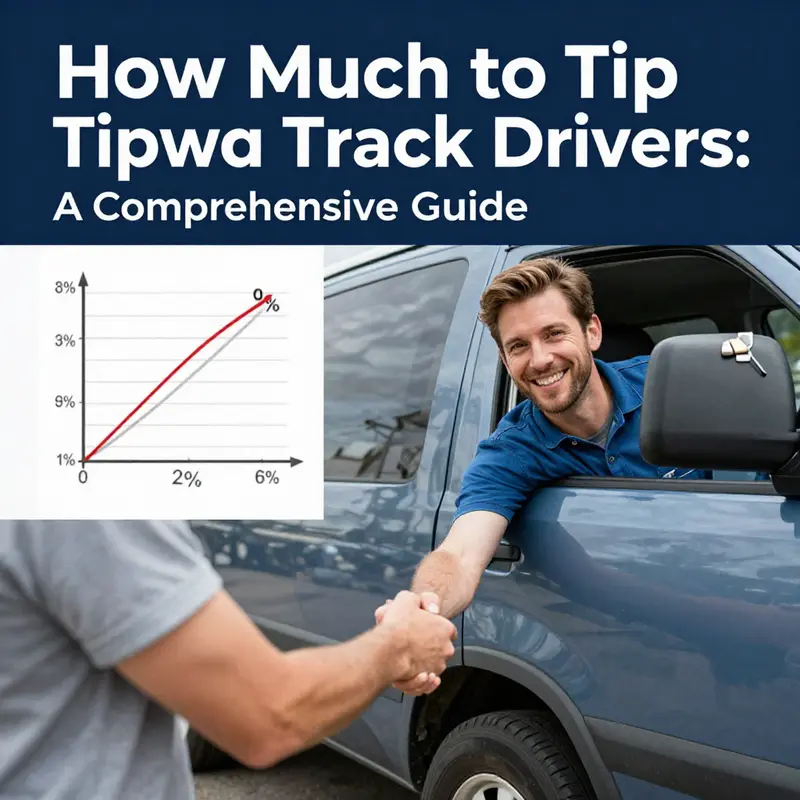
Being stranded on a highway shoulder puts you in a moment where help arrives faster than comfort, and the tension can color every choice you make. A tow truck driver does more than recover a vehicle; they restore a path forward amid confusion. Understanding what to tip can feel confusing when the situation is already stressful. Yet tipping is a common gesture of gratitude and fair compensation for the service you receive. Guidelines exist, but they are not universal. Regional norms, company policies, and the specifics of the job shape what feels appropriate. Many people lean toward a simple rule: tip a portion of the tow fee. Common advice suggests ten to twenty percent as a starting point for fair appreciation. But the exact amount should reflect the complexity and timing of the service. For standard tows over short distances, ten to fifteen percent is widely seen as reasonable. If the tow costs one hundred dollars, a ten to fifteen dollar tip is customary. Emergency or after-hours services shift the calculation upward. When you are towed at night or during holidays, fifteen to twenty percent is more appropriate. This increase acknowledges the tougher conditions and the driver’s broader responsibilities. Drivers who jump-start a car, change a tire, or help arrange transport to a shop deserve extra consideration. If the driver goes beyond basic service, tipping ten to twenty dollars can be appropriate. That amount is especially helpful when the total bill is modest. Another factor is whether the service occurs in poor weather or during a heavy demand period. Storms, snow, or high-traffic events often justify the higher end of the scale. Tipping percentages are guidelines, not mandates, and several circumstances influence the final choice. In some circumstances tipping is not required. Many large corporate towing operations employ salaried drivers who may not be permitted to accept tips. Check the invoice or ask the dispatcher about gratuity policies before offering cash. If tipping is disallowed, consider alternative expressions of appreciation. An honest compliment on the service, a positive review, or a client referral can carry weight. On the money side, plan to tip in cash when possible to ensure the driver receives it promptly. Know that some towns and regions have different norms, just as other service industries do. Your local guidelines may align with national recommendations, but local practices still matter. To optimize fairness, consider the total cost and the effort required. If the tow fee is high, you may still fit within ten to fifteen percent without overpaying, depending on service quality. Exceptional service, such as handling a dangerous situation with poise, warrants a bigger gesture. That gesture could be a thoughtful tip, a detailed compliment, or a recommendation to friends and family. For drivers who perform additional tasks, a separate acknowledgment can be useful. Delivering a vehicle to a repair shop, coordinating pickup, or explaining simple diagnostics shows consideration beyond the basic tow. Even when the dollar amount seems small, a consistent tip in similar situations helps build reliability. Always balance personal finances with the situation; tipping should reflect genuine appreciation rather than obligation. Connecting the dots between gratitude and good service benefits everyone on the road. To deepen understanding, consider how a tip interacts with broader roadside assistance practices. Many readers may also value social proof: a positive review helps the driver secure more jobs and plan future work. That kind of feedback is legitimate thanks to the expanding role of digital platforms in service industries. For some, a nominal tip represents a proportionate reward for the value received; for others, it is a reminder of human courtesy. Either way, the aim is not to complicate the exchange but to acknowledge effort and expertise. Even when tipping policies vary, the willingness to show thanks often leaves a positive impression that lingers. Finally, by aligning your tip with the service level and the circumstances, you make a fair, transparent choice. To explore practical examples and checklists, you can consult the following resource. Within the broader context of roadside assistance, tipping is a marks of gratitude that can reinforce good service standards. After all, a compassionate, well-timed tip can soften the stress of a breakdown and help drivers deliver care with confidence. In sum, approach tipping as a practical variable, not a rigid rule, and tailor it to the situation you face. With that mindset, you support valuable roadside workers while staying aligned with local norms and company policies. To those who deliver efficient service during stressful hours, a timely, thoughtful tip can feel like a small but meaningful thank-you. That balance between fairness, gratitude, and practicality makes tipping an option that reflects real-world conditions. Interacting with the process with awareness helps both customers and drivers navigate the shared challenge of a breakdown. Readers who want to learn more about island-based fleet responses or emergency protocols can explore related discussions in the linked resource. For practical insights on island-based roadside responses, see The Island Tow Truck Blog. External reference: https://www.aaa.com/autocare/articles/should-you-tip-a-tow-truck-driver
Final thoughts
Tipping a tow truck driver is an important aspect of acknowledging their hard work, especially under stressful circumstances. Whether based on service quality, emergency situations, your specific location, or the protocols in place at their company, understanding how to tip correctly can make a meaningful difference in fostering positive relationships within the auto service industry on the island. Always remember to show appreciation, whether through a tip or by sharing a positive review, as it helps support local businesses and their dedicated staff.