Starting a tow truck company is not just about acquiring vehicles and equipment; it’s about understanding the local automotive landscape. Whether you’re looking to support local auto repair shops, serve car dealerships, assist property managers, cater to resort operators, or manage commercial fleets, a successful towing business requires a thoughtful approach. In this guide, we will explore the vital steps for starting your towing company, focusing on conducting market research, choosing the right business structure, and obtaining necessary licenses and permits. Each chapter is designed to empower you with the knowledge and confidence needed to thrive in this competitive industry, ensuring you make informed decisions as you embark on this journey.
Market Research as Roadmap: Navigating Demand, Competition, and Opportunity When Starting a Tow Truck Company
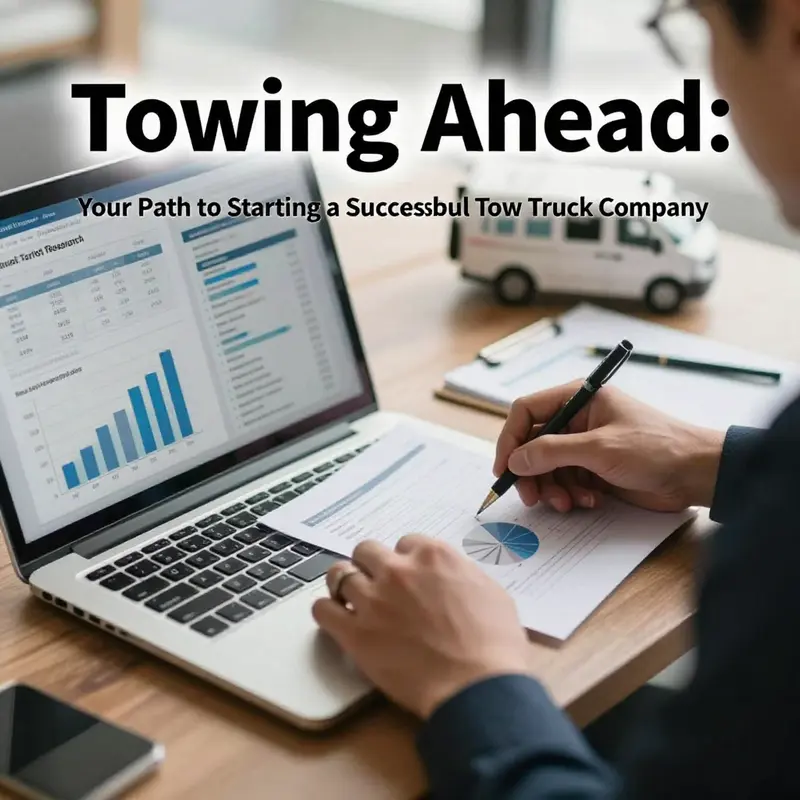
Market research is the compass that keeps a tow truck startup oriented toward the road ahead. It is not a mere preliminary activity but a continuous discipline that translates data into decisions about where to operate, what services to offer, how to price, and how to meet the precise needs of a local community. In the towing business, success hinges on reliability, speed, and clarity of value. Market research helps you define what reliability looks like in your neighborhood, where demand actually exists, who your fastest-moving customers will be, and how the regulatory environment will shape daily operations. Rather than guessing about the market, you gather evidence, test assumptions, and align your business model with real-world conditions. This approach reduces risk, helps you allocate scarce capital more efficiently, and increases the likelihood that you will build a reputation anchored in responsiveness and fairness. The goal is not to be the loudest or the cheapest option in town, but to be the option that consistently solves urgent problems with clarity, speed, and professional care.
Understanding market demand begins with a clear picture of where and when people are likely to need tow services. In many communities, the highest demand emerges in pockets with aging infrastructure, dense traffic, or a high concentration of vehicles performing routine daily tasks. A neighborhood with a lot of commuters, or a corridor with a high incidence of fender-benders, can become a natural focal point for a towing service that can respond quickly, dispatch accurately, and communicate transparently about what is possible. Yet demand is not simply a function of population or vehicle density. It is shaped by the expectations and constraints of other players in the ecosystem: auto repair shops, body shops, insurance providers, and roadside assistance networks. If you can identify the gaps in service delivery—such as slower response times, limited service lines like flatbed towing for luxury vehicles, or a lack of after-hours service—you can design your offering to fill those gaps in a way that is sustainable and distinct.
An effective market assessment begins with both macro and micro lenses. On a macro level, you examine regional economic conditions, population growth, and the distribution of new and used car sales. On a micro level, you examine what specific streets, neighborhoods, or commercial corridors reveal about needs and expectations. For example, you might find that certain neighborhoods experience higher breakdown rates due to aging streets or harsher weather, suggesting that residents in those areas would benefit from memberships or predictable pricing models. You might also observe that a few competitors dominate a broad service area but have slower response times during peak hours. This creates a practical opportunity: you could focus on rapid-response coverage during rush hours or weekends, or you could differentiate by offering a guaranteed ETA window and transparent, itemized pricing. The power of these insights is that they inform your service strategy without forcing you to conform to a one-size-fits-all approach. They help you decide whether to emphasize quick wheel-lift recovery, efficient flatbed towing for high-value vehicles, or a combination that can flex with demand.
Data for understanding demand is not hard to obtain, but it does require a thoughtful mix of sources. Municipal and state transportation departments are a natural starting point for data on traffic patterns, peak travel times, and accident frequencies. Such data illuminate when and where incidents cluster, informing decisions about staffing calendars, dispatch capacity, and the geographic footprint you should target in your marketing. You can cross-check this with commercial traffic data, such as roadway usage statistics or tourism-driven spikes that affect vehicle counts in certain seasons. Complement this with vehicle ownership trends to gauge potential long-term demand in areas undergoing demographic shifts or redevelopment. The more you triangulate these data points, the more accurate your forecast of recurring demand becomes. It’s not enough to know how many cars live in a given neighborhood; you want to know when those cars are most likely to need assistance and what shape that assistance will take.
In parallel with quantitative data, you should listen to qualitative signals from the people and businesses that intersect your future operations. Auto repair shops, gas stations, and local car dealerships are not just potential customers; they are a steady stream of frontline intelligence about common towing challenges and the expectations of stranded motorists. A brief, structured conversation with shop managers—asking about typical tow scenarios, preferred service levels, and payment terms—can reveal practical constraints that numbers alone cannot express. You might learn that many customers prefer a single point of contact via dispatcher rather than calling multiple numbers, or that there is a demand for after-hours service that many providers are hesitant to commit to. Those insights can steer your service design toward an operational model that reduces friction for customers and partners alike. Furthermore, combing through online reviews of nearby towing companies offers a candid view of what communities value and what they rightly complain about. Patterns in feedback—consistent praise for punctuality, frustrations with pricing ambiguity, or praise for respectful customer interactions—become a qualitative scorecard that helps you calibrate your hiring, training, and communication protocols before you even roll a truck.
To operationalize these observations, you should adopt a structured research plan that combines primary and secondary methods. Primary research involves direct engagement with potential customers and partners: short surveys distributed to auto repair shops, interviews with shop managers, and informal conversations with individuals who have recently used towing services. The goal is not to collect as much noise as possible but to extract actionable themes. Secondary research, by contrast, leverages existing data and published analyses to contextualize your findings within broader industry trends. Industry reports, government databases, and credible trade publications can reveal patterns in pricing, service mix, and regulatory shifts that impact all players in your market. By weaving these strands together, you craft a robust picture of where your new business can realistically compete and what you must do to align with market expectations.
An essential element of the research plan is awareness of local licensing and regulatory requirements. Being aware of the permitting landscape, licensing processes, and any mandatory training or equipment standards helps you avoid costly missteps. In many jurisdictions, regulatory compliance is not optional but foundational to earning trust with customers and partners. The market research process, thus, becomes a proactive exercise in mapping legal obligations alongside customer needs. This dual focus—understanding demand while acknowledging constraints—sets the stage for an approach that is both ambitious and prudent. The insights you gain through this lens will guide every subsequent decision, from where you locate your shop to how you structure your dispatch workflow and what service tiers you offer.
A practical way to bring these concepts to life is to frame your findings around a few core questions. First, where is the strongest, most reliable demand, and what service gaps exist in that area? Second, who are your most consistent customers—the repair shops, insurance adjusters, or direct motorists—and what do they value most: speed, transparency, or after-hours reliability? Third, what pricing strategy aligns with local expectations and your cost structure, and how can you communicate that pricing clearly to avoid disputes? Fourth, what regulatory or licensing hurdles pose the greatest risk to your go-to-market timeline, and how can you plan to meet them without compromising cash flow? Answering these questions requires disciplined data collection and thoughtful synthesis. The payoff is a market entry plan that is not only feasible but anchored in distinct competitive advantages that your community will recognize and rely upon.
A note on sequencing helps keep this work practical. Start with a broad market scan to identify several candidate service areas or neighborhoods. Then narrow your focus to a top tier of potential corridors where demand density, partner opportunities, and regulatory ease align. In that narrowed scope, conduct targeted primary research with several local partners and a manageable sample of residents or fleet operators. The objective is not to build a perfect forecast in week one but to create a realistic, testable model of demand and service fit you can refine as you grow. The iterative nature of market research means you will periodically revisit assumptions as conditions change—shifts in traffic patterns, new competitors, changes in insurance networks, or evolving customer expectations. A tow truck startup that treats market research as a perennial process rather than a one-time exercise is better positioned to adapt and persist in a dynamic market.
Within this framework, your strategic decisions begin to crystallize. If data show that luxury vehicles are concentrated in a particular submarket and that existing providers lack flatbed capabilities or secure vehicle handling, you might invest in versatile equipment and specialized training to capture that niche. If you discover a persistent gap in after-hours assistance or a lack of coordinated dispatch, you may design a service model that promises predictable response times, transparent ETA communication, and an easy, consistent billing process for fleet customers. Your pricing strategy should reflect the observed willingness to pay for reliability and speed, balanced against competitive benchmarks and your own cost structure. These decisions, grounded in market intelligence, will guide you as you select a service mix, determine staffing levels, and calibrate your marketing approach to resonate with the customers who matter most in your chosen area.
As you move from insights to action, remember the value of storytelling with data. Build a narrative around your market research that connects the numbers to real outcomes for customers and partners. Describe how your planned fleet, dispatch approach, and service commitments translate into practical benefits—faster tow times, safer vehicle handling, clearer pricing, and more predictable billing. Present this narrative when you approach lenders, insurers, and potential partners; a well-communicated plan grounded in reliable data can be as persuasive as it is practical. It is also worth noting that ongoing market observation should inform your branding and messaging. If speed and transparency emerge as dominant customer preferences, reflect that in all customer touchpoints—from your website and dispatch scripts to on-truck signage and driver conduct.
A small but meaningful step in this process is to consider the broader ecosystem of partnerships. Roadside assistance networks, insurance adjusters, and auto repair shops are not merely customers; they can become channel partners who refer business and help you scale. Your market research should therefore include an assessment of partnership potential: which local entities are already active in towing referrals, what expectations they have in terms of service levels and payment terms, and how you can structure formal or informal collaborations that benefit all involved. This broader perspective helps you construct a business model that is resilient not only to shifts in consumer demand but also to changes in alliance structures and referral networks. In many communities, the most durable tow operations are those that cultivate trust with multiple partners, maintain reliability across shifts, and demonstrate transparent, consistent practices that partners can count on during emergencies or peak demand.
For those who want to explore how others grapple with market dynamics and strategy, practical discussions and case studies can be found in industry insights and related blogs. For example, the island tow truck community offers ongoing perspectives on fleet management, emergency response, and service prioritization in dynamic environments. Read more at the island tow truck blog. This and similar resources can provide auxiliary context as you translate your data into concrete, executable plans. the island tow truck blog
Ultimately, market research is not a luxury but a necessary discipline for a tow truck startup. It shapes where you operate, what you offer, how you price, and how you communicate value to customers and partners. It also creates a framework for continuous improvement: you monitor, you test, you adjust, and you keep aligning your operations with the real needs of your community. When your research points toward a clear and defensible path—fill a service gap, deliver on promised response times, and maintain a transparent pricing approach—you build a foundation that supports sustainable growth even as competition intensifies or regulatory conditions shift. The road from concept to reality in the towing business is long and winding, but it becomes navigable when you keep your compass calibrated to market reality and your hands steady on disciplined execution.
External resource for deeper wage and employment context: https://www.bls.gov/oco/ocos091.htm
Structuring for Reliability and Growth: Choosing the Right Form When Starting a Tow Truck Company
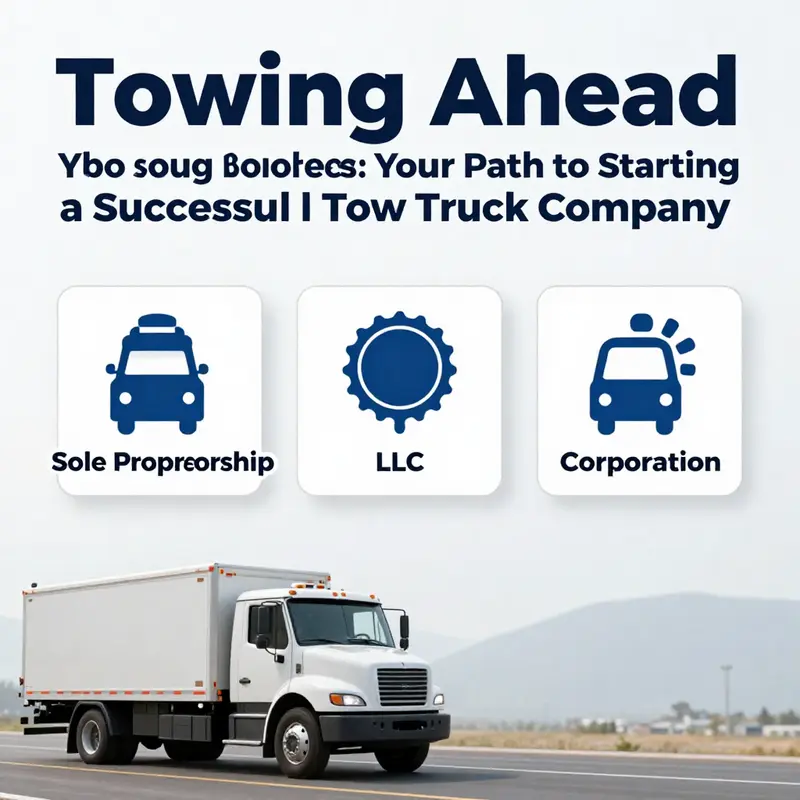
Choosing the right business structure when starting a tow truck company is more than a legal checkbox. It is a strategic decision that shapes liability, taxes, financing, and how you respond to the inevitable pressures of a service business that operates in high-stakes environments. Tow work places operators in close contact with injured vehicles, anxious customers, insurance adjusters, and municipal authorities. A structure that protects personal assets while offering tax flexibility and room to grow can be the difference between a one-truck operation that limps along and a scalable enterprise that earns a steady reputation for reliability. The decision hinges on a balance of protection, simplicity, and long-term objectives. For many newcomers, the strongest starting point is an LLC. Its appeal lies in robust liability protection that shields personal assets from the debts and lawsuits your company may face, while preserving tax flexibility. An LLC provides pass-through taxation by default, which means profits and losses flow to your personal tax return, avoiding double taxation at the corporate level. This combination of liability shield and tax simplicity makes an LLC a practical middle ground for a tow company that plans to grow beyond a single operator or a handful of trucks. Yet guidance from professionals and official sources consistently emphasizes that the choice should fit your specific circumstances, not just the latest trend. The towing arena thrives on rapid response, dependable service, and predictable costs. When a tow reaches a scene, it can involve substantial risk: property damage, bodily injury, and disputes over liability can escalate quickly. In that context, your business structure is not a mere backdrop; it actively shapes how you channel risk management into your daily operations. The sole proprietor route, while tempting for its straightforward setup and low initial cost, essentially exposes your personal assets to every claim against the business. A small accident or a dispute over billing can become a personal liability that erodes savings, home equity, and even future access to credit. It is a sobering reminder that personal and business lines blur in the high-stakes world of roadside assistance and heavy vehicle recovery. Partnerships present a similar exposure. Sharing control with a partner can complicate decision-making and profit distribution, and it also multiplies the avenues through which personal liability can be triggered. If you go into a tow business with a partner, you must craft a clear operating agreement that spells out roles, contribution expectations, dispute resolution, and buy-sell provisions. Even with a formal agreement, personal risk remains a concern in many states, particularly when the partnership is not backed by a robust liability shield. An LLC, by contrast, creates a distinct legal entity that can own assets, enter contracts, and respond to lawsuits without dragging your personal assets into those claims. To maximize this protection, you need to answer a few practical questions at the outset. How will ownership be allocated among members, if you have partners or investors? Who will manage day-to-day operations, and who approves major strategic moves? Will profits be reinvested in equipment and training, or distributed to owners as dividends or draws? An LLC’s flexibility accommodates these questions without forcing you into a rigid corporate structure from the start. If you anticipate bringing in investors or expanding beyond a handful of trucks quickly, you may also consider forming a corporation, specifically an S corporation or a C corporation, in order to access different financing mechanisms and tax dynamics. An S corp can provide some payroll tax advantages by allowing owners to pay themselves a reasonable salary and then take the remainder of profits as distributions that are not subject to self-employment taxes. However, S corps come with eligibility rules and ongoing formalities—such as strict limitations on the number and type of shareholders and the need for payroll processing and salary compliance—that can complicate an otherwise straightforward tow operation. For a single-owner or a small team that wants to avoid heavy administrative overhead, an S corp may not offer sufficient value relative to the increased compliance burden. A C corporation offers the strongest liability protection and facilitates broad ownership, which can be attractive if you expect a large investor base or plan a rapid scale-up to a fleet of multiple vehicles. The trade-off is double taxation: earnings face corporate tax at the entity level, and dividends taxed again at the shareholder level when distributed. In practice, many new tow businesses begin with an LLC and, as they grow and their ownership structure becomes more complex, consider electing S corporation status for tax planning or transitioning to a C corporation if growth warrants it. The key is to anticipate how you will raise capital, how you will compensate owners, and how you will comply with escalating regulatory demands as you expand. The towing industry is tightly regulated at the state and local levels, and your chosen structure should align with those regulatory expectations. Licensing, permits, and bonding requirements do not disappear because you choose a particular form of business. In fact, some jurisdictions have preference or practical implications for how a towing business is organized. For example, a state may require a specific towing operator license, and your entity type may affect how you present your business to licensing boards and insurers. The choice of structure also influences your relationship with lenders and insurers. Lenders often look for clear governance and formalized financial controls that come with LLCs and corporations, especially when you are financing equipment like flatbeds, wheel-lifts, or heavy recovery units. Banks may provide more favorable terms when the business is a separate legal entity with its own tax ID and bank accounts, rather than a sole proprietorship that relies on personal credit. Insurance considerations are equally important. General liability, commercial auto coverage, and specialized policies such as hired and non-owned auto liability are tailored to risk profiles that depend on the size and complexity of the operation. An LLC tends to support straightforward insurance negotiations because the entity structure clearly delineates the business from the owners. When you own multiple trucks or plan to employ a larger team of tow operators, dispatchers, mechanics, and support staff, the insurance picture becomes more nuanced, and your structure will influence the pricing and terms offered by insurers. It is wise to engage a broker or agent with experience in motor carrier or towing operations early in the process. They can help you estimate the insurance requirements you will face, determine appropriate coverage limits, and explain how your structure affects premium calculations. The operating agreement, or the equivalent governance document for an LLC, becomes a crucial tool in this context. It codifies ownership percentages, profit distributions, voting rights, and procedures for admitting new members or handling a buyout if a partner exits. This document is not mere paperwork; it is a practical playbook that reduces friction during growth and minimizes disputes when stress spikes at the scene of an accident or during a major fleet upgrade. The simplicity of an LLC does not have to come at the cost of governance clarity. An operating agreement can establish a clear chain of command for dispatch decisions, pricing strategy, and safety protocols. It can also define how you approach risk management, such as the allocation of responsibilities for vehicle maintenance and safety training. In practice, many tow business owners begin as single-member LLCs and then add members as the business scales. This approach preserves liability protection while maintaining simplicity in the early stages. When you anticipate bringing in partners or investors, you can design the operating structure to accommodate new members without dissolving the existing entity. Remember that the act of forming any entity is not a one-time event. It is the starting line of a lifecycle that includes ongoing compliance, annual filings, and potential adaptations as your fleet grows and markets shift. Even after you have chosen an LLC or a corporation, you may need to adapt structure to fit new strategic goals. The choice might be influenced by state-specific rules regarding the issuance of ownership interests, the treatment of profits, or the requirements for maintaining corporate formalities. A common point of confusion for new tow businesses is the balance between simplicity and formality. A sole proprietorship is simple but risky; an LLC adds protection with modest complexity; an S corp introduces tax planning steps with more formal requirements; and a C corp maximizes growth potential at the cost of double taxation and more extensive record-keeping. Your decision should reflect not only your current needs but your anticipated trajectory—how many trucks you aim to operate in the next two to three years, whether you intend to attract external capital, and how you plan to allocate profits between owner compensation, reserve funds, and reinvestment. A practical approach is to start with a structure that offers protection and flexibility, such as an LLC, while building a robust operating framework that can accommodate future transitions. This means setting up proper bookkeeping, separate bank accounts, clear ownership documents, and a plan for tax compliance that can evolve with your business. It also means recognizing that the structure itself does not replace good practices. You still need thorough driver onboarding, safety training, and compliance with federal and state regulations. You will still need to secure appropriate licenses, passes, and permits, and you will still need to invest in reliable equipment, disciplined dispatch procedures, and responsive customer service. The technical choices you make about structure should support, not hinder, those operational imperatives. Finally, remember that the choice of business form is not carved in stone. As your tow company grows, you may find that a transition—from a sole proprietorship or a simple partnership to an LLC, and perhaps later to an S corp or a C corp—can unlock new efficiencies and opportunities. The process can involve administrative steps, potential tax consequences, and changes to your internal governance. Consulting with a legal or tax professional who understands the specifics of transportation and recovery services is a prudent step before filing documents or electing tax statuses. They can help you map the journey from your current position to your desired structure, anticipate state-specific requirements, and align your formation with licensing and insurance needs. For a practical sense of how other fleets have organized themselves to balance risk and growth, consider reviewing industry resources that discuss fleet resilience and emergency readiness; these materials can help you think about governance and risk management in parallel with the formal structure you choose. For example, one resource focused on fleet resilience offers guidance on coordinating responders, maintaining equipment readiness, and planning for incidents that test the system you are building. This kind of integrated thinking—linking organizational form to day-to-day risk management—can be a powerful contributor to long-term stability in a towing business. If you want to explore a precise link between structure and practical fleet readiness, you can reference Essential Fleet Emergency Response Strategies. The broader takeaway is clear: your structure is a tool, not a destination. It should enable you to meet customer demand with reliability, protect your personal assets, and position you to grow responsibly. It should also be compatible with your licensing obligations and insurance requirements, since those are non-negotiable obligations in the industry. As you finalize your choice, make sure your decision aligns with your personal risk tolerance, your capital plan, and your ambitions for expansion. The right structure can reduce friction with lenders, simplify compliance, and provide a clear roadmap for bringing on partners or investors when the time is right. And when you are ready to deepen your planning, a trusted source of formal guidance on choosing a business structure can help you verify your approach and fill any gaps in understanding. For more formal guidance, consult the U.S. Small Business Administration’s resource on choosing your business structure, which outlines the practical implications of LLCs, S corporations, and C corporations, along with the registration steps that help you get started on solid footing. Choose Your Business Structure This step is not just paperwork; it is the foundation for a tow company’s risk management, financing strategy, and long-term growth trajectory.
Locking In Legal Ground: Navigating Licenses, Permits, and Compliance for Your Tow Truck Startup
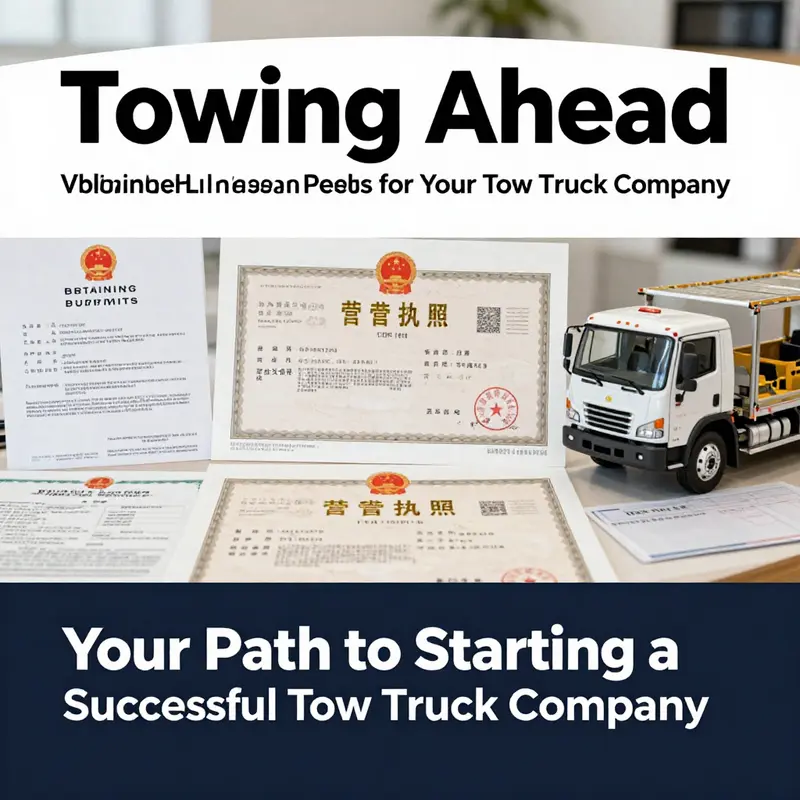
Starting a tow truck company is as much about legal footing as it is about mechanical reliability and rapid response. The road to launching a dependable, respected service begins with solid compliance: securing the right licenses and permits, demonstrating financial responsibility, and implementing safety and governance practices that survive audits and customer scrutiny. When you approach licensing not as a hurdle but as a foundational framework, the rest of your business—fleet acquisition, staffing, dispatching, and marketing—can proceed with clarity and confidence. This chapter traces that framework in a steady, narrative arc, weaving together the practical steps, the regulatory philosophy behind them, and the everyday realities of operating a tow service in a crowded market. It is not a list of forms, but a story of becoming a lawful, trustworthy partner to auto shops, insurers, roadside assistance networks, and the drivers you serve. Along the way, you’ll see how the pieces fit into the larger plan you laid out in your business model: the mission, the service mix, the financial trajectory, and the customer relationships that will define your reputation in the community and beyond.
At the heart of licensure and permitting is a simple truth: legitimacy is earned through consistent, documented safety, financial responsibility, and accountability. A Road Transport Operation Permit, or its local analogue, is not just a marble stamp granting permission to haul vehicles; it is a formal acknowledgment that your operation has the organizational capacity to manage risk, protect the public, and navigate the complex web of rules that govern commercial transport on public roadways. The permit acts as a keystone in your entire enterprise. If you treat it as a one-and-done formality, you will soon discover how fragile a business built on that assumption becomes when the first claim arises or when a routine inspection reveals gaps between policy and practice. If you embrace the permit as a continuous performance standard—an ongoing obligation you meet through documented procedures, training, and transparent reporting—your license becomes a steady foundation from which your fleet can operate with speed and reliability.
To begin, you must anchor your venture with the right business entity and the basic license that confirms your legal presence in the jurisdiction where you plan to operate. The decision between a sole proprietorship, a limited liability company (LLC), or a corporation rests on risk, scale, and the level of credibility you want to project to prospective partners and customers. An LLC is widely recommended for towing operations because it provides liability protection while preserving management flexibility and tax simplicity. This structure helps when you negotiate with insurance carriers, banks, and suppliers, and it can make the difference in the cost and scope of your coverage. With your entity chosen, you proceed to register with the state, secure an Employer Identification Number (EIN) from the IRS, and obtain any local business licenses required by your city or county. This upfront step is not merely bureaucratic; it signals to customers and partners that you are a legitimate enterprise with a defined governance framework, a critical factor when you approach auto repair shops, insurance adjusters, and fleet managers.
Vehicle compliance follows closely. Tow trucks are specialized vehicles that must meet both general roadworthiness standards and the particular demands of towing operations. Registration and insurance for each vehicle are not optional add-ons; they are the operational bulwarks that protect your customers and your business. Your fleet must be registered, properly insured, and maintained to meet the technical standards established by state and federal authorities. In some communities, specialized services—such as large-scale recovery, heavy-duty tow operations, or the transportation of hazardous materials—trigger additional vehicle configurations, certifications, or endorsements. Planning for these contingencies from the outset helps you avoid costly retrofit projects or rework later. The emphasis here is on proactive alignment: you anticipate regulatory expectations, ensure your equipment can meet them, and avoid the costly consequences of noncompliance or midstream changes.
Driver qualifications form the human backbone of your licensing program. A tow operation depends on drivers who are not only skilled at handling heavy equipment and performing delicate winching operations, but who also bring clean driving records, disciplined safety attitudes, and an understanding of customer service under pressure. In many jurisdictions, a standard commercial driver’s license (CDL) with appropriate endorsements is mandatory for towing work conducted with heavier vehicles or specialized configurations. You may encounter requirements for background checks, drug and alcohol testing, and ongoing driver training. Building a team that meets these qualifications sets the tone for your company’s safety culture and reduces the risk of costly incidents on the road. It also signals to clients that you uphold responsible labor practices and maintain high standards for operational integrity.
Beyond the drivers, a formal safety management system anchors your daily operations. Your safety program should document written policies for safe operations, incident reporting, equipment maintenance, and employee training. It is more than a compliance booklet; it is a living framework that informs dispatch decisions, maintenance planning, and how you respond when things go wrong. Your safety policies should translate into practical, repeatable procedures: how a job is assessed for risk, how the vehicle is prepared and loaded, how the scene is secured, and how communications are maintained with the customer and with dispatch. Training should be ongoing and integrated into onboarding, annual refreshers, and periodic drills that test emergency readiness. A robust safety discipline not only reduces accidents and liability but also enhances customer confidence. When insurers and lenders observe a real commitment to safety and documented control measures, they tend to respond with better terms and smoother onboarding—factors that influence your cash flow and growth trajectory.
A core aspect of licensing that often sits quietly under the surface is proof of financial responsibility. You will typically be required to demonstrate you can cover potential liabilities through insurance or a surety bond. This requirement protects the public in the event of damage or injury arising from towing operations and signals to customers and partners that your business can sustain itself through adverse events. The financial responsibility standard influences your risk profile in negotiations with insurers and contract partners. It also affects the rates you quote to customers and the terms you can offer when you establish service agreements with local repair shops, dealerships, or insurance partners. The process of obtaining or securing these financial protections should be integrated with your overall business plan. You don’t want coverage gaps or a last-minute bonding need to derail your launch or disrupt early cash flow. A well-structured approach, including understanding premium costs, coverage limits, deductibles, and the scope of insured operations, will translate into more predictable expenses and better budgeting as you scale.
The application process, while it may vary by jurisdiction, follows a recognizable pattern that rewards preparation and careful documentation. Start with a thorough inventory of what your regulators will want to see: the legal business name and address, the ownership structure, the registered agent, and the exact list of vehicles and drivers you intend to operate. Most jurisdictions require you to file a formal application with a state or local regulatory body, attach supporting documents, and pay a fee. An on-site facility inspection is common, especially for businesses that intend to house and operate a fleet. This inspection looks at your shop’s layout, storage practices, environmental compliance, waste management, and security arrangements. It is not merely a pass/fail moment; it is an opportunity to demonstrate that your operation is organized, professional, and prepared to conduct business in public spaces with minimal risk to the community.
To prepare for these steps, you should build a structured packet that you can reuse and update as you grow. The packet typically includes your business registration documents, proof of insurance, vehicle registration certificates, driver CDL information and otherwise applicable endorsements, safety program documentation, and any required bonding or financial responsibility proof. The idea is to present regulators with a coherent narrative about how your company will operate responsibly, how you will train and supervise staff, and how you will maintain vehicles and equipment under conditions of typical wear and tear. It is also wise to anticipate questions about facility compliance with local zoning and to have ready evidence of land-use approvals and environmental controls that govern vehicle maintenance and fueling activities.
As you navigate the process, you will encounter a mix of deadlines, fees, and review cycles. Some jurisdictions are efficient, turning applications around in weeks; others require longer processing times or multiple rounds of clarification. Planning for these timelines in your business calendar allows you to align ramp-up milestones with your cash flow projections and hiring schedule. A practical mindset here is to treat licensing as a moving part of your business plan—one that requires periodic renewal, periodic verification of paperwork, and continuous liaison with regulatory staff who can advise on changes in rules or new compliance expectations. An investment of time and care at this stage compounds into smoother operations later, reducing the risk that a late permit or missing endorsement disrupts a critical service window or triggers regulatory penalties.
To keep the narrative of compliance coherent with the day-to-day reality of running a tow service, think of licensing as a living contract with the public. It is a pledge that your company will operate with integrity, that vehicles will be safe, and that drivers will abide by the law and by your own safety standards. This perspective reframes licensing from a box-ticking exercise into a core business discipline. In practice, it means you embed compliance in your hiring, training, procurement, and dispatch processes. When you hire a new driver, you verify their CDL status and endorsements, run a background check, and enroll them in safety training that covers not only on-the-road operations but also customer interaction and incident reporting protocols. When you purchase a new tow truck, you ensure that it is registered, insured, and suitable for the services you plan to offer, with maintenance schedules that your mechanics follow and that your dispatch software can track for audit purposes. When you set policies for incident response, you document who must be alerted, how claims are filed, and how customers are kept informed. In short, licensing is not a destination but a continuous operational discipline that integrates with every aspect of your business.
Incorporating a reflective practice into licensing also means you stay connected with the broader industry ecosystem. Many operators benefit from industry associations, local chambers of commerce, and regional regulatory updates that help them anticipate changes in licensing requirements, insurance norms, or safety expectations. Staying engaged can prevent last-minute surprises and position your company to respond quickly to new rules, which, in turn, supports your growth plans. A practical tip is to keep a designated team member or external consultant who tracks regulatory developments and translates them into concrete actions for your fleet, drivers, and administrative staff. That role becomes a bridge between policy and practice, ensuring that your daily operations remain compliant without sacrificing efficiency or customer focus.
Within this broader compliance framework, it is also valuable to recognize the compatibility between licensing and your market position. For example, if you aim to service high-volume accounts with insurers or large dealerships, you may need to demonstrate stronger financial backing, more comprehensive safety records, and the capacity to meet stricter response-time targets. These expectations translate into stronger insurance terms, more rigorous driver screening, and more formalized maintenance procedures. Conversely, if your startup is focused on local, small-business partnerships, the licensing process may be more streamlined, but you will still need solid safety practices and reliable documentation. Either path benefits from a proactive licensing posture that emphasizes reliability, transparency, and accountability—the very traits that customers look for when they rely on a tow partner in urgent moments.
As you finalize your licensing plan, consider how you will communicate compliance to your customers. A brief summary on your website or in contract documents that references your safety program, insurance coverage, and licensed status can reassure potential clients that you are serious about the obligations of your trade. This transparency can be especially valuable in negotiations with body shops, dealerships, and insurers, where trust and professional credibility drive decision-making. If you have existing relationships with local auto repair centers or salvage yards, sharing your compliance story in a concise, accessible way can strengthen partnerships and set you apart from less organized competitors. It is not about boasting; it is about delivering confidence through evidence and demonstrated capability.
To connect the practical with the aspirational, many operators find it helpful to keep a running synthesis of the most relevant requirements in their onboarding playbook. A concise, regularly updated checklist can help you onboard new personnel, ensure vehicle compliance, and prepare for periodic inspections without slowing operations. The aim is to keep the licensing discipline ingrained in daily routines rather than relegated to a once-a-year exercise that comes with a flurry of last-minute activity. And as you grow, you will likely discover that the licensing journey informs your strategic choices—whether you expand to new service areas, invest in a broader fleet, or pursue larger contracts that demand higher standards of governance and accountability.
If you are looking for practical, field-tested perspectives on how licensing and compliance play out in real tow-truck operations, consider exploring industry resources and community discussions. For instance, you can visit The Island Tow Truck Blog for practical notes and shared experiences from operators who have navigated similar licensing challenges. The blog’s discussions can illuminate common bottlenecks, reveal creative solutions for dealing with inspections, and offer a sense of how other businesses structure their safety programs and driver training. Reading these perspectives can complement the formal regulatory requirements with real-world guidance, helping you anticipate what regulators and customers care about most in day-to-day practice.
In summary, obtaining licenses and permits for a tow truck company is more than a compliance check; it is the launchpad for credible operations, reliable service, and sustainable growth. By choosing a strong business structure, ensuring vehicle and driver qualifications, building a rigorous safety and financial-responsibility framework, and approaching the application process with preparation and clarity, you set your company on a path toward dependable performance and positive market perception. This approach helps you avoid costly delays, unexpected fines, and reputational damage that can derail a fledgling business long before it has a chance to prove its value. As you move forward, keep the licensing discipline integrated with your broader business strategy, maintaining documentation, updating policies, and cultivating partnerships that recognize and reward your commitment to safety, accountability, and continuous improvement. And remember, the licensure journey can be a valuable driver of your brand when you present your compliance narrative clearly to customers, partners, and regulators alike.
External resource for further regulatory context and state-specific guidance often proves helpful. For official standards and regulatory references related to commercial vehicle safety and operation, consult the California Department of Motor Vehicles’ Commercial Vehicle Safety page, which provides authoritative guidelines and contacts for operators operating in that jurisdiction: https://dmv.ca.gov/portal/dmv/detail/vh/cvsa. This resource can be a practical companion as you tailor your compliance framework to your local environment and scale your operations in a manner consistent with established safety expectations.
Internal link for practical operator perspectives: To connect with field-tested experiences and practical considerations from peers, you can explore The Island Tow Truck Blog, which offers a range of articles and discussions that illuminate how real operators handle licensing, compliance, and the daily realities of tow business leadership: The Island Tow Truck Blog.
Final thoughts
In summary, starting a tow truck company requires more than just operational capacity; it demands a deep understanding of market dynamics, legal requirements, and effective business strategies. By conducting comprehensive market research, choosing the most suitable business structure, and ensuring compliance with local regulations through proper licensing, you lay a solid foundation for your towing business. As you move forward, continue to adapt and innovate to meet the needs of your community and establish lasting relationships with clients across various sectors. Your success in this industry hinges not only on your services offered but also on the trust you build with your clientele.