Navigating towing charges and disputes can be a daunting experience, often leaving customers stressed and confused. Amid rising costs in truck pricing and the influence of freight demand on used truck prices, understanding the intricacies of these charges becomes crucial for truck owners and operators. Unfortunately, many find themselves facing unexpected bills or disputes about towing services, which can lead to financial strain and frustration.
This article aims to empower you with valuable insights and actionable advice on handling towing charges and disputes. We will explore the common pitfalls, offer tips on how to protect yourself from deceptive practices, and ensure that you are equipped to take charge of your situation. Join us as we delve into this essential topic to help you navigate the challenges of towing fees and foster a sense of confidence in your dealings with service providers.
Common Reasons for Towing Disputes
Towing can sometimes lead to misunderstandings. Customers often face disputes over charges due to several common issues.
Unclear Pricing
A major reason for disputes is unclear pricing. Customers often receive estimates that exclude extra fees. This can lead to surprises when they receive the final bill. For instance, one consumer said,
“I was charged over $500 for a tow that was supposed to be $150. No one explained the extra fees.”
The Better Business Bureau advises getting written estimates to prevent confusion.
Lack of Communication
Communication is vital in any service exchange. However, many customers feel unclear about the services and costs from towing companies. Mark Johnson from the Towing and Recovery Association of America states,
“Transparency is key. Companies must provide clear invoices to avoid confusion.”
Poor communication can lead to differing expectations, making it hard for customers to know what they are paying for.
Hidden Fees
Hidden fees can also cause issues. Customers often find unexpected charges, especially for storage that can add up quickly. Industry expert Lisa Foster notes,
“Many are surprised by storage fees that accumulate quickly without warning.”
These hidden charges can escalate costs, leading to misunderstandings.
Vehicle Damage
Damage to a vehicle during towing can lead to disputes. It is not uncommon for vehicles to be scratched or damaged during the process. Many customers believe the towing company should take responsibility for any damage. One frustrated consumer said,
“My car was scratched during the tow, and the company denied responsibility.”
Awareness of these common issues can prepare customers when dealing with towing services. Always read contracts, get detailed cost breakdowns, and document your vehicle’s condition before and after towing.
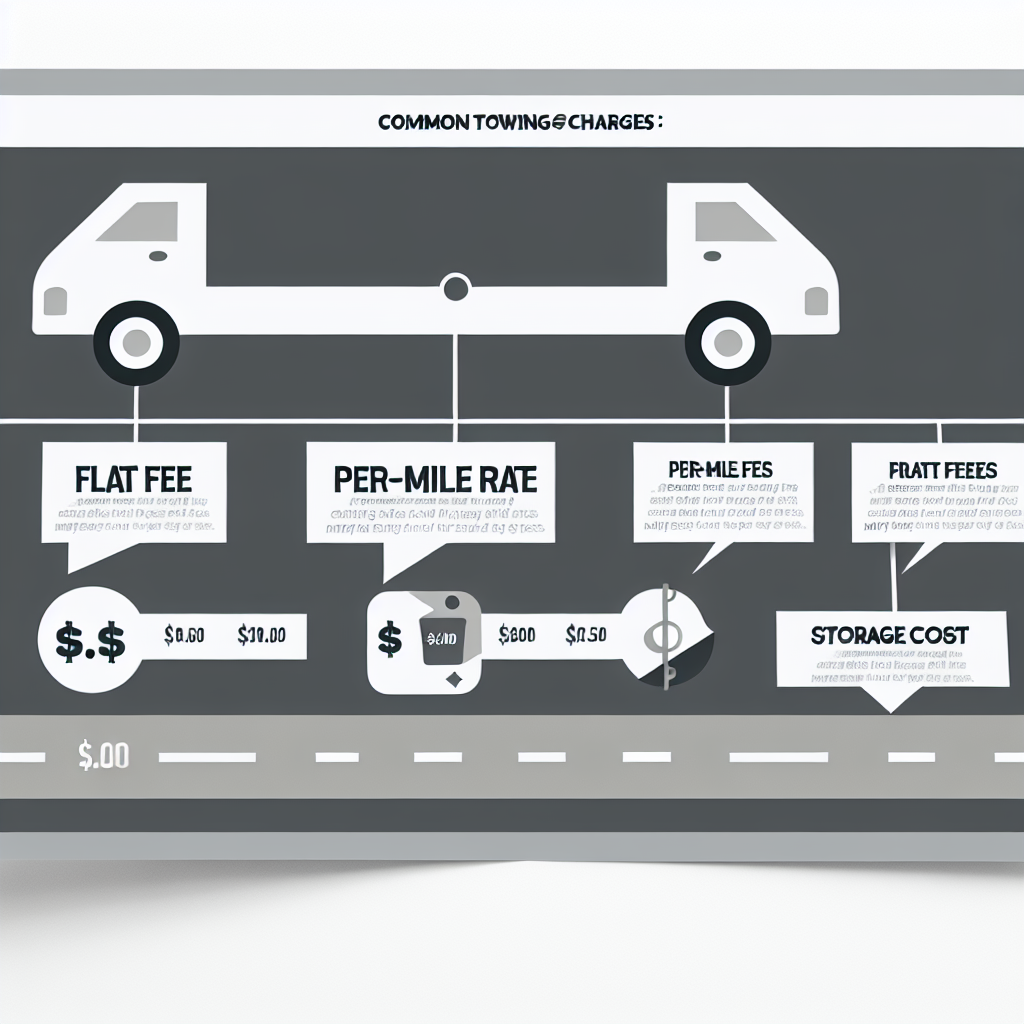
| Towing Service | Average Cost | Additional Fees |
|---|---|---|
| Local Towing | $75 – $125 | $5 per mile (if applicable) |
| Long-Distance Towing | $2 – $5 per mile | $50 hookup fee, tolls |
| Heavy-Duty Towing | $150 – $300 | $10 per mile, additional vehicle damage fees |
| Motorcycle Towing | $50 – $100 | $20 additional for special bike equipment |
| Winching Service | $100 – $250 | $50 additional for difficult recoveries |
| Impound Towing | $200 – $500 | Storage fees of $20 – $50 per day |
Tips for Resolving Towing Disputes
Towing disputes can be frustrating, but with the right approach, you can effectively resolve them. Here are some practical tips to empower you throughout the process:
Before the Towing Incident
- Understand Towing Policies: Familiarize yourself with local towing laws and regulations. Knowing your rights can help you identify unjust charges or practices.
- Document Your Vehicle’s Condition: Take comprehensive photos of your vehicle before it is towed. This can serve as evidence should any damage occur during the towing process.
- Get Written Estimates: If possible, request written estimates for towing services to avoid unexpected fees later. Having a clear understanding of costs can prevent misunderstandings.
During the Towing Incident
- Communicate Clearly: Don’t hesitate to ask questions about the process and costs while your vehicle is being towed. Clear and respectful communication with the towing personnel is crucial.
- Request an Itemized Invoice: Ensure you receive an itemized invoice detailing all charges associated with the tow. This transparency will help you understand what you are paying for.
- Stay Calm and Respectful: While it may be frustrating, maintaining a calm demeanor will lead to more productive conversations with towing staff and can prevent escalating tensions.
After the Towing Incident
- Review All Documents: Carefully evaluate the invoice and any contracts you signed. Ensure that the charges match what was discussed and what you agreed upon.
- Gather Evidence: Compile all documentation, including photographs, invoices, and correspondence. This will support your case if you need to escalate the dispute.
- Contact Customer Service: If you feel charges are unfair, reach out to the towing company’s customer service. Provide them with your evidence and ask for a resolution.
- File a Complaint If Necessary: If the towing company does not resolve your issue, consider filing a complaint with local consumer protection agencies or the Better Business Bureau.
By following these steps and approaching the dispute with preparation and confidence, you can navigate towing disputes more effectively and protect your interests as a consumer.

User Experiences with Towing Disputes
Customer experiences with towing disputes often reflect a widespread sense of frustration and confusion when dealing with towing companies. Many individuals find themselves navigating challenges that stem from unclear fees, unsatisfactory communication, and unexpected charges.
Challenges Faced
A recurring theme in consumer reviews is the lack of transparency surrounding pricing. One customer expressed dismay over a towing fee debacle, stating, “I was hit with a $300 towing fee after being told it would only be $100. No one bothered to explain the extra charges.” Such experiences highlight the necessity for towing companies to offer detailed cost breakdowns to avoid disappointing their clients.
Communication, or the lack thereof, emerges as another significant issue. Customers often feel blindsided by unwarranted towing actions. For instance, a user recounted their experience with an unauthorized tow initiated by a bank after a single late payment: “There was no notice before towing, and I had just resolved the payment. This is predatory!” This scenario underscores the need for facilities to maintain clear communication regarding towing policies and practices.
Resolutions Achieved
Despite challenges, some consumers successfully navigate these disputes through persistence. A customer shared their strategy: “I contacted customer service with all the documentation—their attitude changed completely once they saw I was serious about disputing the charges.” This proactive approach, combined with thorough record-keeping, can often lead to quick and fair resolutions.
In another situation, a customer who faced a $500 bill on a supposed $150 tow persisted in obtaining detailed invoices and tailored their approach when dealing with company representatives. They stated, “I went prepared with documents and evidence. It was crucial in getting them to reconsider the charges.”
Key Takeaways
These experiences illustrate that while towing disputes can be fraught with challenges, consumers armed with knowledge and documentation are better positioned to advocate for themselves. The towing industry must recognize the importance of transparency and communication to mitigate conflicts and enhance customer satisfaction. With clear contracts, upfront pricing, and responsive service, both parties can avoid the pitfalls that lead to misunderstandings and disputes.
In conclusion, navigating towing charges and disputes requires both knowledge and proactive communication. By understanding potential pitfalls and common reasons for disputes, you can safeguard yourself against unexpected fees and unfair practices, including those related to towing fee estimation.
Remember that transparency is a two-way street; demand clear and itemized invoices from towing companies to ensure you know exactly what you’re paying for. Familiarizing yourself with towing law protections is crucial to empower yourself with knowledge of local towing regulations and your rights as a consumer.
As you face these challenges, do not hesitate to assert yourself and engage in constructive dialogue with service providers. Be bold in asking questions and seeking clarification. We encourage you to take charge of your dealings with towing companies—stay informed, be assertive, and ultimately ensure a smoother, fairer experience when it comes to towing services.
FAQ Section on Towing Charges
1. What factors determine towing charges?
Towing charges can vary widely based on several factors, including the distance towed, the type of vehicle, and any additional services required (like winching or after-hours towing). Always ask for an estimate and inquire about additional fees to avoid surprises.
2. How can I dispute a towing charge that seems unfair?
If you believe you have been charged unfairly, gather all relevant documentation, including invoices and photos of your vehicle before and after towing. Contact the towing company to discuss your concerns and, if necessary, escalate the issue to your local consumer protection agency.
3. Are towing companies required to provide an estimate?
Yes, according to the Federal Motor Carrier Safety Administration, towing companies must provide a written estimate before performing services. Review this estimate thoroughly to ensure that it includes all potential costs.
4. What should I do if my vehicle was damaged during towing?
If you notice any damage, document it with photos and notify the towing company immediately. Reach out to them in writing to explain the situation and seek resolution. You may need to file a complaint if they refuse to acknowledge responsibility.
5. Why are there hidden fees in towing charges?
Hidden fees often arise from unclear communication about services rendered, such as storage fees or additional mile charges. To prevent these issues, always ask for a detailed, itemized bill and clarify any potential costs beforehand.
6. What are my rights as a consumer regarding towing charges?
Your rights can vary by state, but generally, you have the right to receive clear communication about charges, request written estimates, and dispute unfair fees. Familiarize yourself with local towing regulations to understand your protections.
Quick Tips for Customers Navigating Towing Charges
- Keep Receipts: Always retain all documentation relating to the towing service, including receipts and invoices. This can be invaluable if you need to dispute charges later.
- Know Your Rights: Familiarize yourself with local towing laws and your rights as a consumer. Understanding what towing companies are allowed to do can help you recognize unfair practices.
- Ask Questions Upfront: Before agreeing to any service, don’t hesitate to ask about costs, including any potential additional fees. Clarifying these details can help prevent unexpected charges.
- Document Everything: Take photos of your vehicle before and after it is towed. This can serve as evidence in case of any disputes regarding damages or charges.
- Get Written Estimates: Always request a written estimate from the towing company prior to service. This helps set clear expectations on costs.
- Communicate Clearly: If you have questions during the towing process, ask the personnel directly. Clear communication can mitigate misunderstandings.
- Review Invoices Carefully: After the towing service, check the invoice for accuracy. Ensure all charges match what was agreed upon and that there are no hidden fees.
As illustrated through various user experiences, the challenges associated with towing disputes often echo common frustrations related to transparency and communication. Each story serves as a reminder of the need for consumers to be diligent and informed when engaging with towing services.
Having shared these insights, we move to our FAQ section, where we aim to provide clear answers to frequently asked questions about towing charges. This will further equip you with practical knowledge to navigate and mitigate any potential issues.