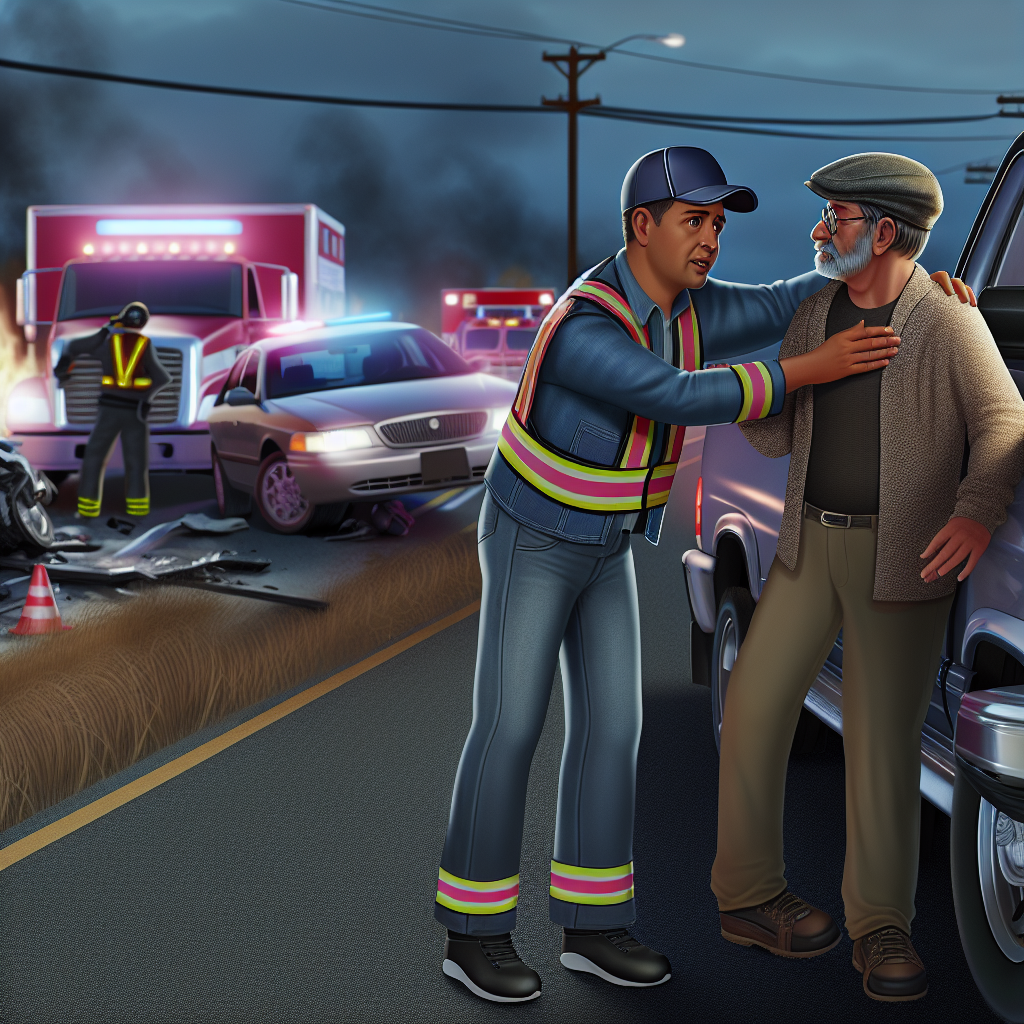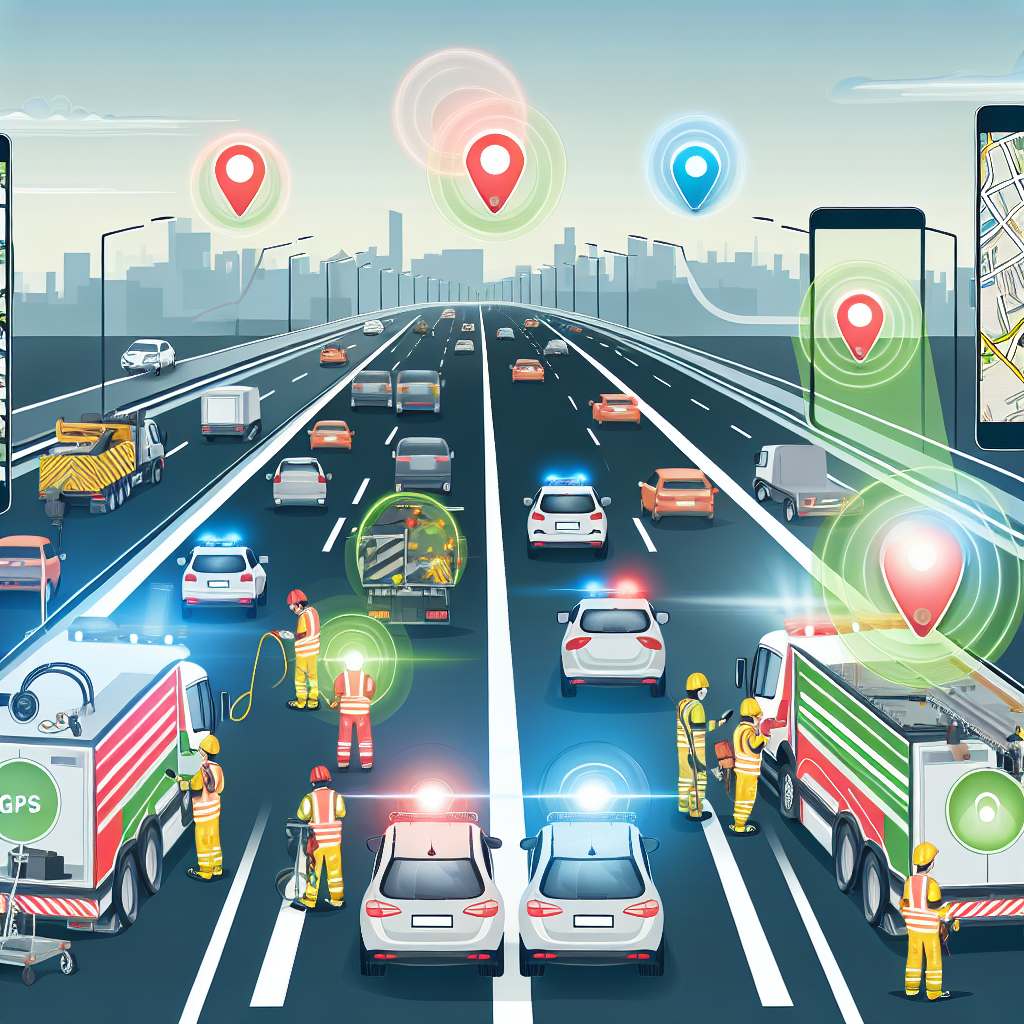
Providing effective roadside assistance on islands poses unique challenges that differ from those on the mainland. The isolation of island communities can quickly turn minor roadside incidents into major emergencies, where response times become critical. Environmental factors, like rugged terrain and unpredictable weather, further complicate these interventions, requiring specialized knowledge and skills from personnel.
Adequate emergency response training is essential in this context. Training that incorporates real-world scenarios prepares responders for accidents and reinforces key skills like driver communication and mental readiness. In this article, we will explore best practices for roadside assistance in these unique environments. We will also highlight the importance of tailored training programs that enhance preparedness and adaptability.

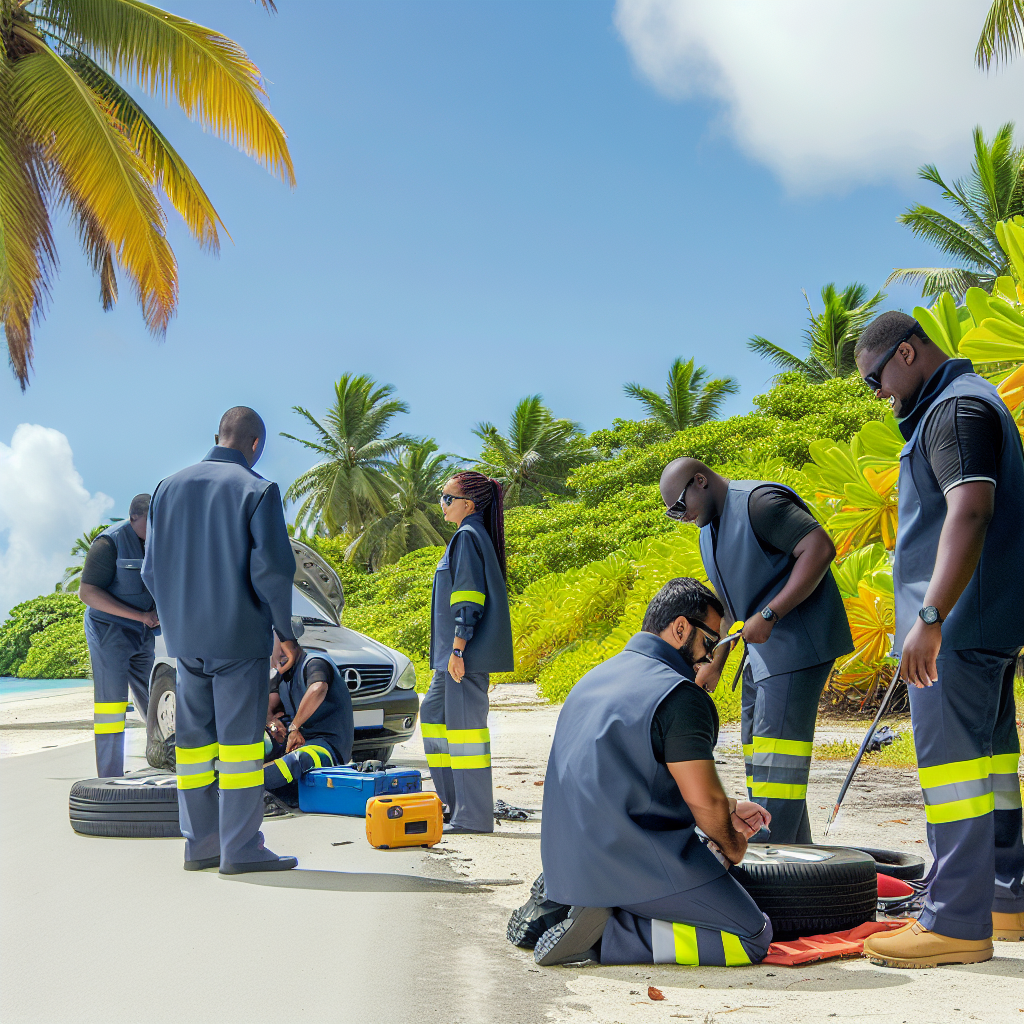
Best Practices for Training Personnel in Emergency Response Specific to Island Conditions
Implementing effective emergency response training on islands requires a focus on simulation-based exercises and mental readiness to address unique challenges such as geographic isolation and limited resources. Key best practices include:
Realistic Simulation Training
Develop immersive scenarios that replicate potential emergencies specific to the island’s environment, such as natural disasters or industrial accidents. This approach enhances responders’ familiarity with complex situations and improves decision-making under pressure. Studies have shown that scenario-based training significantly boosts preparedness and response efficacy. For instance, a simulation training program can help responders understand the nuances of local geography and weather patterns, leading to quicker, more effective responses to real emergencies.
Utilization of Advanced Technologies
Incorporate Virtual Reality (VR) and Mixed Reality (MR) tools to create dynamic training environments. These technologies allow responders to practice emergency protocols in a risk-free setting, enhancing procedural knowledge and spatial awareness. Advanced training simulations can immerse responders in scenarios that would be difficult or unsafe to replicate in real life.
Multidisciplinary Collaboration
Conduct joint training exercises involving various agencies and disciplines to foster collaboration and improve communication. Interagency exercises enable participants to understand each other’s roles and procedures, leading to more seamless coordination during actual emergencies. Effective teamwork during a crisis often makes the difference in successful outcomes.
Mental Health Preparedness
Integrate disaster mental health training into simulation exercises to equip responders with skills to manage psychological impacts during crises. This includes practicing psychological first aid, trauma response, and crisis communication techniques. Addressing mental health is vital for maintaining first responders’ welfare and ensuring they are prepared to support victims in emotionally challenging situations.
Regular Drills and Continuous Improvement
Schedule frequent simulation drills to reinforce skills and identify areas for improvement. Post-exercise debriefings should be conducted to evaluate performance and refine emergency response plans accordingly. Continuous learning through regular drills ensures that personnel remain proficient and ready to respond effectively in emergency situations.
By adopting these practices, island communities can enhance their emergency preparedness, ensuring responders are well-equipped to handle crises effectively and maintain mental resilience.
Role of Technology in Roadside Assistance and Emergency Response Training
In today’s fast-paced transportation sector, technology has become a cornerstone in enhancing roadside assistance and emergency response services. Companies like KTG and Polaris are leveraging tools such as ISAAC Instruments tablets to improve their operational efficiency and safety protocols significantly.
ISAAC Instruments Tablets: A Game Changer
These robust tablets are designed to withstand the demanding conditions of the trucking industry, enabling real-time data sharing and communication. Their integration into KTG and Polaris fleets not only facilitates electronic logging and vehicle inspections but also supports instant alerts for emergencies. For instance, the emergency button on these tablets allows drivers to send immediate security alerts, ensuring help is dispatched quickly in critical situations.
Enhancements in Emergency Response Training
Both KTG and Polaris utilize simulation-based training enabled by these technological advancements. This training includes realistic emergency scenarios that help personnel prepare for various roadside emergencies. Incorporating AR and VR technologies allows responders to practice their skills in controlled environments, boosting their confidence and decision-making abilities under pressure.
Safety and Accident Protocols
Moreover, the integration of applications like the ISAAC Connect app helps ensure drivers maintain communication with dispatchers and safety specialists. This constant connection significantly impacts accident prevention and response times. Additionally, companies can develop comprehensive safety protocols that include data-driven insights from past incidents, fostering continuous improvement in response strategies.
Ultimately, the reliance on technology such as ISAAC Instruments by KTG and Polaris not only enhances efficiency and safety but also assures that responders are well-equipped to handle emergencies swiftly, efficiently, and safely.
| Vendor | Features | Pros | Cons |
|---|---|---|---|
| KTG | ISAAC Instruments Tablets, emergency button | Real-time data sharing, robust support | Expensive initial setup |
| Polaris | Simulation-based training with VR/MR tools | Enhances preparedness and response efficacy | Limited to specific scenarios |
| Other Vendors | Custom apps for roadside assistance and incident response | Tailored solutions available | May lack comprehensive support |
| Island-Specific Tool | GPS tracking tools for remote locations | Improves efficiency in isolated areas | Connectivity issues in extreme weather conditions |
| General Solutions | Mobile apps for dispatch and emergency alerts | Widely accessible and user-friendly | Might not integrate with all fleet management systems |
Importance of Planning and Coordination during Emergencies in Island Environments
Effective emergency management in island environments is crucial due to their unique vulnerabilities and challenges. Comprehensive planning and coordination are essential to mitigate the impacts of various emergencies, leverage technological advancements, and implement proactive measures.
Types of Emergencies Faced
Island communities are susceptible to a range of emergencies, including:
- Natural Disasters: Hurricanes, tsunamis, earthquakes, and volcanic eruptions can cause widespread devastation.
- Environmental Emergencies: Oil spills and other environmental hazards can severely impact island ecosystems and economies.
- Infrastructure Failures: Limited resources and isolation can exacerbate the effects of power outages, water shortages, and communication breakdowns.
Role of Technology
Integrating technology enhances emergency preparedness and response:
- Geographic Information Systems (GIS): GIS technology aids in visualizing and analyzing terrain, resources, and threats, facilitating strategic planning and response coordination.
- Incident Command Systems (ICS): ICS provides a standardized framework for managing incidents, streamlining communication, decision-making, and resource allocation among different response agencies.
- Disaster Informatics: The study and application of information technology in disaster management is known as disaster informatics, which involves using data analytics, social media, and real-time information sharing to improve situational awareness and decision-making.
Significance of Proactive Measures
Proactive planning and coordination are vital for effective emergency management:
- Interagency Collaboration: Establishing partnerships and memorandums of understanding ensures a unified response during emergencies.
- Training and Simulations: Regular joint exercises and training sessions enhance coordination and preparedness among responders.
- Resource Management: Proactively procuring and managing resources like water, food, and medical supplies ensures their availability during crises.
In summary, the unique challenges of island environments necessitate meticulous planning, robust coordination, and the integration of technology to effectively manage emergencies. Proactive measures, including interagency collaboration, regular training, and resource management, are essential to enhance resilience and ensure the safety and well-being of island communities.
In conclusion, enhancing emergency response on islands requires an integrated approach that combines comprehensive planning, ongoing training, and advanced technology. As highlighted in this article, the unpredictable nature of island environments necessitates that responders are prepared for a range of scenarios, from natural disasters to infrastructural failures. According to Eugenia Churilov,
“Every business should be prepared for disaster, and it’s important to have a business disaster recovery plan.”
This underscores the need for a proactive strategy that includes not only technical resources but also human readiness.
Furthermore, as Mo Baki aptly states,
“Expect the unexpected.”
This poignant reminder encourages organizations to prioritize emergency response training so responders can act swiftly and effectively when crises arise. With technological advancements such as ISAAC Instruments improving communication and situational awareness, responders can leverage tools that create a safer environment for both themselves and those they assist. Ultimately, investing in training, technology, and strategic planning is essential for ensuring island communities are resilient and prepared for unforeseen challenges, fostering a safer future for all.
User Statistics and Case Studies on Emergency Response Training
Research demonstrates that emergency response training is critical for enhancing effectiveness and preparedness in isolated environments like island communities. Here are some expanded insights to reinforce our argument:
1. Inspiring Stories from Roadside Assistance Workers
In addition to statistical evidence, personal stories from those working in roadside assistance provide profound insights into the emotional challenges and triumphs of their roles. For instance:
- Volunteer Testimonials: In a touching account from volunteers at Cumberland Island National Seashore, Jerry and Kirsten West shared their experiences assisting visitors in a remote island setting. They stressed the rewarding nature of their work, emphasizing how flexibility and a willingness to learn about the island’s history and wildlife enhanced their connection with visitors and emotional fulfillment in preserving a unique environment. Read more here.
- Life After Hurricane Ian: Yamil Villafane, a tow truck driver from Orlando, detailed his hectic months following Hurricane Ian. Stranded motorists inundated him with requests, and he even lived in his truck for weeks, tirelessly assisting those in desperate situations. His story epitomizes the dedication and resilience required in emergency roadside assistance, particularly amid natural disasters. Listen to his story.
- Emerging as a Guardian Angel: A mother recounts an emotional experience when her car broke down on a snowy country road with her children. Out of nowhere, a tall, muscular woman stopped to help, providing blankets and pulling their car out of a ditch. This act of kindness by a roadside assistance worker not only ensured their safety but also beautifully illustrated the compassion inherent in this profession. Read her story.
- West Vail Shell Testimonials: Various customers shared their experiences with West Vail’s towing services that cater to mountainous regions in Colorado. The testimonials highlighted the drivers’ professionalism, promptness, and the emotional support they provided during incredibly stressful moments, reaffirming the critical role assistance workers play in ensuring safety and comfort. View testimonials.
- Roadside Assistance in Honolulu: Customers in Honolulu praised the services of 24 Hour Island Towing, with reviews emphasizing the kindness and quick response times of the drivers. Many noted how drivers frequently surpassed expectations to ensure the safety of stranded motorists, showcasing the dedication of roadside assistance workers on the islands. Learn more.
These narratives reflect not only the emotional dimensions of their work but also how roadside assistance personnel impact lives positively in moments of crisis.
2. Case Studies Illustrating Successful Emergency Response Training
- Disaster Adaptation Framework: A study published in Natural Hazards emphasized the importance of comprehensive emergency response training programs in enhancing the knowledge of residents about evacuation procedures in isolated island communities. This knowledge significantly contributes to community resilience during emergencies (Natural Hazards).
- Immersive Training Impact: A study in Disaster Medicine and Public Health Preparedness evaluated immersive disaster training’s effect on college students. Participants underwent a three-day program mimicking mass casualty events, leading to significant skill improvements in triage, incident command, and communication (Disaster Medicine).
- VR Training Effectiveness: A systematic review featured in Discover Education assessed the benefits of using virtual reality (VR) for disaster preparedness training. Findings indicated that VR training boosts knowledge retention and confidence among healthcare professionals, making it a valuable tool despite higher upfront costs (Discover Education).
- Public Health Workers’ Training: A retrospective analysis in PubMed reviewed the effectiveness of preparedness training for public health workers, revealing that many existing programs were rated ‘fair’ to ‘good’. The authors underscored the importance of aligning training programs with actual policy and practice needs for improved outcomes (PubMed).
These examples collectively highlight the critical role of tailored, immersive emergency response training in enhancing preparedness and effectiveness in island settings.
Mental Readiness for Drivers and Teams Responding to Emergencies
In the high-pressure environment of roadside assistance, especially in isolated island settings, mental readiness is a cornerstone of effective emergency response. According to emergency response professionals, the psychological stress and emotional resilience required during such situations cannot be overstated. As Mo Baki states, “Expect the unexpected,” highlighting the unpredictable nature of emergencies, drivers and assistance teams must be equipped to handle the realities they may face.
Recognizing Stress and Burnout
Burnout is a gradual process that can reduce team effectiveness when responders feel overwhelmed. Signs such as emotional exhaustion and irritability can indicate mental strain. Therefore, early recognition and intervention are vital. Establishing structures that promote employee well-being can mitigate these feelings; as noted by professionals, “Mental health support should be a priority in emergency response teams” (emsricky.com).
The Role of Team Support
Building psychological resilience starts with fostering a supportive team environment. Peer support networks can enhance understanding among team members, encouraging them to share experiences and emotions. Programs that facilitate emotional sharing help to reduce feelings of isolation, as seen in buddy systems adopted by some services. This practice can effectively enhance recovery from traumatic encounters, fostering a sense of solidarity within teams (emsricky.com).
Leadership Confidence
Effective leadership plays a significant role in mental preparedness. Leaders who demonstrate self-confidence and manage their own mental health effectively build trust within their teams. They need to engage in psychological self-care to be effective during emergencies, reinforcing the importance of solid leadership in crisis situations (pmc.ncbi.nlm.nih.gov).
Comprehensive Training Programs
Adopting training frameworks that focus on self-preparedness and emotional well-being is crucial. Simulation programs that replicate real-life scenarios allow teams to enhance their skills under high-stress conditions, thus boosting competence and confidence when facing actual emergencies. Effective training is not just about technical skills but also about preparing responders emotionally (pmc.ncbi.nlm.nih.gov).
Psychological Resilience Programs
Programs like the Road to Mental Readiness (R2MR) have shown promising results in enhancing resilience and decreasing stigma regarding mental health issues within teams. Such initiatives contribute to a healthier workplace culture and help in developing better support systems among team members (pubmed.ncbi.nlm.nih.gov).
Conclusion
Incorporating these strategies into roadside assistance operations can enhance the mental readiness of drivers and teams. An environment that prioritizes psychological well-being, coupled with effective training and leadership, will not only prepare teams to respond to emergencies but also promote overall resilience and effectiveness in challenging times.
Enhanced Overview of Emergency Response Training on Islands
As island communities grapple with unique challenges in emergency responses, effective training becomes imperative. The isolation, exposure to natural disasters, and limited resources heighten the need for specialized preparedness. Here are some expanded insights, statistics, and case studies which illustrate the significance and effectiveness of emergency response training specifically tailored for island environments.
1. Case Studies Illustrating Successful Emergency Response Training
- Virtual Reality (VR) Training for Earthquake Preparedness in Auckland City Hospital, New Zealand
A study conducted at Auckland City Hospital utilized an immersive VR serious game to enhance earthquake behavioral responses and post-earthquake evacuation preparedness among hospital staff and visitors. Participants showed significant improvements in knowledge and self-efficacy regarding earthquake emergencies after VR training. This innovative approach indicates that VR can engage learners effectively and prepare them for real-world scenarios (arxiv.org). - Landslide Early Warning System in Sitka, Alaska
After suffering a landslide in 2015, Sitka established a GeoTask Force to implement a landslide warning system utilizing technology for real-time risk assessment. This proactive measure has dramatically improved community preparedness and response to potential disasters, highlighting how integrated technology in training can enhance safety (ruralhealthinfo.org). - Hurricane Evacuation and Shelter Management in Gulf Shores, Alabama
During Hurricane Sally in September 2020, the residents of Gulf Shores experienced dual threats from weather and COVID-19. Emergency managers developed comprehensive plans for evacuations and shelter management, demonstrating resilience and adaptability in crisis management under stress. This instance highlights the need for adaptive strategies in emergency preparedness training (ruralhealthinfo.org). - Offshore Emergency Response Training
In offshore environments, emergency response training has been shown to enhance team effectiveness significantly through structured debriefing sessions. Teams reported performance improvements of up to 25% based on accurate feedback received from these sessions, underscoring the importance of comprehensive training in high-risk environments (identecsolutions.com).
2. Significance of Comprehensive Data-Driven Decision Making
Utilizing technology in training not only fosters preparedness but also facilitates immediate data analysis during emergencies. For instance, systems like Geographic Information Systems (GIS) are employed extensively in crisis scenarios. Emergency response training programs increasingly incorporate real-time data analysis tools, enabling responders to make informed decisions quickly.
3. Research Highlights on Emergency Training Effectiveness
- A review in Disaster Medicine and Public Health Preparedness assessed immersive disaster training programs, confirming that participants exhibited marked improvements in essential skills such as triage and incident command (Disaster Medicine).
- A Discover Education systematic review found that VR significantly boosts knowledge retention among healthcare professionals, validating its application in emergency response training (Discover Education).
4. Conclusion
The implementation of comprehensive emergency response training programs tailored for islands is crucial, as they prepare responders to manage the distinct challenges that arise. By incorporating innovative training methods alongside technology, such as VR simulations and real-time data systems, island communities can bolster their resilience against disasters and ensure effective response in crises. Overall, investing in advanced training strategies is essential for improving emergency response effectiveness and safety across isolated environments.
Providing effective roadside assistance on islands poses unique challenges that differ from those on the mainland. The isolation of island communities can quickly turn minor roadside incidents into major emergencies, where emergency response training becomes critical, and response times become crucial. Environmental factors, like rugged terrain and unpredictable weather, further complicate these interventions, requiring specialized knowledge and skills from personnel. Adequate emergency response training is essential in this context. Training that incorporates real-world emergency scenarios prepares responders for accidents and reinforces key skills like driver communication and mental readiness. In this article, we will explore best practices for roadside assistance in these unique environments. We will also highlight the importance of tailored emergency response training programs that enhance preparedness and adaptability.
Best Practices for Training Personnel in Emergency Response Specific to Island Conditions
Implementing effective emergency response training on islands requires a focus on simulation-based exercises and mental readiness to address unique challenges such as geographic isolation and limited resources. Key best practices include:
Realistic Simulation Training
Develop immersive scenarios that replicate potential emergencies specific to the island’s environment, such as natural disasters or industrial accidents. This approach enhances responders’ familiarity with complex situations and improves decision-making under pressure. Studies have shown that scenario-based emergency response training significantly boosts preparedness and response efficacy. For instance, a simulation training program can help responders understand the nuances of local geography and weather patterns, leading to quicker, more effective responses to real emergencies.
Utilization of Advanced Technologies
Incorporate Virtual Reality (VR) and Mixed Reality (MR) tools to create dynamic training environments. These technologies allow responders to practice emergency protocols in a risk-free setting, enhancing procedural knowledge and spatial awareness. Advanced emergency response training simulations can immerse responders in scenarios that would be challenging or unsafe to replicate in real life.
Multidisciplinary Collaboration
Conduct joint training exercises involving various agencies and disciplines to foster collaboration and improve communication. Interagency exercises enable participants to understand each other’s roles and procedures, leading to more seamless coordination during actual emergencies. Effective teamwork during a crisis often makes the difference in successful outcomes.
Mental Health Preparedness
Integrate disaster mental health training into simulation exercises to equip responders with skills to manage psychological impacts during crises. This includes practicing psychological first aid, trauma response, and crisis communication techniques. Addressing mental health is vital for maintaining first responders’ welfare and ensuring they are prepared to support victims in emotionally challenging situations.
Regular Drills and Continuous Improvement
Schedule frequent simulation drills to reinforce skills and identify areas for improvement. Post-exercise debriefings should be conducted to evaluate performance and refine emergency response plans accordingly. Continuous learning through regular drills ensures that personnel remain proficient and ready to respond effectively in emergency situations.
By adopting these practices, island communities can enhance their emergency preparedness, ensuring responders are well-equipped to handle crises effectively and maintain mental resilience.
Role of Technology in Roadside Assistance and Emergency Response Training
In today’s fast-paced transportation sector, technology has become a cornerstone of enhancing roadside assistance and emergency response training services. Companies like KTG and Polaris are leveraging tools such as ISAAC Instruments tablets to improve their operational efficiency and safety protocols significantly.
ISAAC Instruments Tablets: A Game Changer
These robust tablets are designed to withstand the demanding conditions of the trucking industry, enabling real-time data sharing and communication. Their integration into KTG and Polaris fleets not only facilitates electronic logging and vehicle inspections but also supports instant alerts for emergencies. For instance, the emergency button on these tablets allows drivers to send immediate security alerts, ensuring help is dispatched quickly in critical situations.
Enhancements in Emergency Response Training
Both KTG and Polaris utilize simulation-based emergency response training enabled by these technological advancements. This training includes realistic emergency scenarios that help personnel prepare for various roadside emergencies. Incorporating AR and VR technologies allows responders to practice their skills in controlled environments, boosting their confidence and decision-making abilities under pressure.
Safety and Accident Protocols
Moreover, the integration of applications like the ISAAC Connect app helps ensure drivers maintain communication with dispatchers and safety specialists. This constant connection significantly impacts accident prevention and response times. Additionally, companies can develop comprehensive safety protocols that include data-driven insights from past incidents, fostering continuous improvement in response strategies.
Ultimately, the reliance on technology such as ISAAC Instruments by KTG and Polaris not only enhances efficiency and safety but also assures that responders are well-equipped to handle emergencies swiftly, efficiently, and safely.
Importance of Planning and Coordination during Emergencies in Island Environments
Effective emergency management in island environments is crucial due to their unique vulnerabilities and challenges. Comprehensive planning and coordination are essential to mitigate the impacts of various emergencies, leverage technological advancements, and implement proactive measures.
Types of Emergencies Faced
- Natural Disasters: Hurricanes, tsunamis, earthquakes, and volcanic eruptions can cause widespread devastation.
- Environmental Emergencies: Oil spills and other environmental hazards can severely impact island ecosystems and economies.
- Infrastructure Failures: Limited resources and isolation can exacerbate the effects of power outages, water shortages, and communication breakdowns.
Role of Technology
- Geographic Information Systems (GIS): GIS technology aids in visualizing and analyzing terrain, resources, and threats, facilitating strategic planning and response coordination.
- Incident Command Systems (ICS): ICS provides a standardized framework for managing incidents, streamlining communication, decision-making, and resource allocation among different response agencies.
- Disaster Informatics: The study and application of information technology in disaster management is known as disaster informatics, which involves using data analytics, social media, and real-time information sharing to improve situational awareness and decision-making.
Significance of Proactive Measures
- Interagency Collaboration: Establishing partnerships and memorandums of understanding ensures a unified response during emergencies.
- Training and Simulations: Regular joint exercises and emergency response training sessions enhance coordination and preparedness among responders.
- Resource Management: Proactively procuring and managing resources like water, food, and medical supplies ensures their availability during crises.
In summary, the unique challenges of island environments necessitate meticulous planning, robust coordination, and the integration of technology to effectively manage emergencies. Proactive measures, including interagency collaboration, regular emergency response training, and resource management, are essential to enhance resilience and ensure the safety and well-being of island communities.
In conclusion, enhancing emergency response on islands requires an integrated approach that combines comprehensive planning, ongoing emergency response training, and advanced technologies. As highlighted in this article, the unpredictable nature of island environments necessitates that responders are prepared for a range of scenarios, from natural disasters to infrastructural failures. According to Eugenia Churilov, “Every business should be prepared for disaster, and it’s important to have a business disaster recovery plan.” This underscores the need for a proactive strategy that includes not only technical resources but also human readiness.
Furthermore, as Mo Baki aptly states, “Expect the unexpected.” This poignant reminder encourages organizations to prioritize emergency response training so responders can act swiftly and effectively when crises arise. With technological advancements such as ISAAC Instruments improving communication and situational awareness, responders can leverage tools that create a safer environment for both themselves and those they assist. Ultimately, investing in emergency response training, technology, and strategic planning is essential for ensuring island communities are resilient and prepared for unforeseen challenges, fostering a safer future for all.
User Statistics and Case Studies on Emergency Response Training
Research demonstrates that emergency response training is critical for enhancing effectiveness and preparedness in isolated environments like island communities. Here’s a summary of relevant findings to reinforce our argument:
- Disaster Adaptation Framework: A study published in Natural Hazards emphasized the importance of comprehensive emergency response training programs in enhancing the knowledge of residents about evacuation procedures in isolated island communities. This knowledge significantly contributes to community resilience during emergencies (Natural Hazards).
- Immersive Training Impact: A study in Disaster Medicine and Public Health Preparedness evaluated immersive disaster training’s effect on college students. Participants underwent a three-day program mimicking mass casualty events, leading to significant skill improvements in triage, incident command, and communication (Disaster Medicine).
- VR Training Effectiveness: A systematic review featured in Discover Education assessed the benefits of using virtual reality (VR) for disaster preparedness training. Findings indicated that VR training boosts knowledge retention and confidence among healthcare professionals, making it a valuable tool despite higher upfront costs (Discover Education).
- Public Health Workers’ Training: A retrospective analysis in PubMed reviewed the effectiveness of preparedness training for public health workers, revealing that many existing programs were rated ‘fair’ to ‘good’. The authors underscored the importance of aligning training programs with actual policy and practice needs for improved outcomes (PubMed).
These examples collectively highlight the critical role of tailored, immersive emergency response training in enhancing preparedness and effectiveness in island settings.
Mental Readiness for Drivers and Teams Responding to Emergencies
In the high-pressure environment of roadside assistance, especially in isolated island settings, mental readiness is a cornerstone of effective emergency response training. According to emergency response professionals, the psychological stress and emotional resilience required during such situations cannot be overstated. As Mo Baki states, “Expect the unexpected,” highlighting the unpredictable nature of emergencies, drivers and assistance teams must be equipped to handle the realities they may face.
Recognizing Stress and Burnout
Burnout is a gradual process that can reduce team effectiveness when responders feel overwhelmed. Signs such as emotional exhaustion and irritability can indicate mental strain. Therefore, early recognition and intervention are vital. Establishing structures that promote employee well-being can mitigate these feelings; as noted by professionals, “Mental health support should be a priority in emergency response teams” (emsricky.com).
The Role of Team Support
Building psychological resilience starts with fostering a supportive team environment. Peer support networks can enhance understanding among team members, encouraging them to share experiences and emotions. Programs that facilitate emotional sharing help to reduce feelings of isolation, as seen in buddy systems adopted by some services. This practice can effectively enhance recovery from traumatic encounters, fostering a sense of solidarity within teams (emsricky.com).
Leadership Confidence
Effective leadership plays a significant role in mental preparedness. Leaders who demonstrate self-confidence and manage their own mental health effectively build trust within their teams. They need to engage in psychological self-care to be effective during emergencies, reinforcing the importance of solid leadership in crisis situations (pmc.ncbi.nlm.nih.gov).
Comprehensive Training Programs
Adopting training frameworks that focus on self-preparedness and emotional well-being is crucial. Simulation programs that replicate real-life scenarios allow teams to enhance their skills under high-stress conditions, thus boosting competence and confidence when facing actual emergencies. Effective training is not just about technical skills but also about preparing responders emotionally (pmc.ncbi.nlm.nih.gov).
Psychological Resilience Programs
Programs like the Road to Mental Readiness (R2MR) have shown promising results in enhancing resilience and decreasing stigma regarding mental health issues within teams. Such initiatives contribute to a healthier workplace culture and help in developing better support systems among team members (pubmed.ncbi.nlm.nih.gov).
Conclusion
Incorporating these strategies into roadside assistance operations can enhance the mental readiness of drivers and teams. An environment that prioritizes psychological well-being, coupled with effective training and leadership, will not only prepare teams to respond to emergencies but also promote overall resilience and effectiveness in challenging times.
Providing effective roadside assistance on islands poses unique challenges that differ from those on the mainland. The isolation of island communities can quickly turn minor roadside incidents into major emergencies, where emergency response training becomes critical, and response times become crucial. Environmental factors, like rugged terrain and unpredictable weather, further complicate these interventions, requiring specialized knowledge and skills from personnel. Adequate emergency response training is essential in this context. Training that incorporates real-world emergency scenarios prepares responders for accidents and reinforces key skills like driver communication and mental readiness. In this article, we will explore best practices for roadside assistance in these unique environments. We will also highlight the importance of tailored emergency response training programs that enhance preparedness and adaptability.
Best Practices for Training Personnel in Emergency Response Specific to Island Conditions
Implementing effective emergency response training on islands requires a focus on simulation-based exercises and mental readiness to address unique challenges such as geographic isolation and limited resources. Key best practices include:
Realistic Simulation Training
Develop immersive scenarios that replicate potential emergencies specific to the island’s environment, such as natural disasters or industrial accidents. This approach enhances responders’ familiarity with complex situations and improves decision-making under pressure. Studies have shown that scenario-based emergency response training significantly boosts preparedness and response efficacy. For instance, a simulation training program can help responders understand the nuances of local geography and weather patterns, leading to quicker, more effective responses to real emergencies.
As we explore further, it’s essential to consider another cornerstone of enhancing roadside assistance and emergency response training services: the role of technology.
Utilization of Advanced Technologies
Incorporate Virtual Reality (VR) and Mixed Reality (MR) tools to create dynamic training environments. These technologies allow responders to practice emergency protocols in a risk-free setting, enhancing procedural knowledge and spatial awareness. Advanced emergency response training simulations can immerse responders in scenarios that would be challenging or unsafe to replicate in real life.
Multidisciplinary Collaboration
Conduct joint training exercises involving various agencies and disciplines to foster collaboration and improve communication. Interagency exercises enable participants to understand each other’s roles and procedures, leading to more seamless coordination during actual emergencies. Effective teamwork during a crisis often makes the difference in successful outcomes.
Moreover, understanding the psychological aspect of emergency response is crucial; harnessing mental health strategies can greatly enhance the preparedness of teams.
Mental Health Preparedness
Integrate disaster mental health training into simulation exercises to equip responders with skills to manage psychological impacts during crises. This includes practicing psychological first aid, trauma response, and crisis communication techniques. Addressing mental health is vital for maintaining first responders’ welfare and ensuring they are prepared to support victims in emotionally challenging situations.
Regular Drills and Continuous Improvement
Schedule frequent simulation drills to reinforce skills and identify areas for improvement. Post-exercise debriefings should be conducted to evaluate performance and refine emergency response plans accordingly. Continuous learning through regular drills ensures that personnel remain proficient and ready to respond effectively in emergency situations.
By adopting these practices, island communities can enhance their emergency preparedness, ensuring responders are well-equipped to handle crises effectively and maintain mental resilience.
With these foundational strategies in place, we transition to discussing the critical role that technology plays in modern emergency response training for roadside assistance.
Role of Technology in Roadside Assistance and Emergency Response Training
In today’s fast-paced transportation sector, technology has become a cornerstone of enhancing roadside assistance and emergency response training services. Companies like KTG and Polaris are leveraging tools such as ISAAC Instruments tablets to improve their operational efficiency and safety protocols significantly.
ISAAC Instruments Tablets: A Game Changer
These robust tablets are designed to withstand the demanding conditions of the trucking industry, enabling real-time data sharing and communication. Their integration into KTG and Polaris fleets not only facilitates electronic logging and vehicle inspections but also supports instant alerts for emergencies. For instance, the emergency button on these tablets allows drivers to send immediate security alerts, ensuring help is dispatched quickly in critical situations.
Enhancements in Emergency Response Training
Both KTG and Polaris utilize simulation-based emergency response training enabled by these technological advancements. This training includes realistic emergency scenarios that help personnel prepare for various roadside emergencies. Incorporating AR and VR technologies allows responders to practice their skills in controlled environments, boosting their confidence and decision-making abilities under pressure.
As technology shapes our response frameworks, we will also touch upon the significance of planning and coordination to support emergency management effectively.
Safety and Accident Protocols
Moreover, the integration of applications like the ISAAC Connect app helps ensure drivers maintain communication with dispatchers and safety specialists. This constant connection significantly impacts accident prevention and response times. Additionally, companies can develop comprehensive safety protocols that include data-driven insights from past incidents, fostering continuous improvement in response strategies.
Ultimately, the reliance on technology such as ISAAC Instruments by KTG and Polaris not only enhances efficiency and safety but also assures that responders are well-equipped to handle emergencies swiftly, efficiently, and safely.
Importance of Planning and Coordination during Emergencies in Island Environments
Effective emergency management in island environments is crucial due to their unique vulnerabilities and challenges. Comprehensive planning and coordination are essential to mitigate the impacts of various emergencies, leverage technological advancements, and implement proactive measures.
Types of Emergencies Faced
- Natural Disasters: Hurricanes, tsunamis, earthquakes, and volcanic eruptions can cause widespread devastation.
- Environmental Emergencies: Oil spills and other environmental hazards can severely impact island ecosystems and economies.
- Infrastructure Failures: Limited resources and isolation can exacerbate the effects of power outages, water shortages, and communication breakdowns.
Role of Technology
- Geographic Information Systems (GIS): GIS technology aids in visualizing and analyzing terrain, resources, and threats, facilitating strategic planning and response coordination.
- Incident Command Systems (ICS): ICS provides a standardized framework for managing incidents, streamlining communication, decision-making, and resource allocation among different response agencies.
- Disaster Informatics: The study and application of information technology in disaster management is known as disaster informatics, which involves using data analytics, social media, and real-time information sharing to improve situational awareness and decision-making.
Significance of Proactive Measures
- Interagency Collaboration: Establishing partnerships and memorandums of understanding ensures a unified response during emergencies.
- Training and Simulations: Regular joint exercises and emergency response training sessions enhance coordination and preparedness among responders.
- Resource Management: Proactively procuring and managing resources like water, food, and medical supplies ensures their availability during crises.
In summary, the unique challenges of island environments necessitate meticulous planning, robust coordination, and the integration of technology to effectively manage emergencies. Proactive measures, including interagency collaboration, regular emergency response training, and resource management, are essential to enhance resilience and ensure the safety and well-being of island communities.
In conclusion, enhancing emergency response on islands requires an integrated approach that combines comprehensive planning, ongoing emergency response training, and advanced technologies. As highlighted in this article, the unpredictable nature of island environments necessitates that responders are prepared for a range of scenarios, from natural disasters to infrastructural failures. According to Eugenia Churilov, “Every business should be prepared for disaster, and it’s important to have a business disaster recovery plan.” This underscores the need for a proactive strategy that includes not only technical resources but also human readiness.
Furthermore, as Mo Baki aptly states, “Expect the unexpected.” This poignant reminder encourages organizations to prioritize emergency response training so responders can act swiftly and effectively when crises arise. With technological advancements such as ISAAC Instruments improving communication and situational awareness, responders can leverage tools that create a safer environment for both themselves and those they assist. Ultimately, investing in emergency response training, technology, and strategic planning is essential for ensuring island communities are resilient and prepared for unforeseen challenges, fostering a safer future for all.
User Statistics and Case Studies on Emergency Response Training
Research demonstrates that emergency response training is critical for enhancing effectiveness and preparedness in isolated environments like island communities. Here’s a summary of relevant findings to reinforce our argument:
- Disaster Adaptation Framework: A study published in Natural Hazards emphasized the importance of comprehensive emergency response training programs in enhancing the knowledge of residents about evacuation procedures in isolated island communities. This knowledge significantly contributes to community resilience during emergencies (Natural Hazards).
- Immersive Training Impact: A study in Disaster Medicine and Public Health Preparedness evaluated immersive disaster training’s effect on college students. Participants underwent a three-day program mimicking mass casualty events, leading to significant skill improvements in triage, incident command, and communication (Disaster Medicine).
- VR Training Effectiveness: A systematic review featured in Discover Education assessed the benefits of using virtual reality (VR) for disaster preparedness training. Findings indicated that VR training boosts knowledge retention and confidence among healthcare professionals, making it a valuable tool despite higher upfront costs (Discover Education).
- Public Health Workers’ Training: A retrospective analysis in PubMed reviewed the effectiveness of preparedness training for public health workers, revealing that many existing programs were rated ‘fair’ to ‘good’. The authors underscored the importance of aligning training programs with actual policy and practice needs for improved outcomes (PubMed).
These examples collectively highlight the critical role of tailored, immersive emergency response training in enhancing preparedness and effectiveness in island settings.
Mental Readiness for Drivers and Teams Responding to Emergencies
In the high-pressure environment of roadside assistance, especially in isolated island settings, mental readiness is a cornerstone of effective emergency response training. According to emergency response professionals, the psychological stress and emotional resilience required during such situations cannot be overstated. As Mo Baki states, “Expect the unexpected,” highlighting the unpredictable nature of emergencies, drivers and assistance teams must be equipped to handle the realities they may face.
Recognizing Stress and Burnout
Burnout is a gradual process that can reduce team effectiveness when responders feel overwhelmed. Signs such as emotional exhaustion and irritability can indicate mental strain. Therefore, early recognition and intervention are vital. Establishing structures that promote employee well-being can mitigate these feelings; as noted by professionals, “Mental health support should be a priority in emergency response teams” (emsricky.com).
The Role of Team Support
Building psychological resilience starts with fostering a supportive team environment. Peer support networks can enhance understanding among team members, encouraging them to share experiences and emotions. Programs that facilitate emotional sharing help to reduce feelings of isolation, as seen in buddy systems adopted by some services. This practice can effectively enhance recovery from traumatic encounters, fostering a sense of solidarity within teams (emsricky.com).
Leadership Confidence
Effective leadership plays a significant role in mental preparedness. Leaders who demonstrate self-confidence and manage their own mental health effectively build trust within their teams. They need to engage in psychological self-care to be effective during emergencies, reinforcing the importance of solid leadership in crisis situations (pmc.ncbi.nlm.nih.gov).
Comprehensive Training Programs
Adopting training frameworks that focus on self-preparedness and emotional well-being is crucial. Simulation programs that replicate real-life scenarios allow teams to enhance their skills under high-stress conditions, thus boosting competence and confidence when facing actual emergencies. Effective training is not just about technical skills but also about preparing responders emotionally (pmc.ncbi.nlm.nih.gov).
Psychological Resilience Programs
Programs like the Road to Mental Readiness (R2MR) have shown promising results in enhancing resilience and decreasing stigma regarding mental health issues within teams. Such initiatives contribute to a healthier workplace culture and help in developing better support systems among team members (pubmed.ncbi.nlm.nih.gov).
Conclusion
Incorporating these strategies into roadside assistance operations can enhance the mental readiness of drivers and teams. An environment that prioritizes psychological well-being, coupled with effective training and leadership, will not only prepare teams to respond to emergencies but also promote overall resilience and effectiveness in challenging times.