Towing a truck with another truck on our islands requires more than just muscle; it demands knowledge, the right tools, and an understanding of safety protocols. Whether you’re part of a local auto repair shop, managing a fleet of vehicles, or running a resort, knowing how to tow effectively ensures business continuity and enhances operational efficiency. This comprehensive guide will unfold in five chapters, covering everything from basic towing capacities and regulations to essential safety communications during towing. Designed specifically for professionals in island contexts, this article equips you with the necessary skills and confidence to handle towing situations with ease.
Two Trucks, One Clear Path: Mastering Capacity, Compliance, and the Craft of Towing Between Heavy Vehicles
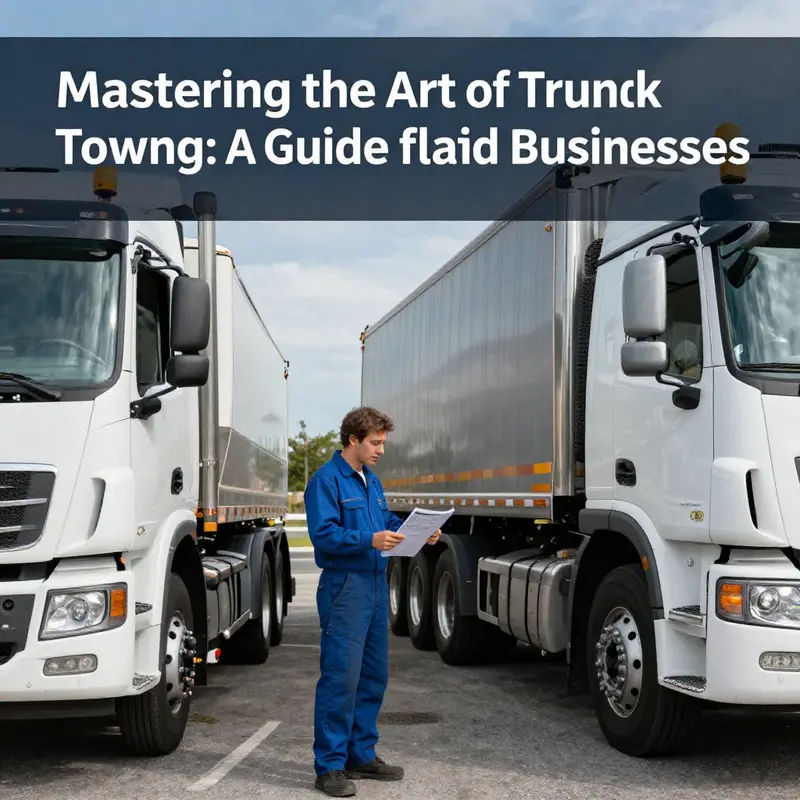
When two trucks come together for a tow, the scene is more than a mechanical act. It is a careful negotiation between physics, perception, and law, where the goal is to move a stranded vehicle without inviting the kind of misfortune that can spiral from a single hesitation or miscalculation. The broader article has laid out the fundamentals of how to tow a truck with another truck, but beneath the steps lies a larger obligation: to respect capacity and comply with regulations that exist precisely to prevent accidents, ruin, and regret. To tow safely is to understand what the towing truck can bear, what the towed vehicle can tolerate, and what the road and weather will permit at that moment. It is to balance speed with patience, to choose the right equipment instead of the quickest option, and to keep communication as reliable as the mechanical link that binds the two machines. In practice, this means starting with a clear view of capacity, then aligning that view with a disciplined method for connection, signaling, and operation, all while acknowledging the legal map that governs every move on the asphalt.
Capacity is not a single number but a relationship among several figures. The towing vehicle must have a towing capacity that reasonably exceeds the weight of the vehicle being moved, including any cargo that might remain aboard. Beyond raw weight, the hitch weight—the downward force the trailer imposes on the hitch—must stay within the towing vehicle’s design limits. If the hitch weight is too high, rear suspension and axles can sag under load, steering can feel light or unpredictable, and brakes may become overwhelmed in a panic stop. The gross combined weight rating, GCWR, tells you the maximum sum of the towing vehicle and the towed vehicle together. Even if the towing machine seems capable on its own, pushing past GCWR invites drivetrain stress, overheating, and unstable handling. Larger, heavier-duty platforms naturally offer more margin, but even they demand disciplined planning: you must account for passengers, fuel, tools, and any incidental cargo that travels with you. The weight distribution across the pair matters, too. If most of the load sits behind the rear axle of the towing vehicle, the system can become twitchy, especially when braking or turning.
In this frame, the choice of equipment becomes pivotal. The safest options for heavy, multi-axle or four-wheel-drive trucks are a robust tow bar or, even better, a flatbed trailer that lifts all wheels off the ground. A tow rope or chain, while sometimes expedient for short, low-speed tasks on lighter vehicles, offers no braking assistance and provides little control over vehicle dynamics. It should be reserved for situations where speed and space are extremely limited and the risk is accepted as part of the plan. The principle is simple: when the load is heavy or the road is uncertain, choose the gear that preserves control rather than the gear that saves minutes. And when a tire, brake line, or steering instability becomes apparent, the safest response is to stop and reassess rather than press on in a compromised configuration. The message is consistent with best practices across jurisdictions: equipment selection matters as much as any driver input.
Preparation before the tow begins long before the first movement. The towed vehicle should be prepared to minimize surprises: parking brake released, transmission in neutral for automatics or first gear for manuals, ignition on to keep the steering unlocked and the lights functioning, tires checked, and a quick scan for leaks or abnormal noises that might indicate a hidden issue. The towing vehicle, meanwhile, requires a careful inspection of the hitch or hitch receiver, the safety chains arranged in a crisscross pattern to catch the load if anything breaks, and all electrical connections verified so that brake lights and signals communicate clearly to surrounding traffic. Connecting the equipment securely and testing the connection by a gentle pull helps confirm that the assembly is robust and properly aligned. The operational reality of towing also demands attention to optical and electrical visibility; tail lights and hazard indicators for the towed unit must be functioning to inform other road users of the ongoing operation.
Communication becomes the lifeline of the tow. Clear signals reduce the chance of misinterpretation when visual contact is limited by distance or terrain. Drivers should agree on a suite of cues for starting, stopping, slowing, turning, and emergencies. A conservative rule of thumb is to maintain a generous following distance—enough space to react smoothly to any sudden change in traffic or a mechanical hint of trouble. In practice, this translates to slow, methodical driving: a steady pace that avoids abrupt acceleration or braking, wider turns that accommodate the extended vehicle length, and a cadence that keeps the two trucks moving as a single, coordinated unit. Road conditions should guide the tempo too; smooth surfaces, moderate traffic, and daylight visibility reduce the likelihood of a blade-thin margin error. Weather is a formidable moderator. Rain, fog, or icy surfaces demand postponement or an alternate plan because reduced traction and longer stopping distances compound risk.
As the scenario expands beyond the mechanics of the pair, the legal framework that governs towing operations becomes a counterweight that keeps people and property safer. In many contexts, rules codify the practical wisdom of towing into enforceable standards. A critical example from a large jurisdiction emphasizes several core tenets: the towed vehicle must carry only the driver if the vehicle is faulty and being moved for safety or salvage reasons; a hard, rigid connection is required if the towed vehicle’s brakes are not working; a specified distance must be maintained between the two vehicles during soft towing, typically in the range of a few meters, and the maximum allowable speed is constrained to a modest pace. Hazard lights must be on for the duration of the tow, and some vehicle classes such as cranes, specialized machinery, motorcycles, and vehicles carrying hazardous materials are either restricted or prohibited from being towed or doing the towing themselves. The practical implication is straightforward: compliance minimizes exposure to unforeseen stops, sudden swerves, or poor visibility—factors that historically contribute to accidents when towing occurs.
In this chapter’s framework for capacity and compliance, it is worth placing a concrete, if generalized, comparison that helps calibrate expectations without anchoring to a single vehicle model. Consider that a towing platform with ample capacity and a balanced load can accommodate a heavy towed unit more safely when the weight distribution is evenly managed. If the towed vehicle carries significant cargo, the margin can shrink rapidly, demanding a reevaluation of the plan or a decision to switch to a more capable towing vehicle, even if it means postponing the move until a safer alternative is arranged. This approach echoes the principle that towing is a progressive activity, not a single moment of effort. Each mile of distance asks questions about stability, traction, and energy transfer through the drivetrain. The careful reader will recognize that a larger, more capable towing vehicle is not a guarantee of safety; rather, it provides a larger canvas on which responsible drivers implement a measured, attentive sequence of steps.
A practical, common-sense rhythm sustains success through the process. Start with an honest assessment of both vehicles’ mechanical states—from brakes to steering to lighting. Then verify the towing configuration’s physical integrity, ensuring that all bolts and pins are secured per the manufacturer’s specifications. Check the electrical circuit, confirming that the towed vehicle’s lights operate in unison with the towing vehicle, so other drivers can anticipate your actions. Establish and rehearse the signals you will use in real time, and keep a reliable method of communication—whether radios, mobile devices, or clear line-of-sight hand signals—within reach of both drivers. Then proceed with a controlled movement, keeping speed within a conservative range, typically not exceeding a cautious 18 to 25 miles per hour, adjusting for road grade and surface conditions. If you encounter any signs of instability—wavering, unusual sway, or a loose connection—stop, recheck, and, if necessary, reconfigure before continuing.
To bridge theory with practice, it is helpful to reference a broad standard set that professionals often rely on. The guidance emphasizes that four-wheel-drive and automatic-transmission vehicles, in particular, should be transported with extra care and, when possible, on a flatbed to avoid drivetrain damage. While this chapter refrains from naming specific vehicle models, the underlying point remains universal: the safest towing strategy guards against drivetrain wear and steering compromise by maximizing control and minimizing the transfer of drivetrain load. For readers seeking a concise schedule of checks and practices, an internal resource provides practical case studies and scenarios; see theislandtowtruck.com/blog for further reading and situational examples that illustrate how these principles play out in the field.
As the operation concludes, a careful debrief follows. Park in a designated area away from traffic, disconnect the towing equipment in reverse order, and inspect both vehicles for any signs of damage or stress that may have emerged during the tow. Documentation of any issues is prudent, as is a review of what worked well and what could be improved for future attempts. The goal is a transparent, repeatable process that elevates safety with each outing. It is a disciplined practice that places safety above expediency and knowledge above guesswork, aligning with the broader aim of the article: to provide a robust, experience-informed template for towing a truck with another truck that respects capacity, honors regulation, and upholds the highest safety standards.
Official regulatory references provide the backbone for understanding how towing is regulated and how responsibilities are shared among drivers, operators, and vehicle owners. For readers who want to examine the specific legal language that governs towing operations in a major jurisdiction, the Regulations on the Implementation of the People’s Republic of China Road Traffic Safety Law offers detailed guidance on permitted practices, while reminding operators that some restrictions are absolute and non-negotiable. See the official regulation here: https://www.gov.cn/zhengce/content/2026-03/09/content_5987883.htm
Rigging for Safety: Essential Equipment and Coordinated Towing with a Second Truck
Towing a truck with another truck hinges on more than a quick setup and a hopeful mindset. It rests on a careful blend of equipment that maintains control, distributes weight, and keeps both drivers and bystanders safe. The core idea is simple in theory but demanding in practice: create a rigid, well-rated link between the two vehicles, enable precise communication, and govern the motion with disciplined driving. When this is done right, the towed truck follows with minimal sway, the drivetrain remains protected, and traffic around you can accommodate the slower, careful procession of a recovery operation. The equipment choices are not mere conveniences; they are the frontline of safety that defines whether a tow ends without incident or escalates into something that requires professional intervention. A clear understanding of what to use, how to connect it, and how to operate it under real-world conditions makes all the difference in the world of heavy-duty recovery work.
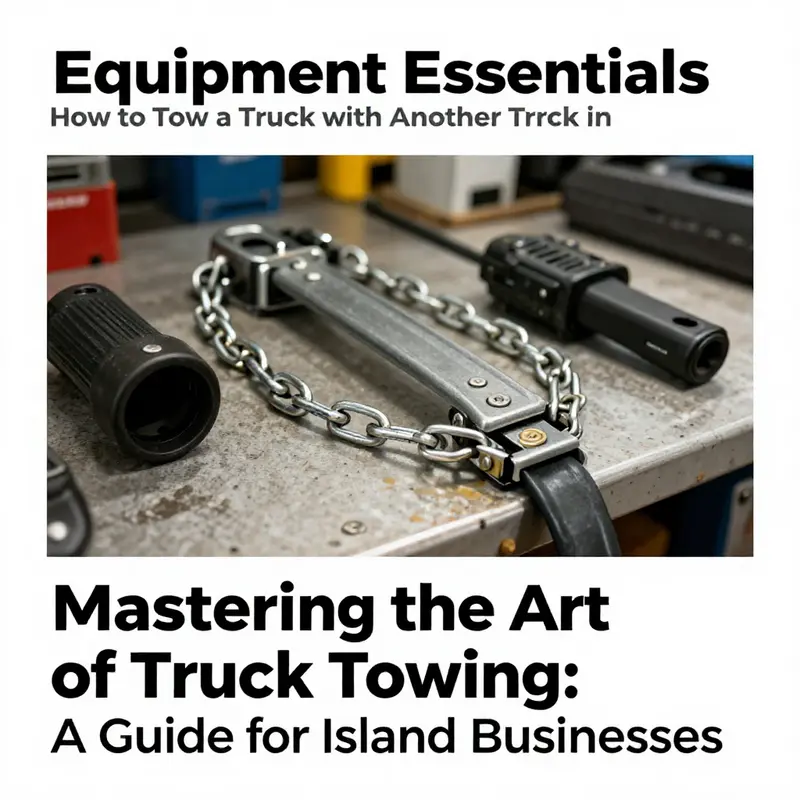
At the center of any responsible tow is the heavy-duty hitch system on the towing vehicle, paired with a compatible connection to the towed vehicle. The most robust option for this purpose is a heavy-duty receiver hitch, typically rated Class III or Class IV, which provides a reliable anchor point and a generous safety margin for heavier loads. This hitch works in concert with a trailer ball or a pintle hook, chosen to fit the trailer’s coupler and to maintain a confident, predictable alignment during movement. The often overlooked, yet equally critical element is the towing bar itself—commonly referred to as a hard tow bar. Unlike flexible tow ropes, a hard tow bar creates a rigid, direct link that resists sway and prevents jerky, misaligned motions that can cascade into drivetrain damage or loss of control. Where space or vehicle compatibility allows, a hard tow bar is the preferred choice for long pulls or uneven terrain, where stability matters most.
Equally essential are the connections that hold everything together under load. High-strength tow straps or chains are non-negotiable in the toolkit for heavy-duty towing. The minimum capacity should be around 10,000 pounds or more, reflecting the typical weight range of common trucks and their trailers. These straps or chains attach to reinforced tow points on both vehicles—the front of the towing truck and the designated tow points on the vehicle being towed. The fittings must be locked with safety pins or locking mechanisms so that vibration and the natural motions of a slow move do not loosen them mid-journey. Safety chains remain a constant companion to any hitch connection; they should crisscross beneath the hitch area so that a failure in one point does not allow the towed vehicle to detach and drag components or drag on the roadway. The goal is redundancy, along with secure, reliable engagement that can withstand the rattle and roughness of a road pull.
Beyond the physical links, proper electrical connections are critical for visibility and predictability. The towed vehicle must communicate its braking and turning intentions to the towing vehicle. This is accomplished by connecting the two vehicles’ electrical systems so that brake lights, turn signals, and hazard lights function in unison. When lighting fails or lags, the risk of misunderstanding other drivers’ actions increases sharply, and the chance of a miscalculated maneuver rises. A simple connectivity check before starting every leg of the tow is worth the time. The same level of attention should be paid to physical security: bolts, pins, and collars must be tightened to manufacturer specifications, and a gentle test pull should confirm there is no slack. The first test pull is a proactive measure that catches loose hardware before it becomes a problem under load.
Communication forms the second backbone of a safe tow. The drivers must operate as a coordinated pair, with a shared language that covers speed, braking, turning, and emergency stops. Two-way radios or reliable mobile phones can bridge the gap between the vehicles, enabling real-time adjustments as road conditions change. The plan should include explicit signals for slowing down, stopping, or detouring. Establishing a safe following distance—typically a conservative several car lengths, depending on speed and traffic conditions—gives both drivers time to react if the towed vehicle sways or if the leading vehicle must slow suddenly. It is a stark reminder that towing is not a race but a controlled movement that demands patience and discipline. An additional practical step is keeping hazard lights on in both vehicles at all times during the tow. This simple cue helps other road users anticipate the slower, unusual movement and reduces the odds of a close encounter.
Preparation breathes life into the plan before the first inch of movement. The towed truck must be prepared with the parking brake released, transmission in neutral for automatics or first gear for manuals, and the ignition left in the ON position so the steering wheel remains unlocked and the lights stay functional. Tire pressure and tread condition on both vehicles should be checked, along with a visual inspection for fluid leaks and any signs of instability that might worsen under tow. On the towing vehicle, the hitch area requires inspection: the hitch receiver must be secure and rated for the load, and the safety chains must be arranged in their crisscross pattern so they can catch a falling connection if the primary link fails. The owner’s manual for both vehicles is a reliable safety compass here, particularly for any cautions about dynamic loads, drivetrain protection, or steering lockouts that could trigger unintended engagement of vehicle systems during a tow.
When it comes to the moment of connection, a deliberate, methodical approach pays dividends. Use a properly rated tow bar or hitch system and ensure every bolt and pin is tightened according to the manufacturer’s specifications. A cautious test involves gently pulling on the towing bar or strap to verify there is no looseness and that the components resist unintended slack. The electrical harness should be tested again under light load to confirm brake lights and signals synchronize under motion. If a disconnect occurs during travel, the safety plan—often a prearranged strategy for stopping and re-staging the setup—must be as well understood as the routine for starting the tow. The calm, practiced responses of both drivers reduce the likelihood of a dangerous surge of force that can arise from a sudden misalignment or a compromised connection.
There is a psychology to towing as well. The tow requires patience, humility, and constant vigilance. The slower-than-normal nature of the operation can tempt some operators to push through uncomfortable conditions. That impulse must be resisted. The recommended speed is deliberately modest—roughly 12–25 miles per hour (20–40 kilometers per hour) depending on road quality and vehicle weight. A long, gradual braking plan is essential, with earlier deceleration than one might expect when driving a vehicle without a loaded scenario. Turns demand extra space; widen the approach and reduce speed ahead of curves to prevent the towed vehicle from pulling at the bar or hitch. Road surfaces matter as well—smooth, flat roads with minimal obstacles reduce the risk of sway, while poor weather or wet surfaces can complicate steering and braking. If weather conditions deteriorate or visibility worsens, the prudent choice is to suspend the tow and re-evaluate the setup with time to restore stability and visibility.
While the theory is clear, the living practice of towing reveals its dynamic nature. A routine patrol of mirrors and connection points while en route allows early detection of sway, misalignment, or signs of wear on any link. If the tow begins to feel unsafe—if there is any unusual vibration, if a chain or strap shows a twist, or if the towed vehicle begins pulling unexpectedly—the operation should be halted immediately, the chain rechecked, and the load rebalanced or reset. After you reach a safe stopping point, park the vehicles in a stable position, disconnect in the reverse order of connection, and inspect both vehicles for damage. This post-tow check is essential; hidden stress points can manifest in the hours and miles after a tow and may require professional assessment.
For readers seeking broader guidance, practical fleet resources can offer a broader lens on best practices and compliance. A resource such as islandtowtruck.com/blog provides accessible, scenario-based discussions that complement the more technical standards described here. It is also worth noting that formal standards govern heavy-duty towing equipment and procedures. For those seeking the highest level of rigor, the SAE International guidelines provide minimum requirements for load ratings, connection integrity, and safety protocols in commercial operations. These standards, referenced in professional practice, underpin the equipment choices and operating assumptions described above and help ensure consistent safety across operators and environments: https://www.sae.org/standards/content/ASAE-5432/ .
Tow with Confidence: A Practical, Safety-Driven Ordeal of Pulling a Truck Behind Another Vehicle
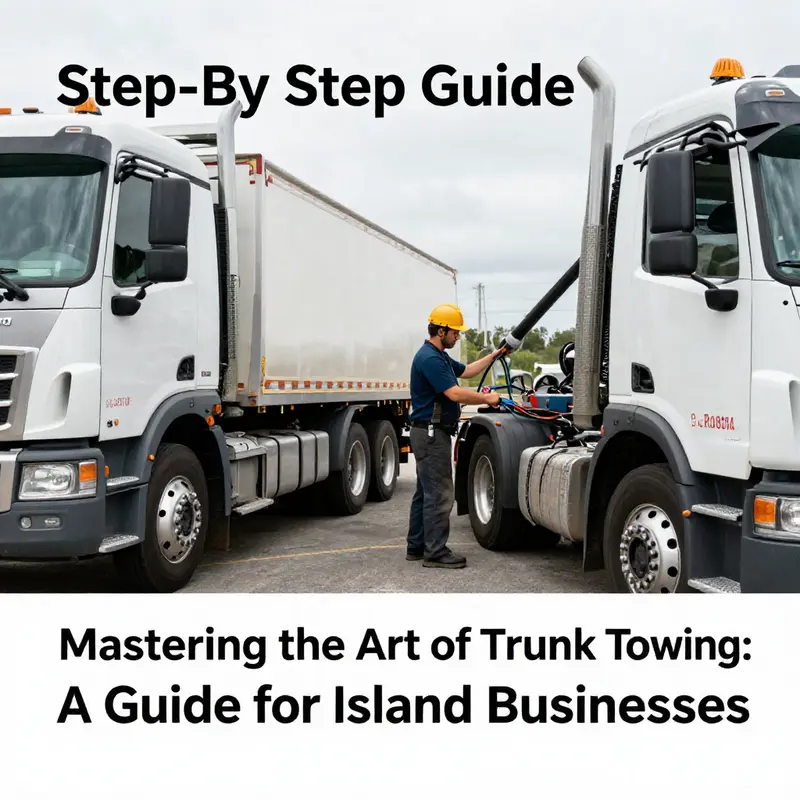
On a quiet stretch of highway shoulder, the sun presses a thin line of heat along the metal of two trucks. One sits with the engine off and wheels chocked, the other stands ready to pull. In moments like this, the difference between a manageable maneuver and a costly mistake comes down to preparation, restraint, and a respect for limits. Towing a truck with another truck is not an act of quick improvisation but a carefully choreographed sequence that blends mechanical awareness with clear, steady judgment. The decision to proceed begins with a candid assessment: is towing truly necessary, or is a professional service the wiser path? If the choice is made to move the disabled vehicle, the first practical question is whether the pulling truck can safely bear the weight of the towed truck plus any cargo. A quick check of the owner’s manual, the vehicle’s ratings, and a sober calculation of the combined mass sets the frame for every decision that follows. Without capacity margins, moments of acceleration, braking, or cornering can push systems to their breaking point. The weight ratings exist for this reason: to prevent drivetrain stress, steering lock, or unintended skidding that could end in a loss of control. With this confirmation, the scene shifts from intention to equipment and technique, because the best plan in the world matters little if the gear is mismatched or the connections are shoddy.
The strongest guiding principle is to choose the right towing equipment for the job. In most truck-to-truck scenarios, a heavy-duty tow bar or tow dolly designed for trucks is the prudent choice. Tow bars connect directly to designated towing points or sturdy frames, minimizing drivetrain wear on front-wheel-drive or all-wheel-drive configurations. A tow rope or chain may seem fast and flexible, but it is a risky shortcut that offers little braking assistance and can invite dangerous snap loads at improper tensions; it is not the friend of a weighty, moving target on a public road. A flatbed trailer remains the safest option, especially for four-wheel-drive configurations, because it lifts all wheels clear of the pavement and entirely eliminates drivetrain concerns. The stark message from careful practitioners and safety experts alike is simple: never improvise with improvised gear when heavy trucks are involved. The goal is to keep both vehicles moving without compromising the stability of the towed unit or the responder at the helm.
Once the choice of equipment is settled, the scene pivots to preparation of both vehicles. The towed unit must be prepared with a calm, methodical touch. Parking brakes should be fully engaged only after wading through the checklist of conditions: level ground is ideal, as it reduces the risk of creeping or lurching as the connection is made. The towed vehicle, if possible, should be in neutral and the ignition turned to the on position so the steering wheel remains unlocked and the lighting system can function to guide the tow. Tires deserve a close look; pressure and tread depth matter because a weak tire can betray the tow with a wobble or a blowout at the worst possible moment. Leaks, a sign of a vulnerability in the vehicle’s seals or seals’ surroundings, should be absent; a stable, dry undercarriage is a quiet indicator that the tow can proceed without an unexpected mechanical failure that could pull the weight out of alignment.
The towing vehicle requires a parallel set of checks, too. The hitch, ball mount, and safety chains should be scrutinized in a way that borders on ritual: a crack in the hitch or a loosened bolt is a doorway to disaster. The hitch receiver must be rated for the expected load, and the safety chains should crisscross beneath the connection so that, in the unlikely event of a hitch failure, the chains catch the towed unit and keep it from wandering free into traffic. With the mechanical side secured, the physical link is established through a properly rated tow bar or hitch system. Pins and bolts should be tightened to the manufacturer’s specifications, and a gentle tug on the system confirms there is no play or looseness. Electrical connections then join the two vehicles so the towed unit’s brake lights, turn signals, and hazard lights synchronize with the pulling vehicle. This step is not cosmetic; it is critical for visibility and for signaling intentions to following traffic.
Safety hinges on communication and alignment the way a conductor relies on a metronome. Drivers must establish a clear system of signals before the road becomes a stage. Hand signals, radio chatter, or a simple agreed-upon verbal sequence can prevent a moment of miscommunication at a crucial instant. The recommended following distance—roughly four to six meters—creates a buffer that gives each driver time for reaction in a situation that demands calm and measured responses. It is here that the plan becomes a shared practice rather than a solitary task: both drivers watch throughout the journey, confirming that the connection remains tight, the towed vehicle maintains its line, and lights and signals stay in sync.
Then come the driving conditions themselves. The process is deliberate, almost methodical, with speed kept within a narrow band to preserve stability. A gentle, steady pace—often in the 20 to 40 kilometers per hour range, depending on local limits and the weight at hand—minimizes jerky movements that can destabilize the trailer or drag behind. Braking must be smooth and anticipatory; braking early and evenly reduces the transient forces that travel along the tow bar and through the hitch. Turns require extra space; wide, gradual corners prevent the towed unit from pressing into the steering or drivetrain of the pulling truck. This is not a race against time but a careful passage that requires restraint in every maneuver. Road conditions demand even more attention: flat, smooth pavement is preferable to rough or uneven surfaces that can shock the connection. Weather adds another layer of caution; rain, wind-driven spray, or slick surfaces demand slower speeds, kinder accelerations, and more frequent checks of the line between vehicles. When the urge to hurry arises, a driver should remind themselves of the old maxim—quality over speed, control over tempo—because a mistake here can escalate into a dangerous event that distracts other road users and endangers the crew.
Throughout the journey, vigilance remains constant. The drivers rotate scrutiny between mirrors and the towed unit, monitoring for signs of instability such as swaying, misalignment, or unfamiliar noises that would indicate a need to halt and reassess. The practice of stopping regularly to inspect the tow bar, the hitch, safety cables, and electrical connections is not a nuisance but a necessity. Tires on the towed truck deserve attention after even short drives; a truck that has sat idle may have altered tire pressures or settled into a position that affects alignment. A quick check of the tire condition, inflation, and the presence of any punctures or soft spots can avert a roadside crisis. If any gray area appears—uneven wear, a loosened connection, a misfiring light—stability can quickly degrade, and the prudent choice is to stop and re-secure the system before continuing.
Regulatory awareness is another essential thread in the fabric of safe towing. Local laws may regulate how you perform a tow, where you may travel, what signage is required, and whether specialized licensing is necessary. The chapter of safety here is not merely a personal warranty of competence but an acknowledgement that laws exist to reduce risk and protect everyone on the road. In some places, additional restrictions exist for towed vehicles or for particular roadways, and compliance becomes part of the discipline around this operation. The practical upshot is simple: know the rules where you are and adjust the plan accordingly so that legality and safety advance together.
When the tow concludes, the process of disengagement should mirror the care with which it began. Park the vehicles in a safe location, keep the engines off, and reverse the order of attachment: unplug electrical connectors first, then detach the safety cables, and finally remove the tow bar. A post-tow inspection should verify that no damage was incurred in the course of the operation. Even small scrapes or deformations can signal that something has shifted and require further examination before the next drive. These checks, small and methodical, cumulatively protect assets and people and uphold a standard of care that separates a well-executed tow from a risky shortcut.
For readers who want a deeper dive into the philosophy of towing safety and practical, stepwise guidance, the journey can be supported by sources that frame the rules of the road with a rigorous approach. Additional perspectives from seasoned practitioners and safety authorities reinforce the core message: never underestimate the force and complexity involved in towing a heavy vehicle with another heavy vehicle. If uncertainty lingers, do not hesitate to seek professional intervention. The time invested in professional assessment and execution often translates to safer outcomes for everyone involved. As a practical reminder, the upshot of adhering to these practices is straightforward: a visibly connected, well-balanced tow that keeps pace with traffic, signals intent clearly, and yields a successful relocation without compromising the integrity of either truck or its occupants. For more practical insights from experienced operators who document hands-on approaches to towing, see the Island Tow Truck blog. This resource offers layman-friendly yet technically minded discussions that echo the disciplined, methodical approach described here. Island Tow Truck blog.
As you reflect on the steps outlined here, remember that the safest course hinges on preparation, appropriate equipment, and a calm, iterative process that treats every connection as potentially load-bearing and every movement as a test of control. The method described—grounded in capacity checks, secure connections, reliable lighting, careful communication, and disciplined driving—serves not only to move a vehicle from point A to point B but to do so with a maturity of technique that minimizes risk and upholds the standard of care that every responsible driver owes to themselves and to others on the road. For readers seeking further refinement of this craft, continuing to study official resources and industry guidance will help maintain a robust, up-to-date practice. External resources such as Safety Science’s vehicle towing safety guidelines offer valuable corroboration of these principles and provide a framework for ongoing learning and risk mitigation. https://www.safetyscience.com/blog/vehicle-towing-safety-guidelines/
Clear Lines, Safer Trails: Mastering Communication When Towing a Truck with Another Truck
When you tow a truck with another truck, the risk is not only in the mechanical link but in the space between the drivers and the road. The connection that holds the vehicles together is only as strong as the communication that guides it. Without clear, continuous, and trusted dialogue between the tow vehicle operator and the driver of the towed truck, tiny misinterpretations can cascade into large, dangerous events. This chapter treats safety communication as a living part of the operation—one that begins long before the tow begins and continues long after the wheels have stopped turning. It treats every maneuver as a coordinated act, where timing, signals, and expectations are aligned to reduce surprise, maintain control, and safeguard everyone on the roadway. The overarching premise is simple: a tow is a team effort, and the team performs best when every member understands the plan, the risks, and the cues that signal the next move.
The groundwork for effective communication is laid during pre-tow planning. Before engines idle, both drivers sit down with a shared mental map of the route, the anticipated stops, and the pace that will govern the voyage. This is more than a casual discussion. It is a formal alignment of roles, responsibilities, and contingency procedures. The towing driver should articulate the tempo and the braking profile that will be used, while the driver in the towed vehicle confirms the electrical integrity of the lights and signals so that other road users can anticipate the tow’s movements. In this moment, both drivers check the equipment with the same eye they use to inspect a trail before a hike. The hitch and safety chains must be secure, and the electrical connection should be tested. Any fluid leaks or loose components should be flagged and corrected before departure. The tone of this pre-tow moment matters; it should be calm, precise, and unambiguous. When both drivers trust the plan, the first few minutes of the tow unfold with a sense of rhythm rather than a series of improvisations.
Clear on-paper plans give way to a process of continuous, in-the-moment communication. A widely used approach involves a simple set of established signals and, where possible, reliable two-way radios. Hand signals work well when engine noise or open windows interfere with conversation. These signals should be standardized before the tow begins and clearly understood by both drivers. For example, a steady hand held high can indicate “maintain distance,” while a two-handed motion toward the brake line can signal “slow and stop.” The advantage of hand signals is that they are immediate and visible, but they must be simple, unmistakable, and agreed upon in advance. When verbal communication is practical, the tow operator should speak in short, crisp phrases that focus on the next action rather than discussing the entire plan. In some environments, microphones and radios offer the best path to real-time coordination, especially when the road noise is loud or the proximity of obstacles makes visual cues insufficient.
During the corridor of maneuvers—navigating tight spaces, negotiating turns, or cresting a grade—the ability to perceive and respond to subtle shifts in the tow configuration becomes crucial. The towed vehicle’s operator must remain attentive to how the tow changes the mechanics of steering and braking. The front wheels of the towed truck are no longer directly driven; as a result, steering input from the towed driver can feel different, and the towing driver must anticipate and compensate for that sensation. Communication here is not about shouting but about a shared awareness of how the axle, hitch, and link behave under load. It is common to establish a rule that the towed driver will communicate any unusual drag, resistance, or steering pull, while the tow driver communicates adjustments in braking pressure and throttle to maintain a smooth, predictable motion. Maintaining visual contact, when possible, is another pillar of safety. The tow driver should keep an eye on the towed vehicle’s taillights and the connection points, and the towed driver should be ready to respond to the tow driver’s cues for speed changes or lane positioning. If visibility is compromised—by curve radii, obstacles, or weather—the use of spotters or additional mirrors helps preserve situational awareness and prevents surprises that could destabilize the tow.
An important but often overlooked aspect of safety communication is the establishment of emergency protocols. The drivers should pre-define what to do if a chain or hitch becomes loose, if electrical signals fail, or if the towed vehicle experiences a sudden loss of control. One practical protocol is to designate an “emergency stop” cue that both drivers recognize, followed by a step-by-step procedure to disengage the tow safely and move to a secure location. This procedure should include clear instructions on how to safely disconnect in reverse order, how to place hazard lights, and how to alert oncoming traffic. In addition, both drivers should agree on a contingency route and alternate stops in case the initial plan becomes untenable due to road restrictions, weather, or vehicle performance. For operators who wish to deepen their readiness, there is a resource that outlines coordinated fleet emergency response strategies, which can be a valuable complement to the personal dynamics of a two-vehicle tow. This resource stresses the value of shared procedures, up-front testing, and consistent terminology across the team involved in the operation. You can explore it here: essential fleet emergency response strategies.
As the tow progresses, attention must remain focused on the signals and the signaling environment. The brakes of the towed vehicle are not directly monitored by the driver’s foot, so brake-light activation becomes the primary means by which following traffic understands the motion of the towed truck. The electrical connection must be tested and maintained throughout the journey. If the tow involves a trailer connection, the lighting configuration should be verified in real time, and any malfunction should prompt a controlled stop rather than a risk-laden continuation. The towing vehicle must communicate anticipatory actions well before they occur: “we will slow now” or “we will turn left in two blocks.” The towed driver, in turn, should respond with the expected mechanical feedback—reducing speed, maintaining a steady line, and preparing for a potential stop. This dialog is not a distraction but a shared operating discipline that keeps both drivers mutually accountable for safety.
Beyond the mechanics of signaling, the social dynamics of the tow contribute to safety as well. Professional behavior—mutual respect, patient listening, and a willingness to pause if anything feels off—often determines whether a tow ends with no incidents or with a close call. The drivers should cultivate a habit of proactive communication, where concerns are voiced promptly and decisions are made collectively when uncertainty arises. The tow vehicle operator may speak in the strongest terms when a hazard appears, but the message should never be a command issued in anger. It must be a clear, factual statement about what needs to happen next to preserve safety. In the same breath, the towed driver’s responses should be concise and actionable: confirm a change, acknowledge a cue, or request a pause if needed. In this way, the tow becomes less a sequence of manual actions and more a coordinated ritual of trust.
Tow safety is inseparable from environmental awareness, and that awareness hinges on communication. Roadway conditions, traffic density, and weather all demand adjustments in plan and pace. The drivers should stay aligned on a conservative operating envelope—low speeds, smooth steering, gentle acceleration and braking, and deliberate lane changes. The rule of thumb remains simple: keep a generous buffer between vehicles and reduce the potential for unintended contact or instability. When conditions deteriorate, the safest choice is to suspend the tow and reassess. A well-communicated pause is far better than forcing a risky maneuver because a single driver presses on with confidence in the other’s silent support. The beauty of effective communication lies in its reversibility: if either driver senses danger, they can halt and reboot the plan without blame or panic.
In the end, the chapter of a tow is written not only in the physical restraint of metal and gears but in the clarity of human dialogue. The best tows arise from painstaking preparation, lucid signals, and a shared sense of responsibility. The relationship between the two drivers matters just as much as the hitch and the wheels. When the plan is public, agreed, and rehearsed, the tow becomes a collaborative act—one where both operators sense, anticipate, and respond to the needs of the other and of the road. To sustain this practice, practitioners should pursue ongoing learning and review. After-action discussions, no matter how routine the tow, can reveal small opportunities to tighten communication and refine procedures. The aim is not to achieve perfection but to embed safety into routine, so that every future tow starts with the same discipline, the same calm, and the same shared commitment to moving safely from point A to point B.
For readers seeking a copilot in high-stakes coordination, remember that safety communications are a force multiplier. They extend beyond the moment of connection and into the habits that govern decision-making on the road. By anchoring every maneuver to a clear, agreed plan and by keeping the lines of communication open through signals, visual contact, and emergency protocols, you reduce risk and elevate the possibility of a successful, safe tow. This approach aligns with industry standards and official guidance that emphasize the critical role of continuous communication during towing operations. For more structured guidelines, refer to the National Highway Traffic Safety Administration’s towing safety resources.
External resource: Official towing safety guidelines provided by national authorities offer detailed, standards-based direction for drivers and towing operators. You can access these guidelines at https://www.nhtsa.gov/equipment/towing-safety. Internal alignment with these external standards helps ensure both personal safety and compliance with legal and professional expectations.
Securing the Route Ahead: Post-Tow Procedures and Checks After Truck-to-Truck Towing
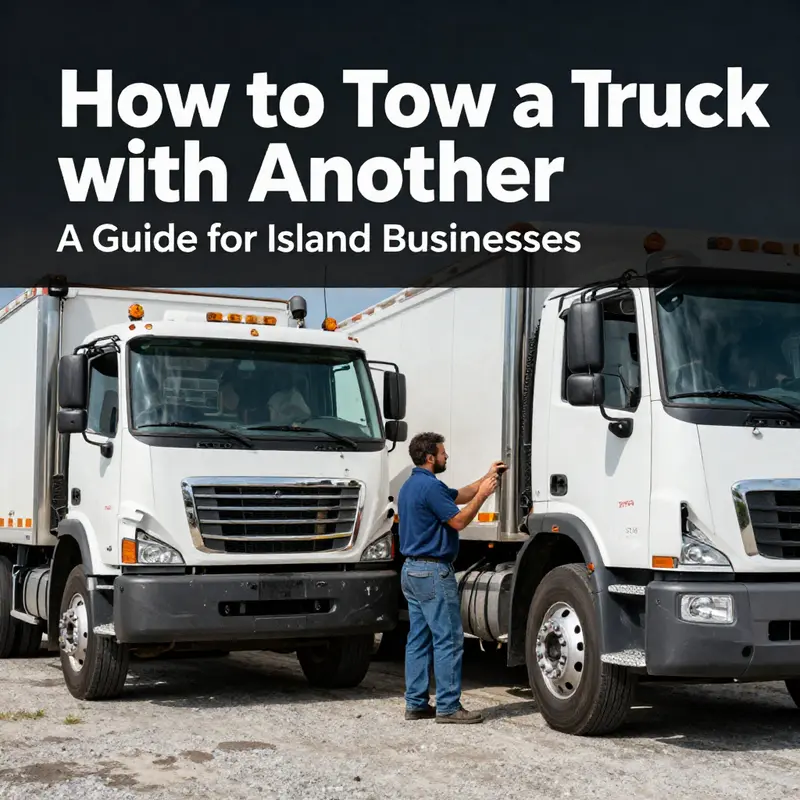
The moment the vehicle in tow finally comes to rest at its destination, the work isn’t finished. Post-tow procedures are a critical extension of the towing operation, designed to protect the fleet, protect drivers, and preserve the repaired or retrieved truck for the road ahead. The transition from movement to parked certainty is where attention to detail matters most. It begins with ensuring that the towed truck is completely stable before any disconnect happens, and it continues with a thorough inspection of both vehicles, a careful check of systems that could be affected by the tow, and documentation that supports safety, service records, and any potential claims.
First comes securement. Once the destination is reached, choose a flat, level space free of moving traffic. The aim is to lock the situation in place so that nothing shifts during the release of the tow equipment. Engage the parking brake on the towed truck, a non-negotiable step that prevents any roll after the connection is broken. If the parking brake feels stiff or binding, do not force it; reassess the tire condition and brake responsiveness before attempting to disconnect. Wheel chocks behind and in front of the towed vehicle significantly reduce the risk of creeping, especially on sloped surfaces. The rule is simple: the moment you loosen a critical connection, you want the towed vehicle to be physically unable to move.
With the towed truck secured, proceed to disconnect only after a last careful check that the vehicle is immobile. If the tow was conducted with the engine off, you might already have left the ignition in a state that allows steering without the engine running; confirm that the steering column remains unlocked as needed for any post-tow maneuver by the operator. Disconnect the electrical connector and safety chains first, ensuring the towed vehicle’s lights and signals are clearly separated from the towing truck’s systems. Finally, detach the tow bar or hitch, taking care to store all components in a manner that reduces trip hazards and prevents misplacement. The order matters for safety: disconnect in a controlled, deliberate sequence rather than hurriedly dropping pins and hoping nothing moves.
After the tow equipment is removed and the towed vehicle is settled, the next phase is a careful, methodical inspection. Begin with the mechanical interfaces that bore the weight and force of the tow. Look for any misalignment along the frame, hitch points, and suspension mounts. Check for bent brackets, cracked welds, or any sign that the forces of towing have stressed joints beyond their design tolerance. A careful, hands-on examination of undercarriage components helps identify issues that may not be immediately visible from a distance. Next, inspect tires, rims, and axles on both vehicles. A tow can induce subtle side loads on tires that might lead to uneven wear or slow leaks. If any damage is detected, tag it, document it with photos, and escalate to the appropriate maintenance workflow before taking the vehicles back into service.
The inspection should extend to the towed truck’s systems. If the tow involved all four wheels on the ground, pay particular attention to the transmission and driveline. Many vehicles have explicit cautions about towing with all wheels down; even if the tow appears to have been stable, check the transmission fluid level and listen for any unfamiliar noises when turning the steering wheel at low speed. Brakes deserve the same careful attention; confirm that the brakes respond normally and that there is no abnormal vibration or pulling that could indicate a latent issue after the tow. Lights and signals are not optional accessories; they are essential safety features that must be tested before the vehicle resumes road use. Turn signals, brake lights, hazard lights, and taillights should all work as expected, and a quick test should be conducted with a partner in the towing vehicle to verify visibility and communication between the two drivers.
A crucial step is to verify the towed vehicle’s drive controls and steering geometry. If the towed truck traveled with one or more drive wheels on the ground, verify that steering feels normal and that there are no binding sensations or unusual resistance when maneuvering at slow speed. Any odd sensation—be it drag, clunking, or a slight drift—could indicate that a steering linkage, tie rod, or suspension mount sustained stress during the tow. In addition, listen for sounds that aren’t typical of routine vehicle operation. Even a muted rubbing or tapping sound could be a warning sign of a loosened component or a stressed mount. Addressing these signals promptly reduces the risk of a breakdown on the road later.
Documentation is the bridge between the tow and ongoing vehicle service. A clear, factual record can prove invaluable for repair planning, insurance claims, and regulatory compliance. Take photographs of the tying points, the hitch, the safety chains, and any spots of corrosion or damage that may have appeared during the tow. Note time, location, road conditions, and weather, along with the distances covered and the speeds maintained during the tow. If a breakdown or accident was involved, capture a sequence of shots showing the before and after states of the vehicles, the tow setup, and any witnesses or surroundings that could be relevant for an incident report. If the towing event involved crew members or operators, record who was in charge, who drove which vehicle, and any notes from the drivers about how the tow progressed. This documentary discipline supports a transparent view of the operation and helps guide future improvements in procedures, training, and equipment selection.
Beyond the mechanics of the immediate post-tow checks, it is wise to consider the broader planning and learning that can emerge from any towing scenario. A well-structured post-tow debrief amplifies practical knowledge and strengthens fleet resilience. It can be as simple as a short, documented review with drivers and technicians, focusing on what went well and where there were uncertainties or delays. The success of a tow often hinges on the clarity of communication, the reliability of equipment, and the readiness of the drivers to adapt to changing conditions. In many fleets, linking the post-tow review to an ongoing training framework ensures that lessons learned translate into improved practice for future operations. For teams looking to deepen this kind of learning, consider focusing on emergency readiness and recovery planning as a continuous discipline; Essential Fleet Emergency Response Strategies offers a practical framework that complements the on-vehicle procedures described here. Keeping the post-tow process anchored in a wider safety culture helps ensure that a single tow does not become a risk pattern.
As the final steps unfold, the crew should reflect on the legality and regulatory expectations that govern towing activities in their jurisdiction. Documentation, proper load management, and adherence to weight ratings and equipment standards are not merely best practices; they are compliance considerations that protect drivers, managers, and the organization as a whole. The sequence of securement, inspection, functional verification, and thorough recording creates a safety net that supports both immediate safety concerns and longer-term maintenance planning. In many cases, the post-tow checks will guide whether the towed vehicle requires a break-in period before it is driven, whether it should be transported to a service facility, or whether it can be driven directly to the next destination after minor, addressable issues are resolved.
Throughout this process, the guiding principle is to move from action to assessment with deliberate care. The tow is a high-stakes operation, and even after the immediate movement ends, the potential for latent issues remains. The best practice is to adopt a calm, methodical rhythm: secure first, inspect thoroughly, test systematically, document precisely, and then decide on the safest course of action for the next leg of the journey. By keeping the post-tow routine tightly aligned with safety standards, maintenance protocols, and clear communication, a fleet can minimize risk while maintaining the momentum that a practical towing operation demands. This approach not only protects the equipment and the personnel involved but also reinforces a culture of meticulous care that pays dividends in reliability and safety over time.
For additional guidance on towing practices and safety, refer to official resources and regulatory guidance. The National Highway Traffic Safety Administration provides current safety standards and recommendations that help ground post-tow procedures in verified, nationwide practices. Access their towing safety guidance at the official site for comprehensive details and updates. External resources can be found at https://www.nhtsa.gov.
Final thoughts
Successfully towing a truck with another truck is a crucial skill that ensures operational efficiency for businesses and organizations on our islands. By adhering to the guidelines presented in this article—understanding towing capacities, utilizing the right equipment, following safety protocols, maintaining communication, and performing thorough post-towing inspections—you not only safeguard your vehicles but also uphold a high standard of service for your customers. Equip yourself with these best practices, and take your towing skills to the next level.