Opening a tow truck company is more than just acquiring vehicles; it’s about building a reliable service that supports local auto repair shops, car dealerships, property managers, resort operators, and commercial fleet operators in times of need. In a world where breakdowns and accidents can disrupt lives, a well-established towing business serves as a lifeline, ensuring drivers and companies can get back on the road efficiently. This guide explores the critical steps to establish a tow truck business, starting from comprehensive research and planning, choosing the right business structure, obtaining necessary licenses and permits, to acquiring the right vehicles and equipment. Each chapter presents key considerations and practical insights tailored for those looking to thrive in the towing industry.
From Market Maps to Road-Ready Rigs: The Research-Driven Road to Opening a Tow Truck Company
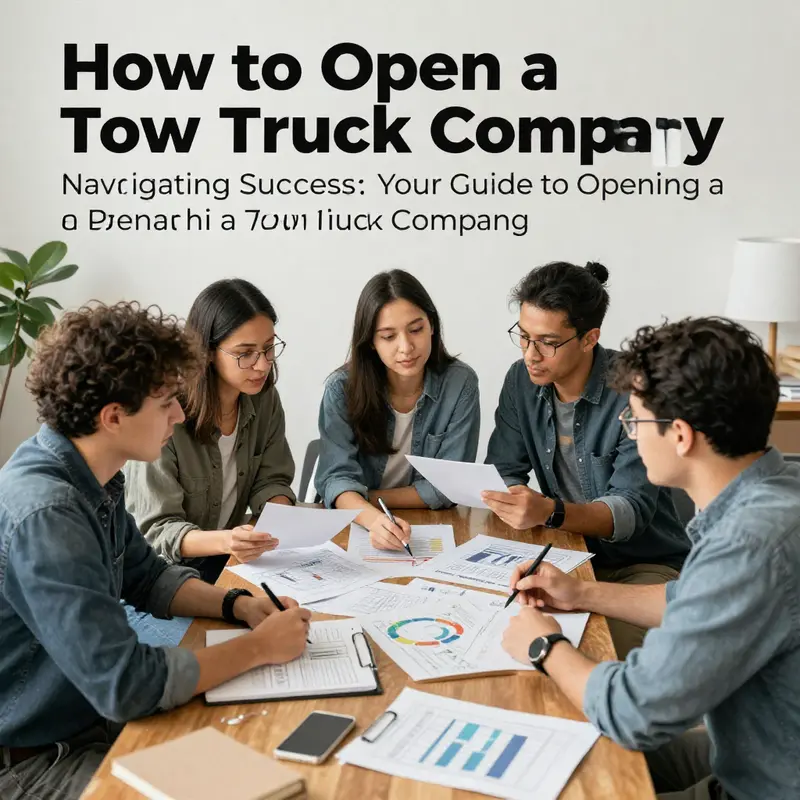
Launching a tow truck company begins long before the first platform is painted and the first call comes in. It starts with a study of the road you want to travel, an honest appraisal of the market, and a disciplined plan that translates ideas into a practical, operating business. This chapter follows that path: how to translate curiosity about roadside help into a structured venture that can survive the unpredictable rhythms of towing work. It is a narrative built on questions more than statements, because the entrepreneur who wants to open a tow truck company must learn to ask: who will I serve, and why will they pick me over the other options on the map? The answer lies not only in the demand for rapid response and careful handling of vehicles but also in the regulatory landscape, the financial mechanics, and the culture of service that turns a basic service into a trusted partner for auto shops, insurers, and stranded drivers alike. In practical terms, the research and planning phase is a compact, dense period of learning. You study the customers you hope to attract—repair shops that need dependable partners, insurance providers that require consistent service, roadside assistance programs, and individual motorists facing emergencies at odd hours. You map the service area with care, noting where response times matter most and where you can build a reliable coverage plan without overcommitting. You study the existing players: where they operate, how they price, what their customers say in reviews, and how they handle dispatch and follow-through. No business plan can survive on assumptions alone, so you draft a plan that enumerates startup costs, forecasts revenue, outlines a marketing approach, and details operating logistics. The goal is to strike a balance between ambition and realism, ensuring that the venture has the capital, the structure, and the operational discipline to meet the first months’ demands. The planning mindset also emphasizes flexibility. Regulations can shift with a new legislative year, and market conditions can tighten in an economic lull. A good plan includes contingencies, such as staged fleet growth, scalable dispatching software, and a careful mix of service lines that can steady cash flow. The early research acts as a compass, pointing you toward decisions about who you will become as a company: a dependable partner for local businesses, a trusted emergency responder, and a professional employer that treats customers and employees with respect. As you refine your understanding of the landscape, you begin to translate insights into concrete steps. You decide on a business structure that aligns with liability, taxation, and growth goals. The choice between a sole proprietorship, an LLC, or a corporation shapes daily operations, forms the backbone of compliance efforts, and influences how you raise capital or distribute profits. In most tow operations, the LLC emerges as the practical default: it offers liability protection and tax flexibility while keeping administrative complexity within manageable bounds. Once the structure is chosen, you take the important step of registering the business with the state, selecting a name that resonates with reliability and clarity, and securing an Employer Identification Number (EIN) from the IRS to handle payroll, taxes, and vendors. These registration steps are not mere formalities; they lay the groundwork for identity, credit, and the capacity to hire staff and purchase equipment in a compliant framework. The legal foundation then leads into the licensure landscape. A robust tow operation sits at the intersection of business and transportation law, which means you must secure a mosaic of licenses and permits before the first tow occurs. This includes a business license from the local city or county, a tow truck operator license in many states, and, depending on jurisdiction, a CDL if you plan to deploy heavier or more specialized equipment. The commercial vehicle operating permit is another common requirement for road-going fleets. This permit is not just a checkbox; the application typically demands proof of ownership or lease, current vehicle registration and insurance, and a safety management plan that demonstrates your ability to comply with federal and state safety standards. In some instances, you must also secure local zoning or special-use permits if you intend to operate from a fixed facility. The regulatory thread is not a dry catalog of forms; it is a reflection of the responsibility that comes with moving other people’s property on public roads. It is easy to underestimate this dimension, but the consequences of noncompliance can disrupt growth and tarnish credibility. It’s wise to consult state DMV or DOT resources and standards organizations to ensure you are implementing the right mix of credentials from the outset. In practice, the licensing journey shapes how you hire, train, and equip the team. For drivers, a commercial driver’s license (CDL) often becomes a prerequisite, typically with the appropriate endorsements for tow work. The vehicle side requires that each rig be registered and insured, and that the fleet be maintained in a state of readiness that satisfies safety inspections. The safety-first mindset must permeate every operation decision, from who stands behind the wheel to how dispatch coordinates responses. A safety plan is not merely a document to file; it anchors how you train your people, how you communicate with customers, and how you manage risk when the clock is ticking and stress is high. The vehicle fleet itself demands thoughtful selection. Your choices are guided by the service area and the types of vehicles you expect to tow—car-sized, light-duty work in urban settings, or heavier operations for larger vehicles and trucks in more rural landscapes. The equipment must cover the essentials: winches, chains, straps, wheel dollies, and protective gear that minimizes the risk of damage during recovery. Modern dispatch often requires GPS tracking and reliable mobile communication. The practicalities of fleet management come into sharper relief when you begin to forecast maintenance budgets, fuel costs, insurance premiums, and depreciation. These financial realities feed back into the planning process, shaping decisions about fleet size, payment terms with customers, and staffing levels. When you look at staffing, the human element becomes central to viability. You will need licensed and experienced tow truck drivers who have clean driving records and a consistent pattern of professional conduct. Training should cover safety procedures, correct use of equipment, and high-quality customer service because the customer experience in towing situations can be highly stressful. You may also decide to hire dispatchers or a manager who can coordinate operations as the business scales. Background checks and drug testing policies may be appropriate to create a culture of safety and accountability. Alongside people, you must establish robust financial systems. Liability in towing can be significant, so general liability insurance, commercial auto coverage, workers’ compensation for employees, and umbrella protection become essential layers of protection. An accounting system—whether you choose QuickBooks, Xero, or another platform—helps you track income, expenses, payroll, taxes, and fleet maintenance costs. A disciplined financial foundation makes it possible to monitor cash flow, project profitability, and plan for regulatory renewals, equipment upgrades, and potential expansions. The marketing aspect of planning often gets treated as an afterthought, but it should be integrated into every decision. A tow business is built on reliability as much as on speed. Your marketing plan should reflect your operational strengths: transparent pricing, proven response times, and consistent communication with customers. A professional website with service-area mapping and an accessible booking mechanism can reduce friction for customers who are used to digital interactions. Local search optimization and presence on Google My Business will improve discovery, while partnerships with auto repair shops, dealerships, and insurers can create recurring demand streams. A thoughtful marketing approach does not stop at acquisition; it also considers customer retention. Referral incentives, loyalty discounts, and post-service follow-ups can foster repeated use and word-of-mouth growth, turning first-time customers into regulars. Throughout this process, a thoughtful chapter of ongoing compliance keeps the business aligned with evolving rules. Licenses and permits must be renewed annually, vehicles require periodic maintenance and inspections, and meticulous record-keeping helps demonstrate compliance during audits or industry reviews. The regulatory landscape is not a one-time hurdle; it is a continuous cadence of checks and updates. This is where industry associations and peer networks matter. They offer training, standards, and the latest regulatory updates that help your team stay current and reduce risk. Engaging with trade groups can also provide policy insights and practical troubleshooting that you might not discover in isolation. To ground these considerations in practical steps you can begin today, consider a few strategic moves. Start with a market map: who are your likely customers, how far will you realistically have to travel, and what service mix will deliver the most stable revenue? Draft a lean but comprehensive business plan that captures startup costs, monthly burn rate, and a three-year growth trajectory. Decide on a business structure not only for liability but also for tax efficiency and scalability, and register your name to establish brand identity early. Outline a licensing plan that aligns with your state’s requirements, and prepare the core safety and operations documents you will need to submit with permit applications. When you start to assemble the fleet, favor reliability, maintainability, and safety certifications, recognizing that the right equipment is a catalyst for efficient dispatch and customer trust. Build your team with a clear emphasis on safety, service, and accountability, and design onboarding that conveys these values from day one. Set up a basic but solid insurance package and a bookkeeping process that will not become a headache when expenses mount or invoices arrive. Finally, integrate a marketing approach that emphasizes trust, transparency, and accessibility. A well-crafted site, a clear pricing framework, and proactive customer communication can turn a tow service from a last resort into a preferred partner for local businesses and drivers alike. The road from idea to operation is long, but each step you take in the research and planning phase strengthens your foundation. The more you know about potential customers, the regulatory routes, and the realities of fleet management, the less you will be surprised when the first call comes in and the clock starts ticking toward a critical rescue. If you want to see how others frame this knowledge in practical terms and read about real-world experiences, the other side of this chapter’s learning can be found in industry perspectives at the blog: The Island Tow Truck Blog. The insights gathered there can reinforce the planning you do on your own a few steps ahead of launch, helping you refine service concepts, pricing considerations, and capacity planning before you commit to expensive assets. As you move from research to the next phase—choosing a structure, securing licenses, and acquiring equipment—you will begin to see a coherent path emerge. Your plan won’t be a rigid script but a living document that adapts to new information, weather conditions, and the daily realities of dispatch and recovery. In the chapters that follow, you will translate this research into concrete, actionable steps for turning the dream of a tow truck company into a regulated, reliable operation that stands up to the demands of the road and the expectations of customers. This is the essence of building a business around a service that every driver hopes to have waiting on the shoulder when the wheels lock up and time becomes a premium commodity. It is a venture grounded in clarity, compliance, and care for people, vehicles, and the neighborhoods you serve. External resources at the federal level provide overarching frameworks that guide safety and accountability in commercial vehicle operations, ensuring that your planning aligns with national standards and best practices. For a broad regulatory overview, consult the federal motor carrier guidelines and related resources at FMCSA: https://www.fmcsa.dot.gov
null
null
Navigating the Legal Roadmap: Securing Licenses and Permits to Open Your Tow Truck Company
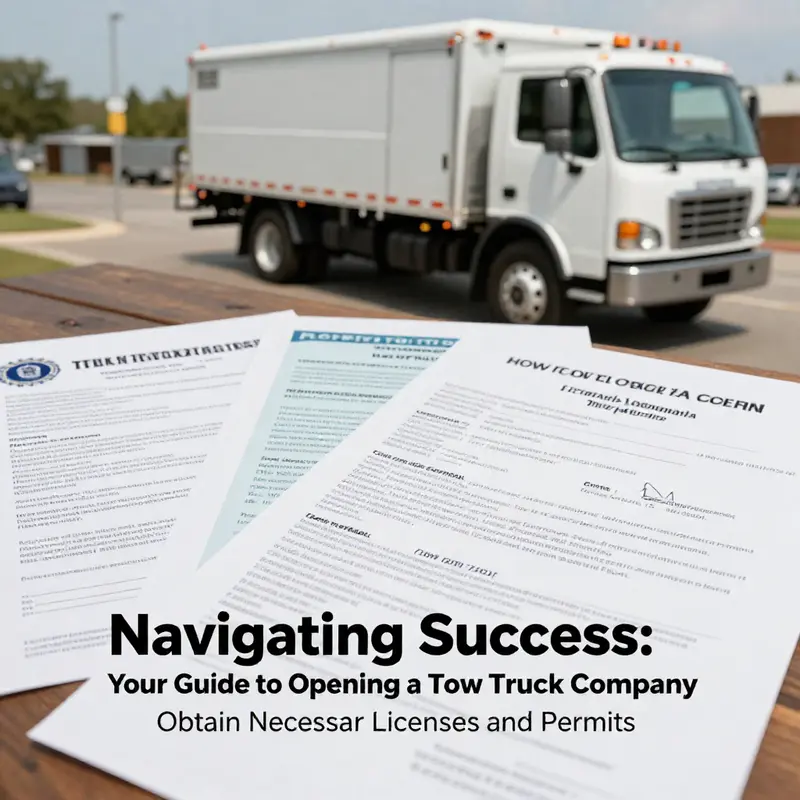
Opening a tow truck company begins long before the first call comes in. It starts with a careful legal and regulatory foundation that keeps your business standing steady as demand grows. Licenses and permits are not merely hurdles to clear; they are the gatekeepers that determine where you can operate, how safely you can operate, and what level of trust you can offer to clients. In this chapter, we walk through the critical licensing and permitting landscape, weaving together the practical steps with the questions you’ll need to answer to move from concept to compliant operation. The goal is a clear, enforceable path that aligns with the broader objective of building a tow business that can scale while staying within the lines of state, local, and federal requirements.
The first instrument in this legal instrument is your business entity, the structure that defines liability, taxes, and ownership. Most emerging tow operators turn to a limited liability company (LLC) because it provides personal liability protection without the heavy corporate overhead. Yet the choice is not one-size-fits-all. Sole proprietorships remain an option for solo operators testing the market, while partnerships and corporations can be appropriate for growth scenarios or investor involvement. Regardless of structure, you will need to officially register your business name with the state’s Secretary of State and obtain an Employer Identification Number (EIN) from the IRS. These steps may seem routine, but they establish the legal identity of your company, which is essential when you apply for licenses, insurance, banking, and vendor agreements. The formal naming step also helps prevent conflicts with similarly named businesses, a problem that can stall your launch and create downstream headaches.
Beyond formation, the core of your licensing journey involves the federal framework that governs transportation and the state-level permissions that authorize you to operate within a given territory. If you anticipate operating across state lines, you must register with the Federal Motor Carrier Safety Administration (FMCSA) to obtain the necessary operating authority for for-hire transportation of goods or property. This federal registration is not optional for interstate activities; it is, in many cases, the baseline prerequisite that unlocks the ability to secure state permits and to contract with insurers and customers who require FMCSA compliance. In practice, many tow operators begin with a careful assessment of their service area. If your business will stay within a single state, FMCSA registration may not be mandatory for intrastate operations, but it is essential to verify this with a qualified advisor or the state department of transportation because rules vary and errors can prematurely shut down a fleet.
On the state side, a key development is the carrier or motor carrier permit that authorities refer to by various names—the precise label varies by jurisdiction. Commonly, states issue a form of operating authority or a “permit to operate” that confirms your business is authorized to provide towing services within that state. In some places, this permit is integrated with the Department of Transportation or an equivalent agency; in others, the motor vehicle department (DMV) takes on the oversight role. The process typically includes submitting business registration details, proof of insurance, and evidence of the appropriate fleet configuration. In addition, many jurisdictions require a statewide or local business license, a tow-truck operator license, and, in some cases, a zoning permit that confirms a commercial-use presence at your operating location.
Specialized permits may also come into play depending on your planned operations. If your equipment or procedures involve transporting hazardous materials, you’ll need HazMat endorsements or other material-specific certifications. Even if you do not plan to handle hazardous materials, some jurisdictions require operators to demonstrate familiarity with safety procedures, weight limits, and towing methods to ensure safe and compliant operations. These requirements collectively form the backbone of what compliance looks like in practice: a documented set of authorizations that your dispatchers, drivers, and back-office staff must observe every day.
Equally central is the vehicle and equipment compliance landscape. Your tow trucks must not only be mechanically sound but also legally configured for commercial towing. This begins with ensuring each vehicle is properly registered under your company name and that the title reflects its use in commercial towing. Ongoing inspections are typically mandated to verify safety and roadworthiness. Inspections often cover brakes, lighting, signaling, tires, and the integrity of the towing apparatus itself. The department that performs these checks will usually require you to demonstrate that your fleet meets the minimum equipment standards for towing. This includes the presence of essential safety gear on each truck—warning lights, reflective safety devices, fire extinguishers, and industry-standard towing gear such as chains, cables, and wheel lifts—plus the proper licensing for the vehicles themselves. You will likely need to install and maintain GPS tracking and reliable communications equipment to support dispatch, record-keeping, and fleet management.
Insurance is another pillar of compliance that cannot be skimmed over. General liability insurance protects against third-party property damage and bodily injury that could occur during a towing operation. Commercial auto insurance covers the tow trucks themselves for physical damage and liability arising from vehicle use. Workers’ compensation is typically required if you have employees, serving as a safeguard for workers who could be injured on the job. Some operators also procure umbrella liability insurance to extend protection above the base layers, especially when pursuing larger accounts or contracts that pose higher risk profiles. Financing or cash-flow planning should account for these protections, as premiums can be significant and are often dictated by the size of your fleet, your claims history, and the regions you serve. A robust insurance program not only shields you from risk but also enhances your credibility with customers who demand reliable coverage as a condition of doing business.
Hiring and training drivers intersect closely with licensing considerations. Tow operators are frequently required to hold a valid driver’s license, and many operations rely on Commercial Driver’s Licenses (CDLs) when the weight of the vehicle or the equipment exceeds statutory thresholds. While not all tow truck roles necessitate a CDL, the heavier service lines—such as heavy-duty wreckers or carriers that move large vehicles—almost always do. In tandem with licensing, formal training in towing and recovery techniques improves safety, efficiency, and customer satisfaction. Some operators opt to participate in recognized driver training programs or hold certifications offered by trade associations or recognized industry bodies. Even when formal certification is not legally mandated, such credentials send a strong signal to customers and partners about your commitment to professional practice. It is wise to document training completions and to maintain records showing ongoing competency checks, safety refreshers, and equipment familiarization.
An orderly record-keeping regime underpins successful licensing and ongoing compliance. You will build a file system that captures certificate numbers, license renewals, vehicle registrations, insurance policies, and driver qualifications. Renewal timelines will be tracked meticulously, with automatic reminders when licenses approach expiration. This discipline is not merely bureaucratic; it is a strategic capability that reduces downtime and protects revenue streams. The moment your permit lapses or a required endorsement expires, operations may be halted or restricted, and compliance audits could be triggered. A well-managed compliance footprint becomes a business asset that can accelerate negotiations with insurers, fleet partners, and customers who require proof of regulatory alignment.
As you map out the licensing timeline, it is prudent to forecast the financial and operational impact of these requirements. Licenses, registrations, inspections, and insurance premiums accumulate costs that affect your initial capital plan. You should build a conservative budget that accounts for the possibility of delay in approvals, the need for additional permits if you expand service areas, and the potential for insurance premiums to rise as your fleet grows. It is not unusual for a new towing operation to invest time in a phased approach: obtain essential licenses first, secure a limited fleet, and then expand regulatory coverage in tandem with growth. If you are unsure about a particular jurisdiction’s requirements, consult with a legal or business advisor who specializes in transportation law. A conversation with a qualified expert can prevent missteps, reduce the time to launch, and ensure your application packets are complete and accurate.
The practical realities of pursuing licenses and permits also demand a strategic mindset about timing. Some processes can run in parallel, while others must wait on the completion of preceding steps. For instance, you can begin the business formation and EIN processes while awaiting state-level approvals, but you will want to align your vehicle registrations and insurance coverage with the moment you receive operating authority. Delay in any one piece can create gaps in service capability or lead to lost revenue opportunities. To stay on track, prepare a master checklist that spans federal registrations, state permits, insurance procurement, vehicle readiness, and driver credentials. This creates a single source of truth you can reference in meetings with prospective lenders, partners, and customers. A clear plan helps you communicate milestones to your team and to stakeholders who will judge your business on professionalism and compliance as much as on price and availability.
An important, practical habit is to stay connected with the broader industry ecosystem. Regulatory landscapes shift, and enforcement priorities can change with administrative updates or new safety standards. The National framework for tow and recovery professionals emphasizes ongoing training, best practices, and evolving standards. While the specifics of your jurisdiction will shape the exact requirements, the cadence of staying informed is universal. A steady commitment to regulatory awareness feeds directly into your operations, enabling better dispatch planning, safer vehicle operation, and stronger supplier relationships. For ongoing guidance and updates, consider following industry resources and communities that aggregate regulatory insights, training, and practical compliance tips. To keep you grounded in daily operations, you may also find value in visiting the Island Tow Truck blog for practical articles on licensing trends and compliance. the Island Tow Truck blog.
In closing, obtaining licenses and permits is not a one-and-done task but an ongoing rhythm of formation, verification, and renewal. Your aim is to create a governance layer that is thorough yet adaptable, so you can respond quickly to expansion opportunities, new service lines, and evolving safety expectations. The most successful tow operators treat compliance as a core capability rather than a tailwind. They combine strong organizational systems with strategic foresight, ensuring that every vehicle, every driver, and every agreement rests on a documented authorization to operate. This is the bedrock of trust you offer to customers, insurers, and partners—and the foundation upon which you can build a resilient, scalable tow truck business.
External resource: https://www.naars.org/
Fleet Foundations: Selecting, Acquiring, and Equipping Tow Trucks for a Strong Start
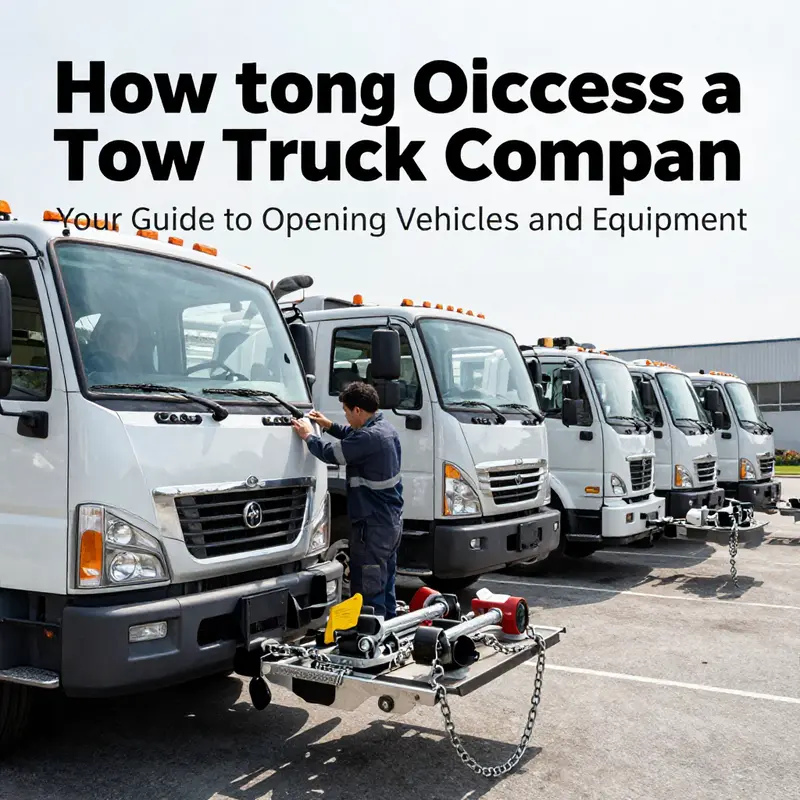
A tow company begins with a decision about what you will move and how you will move it. The vehicle you choose, along with the gear that accompanies it, becomes the backbone of your service—shaping not only what you can tow but how safely and efficiently you can do it. In the early days, a practical, thoughtfully chosen fleet is more than a tax write-off or a marketing hook; it is a commitment to reliability, safety, and professional service that customers can count on when the roadside is suddenly chaotic. The core challenge is to balance capability with cost, to assemble a mix of vehicles and tools that covers a broad range of scenarios while keeping maintenance manageable and expenses predictable. The steps toward this balance flow naturally from understanding three intertwined questions: what kinds of vehicles you need, what gear should accompany them, and how to source and maintain these assets within your regulatory and financial constraints. As you answer these questions, you will begin to see how the fleet you build directly informs every other facet of the business—from dispatch and response times to customer perception and, ultimately, cash flow.
First, let’s consider the types of towing vehicles that professional fleets commonly employ. Hook-and-chain tow trucks, wheel-lift units, and flatbeds each have their own use cases, trade-offs, and safety considerations. Hook-and-chain units are the most traditional and often the least expensive upfront. They are capable and quick for lighter towing tasks, but they can also be more prone to paint damage or frame stress if the operator is not meticulous about hooking and handling. The modern fleet needs to acknowledge these limitations and ensure that drivers are trained to minimize contact with the vehicle’s body and to use protective measures when possible. Wheel-lift tow trucks offer an evolution in contact with the vehicle: a hydraulic lift locks onto the front wheels, raising them off the ground and allowing the car to be towed with far less body contact. They are a step toward gentler handling, which is particularly important in accident scenes where preserving the vehicle’s condition matters for clients, insurers, and, in some cases, forensics. Finally, flatbed tow trucks sit at the top of the versatility scale. A flatbed carries the entire vehicle on a platform, eliminating much of the risk of damage during loading and transport. They are indispensable for high-value, luxury, or severely damaged vehicles and have become standard in many established fleets. In many markets, a well-rounded starter fleet blends these types in a way that matches expected call volume, typical tow distances, and common vehicle types in the service area. The goal is to create a core capacity that can handle the everyday needs while remaining flexible enough to cover specialized tasks when they arise.
As you map your initial fleet, you should also think about the geographic and environmental realities of the service area. An urban market with tight streets and frequent parking restrictions often benefits from smaller, more maneuverable wheel-lift units that can operate in congested spaces. A rural or suburban area with longer tow distances and more heavy-duty recoveries might justify the durability and loading capacity of flatbeds. The decision is never purely about raw power; it’s about matching the vehicle’s capabilities to the typical job profile you expect to encounter, as well as your willingness to invest in specialized training and maintenance. You may decide to start with two or three versatile units and a spare vehicle, then layer in additional specialized units as demand grows. That approach can help manage initial costs while preserving the ability to respond decisively to a broad spectrum of towing scenarios.
With your vehicle types in mind, consider the broader equipment ecosystem that accompanies each unit. Tow trucks are more than a chassis and a winch. Each vehicle requires a consistent set of tools that ensure safe operation, efficient loading, and compliant handling of a variety of cargo. Essential items include robust winches suited to the vehicle class, multiple securing options such as chains, straps, and wheel dollies, and a complete safety kit of gloves, high-visibility vests, lighting, reflective cones, and wheel chocks. You’ll want to standardize equipment where possible to streamline training and interchangeability across the fleet. Dispatchers and technicians will benefit from uniform tool inventories, so that any crew member can confidently jump into a call without scrambling for missing gear. In addition to physical tools, consider the tech layer that supports efficient operations: GPS tracking on each unit, mobile communications for instant updates, and a reliable dispatch system that can route the closest available unit to a call. The tech backbone is not a luxury; it is a customer experience differentiator and a critical risk-management asset. It reduces response times, increases transparency with clients, and helps you maintain an auditable trail of asset movement for regulatory compliance.
Procurement decisions should be anchored by a clear understanding of the total cost of ownership. When you evaluate new versus used assets, balance price against expected lifespan, maintenance history, and warranty considerations. A higher initial price can be offset by longer service intervals and lower downtime. Conversely, a bargain option that frequently sits in the shop erodes profitability through lost billable hours. Work with reputable dealers who can provide maintenance records, inspection reports, and verifiable mileage data. Have a trusted mechanic inspect prospective units before purchase; a pre-purchase inspection can prevent expensive surprises down the road. Financing options should also play a role in your planning. SomeOwners prefer leasing for newer fleets to keep monthly costs predictable and to simplify upgrades as technology and regulations evolve. Others opt for traditional financing to maximize ownership benefits and depreciation advantages. Whatever path you choose, align it with your cash flow projections and your plan for fleet expansion over the first three to five years. A well-structured procurement plan protects you from overextending early and ensures you can scale responsibly as demand fluctuates.
Another essential dimension is regulatory compliance. Vehicles are not just machines; they are identifiers of your business in the eyes of regulators, insurers, and customers. Each unit must be registered under the business name and should carry a commercial freight designation if required by your jurisdiction. Inspectors and regulators may look for evidence that the fleet meets technical standards, safety equipment requirements, and proper documentation. Some localities require spec sheets, safety certifications, and proof of routine maintenance as part of annual licensing cycles. Keep a calendar of renewal dates for licenses, inspections, and registrations and set up reminders well in advance. In some regions, more stringent rules apply to larger or heavier vehicles, including real-time GPS tracking mandates and continuous monitoring provisions. If you plan to operate heavy-duty units approaching or exceeding certain tonnage thresholds, you may encounter rules that require continuous tracking and reporting to the transport authority. Even if your current market does not impose such requirements, planning for them now can save time and money later as your fleet grows.
Beyond the obvious vehicle choices, you should design a practical layout for your shop and yard that reflects how you intend to deploy the fleet. Your space needs will be driven by fleet size, vehicle height and clearance requirements, and the need for secure storage of tools and spare parts. A clean, well-organized lot reduces the risk of accidents and theft, improves efficiency when crews return from calls, and presents a professional image to clients who visit your facility. Consider proximity to your primary service area, ease of access for inbound calls, and the potential for a temporary staging area to manage peak demand. A tidy, efficient yard also simplifies maintenance routines, as technicians can quickly access spare parts and perform routine service without taking up valuable dispatch hours.
From a people perspective, the equipment strategy you choose should integrate with the training you provide. Drivers must be proficient with the equipment on their assigned vehicle type and comfortable with the safety protocols necessary for roadside operations. A two-pronged approach often works well: provide specialized training for each vehicle type, and establish cross-training so crew members can assist across the fleet when demand requires. This flexibility is a vital asset during busy periods, when you may need to deploy multiple crews to different parts of the service area. Safety must be front and center in training. Operators should understand load securing, anchor points, load limits, and how to recognize evolving hazards in dynamic roadside environments. Your policy should also include drug testing and background checks to ensure that your team meets the safety and trust standards your customers expect.
The equipment narrative also offers a ready-made bridge to the marketing and growth chapters of your plan. A professional fleet communicates reliability even before a client speaks to a dispatcher. The right vehicles, properly branded with clear company markings, signal capability and seriousness. A fleet that can demonstrate uptime, punctuality, and careful handling of vehicles reflects directly in customer satisfaction scores, repeat business, and referral outcomes. When you document your equipment strategy, you provide a concrete backbone for your sales outreach. You can describe the fleet mix in your proposals to insurance partners or auto repair networks with confidence, and you can translate those details into service-level commitments that buyers can rely on.
As you finalize the fleet configuration, keep in mind the value of learning from peers and staying current with industry standards. Trade associations and supplier networks can provide benchmarking data, maintenance tips, and process improvements that you might not uncover on your own. They can also offer guidance on regulatory changes and best practices for fleet management. If you want a concise path to additional, practical ideas on fleet design and operation, consider exploring resources focused on fleet resilience and emergency-response planning. These resources can help you translate your fleet into a robust, reliable backbone for the whole business. For a deeper dive on building a resilient fleet, see Essential fleet emergency-response strategies. While your focus here is on acquiring and equipping vehicles, the outcomes you seek—speed, safety, and service quality—are identical across the broader mission of opening a tow truck company. The fleet you start with shapes the daily rhythms of your work and the long-term trajectory of your brand.
Finally, remember to anchor every procurement decision in real-world feasibility. You should calculate not only the sticker price but also maintenance costs, expected downtime, fuel efficiency, insurance premiums, and the potential resale value of each unit. Create a simple scoring system that weighs each factor according to your market realities. Use that system in every negotiation and purchase decision, from the first used wheel-lift to the latest flatbed option. The goal is to assemble a fleet that is not just capable on paper but dependable in practice, with predictable maintenance cycles and a clear path to expansion as your business gains traction. The initial spend is a ceiling you must respect, but the true return will come from consistent, reliable service that turns first-time customers into repeat clients and frequent referrers. When you approach fleet-building with this mindset, your equipment choices become a deliberate investment in operations, safety, and growth—an investment that pays dividends in every tow, every day, and every night you’re on the road.
External resource: For a regulatory context on how fleet operations intersect with road transport permits and certification, refer to https://www.transportation.gov
Final thoughts
Successfully opening a tow truck company requires a thorough understanding of the market, solid planning, and a commitment to legal compliance. By focusing on customer relationships and maintaining operational excellence, your towing business will not only thrive but become a vital asset for local auto repair shops, car dealerships, and fleet operators. The reliability of your service will elevate your brand, ensuring that your community sees your business as a necessary partner in their automotive needs.