
In the world of automotive services, understanding a truck’s towing capacity is not just a technical necessity; it is a vital aspect of safety and functionality that cannot be overlooked. For local auto repair shops, car dealerships, and commercial fleet operators, knowing the towing capacity helps to ensure that vehicles are not only equipped for their intended tasks but also safe for drivers and the surrounding community. With the increase in the use of trucks for various operations, from property management on islands to transporting essential goods, the need for precise towing knowledge becomes paramount.
Misjudging a truck’s towing capacity can lead to disastrous consequences, including accidents and damage to both the tow vehicle and the towed load. It is crucial for those involved in fleet management or any towing operations to stay informed about their equipment’s limitations. This diligence promotes reliability and trust, factors that are indispensable for businesses in the transport sector. To deepen your understanding of safe towing practices, consider exploring essential fleet emergency response strategies or emergency preparedness for island fleets. By doing so, you not only enhance safety but also contribute to the overall efficiency of operations.
Key Aspects of Towing Capacity
Understanding the towing capacity of a truck is essential for local auto repair shops, car dealerships, and commercial fleet operators, especially in island settings where optimal functionality and safety are paramount. Consumers and businesses alike need to navigate various factors influencing towing capacity to ensure they select the right truck for their needs. Here are the main factors:
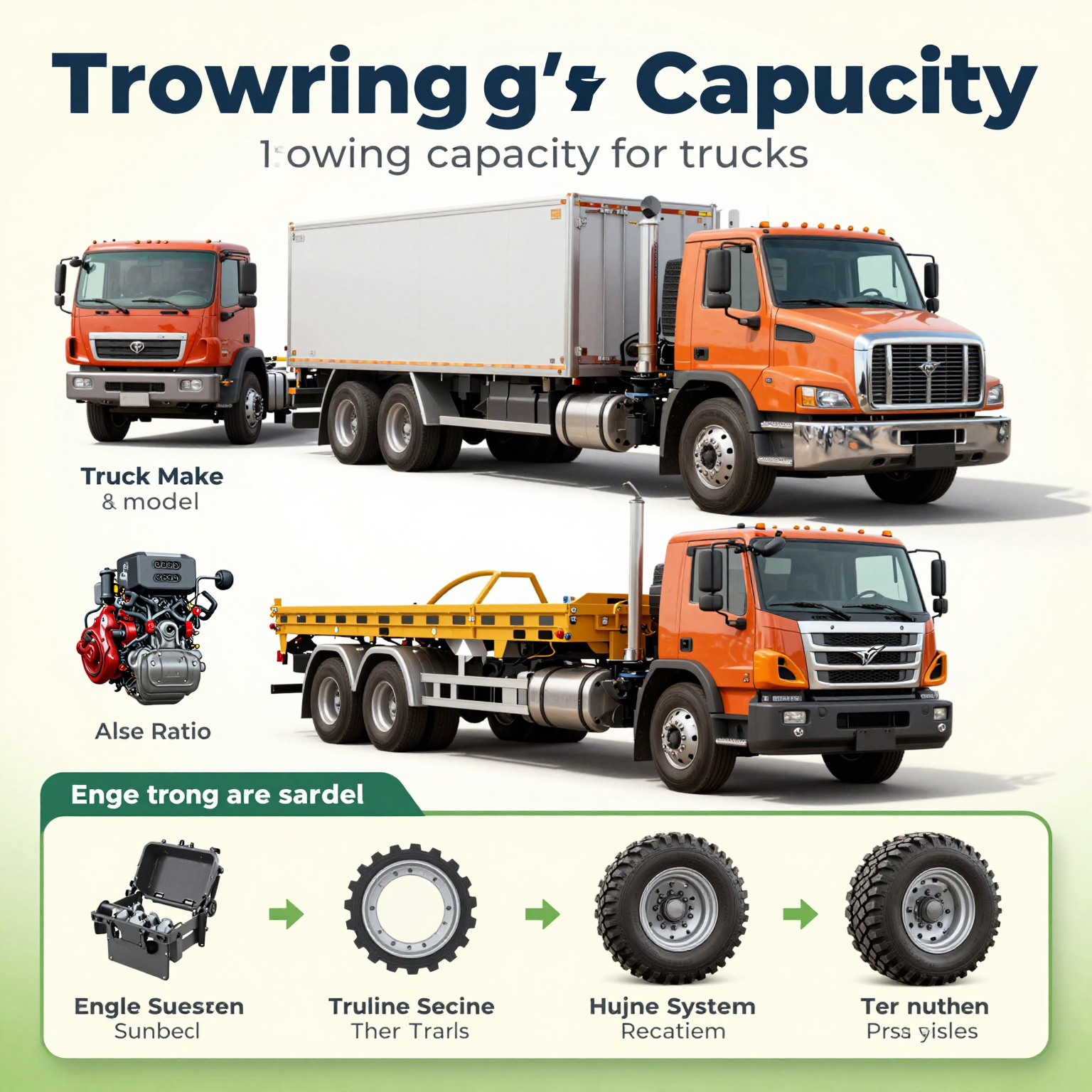
1. Truck Make and Model
The make and model of a truck drastically impact its towing capacity. Each manufacturer has specific capabilities built into their designs, which include frame strength, engine performance, and suspension systems. For instance, the Ford F-150 can tow up to 14,000 lbs depending on the configuration, while the Chevrolet Silverado 1500 can handle up to 13,400 lbs. Understanding these specifics can help businesses select the appropriate vehicle for their operational needs. For more on specific models, check out the 2024 Popular Pickup Trucks and Their Towing Capacities.
2. Engine Size and Power
Engine size, typically measured in liters, directly relates to the amount of power and torque produced. Higher displacement engines can generate more power, translating into greater towing capability. For example, trucks equipped with a 5.0L V8 engine often have higher towing ratings compared to those with smaller engines. Engine torque is crucial as it provides the force needed to move heavy loads. Thus, the combination of engine size and type (naturally aspirated vs. turbocharged) will dictate how much weight a truck can safely tow.
3. Axle Ratio
The axle ratio is another critical aspect that influences towing capacity. This ratio defines the number of revolutions the driveshaft makes compared to the axle’s rotations. A higher numeric ratio (e.g., 4.10 vs. 3.73) allows for better towing performance as it helps in hauling heavy loads more efficiently. Trucks designed for towing often have these higher ratios, balancing performance with fuel economy. The axle configuration can also affect stability during towing operations.
4. Transmission Type
The type of transmission (automatic or manual) also plays a role in towing capacity. Automatic transmissions often feature enhanced tow modes, which optimize gear shifting to handle heavier loads smoothly. Conversely, manual transmissions may offer more control, allowing drivers to select gears that best manage powerful trailer loads. Selecting the right transmission system is critical for effective towing-especially on uneven terrains common in many island landscapes.
5. Braking System Performance
A reliable braking system is indispensable when towing. Heavy trailers often require advanced braking solutions, such as brake assist systems and electronic brake force distribution, to ensure safe stopping. Many trucks come equipped with trailer brake controllers, which help enhance this capacity. Underestimating the braking needs when towing can lead to hazardous driving conditions.
6. Tire Specifications
Tire size and load rating directly affect towing capacity. Trucks designed for heavy-duty towing typically have specialized tires that can withstand significant weight without compromising safety and performance. Ensuring the tires are rated for the expected load is critical, as under-inflated or inappropriate tires can lead to accidents or mechanical failures.
Conclusion
For local businesses, understanding these factors while calculating the towing capacity is vital. This knowledge not only helps in selecting suitable trucks but also ensures compliance with safety standards. It’s important to remember that exceeding the manufacturer’s towing capacity can lead to vehicle damage and increased safety risks, especially on the challenging terrains often found on islands. Always refer to manufacturer specifications and guidelines to determine the safest towing practices.
Learn more about emergency preparedness for island fleets.
How to Determine Towing Capacity
Determining the towing capacity of a truck is crucial to ensure safe and efficient towing practices, especially for businesses that rely on transport for operations or for property managers needing to haul equipment. Here’s a comprehensive guide that covers how to accurately determine the towing capability of your truck.
1. Check the Owner’s Manual
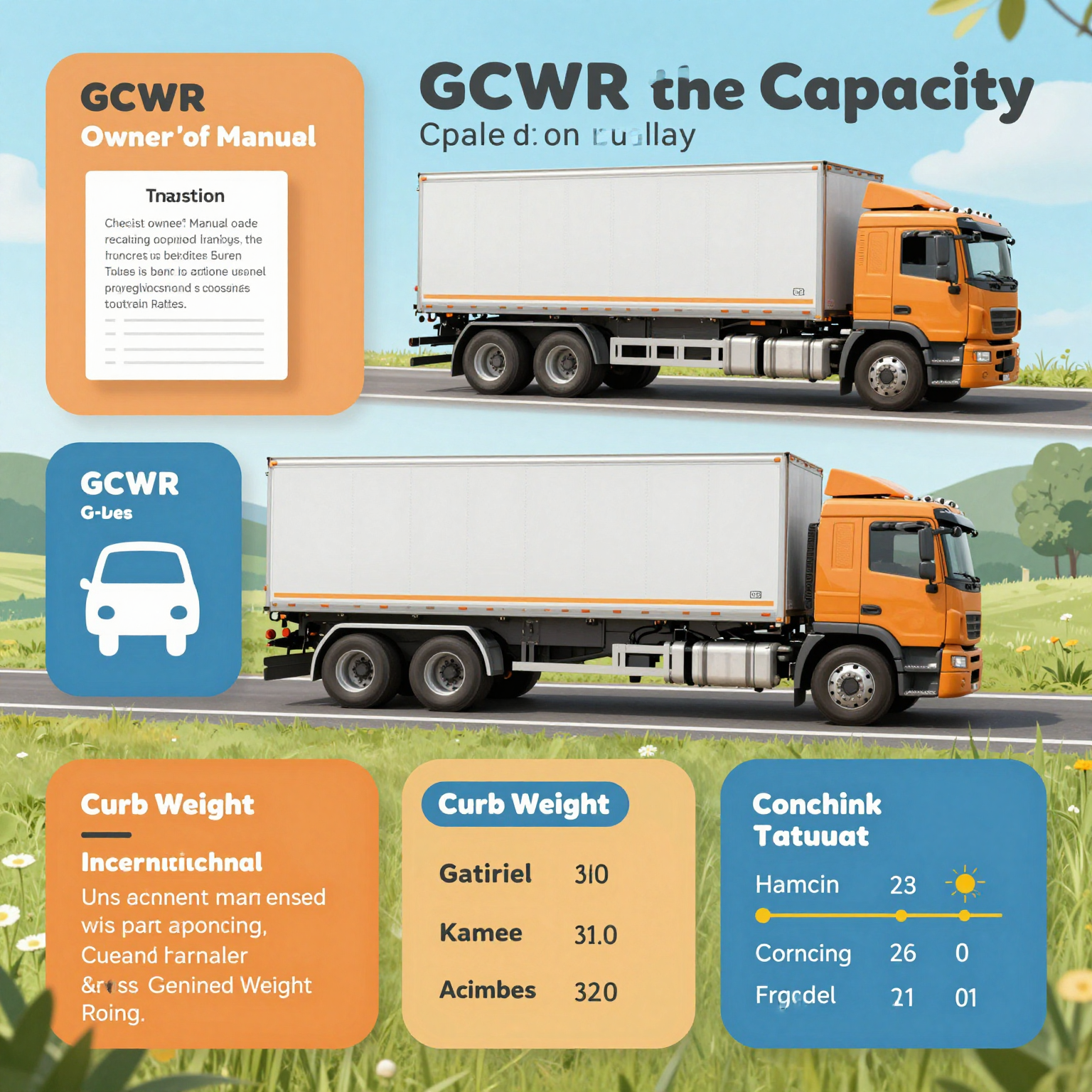
The first place to start is your vehicle’s owner’s manual. This document contains specific data about your truck, including its towing capacity, which is typically expressed in pounds. If you don’t have the manual on hand, many manufacturers provide digital copies on their websites.
2. Understand Key Terms
-
Gross Combined Weight Rating (GCWR): This is the maximum weight your truck can handle, including both the vehicle and the trailer being towed.
-
Curb Weight: This is the weight of the truck when it’s empty, without any cargo or passengers.
-
Towing Capacity Formula: To find the maximum towing capacity, you can use the formula:
Towing Capacity = GCWR – Curb Weight
For example, if your truck has a GCWR of 14,000 pounds and a curb weight of 6,000 pounds, the maximum towing capacity would be 8,000 pounds.
3. Find Manufacturer’s Specifications
In addition to the owner’s manual, check the manufacturer’s website or the data plate located on the driver’s side door frame. This data plate usually includes the GCWR and other ratings important for towing.
4. Verify Hitch and Payload Ratings
- Hitch Rating: Ensure that your hitch can handle the weight of the trailer you intend to tow. The hitch’s capacity should meet or exceed your truck’s towing capacity.
- Payload Capacity: This includes the weight of passengers and cargo in your truck. Exceeding the recommended payload can reduce the overall towing capacity and lead to unsafe driving conditions.
5. Conduct a Weight Check
For optimal accuracy, load your trailer and use a certified scale to ensure you are not exceeding the trailer’s Gross Vehicle Weight Rating (GVWR). This is essential to avoid dangerous towing situations and mechanical failure.
6. Consider Other Factors
Finally, factors such as engine power, axle ratio, transmission type, and cooling system can also affect your truck’s towing capacity. Be mindful to account for these elements, especially if modifications have been made to your vehicle.
For further reading on maintaining safe towing practices, you can learn more about safety strategies for island fleets.
Truck Models Comparison Table
When considering the towing capacity of various truck models, it’s essential to look at key specifications that can affect performance. Below is a comparison table featuring five popular truck models:
| Truck Model | Towing Capacity (lbs) |
|---|---|
| Ford F-150 | 14,000 |
| Chevrolet Silverado | 13,400 |
| Ram 1500 | 12,750 |
| Toyota Tundra | 12,100 |
| Nissan Titan | 11,100 |
Source: Official manufacturer specifications and automotive industry publications (2023 model year data).
Key Features of Each Truck Model
- Ford F-150: Known for its impressive towing capacity and versatile engine options, including a powerful 3.5L EcoBoost V6.
- Chevrolet Silverado: Praised for its robust performance, the Silverado offers multiple engine choices with a high capacity V8 model.
- Ram 1500: Balances towing capability with comfort, featuring a 3.6L V6 engine, and available with a hybrid system.
- Toyota Tundra: Offers strong performance with a maximum towing capacity powered by a capable 3.5L twin-turbo V6.
- Nissan Titan: Focused on durability, the Titan also provides solid towing capabilities with its 5.6L V8 engine.
For a visual representation of these towing capacities, click here to view the detailed chart.
Essential Tips for Safe Towing
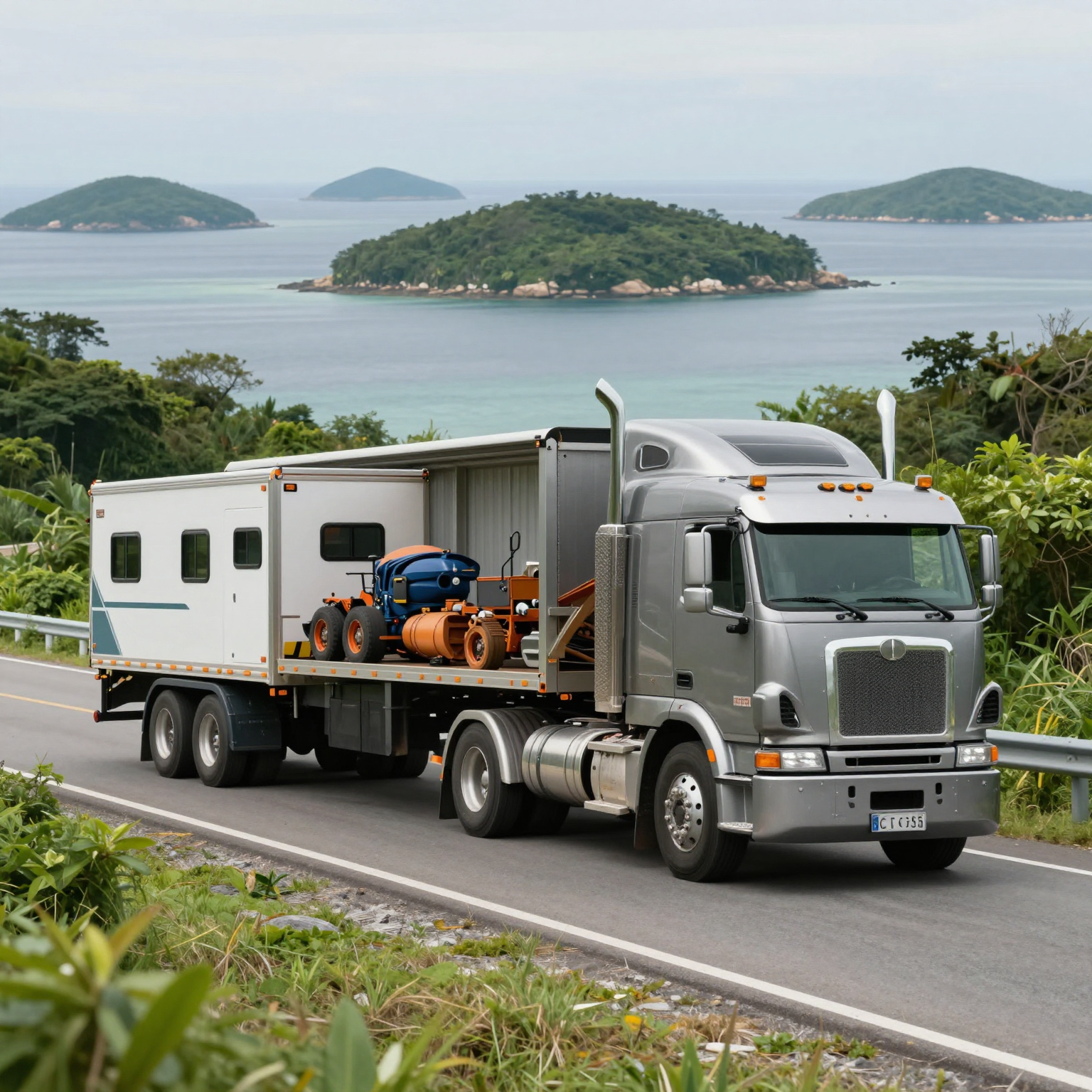
Towing a vehicle or trailer can be a daunting task, especially when proper safety measures aren’t taken. Here are several key tips to ensure safe towing practices:
-
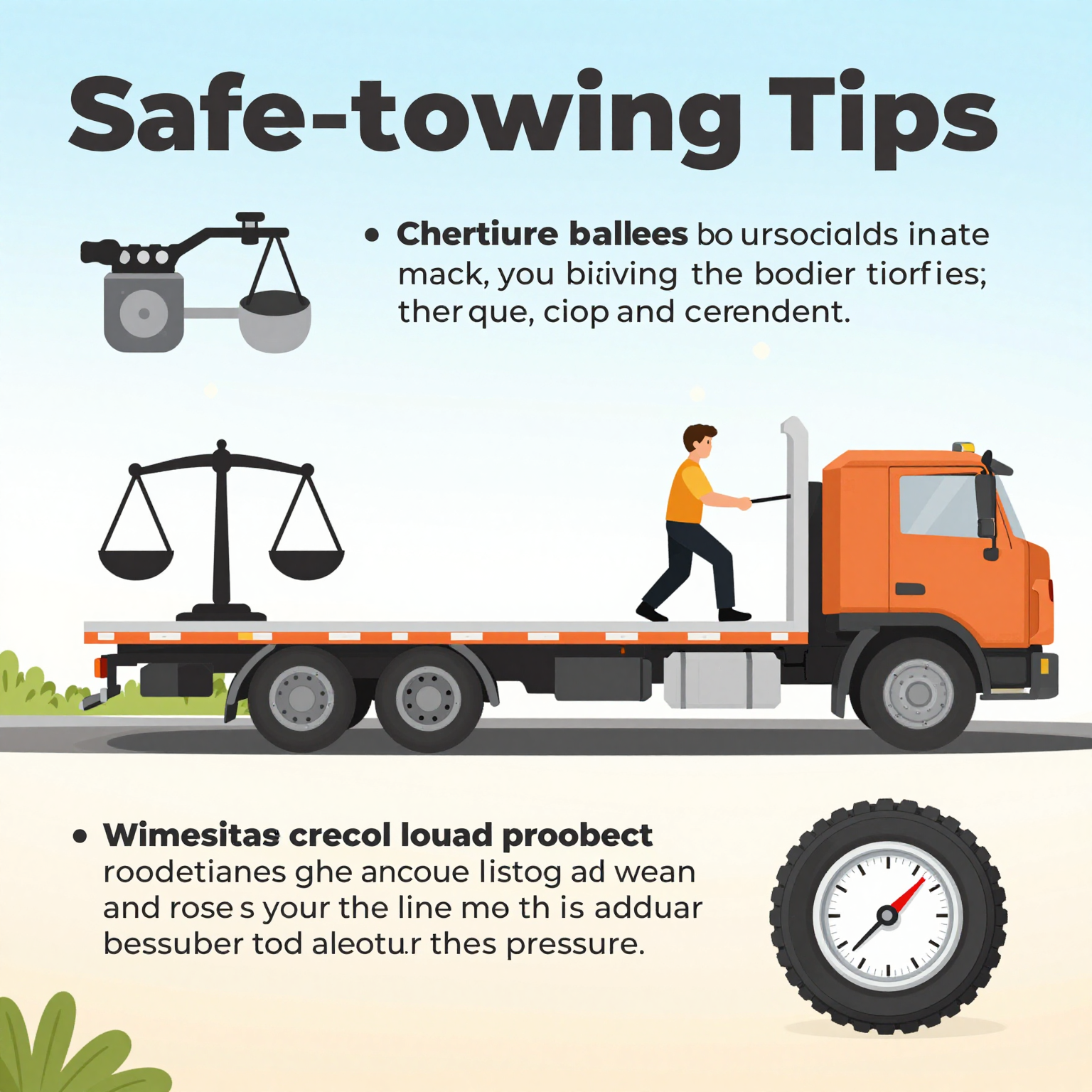
Check Trailer Brakes: Always ensure that your trailer’s brakes are functional. A trailer equipped with brakes should undergo annual inspections and checks before long trips. Remember, ineffective brakes can lead to accidents.
-
Ensure Load Distribution: Proper load distribution is critical to maintaining control of the vehicle and trailer. An imbalance, even as small as 10%, can heighten the risk of rollover or loss of control. Make sure the weight is evenly distributed across the trailer axles.
-
Maintain Proper Tire Pressure: Regularly check the tire pressure of both the towing vehicle and the trailer. This includes ensuring that tires are inflated to the manufacturer’s recommended levels. Under-inflated tires can heat up during travel, increasing the likelihood of blowouts, while over-inflated tires reduce traction.
-
Secure Connections: Ensure that all towing equipment is securely fastened to avoid accidents during transit. Use high-quality chains, hooks, or straps that can handle the load.
-
Maintain Steady Speeds: Stick to speed limits, especially when towing. Keeping a slow and steady pace allows for better control and reduces stress on both vehicles.
Incorporating these safety tips can make a significant difference in your towing experience. For more about towing safety and equipment, learn more here.
Stay safe by following these towing guidelines.
I hope these insights help you and your team manage towing safely!
Consequences of Exceeding Towing Capacity
Exceeding a truck’s towing capacity can lead to a cascade of mechanical failures and safety hazards that pose significant risks not only to the driver but also to other road users. When vehicles are overloaded, several parts of the truck experience undue stress, leading to premature wear and failure.
Potential Mechanical Issues
-
Overheating: Towing beyond capacity often results in overheating, particularly for vital systems such as the transmission and brakes. The National Highway Traffic Safety Administration (NHTSA) notes that vehicles exceeding their towing limits are 3.4 times more likely to experience mechanical failure, including brake fade and overheating, which can lead to brake failure during crucial moments (NHTSA Report).
-
Frame and Suspension Damage: The structural integrity of a truck is compromised when overloading occurs. In severe cases, the frame can warp, and suspension components can break, leading to increased failure rates. A report by Car and Driver emphasizes that towing beyond capacity can lead to major transmission damage and even complete drivetrain failure, creating an unsafe driving condition (Car and Driver).
-
Tire Blowouts: Increased stress on tires due to excessive weight can lead to blowouts, drastically increasing the risk of accidents. It’s crucial to regularly inspect tire conditions, especially when towing heavy loads.
Safety Hazards
The safety hazards related to exceeding towing capacity cannot be understated. Overloaded vehicles are significantly harder to control, which can lead to swaying and fishtailing, especially during emergency maneuvers. Studies by the AAA have shown that the risk of accidents increases by 70% when vehicles are overloaded beyond their towing capacity, presenting serious dangers to both the driver and other motorists (AAA Foundation).
Legal and Financial Repercussions
Exceeding towing capacity can also lead to legal complications, including fines and penalties, as well as increased insurance premiums and potential denial of claims if the vehicle is involved in an accident. This not only affects personal liability but can also pose challenges for businesses that rely on heavy-duty trucks for operations.
In conclusion, respecting the defined towing capacity of your truck is paramount in ensuring safety and mechanical reliability. For those uncertain about towing capabilities, resources such as Emergency Preparedness for Island Fleets provide guidelines that can help in making informed decisions.
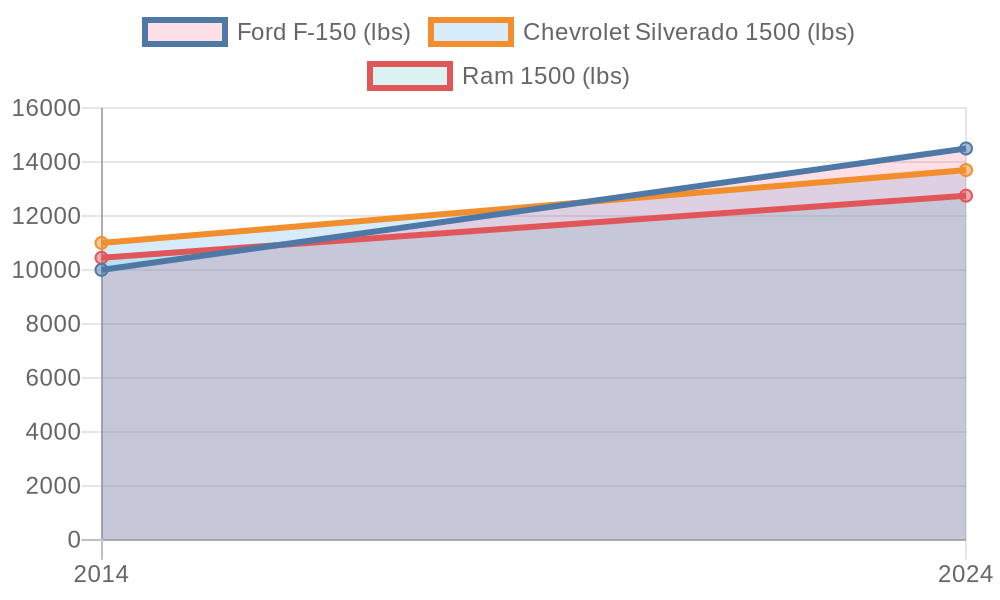
| Year | Ford F-150 (lbs) | Chevrolet Silverado 1500 (lbs) | Ram 1500 (lbs) |
|---|---|---|---|
| 2014 | 10,000 | 11,000 | 10,450 |
| 2024 | 14,500 | 13,700 | 12,750 |
Trend Analysis:
- Ford F-150: Increased towing capacity by 4,500 lbs (45% increase) from 2014 to 2024, driven by advancements in engine efficiency, chassis reinforcement, and the adoption of aluminum body construction.
- Chevrolet Silverado 1500: Improved by 2,700 lbs (24.5% increase), benefiting from updated V8 engines, enhanced drivetrain components, and improved suspension systems.
- Ram 1500: Saw a rise of 2,300 lbs (22% increase), attributed to engine upgrades (e.g., the 5.7L HEMI V8), stronger frame designs, and better transmission tuning.
Overall, all three models have significantly increased their towing capabilities over the past decade, reflecting broader industry trends toward higher performance, lightweight materials, and advanced powertrain technologies.
Sources:
- Ford Motor Company – F-150 Towing Specifications (2014 & 2024)
- General Motors – Chevrolet Silverado 1500 Owner’s Manuals (2014 & 2024)
- Stellantis – Ram 1500 Technical Data Sheets (2014 & 2024)
Understanding the Importance of Towing Capacity
When it comes to ensuring the safety and performance of your truck, understanding its towing capacity is paramount, especially for those operating in island settings, where road conditions and availability of service can be precarious. Knowing how much weight your vehicle can safely tow is not just a guideline; it’s a matter of safety.
“Ignoring tow capacity isn’t just about breaking rules-it’s about risking lives. Your truck has limits, and respecting them is what separates responsible drivers from reckless ones.”
- Carlos Mendez, Truck Mechanic
This important insight stresses that exceeding the towing capacity can lead to severe repercussions, such as brake failure and loss of vehicle control, significantly increasing the risk of accidents. For local auto repair shops and commercial fleet operators, these considerations can have vast implications for both operating costs and safety outcomes.
To accurately determine your truck’s towing capacity, several factors must be considered:
- Manufacturer’s Towing Rating: Always refer to the owner’s manual for the specific limits set by the manufacturer.
- Payload and Hitch Type: Take into account the weight of the cargo and the specifications of the trailer hitch being used.
- Vehicle Weight: The curb weight of your truck plays a crucial role in establishing how much you can tow safely.
For more comprehensive insights into managing your fleet and ensuring safe practices, consider checking out our article on Emergency Preparedness for Island Fleets and the importance of Safe Towing Practices.
Understanding your truck’s specific towing capacity ensures both safe operation and compliance with legal regulations. This awareness can prevent mechanical stress and costly repairs, making it essential for those involved in transportation on our beautiful islands.
Conclusion and Call to Action
Knowing your vehicle’s towing capacity is not just about numbers-it’s about safety, performance, and peace of mind. Understanding how much weight your vehicle can effectively tow is essential to avoid potentially dangerous situations like brake failure, diminished handling, and increased stopping distances. According to Consumer Reports, exceeding your vehicle’s rated capacity can lead to catastrophic failures, jeopardizing not just your safety but also the safety of others on the road. The National Highway Traffic Safety Administration (NHTSA) echoes this sentiment, highlighting thousands of accidents annually resulting from improper towing practices (NHTSA).
By prioritizing these considerations, you can enjoy a more reliable and safe towing experience. However, maximizing towing performance starts with equipping your vehicle with the right accessories. This is where Summit Fairings come into play. Designed to enhance vehicle performance by streamlining airflow, Summit Fairings not only promote fuel efficiency but also contribute to exceeding expectations in style and performance. Vehicles fitted with Summit Fairings can experience significant reductions in drag, better acceleration, and improved handling stability, allowing you to confidently take on towing tasks (Summit Racing).
Therefore, consider investing in Summit Fairings to enhance your vehicle’s capabilities. Elevate both the performance and style of your vehicle, ensuring it’s ready for any challenge that lies ahead on the beautiful roads of our islands. Don’t compromise on safety or aesthetics-make the smart choice today!