When faced with vehicle troubles, knowing how to effectively call a tow truck can greatly minimize stress and expedite help. For local auto repair shops, car dealerships, property managers, resort operators, and commercial fleet operators, mastering this process is not just about getting a vehicle off the road—it involves clear communication, precise location details, and understanding the varied reasons for towing services. Each chapter will dive into these pivotal facets, ensuring roadside emergencies are handled with confidence and efficiency.
From Dial to Dispatch: Mastering the Art of Calling a Tow Truck
A roadside moment of stillness can quickly become a scramble for help, yet the way you start the conversation with a dispatch operator sets the tone for how fast and how safely you get moving again. When you find yourself stranded, the first instinct is often a surge of frustration or fear, but a practiced approach to the call can convert that tension into results. The goal is not just to summon assistance, but to summon it in a way that prioritizes safety, clarity, and fair pricing. Safety remains the quiet anchor of every decision you make that day. If you can, move the vehicle to a safer location, such as a shoulder or emergency lane, and turn on hazard lights to signal other drivers. In some conditions, placing a warning triangle a prudent distance behind the car helps reduce the risk of a secondary incident, especially in low visibility or heavy traffic. These are small steps that carry outsized impact; they buy time for you to think clearly, describe the situation accurately, and avoid escalating danger while you wait for the tow.
What follows is a disciplined pattern you can apply in almost any situation, whether you’re on a quiet street late at night or stranded on a bustling interstate during a rush hour. The core of the process is communication. You want to speak with a dispatcher who can translate your information into a tow truck’s route and a driver’s plan. The voice you use on the line matters as much as the details you share. A calm, concise, and confident tone helps the dispatcher understand your needs and compress the response time. You should be ready to lay out the essential facts in a way that is easy to repeat, because the operator will often relay them to the driver in real time. Think of the call as a two-way handoff, not a one-sided plea for mercy; the more precise your input, the smoother the service will unfold.
Key phrases and the intent behind them matter, yet you don’t have to memorize a script. The core idea is straightforward: identify your location, define your vehicle, describe the problem, and state your preferred outcome. You don’t have to quote every line of the guidance you may have read; you just need to cover the basics clearly and calmly. For most people, the simplest approach is to state, in plain language, that you need a tow truck, describe where you are, tell what’s wrong with the vehicle, and confirm where you want the vehicle to go once it’s on the truck. If the person on the other end asks clarifying questions, answer them as directly as possible. If you’re negotiating price or asking about ETA, bring those questions into the same moment, but avoid letting the conversation devolve into a back-and-forth that delays the driver’s arrival.
The more prepared you are, the less time you waste on the phone and the less risk you incur by miscommunication. Before you dial, take a breath and assemble three categories of information in your mind: precise location, the vehicle’s identifying details, and the problem’s nature. Location is the most consequential element; it is the factor that determines the tow truck’s first mile of travel and the dispatcher’s ability to estimate arrival. Speak with specificity. Instead of saying you’re near a mall, you might say you are on Route 101, just south of the Oak Street exit, between mile markers 45 and 46. If you happen to be on a highway, name the road and direction, such as I-95 North near Exit 12. These specifics reduce the chance of confusion and shortchange a driver’s precious minutes when minutes matter the most.
The second category—vehicle details—helps the tow operator identify your car amid a sea of others. You should be ready to share the make, model, color, year, and, if possible, the license plate number. Describing the vehicle is not a formality; it is a practical safeguard to ensure the right car is loaded onto the bed and moves toward the right destination. The third category—problem description—lets the dispatcher tailor the response. Whether the car won’t start, you’ve got a flat tire, the engine is overheating, or you’re stuck in snow, a concise diagnosis allows the driver to come prepared with the right equipment and, if needed, a specific plan for safe loading. These details also influence the kind of tow truck that will be dispatched—whether it’s a flatbed, a wheel-lift, or a simple tow bar—and the amount of expertise the driver must bring to the scene.
Choosing the right kind of service provider is a decision that often follows the initial call. In an orderly system, you have multiple pathways to obtain towing assistance, and understanding the differences can save both time and money. One option is to route the request through your car insurance’s roadside assistance program. If your policy includes this feature, you typically can call a 24/7 hotline to initiate dispatch. A critical step here is to confirm the free towing distance limit before dispatch. Some plans cover only a certain number of miles or a capped amount for towing in a single incident. If you exceed that limit, you might face out-of-pocket charges that could have been avoided with a quick upfront confirmation. When you’re insured and the roadside plan seems reliable, you can often receive a straightforward path to tow services that integrates with your repair network, potentially saving you a trip to be self-served by a third party.
Another well-trodden path leads to government or highway authorities. In some regions, there are official response centers or hotline numbers designed for emergency assistance on highways. These dispatchers are typically tethered to a nationwide or regional network and can quickly summon government-assisted tow trucks. The benefits often include transparency on pricing, predictable response times, and a degree of reliability that comes from public service standards. If you’re in a jurisdiction that provides a government dispatch line, using it as your primary contact may offer a level of reassurance, particularly in high-traffic corridors where private tow operators might vary in availability or pricing. The trade-off is that the process can feel more bureaucratic in the moment, so maintaining a calm, precise, and patient demeanor helps clarity prevail.
A growing and increasingly popular option is mobile apps and online platforms. Apps that specialize in roadside assistance deliver advantages that are especially appealing when you want real-time tracking and transparent, pre-disclosed pricing. Real-time arrival estimates, digital receipts, and direct-driver messaging can transform a stressful delay into a more predictable, auditable experience. Yet these digital tools come with considerations: you should understand the pricing structure before requesting service, and you should be mindful of surge pricing or higher minimum fees during peak demand times. Apps empower you to choose a provider with good reviews and clear policies; they also offer the convenience of a self-serve interface that lets you monitor progress from your phone. Regardless of the channel you choose, you should maintain an awareness of the cost and the ETA, and you should confirm the destination for the vehicle early in the conversation to avoid confusion once the tow is on its way.
Direct contact with a local towing company is another reliable route, especially when you want a faster response or a specific type of service. When you decide to call a tow shop directly, a quick online search or a glance at a local directory can yield candidates with clear credentials. In these cases, you may want to verify that the company holds a valid road rescue service certificate, or any local credential that speaks to their legitimacy. Listing the advertised rates beforehand is a sensible step to prevent unexpected charges. A direct contact often feels more straightforward because you’re not negotiating with a middleman; you’re speaking to the party that will ultimately move the vehicle. However, the risk is that such a call eliminates the potential for bundled benefits you might get from insurance or government channels, such as warranty coverage or standardized pricing. The way you balance these options depends on your priorities: speed, price, reliability, and your policy protections.
As you move through this decision-making process, the most important moment on the phone is the moment you start communicating clearly and calmly. It’s not a performance; it is a practical exchange that shapes the driver’s arrival time and the route the tow will take. When you speak to the dispatcher, begin with your name and a reliable contact number, then provide the exact location with all the detail you can muster. Describe the problem succinctly, sticking to facts rather than speculation or frustration. Then confirm the next steps: the ETA, the destination, and the status of the price. In the course of the conversation, you may be asked for the license plate, the vehicle’s color, or the preferred method of payment. Answer these questions accurately and without delay. If the scene on the ground leaves you uncertain about the price, do not hesitate to request the final price before the driver starts loading the vehicle. A well-structured call reduces the chances of miscommunication and helps ensure that you won’t encounter surprise charges or detours that add unnecessary time to the recovery.
The waiting period—the time you spend while the tow truck is en route—does not have to be wasted or wasted on worry. You can use this interval to review the instructions you’ve received, confirm the arrival window, and prepare for how you’ll move your next steps once the tow reaches you. If you are in a safe area, you can stay inside your vehicle with doors locked and seatbelts fastened while the vehicle remains stationary. If you must exit for any reason, do so safely and keep your phone charged and accessible. It is prudent to avoid attempting any major repairs or risky maneuvers yourself. Even if you have knowledge of mechanical fixes, the time and risk of injury can be greater than the benefit when you are dealing with an unfamiliar roadside environment. The tow driver is trained to handle a range of scenarios—from jumpstarts to flatbed loading—and your cooperation makes the operation smoother and swifter.
When the tow truck arrives, you should perform a quick but crucial verification. Confirm that the driver has your vehicle and the correct destination. If you have a specific shop or address in mind, communicate it clearly and confirm the route. The driver will typically ask to see your license, consent to any price or service terms, and may request that you sign for the service or provide a receipt. If you’re using a third-party platform, request the final invoice and a formal receipt; if anything feels unclear, ask for an explanation before you sign. This step protects you from mischarges and ensures that you have documentation of the transaction. In many cases, a digital receipt is available, which makes expense tracking more convenient later. You may also want to confirm whether the tow will include any additional services, such as door-to-door pickup or hoisting of a damaged vehicle, and whether there are any extra surcharges for off-hour dispatch, weekend rates, or special equipment.
There is a delicate balance to strike between speed and transparency. You want the tow to arrive promptly, but you also want the terms of the service to be fair and clear. The best practice is to request the final price upfront and to confirm the origin and destination of the tow before the driver starts the operation. If a third-party app is involved, you can rely on the platform’s pricing structure and their policy for disputes, while still keeping your own notes and receipts. The discipline of clarifying pricing in advance protects you from the anxiety of a vague bill after the fact and fosters trust in the interaction between you, the dispatcher, and the driver.
In these exchanges, there is a broader lesson about the infrastructure of roadside assistance. Accessibility, accountability, and the capacity to offer consistent service depend on forethought and clear communication. When you take the time to prepare, you reduce the chances of a tense exchange that begins with a price shock and ends with a vague ETA. The craft of calling a tow truck is not about knowing every contingency ahead of time; it is about understanding the framework in which the service operates and using that understanding to guide your own actions—safety first, then clarity, then courtesy. Your calm demeanor helps keep the situation stable, both for yourself and for the operator who is coordinating the response from a distance. You are not alone in this process; you are a key participant in a chain of responsibility that starts with your call and ends with your vehicle safely recovered and on its way to a repair facility.
If you ever need a quick refresher on the broader context of emergency response and the role of tow services within it, you can revisit the practical resources that explore how fleets and households prepare for unexpected immobilizations. For readers seeking ongoing guidance and community examples, the Island Tow Truck blog offers a repository of practical tips and real-world stories about roadside resilience. The blog provides a broader look at how tow services integrate with fleet management, emergency planning, and everyday driver safety. You can explore it here: theislandtowtruck.com/blog. As you consider the path forward after a tow, you may also want to connect with supplemental materials that discuss emergency preparedness for island fleets and essential fleet emergency response strategies, which can help you plan ahead and reduce the impact of future incidents. While the specifics of your next tow will be unique, the underlying principle remains constant: preparedness—timely, clear communication—paves the way to a smoother recovery and a faster return to the road. The more you know, the more you can navigate the moment with confidence, not fear, and the more you can ensure that help arrives not late but right on time.
In practice, this means you should treat the call as a coordination exercise rather than a confrontation. You are collaborating with the dispatcher to map out the shortest feasible route for the tow truck that aligns with safety, the constraints of the roadway, and the preferences you have expressed. If you want your car delivered to a particular repair shop or to your home address, say so early in the dialogue and confirm that this instruction will be followed. If you are arranging a tow that will bypass a shop to reach your preferred service center, confirm this detail and obtain a written acknowledgment on the receipt or in-app notes. Keeping a paper trail, even in digital form, helps protect you from miscommunications and provides a reliable record for any future inquiries about the service.
In the end, the act of calling a tow truck is a modest but meaningful exercise in civic cooperation. It is a moment when you practice restraint, clarity, and self-advocacy. You are not just requesting vehicle recovery; you are ensuring your own safety, the safety of others on the road, and the integrity of the service relationship you enter. If you carry these principles with you, you will find that the road ahead becomes less intimidating, and the wait becomes, at its core, an actionable plan rather than a vigil of uncertainty. The process becomes less about the fear of breakdown and more about the confidence of an organized response—and that confidence is what keeps you moving forward, no matter where the road takes you next.
Pinpointing Help on the Road: How Precise Location Details Speed Tow Truck Responses
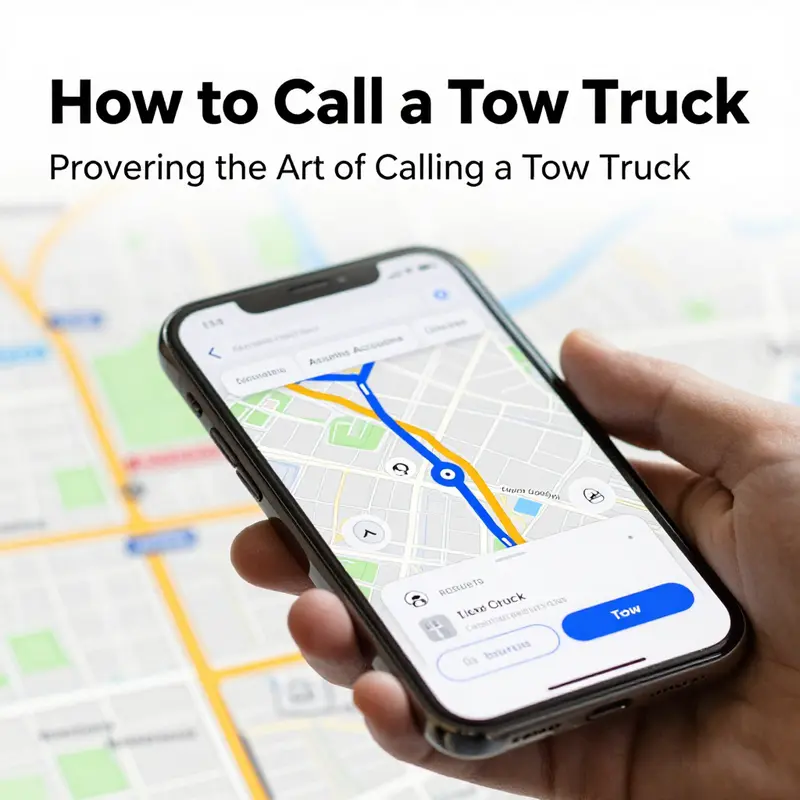
When a vehicle breaks down or becomes a hazard on a road, the first instinct is often to seek help as quickly as possible. Yet the speed of that help depends largely on one thing you can control even amid stress: the accuracy of the location you provide to the dispatcher or roadside assistance operator. A tow truck’s arrival time isn’t just a function of the driver’s skill or the distance between you and the next highway exit; it rests heavily on how clearly you communicate where you are and what you’re asking for. That clarity can shave minutes off a response in cities where traffic patterns change by the hour and on stretches of highway where mile markers and landmarks blend into the scenery. The mechanics of conveying location details are simple in theory, but they reward discipline in practice. By focusing on precise landmarks, exact coordinates, precise cross streets, and a careful description of your surroundings, you create a map for the dispatcher to follow that makes the tow truck’s journey to you as smooth as possible. The chain of communication begins the moment you pick up the phone, and the length of the chain is determined by the information you choose to share.
Consider the moment you realize you need assistance on a busy, three-lane highway. You could say, in a hurried voice, “I’m near the gas station.” That phrase, while familiar, offers little, if any, guidance to a driver who must navigate high speeds and confusing exits. The dispatcher, meanwhile, must piece together a mental map from your words, verifying each detail against maps, traffic conditions, and the company’s local coverage. A better approach would be to anchor your message to concrete anchors that can be seen, measured, and confirmed. You begin to move from a general request to a precise location. You say, “I’m on the eastbound lane of Route 66, just past the intersection with Main Street, in front of the red brick diner.” Suddenly the description shifts from a vague idea of where you are to a resolvable point on a map that the tow operator can recognize in seconds.
This shift is not about embellishing the scene or dramatizing the moment. It’s about practical, actionable data that reduces the time the tow truck spends hunting for your vehicle and minimizes the risk of miscommunication in a stressful scenario. The basic rule is simple: jargon and ambiguity should be avoided as much as possible. If you can translate your location into something a driver can physically follow—addresses, landmarks, coordinates, or clear cross streets—you are giving the operator a path rather than a puzzle. And the sooner that path can be translated into action, the sooner your car is out of the lane, your hazard lights are flashing, and the danger to you and other vehicles is reduced.
To put this into practice, begin with the most reliable anchor you have. In urban environments, that anchor is usually a street address or an intersection. If you know the exact street number of the building you’re near, providing it helps the dispatcher place you on the map with a high degree of confidence. If an exact address isn’t readily available, an intersection can function with almost equal reliability. The two-street cross is often enough to pinpoint a location, especially when you add a nearby landmark. For example, stating that you are at the corner of Pine Street and 5th Avenue, near a well-known bank or a distinctive public sculpture, gives the operator a tangible cue to look for. In some cases, you may be in a parking lot or on a private road where street names don’t exist in the same way. Here, the strongest approach is to anchor to visible cues: “I’m in the northeast corner of the mall parking lot, near the entrance to Lot B, by the blue awning.” Such details create a mental map the dispatcher can validate against a live map and then relay to the tow driver.
The next step is to incorporate more precise spatial data when you can. If possible, share GPS coordinates. Modern map apps can display your current latitude and longitude with remarkable precision. While you may not always be comfortable reading out coordinates in the exact decimal format, you can still translate them into a usable form. A dispatcher can copy a coordinate set into their system and cross-check it against the vehicle’s location on a live map. If you can access this feature, you might say, “I’m at latitude 40.7128, longitude -74.0060.” If that level of detail feels technical, you can describe the coordinates in relation to a nearby landmark as well: “I’m two blocks north of the train station, at the coordinates where the park entrance aligns with the north side of the street.” The practical advantage is that coordinates, unlike descriptive language, do not rely on memory or interpretation. They provide a fixed reference that the driver can verify visually and then navigate toward with confidence.
In many situations, your exact GPS coordinate may not be immediately necessary, but precise address or intersection information remains essential. If you know the street address of a nearby business or landmark, share it. If you’re not sure of the exact number, naming the street and the cross street you’re closest to is often enough. When you’re in an urban canyon where buildings and signage can obscure directions, the more specific you are, the less time the driver spends trying to locate you. In a crowded area such as a shopping center, you might describe your position in relation to a known entrance, a distinctive storefront, or a loading zone. This reduces the chance that a driver will veer into the wrong parking lot or get lost in a maze of internal streets. The accuracy of your location can be the difference between a short stop and a longer, frustrating hold while the driver circles the area.
Another important element is the side of the road and the lane you occupy. A simple “I’m on the shoulder of the northbound side” provides essential orientation that a driver can use to approach your vehicle safely. If you are in a designated lane or on a particular shoulder, share that detail. If you’ve pulled off into a parking lane or a turnout to avoid blocking traffic, describe it precisely: “I’m in the right-most shoulder on the northbound side, parked just past the exit ramp.” These specifics help the driver assign the correct route, the proper arrival gear, and the right kind of equipment for your particular scenario. The dispatcher’s questions often revolve around the safety of the scene. By preemptively answering questions about side and lane, you render that exchange concise and efficient.
There are also practical nuances that can matter in less tidy settings. On a highway, the nearest mile marker can be a reliable cue, especially when exits and interchanges are busy or poorly marked. If you happen to be near a mile marker, you can say, “I’m at mile marker 36, eastbound, just after the Exit 12 ramp.” If you’re in a rural road with limited signage, a description that ties your position to a nearby feature—“the second driveway after the red barn on County Road 14”—can provide a memorable anchor that a driver can locate with a map. In a large complex like a university campus or a multi-building business park, the combination of a general area and a precise reference—“near the north end of the student union parking area, closest to Gate 3”—helps the tow operator navigate with confidence.
The process also benefits from a little forethought. Before you even call, take a moment to collect the pieces of information you’ll need to convey. Note the vehicle’s basic identifiers: make, model, color, and, if visible, the license plate. While these details may not be strictly necessary to initiate a tow, they become invaluable quickly when the tow driver arrives and needs to identify your car among others, especially in a crowded lot or a high-traffic area. You don’t need to memorize every digit of the plate off the top of your head, but having a good mental picture or, if possible, a quick snapshot on your phone can spare you a frantic search as the minutes tick by.
The safety dimension of the location conversation deserves emphasis. If you must wait with your vehicle, position yourself and your passengers as far from traffic as possible while still keeping your car accessible to the tow operator. Activate hazard lights to alert oncoming drivers. If you must exit the vehicle to observe the surroundings or to guide the driver, do so with caution. Stand where you can be seen, away from the flow of traffic, and keep conversations with the dispatcher short and focused. If you can step out of the vehicle, you might point toward a distinctive landmark or street sign so the driver can visually confirm your position in the moment they approach. And if you feel unsafe at any point, consider moving to a safer location and relaying updated coordinates or landmarks to the dispatcher. The goal is to maintain visibility for the operator while preserving your personal safety and the safety of others nearby.
In practice, the act of communicating location details is a discipline that rewards calm, clear articulation. The simplest way to ground yourself in the moment is to frame your message in a concise, verifiable sequence: 1) identify the exact site with a primary anchor (an address or landmark), 2) provide a secondary anchor (cross street or mile marker), 3) specify the side of the road and the lane, and 4) offer any additional navigational cues (parking lot entrance, building color, or distinctive signs). This pattern helps you stay organized under stress and gives the dispatcher a reliable template to relay to the tow driver.
The value of precise location goes beyond speed. It reduces the chance of a misdirected arrival, which can be dangerous on a busy roadway and frustrating for everyone involved. It also has a downstream effect on the entire emergency response ecosystem. The better your location data, the faster the dispatcher can allocate the right equipment, the more efficiently the fleet can respond, and the more smoothly the incident can be cleared from the road. When fleets plan for emergencies, they train their teams to value exact location as a core capability. They practice with real-world scenarios, using maps and simulated calls to reinforce the habit of asking the right questions and gathering the right data. This mindset translates into tangible gains on the ground: fewer frustrated drivers, shorter wait times, and safer recoveries in both urban centers and rural outposts.
Those who work in roadside response know that location accuracy isn’t an abstract skill; it’s a practical tool they carry into every call. It’s a collaborative process between you and the operator. You provide the coordinates; the dispatcher validates them against live maps and nearby identifiers; the tow driver uses that information to plan a precise route, choose the appropriate equipment, and approach your vehicle in a way that minimizes disruption and risk. The better you prepare and the more accurate you are, the more seamless the entire operation becomes. In your moments of need, you are not just requesting a service—you are supplying the critical data that enables a swift, safe, and orderly assistance sequence.
For readers who want to connect this chapter to broader planning, a gateway to more strategic content is available through the industry blog that regularly explores how fleets manage emergency response with discipline and foresight. The Island Tow Truck Blog offers perspectives on how teams coordinate, communicate, and execute under pressure, including how precise location information integrates with broader response strategies. See The Island Tow Truck Blog for more on the topic.
As the call ends and the line goes quiet, the moment you’ve prepared for arrives in the form of a few confirmatory questions from the dispatcher. They may ask for confirmation that you’re in a particular lane, or they may request your exact landmark to recheck your location on the map. This is a normal part of the process. Answer succinctly, avoid ambiguity, and be ready to repeat your details if needed. If your GPS coordinates aren’t common knowledge or if you’re dealing with a spotty signal, you can provide the best alternative you have—an intersection, a nearby business, or a visible feature—and then offer to share coordinates as soon as a signal stabilizes. The dispatcher’s role is to convert your spoken description into a precise, actionable target for the driver, and your job is to ensure that conversion happens with minimal friction.
In wrapping the moment of one call into a broader practice, remember that the goal is to reduce time on the roadside while increasing safety. The steps you take to anchor your exact location—whether through a precise address, a landmark, coordinates, or a clear cross-street combination—are not mere niceties. They are the backbone of an efficient, safe, and human-centered response system. When every driver, vehicle, and traffic light lines up with this practice, the result is a system that can respond to emergencies with speed and precision, even in the midst of chaos. The outcome touches not only you and your vehicle but everyone else on the road who benefits from a safer, more predictable roadside environment.
If you’re coordinating a larger response, such as during a fleet incident at a distribution center or a stranded vehicle in a remote area, the same logic applies, but with added layers of coordination. In these contexts, precise location details accelerate not only the arrival of a tow truck but the deployment of any necessary safety measures, such as blocking lanes, coordinating with traffic control, or dispatching auxiliary support. The principle remains the same: you, the person seeking help, provide the most accurate, current snapshot of where you are and what you need. The rest follows from disciplined communication, careful listening, and a shared commitment to move from a problem into a solution as quickly as possible.
In sum, precise location details form the backbone of a fast, safe, and efficient tow response. They transform a potentially chaotic roadside moment into a navigable set of data points that a dispatcher can translate into a smooth arrival. They empower you to act with confidence, even when time is short and the road is loud. And they connect to a broader culture of preparedness that fleets are building, one well-placed landmark at a time. For readers who want to take this refinement further, consider reviewing the fleet emergency response materials and practice drills that emphasize rapid, accurate location reporting, so that when the next call comes in, you’re not guessing—you’re locating.
To connect with ongoing conversations about emergency readiness and fleet resilience, you can explore additional insights in related industry discussions and case studies on the blog referenced above. The Island Tow Truck Blog can serve as a practical reference point for real-world applications, illustrating how precise location reporting fits into end-to-end response workflows. The Island Tow Truck Blog.
External resource for broader context: for a general overview of roadside assistance concepts and the role of location data in emergency service delivery, see Roadside assistance on Wikipedia: Roadside assistance on Wikipedia.
Tow Lines and Clear Signals: A Thorough, Practical Guide to Calling a Tow Truck
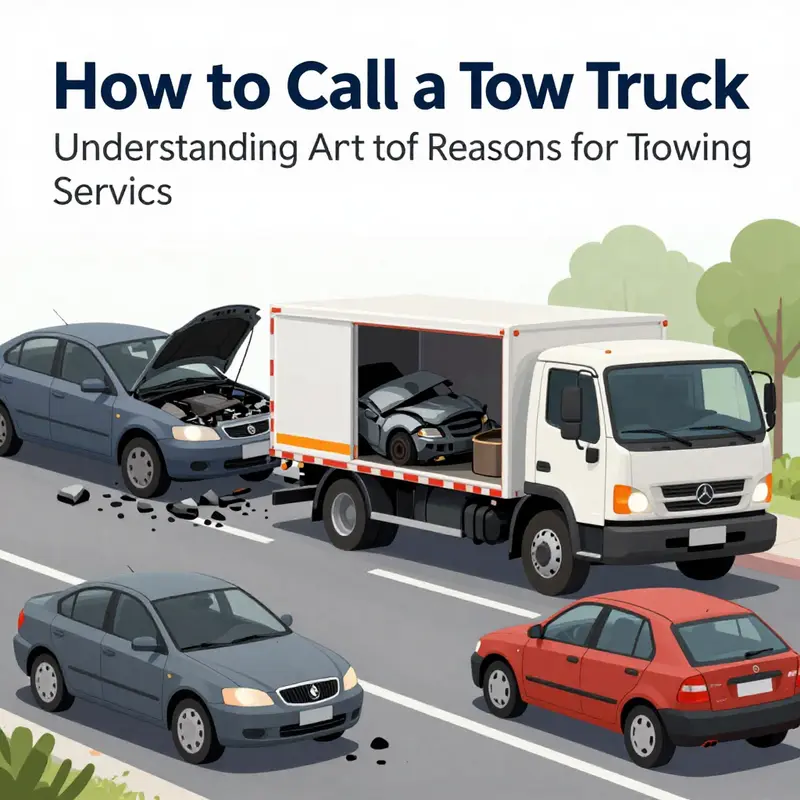
Stranded on a quiet stretch of road or tucked behind a sound barrier on a stormy night, the moment you realize you cannot drive your vehicle to safety is the moment you begin to understand how a tow truck becomes more than a simple service. It becomes a lifeline, a carefully coordinated link between you and the hands that will restore movement to your day. The act of calling a tow truck, at first glance a mundane exchange, unfolds as a series of small decisions that determine both the speed of help and the safety of everyone involved. This chapter, rooted in practical action and quiet preparation, is not a checklist so much as a narrative about how to communicate with clarity, how to convey location, and how to frame the reason for assistance in ways that expedite response and minimize risk. It aims to translate a potentially stressful event into a sequence of deliberate steps that you can rely on, no matter the hour or weather you encounter. In the broader arc of understanding towing services, the question is not only what to say to a dispatcher, but how that conversation threads into the larger fabric of roadside safety, personal preparedness, and the resilience you bring to an unavoidable disruption in mobility. For those who want to deepen their practical knowledge while keeping the core of these ideas in view, a closer look at related topics can be found at The Island Tow Truck Blog, which offers additional perspectives on roadside issues and emergency readiness.
When people think about calling for help, the first impression is often a rush of urgency. It is important to recognize that this urgency can be channeled into precise communication rather than panic. The clarity of your message matters as much as the message itself. A tow operator has to hear you correctly the first time. Minutes saved in the initial phone call can translate into faster dispatch, fewer back-and-forth questions, and a smoother handoff once the tow truck arrives on the scene. The fundamental idea is straightforward: tell the dispatcher exactly what you need, where you are, why you need it, and how to reach you. The rest is the operator’s job, supported by your calm and accurate information. This shared responsibility—your clarity and the dispatcher’s synthesis of that clarity—forms the backbone of an efficient rescue operation.
Clarity begins with the most direct of phrases. A simple statement like, “I need a tow truck,” immediately signals the core need without ambiguity. In many roadside situations, speed matters. A driver who can compress the essential information into a few purposeful sentences reduces the chance of misunderstandings. If you are contacting a roadside assistance provider or a towing company that services your location, you might frame your request with a question: “Can you send a tow truck to me?” This invites confirmation, ensures the dispatcher sets expectations, and creates an open channel for follow-up questions that might streamline the process. In a scenario where you are not the driver but are assisting someone else, a direct instruction such as, “Please call a tow truck for me,” can be effective because it centers the request in a language that a dispatcher recognizes as urgent and actionable. The moral here is that the wording you choose should be as concise as possible while still conveying the essential facts. The goal is not to win a battle of words but to establish a clean, interpretable brief for someone whose job is to respond quickly and accurately.
The second pillar of an effective call is precise location information. In many emergencies, the location is the anchor that anchors the entire response. The clearer you are about your location, the faster the tow operator can reach you. If possible, provide a street address or the closest landmark. But in situations where a formal address is not available—on a highway shoulder, a rural lane, or a parking lot near a mall—there are reliable ways to describe your position. Include notable nearby features: a city block, a gas station, a specific mile marker, or a distinctive building. If you know the vehicle’s details, share them as well: make, model, color, and even approximate license plate information if you can do so safely. These identifiers help the tow operator confirm the correct vehicle when they arrive, especially in crowded or high-traffic areas. In addition to the vehicle’s identity, consider sharing broader contextual information: the nearest exit, the direction you were heading, the time you started to experience trouble, and any hazards you can safely communicate. When you combine precise location with contextual cues, the dispatcher’s mental map becomes more reliable, and the operator can arrive with fewer delays chasing the wrong coordinates or the wrong car.
Narratives from the roadside illustrate the value of these location details. A recent example in a practical case study featured a driver who experienced a breakdown on a rain-drenched highway. The driver did not have a formal address nearby and relied on landmarks—the overpass, the eastbound exit ramp, and a distinctive storefront sign—as reference points. The dispatcher, armed with those cues, was able to place the tow truck on a precise corridor rather than sending it to a general vicinity. When the operator arrived, the car could be identified by its color and model, which the driver had already described. The moment the tow truck pulled in, the driver felt a small but real sense of relief because the coordination had occurred with minimal confusion. The moral of this story is simple: paint a mental picture with your words. If you can picture someone else standing at the precise exit or landmark, try to translate that image into the information you provide over the phone. If you are replying to a dispatcher who asks for extra details, answer succinctly and with confidence. The rhythm of your dialogue can determine the flow of the response—fast, incremental confirmations that keep everyone aligned rather than a long, uncertain back-and-forth.
Beyond the mechanics of location, the reason you are calling for assistance shapes the response you receive. Emergency dispatchers and towing service operators are trained to segment calls by the nature of the problem because different scenarios demand different immediate actions. A vehicle that won’t start in a parking lot may simply require a jump-start and a tow only if that jump-start fails. A car that has sustained damage in an accident will require a tow to remove it from the scene, with attention to safety at the site and protection of any potentially injured individuals. A vehicle that is illegally parked creates a different kind of operational priority, often governed by municipal rules and the nearest available lot or impound lot. The dispatcher’s questions are not caprice; they are the scaffolding that ensures the right kind of help is deployed to the right location with the right timing.
When you articulate the reason for the tow, you should balance honesty with practicality. If you are facing mechanical failure, describe the symptoms you observed rather than focusing on abstract possibilities. You might say, “The engine is making a grinding noise and the car will not start,” or, “The tire pressure light has been on for the last hour and the tire appears to be flat.” If you have seen smoke or hear unusual sounds, mention those signs because they convey urgency and potential danger. When the cause is ambiguous—perhaps you only know that you cannot legally or safely operate the vehicle—you can frame it as a safety concern: “I’m at risk staying here on the shoulder and I need to move to a safer location if possible.” If there has been an accident, you can explain the immediate hazards you observed and whether you think there is fuel leakage, brake failure, or other risks. The dispatcher does not expect your medical or technical expertise, but they do benefit from a clear description of the observable conditions.
All of this talk about clarity and situational awareness sits atop the practical reality of safety on the roadside. If you are waiting for a tow on or near a highway, or if weather conditions are poor, safety becomes the most critical input. The first and most common safety measure is to activate hazard lights to alert other drivers that your vehicle is stationary and, potentially, that you are waiting for assistance. If you can stay safely inside the car, it is often the best choice, especially if there is heavy traffic or poor visibility. If you need to exit the vehicle, do so only when it is safe and appropriate to do so, and ideally in a location away from moving traffic. If the vehicle is in a dangerous spot, such as a blind curve or the path of a fast-moving lane, consider seeking a safer nearby area and inform the dispatcher of your intent to relocate if it is safe to do so. The dispatcher can adjust the arrival plan based on your updated coordinates, and a quick update may save minutes you cannot spare.
Thus, the act of calling a tow truck becomes a study in coordination, empathy, and practical know-how. It is about translating a moment of disruption into an exchange that yields a clear path forward. It is about recognizing that emergency roadside assistance is a service built on communication and trust: you trust the dispatcher to interpret your situation; the dispatcher trusts you to provide accurate information; and the tow operator trusts that, once they arrive, your vehicle and the operator can perform the work with professional efficiency and safety. In practice, this means preparing before you need it. It means having your phone charged, knowing your location well enough to describe it even when you cannot think of the exact address, and maintaining a basic awareness of what information is most helpful to a responder arriving in minutes or hours. It also means keeping a cool head and letting your words do the heavy lifting. A calm, precise voice often travels faster and farther than a hurried, uncertain one.
The broader landscape of towing services includes a spectrum of resources that can be leveraged once you have initiated contact. Many modern vehicles are equipped with emergency roadside assistance programs that can streamline dispatch, sometimes enabling the system to know your location automatically or to contact help on your behalf. While the specifics vary and, in some cases, the offering names are distinctive to the market, the general value remains consistent: a programmatic intake that reduces the friction of seeking help and might provide additional safety features or optional benefits such as fuel delivery or jump-start services. Even if your vehicle lacks such a program, your road-ready toolkit can compensate: a charged power bank, a paper map or offline navigation, and a list of telephone numbers for local towing providers can all come together to create a robust response plan.
In this sense, the act of calling is more than a simple request. It is a temporally sensitive choice that unlocks a sequence of operational steps designed to protect you and expedite your relief. The dispatch process begins with a clear, concise call and ends when the tow operator has you in view and your vehicle loaded for transport. Between these bookends lies a complex choreography: the dispatcher translates your information into an action plan, the driver navigates to your location, and the tow operator seats and secures your car with the same care you would expect in a professional setting. Each participant in this chain has a defined role, and each role relies on the information you provide. That is why the foundation of a successful tow call rests in your ability to describe what you need, where you are, why you need it, and how you can be reached. When you embrace this clarity, you align your own expectations with the practical realities of roadside service, and you increase the probability that help arrives efficiently and safely.
To further deepen understanding and expand practical options, notice how the conversation around towing can intersect with broader preparedness resources. Reading more from reliable sources on how to prepare for common roadside emergencies, how to assemble a compact emergency kit, and how to think strategically about vehicle maintenance over time can provide a more resilient baseline. For those who want to explore related topics—from routine car maintenance to island-specific emergency strategies—The Island Tow Truck Blog offers a repository of perspectives that complement this chapter’s focus on the call itself. The blog presents a variety of scenarios, reflections, and practical tips that can enrich your approach to roadside challenges and keep you moving with less friction. Engaging with such resources can help you see patterns in emergencies, such as common locations where breakdowns tend to occur and the best habits for ensuring you are prepared when disaster or misfortune appears on the horizon of your daily commute.
As you internalize these ideas, consider the rhythm of your next call. You can practice a mental rehearsal: imagine the exact moment you speak with a dispatcher, the specific details you will offer, and the sequence of confirmations you will hear back. Picture the words you will say to ensure your location is understood and your vehicle’s condition is accurately conveyed. This mental rehearsal is not wishful thinking; it is a form of practical preparedness that translates into fewer moments of hesitation in real life. When the time comes to make the actual call, you will find that you have already crafted a compact script in your mind, a stable anchor to return to when the weather turns or traffic snarls complicate your path. The script is simple, and the practice is worth it: identify your need with a direct statement, anchor your location with as much specificity as you can, describe the reason with the precise symptoms or circumstances, and confirm your contact information so the dispatcher can reach you with ease. If you can, share a few distinguishing details about your surroundings to help the tow operator confirm the scene once they arrive. And when you pair this script with the disciplined safety practices discussed earlier, you create a robust, humane approach to a difficult moment.
In closing, the act of calling a tow truck in a moment of car trouble is not a lone act of desperation; it is a cooperative moment in which you, the dispatcher, and the tow operator join forces to restore mobility and safety. The clarity of your language reduces the cognitive load on the person receiving the call, the precision of your location reduces the time spent locating you, and the specificity of the reason for the tow shapes the immediate actions that the operator must take. Together, these elements form a practical philosophy for roadside assistance: be direct, be precise, be safe. If you follow this philosophy, you will not only receive help more quickly but also contribute to a smoother, safer experience for everyone on the road. To explore related approaches and deepen your understanding of preparedness in broader contexts, you can refer to additional resources such as The Island Tow Truck Blog, which offers deeper dives into the kinds of situations that tests the limits of ordinary driving and the strategies that keep fleets and individuals ready. (The internal link is provided here to a relevant resource: The Island Tow Truck Blog.)
External perspective on emergency roadside practices can also broaden your awareness of best practices. Look to established road-safety and vehicle-help organizations for guidance on when and how to seek help, how to stay safe while waiting, and what you can do to minimize risk while you collaborate with responders. A solid, widely recognized reference is available at https://www.aaa.com/automotive/roadside-assistance/. While the specifics of programs and coverage vary by region, the core lessons regarding prompt communication, precise location, and safety-first thinking hold true across providers and contexts.
In this way, calling a tow truck becomes a concrete act of self-respect and situational intelligence. It is a moment to demonstrate how you can translate uncertainty into action, how you can reserve space for safety even as you adapt to the disruption, and how you can protect yourself and others by communicating with care. The road, after all, rewards those who think ahead and speak clearly. By embracing the approach outlined here, you equip yourself to navigate a future breakdown with less stress, lower risk, and a greater sense of control. And when you turn to the larger ecosystem of resources—blogs, emergency preparedness guides, and official road-safety information—you create a web of support that extends far beyond the phone call itself. The result is not merely a tow; it is a trustworthy sequence of assistance that respects your time, your safety, and your dignity on the road.
Final thoughts
Calling a tow truck may seem intimidating, but equipping yourself with the right techniques can ensure a smoother experience. Emphasizing effective communication, precise location details, and understanding the reasons behind your call makes daunting situations more manageable. Whether you’re an auto repair provider or a fleet operator, these insights should empower you to handle vehicle emergencies confidently and swiftly, preserving the safety of your team and customers.