In the bustling world of auto repair and emergency services, the right tow truck can make all the difference between a job well done and a missed opportunity. For local auto repair shops, car dealerships, property managers, resort operators, and commercial fleet managers, selecting the right tow truck is not merely a matter of preference but a critical component of operational efficiency and customer satisfaction. The unique needs of island communities call for tow trucks that are not only reliable and durable but also versatile enough to handle a variety of roadside situations. An empathic understanding of the challenges faced by operators-such as unpredictable weather conditions and tight timelines-underscores the importance of investing in quality equipment. Moreover, the right tow truck can enhance service offerings, improve response times, and ultimately contribute to a business’s reputation. Whether you are expanding your fleet or making your first purchase, understanding the market trends and available options is essential. To dive deeper into your options, explore our blog on tow truck insight and check out emergency response strategies tailored for island conditions.
Considerations for Buying a Tow Truck
When purchasing a tow truck, there are several key factors to consider that can significantly affect your decision and investment:
- Capacity: Determine the maximum weight your tow truck needs to handle. Look for trucks that match or exceed your expected towing needs.
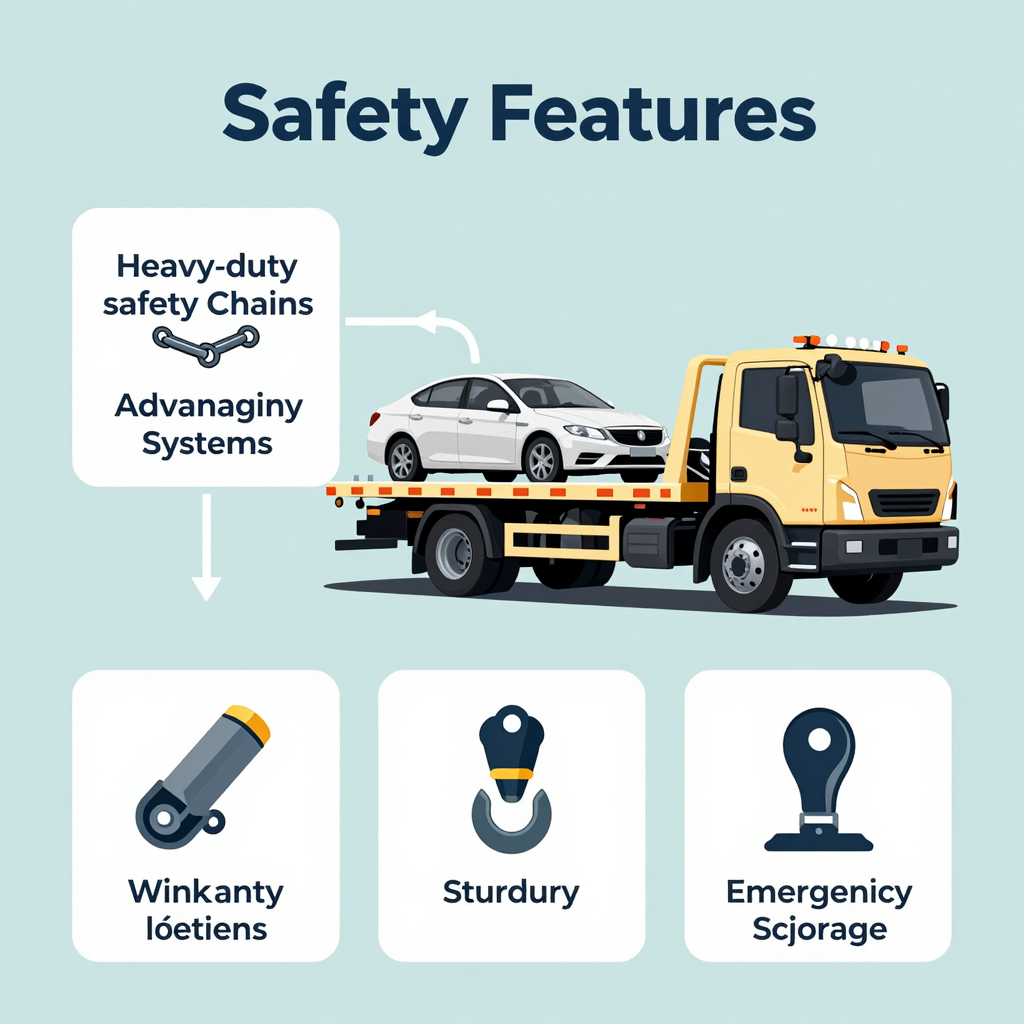
- Towing Features: Consider the type of towing system (e.g., flatbed, wheel-lift, or integrated) and additional safety features such as winches and stabilizers.
- Maintenance Needs: Evaluate the regular maintenance requirements for trucks and their components to ensure they can operate effectively over time.
- Fuel Efficiency: Assess the fuel consumption of different models, as this can have a significant impact on long-term operational costs.
- Warranty and Support: Check for warranties, as well as dealer support and parts availability, which can provide peace of mind during operation.
By carefully considering these aspects, you can make a more informed decision that best suits your operational needs. For more in-depth purchasing strategies, check out our blog.
Different Types of Tow Trucks
When considering how to buy a tow truck, understanding the various types available is crucial for ensuring you select the right vehicle for your needs. Here’s a comprehensive overview of three primary types of tow trucks: flatbed, hook and chain, and wheel-lift.
Flatbed Tow Trucks
Flatbed tow trucks are perhaps the most versatile type of tow truck. Equipped with a hydraulic tilting system, they allow the bed to lower and form a ramp, making it easier to load vehicles. Here are some key features:
- Durability: Ideal for heavy-duty applications, flatbeds can support various vehicles-including heavy machinery or classic cars.
- Safety: They prevent contact between the towed vehicle’s tires and the ground during transport, minimizing wear and tear.
- Use Cases: Best suited for transporting inoperable vehicles, emergency services, or recovery operations in difficult terrain. You can learn more about the utility of flatbed tow trucks.
Hook and Chain Tow Trucks
These traditional tow trucks use heavy-duty chains and hooks to lift a vehicle’s front wheels off the ground. While popular in earlier decades, here are their distinctive characteristics:
- Simple Mechanism: They are easy to operate but could cause damage due to direct contact with the vehicle’s body.
- Limited Application: Mostly suitable for older model vehicles or short-distance towing, as their design isn’t ideal for modern cars.
Wheel-Lift Tow Trucks
Wheel-lift tow trucks have a hydraulically operated Y-fork system that lifts only one axle off the ground. Their specific features include:
- Compact Design: Perfect for urban environments where space can be limited. They can maneuver easily in tight spots.
- Quick Deployment: They are lightweight and suitable for roadside services, repossessions, or quick vehicle recoveries.
- Limitations: They may damage low-clearance vehicles or all-wheel-drive models due to the method of lifting.
With the diverse options available in tow trucks, understanding these features can help you make an informed decision tailored to specific applications, whether for roadside assistance or fleet management. You can also explore essential fleet emergency response strategies for more insights on choosing the right equipment for your operations.
Assessing Budget and Financing Options for Purchasing a Tow Truck
Acquiring a tow truck entails making crucial financial decisions that can significantly affect your business. Understanding your budget and financing options is essential for not just acquiring the right vehicle but also sustaining your operations in the long run.
Leasing vs. Buying
When deliberating on how to finance your tow truck, you will likely weigh the pros and cons of leasing versus buying. Here’s a breakdown:
| Category | Leasing a Tow Truck | Buying a Tow Truck |
|---|---|---|
| Upfront Cost | Lower initial payment; includes maintenance and warranty | Higher upfront cost; requires cash or financing |
| Monthly Payment | Typically lower than loan payments for buying | Higher monthly payments due to financing |
| Total Cost Over Time | Can be higher due to cumulative lease payments | Lower long-term cost if kept beyond 5 years |
| Ownership | No ownership; must return the vehicle at lease end | Full ownership after loan is paid off |
| Mileage Restrictions | Mileage limits; excess usage incurs penalties | No mileage restrictions |
| Maintenance Coverage | Often covered under lease | Owner responsible for maintenance |
| Depreciation Risk | None-depreciation is the leasing company’s concern | Owner absorbs depreciation risk |
| Customization | Limited modifications allowed | Full freedom to modify as needed |
| Tax Benefits | Lease payments may be fully deductible | Interest and depreciation may be deductible, more complex |
Sources: Heavy Equipment, Fleet Management Today.
Financing Plans
Fortunately, various financing options are available specifically for purchasing commercial vehicles like tow trucks. Common sources include:
- Banks and Credit Unions: Typically provide competitive interest rates and flexible terms. Expect to present your business’s financial history and credit score.
- Dealer Financing: Often comes with promotional rates or special deals. However, carefully review the fine print to ensure you’re getting a favorable deal.
- Specialized Financing Companies: Institutions specializing in commercial vehicle loans can offer tailored solutions based on your business’s operational needs and financial capacity.
In essence, whether you choose to lease or buy your tow truck will depend on your budgetary constraints and how you anticipate using the vehicle. By evaluating your long-term needs and assessing your financing options, you can make an informed decision that supports your business’s growth. For further insights on emergency preparedness and fleet management strategies, learn more here.
Comparison Table of Popular Tow Truck Brands
| Brand | Specifications | Pricing | Warranty |
|---|---|---|---|
| Hubei Manten | 5-8 tons capacity, Cummins, Weichai engines, manual transmission | $27,500 – $28,500 | 12 months |
| Sinotruk | 3,000-10,000 kg capacity, various drive options (6X4, etc.) | Varies widely | Lifetime support |
| Challenger | Reliable build, likely 9-10 tons capacity | Generally competitive | Varies |
| Miller | Strong recovery capabilities, designed for heavy loads | Varies by model | 12 months |
| Jige | Efficient, designed for fleet operations | Check market rates | 10 years |
For more details about enhancing your fleet’s emergency response, learn more about essential fleet strategies.
This table provides a quick glimpse into the features and support you can expect from various tow truck brands, which is crucial for making an informed purchasing decision. For further insights into buying a tow truck, explore our blog for additional resources.
Maintenance and Upkeep for Tow Trucks
Owning a tow truck is a significant investment, particularly for local auto repair shops, car dealerships, property managers, resort operators, and commercial fleet operators. Understanding maintenance and upkeep is crucial for maximizing the longevity and efficiency of these vehicles, ultimately affecting your bottom line. Regular maintenance not only promotes safety but also minimizes unexpected repair costs that can strain your business.
Key Maintenance Practices
To keep your tow truck performing at its best, consider these essential maintenance practices:
- Daily Inspections: Conducting daily inspections is paramount. Check the tires for wear and proper pressure, verify fluid levels (such as engine oil and hydraulic fluids), and ensure all lights and safety features (like emergency flashers) are functioning.
- Regular Servicing: Schedule regular servicing that includes changing engine oil and filters, as well as inspecting and maintaining critical components like brakes and hydraulic systems. The National Towing Association advises daily pre-trip inspections to ensure that everything is functioning correctly before hitting the road (National Towing Association).
- Lubrication: Lubricate joints and necessary pivot points monthly, which helps prevent wear and ensures smoother operation of mechanical components.
- Winter Preparation: In regions with harsh weather, seasonal maintenance is essential. This includes checking the condition of battery cables, coolant levels, and ensuring anti-freeze is at adequate levels to prevent damage during colder months.
| Maintenance Category | Task | Frequency |
|---|---|---|
| Daily | Inspect tires, check fluid levels, test lights | Daily |
| Monthly | Change engine oil, lubricate chassis | Monthly |
| Annual | Replace air filters, service transmission fluid | Annual |
For a comprehensive overview, refer to this detailed maintenance checklist that outlines daily, monthly, and annual tasks necessary for your tow truck’s upkeep.
Long-Term Investment
Investing in proper maintenance prolongs the life of your tow truck and assures reliability when it’s needed most. Keeping accurate service records as part of your maintenance schedule not only reflects on the vehicle’s performance but can also enhance its resale value. Well-maintained trucks command better prices on the market, making this aspect of ownership crucial.
Regular check-ups and a disciplined maintenance routine can mitigate serious breakdowns while improving safety for drivers and passengers alike. Embrace the long-term investment by ensuring that your tow truck remains a reliable asset that meets the demands of your business. Consider these emergency preparedness strategies to complement your upkeep efforts and safeguard your fleet’s operation.
“After switching to a properly selected flatbed tow truck with a heavy-duty transmission, we saw an 18% improvement in fuel efficiency and reduced downtime due to mechanical failures. The right selection isn’t just about having a strong vehicle; it’s about ensuring safety and reliability for our operations. Investing in the correct model based on our needs has been critical to our success.”
- Fleet Manager, Major Logistics Company
This testimonial underscores the vital importance of selecting the right tow truck for your business needs. With the right equipment, you can expect not only improved performance but also enhanced safety and efficiency in your operations. For more insights into fleet management and emergency strategies, learn more about essential fleet emergency response strategies or check out our blog for additional resources.
Explore Quality Motorcycle Fairings at Summit Fairings
Are you passionate about motorcycles and looking to enhance your ride with the best quality fairings? Look no further than Summit Fairings! Our premium motorcycle fairings are crafted with precision and designed to not only improve the aesthetics of your bike but also increase its aerodynamic efficiency.
Why Choose Summit Fairings?
- Superior Quality: Our fairings are made from durable materials that are built to last, ensuring that your motorcycle looks good and performs well for years to come.
- Tailored Fit: We offer a wide range of custom designs that fit perfectly on various motorcycle models, giving your bike a sleek and personalized look.
- Affordable Pricing: Enjoy top-notch quality without breaking the bank. Our competitive pricing ensures you get the best value for your investment.
- Fast Shipping: We understand your eagerness to hit the road with your enhanced bike, which is why we prioritize quick processing and shipping times.
Whether you’re a motorcycle aficionado or just starting your journey, Summit Fairings has everything you need to outfit your bike perfectly. Don’t miss out on the opportunity to transform your ride today!
👉 Visit Summit Fairings now and discover the perfect fairings to elevate your motorcycle experience!
For more insights into improving your automotive service, check out our latest articles on emergency preparedness for island fleets.
Let your bike reflect your style and personality with Summit Fairings!
Get ready to ride in style!
Key Takeaways for Purchasing a Tow Truck
When considering the purchase of a tow truck, it’s essential to evaluate several key factors that will impact your business’s success. Whether you’re an auto repair shop, a car dealership, or a commercial fleet operator, choosing the right tow truck can enhance your service offerings and improve efficiency. Here are some key takeaways:
-
Importance: Tow trucks are essential for local businesses in the vehicle recovery and roadside assistance sector. Investing in reliable tow trucks can significantly boost service delivery and customer satisfaction.
-
Types of Tow Trucks: There are various types of tow trucks to consider:
-
Flatbed Tow Trucks: Ideal for transporting all types of vehicles, minimizing potential damage.
-
Underlift Tow Trucks: Equipped with advanced hydraulic systems for enhanced lifting capabilities.
-
Heavy-Duty Wreckers: Suitable for large vehicles and industrial projects.
-
Cost Considerations: When budgeting for a tow truck, expect initial purchase costs to range from $30,000 to $100,000, depending on the type and capabilities of the truck. Additionally, consider ongoing operational costs such as insurance, maintenance, fuel, and training for drivers.
-
Make an Informed Decision: Researching the marketplace for options, financing solutions, and insurance requirements is crucial. Learn more about how to start a tow truck business and understand the long-term implications of your investment.
As you move forward, keep these factors in mind. Making an informed decision today will likely lead to better operational efficiency and increased profitability in the long term. Don’t hesitate to explore more about fleet emergency response strategies to ensure your investment is safeguarded against unforeseen events.