Understanding how much to buy a tow truck can be pivotal for local businesses like auto repair shops, car dealerships, property managers, and commercial fleet operators. This crucial investment demands careful consideration of various factors including vehicle condition, brand reputation, and features that enhance performance. From new to used models, each option offers distinct advantages depending on specific business needs and budget constraints. Each chapter of this guide will delve into different aspects of tow truck purchases, helping you navigate the complex terrain of tow truck buying. By the end, you’ll have the knowledge required to make informed decisions that align with your operational goals.
What Drives the Price of a New Tow Truck: Key Cost Factors and Practical Trade-offs
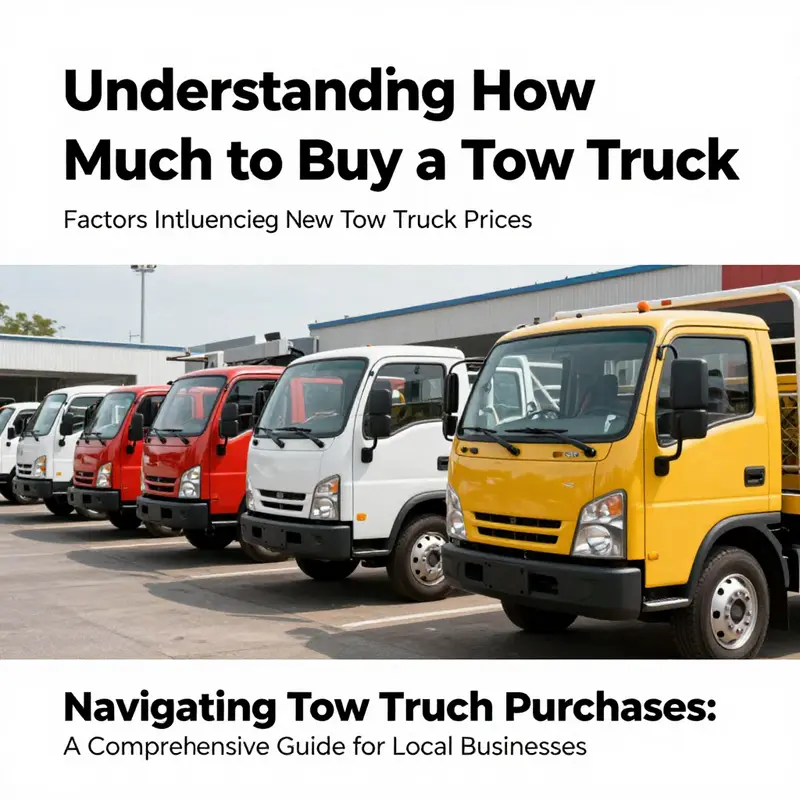
Buying a new tow truck is a major decision for any shop or fleet. Costs vary widely. The final price reflects many technical choices and market forces. Understanding those drivers helps you budget wisely. It also helps you choose the right spec for your needs.
Begin with vehicle type and configuration. Tow trucks come in light, medium, and heavy classes. Each class serves a different mission. Light units handle passenger cars and small pickups. Medium units cover vans and medium commercial vehicles. Heavy units lift and recover large trucks and buses. The frame, axles, brakes, and suspension scale with class. Those components cost more on heavier models. A larger engine and stronger drivetrain add to the base price. In turn, increased capacity raises insurance and registration costs. This simple chain explains why chassis choice is the first major cost variable.
Next, consider the level of equipment. The tow body, boom, and winch are core. Winch capacity, boom reach, and hydraulic systems vary by model. A higher-capacity winch uses stronger cable and a beefier drum. That raises both material and labor costs. Customized bed options also change price. Flatbeds with tilt or slide systems cost more than fixed beds. Additional accessories, like remote controls and integrated lighting, add further expense. Comfort features matter too. An upgraded cab with climate control, ergonomic seats, and sound systems increases price. Advanced safety features also raise the sticker. Cameras, collision mitigation systems, and lane assist require sensors and wiring. Those systems need calibration and testing before delivery, and that cost is included in the price.
Brand influence plays a strong role. Manufacturers build cost into perceived reliability and support. A brand with a long dealer network often demands higher prices. This premium reflects warranty support, parts availability, and resale values. It is not only about prestige. It is also about predictable service and shorter downtime. If you rely on a truck for revenue, that predictability has real value. Still, brands that command higher prices may offer fewer customization options out of the box. That trade-off can affect your total cost of ownership.
Raw material costs are a fundamental input. Steel, aluminum, rubber, and electronics prices move with global markets. When steel prices rise, chassis and body manufacturing become more expensive. Recycled material availability and tariffs can also change costs. Those shifts are passed to buyers through higher retail prices or delayed production. In periods of material volatility, lead times can extend. Suppliers may require deposits or phased payments to secure production slots. That affects cash flow planning for buyers.
Market demand and supply dynamics influence pricing in predictable ways. If a step-change in demand hits and supply stays flat, prices rise. Conversely, when manufacturers overproduce against weak demand, incentives appear. Timing your purchase to match favorable supply conditions can save thousands. For fleet buyers, ordering multiple trucks in a single purchase often unlocks volume discounts. Smaller buyers may benefit from dealer promotions or seasonal incentives. Remember that limited production runs or specialty configurations often carry a premium.
Regulatory changes increase costs but also create long-term value. Emission standards, safety mandates, or noise regulations may require design changes. New engines or exhaust treatment systems add upfront cost. Manufacturers pass those costs to buyers. At the same time, compliance improves resale value in regulated markets. Buying a compliant truck today avoids retrofit costs later. In some regions, incentives exist for low-emission or alternative-fuel units. These government programs can offset part of the premium for newer technologies.
Dealer pricing strategies and regional factors matter. Two dealers in the same city may list different prices for the same chassis and body. Dealer margins depend on local overhead, parts inventory, and service capabilities. Some dealers include maintenance packages in the sticker price. Others separate parts, labor, and warranty coverage. Negotiation can affect final price. Requesting a detailed breakdown helps you compare offers fairly. Taxes, registration fees, and local surcharges vary by jurisdiction too. These add to the out-the-door cost and should be included in any budget estimate.
Economic conditions and industry trends shape longer-term pricing patterns. Inflation increases labor and component costs. Currency shifts affect imported parts pricing. Industry growth in logistics or construction can raise the value of tow services. When more operators seek heavy recovery units, costs trend upward. New technologies also influence prices. Electrification, telematics, and remote diagnostics are changing tow truck specifications. These features provide operational benefits. But they also increase initial purchase prices. Early adopters pay more for technology today. That premium may shrink as the technology scales.
Powertrain choices are another major factor. Diesel remains common in heavy-duty applications. Diesel engines are durable and efficient under load. However, emissions upgrades and add-on systems raise cost. Gasoline engines cost less but suit only lighter applications. Alternative powertrains, including hybrid and battery-electric options, are emerging. These units often cost more at purchase. They can lower fuel and maintenance expense over time. Evaluate payback periods and operational needs before choosing a nontraditional powertrain.
Customization and upfit work are where costs can jump quickly. Tow trucks often require tailor-made solutions. You may need specific winch ratings, wheel-lift systems, or specialized lighting. Fabrication, paint, and electrical integration all add hours to production. Custom drawing approvals extend lead times. Any bespoke control systems require testing and validation. You should budget for these items separately. Standard packages keep costs predictable. But custom specs better meet unique operational needs. The right choice depends on whether you value lower upfront cost or exact mission fit.
Warranty, service plans, and spare-part availability affect perceived price. A longer warranty protects you from unforeseen costs. Extended service plans may be offered at a premium. Compare the coverage and exclusions closely. Parts commonality across the fleet simplifies logistics and reduces inventory costs. A vehicle that shares components with your existing fleet is often cheaper to maintain. Consider dealer proximity and the strength of the parts network when evaluating offers.
Lead times and order timing can change pricing and options. During peak ordering periods, manufacturers may offer limited configurations. That results from line balancing and inventory constraints. Placing orders during slack production windows can reduce wait times. However, some dealers price quicker delivery as a premium service. If your business needs a truck fast, expect to pay more. For non-urgent purchases, waiting for the next production run can secure standard pricing and more options.
Financing and total cost of ownership matter as much as sticker price. Interest rates and loan terms affect monthly payments. Lease options sometimes provide flexibility for rapidly changing fleets. The total cost of ownership includes fuel, maintenance, insurance, depreciation, and downtime. A lower purchase price does not always deliver the lowest long-term cost. Run a multi-year operating cost model. Include realistic utilization, downtime assumptions, and resale estimates. This approach reveals whether a higher-priced model actually produces better value.
Depreciation patterns vary by class and brand. Heavy-duty trucks typically retain value differently than light units. Market demand for used units drives resale prices. A well-maintained truck with service records fetches more at trade-in. Consider the typical lifecycle and resale channels in your region. Auction values and dealer trade programs influence the effective cost after resale.
Training, documentation, and operator ergonomics matter but are often overlooked. New systems and advanced controls require operator training. Manufacturers or dealers may include basic training in the sale. Additional in-depth sessions may cost extra. Budget for operator familiarization to reduce early incidents and downtime. Proper training improves safety and extends component life.
When you build a purchase plan, start by listing mission-critical requirements. Rank them by importance. Decide whether capacity or cost is the top priority. Ask for detailed quotes that break down chassis, body, options, and freight. Request lead time estimates and warranty terms. Compare like-for-like offers closely. If you manage a fleet, group purchases can unlock meaningful discounts. Make sure any dealer incentives do not hide reduced service or parts availability.
Finally, consider operational flexibility. A slightly higher initial investment in the right configuration can reduce fuel, maintenance, and labor costs. That can lead to better margins over a truck’s lifecycle. Weigh the benefits of newer technologies against their extra cost. Factor in regulatory compliance and expected market shifts. Use conservative projections for fuel and utilization. This approach lowers financial risk.
For fleet managers seeking practical guidance on deployment and readiness, review strategies for emergency and routine operations in an integrated plan. Those strategies help align vehicle specifications with operational goals and reduce unnecessary cost. See essential fleet emergency response strategies for a concise set of recommendations and checklists that tie specifications to real-world scenarios: https://theislandtowtruck.com/essential-fleet-emergency-response-strategies/.
A January 2026 industry report summarized the main drivers of new tow truck pricing. It notes that base model, optional features, brand reputation, and market demand are primary factors. For more detail, consult the full report here: https://www.autotrader.com/trucks/tow-trucks/new-tow-truck-pricing-factors-2026
Understanding these cost drivers helps you make a confident purchase. Focus on mission fit, long-term operating costs, and reliable support. That approach ensures you spend on the elements that deliver real value.
Tow Truck Budgets Uncovered: Reading the Used Market and Real Ownership Costs
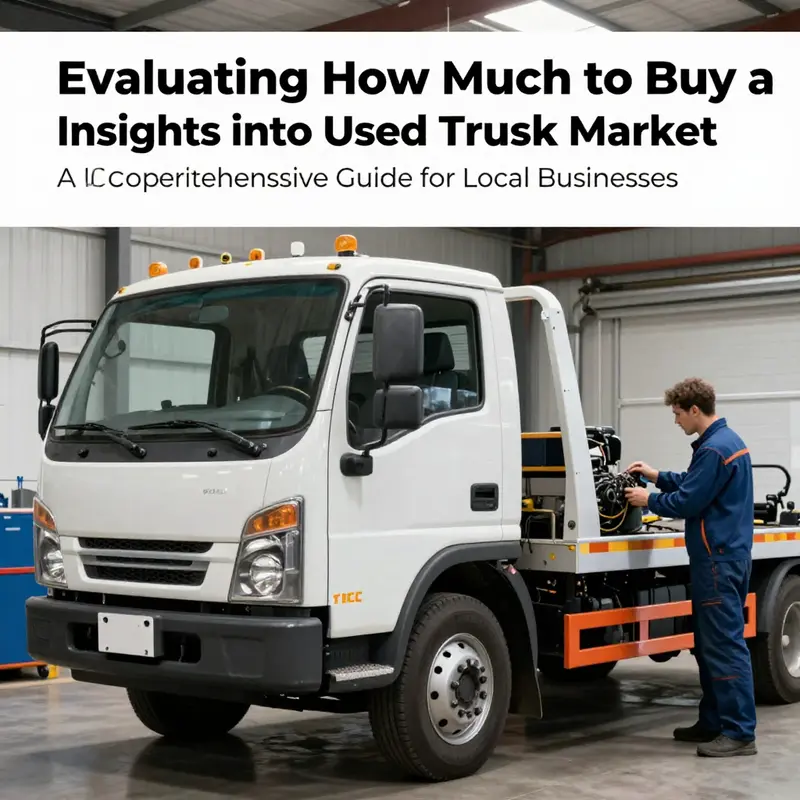
Choosing to buy a tow truck is more than picking a price tag. It is a decision that sits at the intersection of immediate cash outlay and long term operating viability. In many fleets, the asset that promises reliable roadside recovery also bears the responsibility of staying affordable over years of service. To navigate this space well, you need a clear sense of how the market behaves, what drives price in both new and used segments, and how ownership costs accumulate beyond the sticker price. This chapter explores those dynamics in a cohesive way, drawing on observed market patterns, typical configurations, and practical decision making that applies regardless of the exact make or model you encounter. It is a guide not just to the numbers you might see today, but to the tradeoffs that emerge when you balance reliability, capacity, and total cost of ownership over time. Along the way, you will find a practical framework for how to approach quotes, inspections, and negotiations, so that the price you pay aligns with the scope and urgency of the work your operation must handle.
When a business considers purchasing a tow truck, the first question is often the same one that any buyer faces in a specialized equipment market: how much do you really need to spend to meet your service expectations? The simplest answer is that price scales with capability and condition. New equipment comes with guarantees, the possibility of the latest features, and the reassurance of attendance to current standards. But the upfront price is only one part of the equation. In a typical market, new tow trucks generally start in a range that covers basic, capable, city-ready units and can climb quickly as you add power, larger winch capacity, and additional features such as advanced stabilizing systems, integrated lighting, and enhanced electronic control suites. In broad terms, those base new models may begin around sixty thousand dollars and, depending on configuration and powertrain choices, can climb toward or beyond the ninety thousand dollar mark. That band is not a hard line, but a realistic reflection of how many buyers use the market: a straightforward, solid performer that meets standard recovery tasks without pushing into specialty technology. The variability comes from the details—how much lifting strength you need, whether you prefer a platform that can back up heavy-duty roadside work, or a unit designed primarily for urban recovery scenarios.
For many operators, the more interesting calculus starts with the used market. The used segment represents a spectrum from lightly worn workhorses with low miles to older chassis that have proved their robustness through years of service. The price pressure in this space is driven by age, condition, maintenance history, and the presence or absence of critical systems in good order. In practice, the used market presents a clear paradox: you can access substantial value if you are thorough, but you must be prepared to invest in due diligence and potentially substantial recommissioning. A typical used unit in the mid-range of the market might fall into a price band where you could acquire a 5 to 8 ton capacity winch truck with reasonable usage history for tens of thousands of dollars—let us say in the low to mid thirty thousands for a representative listing in today’s global market. That ballpark is not a guarantee, but it reflects a common starting point for buyers who are prioritizing affordability while seeking a machine that can handle routine road recovery, highway incidents, and some heavier loads when necessary. It is important to emphasize that price in the used market is tightly clustered around the condition of critical subsystems. Hydraulics, chassis integrity, transmission health, and the performance of the winch itself are the true price governors. A unit that appeals on appearance but shows signs of hydraulics slippage, frame corrosion, or mounting wear may carry a lower immediate price, but the long-term cost of repair and downtime can quickly erase any initial savings.
To understand why the used market can offer compelling value, consider the broad set of roles a tow truck fulfills in a typical operation. For urban recovery fleets, rollbacks are prized for their balance of capacity and maneuverability. They can handle a wide array of incidents, from minor immobilizations to more demanding recoveries, while keeping operating costs in line with daily duties. In contrast, rotator models—those equipped with hydraulic cranes—tend to deliver greater flexibility for rapid roadside recovery, but they come with higher initial costs and a more specialized maintenance profile. The choice between these configurations is less about a fixed price and more about aligning vehicle capability with the service profile you intend to sustain. It is a matter of understanding what your customers expect and what maintenance and fuel costs you are willing to absorb as part of your annual operating plan. The market often rewards that alignment with a better total cost of ownership, even if the immediate sticker price appears higher in a new or high-capacity used unit.
Market dynamics also come into play in ways that extend beyond the price tag. The global demand for tow trucks remains robust, driven by the ongoing need for roadside assistance, fleet servicing, and municipal recovery operations. Analysts point to a growing market that is projected to reach several billions in value within the next decade, underpinned by steady demand and a modest growth rate. Such macro trends create a healthy market for both new and used units, with more dealers and listing sources available than ever before. That abundance translates into more opportunities to find a unit that matches your scale and your budget, but it also means you must navigate a broader landscape of specifications, maintenance histories, and included equipment. The key is to approach the market with a clear picture of what your operation needs, how you intend to use the vehicle, and how you will judge the vehicle’s condition in both the short and the long term.
A central part of that judgment is the due diligence that accompanies any used vehicle purchase. The very best value often hides behind a careful inspection routine and a well-documented service history. Prospective buyers should plan for a comprehensive mechanical check that goes beyond a quick test drive. The focus should be on the hydraulics that operate the crane or winch, the integrity of the chassis and mounting points, the PTO, the transmission and driveline, and the tire and brake systems. In particular, check for signs of heavy use in critical areas such as the winch drum, hydraulic hoses, and the pump that powers lifting and recovery operations. A unit may appear affordable on paper, but if the hydraulic system leaks or the frame shows signs of fatigue, the risk to ongoing serviceability increases sharply. A careful vehicle history review is essential as well. Look for prior accident data, maintenance gaps, and whether the unit has been modified in ways that affect safety or compliance with technical standards. The more documentation you have to support the unit’s reliability, the more confidently you can justify a price that may be at or near the upper end of a given used segment.
Buyers who are deliberate about this process often discover that the most advantageous path is not simply choosing between new and used, but choosing the right used unit for the job. A well-maintained, mid-range used unit with a proven service history and reasonable uptime in similar operating conditions can outpace a newer unit that has been idle in a showroom for months. The key is to connect the unit’s capabilities to your actual workload: the typical pull rate, the maximum load you anticipate, the turnover rate of incidents, and the length of shifts during which the truck will be active. By mapping workload to capacity, you can translate a price band into a practical profit or serviceability calculation. For some operators, a robust 5 to 8 ton used hitch truck may deliver most of what they need for a fraction of the new-equipment price, especially when the unit has been well maintained and the parts and service network remains strong in your region. For others who face frequent heavy-duty recoveries, a more capable, possibly larger chassis with higher winch capacity may be warranted, even at a higher upfront cost. In that context, the price difference becomes a sensible investment in reliability and speed of recovery, rather than a mere expense.
The decision process, then, often culminates in a careful comparison of three dimensions: the upfront price, the immediate post-purchase maintenance outlay, and the expected operating costs over the next several years. An informed buyer will estimate the cost of routine maintenance, parts replacement, fuel efficiency, and potential downtime. The goal is to avoid a situation where a seemingly attractive low purchase price turns into a drain on the budget because of frequent repairs or missed work due to breakdowns. A pragmatic approach is to set aside a reserve for maintenance and to quantify the expected uptime and utilization. For example, if a unit will be in near-constant use, it is prudent to model higher maintenance and tire wear costs, as well as the potential for more frequent hydraulic service. If usage is intermittent or seasonal, you may afford a lower upkeep profile but still need to forecast costs for the peak periods when the truck will be heavily employed. A disciplined framework helps reconcile the differences between a lower advertised price and the higher reality of owning and operating the asset.
Negotiation is an art form in this space because the price often reflects not just the equipment’s condition but also the willingness of the seller to provide value-added terms. A strong negotiating position might involve asking for a recent service record, a warranty window, or a service package that includes a few scheduled maintenance visits. It can also involve requesting a test drive that simulates real work scenarios, or a contingency plan if the vehicle shows hidden issues after a short period of operation. The best deals frequently emerge when the buyer and seller agree on a defined path for post-purchase checks, renegotiation if certain milestones aren’t met, and transparent sharing of maintenance history. If you approach the market with a clear, data-driven proposition—what you are willing to pay, what you require in terms of documentation, and how you will assess performance—you significantly increase the odds of a transaction that delivers value over the medium term.
From a practical standpoint, one concrete way to frame a purchase is to build a simple ownership model. Start with the desired capacity and the typical load you expect to handle over a given period. Then define the expected uptime, the days you anticipate the truck to be in use, and the maintenance cadence you can sustain. Translate that into annual costs: depreciation, insurance, registration, fuel, tires, and routine servicing. Compare how these costs would look across a spectrum of options—from a modest used unit with a reliable service history to a higher-end used or even a new unit with extended warranties. The more detailed your model, the better your ability to separate price from value, and the easier it becomes to justify the purchase in terms of cash flow and service capability.
An important and often overlooked angle is the path to procurement itself. If you are purchasing across international borders or through global listings, you will encounter a broader array of configurations and price points—but you will also face additional compliance, shipping, and import considerations. The best practice in this space is to establish a clear checklist before you begin: confirm the unit’s torque and lifting capacity aligns with your expected loads, verify the winch rating and hydraulics, test safety systems, confirm the PTO and drive train integrity, and ensure the chassis has not sustained frame damage that would compromise integrity in high-stress recoveries. Then, obtain a transparent maintenance history with dates, service centers, and any major repairs. Finally, forecast total costs including shipping, import duties, and any needed compliance adjustments for your jurisdiction. In short, the price you pay is only the beginning. The real investment is the assurance that the asset will deliver uptime, reliability, and safety on every job.
To stay rooted in practical guidance, many operators find it useful to anchor their decisions to market trends and reliable sources of information while remaining mindful of the unique needs of their own fleets. A grounded approach includes regular market checks, ongoing risk assessment, and a habit of comparing like-for-like specifications across listings. If you want to expand your understanding of market dynamics and maintenance strategies in the broader context of fleet readiness, you can explore related insights through the Island Tow Truck Blog, which offers discussions on essential fleet emergency response strategies and preparedness for island fleets. This resource provides a complementary perspective on how well-maintained recovery equipment contributes to resilience across a range of environments. Island Tow Truck Blog.
In sum, the question of how much to buy a tow truck does not have a single, universal answer. It is a balancing act among price, capability, condition, and the expected demands of your service area. Used units offer substantial value for operators with a careful eye for detail and a disciplined approach to inspection and negotiation. New units provide straightforward reliability and the comfort of warranties, but at a premium that must be justified by anticipated utilization and uptime. The most successful buyers are those who connect the numbers to the work they do, who understand the hidden costs of ownership, and who enter the market with a well-structured plan for inspection, documentation, and ongoing maintenance. If your goal is to build a robust, responsive recovery fleet without overexposing your budget to volatility, the path through the used market—paired with a rigorous evaluation framework—often presents the best alignment of risk and reward. And as market demand remains steady and the ecosystem of listings grows, the opportunities to find the right unit at the right price will continue to expand for operators who know what to look for and how to verify it before the purchase is finalized. A disciplined approach not only protects your capital but also strengthens your service capacity, enabling your team to respond quickly, safely, and efficiently when the next roadside incident arrives.
External reference: https://www.made-in-china.com/products-search/hot-products/Howo-E7-N7-Tx-Nx-380HP-400HP-430HP-10-Wheeler-Semi-Trailer-Tow-Tractor-Truck.html
Balancing Specs and Budget: What Drives Tow Truck Prices and Which Features Matter Most
Choosing the right tow truck starts with understanding the technical details that drive price. A machine that fits your operations saves money over time. A poor match costs you in repairs, downtime, and lost revenue. This chapter walks through the specifications and features that most affect purchase price. It also shows how to weigh those features against real operational needs. The aim is a single, practical narrative that ties capability to cost so you can make an informed decision.
Price begins with type and purpose. Tow trucks fall into clear categories: light-duty units built for roadside assistance, medium-duty rollback and wheel-lift trucks for collision recovery and impound work, heavy-duty wreckers for commercial trucks, and specialized units like rotators or heavy recovery tractors. Each category has a different baseline cost because of distinct structural and hydraulic needs. Light-duty trucks use simpler lifting gear and smaller engines. Heavy-duty units require reinforced chassis, larger hydraulic systems, and higher-capacity winches. These heavier systems increase material and assembly costs, and thus the purchase price.
Condition—new or used—shapes the next big price factor. New trucks carry a premium for the latest components and warranties. Used units often offer significant savings. Savings depend on age, mileage, service history, and prior use. A well-maintained used truck with moderate miles can be an excellent value. Conversely, a used truck from a hard, high-stress environment may lead to immediate repair bills. When evaluating used trucks, focus on the transmission, engine compression, frame integrity, and hydraulic system condition. These parts are costly to rebuild and directly impact both safety and capability.
Engine power and drivetrain configuration are central to both capability and cost. Engines must match the truck’s gross vehicle weight rating and expected towing loads. A high-horsepower engine supports heavier recoveries and better highway performance. It also adds to upfront price and fuel consumption. Drive axle configuration matters: single-axle units are cheaper but limit payload. Tandem or tri-axle setups increase both carrying capacity and price. Two-wheel or drive-axle lift systems are often specified to protect drivetrains during rollbacks. Look for appropriate axle ratings and suspension types. Reinforced frames, heavier leaf springs, and improved brakes also increase cost but yield safer, longer-lasting service under heavy loads.
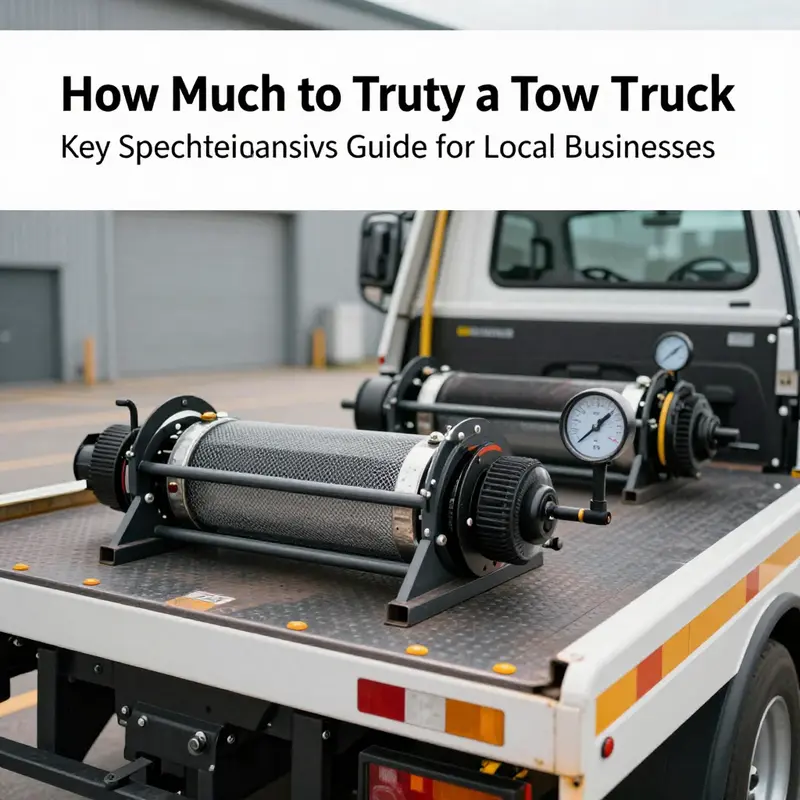
Towing capacity and winch specifications are decisive. Winch line pull capacity determines how heavy a vehicle the truck can recover solo. Larger winches need stronger anchor points, bigger hydraulic pumps, and reinforced booms or subframes. Winch drum size, cable length, and braking capability affect usability. A truck with a higher rated winch and a robust bed or crane will be pricier. Similarly, bed length and design affect both cost and versatility. Flatbeds with full rollback capability require hydraulics that tilt and slide the bed, plus stronger motors and control systems. Integrated beds and slide-and-tilt mechanisms are more complex and therefore more expensive to build and maintain.
Hydraulics and power take-off (PTO) systems add cost but directly impact performance. Higher-capacity hydraulic pumps allow faster operation and higher lifting force. They often require reinforced mounting, cooler systems, and stronger plumbing. PTOs that allow independent hydraulic operation while the truck is stationary add flexibility for complex recoveries. Remote controls, wireless pendant systems, and multi-directional control boxes increase the purchase price, but they reduce operator strain and speed up jobs. For fleets that value efficiency, the modest extra cost is often recovered quickly through faster call turnaround.
Safety and control features also influence price. Advanced safety options include wheel locks, automatic retrievers, remote winch controls, additional lighting packages, and winch overload protection. Electronic systems that monitor hydraulic pressure, bed position, and vehicle stability add both capability and upfront cost. These systems can reduce accidents and liability. From a cost perspective, the best investments are those that reduce downtime or risk. Anti-lock braking systems, reinforced safety cages, and standardized rigging points are examples of features with tangible long-term value.
Build quality and material choices determine the truck’s lifespan. High-grade steel, reinforced weld patterns, and corrosion-resistant treatments prolong service life. Premium components cost more initially, but they reduce maintenance frequency. Chassis reinforcements for heavy recoveries are a notable area. A cheap adapter plate or thin subframe saves money at purchase but can fail under regular heavy use. Inspect weld quality, material thickness, and corrosion protection when comparing options. For resale value and lifespan, superior build quality often justifies higher initial costs.
Cab and operator ergonomics matter more than many buyers assume. Simple modifications, like upgraded seating, better visibility, and easier access to controls, improve operator comfort. Comfortable operators are safer and more productive. Electrical systems that keep lights, radios, and auxiliary equipment powered without straining the engine are another practical upgrade. Climate control, integrated toolboxes, and secure storage increase utility and also add modest cost. When calculating total cost of ownership, include the effect of operator fatigue on productivity and the value of quick, intuitive controls.
Customization and auxiliary equipment drive price quickly. Fleet specifics often require special mounts, storage solutions, or specialized crane attachments. Custom toolboxes, additional fuel tanks, and PTO-driven compressors are common requests. Each customization carries design and installation costs. If you plan to add third-party equipment later, confirm the truck’s electrical and hydraulic capacity. Retrofitting complex systems is often more expensive than purchasing them integrated up front. Plan custom needs early and budget accordingly.
Maintenance considerations affect both purchase decision and long-term expense. Trucks with simpler hydraulic circuits and widely available parts tend to be cheaper to maintain. Proprietary components or hard-to-source parts can increase downtime and repair bills. Consider the availability of local service and parts. Also factor in expected maintenance intervals for the engine, transmission, and hydraulic pumps. Warranties and service plans can shift the cost calculus. A higher initial price accompanied by an extended warranty or service agreement can be attractive for fleets that prefer predictable maintenance costs.
Regulatory and insurance implications should not be overlooked. Heavier trucks and higher-capacity recoveries often require different licensing and permits. Insurance premiums rise with truck value and capability. Safety features can reduce insurance costs. Ensure compliance with local regulations governing commercial vehicle operations. These factors add to ongoing ownership costs and influence the budget you set for purchase.
Resale value influences how much you should pay initially. Trucks with common chassis types and standardized equipment tend to hold value better. Excessive customization for a niche operation can limit resale options later. Consider how long you plan to keep the truck and what market demand will look like when you sell. Buying slightly above market for proven build quality often pays off when it’s time to trade or sell.
Operational matching is the final, crucial step. Align the truck’s capabilities with the jobs you expect. If you primarily move disabled passenger vehicles, a mid-range rollback with a modest winch may be ideal. If you plan to recover heavy commercial rigs, invest in heavy-duty wreckers, rotators, and higher-capacity winches. For mixed use, seek versatile platforms with upgrade paths. Avoid overbuying power you rarely use, and avoid underbuying capacity you need routinely. A balanced choice minimizes both initial cost and long-term operational expense.
A practical buying checklist ties all these threads together. First, define typical job types and frequency. Second, determine the required towing and winch capacities. Third, set limits for chassis and axle ratings. Fourth, decide on new versus used based on budget and risk tolerance. Fifth, prioritize safety, hydraulics, and operator controls. Sixth, factor in maintenance access, warranty terms, and parts availability. Finally, anticipate resale value and regulatory costs. This checklist helps translate specifications into a concrete budget and purchase plan.
Price ranges vary by configuration. Entry-level units can begin in the lower tens of thousands of dollars when intended for light-duty tasks. Mid-range rollback and wheel-lift trucks designed for regular recovery work commonly fall in a mid-range price band. High-end heavy wreckers, rotators, or specialized integrated units can reach much higher figures. Financing, trade-ins, and fleet purchasing deals will also affect final outlay. When comparing quotes, ask for detailed breakdowns of included features and optional upgrades. This prevents surprises and allows apples-to-apples comparisons.
Choosing a tow truck is a balance of capability, durability, and cost. Focus on matching technical specifications to real-world needs. Prioritize build quality, hydraulic capacity, and safety features that reduce downtime. Consider used options carefully, with attention to maintenance history. Factor in long-term costs such as insurance, licensing, and parts availability. With careful evaluation, you can buy a tow truck that fits your budget and serves reliably for years.
For additional context on model specifications, consult a manufacturer’s detailed listing for baseline technical data and configuration options.
For strategies that align vehicle acquisitions with emergency response needs, see essential fleet emergency response strategies: https://theislandtowtruck.com/essential-fleet-emergency-response-strategies/
External reference: https://www.made-in-china.com/products/340524837988-200885702/HOWO-E7-N7-Tx-Nx-380HP-400HP-430HP-10-Wheeler-Semi-Trailer-Tow-Tractor-Truck.html
The Financial Roadmap to Buying a Tow Truck: Upfront Cost, Operating Economics, and Returns
Buying a tow truck is a financial decision that reaches beyond the sticker price. The initial purchase is only the first of many cash flows that shape profitability over years. To make a sound investment, operators must weigh the upfront cost against running expenses, utilization rates, financing terms, and resale prospects. The right choice aligns machine capability with market demand and keeps total cost of ownership low while maximizing revenue opportunities.
Start with a realistic sense of what new and used vehicles cost. New medium-duty rollback or flatbed tow trucks commonly begin in the tens of thousands of dollars, while specialized heavy-duty units command higher prices. Entry-level heavy tractors for towing trailers can sit at lower price bands compared with purpose-built rescue wreckers, which include stronger winches, specialized hydraulics, and reinforced frames. Used trucks trade for substantially less, but prices vary widely with age, service history, mileage, and how the unit was used. These ranges will help set expectations when planning capital and financing.
Financing choices influence monthly cash flow and the long-term cost of ownership. Typical down payments can range from 10 to 30 percent. Interest rates and loan terms differ by lender, credit profile, and whether the vehicle is new or used. A typical example illustrates the effect: a 60,000 purchase with 20 percent down requires financing of 48,000. At a mid-market interest rate over five years, monthly payments fall in the low hundreds to just under one thousand dollars. Extending the term reduces monthly payments but raises total interest. Shorter terms increase monthly obligations but lower interest expense and improve equity build-up, which matters for resale or trade-in negotiations.
Insurance, licensing, and registration form an ongoing fixed cost that should be budgeted before the first revenue-generating job. Insurance for towing fleets is more than standard auto coverage; it must cover liability, on-hook towing, cargo, and commercial vehicle exposures. Premiums reflect vehicle value, operation type, geographic risk, driver records, and loss history. Budget conservatively, and shop specialty brokers who understand tow operations. Licensing costs, including special permits for heavy loads or for emergency response work, add annual fees and sometimes inspection requirements.
Fuel and maintenance drive most variable expenses. Fuel consumption depends on engine size, duty cycle, and local fuel prices, while maintenance reflects build quality, usage intensity, and preventative programs. High-capacity tow trucks with robust engineering tend to have higher initial cost but lower unscheduled maintenance and downtime. That trade-off matters: a higher-quality vehicle that spends less time in the shop generates more billable hours. Plan maintenance as a percentage of vehicle value annually. A reasonable working estimate is several thousand dollars per year for medium-duty units and higher for heavy-duty, with spikes possible for transmissions, hydraulics, or winch systems if abused.
Depreciation and residual value are central to long-term returns. Tow trucks depreciate, but the rate depends on market demand and vehicle condition. Some specialty models retain value well because of limited supply and steady demand for particular capabilities. Expect front-loaded depreciation in the first year, then slower declines. Proper maintenance, documented service records, and careful operation preserve resale price. Resale channels include direct sale to other operators, auctions, or dealer trade-ins, each yielding different net proceeds and time-to-sale.
Revenue per job varies by market and service type. Light-duty tows, jump starts, and lockouts commonly produce modest fees but higher volume. Heavy-duty recovery and long-haul flatbed jobs command greater fees but occur less often. Estimate demand realistically by surveying local rates and call volumes. Conservative projections help avoid over-leveraging. For example, a single well-maintained rollback in an urban area may average dozens of calls monthly, each generating short-haul revenue; a rural heavy-duty unit will see fewer jobs but each pays more. Match truck capability to that pattern to avoid underutilized capacity or missed opportunities.
Calculate total cost of ownership to compare options fairly. Include purchase price, financing interest, insurance, fuel, scheduled maintenance, unscheduled repairs, tires, licensing, and a realistic allowance for downtime. Then model revenue under several utilization scenarios. A helpful approach is to prepare a three-year pro forma with conservative, expected, and optimistic cases. Factor in seasonal variation, emergency call spikes, and one-off large recoveries. This exercise clarifies payback periods and highlights the sensitivity of returns to utilization rates.
After-sales support and parts availability are often overlooked expenses. Machines from manufacturers with broad dealer networks offer faster parts delivery and certified technicians. That reduces downtime and sometimes improves warranty coverage. If a model is rare in your region, parts lead times can inflate carrying costs. When assessing a purchase, weigh the value of a stronger warranty and responsive service against a lower purchase price that might cost more in repairs and lost revenue over time.
Tax treatment affects cash flow and net investment cost. Many jurisdictions permit accelerated depreciation or immediate expensing for certain commercial equipment, which can deliver large tax benefits in early years. These benefits reduce effective cost and shorten payback timelines, but rules vary widely. Consult a tax professional to understand applicable incentives, write-off limits, and the interaction with financing structures. The right tax strategy can convert a marginal purchase into a clearly profitable one.
Operational efficiency influences profitability more than sticker price in many cases. Driver training reduces wear and tear, lowers accident rates, and speeds job completion. Investing in driver tools and safety systems reduces liability and theft risk. Route planning and dispatch software increase utilization and shrink idle time. Even small efficiency gains compound across months and years, improving margins and shortening the time to recuperate the capital investment.
Choosing between new and used is a strategic decision. New units provide predictable reliability, full warranties, and modern features that may attract enterprise clients. Used trucks may unlock lower initial cost and faster ROI if inspected carefully and repaired where needed. Insist on detailed maintenance histories and independent inspections for used purchases. If a used truck requires immediate major repairs, the total cost can exceed the price difference and undermine the advantage.
Consider specialized configurations thoughtfully. Features like heavy-capacity winches, reinforced chassis, and advanced hydraulics expand the range of jobs you can accept. That increases revenue potential but raises purchase price and operating costs. The correct configuration aligns with local demand. Avoid over-buying capability you rarely use; equally avoid under-specifying a unit that leaves you unable to bid on profitable jobs.
Resilience planning is part of the financial picture. Towing businesses face unpredictable demand surges during weather events and crashes. Keep a cash reserve for spikes in parts or towing calls and for temporary labor scaling. A well-capitalized operation can accept higher-margin emergency jobs when competitors are sidelined. This ability to respond quickly often translates into stronger long-term client relationships and repeat business.
Real-world scenarios clarify trade-offs. A moderately priced unit bought new for a mid-range price will carry higher monthly debt but lower repair risk and strong warranty backing. If it achieves steady utilization, the extra reliability pays off in reduced downtime and consistent revenue. Conversely, a lower-cost used purchase reduces monthly debt, but the buyer must budget more for maintenance, potential downtime, and a shorter useful lifespan.
Mitigate risk with careful vendor selection and purchase terms. Negotiate warranties, service packages, or initial maintenance credits. Request test drives, load tests, and full system checks. If financing, compare total loan costs across lenders rather than just monthly payment size. Negotiate trade-in or buy-back clauses when possible to protect against faster-than-expected depreciation.
Finally, run sensitivity tests. Small changes in utilization, fuel costs, or average job value can swing profitability. Model scenarios where revenue is 20 percent lower and where maintenance is 30 percent higher to see how resilient your plan is. If a realistic downcase makes the investment marginal, revisit assumptions: lower purchase price, longer financing term, or a different model might be necessary.
For operators focused on fleet-level decisions, integrating tow truck purchases into broader fleet and emergency planning amplifies value. Coordinating equipment capability, response strategies, and maintenance planning increases resilience. For guidance on aligning fleet tactics with emergency response needs, review practical strategies for fleet readiness and deployment. The following resource from an industry-focused site offers useful operational context: essential fleet emergency response strategies.
For current market listings and to request quotes or technical specifications directly from suppliers, consult verified trade platforms where you can compare configurations, minimum order quantities, and purchase terms: https://www.made-in-china.com/products-search/hot/Howo+Tow+Truck.html
Final thoughts
Navigating the decision to buy a tow truck is complex and requires a close examination of many factors. From understanding the differences between new and used options to identifying the specifications that best suit your business needs, each step plays a vital role in ensuring you make a wise investment. Armed with this knowledge, local auto repair shops, car dealerships, property managers, and fleet operators can approach their purchase with confidence, ensuring optimal operational efficiency and customer service. Your strategic investment in a tow truck can enhance your service offerings and bolster your business for years to come.