
Towing can be an unavoidable aspect of vehicle ownership or management, especially for businesses that maintain a fleet or manage properties with parking needs. Understanding how much for a tow truck service can illuminate the often complex pricing landscape. In the following chapters, we will carefully explore base fees and per-kilometer rates, delve into special scenarios that influence costs, examine regional variations, and discuss critical considerations for long-distance towing. Each chapter will contribute to a holistic understanding of how different factors come together to shape the overall price of towing services.
Tow Truck Pricing Demystified: Unpacking Base Fees and Distance in Tow Service Costs
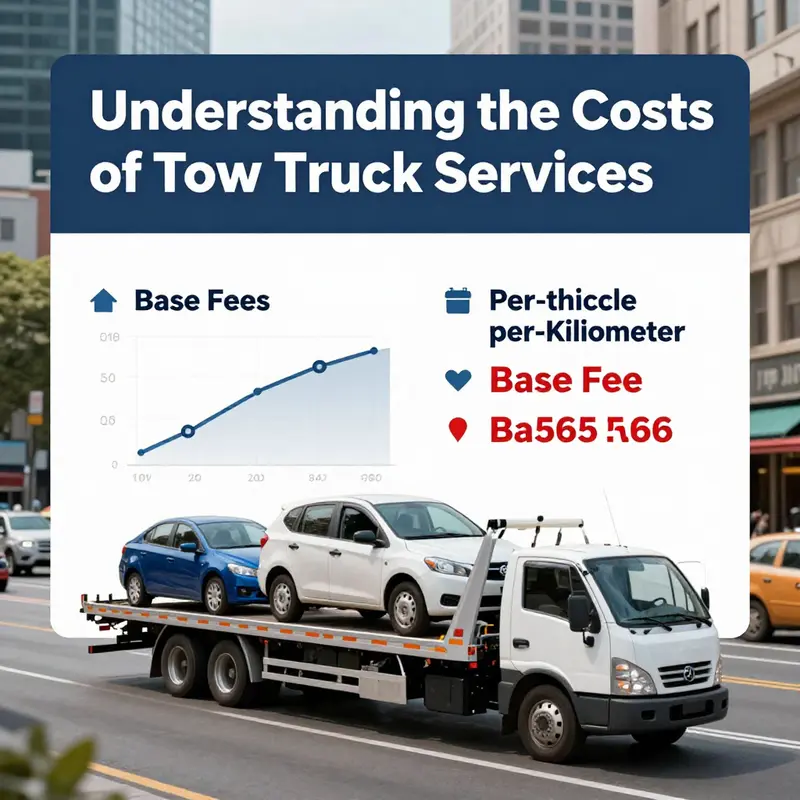
When a vehicle breaks down or encounters a roadside emergency, the immediate concern for most drivers isn’t simply whether help will arrive, but how much that help will cost. The turning point in understanding tow services lies in grasping two core components: the base fee and the per-kilometer rate. Together, they form the pricing spine of most tow operations, yet their sums can look very different from one situation to another. A clear grasp of these elements helps consumers anticipate the total and reduces the likelihood of sticker shock when the provider arrives with a plan and a price.
The base fee is the anchor of the entire quote. It covers more than the truck pulling up to your door; it includes dispatch, arrival time, the assessment of the scene, and the labor required to prepare for the tow. Think of it as the cost of mobilizing the team and equipment, rather than the distance traveled. This base component can swing widely depending on where you are, which company answers the call, and what kind of tow is needed. In a bustling city center, the dispatch charge might be higher because crews are often busy, traffic patterns are complex, and the service has to be ready at a moment’s notice. In more rural or regional areas, the base fee can be lower, but the travel time to reach you may be longer, affecting the overall value proposition for the provider. The variability also reflects the type of tow required: a standard passenger vehicle tows can be less expensive to initiate than a heavy-duty recovery that involves specialized equipment, like rotators or heavy flatbeds.
Once the truck is on scene and the vehicle is hooked up, the distance traveled comes into play through the per-kilometer rate. This rate is the charge for the miles or kilometers the tow truck covers from the breakdown point to the destination, which could be a repair shop, a storage lot, or a service depot. The calculation usually starts at the moment the tow begins, not when the driver first arrives at your precise location, though some operators may wire in a short wait or downtime charge if there’s a prolonged delay before loading begins. For most light vehicles, per-kilometer charges sit in a practical range—roughly eight to fifteen dollars per kilometer beyond the base distance in many urban markets. Heavy-duty tows, which require stronger winches, longer cables, and sometimes multiple personnel, tend toward a higher rate, often ten to twenty dollars per kilometer or more. These numbers are not universal, but they provide a framework for comparing quotes as you weigh your options.
Consider how these two components combine in real-life scenarios. A compact car towed from a city center to a nearby repair shop might begin with a base fee in the range of two to three hundred dollars, followed by additional mileage charges that bring the final total into the four hundred to six hundred dollar ballpark for a typical urban tow of about 10 to 20 kilometers. If the tow involves a more remote location or a longer haul across streets with heavy traffic or tolls, the same base might be kept, but the distance component swells, pushing the overall cost upward quickly. The structure is designed to ensure the provider covers the initial mobilization and scene management while charging for the actual distance traveled to move the vehicle to safety and service. This model is common across many markets because it balances the fixed costs of running a tow operation with the variable costs tied to each specific call.
Beyond the basic split of base fee and per-kilometer rate, there are layers of charges that can modify the final amount. After-hours service—whether late at night, on weekends, or during holidays—often carries a surcharge that can range from roughly 30 percent to 50 percent. This reflects the premium value of securing a crew outside of ordinary hours when demand can spike and the opportunity cost of diverting teams from other tasks. Emergencies add another dimension: an overturned vehicle, need for a rotator, or a long, complex recovery can dramatically raise costs due to the specialized equipment and labor required. In some cases, the use of cranes, winches, or heavy-duty rigs introduces a separate equipment fee that scales with the tonnage involved and the duration of the operation. When a tow is canceled because a driver error necessitates a return trip or a different assignment, some companies apply what is called a “deadhead” fee, which can be up to fifty percent of the base rate and may carry a minimum charge—often around two hundred dollars—to cover the dispatch and mobilization already incurred.
Hazardous materials or dangerous goods add yet another layer of caution and cost. If a tow involves materials that require special handling or containment, a dedicated safety plan may be invoked, and a surcharge around ten percent is not unusual in such circumstances. The composition of the towed vehicle, whether it’s a luxury sedan, a freight carrier, or a large recreational vehicle, will also influence not only the base and mileage rates but the equipment choices and crew requirements. A heavier vehicle demands a different class of tow truck and more stringent safety procedures, which, in turn, shift the overall price upward. In short, the price is rarely a single number; it’s a derived total that reflects a constellation of influences at the moment you need help.
Regional price differences reinforce the reality that tow service costs are not uniform. In major metropolitan areas, you’re likely to see higher base fees for the initial dispatch and a higher per-kilometer rate to reflect the density of traffic, the premium for rapid response, and the costs of maintaining fleets that can traverse crowded streets. A ten-kilometer tow in a big city might fall into a four hundred to six hundred dollar range, whereas the same distance in a smaller city or town could hover in the two hundred to four hundred dollar band. Remote or highway-heavy regions frequently push base charges upward and compound the mileage costs because travel time is longer and access to service centers may be more constrained. When a trip crosses regional borders or moves into cross-state or cross-provincial territory, the price can jump again as tolls, fuel consumption, and regulatory requirements come into play. The practical upshot is this: if you’re planning a tow, know that distance is only part of the story; the surrounding context—the time of day, location, vehicle type, and the resources required—can tip the final figure toward or away from one estimate or another.
Long-distance or cross-border tows reveal the full complexity of pricing. When a vehicle needs transport over several hundred kilometers, the bill often includes the base fee, miles driven, fuel surcharges, and any tolls along the route. In extreme cases, a cross-country or cross-state haul can push the total into a high two-thousand-dollar range or more, especially if the trip involves difficult terrain, substantial fuel consumption, or multiple handoffs between service centers. In such scenarios, the cost structure becomes almost as important as the arrival time, because the customer must anticipate not only the immediate dispatch but also the cumulative effect of distance, fuel, and potential delays. This is where clarity in quoting becomes vital.
For consumers, a practical approach to costs centers on understanding the full price structure before you request assistance. Always ask for a written quote that lists the base fee, per-kilometer rate, and any possible surcharges or extra fees for after-hours service, heavy-duty equipment, hazardous materials, or risk of deadhead charges. Check whether the quote includes fuel and tolls, and confirm how they handle delays or changes in the planned route. When possible, compare quotes from multiple providers. In many markets, apps and map-based services can display live quotes from several operators, offering a transparent way to contrast the required costs before the tow begins. This due diligence helps avoid surprise charges and gives you leverage if a provider’s verbal estimate seems out of step once the work is underway.
The pricing framework also has implications for tow truck business owners and operators. A strong understanding of base fees and mileage charges informs pricing strategies that balance competitiveness with sustainability. Operational costs like lighting and safety equipment, radios and communication systems, and routine maintenance all feed into the price of each tow, even if not itemized on a single line. The owner must consider how to price dispatch time, crew availability, and the cost of maintaining a fleet capable of rapid response in varying conditions. High reliability and rapid response can justify higher base fees in markets where demand is seasonally intense or where competition is fierce. Conversely, regions with a more price-sensitive customer base may require tighter control of overhead and more efficient deployment of equipment to keep margins healthy. The interplay between pricing and operations underscores why an informed consumer and a savvy operator share an interest in the same pricing truths: base fees pay for readiness and response; mileage charges reflect the journey to safety; and the extra charges recognize the realities of specialized work, after-hours demand, and the occasional challenge of the road.
To bring these ideas together, consider the value proposition of a tow service as more than a single quote. It is a complete service package that accounts for the dispatch, the time spent preparing and arriving at the scene, the actual distance to the destination, and the potential complexity of the recovery operation. This holistic view helps explain why two seemingly similar tows in different contexts can yield markedly different totals. It also clarifies why insurance coverage, roadside assistance programs, and the choice of a trusted provider matter as much as the raw price on the windshield. If you know to ask the right questions and to compare thoughtfully, you can ensure that you are not only receiving help in a timely fashion but also paying a fair and transparent price that aligns with the service delivered.
For further practical context on how ownership costs shape pricing in the towing industry, readers may explore broader insights in industry-focused resources. One external guide offers a comprehensive look at ownership costs, including base fees, per-kilometer rates, and how ongoing expenses like equipment and maintenance influence what a tow business can charge over time. This broader perspective helps connect the dots between the numbers you see on a quote and the ongoing investments that keep a fleet ready to roll when you need it most. External resource: Understanding Tow Truck Ownership Costs: A Complete Guide for Prospective Owners — https://www.towtruckowner.com/ownership-costs-guide. For additional practical perspectives drawn from real-world fleet operations, you can also visit focused industry blogs that discuss emergency response strategies and preparedness for island fleets, such as the Island Tow Truck blog.
When Towing Gets Complicated: Special Scenarios that Elevate Tow Truck Costs and How to Navigate Them
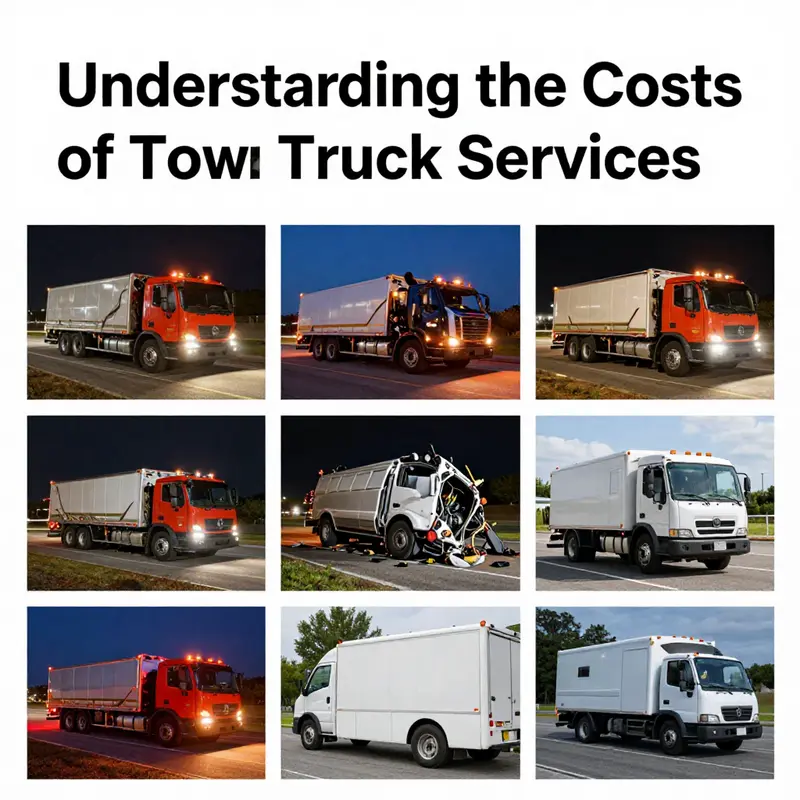
Pricing for tow truck services rarely sits at a tidy, single-number price tag. The moment a vehicle is involved in an accident, stranded in a tight alley, or caught in bad weather, the bill tends to expand in layers. The chapter you’re reading digs into the special scenarios that push costs beyond the base fee and per-kilometer rate. It’s a practical, mile-by-mile look at how operators price their work when precision, safety, and complex logistics collide. While the broad framework—base fees, mileage, and regional differences—gives a foundation, the real story unfolds in the scenarios that complicate every tow. Understanding these factors helps you forecast costs more accurately and avoid surprises when the call comes in and a tow truck needs to respond under pressure. It’s not about fear of high prices, but about recognizing how specific conditions transform a routine service into a carefully choreographed operation that demands time, skill, and the right equipment.
One of the clearest illustrations of how special circumstances alter cost is the vehicle recovery in accidents. A tow in a collision often involves vehicles that are severely damaged or partially submerged, and the safest, most responsible recovery practice is to use a flatbed, sometimes called a rollback, rather than a wheel-lift. The flatbed minimizes further undercarriage or drivetrain damage—an especially important consideration for all-wheel-drive, four-wheel-drive, or luxury vehicles with low ground clearance. When a flatbed is necessary, the base cost climbs not only because of the equipment itself but also due to the additional personnel and extended on-site time required to secure the vehicle, stabilize the scene, and execute careful loading without compromising safety. The result is a higher base and often a higher hourly rate, because the operation is more complex, demands more precise handling, and carries elevated risk. The consumer should expect these scenarios to yield a larger portion of the total quote, even if the distance is modest, since the emphasis shifts to protection, insurance compliance, and the integrity of the vehicle.
Towing from confined spaces introduces a different kind of premium. Urban canyons of concrete, narrow alleys, tight parking structures, and garages with restricted access demand a smaller, more nimble equipment profile. In these environments, smaller wrecker units and integrated or rollback designs are favored for their compact form and precision maneuvering. Yet, the very advantage of a compact setup becomes a narrative of higher labor intensity. Operators may need to perform multiple adjustments, winch lines, or use jacks and stabilization gear to navigate around pillars, curb lines, and overhead obstacles. What begins as a straightforward hook-and-tow can turn into a meticulous, time-consuming sequence of steps, each with its own fee component—labor hours, additional stabilization tools, and careful positioning to avoid damage to surrounding property or the vehicle itself. In many cases, the additional time and effort translate into higher service charges than would be expected for a simple highway tow of the same distance.
Environmental conditions add another layer of cost and risk. Weather can dictate both the feasibility of a given operation and the speed at which it can be completed. Snow and ice introduce slip and slide dangers, demanding experienced operators and sometimes the use of traction devices, chains, or specialized tires. Flooded areas necessitate not only waterproof equipment but a heightened focus on safety protocols to protect responders and bystanders. The risk premium can widen the pricing gap, as the operator must account for longer response times, more cautious driving, and potential weather-related wear and tear on equipment. When crews encounter icing, the tension rises as a minor misstep could lead to further damage to the vehicle or a dangerous roadside situation. The resulting price reflects these elevated risks and the additional resources allocated to complete the job safely.
Non-standard recovery situations, such as vehicles lodged in ditches, perched on unstable embankments, or overturned on their sides, push costs upward in substantial ways. These are the kinds of scenes that demand advanced techniques and heavy-duty equipment, and they often require more personnel and sustained on-site time. The lifting gear, winches, steel slings, cribbing, and slower, more methodical rigging processes are not simple add-ons; they are essential components of the job that ensure the vehicle can be recovered without creating further hazards. These operations can extend the job into hours rather than minutes, and the price reflects the cumulative effect of equipment wear, crew hours, and the complexity of the recovery plan. In such cases, the towing company is not simply transporting a car from point A to point B; they are executing a high-risk, highly technical operation that must be planned with care, documented for safety, and executed with precision.
Beyond the mechanical and logistical challenges, there are additional charges tied to specific conditions and materials. The presence of hazardous materials or dangerous goods, for example, may trigger an extra fee—commonly around 10%—to cover the special handling, containment, and compliance requirements. This is not a negotiation about risk but a regulatory safeguard, ensuring that responders and the environment are protected during the tow. Similarly, when special equipment is required—such as cranes or specialized winches with higher tonnage ratings—the cost structure shifts again. The cost is tied to the tonnage, duration, and the particular capabilities of the equipment. A heavier lift or longer operation simply cannot be billed like a standard tow; it demands different tool sets, more careful planning, and often a larger crew, all of which show up in the final invoice.
Another factor that tends to magnify the bill is the use of a deadhead, a term used to describe a tow that begins or ends with a driver traveling empty to or from the job. If a tow is canceled due to driver error, some fleets apply a deadhead fee that can rise as high as 50% of the base rate, with a minimum threshold such as $200. This is a reminder of the fragility of plans in roadside work and the way in which timing, scheduling, and reliability influence pricing. When the workload becomes unpredictable, companies may need to allocate additional standby time, reserve equipment for a longer period, or keep a larger crew on reserve. The financial impact of these arrangements finds its way into the quote as a premium for efficiency, reliability, and the risk that a schedule can be disrupted by factors outside the tow operator’s control.
Night, weekend, and holiday service adds another layer of pricing complexity. It is not merely a question of working after hours but of paying for the readiness and availability that your typical 9-to-5 schedule does not require. Operators often apply a surcharge in the 30%–50% range for work performed during off-peak times. The rationale is straightforward: higher labor costs for staff who are awake during inconvenient hours, higher fuel costs when traffic patterns shift, and the added need to maintain safety protocols in reduced visibility or harsher weather windows. The compounding effect of these surcharges means that a tow conducted after midnight or during a holiday can easily push the total well beyond the daytime price for the same distance and the same vehicle class.
Distance remains a constant driver of price, but its influence is filtered through these special scenarios. Long-distance or cross-region tows bring together base fees, fuel surcharges, tolls, and mileage, all of which are affected by the job’s complexity. A cross-country or cross-state tow may look like a simple 600 or 700-kilometer journey on a map, but in practice, it doubles as a logistics challenge: coordinating with multiple authorities, planning for overnight stops, arranging temporary care for the vehicle, and maintaining safety standards across varied terrain and jurisdictions. In such contexts, the cost can spike dramatically, with the combination of base costs, per-kilometer charges, and the on-site support required to ensure a secure, compliant handover at the destination.
From a budgeting perspective, what matters most is clarity and anticipation. The most effective way to avoid shock is to secure a written quote that clearly itemizes all possible charges: the base fee, each per-kilometer rate, any special equipment fees, labor surcharges for after-hours service, the potential costs for environmental conditions, and the anticipated premium for hazardous materials or non-standard recoveries. Also important is to confirm what is included in the quote—whether fuel, tolls, and potential travel time are folded into the base rate or priced separately. A thorough quote reduces the risk of hidden costs and makes it easier to compare options across providers. It also helps the customer understand when a scenario falls into a higher tier of pricing and why.
When thinking about the broader landscape of tow services, it helps to keep a few practical principles in mind. First, the base fee and per-kilometer rate are rarely the whole story. The circumstances around a tow—accident severity, access constraints, weather, and the need for specialized equipment—shape nearly every line of the invoice. Second, the regional realities matter. Major metropolitan areas with dense traffic and congested infrastructure tend to have higher starting points, but the variability introduced by time of day or the specific nature of the job can be equally impactful. Third, the quality and experience of the operator matter. A crew with the right combination of skill, equipment, and safety culture can reduce on-site time and minimize the risk of additional damage, potentially lowering the total cost in the long run. Finally, there is room for strategic planning. If a consumer or fleet manager anticipates that a tow may involve one of these challenging scenarios, discussing options in advance, identifying preferred equipment, and aligning expectations with a credible provider can improve outcomes and help with budgeting.
For those who manage fleets or certain risk profiles, a resource exists to guide emergency response planning and preparedness. See the Essential Fleet Emergency Response Strategies guide for insights on how to align equipment, training, and protocols with the realities described here. Keeping a line of communication open with a trusted local provider can also help in translating these scenarios into more precise price estimates and service promises. Of course, the most reliable approach to pricing remains direct engagement: call a few nearby services, discuss the likely scenario, and request written estimates that spell out what is included and what would trigger extra charges. In a landscape where every tow is shaped by its own set of constraints, a thoughtful, well-communicated approach to pricing is the best way to ensure fairness, safety, and predictability when the unexpected happens on the road. For deeper technical context on how equipment choices influence performance in the field, you can consult industry-focused resources such as the Small Wrecker Tow Trucks guide, which outlines the types, structures, and optimization considerations that influence on-site efficiency and cost in special recovery work. External resources provide a broader lens on how specialized equipment affects outcomes and budgets, and they can offer practical benchmarks for comparing quotes and assessing value in the moment of need.
In sum, special scenarios are the primary drivers of tow costs beyond the standard base fee and per-kilometer structure. Accidents demand careful loading with flatbeds and additional personnel; confined spaces require nimble equipment and meticulous maneuvering; environmental conditions raise safety and equipment needs; non-standard recoveries push lift and stabilization capabilities to their limits; and after-hours timing adds a premium for readiness. All these factors compound with distance and regional price norms to form a realistic range for what a tow might cost under difficult circumstances. By focusing on written quotes, asking the right questions about included items, and understanding the scenarios that most commonly trigger surcharges, a consumer can navigate a tow with greater confidence and avoid some of the common pricing surprises. As the road unfolds, so too does the story of cost, risk, and responsible service—and the chapter you’re reading aims to illuminate that landscape with both nuance and practical guidance. For further practical context and to see how equipment choices can influence outcomes in real-world settings, explore the referenced industry discussions and case examples related to tow operations and recovery tactics.
External insights: https://www.madisonhill.com/small-wrecker-tow-trucks-types-structure-and-how-to-optimize-performance-in-industry/
Pricing on the Move: Regional Variations in Tow Truck Costs
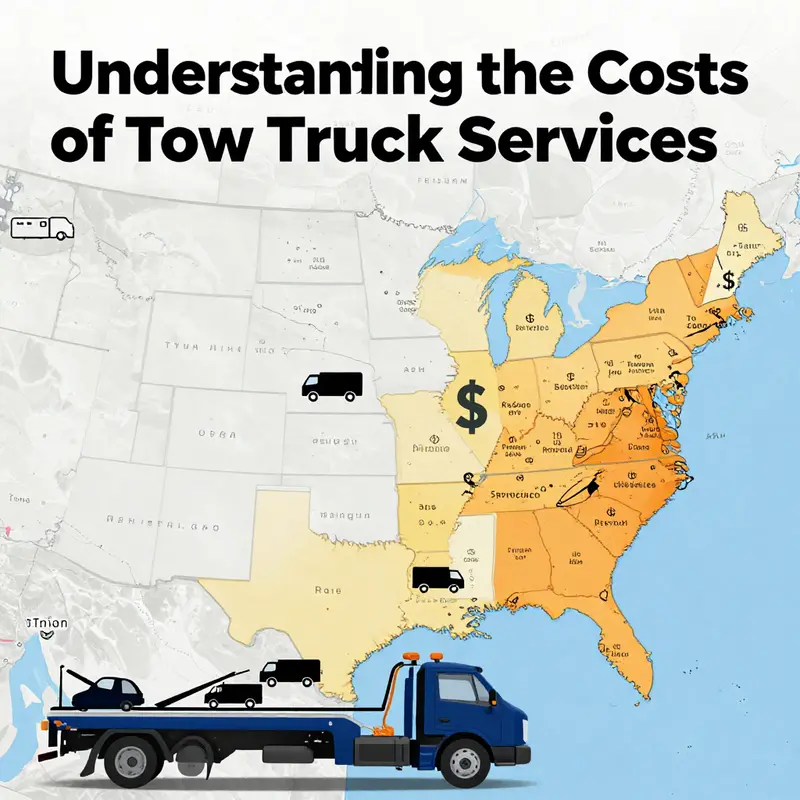
Pricing for tow services varies by region due to regulation, labor costs, vehicle types, and logistics. In urban areas, higher base fees and per-kilometer charges reflect congestion, parking challenges, and the need for rapid response. Rural regions may have lower base rates but longer travel times and greater logistical overhead. Vehicle weight and equipment requirements also matter: heavier vehicles require sturdier gear and more labor, which can raise both the base fee and the per-kilometer rate.
Distance remains a core factor, but the way it is charged differs by market. Some regions bill a base fee for the first leg and then apply a per-kilometer rate, while others structure the base as a higher flat charge to cover mobilization and access challenges. Regulatory frameworks can cap prices, mandate itemized quotes, or require disclosures that influence how quotes are presented and perceived. In markets with limited competition, costs can be higher even for short distances, while dense, competitive markets may push prices downward but with more variability during peak times.
For customers, the practical takeaway is to request a written, itemized quote that covers base fees, distance charges, potential surcharges for night or weekend service, and any special equipment fees for heavy or hazardous loads. For operators, clear communication about what is included in the quote helps manage expectations when regional rules and market conditions vary.
In short, regional tow pricing is a function of regulation, supply, demand, and logistics. When comparing quotes, look beyond the raw distance and consider the total projected cost, including fuel, tolls, and any regional regulatory costs that could affect the final bill.
Beyond the Local Pull: Understanding Long-Distance Tow Costs and How to Budget for Them
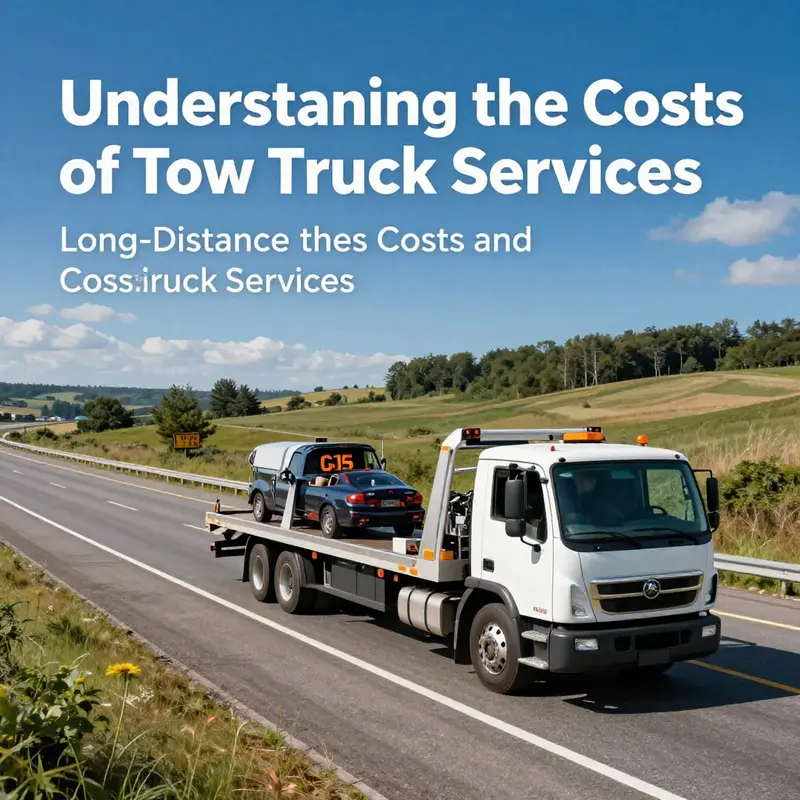
Long-distance towing costs are seldom a single number you can memorize. They are the result of a web of variables that expand as the miles grow, the vehicles involved change, and the timing of the request shifts from routine to urgent. Distance is the loudest factor, and it dwarfs most other considerations when the tow stretches beyond a few dozen miles. A short, 5-mile tow might sit around a modest figure, perhaps around $75 in some markets, but as the distance doubles or triples, the price climbs quickly. A 50-mile tow can push past the $300 mark, and for longer hauls—especially across regional lines or between cities—the final tally can be a substantial investment. These numbers, of course, reflect typical ranges in many regions, but the core principle remains: longer hauls cost more, and the spread between the base charge and the final bill widens with each extra mile.
Pricing for long-distance work generally lands in one of a few models, each with its own logic and points of negotiation. The most common approach is a flat rate per mile after a base charge. This means you pay a single base fee to initiate the tow, then a per-mile fee for every mile beyond that threshold. Another model, sometimes called the hook-and-roll approach, fixes a separate fee for the act of hooking the vehicle and then applies a per-mile charge. A third, tiered pricing scheme groups miles into brackets, such as 0–10 miles, 10–25 miles, and so on; the rate may rise progressively in each bracket. Each model has its pros and cons for customers, and the choice often hinges on the specifics of the job, including vehicle weight, terrain, and the provider’s equipment needs.
Geography matters as much as distance. In rural areas, towing companies often face longer runs to reach a vehicle and to bring it to a repair shop or storage facility. The result can be higher base fees and larger per-mile surcharges, simply because the service call itself is remote and requires more drive time. In contrast, urban environments may offer shorter hauls but higher hourly labor rates, driven by traffic conditions, demand density, and limited access. In practice, a rural 60-mile tow may feel more expensive than a 30-mile urban tow if the rural route requires specialized equipment or additional safety measures for mountain roads or uneven terrain. These regional dynamics create a price spectrum that makes apples-to-apples comparisons difficult unless you understand how the local market structures its long-haul work.
The make and weight of the vehicle being towed remains a decisive factor in long-distance scenarios. Heavier vehicles—full-size pickups, SUVs, commercial vans, or light-duty trucks—demand larger tow trucks, more robust winching systems, and sometimes a different kind of transport solution, such as a flatbed or a rotator, depending on the situation. The extra gear, fuel, and manpower required to haul a heavier load translate directly into higher service costs. For lighter cars, the arithmetic shifts toward mileage- or time-based charges, but even then the final number can surprise if a long run crosses multiple city borders or requires a toll-laden route. The weight category interacts with route complexity and availability of nearby towers, which can push costs up if nearby resources are scarce.
Time and location are not mere footnotes in the long-distance pricing equation. After-hours requests—late at night, on weekends, or during holidays—often carry a premium. The reason is straightforward: staffing, travel time, and equipment readiness are costlier when the clock is less forgiving. If a tow is needed in a high-demand corridor or a remote pocket where service windows are few, the provider will factor those constraints into the quote. In practical terms, this means a longer-distance tow requested at 2 a.m. can end up costing more than the same job requested during mid-day business hours, even if the mileage is similar.
Beyond base and mileage, a handful of ancillary charges can surprise customers who aren’t prepared for them. Toll fees, fuel surcharges, and possible late-night labor costs are common. If the tow involves specialized recovery work—say, a vehicle on an incline, a wreck scene, or a vehicle needing a rotor or winch—the price can escalate quickly due to the complexity and risk. In some instances, the need to transport hazardous materials or other restricted goods can trigger additional handling fees. And then there is the dreaded deadhead fee: a cancellation caused by driver error or a failed dispatch can impose as much as 50 percent of the base rate, with a stated minimum in the neighborhood of a couple hundred dollars. Those potential add-ons highlight why a simple “mile rate” quote often misses the mark when the job spans unfamiliar terrain or unusual circumstances.
A concrete illustration helps anchor these ideas. Consider a hypothetical cross‑region tow: a 700-kilometer transfer from one major city to another. Even with a reasonable base charge and a carefully staged per-kilometer rate, the math adds up quickly when you include fuel, potential tolls, time away from a local service window, and the need for a heavier-duty tow truck. In some cases, total costs for such a long haul could land in the range of two thousand to three thousand dollars, depending on whether tolls or fuel are included in the quoted amount, and additional surcharges may apply if the route requires nighttime travel or safety escorts. While this is not a universal price, it illustrates the importance of understanding the full scope of charges rather than relying on a single number presented at the outset.
To manage these uncertainties, customers can adopt a few practical habits. First, insist on a pre-quote that breaks down every fee—base charges, per-mile rates, and any potential extra costs for after-hours service, heavy vehicle handling, or recovery equipment. A transparent estimate gives a clearer picture of what to budget and reduces the chance of sticker shock at the end of a difficult job. Second, check whether insurance or roadside assistance provisions in your policy cover long-distance tows, or whether there are preferred providers or caps on fees that might apply in your region. Some plans include a limited number of free tows per year, which can materially affect the overall cost if you know how to utilize them over the life of the policy.
Another reliable strategy involves shopping around, but with discipline. Quotes can vary widely among providers in the same vicinity, especially for long-haul work where equipment and driver availability play large roles in price. Apps and digital marketplaces that aggregate quotes from multiple providers can be helpful, but approach them with the caveat that not all fees are listed in the initial figure. Make sure the quote explicitly mentions fuel, tolls, and any potential surcharges for after-hours service. If a provider cannot commit to a detailed written estimate, it is reasonable to ask for a revised quote or seek alternatives. A written agreement protects both parties and minimizes ambiguity about what constitutes a base charge versus mileage costs and what might trigger additional fees later.
For fleets facing recurring long-distance deployments, there is value in a proactive framework. A formal, published set of expectations around pricing can lead to fairer, faster decisions during emergencies. In that context, it can be useful to consult resources that address broader emergency response planning and fleet resilience. For fleets planning cross-border or long-distance assistance, refer to Essential Fleet Emergency Response Strategies. This resource helps align pricing discussions with operational realities, ensuring that the price tag for a long tow reflects both the level of risk involved and the obligations to keep responders moving efficiently. Essential Fleet Emergency Response Strategies.
Beyond personal budgeting, understanding long-distance towing economics has broader implications for how a dispatcher builds a service plan, how a customer negotiates with a provider, and how a fleet manages the risk of unplanned mobility failures. The landscape is dynamic. What seems like a straightforward miles‑plus‑base equation can quickly morph into a layered cost structure once terrain, time, weight, and recovery complexity come into play. In some markets, the per-mile fee may be accompanied by a minimum hourly charge if the job involves extended on-site time, or by a standby fee if a tow vehicle is held in a staging area for any length of time due to traffic constraints or impound logistics. In other words, different operators balance risk and efficiency in different ways, and the resulting quotes reflect those choices.
From a customer’s vantage point, the objective is to secure a fair price without sacrificing safety or reliability. That means prioritizing a provider with proven equipment suited to the vehicle’s weight and the terrain, as well as a track record for transparent billing practices. It also means recognizing that long hauls are not simply about distance; they are about the right combination of equipment, expertise, timeliness, and coordination with other services (such as impound facilities or repair shops). When a tow extends into complex recovery scenarios—like a vehicle on its side, a multi-vehicle incident, or a route with limited access—the value of dependable, well‑equipped crews becomes clear, even if the immediate quote appears higher. In such moments, the long-term cost of doing the job with inadequate equipment or an inexperienced operator can exceed the price of a legitimate, fully equipped solution.
For readers seeking deeper context on pricing dynamics in tow services, external resources can provide broader perspectives on how professionals assemble estimates and how consumer expectations intersect with market realities. A comprehensive overview of tow-truck pricing, including the incentives and hidden costs that can surface in long-distance scenarios, is explored in The Drive’s guide to Understanding Tow Truck Pricing. This resource offers a valuable cross-check against local quotes and helps customers calibrate their expectations as they negotiate with providers. https://www.thedrive.com/towing/understanding-tow-truck-pricing
In sum, long-distance towing costs reflect a tapestry of distance, weight, geography, timing, and the specific recovery needs of each job. Rather than relying on a single rate, customers gain clarity by requesting itemized quotes, understanding the pricing models at play, and recognizing how regional patterns shape the bottom line. This approach not only improves budgeting accuracy but also strengthens the dialogue between customers and providers, fostering transparency and fairness when every mile matters. As you progress through the chapter, you’ll carry forward a practical mindset: quantify potential surcharges, verify inclusions, and safeguard against surprises by anchoring decisions to written estimates that clearly separate base charges from mileage and additional costs. The goal is to move from a vague sense of “how much” to a precise, defensible budget that reflects the realities of long-distance towing and the dependable service needed to resolve a mobility disruption with minimal fuss.
Final thoughts
As we’ve explored, the cost of tow truck services can vary dramatically due to a multitude of factors such as vehicle type, distance, special scenarios, and regional pricing differences. Understanding these variables not only empowers local businesses and operators to make informed decisions but also prepares them for any situation that may cause a vehicle breakdown. By considering the nuances of pricing, you can effectively assess towing options and manage costs better.