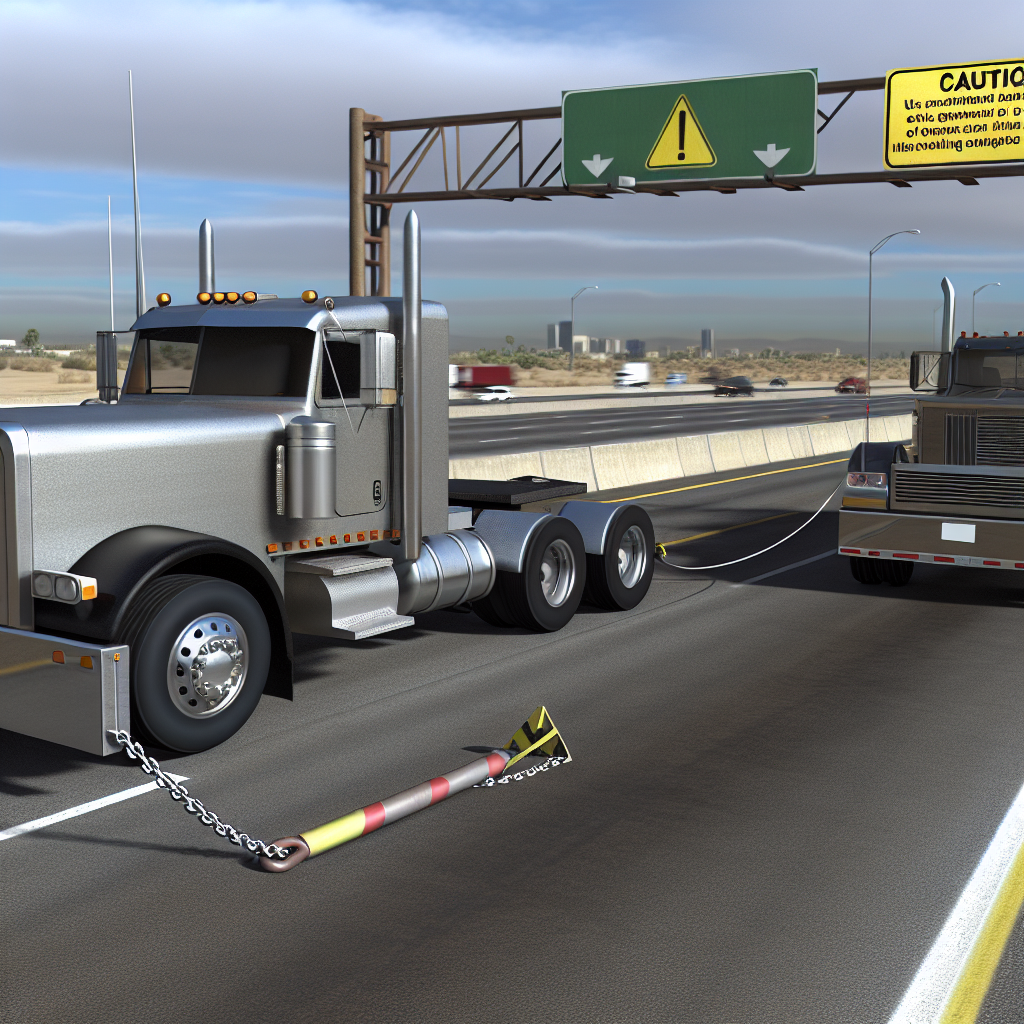
Understanding how much you can tow with your truck is vital for many professionals, from auto repair shops to resort operators. In this journey through towing capacity, we explore essential factors affecting your towing limits, decode vehicle specifications, share real-world towing examples, and clarify legal requirements. Each chapter builds on the last, guiding you towards a comprehensive understanding of how to safely and effectively utilize your truck’s towing capabilities.
Right-Sized Hauls: Reading a Truck’s Towing Capacity for Safe, Real-World Towing
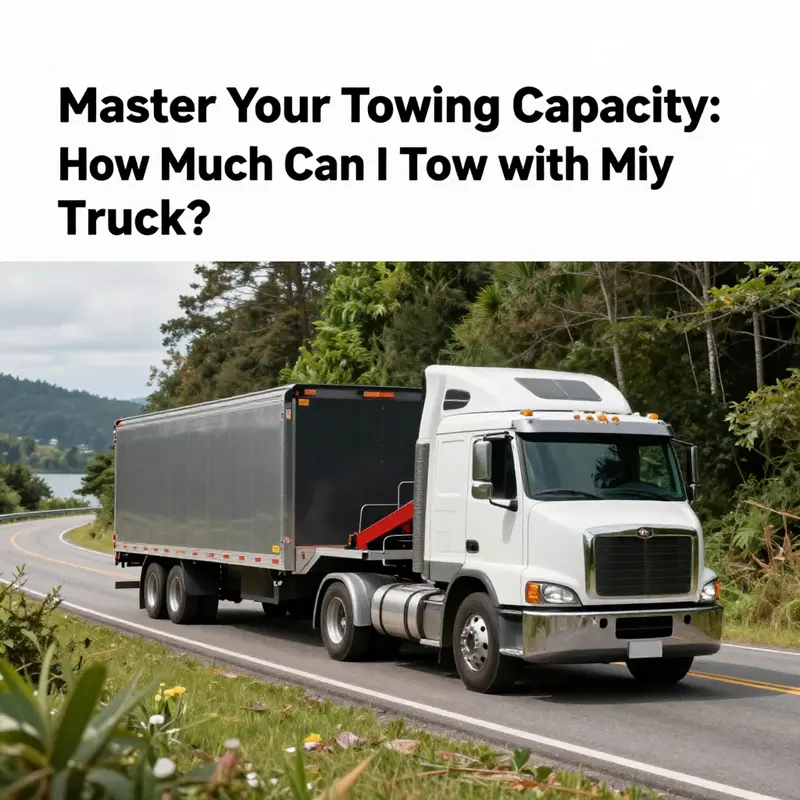
Right-Sized Hauls: Reading a Truck’s Towing Capacity for Safe, Real-World Towing
Answering the question “how much can I tow with my truck?” starts with a solid definition: towing capacity is the maximum weight a vehicle is designed to pull behind it. This number is not a guess. It is a carefully calculated limit that engineers set based on the truck’s chassis, engine, transmission, brakes, and cooling systems. It reflects what the manufacturer believes the truck can handle over typical journeys with normal tow equipment.
At the heart of that figure lies GCWR—the Gross Combined Weight Rating. This is the ceiling for the total weight of the vehicle plus the trailer when both are fully loaded. To translate GCWR into something usable, you subtract the truck’s curb weight—the weight of the empty vehicle with fluids and a full tank—from the GCWR. What remains is the theoretical capacity to tow. If a truck’s GCWR is 14,000 pounds and its curb weight is 6,000 pounds, the math yields 8,000 pounds of towing capacity. In other words, under ideal conditions, you could pull up to eight thousand pounds behind that truck.
But the clean math is only a starting point. Real life adds complexity. The engine’s power and torque, the transmission’s gearing, the axle ratio, and the brakes all color how that number behaves on the road. The cooling system must keep temperatures in check during long climbs or hot days. The suspension and frame must absorb the dynamic forces of a loaded trailer, especially on rough roads or uneven ramps. All of these factors mean the official towing capacity is a safe ceiling rather than a guaranteed number you will hit every time.
Tongue weight, the downward load the trailer places on the hitch, is a smaller but equally important factor. It should be around 10 to 15 percent of the trailer’s total weight. If the tongue weight is too light, the trailer can sway; if it’s too heavy, it can overload the hitch and rear suspension. The easiest way to manage this is to balance the weight between trailer cargo and the tongue and to distribute cargo inside the truck to avoid skew that would rob the hitch of its intended load. In the end, the trailer’s weight plus its cargo counts toward the truck’s GCWR, while the tongue weight sits on the hitch and the rear axle anyway.
Beyond the numbers lie regulatory and safety considerations. In many places, your license category limits how heavy a trailer you may tow. The trailer itself has a GVWR that must not be exceeded, and the truck’s payload—the weight you carry inside the cab and bed—reduces the amount of weight you can safely tow. You must account for all payload in the truck, including passengers, tools, and fuel. The takeaway is simple: keep your loaded weight in line with the truck’s official capacity and avoid overloading any single element of the system.
Consider the spectrum of possibilities seen in practical data. Some trucks have a towing capacity as low as about 1,900 pounds. Others, especially those with heavy-duty packages and specific engines, can push toward eight or nine thousand pounds. And there are occasional reductions in capacity across trim lines to accommodate design tradeoffs, which can drop the maximum to around 1,500 pounds in some configurations. These numbers reinforce the core lesson: there is no universal tow figure. Each truck, year, and configuration has its own precise limit found in the official documentation.
With this understanding in hand, the workflow for planning becomes clearer. The first step is to locate the towing specification placard on the driver’s door jamb or consult the owner’s manual. This gives the baseline capacity. Next, weigh the actual setup: the curb weight, the anticipated payload, passengers, fuel, and cargo. Then evaluate the trailer’s weight, including its own cargo, and compare it to the remaining capacity after subtracting tongue weight. If the trailer’s GVWR or its actual loaded weight would push you past the remaining capacity, you must choose a lighter trailer, reduce cargo, or avoid towing altogether. A practical approach is to treat the capacity figure as a ceiling and build in a safety margin to accommodate wind, grades, and road conditions.
In practice, many drivers forget to factor the trailer’s weight into the equation. They fixate on the trailer’s dry weight or the manufacturer-stated GVWR without considering how the trailer will be loaded or how much of the truck’s payload is already committed to passengers and gear. The same logic applies to trips that demand frequent starts and stops, where high heat and sustained braking demand become relevant. The prudent path blends the numbers with an honest assessment of the journey you plan to undertake. It is a simple act of discipline: check the official specification, do the math with real numbers for your trip, and give yourself room to maneuver.
You might wonder how to apply all of this to everyday life. A weekend project, a camping trip by trailer, or a ride-along in a recovery scenario all demand careful planning. If you intend to tow a trailer close to the edge of capacity, consider smaller loads or lighter trailers, spread the load evenly, and invest in proper hitching hardware and weight distribution components. This approach preserves steering response, braking effectiveness, and overall stability. It also helps to empty the truck of unnecessary payload before hitching the trailer, because extra pounds in the cab reduce the available margin for towing.
For readers managing fleets or multiple vehicles, the key is standardization paired with flexibility. A uniform towing guideline helps operations stay consistent, yet each vehicle’s configuration requires verification against its own capacity. Weight management, route planning, and risk assessment become part of daily routines, ensuring that the plan remains safe even on the most demanding days. Ultimately, the owner’s manual and the vehicle’s certification label are your best friends. They contain the definitive guidance for your exact truck, not a generalized assumption about what similar models can do.
To keep this topic grounded in practical terms, let me circle back to a core principle: never exceed the manufacturer’s towing capacity. Pushing beyond the rated limit can lead to brake fade, steering instability, tire failures, and drivetrain damage. The manufacturer’s figure exists to protect you and others on the road, especially when you factor in real-world variables such as trailer sway and varying payload.
If you want to explore planning considerations beyond the basics, broader resources on fleet readiness can offer context for how towing fits into larger safety and logistics strategies. Essential Fleet Emergency Response Strategies provides a framework that complements towing planning by aligning weight management with route planning and contingency planning. This kind of approach helps ensure that towing activities are integrated into a safe, well-coordinated operation.
External resource: Official towing capacity resource
null
null
Tow Truths: Reading the Numbers That Tell You How Much Your Truck Can Really Tow
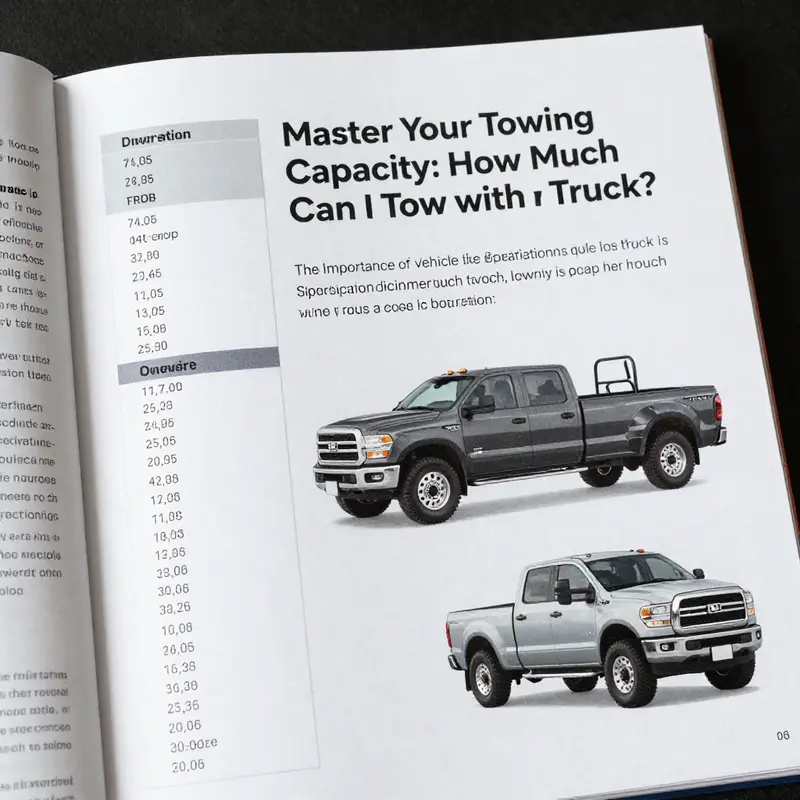
The question that often drifts off the back of a fadedTo-Do list—how much can I tow with my truck?—isn’t answered by intuition or bravado alone. It’s answered by numbers that come straight from the vehicle’s bone structure: its weight ratings, what the manufacturer permits, and how those figures interact with the reality of road, load, and licensing. Understanding these numbers isn’t just about avoiding a ticket or a blown fuse in the brake system; it’s about making a practical plan that keeps you, your passengers, and everyone else on the road safe, while also ensuring you don’t push a machine beyond what it can handle reliably. The core concept is straightforward, even if the details feel intricate: the limit you can tow is defined by vehicle specifications, and those specifications are not a single figure but a pairing of critical ratings that work together to establish a safe boundary.
At the heart of the matter are two primary ratings that every truck lists, usually on a placard near the driver’s door or in the owner’s manual. The first is the Gross Vehicle Weight Rating (GVWR), the maximum weight the truck is allowed to carry, including its own curb weight, all passengers, cargo, and fuel. The second is the Gross Combined Weight Rating (GCWR), which represents the total maximum weight of the truck and the trailer combined. These numbers are not arbitrary. They reflect the engineering, chassis strength, suspension design, braking capacity, steering geometry, and the structural integrity of the frame. Exceeding GVWR means the truck is carrying more weight than its suspension and frame were designed to bear in daily operation. Pushing past GCWR can overload the drivetrain and braking system when you’re towing, turning what should be a controlled pull into a high-stakes test of traction and control.
To translate these definitions into a practical towing plan, you start with your own vehicle’s documentation. The owner’s manual or the placard on the driver’s door jamb provides the exact GVWR and GCWR for your specific model and year. It’s tempting to search for a generic number online, especially if you’re a new owner or considering a used truck with an uncertain history. But those figures aren’t interchangeable. A truck with the same nameplate but different years or options—the presence or absence of a heavy-duty towing package, a different axle ratio, or a distinct transmission setup—can have a different towing capacity than the one you found in a brochure. In other words, the capacity is specific to your exact configuration. And when you’re planning to pull, that specificity matters more than the average consumer realizes.
The towing capacity you read in a spec sheet isn’t a single, static target. It’s a limit that must be respected under ideal conditions, and many real-world factors will shave that limit down. It’s not merely about the trailer’s weight. It’s about the entire system: the trailer, its cargo, the weight inside the truck cab, and the way that weight shifts during motion. A practical way to think about it is to remember that the tongue weight—the downward force the hitch transmits to the truck—should be around 10 to 15 percent of the trailer’s total weight. This ratio ensures the trailer follows the truck rather than pushing the rear axle up and away, which can destabilize steering and braking. If you’re towing a large trailer, a heavy load in the back of the truck, or a full tank of fuel, those percentages matter even more because they reduce the headroom you have for the trailer’s own weight. The result is a slower acceleration, longer stopping distances, and a higher risk of sway that can become dangerous at highway speeds.
And the license to tow isn’t a purely mechanical matter either. In many regions, the authority to tow a heavy trailer is gated by licensing requirements designed to ensure drivers have the training to manage the additional dynamics of a loaded vehicle. The regulation isn’t punitive; it’s a guardrail that helps prevent situations in which a driver feels confident enough to attempt a tow but hasn’t yet learned how the weight interacts with braking, cornering, and road grade. Before planning any long tow, it’s wise to verify the local licensing requirements for the weight category you intend to pull. Doing so protects you legally and keeps you aligned with the safety-focused intent of the ratings themselves.
The numbers themselves can be illuminating—and sometimes surprising. Real-world data shows a broad spectrum of capability. Some trucks, perhaps due to a smaller engine or lighter-duty components, have towing capacities around 860 kilograms (roughly 1,900 pounds). On the other end of the spectrum, trucks equipped with heavy-duty packages and robust engines can push toward eight thousand or more pounds. There are reports of models that, due to particular configurations or restrictions, drop to around 1,500 pounds across all trim lines. All of these figures reinforce a simple truth: the same model name can carry very different towing capacities depending on the exact build. It’s a reminder that a blanket “how much can I tow” answer is a shortcut that hides the nuance of the underlying specifications.
So how should a conscientious buyer or owner proceed when the question isn’t just “what can I tow?” but “how much should I tow?” The answer begins with precise reading. Identify your GVWR and GCWR and compare them to the weight of the trailer you intend to pull, including any cargo. Then look at the trailer’s own weight, as well as tongue weight. If your trailer weighs 5,000 pounds when empty, and you’re planning to carry 2,000 pounds of cargo, you’re looking at a trailer weight of 7,000 pounds. A tongue weight of about 7,000 pounds times 0.12 (roughly) would be 840 pounds—this is the hitch force you must manage. The truck’s GCWR must exceed the sum of its own operating weight (with passengers and cargo) plus the trailer’s gross weight. If any of these numbers pushes the total beyond GCWR, the towing plan isn’t safe or permissible regardless of the individual trailer weight.
The axle ratio and transmission type, while not as immediately obvious as GVWR or GCWR, are the quiet enablers or limiters behind the scenes. A higher axle ratio tends to improve torque delivery to the wheels, which helps when pulling from a stop and when climbing grades. Likewise, a robust factory-installed tow package typically brings upgraded cooling, stronger cooling fans, more robust suspension components, and better hitch hardware—the kind of enhancements that matter most when you’re routinely towing near the rated limit. The engine’s horsepower figure, while not the sole determinant of towing capacity, does correlate with how well a truck maintains speed on hills and how quickly it can recover after a hill climb, all of which influence the practical towing margin. In other words, a higher horsepower engine doesn’t magically increase the trailer’s weight limit; instead, it helps the truck operate safely when working near that limit.
For those weighing a purchase or an upgrade, the comparison should begin with the towing specification rather than the headline horsepower or sheer payload. It’s essential to compare models by their official towing numbers—paired with the actual GVWR and GCWR for the exact build you’re considering. Even within a single model family, variations in chassis, transmission, and tow-package availability can swing the safe towing capacity substantially. If your intended use includes commercial or frequent heavy-duty towing, a careful analysis of the entire system becomes even more critical. This might mean prioritizing a chassis with a higher GCWR, ensuring a robust braking system, and selecting a tow package that provides the necessary cooling and suspension reinforcement. In a practical sense, your purchase decision should hinge on the alignment between your typical trailer weight, the ground you expect to cover, and the legal and safety constraints that accompany the numbers on the page.
The bottom line remains consistent: there is no universal number that defines what every truck can tow. The precise answer is located in the model-year-specific documentation, and the safest approach is to plan around that documented limit. The numbers don’t just reflect the vehicle’s ability to pull; they define its operating envelope—the point at which performance, control, and safety remain balanced under predictable conditions. When in doubt, model the scenario. Build a mental picture of the trailer weight, the tongue weight, the payload in the cab, and the grade you’ll encounter on your route. If the combined weight threatens to push past GCWR or if tongue weight exceeds the recommended percentage for your trailer, scale back the load or choose a trailer with a weight profile that keeps you comfortably within the limit.
For further reading on interpreting towing specifications and translating them into real-world decisions, practitioners in the field often find it helpful to consult broader guides that synthesize these concepts into actionable steps. You can explore the practical side of towing guidance on the The Island Tow Truck blog, which offers ongoing discussions about how to approach towing tasks with safety and efficiency in mind. Read more at theislandtowtruck.com/blog/.
As you prepare to tow, remember that the numbers are a framework, not a prison. They exist to protect you from the dangers of overloading, to preserve the truck’s braking and steering capabilities, and to keep the journey predictable for you and others on the road. If you’re shopping, use GVWR and GCWR as your guiding stars, then confirm the exact figures for the configuration you intend to buy. If you’re a current owner, keep your planning anchored to the spec sheet that came with your specific truck. The figure that truly matters—the one that will keep you out of trouble and out of the shop—is the one your manual and placard authorize for your exact build in your exact conditions. And as always, when you’re expanding your towing plans, consider the broader resource pool behind the numbers, including reputable guides and professional materials that help translate spec language into everyday practice.
External resource: https://www.edmunds.com/trucks/towing-guide/
Tow Limits Unlocked: Reading Your Truck’s Real-World Towing Capacity
When you ask how much you can tow, you’re really asking for a portrait of what your truck can safely carry through the road and the weather, with your family, fuel, tools, and a trailer in tow. The answer isn’t a single, simple maximum trailer weight. It’s a designed limit that weds engineering, physics, and law. At its core, the towing capacity is the manufacturer’s rating for the total weight the truck’s drivetrain, suspension, brakes, and chassis can handle under ideal conditions. But that number lives in a broader ecosystem of constraints, including the vehicle’s own weight, the passengers and cargo inside the cab, the weight of the trailer itself, and the legal rules that govern what you’re allowed to pull on public roads. It’s a conversation about balance, not a simple value you can eyeball from the hitch ball to the front of the trailer. The practical takeaway is clear: to tow safely, you must read the numbers the manufacturer provides and apply them to your actual, everyday loading scenario.
To understand the safeguards that sit behind the towing rating, start with two pivotal concepts: the towing capacity you’ll see in the owner’s manual or on the vehicle’s specification placard, and the vehicle’s gross combined weight rating, or GCWR. The towing capacity, sometimes labeled as the towing capacity or trailer weight, is the maximum weight of the trailer and its cargo that the truck can pull, assuming the truck is in a state that allows it to do so. The GCWR, by contrast, is the maximum allowable combined weight of the vehicle, its payload (people and cargo inside the truck), and the trailer with its cargo. These two numbers are interdependent. If you load the cab with four adults and a full toolbox, you’re reducing the amount of weight available for the trailer, even if the trailer itself remains within its own rating. The interaction matters because the safest towing arrangement depends on the whole picture, not just the trailer’s outward weight.
A third pillar in this framework is the vehicle’s GVWR, or gross vehicle weight rating. This is the maximum loaded weight of the truck itself, with passengers and cargo inside, before you ever attach a trailer. If your truck’s GVWR is 7,500 pounds and the curb weight plus passengers and gear already push toward that ceiling, there is little headroom left for adding a trailer. In that sense, GVWR governs interior payload, while GCWR governs the outer limits of what you can pull. Because of this, your actual towing capacity is never simply the manufacturer’s maximum trailer weight. It’s the maximum trailer weight that still keeps the total vehicle weight under GCWR and the truck’s own GVWR, with enough reserve for safe braking, steering control, and braking performance.
The practical upshot is that legal and safety considerations often trim the numbers you’ll see published as the towing capacity. The highway authorities and weight limit regulations come into play most strongly when a trailer crosses state lines or when the total weight interacts with road infrastructure. In many regions, certain license classifications are required to tow heavier loads, and those rules are designed not just to govern the number on the scale but to ensure the vehicle and load can be controlled during acceleration, cornering, and especially stopping. The weight of the tow hitch, the weight of the trailer’s cargo, and the weight inside the cab all shave away at the available margin. The symbol you keep in mind is a simple one: stay within the manufacturer’s ratings, add safe margins, and never assume that heavier means better or that you can compensate with bigger wheels or a fancier exhaust system. There is no magic trick—only conservative, calculated restraint.
Numbers in the field illustrate the spectrum of what’s possible, and they also remind us how quickly context matters. A standard half ton pickup, designed for lighter payloads and moderate towing, can typically pull a medium travel trailer or a sizable boat trailer within a broad range. Real-world towing capacity for these trucks often lands somewhere in the vicinity of several thousand pounds, commonly between 9,000 and 14,000 pounds for the trailer itself, depending on configuration. That range is broad because it reflects the variation in engines, transmissions, cooling systems, and axle ratios that manufacturers offer to meet different needs. In contrast, heavier duty half ton or three quarter ton trucks—built with tougher frames, more robust suspensions, and stronger drivetrains—can tow substantially more, frequently surpassing 14,000 pounds when equipped with the appropriate package and components. And the largest of the heavy duty, one ton class trucks are configured to haul very large trailers, industrial equipment, or very heavy fifth wheel setups, often pushing well above the 15,000 pound mark. These numbers are not arbitrary; they reflect deliberate choices about component strength, cooling capacity, and braking performance. Yet even these impressive figures sit within the bounds of GCWR and GVWR, and they assume ideal conditions, a clean hitch setup, properly loaded trailers, and safety margins that will never be discarded in real world use.
To translate those numbers into everyday decisions, consider how the trailer’s weight and the tongue’s load interact with the truck’s ratings. The tongue weight, typically around 10 to 15 percent of the trailer’s total weight, matters because it is the downward force that the hitch and the rear axle must manage. If the tongue weight is too light, the trailer can sway and feel unstable; if it’s too heavy, it can overburden the hitch and rear suspension, reducing steering responsiveness and braking effectiveness. A trailer that weighs 6,000 pounds would typically impose a tongue load of about 600 to 900 pounds. That means the trailer is not the only weight you’re pulling; a portion of that weight is pressing down on the hitch and the vehicle’s rear axle, and that pressure is a factor in every braking decision and every turn. You don’t just add numbers up; you balance them, ensuring that the hitch, the brakes, and the tires have enough reserve to handle the total load in the demanding moments of highway merging, uphill climbs, and sudden stops.
Another practical dimension is how much of the truck’s payload you actually carry at any given time. If you’re transporting a crew of workers, full fuel tanks, camping gear, and a toolbox, you’re consuming payload headroom that would otherwise be available for a heavier trailer. The weights of passengers and cargo inside the cab reduce the payload margin that’s left for the trailer, and that, in turn, reduces safe towing capacity. The broader takeaway is straightforward: the arithmetic of towing is not a static ledger. It shifts with the number of people on board, the amount of fuel, the equipment in the bed, and even the weather that affects loading and braking. For many drivers, the right approach is to first calculate the curb weight and the anticipated cargo weight, subtract that from the GCWR, and then compare the result to the trailer’s loaded weight. From there, adjust the expected trailer size or payload to stay comfortably within the margins that the manufacturer endorses. It’s a careful, ongoing negotiation with your vehicle’s limits rather than a one-time check.
In this landscape, the imperative to consult official sources cannot be overstated. The owner’s manual and the placard on the driver’s door jamb are the primary references, containing the precise figures for your exact model and year. The general ranges outlined above help build intuition, but they do not replace the official specifications. A quick note of caution: while some aftermarket modifications may offer the appearance of increased capacity, they rarely deliver safe, warrantied improvements. Towing capacity is not a dial you can turn up; it is a system-bound constraint determined by engineering, testing, and regulatory expectations. If anything, these constraints underscore the importance of meticulous planning, accurate weighing, and conservative planning before hitching up a trailer. You can always learn more about towing basics and real world scenarios from reputable industry resources such as the broader community at The Island Tow Truck Blog, which provides accessible context for readers seeking practical guidance beyond the numbers.
As you chart your towing plan, you’ll also encounter a set of useful, universal checks: confirm that the hitch and hitch ball are rated for the expected load, verify that the braking system on the trailer matches the weight class, inspect tire load ratings, and ensure the lighting and braking circuits are fully functional. These steps, when taken with the manufacturer’s ratings, turn the act of towing into a safer, more predictable operation. In the end, the core message remains simple and robust: there is no universal answer to how much can I tow? Your exact figure comes from the official specification sheet for your truck, adjusted for your actual payload, your trailer’s weight, and the safety margins that govern road use. The chapter on capacity is thus not a static catalog entry but a living guideline that should govern every trip, every hitch, and every mile you plan ahead of time. For the broader regulatory landscape and the mathematics of weight limits, consult established sources that ground these guidelines in practice, such as major manufacturer resources and updated road-usage policies.
Tow Limits and Laws: Reading Your Truck’s Capacity and Keeping It Safe on Real Roads
When you set out to tow, the most meaningful number you encounter is the towing capacity published by the manufacturer. This figure is not a rough guess or a marketing line; it is a ceiling reached under ideal conditions when the truck is properly equipped, the trailer is balanced, and the road surface, weather, and driver inputs are all favorable. The exact number depends on the model, engine, drivetrain, axle ratio, and whether the truck carries a heavy‑duty towing package. In practical terms, the capacity is your starting point, not your finishing line, and every trip should begin with a careful assessment of the load you intend to move and the conditions you expect to face. The owner’s manual and the placard on the driver’s door jamb are the most reliable sources to confirm this maximum, and they should be consulted every time you tow a load that tests the boundary between safe operation and risk to life and property. This isn’t one of those figures you can memorize once and forget; it’s a living specification that should guide your planning, loading, and driving decisions for every haul you attempt.
But capacity is only part of the story. A truck’s maximum tow rating does not grant free rein to haul whatever you can rig behind it. Legal restrictions, weight distributions, and equipment ratings all interact with the vehicle’s capability. In many places, certain licenses or endorsements are required to tow heavier trailers, and those regulatory thresholds are tied to the weight you tow, the trailer’s own braking system, and how you operate on public roads. Beyond the legal layer, the practical realities of loading and balancing matter just as much as the numbers on the spec sheet. The tongue—the weight pressing down on the hitch—should typically account for about 10 to 15 percent of the total trailer weight. This balance helps ensure stability during acceleration, braking, and cornering. If the tongue weight is too light, the trailer can sway; if it’s too heavy, it can tax the hitch and affect steering control. The trailer’s total weight itself must stay within the truck’s rated capacity, and the weight inside the truck—passengers, tools, fuel, and cargo—reduces the available headroom for the towed load. A thoughtful approach accounts for all these factors so you are not overpromising what your vehicle can safely pull.
When we speak in terms of numbers, the landscape is varied. Real‑world data show a broad spectrum: some light‑duty trucks may top out around 860 kilograms (about 1,900 pounds) of towing capacity, while certain heavy‑duty configurations with specialized engines and transmissions can reach substantially higher limits, in the region of eight thousand to nine thousand pounds. And every once in a while the data reveal a striking exception—a model line that, for reasons tied to mass, axles, or a specific package, delivers a notably lower maximum, such as around 1,500 pounds for certain trims. These figures illustrate a core truth: there is no single universal number that applies across all trucks or model years. You must consult the exact specifications for your exact truck, year, and configuration. The Cambridge English dictionary can help clarify the language around “tow” and related terms, but the definitive figure remains the vehicle’s own documentation. This emphasis on exactness is not pedantry; it is about safety, liability, and the efficient use of your vehicle’s performance envelope.
In practice, the path from capacity to safe towing begins with a disciplined calculation rather than a glance at a sticker. Start with the manufacturer’s stated towing capacity, usually found in the owner’s manual or on the placard near the driver’s door. Then account for GVWR, the Gross Vehicle Weight Rating, which is the maximum weight your truck can carry including the truck’s own weight, fuel, cargo, passengers, and any hitching gear. Add GCWR, the Gross Combined Weight Rating, which combines the truck and trailer weights. Exceeding GVWR or GCWR is not just unwise; it is illegal in many jurisdictions and can lead to fines, vehicle impoundment, or greater liability in the event of an accident. The federal framework in the United States is complemented by state and local rules, and many places differentiate between commercial towing and non‑commercial towing. This is why the most trustworthy path is to consult the local DMV or transportation authority website for the exact rules that apply to your area, alongside the vehicle’s official specifications.
To translate these ratings into a safe, usable practice, many experts advocate staying well below the maximum. A conservative rule of thumb is to target no more than 80 percent of your truck’s stated towing capacity. This margin allows for the dynamic realities of towing—unexpected grade changes, crosswinds, braking requirements on downhill stretches, and imperfect trailer loading. It also accommodates the trailer’s own braking efficiency, lighting, and tire ratings. If you intend to tow in challenging conditions—mountain grades, wet or icy roads, long uphill climbs—you should tighten that margin further and consider towing even lighter than the 80 percent guideline would suggest. The hitch itself must be rated to the load; trailer brakes, lighting, and tires should all be matched to the anticipated gross trailer weight, and periodic maintenance becomes non‑negotiable. Worn tires or worn brake systems on either the truck or trailer can quickly turn a planned haul into a hazardous event. Each element—hitch rating, trailer brakes, electrical connections, tires—must be fully compatible with the load you plan to carry.
Rounding out the practical considerations are the delicate realities of road use. Towing magnifies the effects of wind, road surface irregularities, and aerodynamic drag, increasing braking distance and reducing steering response. Your truck’s braking system, transmission cooling, and engine torque reserves are all taxed differently when towing. Even a routine trip can feel noticeably different when your trailer is loaded with equipment or cargo versus when it is empty. The load distribution in the trailer matters as well; a poorly packed trailer can become unstable at speed and under braking. To minimize risk, you should perform a pre‑trip inspection with the same care you would give to any critical system: verify hitch connections, ensure the trailer is level with a proper tongue weight balance, check tire pressures on both vehicle and trailer, confirm the lighting and braking systems are functioning in unison, and assess the overall stability of the cargo arrangement. This diligence is not optional; it is the most reliable line of defense against sudden trailer sway, brake fade, or tire failure on the highway.
Within this framework, you can begin to plan more confidently, and you may even want to refer to community resources that offer practical insights from the field. For example, many drivers find value in engaging with broad towing discussions and practical tips shared by seasoned professionals who regularly work with trailers. The Island Tow Truck Blog offers an approachable, experience‑based perspective on towing that complements the official specifications and regulatory guidance. The content there emphasizes how real loads behave in everyday usage and reinforces the idea that capacity is a limit to be respected rather than a target to chase. It’s a reminder that experience, caution, and ongoing learning are essential components of safe towing practice, especially when your load includes sensitive equipment or involves long stretches of road where conditions can change rapidly.
Ultimately, the safest and most responsible approach is straightforward: rely on the exact specifications from your truck’s documentation, factor in legal and regulatory requirements, apply a prudent safety margin, and ensure that every component—truck, hitch, trailer, and cargo—meets or exceeds the load’s demands. If you are unsure about any aspect of your tow setup, seek professional guidance or consult official resources to clarify local rules and safety expectations. For ongoing, practical guidance grounded in real‑world driving and towing considerations, you can explore resources like the The Island Tow Truck Blog, which offers perspective on everyday towing decisions and stability management in a way that complements the formal specifications and regulatory framework. And for the broadest safety framework beyond individual states or provinces, refer to national standards and guidelines from the NHTSA, which provide up‑to‑date, authoritative information on towing safety and best practices as part of the larger conversation about vehicle safety on the road. For authoritative, current safety guidelines, visit the NHTSA site: https://www.nhtsa.gov
Final thoughts
Knowledge is power when it comes to towing capacity. By understanding the nuances of your vehicle’s specifications, the factors influencing towing limits, and the legal requirements involved, you can effectively use your truck for various purposes—whether for business or recreation. Always refer back to your owner’s manual and stay informed to maximize both safety and efficiency in your towing endeavors.