For local auto repair shops, car dealerships, property managers, and resort operators, understanding how tow trucks locate vehicles can significantly impact business operations and relationships with customers. Tow trucks play a crucial role in maintaining traffic order and ensuring compliance with parking regulations. This article will guide you through the various methods, from official orders issued by authorities to advanced technologies like license plate recognition, and even the innovative use of crowd-sourced alerts. By grasping these mechanisms, you can better navigate interactions with towing services and enhance your operational strategies. Each chapter will delve deeper into the specific techniques tow trucks utilize to find cars, equipping you with valuable knowledge tailored for island-centric environments.
Behind the Tow: How Official Orders, Digital Databases, and Real-Time Alerts Lead Tow Trucks to Your Vehicle
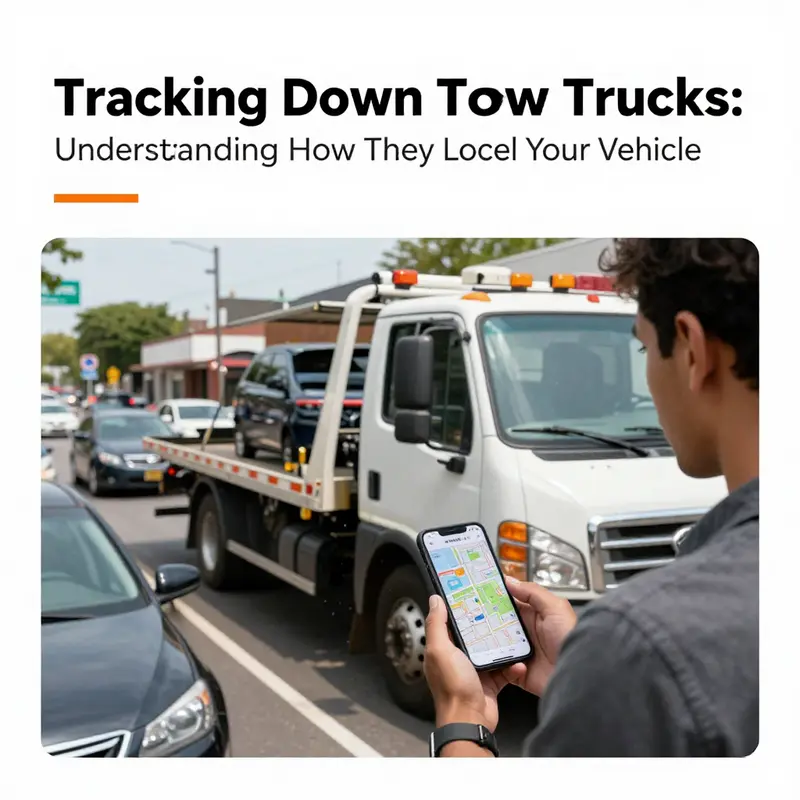
Tow trucks do not roam randomly through streets sniffing out cars that need to disappear. Their path is steered by a grid of official orders, digital systems, and data that light up all the right spots at the right times. The moment a vehicle is flagged for removal—be it for illegal parking, blocking a driveway, or an abandoned status—the act of locating it shifts from an improvised search to a structured operation. The chapter that follows investigates how this structure works in practice, what records the operators must carry, and how modern technology upgrades the precision of a tow long before the first wheel is hooked. When you step back and map the sequence, it becomes clear that tow trucks are less hunters and more couriers of compliance, delivering a vehicle from a location that violated a rule to a designated impound or recovery point through a chain of official directives, verified data, and procedural checks. In this light, the question “how do tow trucks find your car?” resolves into a story of paperwork, databases, and real-time communication that keeps traffic, public safety, and property owners in closer alignment than many drivers expect.
The backbone of most tow operations is a clear legal framework that defines when and how a vehicle can be towed. Local ordinances, traffic codes, and administrative rules create a shared language between law enforcement, parking authorities, and towing companies. Where a car is parked illegally in a no-parking zone, where a permit has expired, or where a vehicle blocks a critical access point, the responsible agency issues a tow order. This order is more than a notice; it is a signal that triggers a chain reaction. A dispatcher receives the location, which could be a precise address, a corner, or, in some cases, a license plate that has triggered a policy flag. The tow company then mobilizes a team to that exact spot. Everything from the plate number to the vehicle’s color becomes a key detail in a database the driver must consult on arrival. In this sense, the process begins not with a chase through the city but with a formal directive that converts a potential violation into an actionable assignment.
The documentation surrounding each tow is not a mere formality. It is a record-keeping system designed to protect the vehicle owner and the towing operator alike. Tow operators are typically required to log critical identifiers: the license plate, the make, the model, and the color of the vehicle, as well as the precise location where the tow occurred. They must also record the time, the name of the property owner or authorized agent who requested the tow, and the name of the towing company. These details serve multiple purposes: they facilitate retrieval for the owner, they provide a chain of custody that can be consulted in disputes, and they enable city or county auditors to verify that procedures were followed correctly. In many jurisdictions, a tow notice must be left at the scene—often on the windshield—containing essential information about who is performing the tow, where the vehicle has been taken, and how the owner can reclaim it. The notice is meant to bridge the moment of removal and the moment of reclaim, ensuring that the owner can act without unnecessary delay while the impound system remains orderly and accountable.
If you ever have to respond to a tow, the retrieval process often hinges on your ability to connect the official dots. The typical sequence is straightforward: you locate the official notice or contact the appropriate authority, provide proof of identity and ownership, and then work with the impound facility to retrieve the vehicle. If a notice is posted, the information on it usually includes a phone number for the towing company, the impound lot address, and an itemized schedule of fees. Calling the company directly is the fastest route to confirm the vehicle’s location and the steps needed to reclaim it. The operator will verify your identity using documents such as your driver’s license, vehicle registration, and proof of insurance, and then provide the exact holding location and the daily fee structure. This direct line of communication is essential because it interrupts the automatic search mode and ensures you are interfacing with the entity authorized to handle your specific tow—whether it is a public agency tow, a private-property tow, or a hospital or government facility tow.
In cases where a vehicle has no visible tow notice—an eventuality that raises anxiety and questions—citizens typically have other established channels to verify the status of the car. Your first step should be to contact the local police department or traffic enforcement agency, using the non-emergency line if appropriate. By providing the vehicle’s license plate number, make, model, and color, you trigger a records search that can confirm whether a tow order exists and where the vehicle is being held. This is where the digital backbone of tow operations comes into play. Modern systems, especially within larger jurisdictions, integrate law enforcement databases with private towing records to streamline the identification process. When a plate hits a flagged status, the system can illuminate the exact impound lot, the case number, and the retrieval window. The efficiencies created by digital records are not a matter of convenience alone; they are a safety and due-process safeguard that reduces the risk of wrongful towing and expedites legitimate reclamation for owners.
Technology does not stop with official notices and central records. A robust aspect of contemporary tow operations is the use of automated license plate recognition (LPR) technology. As a tow truck drives through an area, cameras mounted on the vehicle sweep plates and compare them to a database of vehicles that are subject to towing. This can include plates linked to expired registrations, outstanding fines, or a history of abandonment or other regulatory flags. When a match is found, the system alerts the driver and, in many cases, provides a direct route to the impound facility or a note about how to proceed with the tow if the vehicle is still in a restricted area. LPR is a force multiplier for authorities and towing teams: it helps to quickly identify vehicles that should be moved, but it also introduces potential errors and privacy considerations. Misreads or mismatches can occur, and the accuracy of the data relies on the quality of the database and the freshness of the information. Consequently, responsible operators cross-check LPR results with the legal order and on-site observations before acting on a plate match. This layered approach minimizes mistakes and reinforces accountability.
Digital solutions also extend beyond the walls of a single city or county. Many municipalities now offer online platforms or mobile applications that allow registered users to query the status of their vehicles. These tools, often integrated into broader traffic management systems, enable drivers to search by license plate and see whether their car has been towed, where it is housed, and what the retrieval requirements are. The impact of such platforms on the user experience is significant. It reduces uncertainty, lowers the stress associated with a tow, and accelerates the reclaim process. In some urban centers, access to these platforms is paired with identity verification and secure data handling to ensure that only the rightful owner can access vehicle information. The result is a more transparent process that protects property while maintaining the necessary controls on towed vehicles.
Another dimension of digitalization is the possibility that a vehicle might be located via a telematics service if the owner has opted into a connected car ecosystem. In vehicles equipped with onboard telematics, such as in-car safety or emergency systems, the service provider can sometimes provide real-time coordinates or last-known locations to authorized users or law enforcement. This capability introduces a powerful new layer to the search for a towed car, particularly in complex urban environments where a vehicle might be moved multiple times within a single day, or where a tow occurs in a congested area with other distractions. The trade-off here rests on privacy and consent: owners must understand when and how their location data could be shared and under what conditions a tow operator might access it. Nevertheless, when used responsibly and legally, telematics data can dramatically speed up recovery, especially if a vehicle is moved before the physical tow notice is discovered by its owner.
Beyond the formal and digital channels, there is a social and communal layer that sometimes informs tow operations. Crowd-sourced alerts and community reporting platforms can shed light on tow zones and recent activity. In some apps, drivers can report suspicious activity, such as a known towing hot zone or a vehicle being prepared for removal. This information can be invaluable for other drivers who want to avoid unnecessary hassles or who need to gauge how aggressively a specific area is being policed for towing. The upside is real: it creates real-time situational awareness that can help people plan routes, park legally, or prepare the necessary documentation before attempting retrieval. The downside, however, is that crowd data can be noisy or inaccurate if not corroborated by official records. Tow operators may use this information to adjust where they stake out locations, but they must still verify the legality of each tow and the sufficiency of the owner’s documentation before acting. The evolving relationship between crowdsourced data and formal tow operations underscores a broader trend in modern municipal management: data-driven decisions that must be balanced with due process and privacy protections.
To understand the practical mechanics of what happens when a car is found by a tow, imagine a typical day when a no-parking rule is violated near a business district. The enforcement officer issues a tow order once the violation is confirmed. A dispatcher at the towing company receives the order, along with a precise location. The tow vehicle is then directed to that spot. Upon arrival, the operator conducts a quick verification using the license plate, the vehicle’s color, and its type, cross-checks with the notice, and ensures that the vehicle is not posing an immediate safety hazard and that it is parked in a tow-eligible location. If all checks are cleared, the tow begins, and the vehicle is transported to an impound yard. Alongside this process, a notice is posted at or near the vehicle, and the owner is given a path to reclaim it. The cycle is mechanical in its steps but guided by careful judgment on the ground—the operator must confirm that the vehicle is legally eligible for tow, that the information matches the enforcement record, and that the retrieval process will proceed without unnecessary delay or risk to property or people in the area.
The retrieval experience for the owner is shaped by the same careful, regulated sequence. It hinges on finding the official notice, contacting the towing company, and presenting the necessary documents. The documents required typically include a driver’s license, vehicle registration, and proof of insurance; some jurisdictions may ask for additional proof of ownership or authorization to reclaim on behalf of another person. Fees, which may include a basic tow charge, storage, and any applicable late fees, are outlined on the notice and payable at the impound lot. The clarity and accessibility of this information are central to the legitimacy of the process: a transparent system reduces friction and helps owners reclaim their property as quickly as possible while ensuring that the operator is justly compensated for the service and the city or county is compensated for administration and storage.
If you consider what could go wrong in this chain, you begin to see why the integration of multiple data streams matters. A wrong plate, a misread, or a miscommunication could lead to a delay or a dispute. That is why modern towing operations emphasize redundancy and cross-checking. They rely on the binding nature of official orders, the precision of plate-based data, and the legibility of on-scene documentation to verify every step before a vehicle is moved. The system also includes checks and balances, often implemented through the agencies that issue tow orders and through the impound facilities themselves. These checks ensure that a tow is lawful, properly documented, and recoverable by the rightful owner. In practice, this means that every actor in the chain—enforcement officers, dispatchers, drivers, and impound staff—shares responsibility for accuracy and accountability. The synergy of these roles helps to guarantee that the process serves the public interest, respects property rights, and remains efficient enough to manage the inevitable backlog of towed vehicles in busy urban areas.
For readers who wonder about the practical implications of these systems, the core takeaway is that the search for a towed car is not a solitary effort but a coordinated operation built on official mandates, verified records, and real-time communication. The amalgam of legal authority, administrative data, and on-the-ground vigilance creates a process that, when functioning well, reduces confusion and accelerates reclaim. When it falters, the consequences ripple outward: owners lose time and money, enforcement appears inflexible, and the public’s confidence in the system can waver. The goal of all the moving parts is clear—locate, identify, verify, and recover—but the means by which this is achieved are increasingly sophisticated and interconnected. The more channels there are to verify a tow, the less room there is for error, and the faster a legitimate owner can regain access to their vehicle. This is the practical story behind the question posed at the outset: how do tow trucks find your car? They do so through a disciplined blend of law, data, and real-time coordination that turns a potential disruption into a traceable, accountable process.
As technology evolves and more cities adopt digital management tools, the workflow will continue to tighten. Yet at its core remains a straightforward principle: tow operations exist to enforce rules, protect property, and maintain orderly streets. When you understand the layers—from official orders to LPR checks, from online status portals to telematics-enabled visibility—what seems like a sudden, spontaneous removal reveals itself as a carefully orchestrated sequence. The next time you park, you may not witness the orchestration, but you will feel its effects—etched into the notices that appear on a windshield, into the numbers on a retrieval slip, and into the quiet assurance that the system has a documented path from violation to reclamation. For those who want to explore this further, the practical implications extend beyond the curb and into the broader landscape of fleet management and citizen services. The interplay between public policy, technology, and everyday life is not static; it evolves as cities grow, as data becomes more granular, and as communities demand greater transparency in how their streets are policed and their vehicles treated.
Ultimately, the question of how tow trucks find your car comes down to a blend of formal authority, robust data management, and the digital tools that keep those processes visible and accountable. The official order sets the stage; the database and the badge keep it honest; and the user-facing platforms and crowdsourced insights help everyone navigate the system with clarity. The result is a practical equilibrium where rules guide action, records verify intent, and owners have accessible routes to reclaim what is theirs. This equilibrium does not erase the stress of a tow, but it does demystify the mechanics behind it and illuminate the path from violation to resolution. And in a world where urban space is at a premium, that clarity—delivered by official procedures and modern technology—becomes not just helpful but essential for maintaining order, safety, and fairness on crowded streets.
For readers seeking a broader technical perspective on the detection and identification methods that underlie these processes, resources on license plate recognition and related data practices can provide useful context. See the external overview at https://en.wikipedia.org/wiki/Licenseplaterecognition for a broad look at how plates are read, matched, and used in enforcement and vehicle recovery scenarios. To connect with practical, field-oriented guidance on the operational side of towing, you can explore the linked resource on fleet emergency response strategies, which offers additional angles on how organizations coordinate responses to vehicle-related incidents and incidents that require rapid dispatch and retrieval.
Seeing the Plate: How License Plate Recognition and Data Shape Tow Trucks’ Quest to Your Car
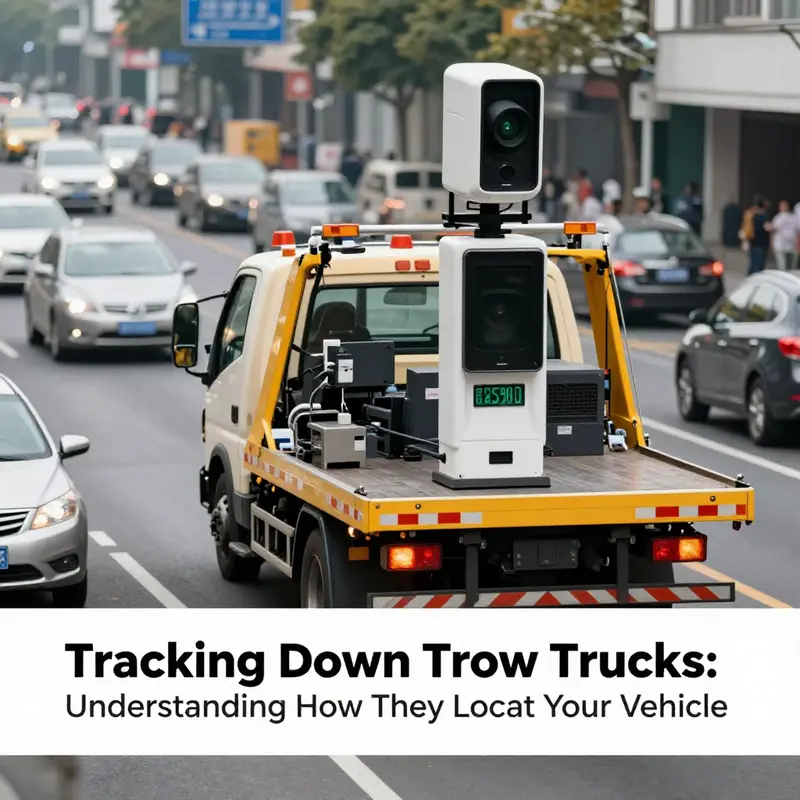
When a vehicle needs to be moved, the moment of truth for the towing operation is not the moment the driver spots the car from across a street. It is the moment the dispatch system confirms which plate is being moved, and the moment the tow truck’s sensors and databases verify everything about that vehicle before the tow begins. In this chapter, we explore how modern tow trucks locate your car less by wandering random streets and more by a tightly coordinated dance of official orders, automated plate checks, and real-time data exchange. The result is a process that looks almost seamless to the observer but rests on a network of technology, policy, and human judgment that keeps operations accurate, lawful, and efficient. At the core is License Plate Recognition (LPR) technology, a system that has evolved from a simple camera snapshot into a sophisticated, live information tool that informs every step of a tow—from confirmation of the exact vehicle to the moment of release and billing. Yet LPR does not operate in a vacuum. It is part of a broader ecosystem that includes formal towing directives issued by enforcement or property managers, the constant echoes of regulatory compliance, and the growing stream of crowd-sourced intelligence that helps fleets predict and respond to demand in near real time. Understanding how these elements work together helps explain why tow trucks can locate your car quickly and with a level of accuracy that would have astonished operators a few decades ago. It also sheds light on why privacy, safety, and fairness matter as much as speed and efficiency when a vehicle is tethered to a tow in the first place.
To begin with, the most reliable path to a tow is an official directive. When a car is illegally parked in a no-parking zone, blocked a driveway, abandoned, or involved in a parking violation that warrants removal, authorities issue a tow order. The order contains precise locational details—address, street corner, or even an identifying marker—and a towing company, once alerted, dispatches a unit to the exact spot. This is a formal, auditable workflow that ensures the right vehicle is targeted and the operation is traceable back through the issuing agency to the tow operator. The value of such orders is not merely in direction but in accountability. If the wrong car ever gets towed, the chain of responsibility runs back through the issuing authority to the operator, and ultimately to the jurisdiction that governs the area. While technology now accelerates the process, the backbone remains a documented directive that aligns with the law and with local parking policies.
Yet official orders do not operate in isolation. As fleets expand their digital capacity, automated plate recognition becomes a central tool for confirming the vehicle at the curb. LPR is deployed in tow trucks in several ways. Some systems are mounted cameras on the vehicle itself, designed to scan plates as the truck approaches a target zone. Others integrate into handheld devices or the operator’s mobile data terminal, allowing a plate to be scanned on arrival or even before arrival thanks to pre-scan workflows tied to the dispatch. The foresight here—scanning ahead of direct contact—enables the operator to verify the plate before touching the vehicle, reducing the chance of a mis-tow or a mix-up with a visually similar plate. The scan produces a digital record: the license plate number, the make and model if available, and a timestamp. This data is then compared against a live or near-real-time database that contains a wealth of checks.
The power of LPR lies in its ability to connect to broader datasets. In the simplest terms, a plate match confirms the vehicle identification that appears on the tow order. More sophisticated implementations query databases for flags that could complicate the move: outstanding fines or warrants tied to the plate, a suspended or revoked registration, a vehicle reported as stolen, or an ownership record that cannot be verified without further steps. The operator does not rely on guesswork. The system flags potential issues, and the driver uses those alerts to proceed with caution or to pause the tow for additional verification. This is not only a matter of efficiency. It is a crucial safeguard against fraud and misappropriation and a protective measure for the operator against liability should there be a dispute over ownership or authorization to tow.
The integration of LPR with law enforcement and government databases is perhaps the most consequential development in recent years. In many regions, automated plate recognition devices connect to interfaces maintained by police departments or transportation agencies. When a plate is read, the system can perform real-time checks against lists of stolen vehicles, wanted persons, or vehicles that appear on watch lists for other regulatory reasons. The result is a capability that expands the tow operator’s situational awareness beyond the street address and into the preventive space of public safety. A vehicle flagged in a live query does not automatically cancel a tow, but it can trigger a confirmation step: the operator may be required to contact the agency, verify ownership, or obtain additional authorization before proceeding. This symbiosis between field operations and public databases strengthens safety, reduces errors, and supports transparent record-keeping that can be audited if questions arise later.
After the immediate checks, the workflow becomes a blend of speed and method. The tow company’s dispatcher uses the LPR data, the official order, and the on-site verification to compile a precise action plan. The plan includes the exact pick-up point, the space required to access the vehicle, any on-site hazards, and the contingencies if the plate information does not align with the vehicle or if the vehicle is not accessible for some reason. If a mismatch occurs at any stage, the system’s governance features come into play. The dispatcher can halt the process, re-check the plate across multiple sources, or escalate to a supervisor or the issuing agency. The aim is accuracy, safety, and compliance, so every step proceeds with an auditable trail that can be reviewed if a car owner challenges the tow or if there is a dispute about the location or the basis for movement.
Crowd-sourced alerts represent a different dimension of data that modern tow operations increasingly consider. As cities evolve into smarter, more connected ecosystems, people on the street, drivers moving around the city, and communities near active enforcement zones contribute information about where to expect heightened tow activity. These crowdsourced reports are not used to replace official orders or regulated checks; instead, they function as a real-time feed that helps fleets anticipate zones of high demand. A crowd-sourced alert might indicate that a specific area has a surge in towing activity, or that a previous “hot zone” has cooled, or that a certain block is under enhanced enforcement for a temporary period. For the operator, this information helps in planning fleet deployment, reducing response times, and preventing backlogs that slow critical operations during emergencies or special events. For vehicle owners, crowd-sourced data can offer a heads-up about where to avoid parking or to be mindful of signage and curb rules in a given area.
But with crowdsourced information comes a responsibility to protect privacy and to avoid misinterpretation. The crowd-generated signals should be corroborated with formal data and on-site verification. Operators must balance speed with due diligence, using crowdsourced cues to enhance awareness while not letting them substitute for the authoritative orders and verified plate checks that anchor the process. When used responsibly, crowd-sourced information improves the efficiency of fleet management, helps establish more predictable service levels in congested environments, and provides a feedback loop that informs planning and analytics across the organization.
From a safety and fraud-prevention perspective, the coupling of LPR with regulatory databases creates a robust barrier against abuse. A vehicle with a suspended registration, a reported stolen plate, or a lien that flags the vehicle in the system will prompt the operator to pause and re-verify all details before any immobilization occurs. This is critical, not only for protecting vehicle owners but also for the towing company’s legal standing. The moment the tow begins without a proper verification path, the risk of liability, misidentification, or even civil unrest increases. The technology does not eliminate human judgment; rather, it augments it. The operator remains the essential human in the loop, interpreting the data, asking questions when a flag appears, and selecting the appropriate course of action in partnership with the issuing authority and the vehicle owner when possible.
The evolution toward smarter transportation frameworks is another thread running through this narrative. Towing is increasingly framed as a service within a broader network of connected infrastructure. LPR data can be aggregated and analyzed to identify patterns—where enforcement is most active, how long special zones remain in effect, and how demand shifts with the time of day or with special events. This capacity to collect and analyze data supports not just individual tow operations but fleet optimization at scale. For fleet managers, the insights can inform where to locate response units, how to schedule maintenance windows to maximize availability, and how to calibrate safety training based on the real-world experiences captured in the field. The broader trend toward digital asset management also means that the data from LPR scans can be retained in secure systems for reporting, compliance audits, and performance benchmarking.
The regulatory framework surrounding LPR and towing practice provides the guardrails that make all these capabilities meaningful and lawful. Operators work within licensing regimes and enforcement rules that specify how data can be collected, stored, and shared. They also define the conditions under which a tow may proceed, the steps required to verify ownership, and the circumstances that warrant additional oversight. Jurisdictions may require that certain data be kept for a defined period, that consent be sought in specific contexts, or that privacy-impact assessments be conducted for new technologies. It is a landscape that evolves as new capabilities emerge, and responsible operators stay abreast of the latest guidelines from state or national regulators. One such resource is a regulatory framework that outlines licensing requirements for tow trucks, providing the foundational rules that ensure operators can leverage technology while maintaining accountability and public trust.
In practice, this means a tow operator’s day-to-day is a careful balance of speed, accuracy, and compliance. The plate is scanned, the data are cross-checked against the right database, and the team confirms eligibility to tow using the official directive and the owner’s verification steps when available. If everything aligns, the tow proceeds with a clear chain of custody for the vehicle. If something is out of alignment, the operator follows a defined escalation path, which may involve contacting the issuing agency, notifying the owner, or pausing the tow to pursue alternative arrangements. The result is a system that can deliver a quick response in busy urban landscapes while remaining faithful to legal and ethical boundaries.
For vehicle owners, understanding this chain of processes offers a practical advantage. If your car is in a scenario where a tow might be authorized, knowing that an official order exists and that a license plate will be checked can reduce confusion and reduce the chance of a dispute. If you see a tow in progress and worry about whether it is legitimate, you can request the operator to show the tow authorization; you can provide proof of ownership or registration information if needed; and you can contact the issuing authority to confirm the directive. In many cases, the operator can share non-sensitive details about the flag that prompted the tow and the steps being taken to verify ownership. Importantly, the information will be handled in a way that respects privacy and protects all parties involved.
The integration of LPR into tow truck operations is not an inert technological fix; it is a living practice that relies on continuous collaboration among fleets, law enforcement, policymakers, and the public. Companies that adopt and refine these technologies tend to improve not only their speed of response but also their accuracy and accountability. They create a system where the right car is moved for legitimate reasons, the owner’s rights are protected, and the process is auditable at every turn. In this sense, the modern tow truck is less a solitary vehicle moving into a parking space and more a node in a network that merges real-world cues with digital verification. The operator’s role is to navigate that network with care, using technology to illuminate the path without compromising fairness or safety.
For readers curious about broader fleet operations—how teams plan for emergencies, coordinate response across multiple units, and train to handle evolving technologies—the related article on essential fleet emergency response strategies offers deeper context on how organizations translate these capabilities into resilient, humane service. essential fleet emergency response strategies.
As the field advances, the future of tow services seems inseparable from the continuous improvement of data quality, privacy protections, and regulatory clarity. The plate on a car becomes not just a number but a key that unlocks a chain of verifications, checks, and safeguards designed to ensure that every tow is justified, traceable, and fair. The live data streams feeding into LPR systems will grow more robust, and the connections to law enforcement and government databases will likely become more standardized across jurisdictions. Operators will, in turn, rely increasingly on analytics to forecast demand, optimize routes, and balance safety with speed. In a world where a curbside decision can ripple through a city’s traffic, the careful, documented use of plate recognition and related technologies offers a model for conducting essential work with accountability, precision, and respect for the communities served.
External reference for regulatory context and licensing frameworks that accompany these capabilities can be found at Transport WA’s licensing resources, which outline the practical requirements for tow-truck operations in their jurisdiction. Transport WA tow-truck licensing guidelines.
Tow Location in the Age of Crowd-Sourced Alerts
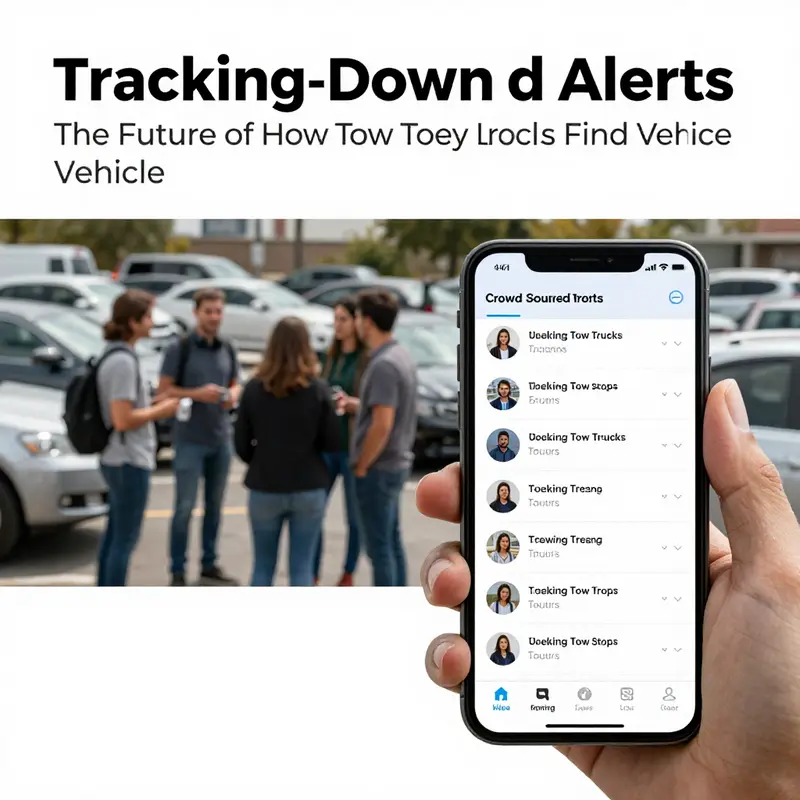
Tow-location today is not a mystery solved by chance. It rests on a layered workflow that blends formal orders, automated checks, and crowd-driven signals. This chapter looks at how tow trucks find a car by weaving together three pillars: official directives, license plate recognition, and crowd-sourced alerts. When these modalities align, a vehicle can be located and removed with precision and transparency.
Official orders remain the backbone. In campuses, business districts, and city streets, a clerk issues a tow order with specific cues: a location, a plate number, or a registration status. Dispatchers translate that cue into route plans and timelines for the tow crew, aiming to minimize disruption and comply with notice rules and fees. The chain from order to execution is designed to be auditable and accountable, so everyone understands who authorized the tow and why.
License plate recognition adds a scalable layer. Cameras on tow fleets read plates as they traverse areas with known violations or enforcement patterns. Matches trigger a verification flow: confirm status in official records, assess owner contact requirements, and assign a tow if warranted. LPR is not a substitute for human judgment; it accelerates a search for legitimacy and reduces misreads in busy environments.
Crowd-sourced alerts bring a fourth dimension: real-time human observations. Apps collect reports, geotagged notes, and short videos from residents and drivers. This data feeds a dynamic map of enforcement activity, hot zones, and recent tow events. Operators can adjust routes, owners can check for notices, and authorities can correlate crowd signals with official records for faster resolution.
In practice, the three streams reinforce one another. A tow order gives formal authority; LPR provides rapid verification; crowd data offers context and timeliness. When used together, they reduce miscommunication, speed up recovery, and promote fair handling of legitimate enforcement. The result is a more transparent curb economy where gear and people operate with shared situational awareness.
For readers wanting to explore more, examples and perspectives can be found in industry blogs and platform case studies, including practical guides on crowd-informed curb management at https://example.org/crowd-tow.html.
Final thoughts
Understanding how tow trucks find your vehicle equips local businesses with knowledge that can enhance their operational strategies and customer service. From official orders that guide towing operations to innovative technology like license plate recognition and crowd-sourced alerts, each method presents unique insights into how the towing industry functions. By being informed and prepared, auto repair shops, dealerships, and property managers can better respond to towing situations, maintain positive relationships with their clients, and navigate the complexities of vehicle management effectively.