In the bustling world of island life, knowing the ins and outs of towing can lead to peace of mind for local auto repair shops, car dealerships, and property managers alike. A common question often arises: do tow trucks really need your keys? Understanding this dynamic is essential for everyone involved in vehicle management—from dealing with non-operable vehicles to the complexities of unique legal situations. Over the next chapters, we’ll dive into the nuances of this topic, clarifying when keys are necessary and why they might be requested, empowering readers with the knowledge to navigate these common scenarios effectively.
Unveiling the Mechanics: How Tow Trucks Secure Non-Operable Vehicles Without Your Keys
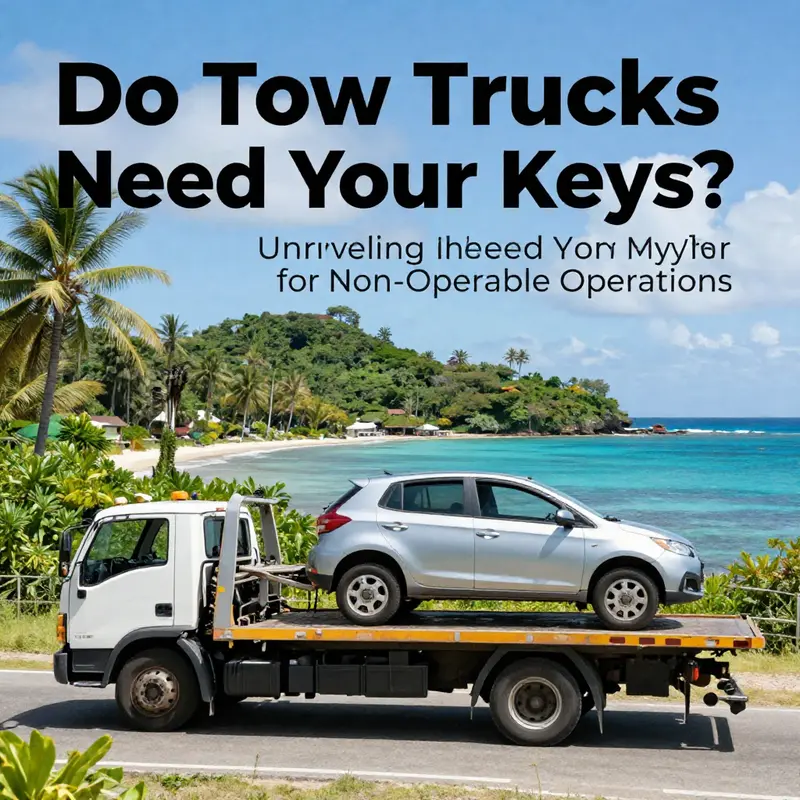
When you find yourself stranded on the roadside with a non-operable vehicle, one of the most common concerns you might have is whether the tow truck operator will require your keys. The answer, in most cases, is a reassuring no. Tow trucks are designed, engineered, and operated to move vehicles that cannot be driven on their own; they rely on specialized equipment to safely secure and transport your automobile without the need to start the engine or even access the ignition.
The fundamental principle behind modern towing techniques is rooted in the idea of mechanical intervention rather than vehicular operation. When a vehicle becomes incapacitated due to a mechanical breakdown, an accident, or other unforeseen failures, the most efficient and safest way to remove it from harm’s way is to employ equipment that bypasses the need for engine power. This is where technology, engineering, and precise towing practices come seamlessly into play. The two most common types of tow trucks used for non-operable vehicles are the flatbed tow truck and the wheel-lift tow truck.
Flatbed tow trucks are among the most widely recognized and trusted methods for moving vehicles that cannot be driven. In this system, the entire vehicle is loaded onto a large, hydraulically operated platform. The process is meticulously designed to keep every part of your vehicle in a secured and stable position throughout the journey. The operator carefully uses a series of ramps and automated lifts, and in doing so, ensures that there is no necessity to engage the vehicle’s own mechanical systems. In effect, the keys remain unused while the vehicle is carefully transported from its original location to the repair shop or another destination. This technique not only preserves the integrity of the car’s drivetrain but also minimizes the risk of further damage that might occur if the vehicle were to be driven improperly.
Wheel-lift tow trucks, on the other hand, adopt a slightly different approach, yet share the same underlying principle: the vehicle is to be moved without relying on its own power. In the wheel-lift system, specialized equipment is employed to hook underneath the vehicle’s wheels, lifting it clear of the ground. The method is highly effective, as it allows for precise control of the vehicle while it is being towed. Much like the flatbed method, the wheel-lift system makes it unnecessary to start any part of the vehicle’s internal workings, including the ignition. The focus here is entirely on the physical act of lifting and securing the vehicle with chains, straps, or hydraulic arms designed specifically for non-operable vehicles.
While the overwhelming majority of non-operable vehicles are moved without ever needing to unlock the ignition, there are some unique scenarios that merit explanation. For example, if a vehicle is still in a drivable state and the owner opts for a private move (say, moving the vehicle over a short distance to facilitate repair or avoid immediate risk), the tow truck operator might request the keys. This additional request is primarily for convenience; having the keys allows the operator to drive the vehicle onto the tow truck or reposition it if necessary. In these special circumstances, the intervention is less about the mechanical limitations of the towed vehicle and more about ensuring that the process is executed with precision and minimal risk of incidental damage. It’s a controlled exception where the keys are used not for starting the engine for propulsion, but to provide the operator with improved maneuverability.
Another less frequent instance involves towing operations that require the use of a winch. Normally, winching is reserved for circumstances where a car is stuck in a tricky position—perhaps wedged in a ditch or obstructed by debris. In these challenging scenarios, the tow truck operator might suggest having the ignition keys available. The reasoning, while still centered on safety, is based on controlling aspects like braking systems and ensuring that the engine does not inadvertently stall. Although these scenarios are uncommon and generally come with clear explanations and often require the explicit permission of the vehicle owner, they underline a broader principle: the keys are only ever asked for under conditions where their utility extends beyond the basic need to start the engine for mobilization.
Behind these procedures is a network of industry standards, best practices, and a deep understanding of both vehicle dynamics and towing technology. Professionals in the towing industry are thoroughly trained in the safe handling of a wide range of vehicles, including those suffering from severe mechanical issues. This training ensures that every lift, every securement, and every maneuver is executed with maximum efficiency and safety. In many cases, the process has been refined over decades, with modern tow trucks boasting advanced hydraulic systems, precision-engineered winches, and robust communication channels that allow operators to remain in constant contact with dispatchers and vehicle owners alike.
One of the most important aspects of this methodical approach is the emphasis on security and reducing liability. Several tow companies incorporate standard procedures that, while occasionally requesting the keys for additional control or safety measures, do not make the possession of the keys a prerequisite for the actual towing process. This measured approach helps in minimizing misunderstandings and, more importantly, helps in alleviating the concerns of vehicle owners who are already dealing with the stress of an unexpected breakdown. With clearly communicated guidelines, you can trust that your vehicle will be managed with the utmost professionalism and that the keys will remain untouched unless an extraordinary circumstance presents itself.
Consider the extensive array of mechanical interventions that underscore the towing process. The design of tow trucks has evolved significantly over the years, with flatbeds, wheel-lifts, and underlift systems reflecting a commitment to preserving vehicular structure and preventing further damage. This evolution in technology represents a shift in the paradigm of how we view vehicle rescue—the focus is now on maintaining the entirety of the vehicle’s integrity while providing immediate, efficient assistance. The method of carrying a vehicle on a flatbed, for instance, has been celebrated for its minimal impact on the car’s internal mechanics, ensuring that the vehicle nearly returns in its original condition. The wheel-lift method, while slightly more aggressive in its approach, maintains careful handling to avoid stressing any part of the vehicle’s suspension or drivetrain.
A further exploration into the operational procedures reveals that the absence of key usage in non-operable vehicle towing is not a recent innovation. Historically, the operational design of towing equipment was always meant to cater to situations where vehicles could not be reliably started due to mechanical failures. Over time, with improvements in both tow truck machinery and operator training, the industry has firmly moved away from any dependency on vehicle mobility. This progression has been well documented within industry safety guidelines and towing best practices. For those interested in a deeper dive into these practices, a detailed discussion on updated towing techniques is available on a comprehensive guide available on the industry’s official tow truck blog.
It is worth noting that outside of these exceptional circumstances, the standard towing process is typically unfettered by the complications associated with vehicle keys. The careful engineering behind tow truck systems means that keys are essentially redundant for the physical operation of moving non-operable vehicles. Standards across the board—from emergency response for island fleets to urban towing services—stress that the key is more an access tool for vehicle control when needed, rather than an integral part of the towing process itself. Traffic controllers, roadside assistance services, and tow operators maintain rigorous protocols to ensure that every step of the procedure is carried out without the need to compromise the vehicle’s security through unnecessary key handling.
Moreover, the focus remains unwavering on ensuring that the towing process does not exacerbate any underlying problem that rendered the vehicle non-operable. When a car is immobilized, the primary objective is to move it swiftly and safely to a location where proper repair or evaluation can be conducted. This objective is efficiently accomplished with the equipment designed for this exact purpose. Mechanically speaking, the process of lifting or rolling the vehicle does not require activation of the vehicle’s own mechanical systems. Instead, external devices such as hydraulic lifts and winches take over, ensuring a controlled extraction of the vehicle while keeping the vehicle exactly as it was at the moment of breakdown. As such, there is little incentive, operational or otherwise, to involve the ignition key in this process.
This focus on mechanical methods also dovetails with a broader dedication to minimizing liability. Tow companies are acutely aware of the potential risks associated with handling vehicles—risks that are compounded by an involuntary relaxation of control over the vehicle. By eliminating the need to use the key, a clear line is drawn between the state of the immobilized vehicle and the dynamic operations of its towing. This deliberate separation is a core component of both operational efficiency and risk management. Owners can therefore rest assured that their vehicle is being moved with maximum respect to its current condition, as the towing system is optimized to function entirely independently of the vehicle’s power system.
The interplay between operator training and technological adoption ensures that each towing session is handled with a high degree of professionalism. Modern tow truck operators are adept at assessing the conditions of the vehicle, pinpointing potential hazards, and deploying the correct equipment—be it a flatbed or a wheel-lift—to extract the vehicle without inflicting unnecessary harm. Their training includes not only the operation of sophisticated machinery but also comprehensive risk assessment techniques, which play a significant role in deciding whether the keys might ever be needed. In most scenarios involving non-operable vehicles, the answer is clear: preservation of the vehicle’s mechanical state is paramount, and any actions that might require ignition key manipulation are consciously avoided.
In practical terms, consider a situation where a vehicle has suffered a total engine failure. Without the ability to start the engine, an owner might assume that the keys are as good as lost for any needed operational input. However, the world of towing has long since anticipated this challenge. The engineering behind both the flatbed and wheel-lift systems is such that the entire process hinges on external manipulation of the vehicle, meaning that no internal mechanism needs to be engaged. This design means that, regardless of what might initially seem like a complex predicament, the solution is predefined. The vehicle is lifted, secured, and transported without ever interfacing with its internal ignition systems. In this light, the keys are simply not part of the operational equation for non-operable vehicles.
Furthermore, modern towing practices are continually evolving to reflect the needs of vehicle owners and advancements in automotive technology. Manufacturers of towing equipment work side by side with industry professionals to ensure that their innovations never compromise the integrity of the vehicles being towed. The focus remains on reliability, safety, and a thorough understanding of mechanical principles. For instance, developments in hydraulic technology have made flatbed lifts more efficient and precise than ever before, reducing the physical strain on both the vehicle and the tow operator. The key takeaway is that even as technology evolves, the fundamental understanding that keys are unnecessary for towing non-operable vehicles remains unchanged.
The broader implications of this efficient, key-independent towing process also extend into areas such as repossession services. In scenarios where vehicles are recovered due to issues like loan defaults or lease violations, tow operators routinely handle vehicles in states where they are not drivable. Even in these legally sensitive situations, keys are rarely needed. The procedures are standardized to ensure that the vehicles can be safely removed from their locations without invoking the vehicle’s own systems. This practice minimizes the risks of further complications and legal disputes. By maintaining clear boundaries between the mechanical process of towing and the operational dynamics of the vehicle, the industry has built a robust framework that minimizes both damage and liability.
An additional point of interest is the psychological comfort provided to vehicle owners when they understand that their keys are not central to the towing operation. The stress and anxiety associated with roadside breakdowns can be significantly alleviated when one is assured that no further procedures requiring complicated key manipulations are necessary. Knowing that your vehicle will be handled with equipment specifically designed for its non-operable state, and that the keys will remain untouched unless an unusual circumstance arises, offers a measure of reassurance that is invaluable during such crises.
It is also important to underline that while the keys are not needed for the towing process, communication between the vehicle owner and the tow operator remains crucial. Clear instructions and the confirmation of procedures, whether the keys are to be kept aside or handed over for special cases, form part of the standard safety protocol. This dialogue not only reinforces mutual trust but also ensures that the towing process is executed with absolute clarity, minimizing any chance of misunderstanding. Every operator is trained to articulate the reasons behind any request, ensuring that owners are well-informed about the steps being taken to secure their vehicle.
Moreover, the seamless integration of advanced towing technology with the practical experiences of seasoned professionals underscores a commitment to continuous improvement within the industry. Regular training sessions, updates to operational protocols, and the adoption of new technology all contribute to an environment where the reliance on keys is minimized. In emergency situations, where there is little time to deliberate, the simplicity and efficacy of a keyless towing process reflect the maturity and adaptability of modern towing systems.
While the nuances of each towing scenario may vary slightly based on the type of incident and the condition of the vehicle, the overarching principle remains unchanged: for non-operable vehicles, the keys are not a necessary component in the towing equation. Instead, every tool in the tow truck operator’s arsenal—the flatbed, the wheel-lift, the underlift system—is fully capable of transporting the vehicle safely. This reality is a testament to a carefully honed blend of engineering ingenuity and practical field experience.
In summary, the mechanics behind towing non-operable vehicles are elegantly designed to function independently of the vehicle’s ignition system. Whether through the use of a flatbed that completely lifts the vehicle onto a platform or a wheel-lift system that securely raises the vehicle by its tires, the process is singularly focused on preserving the integrity of the vehicle. It is a process that has been refined over decades of professional experience and technological advancement. Even when exceptions arise—such as when a vehicle is still somewhat operable or in special cases that call for winching—the request for keys is a measured and deliberate one, intended solely to enhance the safety and precision of the maneuver rather than as a necessity for the towing itself.
For those who want to explore the evolution and detailed workings of modern towing techniques further, a comprehensive exploration is available in industry resources, such as the guidelines provided by the National Association of Automobile Dealers. More detailed insights can be accessed via the National Association of Automobile Dealers (NAAD) – Towing Best Practices Guide for a deeper dive into the standards that govern safe and efficient towing practices worldwide.
In this integrated approach to towing non-operable vehicles, the entire system is built on the premise that your keys remain securely by your side, irrelevant to the mechanical process that brings your vehicle to safety. As a vehicle owner, understanding this process can ease your mind significantly during times of distress, ensuring that you trust the expertise and technology behind the service. Far from being an afterthought, the design of these towing procedures reflects an underlying philosophy centered on safety, efficiency, and the preservation of your vehicle’s integrity. Even when roadside emergencies strike, you can rest assured that expert tow truck operators have a robust, mechanical system in place that eliminates the need for your keys. It is a system that respects both the physical condition of your vehicle and the quiet confidence provided by decades of honing a dedicated service.
Through the evolution of equipment and procedures, the modern towing industry has reaffirmed that the operative requirements of non-operable vehicle recovery are distinct from those of a vehicle in full working order. When your keys are not needed for the physical act of towing, you are witnessing the results of thoughtful innovation—one that prioritizes the safe, practical, and reliable management of your automotive challenges. This thoughtful innovation continues to be at the heart of every towing service call, inspiring trust and reinforcing the notion that, in many of life’s most unpredictable moments, expertise and technology can combine to resolve even the most daunting roadside emergencies.
When Keys Take a Back Seat: Understanding How Tow Trucks Secure Operable Vehicles Without Your Ignition
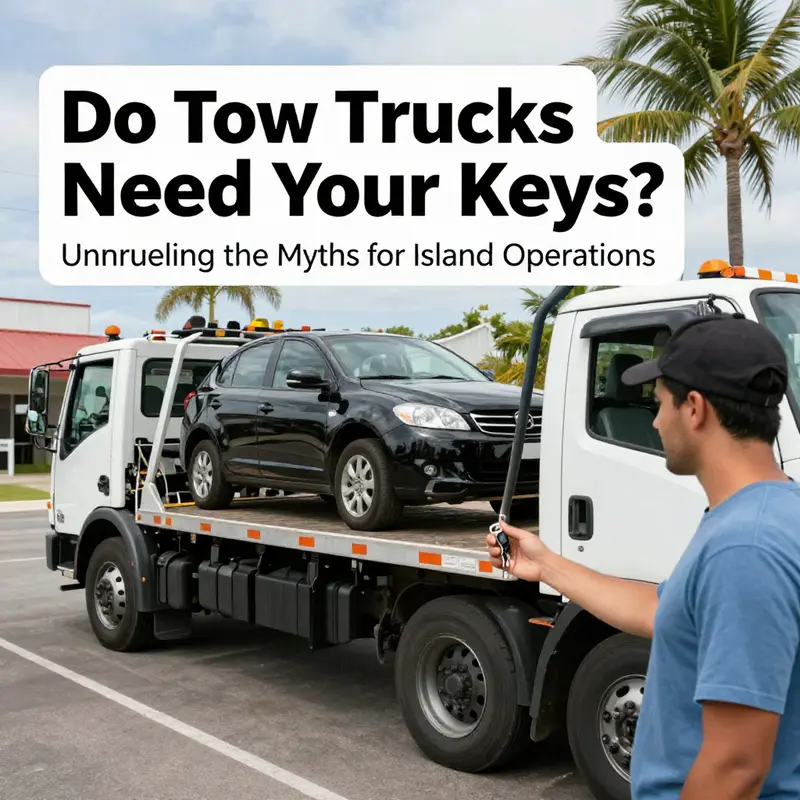
Many vehicle owners worry about who holds the keys during a tow truck operation. In reality, when it comes to operable vehicles, the keys are rarely needed. Tow truck operators rely on robust mechanical systems and specialized equipment to secure and move vehicles safely. Equipment such as flatbed and rollback tow trucks are designed so that the vehicle is driven or winched onto the platform without ever needing key activation. This process is engineered for both safety and efficiency. The mechanisms work by lifting or sliding the vehicle onto a secure bed or platform. Instead of using the car’s ignition, operators lock the vehicle in place with precision clamps and winches. The emphasis is on mechanical control rather than engine power. In this way, the integrity of the vehicle is preserved, and the risk of damage is minimized. Skilled professionals use these proven methods daily, ensuring that every move is safe and deliberate. The entire process, refined over many years, leaves little room for error and offers great reassurance to vehicle owners.
Tow trucks come in an array of designs tailored to different scenarios. Flatbed trucks are often the workhorse for operable vehicles because they provide a level platform for the car to be driven onto. Rollback tow trucks operate in a very similar manner, lifting and securing the vehicle during the tow. While most towing methods do not require the ignition key, there are rare exceptions. For instance, if a vehicle is still running and a repositioning maneuver is necessary, an operator may ask for the key to control the car and avoid any abrupt movements. Picker tow trucks, which employ telescopic booms to extract a vehicle from confined spaces, sometimes prompt the operator to request the key so that anti-theft or alarm systems can be temporarily deactivated. Even in these cases, the key is not used to start the engine, but rather to ensure that all security systems are managed appropriately. Thus, while there might be isolated scenarios where the key is consulted, the towing process for operable vehicles is fundamentally mechanical and independent of the ignition system.
Tow truck operators adhere to strict protocols that cover vehicle inspection and owner verification. Before any tow is performed, the operator confirms proof of ownership and ensures that all paperwork is in order. This step is crucial, particularly when handling vehicles that are still operable. In many instances, the request for documentation may be accompanied by a question about the key, not because the key is needed to power the engine, but because it can unlock compartments or disable built-in alarms. Operators are trained to follow a detailed checklist that focuses on safety and security. Every step—from the initial inspection to the loading of the vehicle—is performed with meticulous care. The operators are well aware that the integrity of the tow not only depends on the equipment but also on the procedures that keep both the vehicle and its owner protected. As a result, the keys themselves are usually retained by the owner, while the tow operators focus on ensuring that the vehicle is secured safely for transport.
Modern tow trucks boast advanced technology designed to eliminate the need for the ignition key during most operations. Flatbed trucks, for example, allow a vehicle to be rolled onto the platform in an almost seamless manner. Rollback trucks, which use a combination of drive and winch systems, also avoid any reliance on the key for mechanical actions. Picker trucks, though utilized less frequently, are designed to extract a vehicle using a telescoping mechanism that sometimes might encourage a request for the key—but only to help manage sensitive anti-theft systems. Most vehicles today are equipped with sophisticated electronic systems that prevent inadvertent operation without the proper authorization. These systems underscore how the vehicle’s internal features are designed to operate independently of the towing process. As technology advances, the reliance on the ignition key during towing continues to diminish, reinforcing the idea that the towing process is based on specialized mechanical interventions rather than on starting the vehicle.
In practical terms, every detail matters when a tow truck is called to move an operable vehicle. Operators begin by thoroughly inspecting the car to determine the ideal method for loading it onto the tow truck. They check the condition of the tires, the alignment of the chassis, and whether any parts are at risk of damage during transit. In cases where the vehicle is fully functional, the process remains straightforward. If the car is moving under its own power, the tow operator simply maneuvers it onto the platform using controlled driving techniques. However, when space is tight or in situations that require a special approach, the operator might consider using the key to accommodate nuanced control. Even then, the key is seen as an accessory for safety rather than a necessity for the act of towing itself. The procedures are well-practiced and depend on the operator’s experience to avoid any unnecessary complications. This clear, deliberate process reassures vehicle owners that their property is handled with the utmost care and expertise.
Preparation forms the backbone of a safe towing operation. Before a tow truck arrives, operators assess all relevant factors—including the vehicle’s condition, the weather, and the road environment—to determine the best approach. Part of this preparation includes a careful review of the vehicle’s mechanical status. Even if the car is operable, a detailed check helps identify any potential risks. Often, the tow operator may ask clarifying questions which might include details about the key; however, the inquiry is simply a precautionary measure. In most cases, the operator does not require the key to secure or transport the vehicle. Instead, modern tow trucks incorporate remote technologies and automated systems that enable safe loading. The focus is consistently on minimizing the likelihood of damage while maximizing operational speed and security. Transparent communication during this stage ensures that vehicle owners understand exactly what to expect, thus reducing any anxiety related to the process. The extensive training given to tow truck operators drives home this point: professional towing prioritizes safety, efficiency, and the protection of customer property above all else.
Legal considerations and liability concerns are integral parts of every towing operation. Tow truck companies operate under strict regulatory frameworks that dictate thorough documentation, driver verification, and adherence to safety guidelines. Keys may sometimes be mentioned during the legal verification process, but their role is primarily limited to unlocking or disabling security features, not for starting the engine. When a vehicle is being towed, maintaining an accurate record of the process—including the retention of the keys by the owner—helps prevent any future disputes over damage or mismanagement. The legal framework ensures that tow truck operators have a clear mandate, which reinforces trust between the service provider and the vehicle owner. Detailed procedures are established to ensure compliance with local and state regulations, and these procedures protect both the company and the customer. By adhering strictly to these rules, tow operators create an environment where safety is paramount and where the need for the key during the actual mechanical towing is all but eliminated.
Customer concerns often center on the fear of losing control or damaging the vehicle during the towing process. Many drivers worry that the tow truck might inadvertently start the vehicle or tamper with its internal systems. However, experienced tow truck operators are well versed in handling these fears by explaining that the towing mechanics are designed to work without activating the car’s engine. Retaining the owner’s key is a standard practice that helps maintain security. It also reassures the vehicle owner that the operational focus is on the safe and secure transport of their property. Empirical evidence and decades of industry experience have shown that the locking systems and winches used in modern towing are inherently designed to bypass the need for ignition. By preserving the owner’s control over the key, operators minimize potential risks related to unauthorized vehicle use. Transparency during the initial stages of the tow boosts confidence and builds a strong rapport between the customer and the service provider.
The integration of cutting-edge technology with established towing practices has steadily evolved over the years. Operators now leverage digital diagnostic tools and remote-controlled systems to manage the safe extraction and loading of vehicles. These modern systems have effectively reduced the odds that an operator will ever require the vehicle’s key for basic towing operations. In particular, advances in sensor technology, vehicle tracking, and automated clamping mechanisms have streamlined the towing process dramatically. Operators using these technologies can pinpoint the best method to secure a car without resorting to engine activation. Moreover, automated systems help in deactivating certain anti-theft systems with minimal human intervention. The result is a smooth, rapid process that relies on a blend of human expertise and technological precision. As the industry moves forward, it is expected that further innovations will continue to enhance the efficacy and safety of towing, leaving the use of ignition keys as a relic of past practices.
Vehicle owners can take several practical steps to prepare for a towing operation, especially when their car is operable. Before a tow truck arrives, it is advisable for owners to secure all personal items and check that the vehicle’s documentation is in order. Removing valuables from the car and ensuring that any loose accessories are stowed away minimizes the risk of damage during transport. When the tow operator arrives, it is helpful to discuss any concerns directly. Often, a clear conversation about the process can dispel myths regarding the need for a key. In most cases, the operator will confirm that the towing method relies on advanced mechanical systems rather than the vehicle’s ignition. For further guidance, one might review an article on essential fleet emergency response strategies to better understand the protocols followed in professional towing operations. Such resources are invaluable for anyone looking to gain insight into the safe handling of vehicles during emergencies. By being proactive and informed, vehicle owners can approach the towing process with confidence and peace of mind.
Towing operable vehicles without using the key offers several significant advantages. The simplification of the process leads to a reduction in the number of manual intervention points. With fewer steps involving the ignition, there are lower risks of accidental damage or inadvertent activation of a vehicle’s systems. Tow truck operators are able to work more efficiently because they rely on automated systems and mechanical clamps that have been refined over many years. This streamlined process also enhances the speed at which the tow is completed, thereby reducing overall downtime for the vehicle owner. With all moving parts operating in concert, the emphasis remains squarely on safety and precision. Regular training and the continual updating of procedures ensure that operators remain adept at managing modern vehicles. Overall, the practice of keeping the keys with the owner while using advanced mechanical methods not only safeguards the vehicle but also reinforces the trust placed in tow truck professionals.
In summary, the towing of operable vehicles is a complex process that has evolved far beyond the simple notion of needing a key to start a car. The modern techniques used by tow truck operators are based on mechanical precision, advanced automation, and strict adherence to safety and legal protocols. The key itself, while sometimes referenced to unlock compartments or disable alarms, is not central to the actual towing operation. Customers can therefore be assured that their vehicle is handled with a focus on preserving its integrity and avoiding unnecessary risks. With the industry advancing technologically and procedurally each year, the necessity for the ignition key during towing remains a rare exception rather than the rule. Moreover, the meticulous procedures in place help build customer confidence and deliver reliable, damage-free service.
Further information is available at National Highway Traffic Safety Administration.
Securing Your Ride: How Advanced Towing Techniques and Legal Safeguards Render Your Car Keys Unnecessary
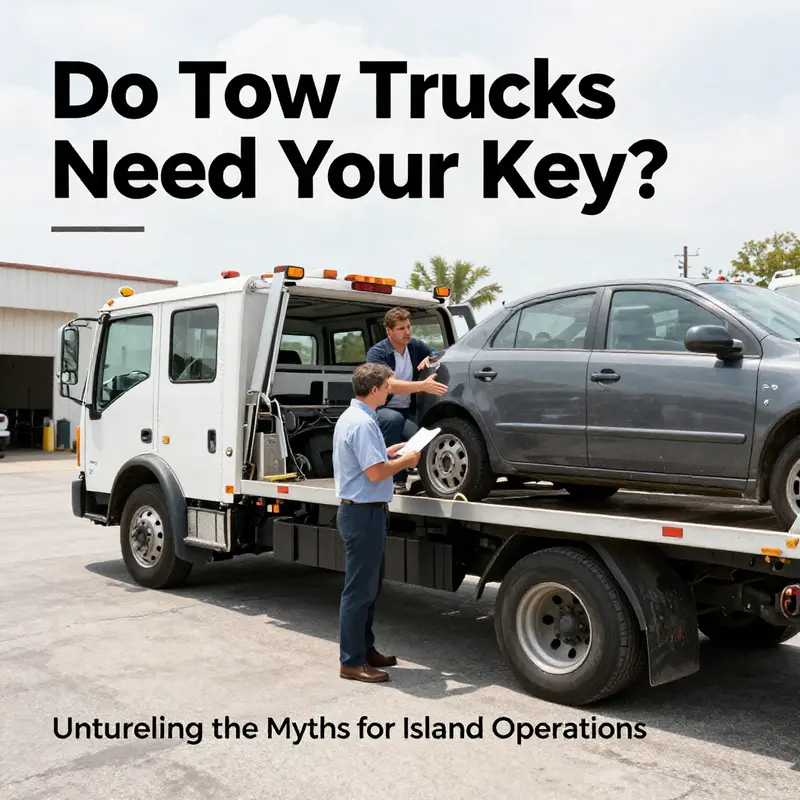
Throughout the years, many drivers have wondered whether their car keys play a pivotal role in the towing process. The reality is that most tow trucks operate independently of your ignition system, relying instead on specialized mechanical equipment to lift and secure your vehicle without ever needing your keys. This chapter delves into the intricacies of modern towing methods, discussing the role of technology, legal parameters, and security concerns that surround the process. It paints a comprehensive picture of how tow truck operations have evolved, ensuring that your vehicle is moved safely while protecting your personal security and rights.
At the heart of the discussion is the fact that most tow truck operators use equipment such as flatbeds, wheel-lift systems, and underlift platforms to transport vehicles. These devices are engineered to engage with the vehicle’s structure in a way that eliminates the need for any interaction with the engine or ignition. In essence, the towing process is a purely mechanical procedure, which does not require the activation of a car’s electrical system. This holds true for both vehicles rendered inoperable by accident or mechanical failure, as well as vehicles that are parked in difficult or restricted locations.
This approach has been adopted largely because it maximizes efficiency and safety. When a tow truck arrives on the scene, the operator is focused on securing the vehicle in a manner that avoids further damage. By relying on equipment designed specifically for mechanical lifting and transportation, the process circumvents the need to fiddle with keys, ignition, or any of the delicate electronic components found in modern vehicles. This not only protects your car from potential damage during a tow but also streamlines the procedures required to move your vehicle from one location to another. It is important to note that this method is widespread and favored because it supports quick response times in emergency situations.
Even so, there exist a number of exceptional circumstances where a tow truck driver may request your keys. For example, if your vehicle is still operable and needs to be repositioned to avoid obstruction or to ensure proper loading onto a flatbed, the tow operator might ask for your keys temporarily. In these cases, the key is used not to power up the car but to facilitate safe positioning or to secure the vehicle against potential hazards during transport. Although this occurrence is rare, it demonstrates the tow operator’s concern for safety and their ability to adapt to the circumstances of each unique situation.
Legal considerations further illustrate why tow truck operations standardly do not require access to your keys. Towing companies are often bound by strict protocols laid out by local and state authorities. These regulations ensure that vehicles are towed according to predetermined criteria: improper parking, abandonment, or obstructing traffic are just a few cases where a vehicle may be moved without the owner’s key intervention. Particularly in urban scenarios where law enforcement is involved, the towing process is executed under close supervision and adheres to comprehensive guidelines aimed at protecting the rights of vehicle owners while also maintaining public safety.
For instance, many states require that tow operators notify the vehicle owner and clearly document the tow with official signage and communication. This protocol serves both as a legal safeguard and as a method of ensuring that the tow is conducted in a transparent manner. In many instances, drivers are left with little doubt about the legitimacy of the tow because the procedures followed are consistent with state law. It is this adherence to established legal standards that has maintained the reputation and trustworthiness of many towing operations over time.
Another critical aspect lies in the realm of security. Modern vehicles are equipped with advanced anti-theft features. Transponders, key fobs with encrypted signals, and immobilizers are now standard elements of car security systems. These technologies are designed specifically to thwart unauthorized access and operation. Hence, even if someone were to obtain your keys, the likelihood of a thief being able to start your car or bypass the immobilizer is significantly reduced. This security infrastructure is another reason why tow truck operators generally see no need to handle your keys during the towing process. In fact, removing the keys from the vehicle well before parking—notably in high-risk areas—is recommended by security experts as a best practice to prevent theft or misuse.
The emphasis on security extends into the operational protocols of towing companies. Numerous reputable towing services have implemented additional checks in their procedures, combining both legal and security measures to safeguard your vehicle comprehensively. Operators may request keys only for very specific circumstances, such as when the vehicle needs to be repositioned, as previously mentioned. Even then, the owner’s consent is paramount, and no standard towing process will involve using your keys to drive the vehicle. The keys serve as an instrument for temporary operational convenience rather than as a tool required to complete the tow. This attention to detail is reflective of the broader transportation and towing industry’s commitment to transparency and reliability.
A closer analysis of the process reveals that the role of keys in towing is mainly symbolic of a driver’s residual control over their property. When a vehicle is towed under legal compulsion—often by municipal or law enforcement agencies—the process emphasizes the separation between the vehicle’s operational system and its physical movement. Mechanical methods take precedence in these cases because they offer a standardized mode of transport that minimizes liability. Regulations require that vehicles be secured using specially designed equipment to prevent additional damage and ensure that the car is transported safely. From this perspective, the key becomes unnecessary except as a precaution during more nuanced situations, such as dealing with operable vehicles during private moves.
Moreover, the conversations around towing have evolved in parallel with the technological advancements in the automotive landscape. In an era where many vehicles feature sophisticated engine management systems, the idea that the ignition key might somehow be integral to moving a vehicle is increasingly outdated. Tow truck operators are trained extensively to manage a wide variety of scenarios that do not rely on the car’s onboard systems. Instead, they maintain an arsenal of tools and techniques that have been refined over years of practical application. This training ensures that even in complex or unusual circumstances, the operator can rely on methods that are both safe for the vehicle and compliant with legal standards.
It is also relevant to consider the liability issues that arise in towing. When a tow truck operator is entrusted with moving a vehicle, the question of responsibility becomes paramount. By eliminating the need to use the vehicle’s keys during the towing process, companies can significantly reduce the risk of damage that might occur from improper handling of the vehicle’s ignition system. This approach minimizes the potential for engine damage or inadvertent changes to the car’s configuration. In such situations, both legal and insurance complications are kept to a minimum, as the procedure remains squarely within the established norms of mechanical towing.
Towing companies recognize the importance of adhering to licensing and insurance requirements. These regulations are in place to protect not just the vehicle owner but also the operator and the general public. The combination of proper licensing and comprehensive insurance ensures that any errors or accidents during the towing process can be appropriately addressed. This further reinforces the practice of using external mechanical processes that do not rely on the car’s internal systems, including the ignition. By not requiring your keys, the tow operators help circumvent numerous potential disputes about responsibility or liability following an incident.
In addition to legal and procedural best practices, there is a strong economic incentive for tow truck companies to maintain a straightforward, risk-averse process. The fewer moving parts in the action of towing a vehicle, the lower the chance of incurring cost-related complications due to accidental damage. Traditional mechanical procedures reduce the likelihood of conflict, as well as the probability of disputes that could lead to financial liability for both the towing company and the vehicle owner. The streamlined process of towing without the need for your keys is one that has been honed over time to reduce risk and promote safety. This practice benefits everyone involved—from the owner whose vehicle is transported to the operator who executes the tow under challenging conditions.
The evolution of towing protocols reflects broader trends in the automotive and transportation industries. As vehicles become increasingly integrated with digital systems, the juxtaposition between physical towing mechanisms and the software-controlled elements of a vehicle becomes more pronounced. Tow truck operators have had to adapt their strategies to ensure that they maintain control over the mechanical aspects of vehicle repositioning while acknowledging the sophisticated security systems built into modern cars. This convergence of older mechanical methods with newer technological safeguards exemplifies the balance that must be struck between convenience, security, and regulatory compliance. The separation of towing functions from the car’s built-in systems has emerged as a best practice that continues to evolve in response to new challenges and innovations.
From a consumer perspective, knowledge about towing procedures can provide added reassurance. When a driver understands that their keys are not a necessary component of the towing process, it alleviates concerns about potential misuse or the risk of theft. After all, leaving the keys in your vehicle, particularly in unfamiliar or public parking areas, can invite trouble. Industry experts routinely advise that drivers remove keys from the ignition when leaving their cars unattended. This recommendation is even more relevant given that modern vehicles are equipped with remote systems designed to disable engine start unless a verified key is present. Therefore, the best practice is not only a matter of towing procedure but also of personal security and proactive risk management. For further insights on emergency procedures and the importance of early planning, you might find detailed recommendations on successful fleet strategies available on blogs like the one found at The Island Tow Truck Blog.
Another dimension that underscores the independence of tow truck operations from the use of your keys is the context in which towing occurs. In scenarios of repossession or legal towing, the procedures are orchestrated under the watchful eye of regulatory bodies and law enforcement agencies. In these cases, the towing company follows protocols that ensure minimal interference with the vehicle’s internal systems, thereby avoiding the inadvertent activation of any features that could compromise the vehicle’s status or the integrity of the law. When a tow truck is dispatched, an official record is typically generated, detailing every aspect of the towing process, from the time of removal to the final delivery at a designated impound lot. This documentation process reinforces the idea that reliance on keys is unnecessary and, in some cases, potentially hazardous from a legal standpoint.
It is equally important to emphasize the security risks that have been dramatically reduced by the modern approach to towing. When keys are left inside the car, there is an inherent vulnerability. Though modern vehicles have enhanced security systems, the possibility of unauthorized use or tampering is never entirely eliminated. With tow truck operators trained to function without needing access to the ignition, the chance of personal or vehicular security being compromised is minimized. This reduction in risk is a significant benefit to consumers, as it translates into fewer opportunities for theft or other security breaches.
Even when keys are requested under particular circumstances—such as repositioning an operable vehicle during a private move—the process is strictly controlled. The owner’s consent is a necessary precursor, and the key is only used for the duration necessary to complete the specific maneuver. Once the maneuver is completed, the key is returned to the owner, and no further access is granted or required. This controlled use further underscores the principle that your keys themselves hold no inherent power in the towing process beyond facilitating very narrow functions. The standard operating procedure is clear: to tow a vehicle safely, efficiently, and legally, the mechanical systems engineered for that purpose are entirely sufficient.
Historically, the evolution of towing techniques has mirrored advancements in technology. In earlier times, the process of towing a vehicle was far more labor-intensive and prone to errors that could cause damage. As both the vehicles and the towing equipment have become more sophisticated, the reliance on techniques that involve active manipulation of the engine or reliance on the key has dwindled. Modern towing equipment is designed to interface with a vehicle’s frame and suspension directly, bypassing the need for ignition. This evolution has not only enhanced the efficiency of towing operations but has also provided a layer of protection for both the vehicle and its owner. By adhering to mechanical procedures that exclude the use of car keys, tow truck operators have instituted a practice that protects against unintended operational risks and avoids legal complications.
Legal frameworks surrounding the towing process are robust and rigorously enforced. Regulations typically mandate that tow truck operators must verify their authorization through proper licensing and identification. This requirement ensures that only professionals who have met stringent criteria are entrusted with vehicles, thereby instilling a measure of confidence in the public. For instance, many states have clear definitions regarding what constitutes a legally towed vehicle and the rights of the vehicle owner. Tow operators are compelled to submit detailed records should any disputes arise later, ensuring that their methods are always in full compliance with the law. The adherence to these legal parameters is yet another successful aspect of modern towing practices that diminish the relevance of the vehicle’s keys in the process.
The conversation surrounding tow truck operations extends well beyond the mechanics and legalities of the process; it taps into broader themes of trust and transparency between service providers and their clients. When you call for a tow, you place considerable trust in the operator. Knowing that the procedure does not involve your keys—and, by extension, your personal security measures—can ease anxieties and build confidence in the service provided. Most reputable towing services are eager to emphasize that their operations are designed with the customer’s best interest at heart. They understand that any association of the towing process with the need to handle keys can worsen an already stressful situation by introducing unnecessary security concerns.
In summation, the landscape of towing has fundamentally shifted away from reliance on the vehicle’s ignition system and keys towards a streamlined, mechanically driven process. This shift is underpinned by evolving technologies, stricter legal frameworks, and a heightened awareness of security issues. While there may be exceptional cases in which keys are momentarily requested, these are the exceptions rather than the rule, and they are governed by protocols that prioritize your safety and legal rights. By understanding these advanced towing techniques and legal safeguards, vehicle owners can approach unexpected towing scenarios with greater clarity and peace of mind. For those seeking further details on towing regulations and legal responsibilities, the comprehensive guidelines available on the California DMV Towing Rules website offer valuable insights.
In conclusion, the modern towing process clearly demonstrates that your car keys are not an essential component for safely removing your vehicle from a scene. Instead, the focus lies on mechanical precision, regulatory compliance, and robust security measures that have long been refined to address both routine and exceptional circumstances. With these advanced techniques in place, the towing industry has successfully balanced the need for operational efficiency with both legal and security standards, ultimately delivering a process that is effective without compromising your personal safety. As you navigate the challenges of vehicle emergencies or routine towing services, let the reassurance of these practices guide your decisions, knowing that each step taken is built upon years of innovation, legal refinement, and a steadfast commitment to protecting your vehicle.
Ultimately, whether you are involved in an unexpected roadside issue or planning for a private move, the rules and technologies that govern towing make it clear: your car’s keys are largely symbolic in the process. They are rendered unnecessary by the robust mechanical systems in place, systems that have been perfected to meet the challenges of modern car transport. Integrated safety measures, strict regulatory standards, and a thorough understanding of both risk and liability converge to produce a towing process that stands out for both its efficiency and its uncompromising attention to security. This in-depth look at towing practices should serve as a useful guide, alleviating common concerns while also highlighting the state-of-the-art measures that underpin everyday operations in this essential sector of vehicle management.
In reflecting on these multifaceted aspects of towing, it is evident that innovation and regulation have worked hand in hand to create a system where customer security is paramount and operational procedures are clear. The interplay between advanced mechanical methods and stringent legal safeguards not only guarantees that your vehicle is handled with the utmost care but also assures you that the risks associated with leaving your keys in the car are minimized. This holistic understanding of the towing process empowers car owners to make informed decisions about their personal security and vehicle management. The profession of towing, as it stands today, is a testimony to how traditional practices have been redefined through technological and regulatory progress, supporting an industry that is both dynamic and reliable.
With these considerations carefully examined, drivers can move forward with increased confidence, knowing that the process of towing has been optimized to ensure safety, legal compliance, and the protection of their personal property. Whether in routine or emergency situations, the towing industry’s commitment to best practices is evident in every aspect of its operation. The elimination of unnecessary reliance on car keys is just one example of how procedural simplicity can lead to overall improvements in security and efficiency. As this chapter illustrates, a deep understanding of how modern towing techniques work not only enhances trust in the process but also contributes to safer, more secure roadways for everyone involved.
Final thoughts
As we explore the complexities surrounding towing services on our islands, it’s essential to understand that while tow trucks generally do not require keys for non-operable vehicles, there are scenarios—especially with operable vehicles and legal concerns—where keys may be beneficial for safety or operational efficiency. Empowering yourself with this knowledge can help streamline communication with tow services and ensure your vehicles are handled with care. Staying informed is the best way to navigate our unique island challenges.