Understanding the role of tow trucks is essential for local auto shops, property managers, and resort operators. While they’re crucial for towing services, they do not transport passengers. This article delves into how tow trucks operate, clarifies misconceptions surrounding their services, and provides insights for commercial fleet operators and car dealerships on why knowing the difference between towing and passenger transport is critical. Each chapter builds a comprehensive understanding of this topic, from safety protocols to public perception, establishing a clear boundary between the services offered by tow trucks and those of rideshare options.
Tow Trucks Uncovered: Understanding Their True Purpose on the Road
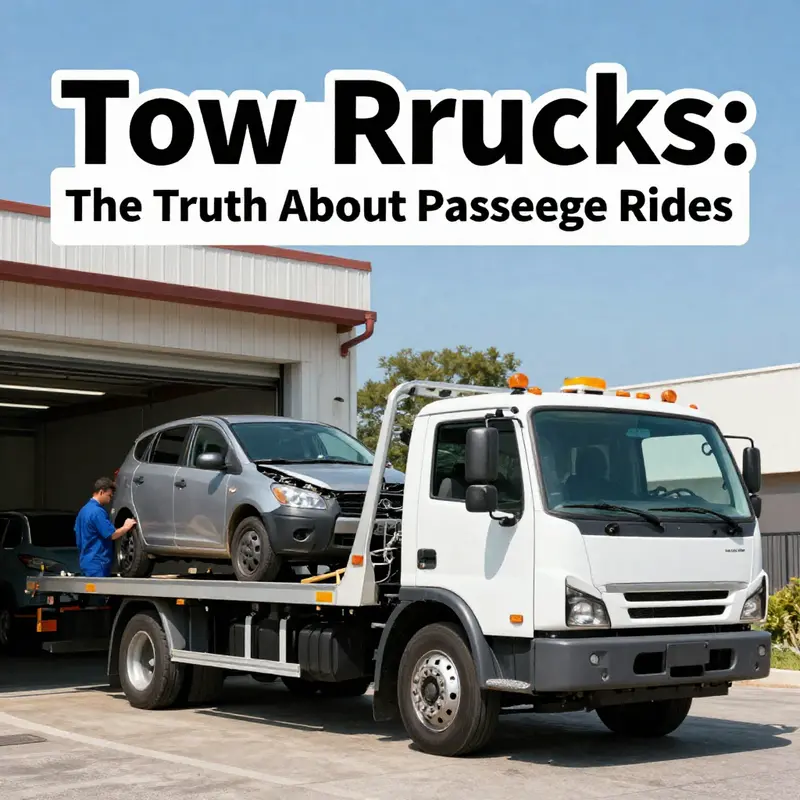
Tow trucks are indispensable assets on our roadways, engineered not to provide a casual ride but to ensure that your disabled vehicle is transported safely and efficiently. When faced with a breakdown, the immediate thought may be to seek a lift to your destination; however, the design of a tow truck and its operational purpose are entirely different from those of conventional ride services. This chapter delves into the true role of tow trucks, clarifying common misconceptions and explaining why these heavy-duty vehicles are built solely for vehicle recovery rather than passenger transportation.
From the moment a tow truck is dispatched to the scene of a breakdown, its primary objective is clear: to safeguard and move your vehicle from an unsafe spot to a secure location such as a repair shop or designated recovery area. Unlike personal cars, vans, or even taxis that are configured for passenger comfort and safety, tow trucks are optimized entirely for one task. Their robust construction includes specialized equipment—such as hooks and chains, hydraulic lifts, wheel-lift assemblies, or entire flatbeds—designed to firmly secure a disabled vehicle. This precision in engineering highlights that their entire purpose is the safe handling of vehicles that have lost mobility.
It is easy to conflate the act of being rescued on the road with the desire for a personal ride, especially when stranded by an unforeseen breakdown. In the midst of stress and uncertainty, one might quickly assume that the help arriving on the scene could double up as a taxi service. However, this is not the case. A tow truck operator’s mandate is strictly bound to the recovery process. Their training, the equipment they operate, and even the regulatory framework they function under restrict them from safely and legally transporting individuals as passengers. Instead, if personal transportation is needed, the operator may extend courtesy by suggesting alternative services like rideshare apps or local taxis. Such gestures, however, are ancillary and should not be confused with a standard service offering.
In practical terms, the moment you call for roadside assistance, your expectation should be that the responding tow truck will focus entirely on relocating your vehicle. The assistance provided centers on ensuring that your car is moved without sustaining further damage—a critical factor given that many vehicles, already compromised by mechanical faults or collision damage, require delicate handling. For instance, in situations where the vehicle is left on a busy highway, the operator’s immediate responsibilities include positioning warning signals properly, ensuring the scene is safe, and then carefully securing your vehicle onto the truck. This sequence of actions underscores that the primary function is vehicle preservation rather than human transport.
This specialized function becomes all the more critical when considering the complex logistics involved in roadside recovery. Environmental factors such as inclement weather, poor road conditions, or even the time of day can further complicate matters. Imagine a scenario where a car breaks down during heavy rain or snow. The operator, already faced with the technical challenge of recovering a broken vehicle, must also contend with safety protocols that protect both the disabled vehicle and the surrounding motorists. Every decision—from the method of towing to the equipment used—is tailored toward minimizing risk and preventing further damage. In such instances, the idea that a tow truck could be repurposed to provide a passenger ride is not merely impractical; it is potentially dangerous.
Even when additional help for stranded individuals is rendered, it is important to emphasize that this assistance is provided through referral rather than as an inherent service of the tow truck. Many professional tow truck operators are sympathetic to the plight of motorists and may assist by calling a taxi or offering guidance on how to use ride-hailing services. While such support can alleviate the stress of being stranded, it does not transform the fundamental engineering or operational mandate of the truck. Understanding this distinction is key to setting realistic expectations in moments of distress.
The meticulous process of vehicle recovery involves both advanced equipment and well-honed procedures. Tow trucks are designed with features that minimize further damage to a disabled vehicle. For example, flatbed tow trucks provide a secure, level platform, ensuring that every component of your car remains in place during transport. In contrast, hook and chain models use a system that attaches to a specific part of the vehicle, which, if not handled properly, might cause additional wear or damage. It is this technical specificity that reinforces why tow trucks are seldom, if ever, equipped to handle passenger transport. Their design caters exclusively to the movement of automobiles that cannot move under their own power.
When navigating the stressful circumstances of a vehicle breakdown, many factors can compound an already challenging situation. A primary concern in these emergencies is the preservation of safety, both for the stranded driver and other road users. Tow truck operators are trained to focus exclusively on safety protocols during recovery operations. They ensure that the disabled vehicle is secured, that the surrounding area is demarcated to prevent additional accidents, and that every action taken is in compliance with strict transportation regulations. Such systematic approaches are far removed from the considerations taken by taxi or rideshare drivers, whose primary focus is on the comfort and timely transit of passengers.
The distinct roles of recovery and personal transportation highlight an important aspect of emergency roadside services: coordination. In many regions, especially where comprehensive roadside assistance programs exist, services are often bundled to address both vehicle and personal needs. For instance, a roadside assistance provider might dispatch a tow truck to recover your car while simultaneously offering vouchers or making arrangements for alternative personal transport services. This coordinated strategy ensures that while your vehicle is being taken to safety, you yourself are not left stranded. However, the fact remains that the tow truck itself does not change its inherent function. Its role is to pull or push your disabled vehicle, not to provide a comfortable ride for you.
Customers sometimes hold onto a misunderstanding that a single call for help might resolve both the recovery of a vehicle and the transport of its owner. This misconception can lead to delays and even additional frustration if the tow truck operator is forced to clarify the limitation of the service. In truth, the separation of duties makes operational sense: the safety and structural integrity of a disabled vehicle are preserved by having dedicated equipment, while personal mobility is best handled by transportation services that are designed with that goal in mind.
A comprehensive understanding of roadside assistance encompasses a recognition of the different vehicles and services available to motorists in need. In an unexpected breakdown, one should always assess the situation: if the primary issue is the immobility of the vehicle, then contacting a professional towing service is the right course of action. Conversely, if the immediate need is for personal transit following the recovery of the vehicle, independent arrangements for a taxi or rideshare should be made. This clear delineation helps both the service provider and the customer manage expectations and reduces the potential for confusion during what is already usually a stressful experience.
The evolution of tow truck technology reflects the growing complexity of vehicle recovery efforts. Modern tow trucks are equipped with state-of-the-art technology that not only increases the efficiency of recovery operations but also ensures that vehicles are transported with minimal risk of additional harm. Advanced diagnostic tools, real-time tracking, and precise navigation systems enable tow truck operators to execute even the most delicate recoveries under challenging conditions. This technological integration further cements the tow truck’s singular purpose: to serve as a specialized vehicle recovery tool, distinct and separate from passenger transport mechanisms.
While it might be tempting to anthropomorphize the tow truck as an all-encompassing lifesaver during emergencies, it is important to view it in the context of its designated function. Particularly in high-pressure scenarios, relying on a service that is not meant to provide personal rides can lead to unnecessary delays and miscommunication. The clear division of roles within emergency roadside services ensures that each component works as expected. The tow truck focuses solely on securing and transporting vehicles, whereas personal travel needs are met by taxis, rideshare apps, or other means of transport designed with passenger safety and comfort in mind.
The operational responsibilities of tow truck drivers are also governed by stringent legal and safety guidelines. Local and national regulations dictate how roadside assistance is to be conducted. These rules ensure that all parties—both the operators and the motorists—are protected during emergency operations. Such guidelines also delineate that tow trucks are not permitted to deviate from their core function of vehicle recovery. This strict regulatory environment reinforces why tow trucks are equipped for one job only, and any incidental help provided to individuals is beyond their official remit.
Moreover, challenges in environmental and logistical conditions further emphasize the design purpose of tow trucks. On highways, in inclement weather, or under other adverse conditions, the priority remains the safe extraction and transportation of disabled vehicles. Every precaution taken, from deploying emergency flares to coordinating with local traffic authorities, serves the singular goal of road safety. The specialized nature of these operations eliminates the possibility of converting a tow truck into a passenger carrier without compromising the efficiency and reliability of the recovery process.
It is essential to recognize that while roadside assistance can sometimes appear to offer overlapping services, the individual roles of each service are distinct. If you find your vehicle stranded and need to reach a destination promptly, contacting a rideshare service or taxi is the appropriate response. Meanwhile, calling a tow truck should be reserved for the recovery of the vehicle itself. This clear-cut separation not only ensures that the recovery process is executed seamlessly but also that the needs of the individual are met by the proper service provider.
For a more comprehensive look at how specialized recovery vehicles operate within emergency management frameworks, one might consider exploring additional insights available through professional resources. For instance, tow truck expert insights provide further detailed commentary on fleet management and emergency response strategies that enhance our understanding of these critical services.
In conclusion, the true function of tow trucks is succinct: they are designed and built to recover vehicles, safeguarding them and ensuring they reach their intended destination without incurring further damage. Though the human element is not ignored—operators may offer guidance or help arrange alternative transport when needed—the tow truck’s intrinsic role remains unchanged. It is a specialized vehicle, purpose-built to perform tasks that are drastically different from those of taxis or rideshare vehicles, and this specialized focus is what makes them essential in emergency roadside assistance. Recognizing the limitations and specialized functions of tow trucks not only helps set realistic expectations during a breakdown but also reinforces the importance of seeking the appropriate service for your needs.
For a detailed explanation and additional context on the operational guidelines of tow trucks, readers are encouraged to review the information provided by the American Automobile Association, available at what does a tow truck do. Ultimately, understanding that tow trucks are not designed to provide you a ride, but to ensure that your disabled vehicle is handled with the utmost care and efficiency, is key to navigating roadside emergencies with clarity and confidence.
Rethinking Roadside Assistance: Why Tow Trucks Aren’t Your Ride Solution
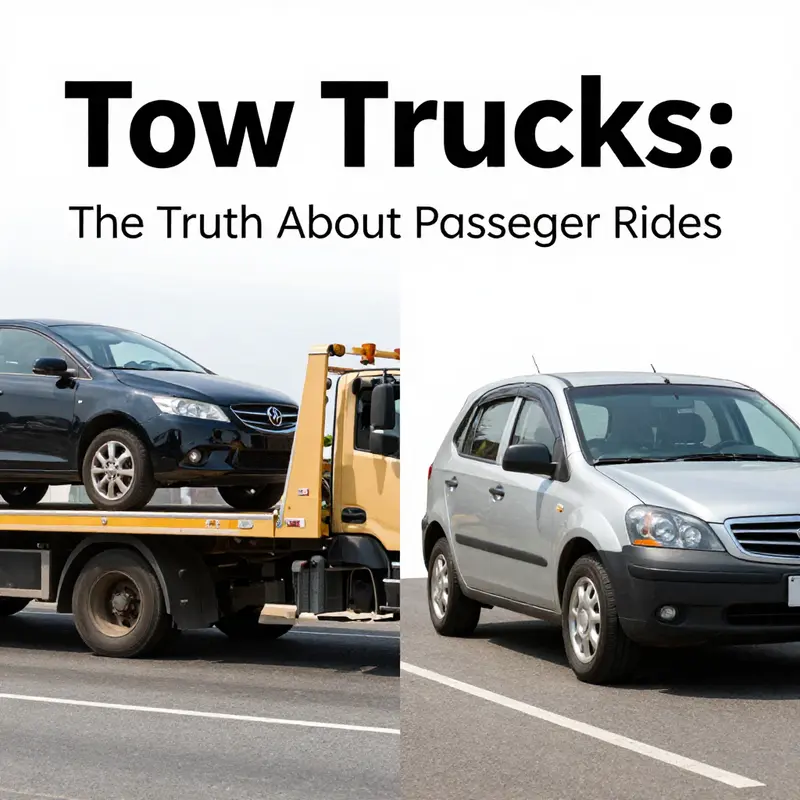
Throughout the world of roadside assistance, one common misconception persists: the idea that tow trucks can simply give you a ride when your vehicle fails. This chapter delves into the purpose and design of tow trucks, explaining why their role stops at towing disabled vehicles rather than serving as an impromptu passenger transport service. It is important to understand that while tow trucks are invaluable tools for getting vehicles to safety and repair shops, they are not designed, equipped, or intended to offer a convenient car journey to stranded drivers.
Tow trucks are engineered with a singular, critical purpose—to address emergencies involving vehicles that break down or are involved in accidents. Their design emphasizes the safe recovery and transportation of vehicles rather than the comfort and convenience associated with personal or commercial passenger transport. The built-in heavy-duty equipment, such as winches, booms, and specialized rigging systems, are all optimized for handling large loads, not accommodating extra passengers. The cabin of a tow truck is typically designed solely for the operation of towing equipment and may have limited seating that is not suitable for multiple occupants.
The inherent design limitations of tow trucks are evident once one begins to consider the purpose behind these machines. Unlike taxis, rideshare vehicles, or even standard personal vehicles, tow trucks prioritize mechanical strength and utility over passenger comfort. Their construction involves reinforced frames and specialized attachments to secure vehicles during transport—features that are necessary for safely moving a disabled car but are of little benefit when it comes to providing a comfortable or legal ride for a person. In many cases, local regulations and safety standards further restrict the use of these vehicles for purposes other than towing.
In rare instances, a tow truck operator might offer limited assistance beyond the actual towing of a vehicle, such as providing a brief ride to help a stranded motorist reach a nearby service location if it is safe to do so. However, these moments of courtesy are exceptions, not the rule. In such cases, the operator is engaged in a humanitarian act rather than performing a service that aligns with the primary function of their equipment. The operational focus remains on the key task of reducing roadside hazards by removing immobile vehicles from busy lanes and ensuring that disabled vehicles are safely relocated to areas where repairs can be made without further endangering public safety.
Furthermore, the notion that tow trucks could serve as a reliable means of passenger transport is further debunked by the skills and resources that tow truck drivers bring to the table. Their expertise lies in safely maneuvering heavy loads, understanding the mechanics behind vehicle recovery, and handling high-pressure emergency situations. Their training does not typically cover passenger transport protocols, which involve different safety precautions, insurance requirements, and customer service standards. When a driver’s vehicle breaks down, what is needed is a means of ensuring the vehicle is secured and towed properly, rather than a ride to an alternate destination. This clear delineation in duties underscores why tow truck services and passenger transport services operate in completely separate spheres.
A common source of confusion arises from advertisements or humorous anecdotes where someone in distress might be offered a lift by a good Samaritan operating a tow truck. Such incidents, although heartwarming, can lead to misunderstandings about the expectations one should have when calling for roadside assistance. The primary goal in these situations is the safe recovery of the disabled vehicle, as well as the prevention of further delays or accidents. For actual passenger transport needs, it is always advisable to seek out services that are specifically designed for that purpose—such as taxis, rideshare applications, or public transit systems. These services adhere to regulatory standards and are purpose-built to ensure the comfort and safety of their passengers.
When one considers the broader implications of relying on tow trucks for transport, additional concerns come to light. Tow trucks are often called upon during adverse weather conditions or in situations where traffic is unpredictable, and their primary mandate is to clear roadways and reduce the chance of secondary accidents caused by a stranded vehicle. When a tow truck is diverted from its main task, it can disrupt schedules and delay resolution of potentially hazardous conditions. Operating a tow truck involves a series of calculated maneuvers and precise decisions based on the vehicle’s position, the condition of the road, and the specific requirements of the disabled vehicle. Incorporating a passenger transport function could compromise these careful operational procedures, ultimately reducing the overall efficiency and safety of roadside assistance.
It is also critical to highlight that the legal framework governing roadside assistance underscores the limitations on how tow trucks can be used. Regulations and industry guidelines, such as those outlined by various safety authorities, clearly indicate that the role of the tow truck is to transport vehicles—not people. The legal responsibility of tow truck operators is to ensure that their actions do not inadvertently put passengers at risk, especially when the vehicles are not outfitted with the necessary safety features for transporting individuals. This legal distinction further clarifies why, in most circumstances, it is impractical and unsafe to expect a tow truck to double as a taxi or rideshare service.
From a consumer perspective, the best way to approach an automotive breakdown is to identify the specific service that suits the situation. For instance, if a vehicle becomes immobilized on the roadside, contacting a professional towing service is the most appropriate step, as these services are specifically structured to safely transport vehicles. On the other hand, if the concern is obtaining a secure ride to a destination, then alternative services that specialize in passenger transportation should be considered. This targeted approach ensures that both the vehicle and the individual receive the proper level of attention and care that their respective situations require.
Moreover, many in the towing industry are continually exploring innovations to better serve their communities during emergencies. Some companies have started incorporating additional services, such as basic roadside repairs or even coordination with other emergency services. However, these enhancements focus on facilitating the safe and prompt recovery of vehicles rather than improving passenger transport capabilities. Technological advancements in fleet management and emergency response strategies are aimed at reducing wait times and improving accessibility, as can be further explored in the discussion on emergency preparedness for island fleets. These modern improvements, while beneficial, do not alter the foundational purpose of tow trucks as specialized vehicles intended solely for vehicle transport.
Historical context also provides insight into why tow trucks are built the way they are. Over decades of development, the towing industry has honed the specialization of its vehicles for maximum efficiency in vehicle retrieval. Researchers and safety organizations have consistently emphasized that the mechanical and structural integrity of tow trucks is paramount to ensuring that heavy, often damaged vehicles can be safely moved without introducing further risks. This legacy of focus on towing efficiency and safety has been reinforced by ongoing training and regulatory oversight, making it clear that the transition from vehicle recovery to passenger transport is not within the intended scope of these specialized trucks.
The physical constructs of tow trucks further illustrate their limitations. Engineers prioritize factors such as engine power, weight distribution, and reinforcing structures in the design of these vehicles, all of which are essential for safely maneuvering car wrecks and immobile vehicles. The interior space, which might seem sufficient at first glance, is more about functionality and control than comfort. Even if a tow truck were to have a seat for a driver, it is often neither comfortable nor legally compliant to be used as a passenger compartment. The small size and lack of amenities such as climate control or proper safety restraints underscore the point that tow trucks are built for function—not for giving rides to individuals in need of transportation.
It is also noteworthy that the operational protocols followed by tow truck drivers do not include customer service practices related to passenger transport. The training focuses on the technical aspects of vehicle recovery, risk management, attentive navigation through hazardous environments, and adherence to safety protocols. Passionate customer service is undoubtedly important in any emergency situation, but the core skill set of a tow truck operator is centered around mechanical recovery rather than serving as a substitute for a taxi driver. Consequently, when someone is in need of a transport solution that is not related to vehicle recovery, it is more efficient and safer to rely on services that have been properly regulated and equipped for that specific task.
Additionally, the public’s understanding of what road assistance entails is sometimes blurred by anecdotal experiences where a tow truck driver might help a distressed motorist by offering a brief lift. While these stories are heartening and highlight the compassion in the industry, they also risk setting unrealistic expectations. The standard service provided in the majority of roadside assistance cases remains the towing and securing of vehicles, not the personal transportation of individuals. This distinction is crucial not only for the safety of all parties involved but also for ensuring that emergency response resources are allocated effectively and according to their intended purpose.
For those who find themselves in a compromised situation during a vehicle breakdown, making an informed decision is essential. Recognizing that tow trucks have a specialized function can help reduce confusion and streamline the process of obtaining the proper aid. When a driver’s car malfunctions, contacting a towing service ensures that the vehicle will be moved safely to a location where repairs can be conducted, thereby eliminating the hazards associated with stranded cars on busy roads. In contrast, if the driver simply needs to reach a destination immediately, engaging with a taxi service or rideshare option would be the more practical and reliable choice. This separation of roles reinforces the overall system of road safety and emergency response.
In summary, the role of a tow truck remains unequivocally defined by its primary function: to recover and transport disabled vehicles. The concept of using a tow truck as a means to provide a ride strays not only from the intended design of these machines but also potentially jeopardizes both operational safety and regulatory compliance. Even though the occasional act of kindness by a tow truck operator may blur these lines in isolated incidents, the industry standards and practical realities make it clear that for a safe and comfortable ride, one must seek alternatives that are designed specifically for that purpose. For further guidance on vehicle towing and transportation practices, interested readers may refer to the comprehensive information provided by the National Highway Traffic Safety Administration here.
Ultimately, distinguishing the roles of different transportation services reinforces a broader understanding of roadside safety. Tow truck services remain critical as specialized, heavy-duty vehicles that perform a vital function during emergencies, ensuring that disabled vehicles do not become additional road hazards. At the same time, consumer expectations should align with the intended use of each mode of transport, attracting the right service for the right need. When people grasp the reasoning behind why tow trucks do not offer rides, they also learn a vital lesson in selecting appropriate services during what can be stressful moments on the road. This clarity not only improves overall safety and efficiency but also fosters a greater appreciation for the distinct expertise that each transportation service brings to the table.
Behind the Wheels: How Rigorous Safety Protocols Keep Tow Trucks Focused on Vehicle Recovery
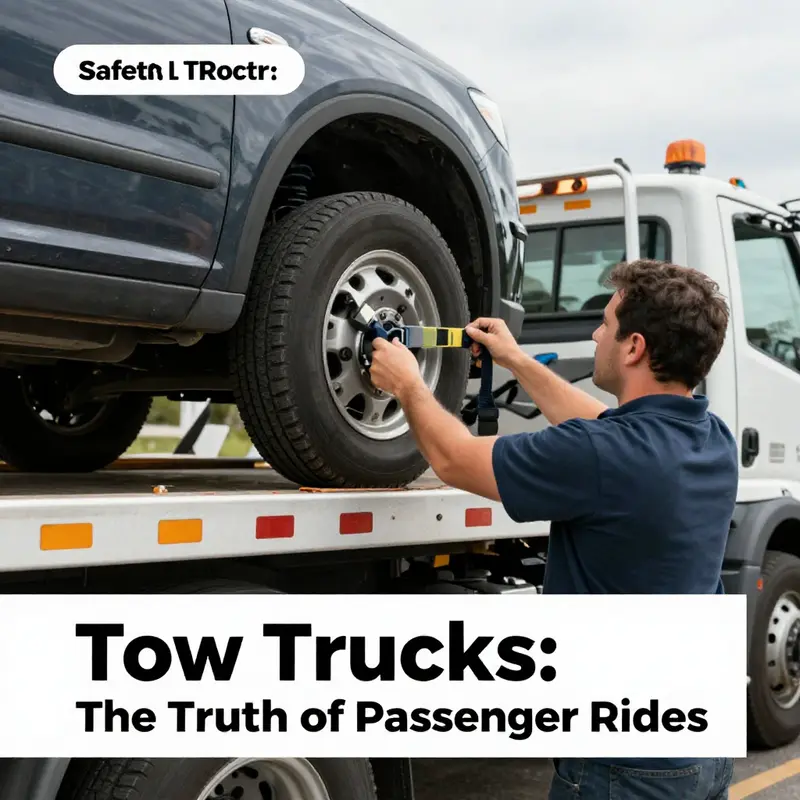
Tow trucks have evolved into highly specialized machines that prioritize the secure handling and transportation of disabled or damaged vehicles. Although some may wonder if tow trucks might sometimes offer a convenient ride in moments of crisis, their design and operational philosophy are entirely dedicated to vehicle recovery, not passenger transportation. The moment a tow truck is dispatched, its driver is acutely aware of the many safety protocols and strict regulatory standards that guide their work. Every aspect of towing—from securely fastening a car with winches or hydraulic lifts to navigating winding roads—has been engineered to minimize risk and ensure that the vehicle is transported as safely as possible. This focus on vehicular safety makes it clear that tow trucks are never intended to provide the kind of personalized ride that a taxi or rideshare service might offer.
At the heart of tow truck operations lies a relentless commitment to safety. Tow truck operators receive specialized training that goes beyond general driving skills. They learn to maneuver heavy equipment, often under challenging conditions that demand precise execution and unwavering attention to established protocols. This extensive training is necessary because even a minor miscalculation in the towing process can lead to severe consequences. For instance, careless handling could damage the vehicle further or even endanger bystanders and other road users. Adding a passenger into this high-stakes environment would place an unnecessary and unacceptable burden on the operator, interrupting the focus required for safe vehicle retrieval. Moreover, regulatory bodies and insurance companies enforce strict guidelines that categorize tow trucks solely as vehicles for vehicle recovery.
The specialized equipment fitted to tow trucks further underscores the singular purpose these vehicles serve. Most tow trucks are equipped with flatbeds, winches, and hydraulic systems designed to secure and lift vehicles safely. Each device is meticulously maintained and calibrated to support the specific weight and dimensions of the vehicle being towed. These mechanical systems are not built to provide a comfortable or stable environment for human passengers. In many cases, the mechanisms employed to attach and detach vehicles require clear space and undivided attention from the operator. The act of towing itself involves rapid adjustments, precise positioning, and careful monitoring of the load to prevent shifting. When you consider these technical aspects, it becomes evident that incorporating a passenger ride into these procedures would distract from the larger objective: preserving the integrity of the disabled vehicle and ensuring public safety.
Legal and insurance frameworks further delineate the role of tow trucks. Regulations in many regions explicitly state that tow trucks must not be used to transport passengers. This clarity in legal terms reflects the broader understanding that the inherent risks associated with towing cannot be mitigated if additional, unplanned elements are introduced, such as carrying passengers. Insurance policies for towing services are drafted with these constraints in mind, specifying that coverage is applicable only for the recovery and relocation of vehicles. Allowing passengers would not only necessitate a complete overhaul of these policies but could also lead to ambiguous liability issues in case of an accident or malfunction. The legal implications reinforce the initial design philosophy of tow trucks: they exist solely to ensure that vehicles are moved safely and efficiently without compromising on the safety of anyone involved.
The operational environment in which tow trucks function is replete with hazards that further reinforce why passenger rides are off the table. On busy highways and congested urban streets, tow trucks must contend with a variety of unforeseen challenges such as sudden stops, unpredictable traffic patterns, and adverse weather conditions. In such environments, the focus of the operator must remain solely on the task at hand – managing the recovery procedure and navigating safely through dynamic road conditions. Even minor distractions can lead to catastrophic outcomes when towing a vehicle that is already in a fragile state. By limiting the operation exclusively to a single primary task, tow truck operators can maintain a level of concentration that minimizes the risk of an accident and preserves the safety of themselves and the public.
Another important consideration is the design and structure of tow trucks. Unlike passenger vehicles that are engineered with seating, climate control, and amenities for human comfort, tow trucks are built with a utilitarian architecture. Their cabins are designed for function rather than comfort. Operator seats in these trucks are positioned to provide maximum control over the towing mechanisms and are often isolated from the area where towing operations are actively conducted. This separation is not accidental but a deliberate design feature aimed at preventing unnecessary distractions during heavy-duty tasks. By focusing on the car’s well-being and road safety, these design choices underscore that tow trucks are not intended to serve as a form of casual transportation.
Safety protocols in towing also extend to emergency response scenarios, where every second can be critical. Emergency procedures have been refined through decades of experience and are backed by rigorous training sessions that simulate high-pressure scenarios. During situations like these, every member of the towing crew is dedicated to following a set operational checklist—securing the vehicle, clearing the surrounding area, and communicating with dispatch centers. In scenarios where a vehicle has broken down in a remote area or an emergency situation has escalated, the tow truck is summoned for its expertise in safely extricating the disabled vehicle instead of providing a ride. This clear delineation between support roles ensures that resources are utilized effectively in critical situations. If one needs immediate passenger transport, dedicated services such as rideshares or local taxis are recommended, as they are better equipped to handle human comfort and safety on the road.
Beyond the direct technical and regulatory considerations, the broader culture within the towing industry further emphasizes operational safety and integrity. The industry has, over time, cultivated a philosophy that centers exclusively on the secure and efficient movement of vehicles. In professional discussions and trade publications, the focus is repeatedly placed on best practices for vehicle recovery and on minimizing the risk of further damage. Tow truck drivers join industry forums and training programs where they exchange insights on safe handling techniques and the importance of following strict operational guidelines. This culture of safety is witnessed in everyday practices: drivers diligently inspect their equipment before excursions, review weather reports prior to departure, and meticulously plan each step of the towing process. This attention to detail is what separates professional towing operations from casual transportation services and reaffirms that tow trucks are not designed to offer rides to people.
In light of the many challenges that come with the towing profession, it is essential for the public to understand that tow truck services are intended to support in times of vehicular distress. When a car breaks down or encounters mechanical failure, the first concern is to secure the vehicle and transport it to a safe location where professional repairs can be conducted. In these instances, adding the complexity of transporting passengers not only slows down recovery efforts but also introduces avoidable risks. Customers are encouraged to view tow truck services as part of the larger emergency response framework—a specialized resource for vehicle recovery. For those in need of passenger transportation after a breakdown, contacting a rideshare service or a taxi company is a far more appropriate and safer alternative. Interested readers might also explore more about essential fleet emergency response strategies to gain insight on how fleet operators manage emergency situations without compromising on safety.
It is also important to underscore the impact that external pressures, such as a global pandemic, have had on the towing industry’s approach to safety. During challenging periods, additional protocols were implemented to protect both the tow truck operator and the public. Social distancing measures, enhanced sanitation of equipment, and minimized contact procedures became standard practice. These adaptations further reinforce the focus on eliminating unnecessary interactions during towing operations. When safety is paramount, allowing additional passengers into the tow truck environment would only complicate protocols and heighten the risk of cross-contamination. This audience-centered approach highlights the necessity of keeping towing operations strictly limited to the recovery and movement of vehicles. Industries worldwide had to adapt to new health standards, but towing never wavered in its commitment to ensuring that every action adhered to uncompromised safety standards.
The evolution of tow truck technology and the consistent emphasis on safety standards have culminated in an industry that remains resolutely dedicated to vehicle recovery. Every procedure, every piece of equipment, and every regulatory requirement is aligned with the objective of ensuring that a disabled vehicle is relocated without further damage or injury. This dedication has earned tow truck operators a reputation for professionalism and reliability—a reputation that stands in stark contrast to any notion that these vehicles might double as a means for human transport. In the world of towing, the focus is clearly on servicing vehicles and protecting lives on the road by keeping operations streamlined and purposeful. While it may be tempting to romanticize the image of a tow truck coming to your rescue in more ways than one, the truth remains that the design and operation of these vehicles are rooted in safety-driven priorities.
Tow truck operators, along with their support teams, work tirelessly to ensure that every recovery mission is carried out with precision and care. Their commitment to safety is not simply a matter of following protocols—it is a reflection of an industry ethic that has been honed over decades. Each job is approached as a mission where every action is critical, and the margin for error is extremely slim. This operational mindset is what differentiates professional towing services from general transportation solutions. Instead of offering a ride like a taxi, tow trucks offer a promise: the promise that your vehicle will be handled with expertise and transported to a safe destination, thus allowing you to trust that help is available when your means of transport fails. For those looking for more detailed insights into how modern challenges are addressed within this sector, additional context can be found in external guidelines provided by reputable authorities such as the National Highway Traffic Safety Administration.
In summary, the role of tow trucks in our transportation ecosystem is precisely defined by rigorous safety protocols, specialized equipment design, and strict regulatory guidelines. The industry has always prioritized the secure recovery of vehicles over any passenger transport function. Through extensive training, sophisticated machinery, and a disciplined professionalism, tow trucks fulfill an essential role in addressing roadside emergencies. They are a cornerstone of our response and recovery infrastructure, ensuring that when a vehicle experiences a breakdown, there is a reliable and safe method to get it back on the road—or safely off it. The clarification that tow trucks do not offer rides reflects a deep commitment to maintaining the highest safety standards, protecting both the operators and the public. This steadfast focus on vehicle recovery over passenger convenience is what makes the towing industry a fundamental part of emergency response systems globally.
Tow Trucks and Rideshare Services: Distinct Missions in Modern Transportation
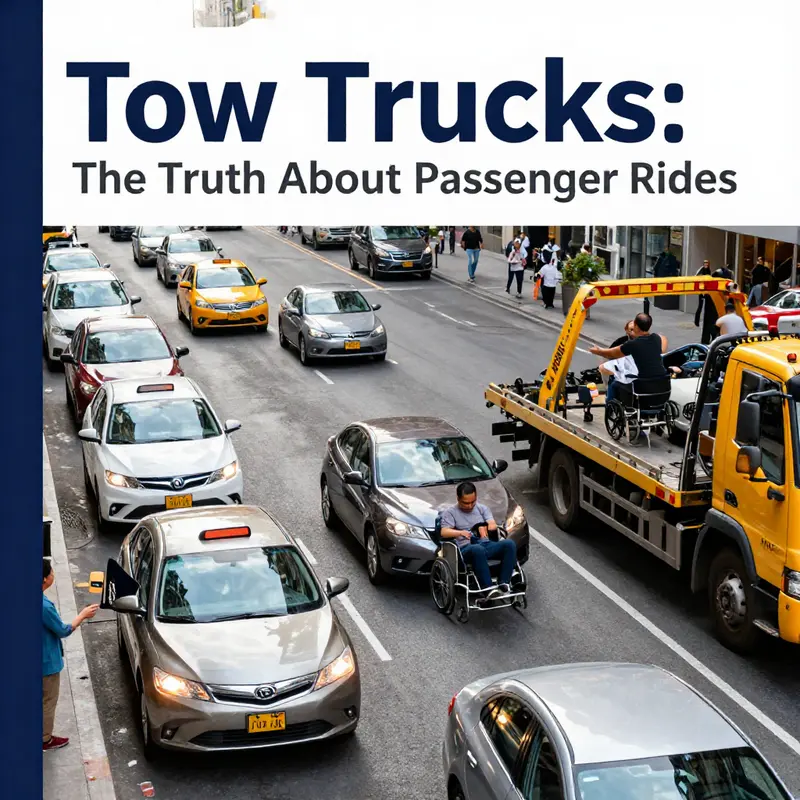
Tow trucks and rideshare services might appear in the same conversation when people talk about getting a vehicle to where it needs to be, yet their missions and operational principles could not be more different. While rideshare services are designed to provide a convenient and personal means for human transportation on a day-to-day basis, tow trucks stand ready to rescue disabled vehicles and assist in roadside emergencies. This chapter delves into these core differences to clarify why the notion that tow trucks might give you a ride is a misunderstanding of their very purpose.
The fundamental role of a tow truck is to offer mechanical assistance when a vehicle becomes incapacitated. When your car breaks down, for example, you find yourself in a situation where an immediate fix is unattainable. In such moments, tow trucks arrive equipped with specialized tools like winches, hydraulic lifts, and securing devices to ensure a safe extraction or recovery of the disabled vehicle. This complex operation is carried out by trained professionals who understand the intricacies of vehicle mechanics and adhere strictly to safety protocols. Tow trucks are engineered with safety standards such as rear underrun protection, onboard fire extinguishers, and visible signage to warn of operating procedures. These standards are not mere recommendations but are mandated by regulatory bodies, which emphasize that safety and precision are paramount. In this role, tow trucks are not meant to convey human passengers from point A to point B but to focus solely on the physics and logistics of moving a beleaguered vehicle.
In contrast, rideshare services exist to facilitate the mobility of people. Their business model centers around providing a safe, accessible, and time-efficient means of transportation for individuals in need of travel. The process is simple and user-friendly: you book a ride through an app, a driver navigates you through busy streets, and you arrive at your destination with little fuss. The emphasis here is on human transportation and convenience, not on addressing emergency roadside scenarios or dealing with mechanical malfunctions. Rideshare services typically operate under different regulatory measures that concentrate on passenger safety through driver background checks and standardized vehicle inspections, among other factors. Their primary goal is to offer a stress-free experience for customers, which stands in stark contrast to the urgency and technical challenges faced by tow truck operators.
The contrast between the two modes of transportation extends well beyond their immediate purposes. For instance, the equipment found on a tow truck is highly specialized. Hydraulic lifts and winches, for example, enable these vehicles to secure and raise a disabled car without causing further damage. Their function is rooted in the need to provide structural stability during the towing process, a task that requires both power and finesse. These vehicles are often part of a fleet that is continuously trained and updated on the latest safety and recovery techniques. Their deployment during emergencies is not a matter of convenience; it is a response to a crisis that demands immediate technical intervention. When a driver faces a breakdown, the tow truck’s arrival signals the transition from an online request to a physically intensive recovery operation.
Rideshare vehicles, on the other hand, are typically ordinary passenger cars transformed into service vehicles by independent contractors. Their design emphasizes passenger comfort, speedy navigation, and a pleasant in-transit environment. The drivers who operate these vehicles are selected for their driving skills and adherence to community standards, but they are not expected to possess the technical training required for vehicular recovery. Their vehicles rarely if ever, carry the extra equipment seen on tow trucks. This operational simplicity allows rideshare drivers to focus on delivering a prompt and comfortable ride rather than dealing with mechanical issues or excessive regulatory safety checks that are crucial for towing operations.
The design philosophies behind these two types of vehicles further illustrate how distinct they are. Tow trucks have evolved with a specific focus on addressing vehicle disabilities. Their design prioritizes an open framework that accommodates diverse towing mechanisms. For instance, the structural reinforcements that safeguard against underrun incidents are built into the design to protect both the towing truck and the vehicle being recovered. Additionally, the integration of fire suppression systems is a critical safety measure that is rarely found in normal passenger vehicles. This robust construction is a testament to how seriously the responsibilities of a tow truck are taken, ensuring that it can perform its intended function under even the most trying conditions.
In contrast, rideshare vehicles are usually optimized for fuel efficiency, passenger comfort, and ease of entry and exit. These cars are not built to handle the physical stresses associated with towing a disabled vehicle. Their interiors are designed to accommodate human passengers and offer amenities such as climate control, comfortable seating, and entertainment options. Their exteriors, often sleek and modern, serve as a signaling mechanism of the service they provide, which is focused entirely on transit and not on mechanical recovery. The underlying business model is centered on the ease of use and quick accessibility for daily commuting, a priority that is unequivocally at odds with the technical demands of a tow truck’s role.
The operational practices between tow trucks and rideshare services also underscore their divergent philosophies. In the event of a vehicle failure, calling a tow truck means entering a service call that requires detailed reporting of the malfunction, precise location details, and sometimes even an assessment of the vehicle’s condition. The process is inherently more intricate because it involves roadside evaluation and physical maneuvering of a heavy-duty machine. Every step in this process is governed by standard operating procedures that can include safety protocols, on-site assessments, and the application of specialized towing techniques. These procedures are critical to ensure that the vehicle is not further damaged and that the safety of all parties, including the operator and other motorists on the road, is maintained.
Conversely, booking a ride with a rideshare service is almost instantaneous. The process involves simply entering a destination on an app and waiting a few minutes for the driver to arrive. This streamlined process is built upon the assumption that the vehicle involved is fully functional and safe for regular driving conditions. There is no assessment for mechanical issues because that is not within the scope of their service. Instead, the operational focus rests heavily on customer experience metrics like timely arrivals, courteous service, and optimal routing. Such a fundamental difference in workflow underscores the fact that the two services aim to solve entirely different issues.
Another aspect that accentuates the divergence is the scope of professional expertise required in each field. Tow truck operators require specialized training that covers both the mechanical and safety elements of vehicle recovery. Their educational background may include handling emergencies, performing secure load management, and understanding the intricacies of various vehicle types. This specialized knowledge is critical when faced with challenging roadside conditions, such as navigating steep gradients, adverse weather, or tight urban spaces. Each incident is a unique case that demands the careful application of safety and operational protocols, often under stressful conditions.
Rideshare drivers, in contrast, are selected based on criteria that primarily emphasize safe driving and customer engagement rather than technical mechanical proficiency. While they are sometimes provided with training to enhance passenger service and navigational efficiency, the depth and breadth of training required for mechanical towing are not part of their standard requirements. Their training focuses on route optimization, customer interaction, and adherence to basic vehicle safety standards. This clear delineation in required skill sets further highlights that while both professions operate within the transportation sector, their daily challenges and responsibilities differ significantly.
This distinction is also evident in how each service is integrated into today’s broader transportation ecosystem. Tow trucks often serve as a critical support system for drivers who find themselves in unexpected and precarious situations. Their mission is imbued with a sense of urgency and technical precision, addressing the immediate needs of a stranded vehicle and preventing further incidents on the road. In many scenarios, a timely tow truck intervention can make the difference between a minor inconvenience and a major roadside hazard. The role of tow trucks in emergency preparedness is underscored by strict regulatory oversight and continuous improvements in technology and safety features. For example, maintaining high safety standards and ensuring that every piece of equipment is up to code is a non-negotiable aspect of this service.
Rideshare services, while revolutionary in their own right, operate on a model that prioritizes the fluidity of urban transportation. Their success is measured by the speed and ease of getting passengers to their destinations. They integrate seamlessly into daily routines and are ideally suited for situations where the mobility of a person is the primary concern. The user experience is built around minimal effort for maximum efficiency, sometimes enhanced by rating systems that ensure quality control. These companies invest heavily in smartphone technology, data analytics, and route management systems to meet customer expectations, thereby creating a service that is both scalable and highly responsive to market demand.
It is important to appreciate that while the conversation about rideshare and tow truck services might seem to pit one form of transportation against the other, they actually complement the broader safety and mobility network on our roads. In moments of vehicle failure, your choice to request a tow truck is a decision based on addressing an unforeseen emergency rather than seeking convenience. Similarly, your decision to enquire about rideshare rides typically comes at a time when the vehicle is operational, and the primary goal is to reach a specific destination efficiently. Recognizing these fundamental differences helps consumers better understand what to expect from each service and how to utilize them appropriately.
At times of emergency, the reliability and precise functionality of a tow truck cannot be overstated. Every minute counts when dealing with a disabled vehicle on a busy road, and the specialized nature of tow truck services ensures that they respond swiftly and methodically. Industry standards, such as those outlined by transportation authorities, detail the exact requirements that tow truck operators must follow, from technical equipment maintenance to safety procedures while on the job. This meticulous adherence to standards helps mitigate risks during recovery operations and ensures that the process is handled by professionals who are both well-trained and well-equipped.
This critical operational difference further distinguishes the services when it comes to expectations and customer experience. With rideshare services, the onus is on ensuring that passengers have a seamless transfer from one point to another without concern for vehicle repair or emergency protocols. In contrast, in a tow truck scenario, the scheduled service is one of intervention and recovery rather than convenience. For example, if a breakdown occurs in harsh weather or heavy traffic, the arrangement for a tow truck is inherently more logistically challenging and sensitive to safety conditions. These factors reinforce why a tow truck is not an alternative means to simply get a ride, but rather a specialized resource built to counter vehicular mishaps.
The evolution of technology has also influenced both services in distinct ways. Modern tow trucks are now often equipped with advanced diagnostics, real-time tracking, and communication systems that allow them to coordinate with repair shops or emergency services seamlessly. This ensures that when a towing request is made, every element—from the technical assessment of the vehicle to its secure transport—is executed with a high degree of professionalism and precision. Meanwhile, rideshare companies have invested heavily in app-based solutions that streamline taxi-like services, enabling drivers to quickly locate and pick up passengers within moments. These technological innovations underline each service’s commitment to efficiency within their respective areas, further emphasizing the role-specific adaptations that define them.
Both modes of transportation have their place in modern society, yet understanding their differences is crucial. When drivers are informed about the distinct roles, they make better decisions in emergencies. Instead of expecting a tow truck to simply function as a personal taxi, they can appreciate its role in providing a safe transition from a compromised situation to a professional repair environment. This clarity helps in managing expectations and ensuring that every service operates within its intended framework.
Consumers who might have confused the functions of these services in the past will benefit from a clearer understanding of the processes and skills each one entails. For those seeking immediate help after a vehicle failure, it is reassuring to know that tow trucks are governed by comprehensive safety and recovery standards that make every effort to provide a secure and effective solution. On the other hand, rideshare services continue to thrive as dependable options for everyday travel, designed with convenience and customer-centered experiences in mind. They serve as a critical link in the urban mobility chain, where quick and efficient travel is often a daily requirement.
This discussion also highlights the importance of emergency preparedness among fleet operators and service providers. Businesses that operate critical fleets, such as those in remote regions, invest significantly in ensuring that their vehicles are equipped to handle emergencies on the road. For additional insights into the planning and implementation of such measures, you may find the article on essential fleet emergency response strategies to be exceptionally informative. By implementing robust protocols and continual training programs, these operators contribute significantly to public safety and the efficient management of roadside crises.
Ultimately, the task of a tow truck is unambiguously focused on vehicular recovery and emergency assistance, while rideshare services cater to routine passenger transportation needs. Each service embodies a unique set of standards, operational procedures, and technological frameworks that secure its relevance in today’s diverse transportation landscape. For those navigating the complexities of vehicular mishaps or simply planning a commute, understanding these distinctions can help ensure that the right service is engaged at the right time.
For further detailed regulatory guidance and to explore the comprehensive safety standards applied to vehicle towing, please refer to the official resource provided by the National Highway Traffic Safety Administration at NHTSA Vehicle Towing and Transportation.
Behind the Wheels: Unveiling the True Role of Tow Trucks in Roadside Emergencies
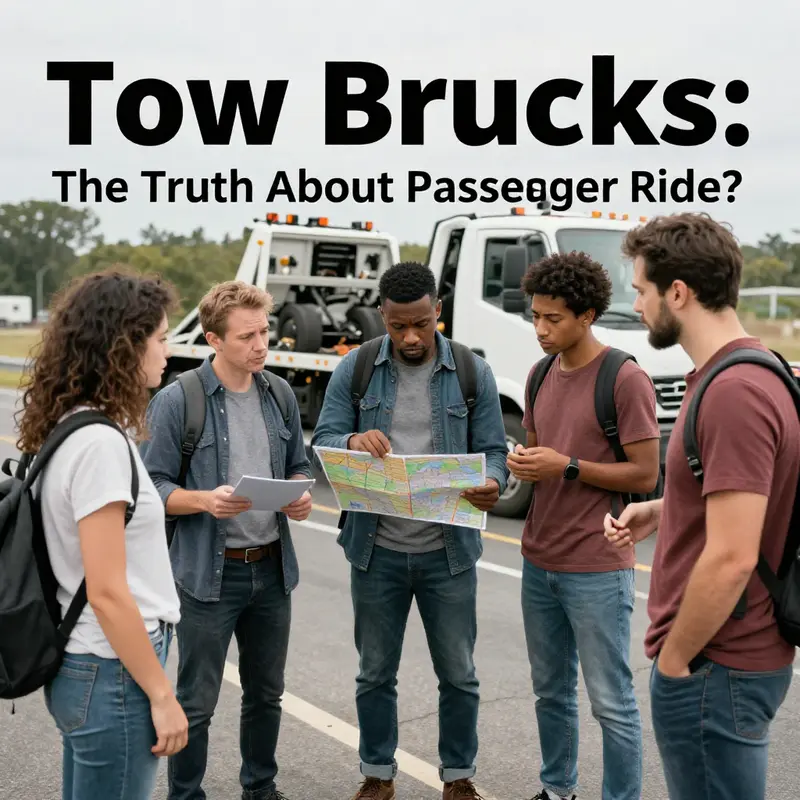
When the broken-down vehicle appears on the roadside and distress calls begin to pour in, few questions stir public debate more than, “Do tow trucks give you a ride?” At first glance the phrase may seem straightforward, even playful—a casual request among friends asking for a lift. Yet, when applied to the colossal, heavy-duty machines that are tow trucks, the term takes on an entirely different meaning. In truth, these specialized vehicles are engineered not to serve as an impromptu taxi service, but instead to execute the precise, often urgent mission of recovering disabled automobiles and transferring them safely to repair facilities or storage locations.
The fundamental misconception lies in an oversimplification of what the word “ride” implies. In everyday language, a ride may simply mean a journey from one destination to another in a personal car or taxi. For many, the casual use of the term obscures the fact that towing operations are grounded in engineering and safety protocols that have little in common with the comfort and service standards found in vehicles designed for passenger transport. Tow trucks are built specifically to haul other vehicles using robust winches, hydraulic booms, and heavy-duty frames. Their interiors, if designed even minimally for an operator’s convenience, are not at all suited for carrying additional passengers. This distinction is critical: while a friend may offer you a ride in their car, asking a tow truck operator to do so inadvertently ignores the singular purpose for which these vehicles were designed.
The engineering behind tow trucks is a marvel of industrial design, emphasizing power, durability, and precision. Unlike conventional passenger vehicles, every aspect of a tow truck is calibrated to manage the forces involved with lifting and towing a vehicle. The equipment installed—be it the winch systems that pull disabled vehicles or the hydraulic apparatus that positions them safely on the flatbed—is optimized for mechanical strength rather than passenger comfort. In these vehicles, even a slight deviation from the strictly regulated operational protocol can lead to hazardous outcomes for both the operator and the stranded motorist. With passenger safety not being part of the design, the idea of taking a seat in a tow truck during an ongoing operation is both impractical and inherently dangerous.
A major factor contributing to the widespread misunderstanding is the inherent ambiguity in everyday language. When a person casually asks, “Can you give me a ride?” in a non-emergency context, it is understood as a request for transportation in a vehicle that is legally and physically equipped for that function. Tow truck operators, however, are rigorously trained to adhere to mechanical and logistical procedures that ensure the safe recovery of vehicles. Their focus is on securing the car in distress and utilizing precise driving techniques to navigate urban and rural landscapes alike. Any attempt to use their specialized vehicle as a means of personal transport would not only contradict regulatory guidelines but would also expose both the operator and any extra riders to severe risks.
Safety considerations abound in the world of towing operations. Tow trucks, unlike personal vehicles, are not outfitted with passenger seating, seat belts designed for normal travel, or interior compartments that shield occupants during sudden stops or accidents. In fact, these vehicles are often configured with minimal accommodations—designed solely to house technical equipment and to allow the operator to control the mechanical functions smoothly. Should someone attempt to ride along during a towing operation, the absence of proper restraints, visibility issues, and the potential interference with the operator’s view would almost certainly result in catastrophic consequences. The heavy machinery that makes up the tow truck is in place to manage the weight of vehicles and not human passengers, a design choice driven by both practical experience and stringent safety standards.
Illustrative scenarios frequently emerge from roadside emergencies where the role of a tow truck becomes sharply defined. Imagine a situation in which a driver experiences a mechanical breakdown at night on a deserted highway. The distress call summons a tow truck equipped with powerful hydraulic systems and reinforced structures. Upon arrival, the tow truck’s primary task is to secure the disabled vehicle and transport it safely to a repair facility. At no point does the operator offer a seat beyond the confines of their own space, nor is there any provision for someone to ride along. Instead, the emphasis is on a controlled, carefully executed operation that eliminates any ancillary risk. It is this commitment to safety and function that forms the cornerstone of towing practices.
The underlying reason for such a clear operational demarcation is rooted in legal and regulatory frameworks. Governmental agencies and safety boards, such as the National Highway Traffic Safety Administration, have set forth standards that dictate the proper use of specialized vehicles like tow trucks. These guidelines mandate that the vehicles be used exclusively for towing and recovery operations, ensuring that each action taken by a tow truck operator is both safe and legally compliant. It is a framework that reflects decades of cumulative expertise and experience in handling roadside emergencies. For a comprehensive overview of these standards, interested readers are encouraged to consult the official guidelines provided by the National Highway Traffic Safety Administration.
Yet another dimension to this issue is the pervasive influence of media and popular culture. Movies and television shows sometimes depict tow trucks in a light that blurs their true purpose. In these dramatizations, scenes may show characters riding in a tow truck, lending a veneer of casual accessibility to what is in reality a specialized work vehicle. While such portrayals might be intended for comic relief or dramatic effect, they also contribute to public misconceptions about the appropriate use and design of tow trucks. In real-world scenarios, the narrow focus on the towing function is critical to maintaining the integrity of both the vehicle’s design and the overall safety of the operation.
For those caught in the quandary of needing a personal ride following a vehicular breakdown, the solution lies in understanding the clear separation between towing services and personal transport. Personal rides should ideally be arranged through taxis, ride-sharing applications, or by seeking help from acquaintances who drive vehicles designed for safe passenger transport. In contrast, when a vehicle is immobilized, it is both appropriate and advisable to call upon a professional towing service. Additional insights on preparing for unexpected vehicular emergencies can be found by exploring resources on emergency response strategies, such as those provided in guides for emergency preparedness for island fleets.
This duality illustrates a broader reality: while both towing and ride-sharing services are integral to our transportation ecosystem, they operate on fundamentally different principles. Towing services exist to rescue, secure, and transport vehicles that have experienced a mechanical failure. Their design and operational mandates are narrowly focused on mitigating the risks associated with roadside breakdowns and ensuring that vehicles reach repair facilities in a safe condition. In stark contrast, vehicles intended for personal rides are developed with passenger comfort, legal compliance, and everyday navigation in mind. Each system, although providing a form of transport, serves distinct and non-overlapping purposes. Recognizing the differences between these two functions is essential in ensuring that each service is used appropriately and safely.
A key element of debunking the misconception is clear public education. It is important that drivers and passengers alike understand that the term “ride” when applied to a tow truck is a misnomer borne of a linguistic overlap rather than a reflection of the vehicle’s capabilities. Tow truck operators are bound by strict operational protocols and legal requirements that definitively preclude them from offering personal rides. Their vehicles are riddled with sophisticated apparatus calibrated solely for the purpose of towing, and any attempt to repurpose them for transportation can undermine both the safety features and the specialized engineering that keeps the operation secure.
Moreover, the division between towing and personal transportation is reinforced by the extensive training that tow truck operators receive. Their training is exhaustive, covering not only the mechanical aspects of towing but also the critical safety procedures required in high-pressure roadside situations. These operators are well-versed in managing weights far beyond what a standard passenger vehicle would encounter. They undergo continual assessments to ensure that every move, from the initial hook-up to the final placement of the disabled vehicle at a repair site, adheres to the highest safety standards. This level of specialization crops up because towing is a task that demands more than just driving—it requires an acute awareness of physics, mechanical integrity, and legal obligations. In stark contrast, the training for a ride-sharing driver focuses on navigation, customer service, and everyday road safety, elements that are markedly different from those demanded in a towing scenario.
The consequences of conflating the roles of tow trucks are not merely academic or linguistic; they have tangible, potentially dangerous outcomes. The misuse of a tow truck to provide unauthorized passenger transport could lead to serious injury, damage to the vehicle being towed, and even costly legal repercussions. Safety systems, designed to stabilize and secure heavy loads, are not engineered to safeguard loose passengers. In emergency situations, every second and every detail matters. By insisting on the proper use of each service, the industry provides a clear pathway toward minimizing risk and optimizing safety. This clarity is essential for ensuring that when a person calls for help during a roadside emergency, they receive exactly the assistance that will best preserve their wellbeing and protect their property.
Ultimately, the answer to the question, “Do tow trucks give you a ride?” is a resounding no. The reality is embedded in a complex web of engineering design, legal mandates, and safety standards that have evolved over many years. While the casual language of everyday conversation may blur this distinction, a closer look reveals that tow trucks are exclusively meant for vehicle recovery. Their design and technical specifications have been honed to address a single, critical purpose: to move immobile vehicles safely and securely under often challenging conditions. By clearly understanding this division, the public can better appreciate the intricacies of our transportation and emergency response systems.
In a world where language and service often intersect in unexpected ways, it is vital that clarity is maintained regarding the roles of different vehicles. Tow trucks are champions of emergency response, engineered to perform under pressure with unyielding precision. Their sole mission is to rectify vehicular mishaps, not to act as makeshift taxis. This understanding helps to ensure that when a vehicle is in need of recovery, the appropriate service is called upon—one that is designed specifically to handle the unique demands of towing.
Through a deeper insight into the specialized nature of tow trucks, both operators and the public can engage more meaningfully with the realities of roadside assistance. It is through such informed perspectives that safety can be improved on our roads. Clear appreciation of the separation between the mechanical duties of tow trucks and the comfort-oriented services of personal transportation not only enhances safety but also fosters trust in the systems designed to protect us. By debunking the myth that tow trucks can provide a ride, we take a small but significant step toward a more informed and safer travel experience for everyone.
Final thoughts
In summary, understanding the role that tow trucks play is essential for effective vehicle management, especially for businesses and service providers in island communities. Tow trucks are valuable assets for transporting vehicles to repair shops, but they do not provide rides for passengers. Expanding awareness around this distinction can enhance communication, safety, and efficiency in managing roadside incidents. Make sure to utilize appropriate transportation options when needed, and ensure your community understands the vital function of towing services when vehicles fail.