For property managers, resort operators, and fleet managers in island communities, the ability to tow with rental trucks can be a vital resource. Whether you’re mobilizing equipment for a resort, fulfilling a delivery as a fleet operator, or addressing vehicle needs as a local dealership or repair shop, understanding the intricacies of towing with rental trucks is essential. This article will guide you through key considerations including towing capacity, rental agreement terms, insurance coverage, trailer compatibility, and local regulations. Each chapter will build upon the last, culminating in a comprehensive overview that empowers you to make informed decisions about towing with rental trucks in your operations.
Tow Ready: Understanding Capacity, Contracts, and Safety When Renting a Tow-Capable Truck
Renting a tow-capable truck can save time and trips, but towing safely requires planning. The core questions are about capacity, the rental agreement, and safety. A tow-capable rental truck is not automatically ready to pull any trailer. Vehicle design, the provider’s rules, and your preparedness all matter. The core decision rests on three pillars: capacity, contract, and safety. When you approach towing with clear expectations across these pillars, you protect the truck, yourself, and others on the road.
Understanding towing capacity begins with a simple definition: it’s the maximum weight the truck can pull safely. Capacity varies by model and is influenced by engine power, transmission, axle ratio, and suspension. A higher-performance setup can move heavier loads, but it also demands matching brakes, tires, and steering. Exceeding the stated limit is risky and can void warranties or insurance coverage. Always verify the exact capacity for the specific truck by checking the owner’s manual, the manufacturer’s site, or the rental sheet, then calculate your load: trailer weight plus cargo.
Matching the tow vehicle with the trailer matters beyond total weight. Consider tongue weight, hitch type, and whether the rental provider can supply or install the correct hitch. If you use a gooseneck or fifth-wheel, confirm compatibility and proper connection before departure. A mismatch can make the setup unstable even if gross weights look acceptable.
The nuts-and-bolts include hitch compatibility, wiring, and lights. Test trailer lights and ensure the connector matches the truck’s harness. If adapters are needed, arrange them in advance. Some providers offer towing packages or gear as add-ons; know what’s included and any limits.
The legal and administrative framework matters too. Towing permissions can be a condition of the rental contract, with restrictions on trailer types or required authorization. Insurance coverage may exclude trailer damage; arrange additional coverage or endorsements as needed and confirm liability for the trailer, cargo, and equipment.
Local regulations may require permits, inspections, or restrictions on routes. Check the destination and route for any towing restrictions to avoid delays or fines.
In practice, successful towing starts with a clear load calculation, verified capacity for the exact truck, compatible hitch and wiring, and written approvals. Do a thorough pre-departure check of brakes, tires, lights, mirrors, and load distribution, and leave a safety margin. Use the numbers, not assumptions, when you roll.
For further guidance, consult credible resources and your rental provider’s guidelines before you tow.
Tow-Worthy Terms: Decoding Rental Agreements for Towing with a Truck
Can I tow with a rental truck? It’s a question that invites a careful walk through the fine print rather than a quick yes or no. The short answer is: you can sometimes tow, but not every rental truck, and not under every set of conditions. The ability to tow hinges on three overlapping realities: the truck’s official towing capacity, the exact terms spelled out in the rental agreement, and the local rules that govern safe towing on the road. When you pull all three into alignment, towing with a rental truck can be practical and cost-effective. When they don’t align, it can lead to unexpected costs, insurance holdouts, or worse, a safety risk on the highway. The core of the matter is understanding what you’re agreeing to before you drive off with a trailer in tow, and recognizing that most of the decision rests on the contract you’re handed at the counter or online before you sign.
At the heart of any towing decision is capacity. The truck you rent will come with a stated towing capacity, which is the maximum trailer weight the vehicle can pull safely. This figure is not a tag to be ignored or a guess to be made in the moment. Exceeding the capacity can stress the engine, transmission, brakes, and steering. It can also affect traction and stability, especially in grades, winds, or uneven terrain. Before you even mount a trailer hitch, you should confirm two things: the weight of your trailer (including any cargo or equipment on board) and the trailer’s own weight when loaded. If the combined weight exceeds the truck’s rating, towing is not advisable, and some rental agreements may not allow you to proceed at all. The practical outcome is that capacity is not a marketing hook but a safety standard, and it’s worth treating it with the respect it deserves.
Beyond the numbers, the language in the rental agreement matters just as much. In many cases, towing is restricted or outright prohibited in standard terms. You may encounter a blanket prohibition in the basic contract, or you may see language that effectively bars towing unless you obtain explicit permission. Even when a hitch receiver is present on the truck, using it to tow a trailer might violate the agreement if the terms do not envision towing, or if they require a specialized rental package. The result can be more than a simple breach of contract; it can void insurance coverage and leave you financially liable for any damage or事故 that occur while towing. The contracts are written to allocate risk clearly, and it is not unusual for a rental company to require you to request towing separately, pay an additional fee, or purchase a different package that explicitly covers towing.
The importance of reviewing the contract cannot be overstated. Skimming the terms and clicking through a standard checkout flow can miss critical clauses about permitted trailer types, required equipment, and the scope of insurance. A careful read helps you spot explicit prohibitions, as well as practical allowances, such as the need for special permits, extra drivers, or enhanced liability coverage. If towing is essential for your plan, the next step is to contact the rental provider directly to discuss options. You may be offered a tailored package that addresses the specifics of your load, the type of trailer, and the routes you intend to use. Some providers tailor their offerings with explicit towing or heavy‑duty options that include appropriate insurance coverage, brake controllers, and correctly rated hitches. When those provisions exist, they are designed to reduce risk for both you and the company, making a scheduled move safer and more predictable.
The operational realities of towing with a rental truck also hinge on practical equipment compatibility. A hitch receiver is not the sole determinant; it is one part of a broader system that includes hitch type, wiring, lighting, and braking connections. Even with a properly rated hitch, if the trailer’s electrical system is not compatible, you can encounter taillight or brake failures that compromise road safety. Modern trailers require a correct wiring harness and, in some cases, a brake controller within the tow vehicle. If the truck you rent lacks the necessary wiring or control electronics, you may need to arrange an adapter or a different vehicle altogether. The takeaway is that compatibility goes beyond a single connector; it encompasses the full electrical and braking ecosystem required for safe towing.
On the regulatory side, local rules about towing—especially in congested urban areas or on specific roadways—can introduce additional friction. Some jurisdictions impose limits on trailer size, weight, or speed. Some routes require permits for oversized loads, and those permits, in turn, hinge on the precise vehicle-trailer combination. The practical implication is that even if the rental agreement allows towing, you must verify the legality of your specific setup for your planned routes. This verification includes ensuring compliance with lighting, signaling, and load securement standards that might differ between regions.
For readers who want a pragmatic pathway through the process, consider treating towing with a rental truck as a two-track decision: validate the vehicle’s capacity and confirm permission from the rental provider. Start by assembling a precise weight tally for your trailer and its cargo. Then compare that figure to the truck’s stated maximums, factoring in any safety margins recommended by the manufacturer. Next, parse the contract for explicit language about towing or heavy‑duty use. If any doubt remains, reach out to the rental company with a clear, specific brief: the exact trailer type, its load, the planned route, and the dates. Ask about required permits, additional fees, and whether a specialized package is needed. If a towing option is offered, request details about what is included—insurance coverage limits, exclusions, and the process for reporting incidents.
In practice, the existence of a towing option is not a guarantee that you can simply hook up and drive away. The terms may require you to complete a safety briefing, demonstrate proper load securement techniques, or install particular safety devices. Some providers also require that you purchase additional insurance or accept specific liability waivers. The careful reader will treat these steps not as obstacles but as essential safeguards that minimize risk to you, others on the road, and the vehicle itself. The negotiation, therefore, becomes as critical as the hardware. You may find yourself balancing the convenience of a single rental with the peace of mind that comes from a clearly defined plan and documented permission to tow.
As you navigate these questions, you can learn from broader resources on how to manage vehicle fleets and emergency responses when towing is part of the operation. For readers who manage more complex movements or fleets, the topic extends beyond a single trip. You can explore related guidance on essential fleet emergency response strategies that helps frame towing within larger safety and contingency planning. The goal is not to complicate the decision but to illuminate the considerations that make towing with a rental truck feasible, safe, and compliant rather than a source of legal or financial risk. If you proceed with this approach, you’ll be better prepared to align your needs with the truck, the trailer, and the paperwork that binds them.
For real-time clarity on availability and pricing, always refer to the official rental company channels and confirm towing eligibility directly. The process is: identify the specific truck you want, confirm its tow rating, review the contract terms for any towing restrictions, and then confirm whether your trailer and payload fit within those limits. If the answer is yes, you can plan your move with confidence; if not, you’ll know early that a different vehicle or a separate towing solution is the safer choice. In all cases, the goal remains the same: move your load safely, legally, and with full awareness of what the rental agreement permits—and what it prohibits. External reference for further detail on how agreements address towing can be consulted here: https://www.hertz.com/rental-car-rental/rental-agreement/terms-and-conditions
Insurance Coverage Aspects for Towing with a Rental Truck
Towing with a rental truck opens practical possibilities when moving a trailer, equipment, or a second vehicle. Yet the safety net you expect from a personal auto policy and a standard rental agreement often looks different once you start towing. Insurance coverage aspects become not just a matter of legality, but of protecting your wallet and your schedule. In practice, most renters discover that the default liability coverage in a rental contract is only part of the story. It primarily covers third-party damages and injuries you may cause to others, not the damage to the rental truck, the trailer, or the contents of either. This distinction matters because if the truck is involved in a collision while pulling a heavy load, the cost of repairs or replacement can easily run into thousands. The initial payment at the counter may feel small, but the accumulated liability when towing is not the same as simply driving the truck empty.
The core idea to keep in view is that towing changes risk profiles. If you stick to the basics, you risk gaps that could leave you personally liable for major costs. The deductible on the standard policy is an immediate touchpoint: even when coverage exists, you may be on the hook for a substantial amount before protection kicks in. Deductibles commonly hover in the several hundred to the low-thousand-dollar range, which means a single bad incident can upend a budget designed for a simple move. This is why the conversation around insurance for towing should start with the rental agreement and progress to add-ons that explicitly address the tow and the towed asset. Many renters find that the core policy feels thin once you’re towing, and an extra layer—often called a collision damage or loss damage waiver—becomes essential. This waives, or at least reduces, your liability for damage to the rental truck. In some cases, it also covers the towed vehicle, but not universally. Carefully read the fine print, because some plans exclude components that are crucial for towing, such as tires, rims, or the tow hitch itself, and some may exclude damage caused by negligence or improper loading.
The possibility of coverage for the trailer or the loaded vehicle hinges on the language of the policy. Some providers advertise that their waiver includes the towed vehicle, while others reserve that protection for more limited scenarios. The only safe path is to confirm explicitly, in writing, what is and isn’t covered when you are towing. If your policy or the rental agreement leaves gray areas, you should seek clarity before you sign. If you proceed without clear coverage, you risk discovering gaps only after an incident occurs. The tension between towing and liability becomes even more pronounced if the move involves heavy or specialized loads, because the added weight compounds risk and strain on brakes, tires, suspension, and hitch components. In such cases, you may want to inquire about towing equipment liability, a provision some contracts include that can extend coverage to the towed vehicle when certain conditions are met. But don’t assume it is automatic; verify before you hit the road.
Beyond the rental provider’s policy, your own personal auto insurance may still apply to the rental truck, especially for personal use. The coverage could extend to the truck itself and to third-party damages, but coverage for the towed vehicle is seldom automatic. In other words, your car policy might pick up bodily injury or property damage you cause to others in an accident, but you cannot treat the towed assets as if they were simply another passenger. You should contact your insurer well before your move to confirm whether your policy is active for a rental truck and, specifically, whether it provides any towing-related coverage for the towed equipment. If you do have coverage, obtain a written statement and carry it with you, because during a claim the insurer will want details about the policy language and the incident’s specifics.
If your activity falls into a commercial category—say you are moving a client’s property for business—the landscape shifts again. Personal policies often do not extend to commercial use without the right endorsements, and rental companies may require you to provide proof of commercial coverage. In that scenario, the mere inclusion of a blanket liability rider on a personal policy is unlikely to satisfy the insurer or the rental company. The takeaway for commercial use is practical: check the classification of your move, confirm what kind of coverage the rental provider requires, and arrange the appropriate endorsement in advance. This is not just about meeting rules; it is about ensuring that if something goes wrong, the response is swift and within policy limits rather than a scramble to source funds.
As you navigate the logistics of towing with a rental truck, the law and the rental agreement converge on basic, universal principles. You must keep everything secure—every load chained and properly hitched—and you must ensure the total weight never exceeds the vehicle’s stated towing capacity. Local regulations and highway codes may have specific rules about how a trailer is attached, the functioning of brake lights and turn signals, and the dangers of improper loading. If you neglect these steps, you may face not only fines but also a breakdown in coverage when you need it most. The insurance angle, though, is about planning, documentation, and communication: read the terms carefully, secure any needed add-ons, and verify with your insurer and the rental company that you are covered for both the truck and the towed asset.
A practical path to peace of mind begins before you ever leave the rental lot. Start by reviewing the insurance section of the rental agreement line by line, asking questions until the language matches your understanding. If the base policy does not provide sufficient protection for the towed vehicle or for the trailer gear, you should consider supplemental protection from the rental company. In addition to that, speak with your personal insurer to align your coverage with the specific towing scenario. A simple, yet critical habit is documenting the condition of both the rental truck and the towed vehicle before you depart—photos, notes, and receipts—so that you have a clear record should a dispute arise about preexisting damage or loading issues. Preserve all documentation: repair estimates, bills, and correspondence with the rental provider. This becomes especially important if there is ever a question of coverage after an incident.
For readers who want context about how coverage is typically structured across major rental programs, it helps to understand the broader framework: liability protects others, while physical damage protection acts as a shield for your own assets. The right combination depends on your circumstances—weight of the load, the towed vehicle’s condition, your driving history, and the geography of your move. To stay grounded, lean on the contractual language and, when needed, seek guidance from the company’s insurance resources. If you’re curious about broader guidance and ongoing discussions in this space, you can follow the practical insights shared on the industry blog, which offers perspectives from professionals who work with towing and moving operations: The Island Tow Truck blog.
In any case, the path to minimizing risk with a rental truck is anchored in due diligence. The booking decision should factor in not only price and availability but the clarity of the insurance terms and the extent of coverage for towing. Always confirm towing eligibility and the required documentation with the provider before driving off with a trailer. If you need a formal outline or examples of coverage structures, refer to authoritative resources on rental-truck insurance. External resource: https://www.uhaul.com/insurance/
This approach keeps you prepared, protects your wallet, and ensures the move proceeds with fewer surprises, regardless of the trailer or load you plan to tow. And while the specifics will vary by provider and location, the core principle holds: do the research before you tow, secure the coverage you need, and document everything so you can focus on the logistics of your move rather than the risk.
Tow-Ready Realities: Navigating Trailer Compatibility When Renting a Truck
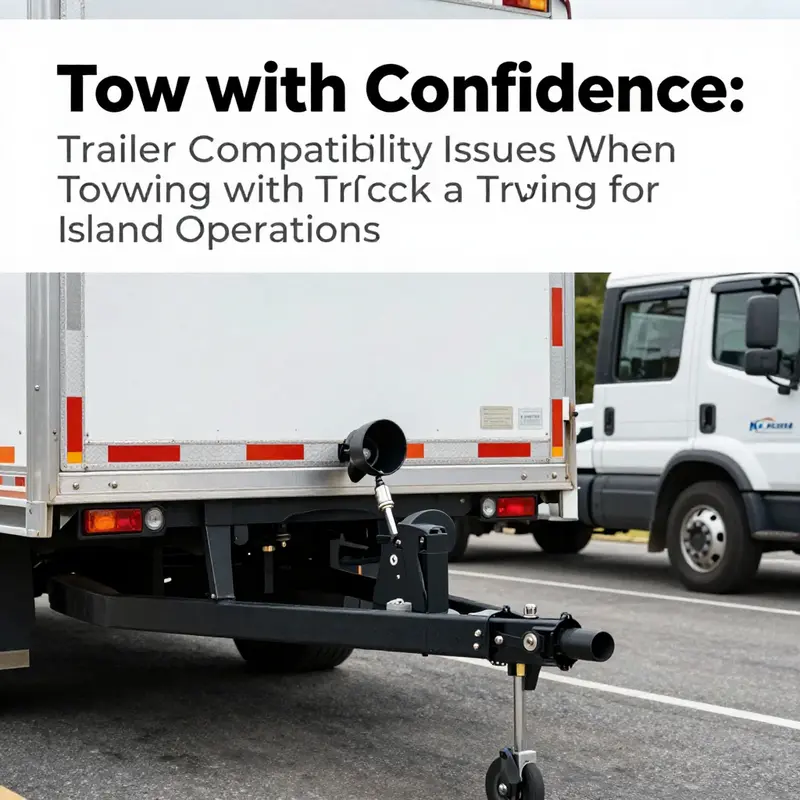
Towing with a rental truck can be a practical solution for moving gear, equipment, or belongings, but it is not a guaranteed yes. The reality rests on a careful mix of trailer weight, hitch availability, wiring readiness, and the exact policies of the rental company. This chapter follows a single thread through those considerations, weaving practical steps with the broader context of safe and legal towing. At the core is trailer compatibility: does the truck you’ve rented have the capacity, the hitch, and the electrical setup to safely pull the trailer you need to move? The simplest answer is often no by default, unless you verify every element before you drive off. Weight is the first and most consequential factor. The trailer plus its cargo must stay within the truck’s stated towing capacity. If the total weight exceeds what the vehicle is engineered to handle, you risk steering and braking instability, engine strain, and accelerated wear. In addition, you risk voiding insurance or incurring unexpected charges if the rental agreement disallows towing or imposes strict limits. A clear, early assessment helps you avoid a costly misstep. The next element is the hitch and the wiring. Rental trucks may come with a standard receiver hitch, but there is no universal guarantee that the hitch size, type, or wiring matches your trailer. Some trailers require a different hitch size, or a weight-distributing setup to maintain stability in motion. Others rely on a dedicated electrical harness for trailer lights and brakes. If the truck lacks the correct wiring, you might need a harness adapter or an electrical kit, which can add time and cost to your rental. Even small mismatches can lead to signaling problems on the road, which raises safety concerns and potential violations in traffic enforcement. These realities underscore why the exact specs should be confirmed in advance. The rental agreement itself plays a deciding role. Many rental companies require you to obtain explicit towing permission and may limit the trailer type, the route, or even the act of towing altogether. Some providers will permit towing only with certain vehicles or only under specific conditions, such as using a particular hitch setup or only for short distances. Others may prohibit towing entirely unless approved in writing. The onus falls on you as the renter to read the terms carefully and to speak with a representative to verify what is allowed. It is not enough to assume that because a truck is capable of pulling a trailer in theory, it is permitted in practice under the rental terms. Insurance is another critical dimension. Standard rental insurance often does not automatically cover damage arising from towing activities. If you intend to tow, you should confirm coverage with the insurer or consider adding enhanced protection that specifically includes towing-related incidents. Without clear insurance, a mishap could become a costly liability, even if the trailer itself is properly secured. In parallel, confirm whether the rental includes equipment like a hitch kit, wiring harness, or any necessary adapters. Some rental companies require you to rent these items separately, which can create an unanticipated cost. A misplaced or incompatible hitch does more than complicate the trip; it can compromise vehicle control and trailer alignment. Before you pick up the truck, do a thorough check of both the vehicle and the trailer. Inspect the hitch receiver for wear or damage, confirm that the trailer’s coupler matches the hitch, and verify that the safety chains are in good condition and properly crossed. Check the trailer’s lights and wiring by connecting to the truck and testing each function—brake lights, tail lights, and turn signals. If you cannot safely perform these tests at the pickup location, arrange a time with the rental agent to do so, or postpone the move until the hitch setup is verified. This is not merely a courtesy; it is a safety and liability precaution that limits your exposure to roadside failures and legal complications. A practical planning mindset helps here: map out the route with the trailer in mind, consider road grade, intersections, and potential detours that could stress the towing setup more than a standard move would. Slow, deliberate driving, steady acceleration, and extended braking distances become essential habits when a trailer is in tow. The dynamics of a trailer change every aspect of driving—steering feel, stopping power, even the way wind resistance acts on the vehicle. If the trailer is heavier than expected, or if the hitch configuration is marginal, the likelihood of sway increases. To mitigate this risk, some operators opt for a basic weight-distribution setup or consult with a towing professional to confirm that the vehicle-trailer pairing is within safe operating margins. Another layer of preparation involves familiarity with the rental provider’s guidelines on towing. Since these guidelines vary, it is wise to document any conversations and to seek written confirmation when possible. If you discover that the truck you want to rent cannot safely or legally tow your trailer, do not press forward with your move. Instead, select a different vehicle or arrange alternative transportation for the trailer itself. The essential takeaway is diligence up front. Do not assume compatibility based on a generic sense of capability. The weight rating, hitch type, and electrical system must align with the trailer’s demands. If you’re unsure, pause, verify, and adjust your plan. For readers seeking broader practical context on towing logistics, consider visiting the Island Tow Truck Blog at the Island Tow Truck site. theislandtowtruck.com/blog/. This resource can provide practical notes on fleet and vehicle considerations that complement the specific rental scenario you face. Finally, recognize that the towing landscape is not static. Local regulations may shape what is permissible in your area, including certain vehicle classes, trailer types, or road restrictions. Always check the local rules before setting out with a trailer in any rental truck. For authoritative guidelines, see professional towing standards such as the official Hertz towing guidelines. https://www.hertz.com/rental-car-rental/truck-rental/towing-guidelines
Tow-Ready Rules: Navigating Local Regulations When Tow-ing with a Rental Truck
Towing with a rental truck sits at the intersection of practicality and regulation. It is not simply a matter of loading a trailer and hitting the road; local authorities, zoning codes, and the terms of the rental agreement all shape what is permissible, where you can tow, and how safely you must proceed. Across towns and cities, the rules differ in subtle but consequential ways. Some jurisdictions restrict towing on certain roads or in particular zones, such as busy downtown corridors or residential districts where noise, maneuvering space, or sight lines pose hazards. Others require specific permits for heavier trailers, or for tows that involve commercial equipment. The consequences of crossing those lines can be steep: fines, delays, vehicle immobilization, or even insurance complications that leave you financially exposed after an accident. Given this complexity, renters should treat local regulations as a foundational step in planning any tow rather than an afterthought tucked into the fine print of a contract.
The practical reality is that many rental fleets are designed to handle towing tasks, but not every vehicle is equally capable, and not every rental policy allows towing without explicit permission. Local rules sometimes align with the rental company’s policies, but they can diverge in meaningful ways. For instance, a city might permit towing a light utility trailer on broad avenues while restricting heavier loads on narrow, windy streets. Another locality may require an inspection or certain equipment on the tow vehicle, such as a compatible hitch, brake lighting, or wiring that matches the trailer. These details matter because towing beyond what a city or town allows can void coverage, heighten liability, and invite penalties that turn a straightforward move into a legal and financial headache. The onus falls on the renter to bridge the gap between what the rental agreement states and what the local laws demand.
To begin, renters should acknowledge that the rental agreement is the contract that governs risk, but it does not replace the local codebook. The agreement will often require explicit permission to tow and may impose fees or restrictions on the types of trailers you can pull. In some cases, the policy will specify that towing is allowed only with certain hitch configurations or only during daylight hours, while other jurisdictions impose no-tow periods in high-traffic times. The mismatch between permission granted by the rental company and prohibition enforced by a city can produce a scenario where you are technically within the letter of one rule but violating another. It is therefore essential to verify both sides before you drive off with a trailer attached. In practice, a short phone call or a quick online check with the rental provider can prevent costly missteps. When you look up the provider’s policy, you should seek explicit confirmation that towing is allowed with the specific truck you plan to rent, and you should learn the conditions that apply, such as the maximum trailer weight, required hitch type, and any geographic limitations.
Local regulations also shape the safety framework around towing. Most jurisdictions require that tow vehicles meet certain safety standards, including proper lighting on the trailer, functional brakes if the trailer exceeds a particular weight, and secure load practices. Some places impose stricter noise or emission standards for tow operations, especially in urban cores or historic districts. The combination of permit requirements, equipment standards, and operating restrictions creates a layered compliance environment. If you ignore any layer, you risk not only fines but also potential liability for damages that occur during a tow. The safest approach is to treat the regulatory landscape as a multi-tiered map: know where you can go, what you can pull, and how you must behave while you are on the road.
For renters who want a practical anchor, there is value in consulting established, experience-based sources that translate regulations into actionable steps. Industry guidance and blog communities often offer concise reminders about what to check before towing. For example, a well-known resource in the field provides a stream of practical pointers and links to official codes. In addition, a quick read of guidance from a reputable information source can reinforce the importance of verifying permission and capacity before departing. You can also gain useful insights by connecting with the broader towing community, including professionals who handle similar moves regularly. This helps ensure you are not relying solely on memory or assumption when you are in a pinch, on a deadline, or in an unfamiliar municipality. To keep this connection tangible while you plan, consider bookmarking a reliable, up-to-date resource that regularly updates its towing guidance and cites the latest municipal ordinances. You may even find value in reviewing a specifically tailored checklist on a trusted industry blog, which can help you confirm steps such as capacity, hitch compatibility, and required permits before a single mile is logged with a trailer in tow. Island Tow Truck blog serves as a practical touchstone for readers looking to align their actions with best practices and common-sense cautions.
The core takeaway is simple but powerful: do not assume. Assumptions about capacity, road access, or permissibility can turn a routine move into a regulatory trap. Start with the rental provider’s explicit permission and the exact towing capacity of the truck you choose. Then cross-check those details against the local municipal codes and any state or provincial regulations that might apply to the route you intend to travel. When in doubt, pause and verify. If a city or town requires a permit for towing certain trailer classes, obtain it in advance and carry documentation during the move. If the local rules forbid towing on a particular road during peak hours, plan an alternate route that adheres to the allowed time windows. If the guidelines require a certified hitch or a specific lighting setup, arrange for the correct equipment before you narrow your route. The small upfront steps can avert the big costs tied to penalties or to the breakdown of a trip that was otherwise straightforward.
This careful approach is especially important in regions with dense infrastructure. In cities where delivery and relocation traffic converge with residents, the need to balance efficiency with safety becomes critical. A rented truck towing a trailer is not merely a vehicle; it becomes a regulated asset on a public road, subject to the same rigor as any commercial operation. Remember that local regulators may also require the storage of towed vehicles or trailers in designated facilities, and violations of storage or parking rules can compound the penalties attached to towing infractions. If your plan involves moving a vehicle or equipment that will remain off the rental lot for any period, verify where the towed unit can be stored and for how long. The goal is to harmonize your timing, your equipment, and your location with the letter of the law and the terms of your rental.
In closing, the local regulatory landscape surrounding towing with a rental truck is not a footnote but a compass. It guides decisions about where you drive, how you attach, and what you carry. By foregrounding these regulations in your planning, you create a safer, smoother, and more compliant move. Always confirm towing eligibility with the rental provider, verify the equipment and load limits, and check the local ordinances before you head out. If you need broader context, see external resources such as Can You Tow with a Rental Car? Key Rules and Tips which discuss the intersection of rental policies and local law. For ongoing practical insights and community-tested tips, you can explore additional material and updates on the Island Tow Truck blog and related industry discussions. Keeping regulatory compliance at the forefront reduces risk and keeps your move moving forward in a responsible, predictable way.
Final thoughts
Understanding the dynamics of towing with rental trucks is vital for various island enterprises. From evaluating the towing capacity to deciphering rental agreements and ensuring insurance coverage, each consideration plays a crucial role in responsible rentals. Trailer compatibility and adherence to local regulations seal the process, allowing businesses to operate efficiently and safely. By arming yourself with this knowledge, you can confidently make towing arrangements that support your operational needs while adhering to best practices.