When it comes to heavy lifting, especially in industries that rely on robust towing capabilities, knowing which truck excels is paramount. The demands of local auto repair shops, car dealerships, property managers, resort operators, and commercial fleet operators require understanding the nuances of towing capacity among various vehicle options. This comprehensive guide dives into why the Ford F-250 Super Duty stands out as a towing titan, examines its closest competitors like the Chevrolet Silverado 2500HD, and introduces the game-changing capabilities of electric trucks like the Ford F-150 Lightning. With a comparative analysis to clarify the field, you will walk away empowered to make an informed decision suited to your towing needs.
Tow Power with Purpose: How the Ford F-250 Super Duty Redefines Maximum Towing Capacity
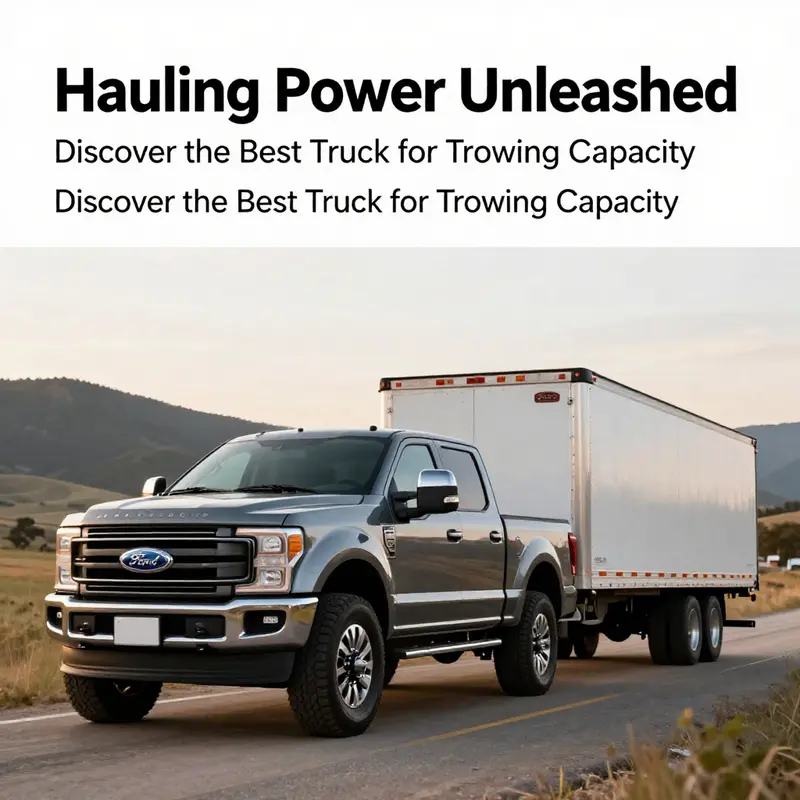
Towing capacity is more than a single figure on a window sticker. It is a practical measure of how a vehicle is prepared to perform demanding tasks day after day, across long hauls, in variable weather, and with trailers that must respond to the demands of real-world use.
In the landscape of heavy-duty pickups, the Ford F-250 Super Duty stands out not merely for its raw numbers but for the way those numbers are engineered, managed, and delivered to the driver. When people ask which truck has the best towing capacity, the answer has to be anchored in configurations, capabilities, and the technology that makes those capabilities usable rather than just theoretical peaks.
The maximum capability hinges on proper configuration. With the right engine choice and the Max Trailer Tow Package engaged, the F-250 can tow up to 28,000 pounds with a conventional hitch and up to 38,000 pounds when equipped for a fifth-wheel trailer. These numbers reflect the combinations that Ford has tuned for high-load performance, where torque comes first and control follows.
The engine lineup, four options that span gasoline and diesel, plays a pivotal role in how these towing numbers feel on the road. The diesel option, in particular, is often favored by heavy-haul users because torque is available at low RPMs, which translates into easier control of weight transfer at the hitch and better overall stability when towing at highway speeds. The gasoline engines provide strong power and responsiveness for daily driving and lighter-to-moderate towing tasks, ensuring that clients who do not always tow at maximum capacity can still enjoy confident performance and a refined driving experience.
A closer look at the human side of the physics reveals why the F-250 towing capability matters in daily operations. Real-world towing requires a careful balance between engine torque, transmission gearing, hitch geometry, and trailer braking dynamics. Features like the integrated trailer brake controller and Pro Trailer Backup Assist help the driver modulate braking force for the trailer and maneuver with greater predictability, especially on grades and in tight spaces.
For readers planning a purchase, the choice of configuration matters as much as the raw numbers. The combination of engine power, towing package, and chassis tuning is the difference between towing that feels effortless and towing that requires deliberate, steady control. In many cases, buyers choose a high-torque diesel paired with reinforced suspension to achieve the most seamless integration of weight, stability, and stopping power. In others, a well-matched gasoline option may be preferred for daily driving with occasional heavy towing.
Within the broader market context, the F-250’s high-tow figures sit alongside formidable competitors that offer similar capacities, though the details can vary based on packages and configurations. It is important for prospective buyers to weigh not only the peak numbers but also drivability, control, and long-term reliability, which come from a system designed to handle heavy-duty tasks day after day.
For readers seeking deeper technical specifics or the latest configuration options, the official sources remain the most reliable guide. The Ford site lays out the powertrains, the available towing packages, and the precise limits for each setup, making it possible to tailor a truck to a particular use case rather than relying on generic assumptions.
In this exploration, the question of which truck offers the best towing capacity remains strongly answered by the F-250 Super Duty in its top configurations. Yet the discussion should not stop at the number. It should extend to how those numbers feel in real-world work, how the truck behaves under load, and how the integrated technologies contribute to safer, more efficient towing. The objective is to move beyond a single benchmark into a practical understanding of how heavy-duty power is harnessed and managed, so that buyers can choose a truck that aligns with their needs and the realities of the road ahead.
A Close Competitor in Peak Towing Power
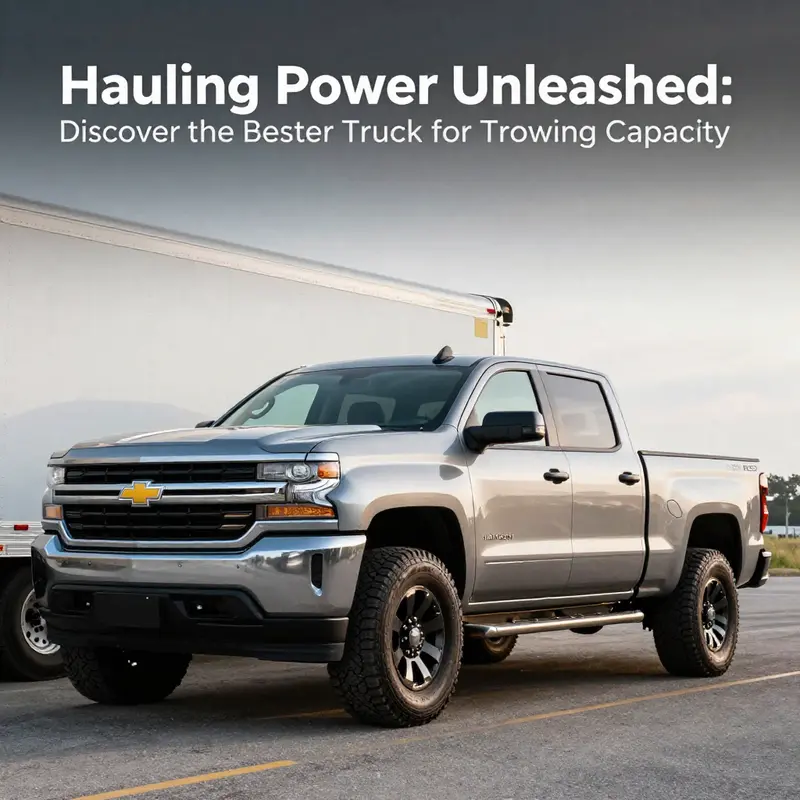
In the world of heavy-duty pickup trucks, where peak towing capacity often steals the spotlight, the narrative is rarely simple. The numbers on spec sheets tell a compelling tale, but the real story unfolds on the road and at the hitch. This chapter examines a close competitor in the towing arena—one whose advertised maximum tow rating stretches toward the upper end of the class while delivering a composed, controllable feel when the trailer is in tow. The point is not to crown a single winner, but to understand how configuration, drivetrain tuning, and towing packages come together to yield usable power that operators can rely on day after day.
A robust diesel V8 paired with a modern multi-speed automatic is a common thread among high-towing-capacity contenders. The torque is there when you need it most—at low to mid RPM—providing a confident launch and sustained pull up grades. Yet torque alone does not define capability. Real-world performance depends on how the engine’s power is delivered, how the transmission holds gears and shifts when the load changes, and how the entire drivetrain remains composed under the weight behind the hitch. In practice, this means a balanced blend of engine responsiveness, gearing, cooling, and chassis tuning that keeps the vehicle stable as weight shifts during acceleration, hill climbs, and braking maneuvers.
When configured with the preferred engine and the appropriate towing package, the close competitor can reach towing figures near or just over thirteen thousand pounds in the right setup. This is not universal for every trim, but it demonstrates why this model remains a credible challenger to the segment’s upper echelon. The capability is as much about the quality of the powertrain as about the integration of cooling, a robust trailer brake controller, upgraded suspension, and a reliable hitching system. The driver’s experience—linear torque delivery, steady throttle response, predictable braking, and solid steering feedback—often matters more than the single peak number.
Delving into the technical details helps illuminate why this model stands out in particular configurations. The engine architecture emphasizes torque delivery across a broad RPM range, enabling a smooth start and comfortable pace on long pulls. The horsepower figure matters, but in towing tasks, torque availability and the engine’s ability to sustain it under load are typically the decisive factors. A well-tuned automatic transmission with an ample gear spread keeps the engine in its sweet spot, reducing downshifts on hills and providing confident control in windy or uneven conditions. The result is a towing experience that feels purposeful and balanced rather than raw and binary.
The weight and distribution of the trailer still demand attention. A properly matched towing package, including hitch upgrades, trailer brake controllers, engine and transmission cooling improvements, and chassis refinements, helps maintain stability and predictability. This means better control through weight transfer, more consistent braking performance, and a ride that remains comfortable for long days on the road. In practice, the best configuration doesn’t simply maximize the number on the label; it harmonizes the powertrain, the towing equipment, and the vehicle’s suspension to deliver steady performance across a range of trailer weights and terrains.
From a fleet perspective, the practical takeaways are straightforward. If maximum pull power is the priority, focus on a configuration that confirms the power arrives at the hitch with consistency and control. For most operators, though, reliability, reduction of driver workload, and a calm, predictable response under load often trump chasing the highest possible rating. The audience should seek a model whose performance remains stable as the load approaches the limit, with cooling, braking, and steering all behaving in a controlled manner. The closest competitor, when properly configured, offers a compelling balance of capability and confidence—an option worth weighing in any fleet or personal upgrade decision.
Ultimately, the question of which truck has the best towing capacity depends on the criteria you value most. If the goal is the most aggressive peak rating, a handful of configurations may stand out. If the goal is dependable, predictable performance in real-world towing scenarios, then the close competitor described here is likely to be a strong contender that earns the driver’s trust across a broad set of conditions.
For fleets seeking practical guidance, consider evaluating towing packages that emphasize cooling, braking performance, and trailer control systems in addition to engine torque. This holistic approach better aligns capacity with controllable performance in the scenarios you are most likely to encounter. And in that sense, the close competitor remains a significant player in the field—a reminder that achieving excellent towing capability is a matter of integration, not a single dimension.
Electric Trucks and the Quest for Maximum Tow Power: How the Leading Electric Pickup Rewrites the Tow Equation
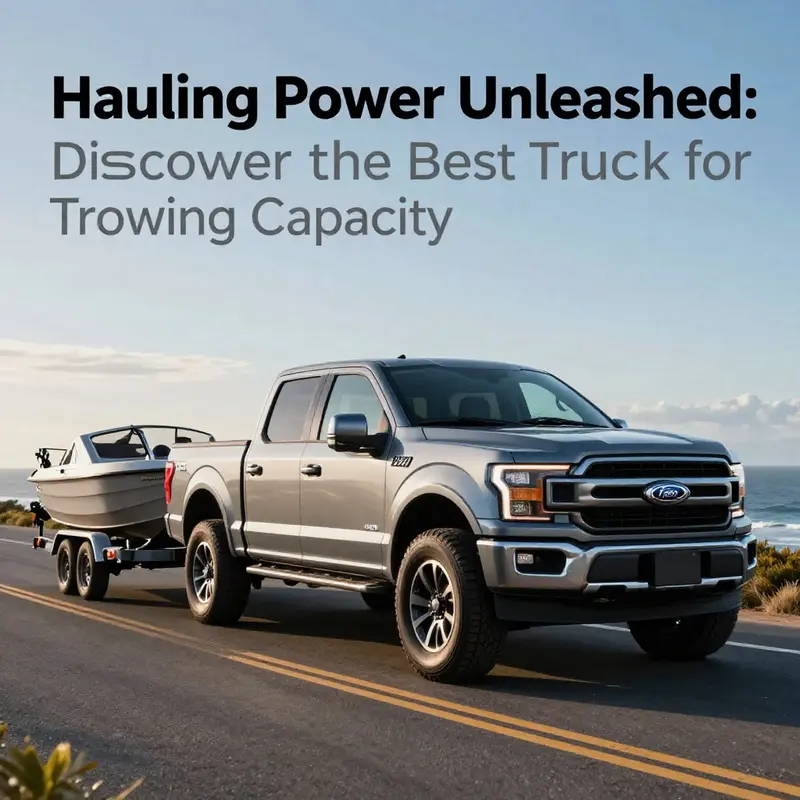
Towing capacity sits at the intersection of power, physics, and purpose. It is not a single number that tells all stories; it is a function of how the powertrain delivers torque, how the chassis handles mass, and how the trailer interacts with the road under real driving. For years, the towing dialogue centered on diesel and gasoline heavy duty rigs, where high curb weight and tuned cooling and gearing pushed payload and trailer weight to the upper end. In that landscape, top configurations could reach around twelve thousand five hundred pounds with the right towing package and drivetrain optimization. Rival rigs often hovered near thirteen thousand pounds, underscoring that the gap between the best and the rest came down to cooling, gearing, and chassis stiffness. These numbers remind buyers that tow power is not the sole measure of capability, and that the best trucks must tolerate heat, wear, and long days behind a hitch.
Against this backdrop, electric pickups entered with different advantages. The most compelling is the instantaneous torque from zero rpm, which makes starting and keeping momentum with a heavy trailer feel more assured than with traditional engines. This torque supports traction and drive feel, helping to keep the vehicle from squirming under load and aiding the driver in maintaining control on grades and through gusty winds. The architecture of an electric powertrain also allows for refined weight distribution, as motors, inverters, and battery mass are part of a single system. A well designed chassis can use the battery mass to improve straight line stability when towing, while tuned suspension and an optimized wheelbase contribute to better response in corners and over rough pavement. The result is a towing experience that feels planted even when the loads are heavy.
The latest benchmark shows a maximum towing capacity for the leading electric pickup that, in many real world scenarios, edges past top figures seen in diesel variants. This maximum of fourteen thousand pounds comes from a robust electric powertrain, a high capacity battery, and a towing focused chassis and electronics package. It is not merely a laboratory number; it reflects how far electric propulsion has come in handling heavy duty tasks. The figure sits with the common sense understanding that practical towing depends on more than a single statistic. It requires a system that can sustain a heavy trailer for long periods, manage heat during sustained braking and acceleration, and deliver predictable performance across highway, job site, and recreational routes.
Among the enablers are three core traits. First, the torque delivery profile is fundamental. Electric motors produce maximum torque instantly, which helps with trailer maneuvering at low speeds and backing into a hitch. Second, integrated drivetrain and chassis design coordinates motor placement, battery mass, and suspension to optimize weight distribution and stiffness. When done well, this yields a confident, linear feel as the load increases and reduces pitching and swaying that can complicate braking and steering. Third, modern stability and trailer assist features, like sway control, adaptive braking, and regenerative energy management, help drivers maintain control without fighting the vehicle’s inertia. Taken together, these traits explain why an electric pickup can reach towing capacities that push into a new tier while still offering daily usability.
For practical implications, the numbers tell only part of the story. The use cases show how towing capability translates into real world value. Contractors hauling heavy tool boxes, lumber, and equipment benefit from a truck that can move large loads with predictability and quiet efficiency. Outdoor enthusiasts tow travel trailers, boats, or other gear and appreciate a strong pulling force combined with the reduced cost of operation over the life of the vehicle. Families relying on recreational towing will notice a refined sense of reliability and safety that fits everyday utility. The moral is not simply that electric power can match diesel numbers; it is that electric propulsion can deliver a compelling balance of pulling power, control, and efficiency across the duties that define daily ownership.
Beyond numbers, environmental and economic dimensions of towing capacity matter. Zero emission operation reduces local air pollution, a factor in urban and suburban areas where frequent trailer trips occur. Potential cost savings over the vehicle’s life come from fewer moving parts, fewer fluids to change, and lower maintenance typically required. For fleets, these calculations can tip in favor of electric options as charging networks mature and ownership costs reflect long term efficiency. Home charging and workplace charging expand practical windows for towing, enabling trips to be planned around energy availability rather than fueling options. These are real world implications that shape how people choose a truck for heavy duty work and weekend towing alike.
The contrast between diesel and the electric benchmark is a broader conversation about how people work with trucks and where they haul. Top traditional rigs show there is still a place for maximum straight line pulling, especially when long days and repeated heavy pulls dominate. Yet the evolving electric option demonstrates that the powertrain can be tuned to keep pace, even when trailer weight demands quick starts, repeated braking with added mass, and precise steering inputs. The implication for buyers is clear: the choice is no longer limited to horsepower or a towing sticker. It is about a holistic capability, torque response, thermal management, chassis tuning, braking performance, and trailer connection across conditions. When a vehicle can deliver up to fourteen thousand pounds of towing capacity while maintaining a controlled ride and energy resilience, it becomes a credible contender for fleets and weekend warriors alike.
For island or coastal operations, towing relevance takes on a practical texture. Anchoring heavy duties to nearby harbors or shipyards requires dependable hauling where diesel fueling options may be irregular. In such contexts, the ability to tow substantial loads with a vehicle that also minimizes emissions and reduces fuel costs is especially appealing. Helpful resources on island fleet resilience can offer planning and contingency insights. For official specifications, the leading electric pickup’s manufacturer site provides power figures, range considerations, and a clear balance of performance and efficiency that define its towing character.
In practical evaluation, towing capacity is closely linked to weight distribution, payload, and how that weight is managed. The towing package, cooling capacity, drive motor strategies, and tire configurations all matter. When evaluating an electric pickup, look beyond peak capacity and consider how the system behaves under repeated loads, how quickly it cools on long pulls, and how energy is managed during sustained braking. Real world performance hinges on heat, predictability in steering and braking, and the driver’s comfort and control. A thorough assessment should also consider charging needs and times, given the distances involved and the charging infrastructure along typical routes. These considerations matter for individuals and fleets seeking uptime and minimizing charging downtime.
As the market evolves, if the electric pickup segment continues to scale up its max tow capacity while refining thermal management and stability control, electric options could rival diesel platforms in practical towing scenarios. This evolution will be shaped by battery advances, charging networks, and trailer stability systems that work with electric drives. Readers who want to stay current should follow official product pages and industry analyses, while also weighing total ownership costs across powertrains and usage patterns.
Ultimately, the best towing capability is not a single figure or a single vehicle. It is about engineering that meets owner needs, how weight is handled, and how it fits in the broader mix of transportation, work, and recreation. The leading electric pickup demonstrates that high towing capacity can be achieved with torque delivery, chassis integration, and smart energy management, complementing traditional powertrains rather than replacing them. For fleets and individuals alike, the takeaway is to evaluate towing within a holistic lens: assess the max capability, study the conditions under which it is exercised, consider reliability during long hauls, and weigh the ongoing costs of power, maintenance, and charging. This broader view helps ensure choices align with day to day realities as well as future plans, whether moving equipment along a coast, pulling a boat to a lakeside launch, or transporting heavy gear for a weekend project.
For further exploration of practical towing with modern pickups, consider island fleet resources that place towing capacity in a broader resilience context. As the market matures, the triangulation of capability, efficiency, and reliability will guide buyers toward options that deliver dependable, real world performance across the tasks that matter most. If you want to examine more technical details and official specs, refer to the external resource that provides in depth information on the current electric pickup’s towing capabilities and performance metrics: https://www.ford.com/trucks/f-150-lightning/.
Tow Power at the Pinnacle: Understanding Peak Towing Capacities in Today’s Full-Size Pickups
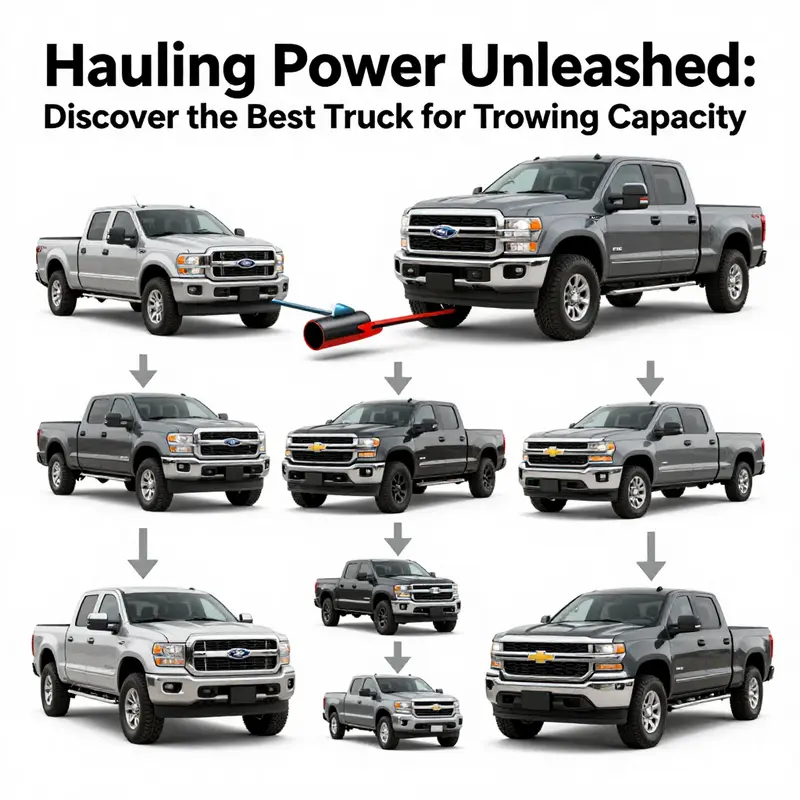
Towing capacity has long been the headline number buyers use to judge a truck’s capability, but the real story is more nuanced. The maximum rating arises from a carefully tuned balance of engine torque, transmission control, chassis rigidity, cooling, and payload headroom, all of which must work together for reliable performance under load. In brochures, a single number can be impressive, yet it represents a best‑case scenario that requires the right trailer, tongue weight, and equipment package to be realized. As manufacturers refine architectures for efficiency and capability, peak figures vary in predictable ways across different drivetrains and configurations. The takeaway is not which truck has the highest number, but which setup delivers the most dependable, real‑world towing for a given use case.
Across the top vehicles, the range of peak capacities tends to cluster into a few broad categories. A robust non‑hybrid configuration often lands in the mid‑to‑upper range, roughly around 10,000 to 11,000 pounds, thanks to solid torque and a tuned drivetrain. A high‑torque gasoline option can push higher when paired with a capable chassis, a strong towing package, and reinforced components. Hybrid‑assisted light‑duty models illustrate how electric torque can enhance peak capability without simply increasing engine size, sometimes reaching into the mid‑teens in pounds for specialized setups. These numbers assume a balanced combination of tongue weight, aerodynamics, and trailer braking, and they rely on the manufacturer’s recommended payload margin and payload management systems.
For practical decision‑making, it helps to map the categories to the user’s needs. The hybrid option often emphasizes a blend of strong tow power and efficiency, useful for frequent pulls where daily drivability matters. The high‑torque gasoline configurations tend to favor straight‑forward, durable performance for heavy pulls with less dependence on electric augmentation. Non‑hybrid setups with chassis tuning and payload emphasis remind buyers to consider how trailer weight and cargo share the same space on the axle and frame.
Beyond the headline numbers, real‑world towing performance depends on how the truck behaves under load. Engine torque is essential, but transmission strategy, gearing, frame stiffness, suspension, and cooling all contribute to stability and peak survivability on hills and long pulls. The safest choice for most buyers is a configuration that provides enough headroom for the expected loads, plus adequate cooling and braking capability to maintain control as grades rise and trips lengthen.
When comparing options, quantify both the trailer and cargo you expect to tow most often. Compare tongue weight and total mass against the vehicle’s payload and gross combined weight rating, and evaluate how important features like trailer brakes, stability systems, and cooling capacity are to your routine. The best towing pickup for you is the one that offers sufficient headroom to handle typical loads, unexpected situations, and varying road conditions without sacrificing daily drivability.
Final thoughts
As the towing needs of your business or personal endeavors loom large, choosing the right truck can make all the difference. The Ford F-250 Super Duty remains an industry leader in towing capacity, providing unmatched power and reliability. However, it’s important not to overlook other competitive models like the Chevrolet Silverado 2500HD and innovative electric alternatives like the Ford F-150 Lightning. Each offers unique advantages that cater to diverse towing requirements. Making an informed decision will not only support your immediate needs but also ensure you invest in a vehicle that aligns with your long-term goals.