When it comes to towing, whether you are a property manager hauling amenities or a commercial fleet operator transporting equipment, the right truck makes all the difference. Understanding the nuances of towing capacity, vehicle style, and terrain adaptability is crucial for making an informed decision. This guide will help you navigate through various options, highlighting best-in-class models suited for different towing needs. From the luxury of the Audi Q7 to the brute strength of heavy-duty pickups, and the emerging electric vehicles ready to take the towing game by storm, each chapter aims to deliver insights that resonate with island life and expertise. Let’s embark on this journey to discover which trucks rise to the challenge of towing amidst the unique demands of island living.
Tow Power Reimagined: Why Heavy-Duty Pickups Outsell SUVs When Maximum Towing Is the Goal
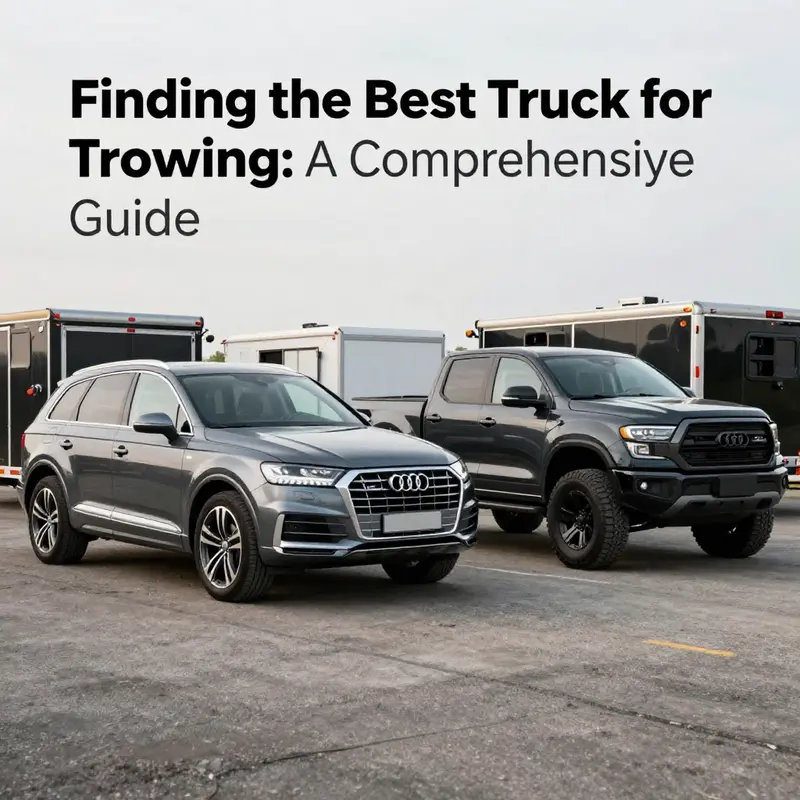
The search for the best tow vehicle often becomes a debate between sheer pulling power and everyday practicality. When you strip away prestige badges and glossy interiors, towing capacity sits at the center of the decision. But what counts as “best” depends on what you actually plan to move, how often you’ll tow, and where you’ll drive. The surface conclusion—one vehicle excels in every scenario—rarely holds. Instead, a layered picture emerges: for the most demanding towing tasks, a purpose-built, heavy-duty pickup with a reinforced frame and high-torque drivetrain is typically the strongest performer. For long journeys that blend comfort, style, and occasional heavy loads, a capable SUV with a robust towing package can be hard to beat. And for those drawn to electric propulsion, modern battery-powered options are closing the gap in capability while delivering modern efficiency and technology. In this frame, the conversation shifts from “the best” in a universal sense to “the best fit for your specific towing needs.” It also helps to anchor decisions in clear, official specifications and practical realities rather than marketing impressions alone. A notable clarification from updated sources is that the aspirational benchmark of a luxury SUV with strong towing numbers is not the same as true heavy-duty truck capability. The luxury SUV category can offer substantial braked towing capacity, yet it cannot match the workhorse class when you push toward the upper extremes of weight and distance. In fact, the notion that a high-end SUV could outrun a true heavy-duty pickup for maximum towing is more a matter of marketing than engineering reality. A widely cited figure—the upper end of braked towing capacity for some premium SUVs—reaches into the 7,000–8,000 pound range in very favorable configurations. While impressive, that figure sits well below the near-limit capacity delivered by reinforced, purpose-built pickups designed to haul larger trailers, heavy equipment, or long caravans day after day. In practice, when the goal is maximum towing, the heavy-duty pickup class remains the benchmark. Their strength comes from a triad of critical design choices: a reinforced frame capable of withstanding repeated load cycles, a high-torque engine (often diesel) tuned for sustained pulling power, and factory towing packages that include integrated hitches, wiring, and load-bearing cooling for the transmission and transfer cases. These elements aren’t marketing fluff; they translate directly into real-world capability. The difference becomes even more pronounced when you consider the towing workflow: long highway hauls with a heavy trailer, steady acceleration while climbing grades, and the need to maintain stability across varied terrain. A proper towing package includes more than a hitch. It encompasses trailer-brake integration, a suitable transmission with tow/haul programming, chassis tuning that resists sway, and a suspension setup designed to keep the truck level under load. Taken together, these features reduce fatigue for the driver and increase safety for everyone on the road. Yet the story remains nuanced. If your towing demands are substantial but not extreme, a premium SUV or a mid-size option with a strong factory tow package can deliver an excellent blend of comfort, interior refinement, and capable pulling power. The distinction isn’t only about raw weight limits. It’s about how the vehicle behaves under load, the reliability of its systems over thousands of miles, and the ease with which you can manage hitching, braking, and wave-free stability over long trips. For many buyers, the appeal of a high-torque, efficient tow vehicle lies in the ability to combine everyday driving pleasure with weekend towing and camping. The reality is that technology in modern SUVs and crossovers has grown far more sophisticated. You’ll find advanced stability programs, trailer-sway control, adaptive dampers, and precise steering dynamics that help a vehicle feel more capable behind a heavy trailer than earlier generations could. If you’re considering options in this space, keep in mind a fact that often trips up first-time tow buyers: the official towing specification on the vehicle’s registration and in the manufacturer’s data is the binding number that matters for safety and legality. It’s tempting to assume a dream figure from a brochure, but the braked towing capacity published by the maker—and confirmed in official documentation—sets the legal ceiling for what you can tow. Relatedly, the 85 percent rule remains a practical standard for most caravans and trailers. In other words, aim to tow no more than about 85% of your vehicle’s kerb weight for safer handling and steadier braking. This guideline protects the tow vehicle, the trailer, and everyone on the road as you accumulate miles. Another essential detail is the presence of a factory-installed tow hitch and a dedicated electrical connection, typically a 13-pin socket in many regions. While aftermarket solutions exist, factory-fitted systems are designed to work with the vehicle’s electronics, brakes, and stability controls. They also tend to preserve warranty terms and ensure compatibility with the vehicle’s safety features, such as trailer stability assist and integrated brake controllers. For those who study towing in real-world terms, a helpful point of reference is to look beyond horsepower alone and examine how a vehicle manages heat, transmission cooling, and axle load under sustained load. When a heavy caravan or a large trailer is pressed into service for hours on end, the difference between a well-engineered tow setup and a merely capable one becomes clear. It is here that the heavy-duty pickup class demonstrates its value. These trucks are engineered with a clear purpose: to move weight reliably, repeatedly, and with predictable behavior across different road conditions. The payoff is not only maximum payload and towing number but a predictable towing experience built on tested engineering. For readers seeking broader context, practical towing resources and field-tested results offer meaningful perspective. The Island Tow Truck Blog presents hands-on discussions about towing strategy, weight management, and roadcraft that can inform your shopping and test-driving process. It’s a useful companion to manufacturer data because it translates numbers into road performance and reliability under real-life conditions. For those who want a deeper dive into the practicalities of tow planning and safety, this resource can help bridge the gap between spec sheets and the lane you actually drive in. Island Tow Truck Blog. A balanced approach also recognizes that emerging electric powertrains are reshaping expectations. Electrified options in the SUV segment, while still limited in absolute maximums, are closing the gap on torque delivery and maintaining impressive efficiency. Some dual-motor configurations offer towing capacities around 2,500 kilograms, combining the ability to haul with the advantages of electric propulsion—quiet operation, immediate torque, and substantial on-road efficiency. These all-electric or plug-in hybrid options appeal especially to buyers who want to combine everyday driving with occasional heavy towing, provided their weight and range requirements align with the trailer’s mass and the trip profile. The evolution in this space reflects a broader industry trend: capacity is still king, but with the right package, comfort, technology, and emissions considerations can ride alongside it. It’s not a one-size-fits-all conclusion. If maximum towing capacity is the priority, the heavy-duty pickup class remains unmatched. If your needs are a blend of daily usability, long-distance comfort, and respectable towing ability, a well-equipped SUV—potentially with hybrid or plug-in power—offers a compelling package that can satisfy most weekend warriors and family adventures alike. Regardless of choice, the prudent path is to verify official specifications, understand the weight distributions involved, and plan your trailer connections with care. A strong tow setup depends not only on the vehicle, but on the entire towing system—hitch, wiring, brakes, and the match between trailer and tow vehicle. In that sense, the best tow vehicle is the one that aligns with your regular routes and payloads, while keeping you, your passengers, and your cargo secure throughout the journey. For a practical baseline, aim for a configuration that delivers adequate towing capacity, a stable towing demeanor, and a lifecycle that supports your planned miles. External reference: https://www.audiusa.com/vehicles/q7.html
null
null
Tow-Ready Balance: How Mid-Size SUVs Deliver the Best of Both Worlds in the Tow Quest
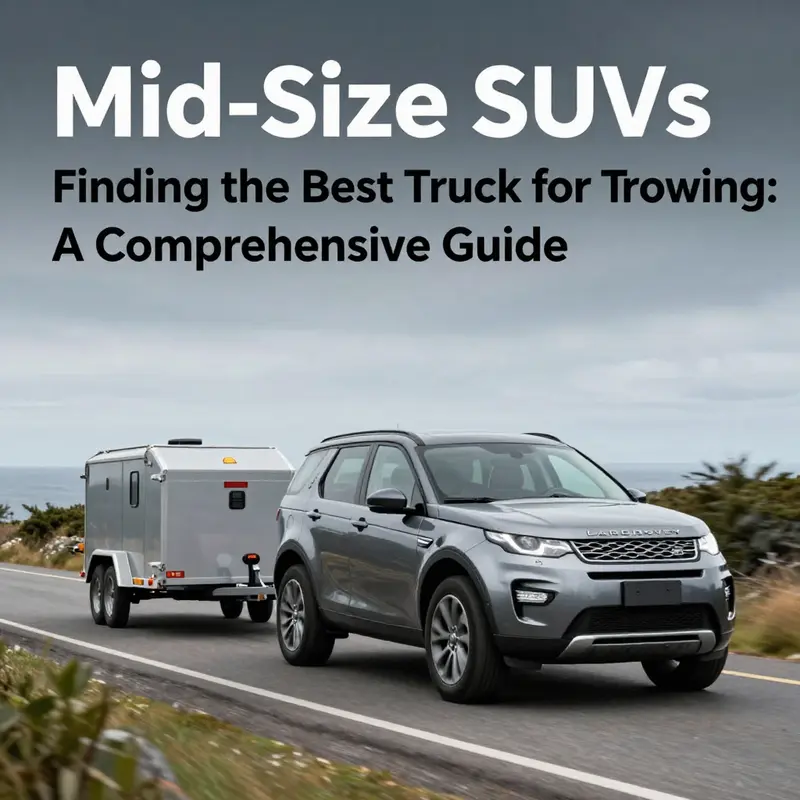
When the conversation turns to the best vehicle for towing, it’s tempting to chase the highest numbers or the flashiest payload figures. Yet the mid-size SUV category often lands in the sweet spot where everyday practicality meets reliable, capable pulling power. These vehicles aren’t trying to be heavy-duty workhorses from the factory floor; they’re engineered to blend comfortable daily driving with a towing capability that covers most family trailers, small campers, or utility trailers. The result is a vehicle that handles family life with ease while still delivering confidence when the hitch goes up and a load follows behind. In a landscape that rewards both efficiency and stability, mid-size SUVs offer a balanced approach that is easy to grow into without abandoning day-to-day usability.\n\nThe towing capacity spectrum for mid-size SUVs tends to anchor around the practical middle ground: roughly 3,500 to 6,000 pounds, depending on powertrains, configurations, and factory towing packages. That range covers most common trailer needs—small travel trailers, pop-up campers, and lightweight utility trailers—while still leaving room for a robust daily drive experience. Within this band, powertrain choices are decisive. A strong V6 remains a cornerstone for confidence on grades and highway climbs, delivering linear torque that keeps the trailer pressing forward without lag. Turbocharged inline-4 engines also play a starring role, offering similar torque outputs with the benefit of better fuel efficiency in routine driving. The nuance is simple: torque at low revs, but with a responsive throttle that makes merging with traffic and passing on a loaded highway feel predictable rather than strained.\n\nTo unlock and sustain towing performance, many mid-size SUVs rely on a well-muned drivetrain and a factory-to-tow package that includes a chassis tuned for stability, a proper hitch setup, and an electrical system designed to talk to the trailer as a cohesive unit. It’s not just about raw capacity; it’s about how the vehicle communicates with the load and how it manages weight transfer, braking, and sway as soon as the trailer begins to respond to the road. A factory-installed tow hitch and a dedicated electrical connection—often a 7- or 13-pin arrangement—are more than convenience features. They are practical, enforceable steps toward safer towing, ensuring the trailer’s braking performance is synchronized with the tow vehicle and that lights and indicators function reliably, day or night, in rain or shine.\n\nWithin this category, models such as the Honda Pilot, Toyota Highlander, and Ford Explorer frequently surface in conversations about balanced performance. They are praised not for sheer brute force alone but for the compatibility of their engine outputs with good transmission tuning and chassis architecture. These vehicles typically offer strong towing numbers, and their powertrains are designed to provide ample torque for steady highway travel while preserving fuel efficiency during normal commutes. The key distinction for buyers is recognizing that the mid-size SUV’s strength lies not in hitting a single peak number but in delivering consistent performance across a range of speeds and road conditions. As a result, the experience of towing with a mid-size SUV often feels more manageable and predictable than with a larger, more intimidating full-size option.\n\nThe on-road experience matters deeply when you’re towing. Mid-size SUVs frequently pair stable handling with a comfortable ride, aided by independent suspension systems and adaptive dampers that absorb road imperfections without transferring every ripple to the occupants. This is not incidental; it translates into a smoother towing experience. When a trailer is attached, the vehicle’s stability control systems, trailer sway control, and integrated braking features work in concert to dampen oscillations and maintain directional control. Modern infotainment and driver-assistance packages further enhance safety by monitoring traffic conditions, maintaining lane position, and providing clearer situational awareness through rearview cameras and trailer-specific monitoring views. The result is a towing setup that feels less like a constant negotiation with gravity and more like a confident, coordinated partnership between tow vehicle and trailer.\n\nAnother practical advantage of mid-size SUVs is the overall ownership equation. The category tends to offer competitive purchase prices relative to luxury or heavyweight options, and their marginally smaller footprint typically translates into better fuel economy, easier parking, and lower running costs—important considerations when towing is just one of many daily tasks. Insurance and maintenance costs for mid-size SUVs can be more favorable than those of their larger rivals, especially when the chosen model leans toward proven reliability and simpler powertrains. Buyers should still weigh potential costs against real-world use: fuel consumption with a heavy trailer, wear on brakes and tires, and the added maintenance burden of towing-specific components. In the long view, however, a well-chosen mid-size SUV can deliver long-term value by combining practical interior space, robust safety features, and the capacity to handle weekend trips without asking for a second vehicle.\n\nA critical, often overlooked factor is the importance of proper configuration. The 85 percent rule—where the trailer should not exceed about 85% of the vehicle’s kerb weight for optimal control—remains a useful guideline; it helps ensure the combination maintains predictable braking, acceleration, and steering response. Still, towing with a mid-size SUV is as much about weight distribution as raw capacity. A properly loaded trailer with even weight distribution reduces the likelihood of swing and bounce, and it makes the entire pairing feel more stable, especially at highway speeds. The vehicle’s hitch setup and hitch weight become practical considerations, too. A factory-installed tow hitch with the right electrical harness reduces compatibility hassles and ensures the trailer’s braking and lighting systems function in harmony with the tow vehicle. These practicalities—hitch type, electrical connection, and a correctly configured suspension—often determine whether a mid-size SUV remains a dream or becomes a reliable workhorse on the road.\n\nOf course, the choice of model matters. The Honda Pilot, Toyota Highlander, and Ford Explorer illustrate how different engineering philosophies can yield similar towing outcomes in the real world. The Pilot emphasizes a balanced, family-friendly package with strong standard features for comfort and safety that carry over into towing scenarios. The Highlander blends efficiency with capability, offering a versatile interior and a quiet cabin that makes long towing trips more pleasant for passengers. The Explorer, with its range of engines and drivetrain configurations, provides flexibility for buyers who want a little more torque headroom without stepping into a full-size class. These approaches show how mid-size SUVs can be tailored toward specific use cases—whether you’re prioritizing interior space for a growing family, seeking a quiet ride with steady tow performance, or chasing a bit more outright torque for hilly terrain or larger trailers.\n\nThis is where the everyday practicality of mid-size SUVs shines. Their interiors are designed to support daily life—ample cargo space, versatile seating arrangements, and a suite of safety technologies that help reduce risk when towing. Modern mid-size SUVs are often equipped with trailer sway control, integrated trailer brake controllers, and rearview or surround-view camera systems that simplify hitching and alignment. These features, combined with responsive throttle and good low-end torque, enable a driver to approach loading, backing, and alignment with greater confidence. It is in these nuanced capabilities—the way a vehicle communicates with its load and the road—that mid-size SUVs prove their value beyond maximum posted tow ratings. They offer a balanced, predictable towing experience that pairs well with family duties, weekend adventures, and occasional heavy-haul tasks.\n\nFor readers who want to deepen their knowledge or compare practical experiences, engaging with source communities and test results can be highly instructive. The Island Tow Truck blog offers a wealth of real-world perspectives on towing dynamics, weight distribution, and setup considerations that can complement the technical guidelines in this chapter. A quick exploration of such resources can illuminate how different configurations behave under varying conditions and help buyers translate official numbers into everyday performance. You can explore more at the Island Tow Truck blog.\n\nUltimately, mid-size SUVs present a compelling answer for many towing scenarios. They give you the power you need to move a substantial trailer without compromising the daily drive you rely on. They reconcile the desire for comfort and safety with the practical realities of towing, offering a flexible platform that can adapt to changing needs as families grow or adventures expand. In the ongoing search for the best truck for towing, these vehicles remind us that success isn’t defined by one spectacular spec but by a well-rounded equation of power, control, efficiency, and cost of ownership. For those who prioritize a balanced, predictable towing experience that still respects everyday usability, mid-size SUVs deserve serious consideration—and in many cases, they may be the most satisfying answer to the question of what to tow with when the goal is to blend life and load seamlessly.\n\nFor official details and real-world towing tests, readers can consult industry sources and test summaries available online. And for ongoing conversations and practical tips, see the Island Tow Truck blog. To extend your reading about towing guidelines and best practices, the Camping & Caravanning Club provides additional context and testing results at https://www.campingandcaravancarclub.co.uk.
Tow Power Recharged: Electric Trucks Redefining Tow Capacity
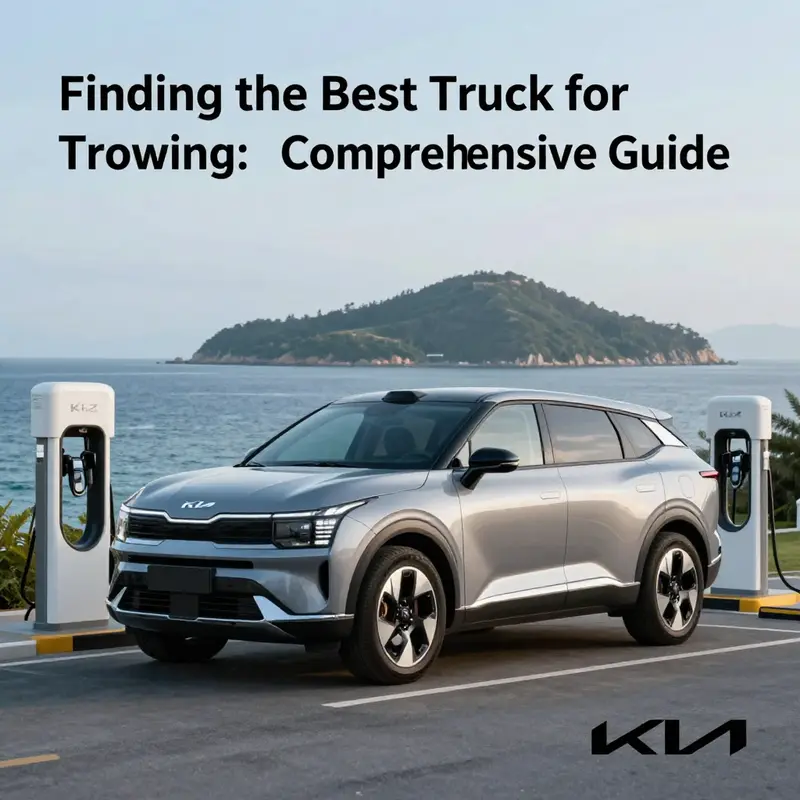
Towing has always been a test of raw strength, control, and endurance. Lately, that test has shifted from the roar of an engine to the precision and predictability of electric propulsion. The electric truck market entered with the promise of instant torque and quiet operation, but the story has evolved far beyond novelty. Modern battery-powered pickups and large electric SUVs are demonstrating that towing performance can be more than a number on a spec sheet. It can be a sustained, confident experience that blends power with efficiency, range, and long-term reliability. The rapid progress in battery density, motor efficiency, and chassis engineering means that these vehicles are not merely adequate for towing; they are competitive, in some scenarios even compelling, across a range of uses—from hauling heavy trailers for work to pulling a weekend camper through winding hills and down long descents. The appeal lies not only in the magnitude of towing capacity but in the way electric power feels when you’re controlling a load. The moment you press the accelerator, you feel the torque arrive instantly, with predictability that makes light work of what used to be a stress test on a climb or a windy highway ramp. The transition from a chassis that must work harder to generate torque to one that moves with a ready, even flow changes how drivers experience presence on the road. This immediacy of response reduces the need to hunt for the right gear or to chase the engine into its power band, which translates into smoother starts, steadier pulls, and less wheel spin when the surface is slick or sloping. It is this kind of control that reshapes the value proposition of electric trucks for towing. And because torque curves are flat, the vehicle can maintain momentum through a long pull without the drama that used to accompany heavy towing with limited gearing options.
One of the clearest advantages of electric drivetrains in tow duty is thermal stability. Sustained pulling—whether up a mountain pass, along a long river valley, or through a windy corridor—heats powertrains. In the best examples, cooling systems are designed to manage heat without sacrificing battery life or performance. When a trailer or caravan requires sustained power, a well-engineered thermal strategy keeps both battery and motor within optimal temperature envelopes, preserving torque output and consistent braking feel. In practice, this means fewer power dips during late-stage climbs and more linear braking force during long descents. Regenerative braking also plays a meaningful role, gradually recharging the pack and reducing wear on traditional braking components. The net effect is not just stronger pulls but longer-term reliability and cheaper maintenance over several towing seasons. For families planning frequent highway shifts or fleets prioritizing lower operating costs, this reliability matters as much as the top towing number itself. The result is a towing experience that feels steadier, quieter, and more controlled, a refreshing contrast to the harshness that once accompanied hauling heavy loads in previously thirsty or hot-running platforms.
The conversation around the best tow vehicle now hinges on a blend of capabilities: towing power, payload, range, charging readiness, and how well a vehicle accommodates long trips with a trailer in tow. Electric trucks, especially in the full-size class, are stepping closer to parity with well-established gasoline and diesel stalwarts, and in some situations, they pull ahead. Consider the reality of a long weekend where the trailer must be towed through mixed terrain and variable weather. An electric platform with a robust, high-capacity battery can provide the necessary range to reach a destination without compromising safety or comfort. The interior experience—calm, refined, with agile steering and stable ride—adds a value proposition that extends beyond mere power. The quiet cabin, combined with advanced driver assistance systems and tow-specific technology, makes long hauls feel less taxing. The modern towing setup often includes factory-integrated tow hitches and electrical connections that simplify installation and ensure compatibility with electronic braking systems and trailer stability control. This integration matters because it means fewer compatibility headaches in the field and more time actually moving toward a destination.
Of course, any consideration of electric towing must address the balance between range and payload. Batteries add weight, and that weight interacts with how much you can carry and tow. Yet the structural and chassis design of new electric platforms has evolved to accommodate heavy configurations without a steep penalty to payload capacity or handling. Some builders have embraced architectures that enhance rigidity and distribute mass more effectively, so the overall towing experience remains calm even when the trailer imparts sway, crosswinds, or rough pavement. This balance is crucial for both commercial operators and weekend enthusiasts who want a vehicle that can transport gear, equipment, or even a sizeable caravan while still offering a comfortable ride for passengers. The practical takeaway is that range planning for towing with electric powertrains is becoming more predictable and less constrained as battery technology improves, benefiting consumers who prioritize reliability over absolute maximum towing numbers.
In parallel, the evolution of charging infrastructure is shaping the attractiveness of electric tow vehicles for long-haul trips. Faster charging, higher-capacity packs, and smarter battery management mean that time spent on the road can be optimized. With more rapid replenishment options, the feasibility of towing heavy loads over longer distances increases, particularly for those who can plan routes around high-speed charging hubs. For commercial fleets, the economics become compelling as the cost of energy per mile competes with traditional fuels, and the maintenance savings accumulate over time. The broader ecosystem—service networks, battery warranties, and readily available spare parts—also gains importance as electric trucks become more mainstream. The goal for many buyers is not just to tow a single trip but to rely on a vehicle that can perform consistently for a decade or more with predictable service needs.
For readers who want a broader, ongoing perspective on towing-focused trends, a good next step is to explore practical insights and real-world evaluations through established industry coverage—a resource you can find at theislandtowtruck.com/blog. This kind of exploration complements the data and expert testing with hands-on experiences and case studies from people who tow regularly and in varied conditions. When evaluating what to buy, it helps to look at patterns across several scenarios—whether you’re moving a heavy trailer across a few counties, towing a large recreational vehicle on a coastal road, or bringing equipment to a remote worksite. The most compelling electric platforms are the ones that demonstrate consistent performance in the places where you actually tow. The powertrain delivers the moment you need it, the chassis and electronics maintain composure under load, and the logistics of charging and maintenance blend seamlessly into your routine.
The broader takeaway for the best tow vehicle in 2026 is that electric platforms have moved from the experimental stage into practical, day-to-day utility. They are not universally the right choice for every scenario, but they are challenging conventional expectations. The top contenders increasingly blend high towing limits with usable payload, robust thermal management, and efficient energy use that makes long trips feasible. For many buyers, this means rethinking the line between “work truck” and “everyday vehicle,” as the same platform can deliver cargo-carrying capability, off-road stability, and premium comfort. Yet, for those whose towing demands are at the extreme end of the spectrum, traditional heavy-duty trucks—particularly in configurations designed for maximum payload and tow rating—continue to offer benchmarks that electric platforms are still striving to surpass. The advantage of electrification is not merely raw numbers; it is the combination of torque, control, efficiency, and the potential for lower operating costs over time. As battery technology continues to advance and charging networks expand, the gap will continue to close, making the decision about the best tow vehicle increasingly nuanced and personal.
For a deeper sense of how these dynamics play out in the real world, and to keep pace with ongoing developments, consider visiting external resources that provide official specifications and testing results. See this external resource for detailed towing capabilities and current model data: https://www.ford.com/trucks/f-150-lightning/ .
Tow-Ready Power: How to Choose the Right Truck for Your Haul in 2026
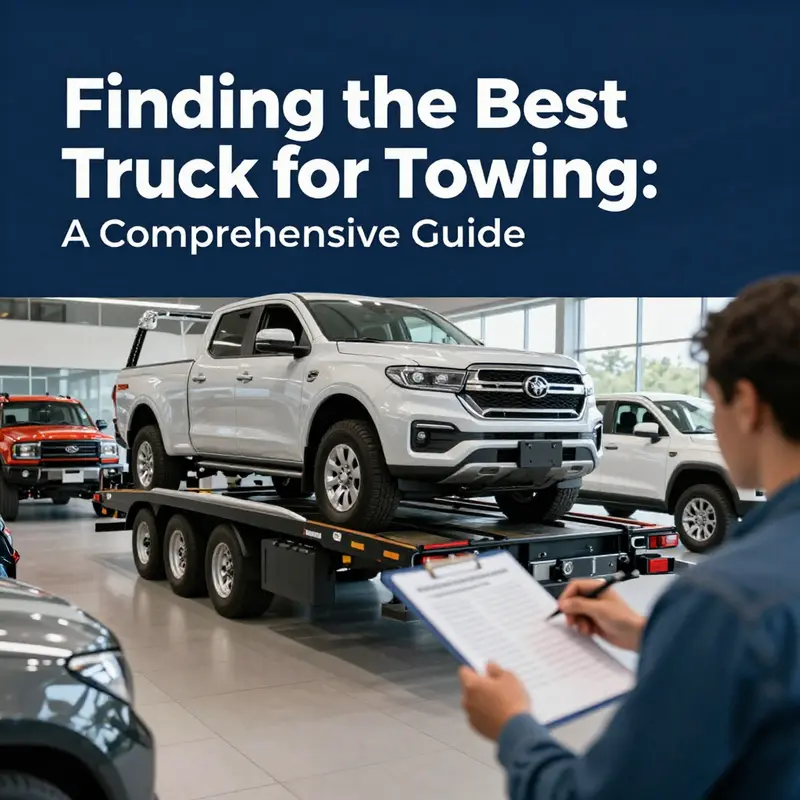
Choosing the best truck for towing is less about chasing the highest number and more about matching the vehicle to the loads you actually move and the trips you take. Across 2026, the top picks in towing performance share a core logic: power and control must be available where and when you need them, but they only prove their worth when reliability, safety, and cost of ownership align with your use case. The landscape is diverse—heavy-duty workhorses that can haul substantial payloads over long distances, mid-size models that strike a balance between daily practicality and weekend capability, and even electric options that push the envelope on efficiency and convenience. The best choice, therefore, hinges on your load profile, road terrain, and tolerance for compromise. A heavy hauler designed to pull bulky trailers or caravans over long hauls must deliver sustained torque, robust braking, and a suspension tuned for stability under load. A family-oriented mid-size rig, by contrast, should blend comfortable ride quality with off-road assurance and a broad set of towing aids. And for those who are curious about the future, electric models increasingly demonstrate that zero-emission power can coexist with serious towing ability, albeit with careful planning around charging on multi-day trips. The overarching principle remains: the journey with a trailer or caravan begins with understanding what you will ask the truck to do, not with the thrill of raw peak capability.
Inside this logic sits a trio of pillars that shape every effective towing decision. The first is capacity, but capacity is not a single figure. It includes the braked towing rating the vehicle can legally pull, plus the payload the truck can carry in its bed and cab when the hitch and trailer draw on the vehicle’s resources. The second pillar is engine and driveline behavior. Torque, especially available at low RPM, matters more for moving heavy loads than peak horsepower numbers. Diesel teams often excel in this arena due to their high torque delivery, but modern turbocharged gas and hybrid powertrains can also deliver compelling towing performance when paired with the right gearing and transmission strategy. The third pillar is control—the integration of braking, trailer sway management, steering feel, and suspension tuning that keep the vehicle predictable and confident under stress. A well-balanced tow vehicle doesn’t just pull; it communicates with the driver and the trailer, offering stability, feedback, and safety through the entire journey.
To translate these pillars into a practical framework, begin with the load you plan to tow. The rule of thumb that many towing veterans rely on is to match the tow vehicle’s braked capacity to the trailer’s weight, including the gear and any auxiliary loads. The model you choose should also provide a solid payload margin. If the average trailer you tow sits near the vehicle’s payload limit, any additional cargo in the bed or passengers could push the total beyond what the system can handle safely. In the same breath, remember the rules of the road and the rules of physics don’t change with a bigger hitch. The 85 percent guideline—loading the caravan or trailer to no more than about 85% of the vehicle’s curb weight—still serves as a strong starting point for safety and control. This isn’t a hard law, but a practical target that helps you keep braking performance, acceleration, and stability within predictable bounds, especially on hills, slick pavement, or winding routes.
The powertrain deserves careful scrutiny. Torque curves matter because they reveal how a truck responds to demand—whether you’re climbing a grade, merging with fast traffic, or navigating a long downhill run. A high-torque engine paired with a well-mroved transmission can deliver confident, steady torque delivery even when the trailer’s weight presses down on the hitch. While diesel powertrains have historically led the field in sustained towing performance due to strong low-end torque, modern turbocharged gasoline engines and hybrid setups have closed the performance gap, offering strong mid-range response and improved efficiency for lighter to mid-range trailers. Beyond raw numbers, the quality of the drivetrain’s integration with gearing, cooling, and exhaust braking also matters. The goal is a system that maintains consistent performance without the driver having to chase down torque through multiple gears at the most challenging moments of a trip.
Braking and trailer control systems are another critical facet. Towing inherently increases stopping distances and magnifies brake wear. The most effective tow rigs with trailers or caravans share a common feature: a well-calibrated foundation brake system complemented by a trailer brake interface that synchronizes the truck’s braking with the trailer’s. In practice, this means a factory-installed or well-integrated brake-control setup that can modulate braking pressure in response to the trailer load, downhill grade, and road surface. A stable trailer also depends on proper hitching geometry, stable weight distribution, and tire plans that handle the added load. In that sense, the brakes aren’t just about stopping power; they are about predictable, controllable deceleration that keeps the entire train feeling as if it moves as a single unit rather than as two separate machines.
Suspension and tires play a quiet but decisive role in towing stability. A robust suspension isn’t about a stiff ride; it’s about keeping the vehicle level, controlling surge, and dampening pitch when the trailer sways or when a rough patch of pavement suddenly becomes a larger concern. Coil-spring designs, active dampers, and load-leveling options can markedly improve control. Tire choice, too, matters: LT-rated tires with reinforced sidewalls provide better resistance to heat buildup and impact under load, reducing the risk of sidewall failure during long, heavy-tow trips on imperfect roads. The right combination of suspension tuning and tire construction helps preserve steering precision and comfort, ensuring that fatigue doesn’t creep in during the hours you spend hauling.
Technology and comfort can’t be afterthoughts when towing becomes a regular habit. Modern trucks offer a suite of aids designed to reduce stress behind the wheel: multi-camera systems that reveal trailer angles during backing, enhanced blind-spot monitoring that extends to cover trailers, and guide systems that assist with alignment and reverse maneuvers. While these features don’t replace a careful driver, they do shrink the margin for error and improve confidence when maneuvering in tight spaces or negotiating busy campgrounds. Importantly, the best tow vehicle balances these aids with a cabin that remains composed and quiet on the highway. A well-insulated interior with comfortable seating helps you stay alert on long hauls, while intuitive controls reduce cognitive load so you can focus on traffic, weather, and the load behind you.
Operating cost and efficiency are not afterthoughts either. Diesel engines tend to win on long-distance, heavy-duty tasks because of their superior fuel economy and torque, but they can come with higher maintenance costs and fuel taxes in some regions. Hybrid and plug-in hybrid options add another layer of complexity but can deliver meaningful fuel savings when towing lighter loads or running shorter trips on electric power. The key is to weigh fuel costs against maintenance, insurance, and depreciation. An efficient, appropriately sized tow vehicle can dramatically lower the total cost of ownership over its lifespan, making it a more economical choice for regular tow work or family trips that involve frequent trailer use.
A useful concept in choosing a tow vehicle is what some call mechanical sympathy—the sense that a truck and a trailer are a single system, each supporting the other rather than competing for dominance. Some trucks seem to glide with loads, maintaining a controlled ride and steady feel at the hitch, while others feel the load in every bump and bend of the journey. This harmony often reflects a combination of weight distribution, suspension tuning, chassis rigidity, and drivetrain integration. When you prioritize mechanical sympathy, you’re looking for a vehicle that remains predictable under load, communicates clearly through the steering and brake pedal, and doesn’t demand constant micro-adjustments to stay on course. For regular, demanding towing, this trait can mean the difference between an excruciatingly long trip and a smooth, confident one.
If you’re approaching the decision with a practical mindset, start by defining the typical load and the terrain you encounter. Do you tow a large trailer across long highways, or do you often maneuver in tight campgrounds with limited space? How often do you tow, and how important is electric power for your trips? Once you have clarity on those questions, you can prioritize a few core attributes: sufficient braked capacity, a torque-rich powertrain, an effective trailer-control system, and a suspension-tire setup designed for stability. A disciplined approach prevents the lure of a higher towing rating from steering you toward a vehicle that merely pulls hard but feels unsettled when the road gets bumpy or the scenery changes. This is where the practical guidance from towing-focused resources and community knowledge can be invaluable. For example, practical towing strategies and safety checklists can be found at the Island Tow Truck blog. They emphasize real-world planning, load calculations, and routine checks that keep towing safer and more predictable.
Ultimately, the best tow vehicle for you is the one that meets your load requirements with margin, delivers predictable performance across the trips you take, and remains cost-effective to own over time. There is no single best in every category, but there is a best fit for your situation. If your primary need is maximum braked capacity for heavy-duty trailers, you’ll want a model that delivers strong torque, robust cooling, and solid trailer-brake integration without sacrificing safety or comfort on day-to-day drives. If your life involves frequent weekend getaways with a caravan or large camper, you’ll likely prioritize payload, stability, and a range of driver aids that reduce complexity during backing and hitching. For the growing number of buyers drawn to electrified powertrains, the calculus adds the dimension of charging logistics and efficiency, but the potential for quiet, instant torque and strong regenerative braking can make these vehicles compelling choices for lighter to mid-weight tows.
For a broader perspective on how experts assess these factors, consider consulting external reviews that compare multiple models in real-world towing scenarios. External reference: https://www.rideapart.com/best-trucks-for-towing/.
Final thoughts
In the search for the best truck for towing, understanding your specific needs while considering the options can lead to enhanced performance and safety on the roads. Whether you choose the luxury and comfort of the Audi Q7 or opt for the unfaltering power of heavy-duty pickups like the Jiangling Yuhu 9 and Great Wall Cannon, your choice will ultimately impact your towing experience. As electric options like the Kia EV9 break onto the scene, it’s evident that the future of towing is evolving. Ensure that you weigh all critical factors mentioned throughout this guide to make the most informed decision that aligns with your operational requirements, particularly within island infrastructures.