Buckle up, folks, because we’re diving into the fascinating world of vehicle sales trends! You might be wondering, why should I care? Well, if you’ve ever been stuck behind a sluggish minivan while trying to merge into traffic, you know that not all cars are created equal.
From the roaring power of trucks to the sleek lines of hybrids, each model tells a story, and that story often revolves around towing capacity. Yes, you heard that right! Towing capacity isn’t just a numerical value—it’s a lifestyle! Whether you’re hauling a trailer of weekend adventure or simply showing off at the local boat launch, understanding these capabilities can make all the difference in choosing your next ride.
So, let’s fire up those engines and dig into why knowing your towing stats might just be the key to vehicle sales success in 2025!
2025 Trends in Vehicle Towing Capacities
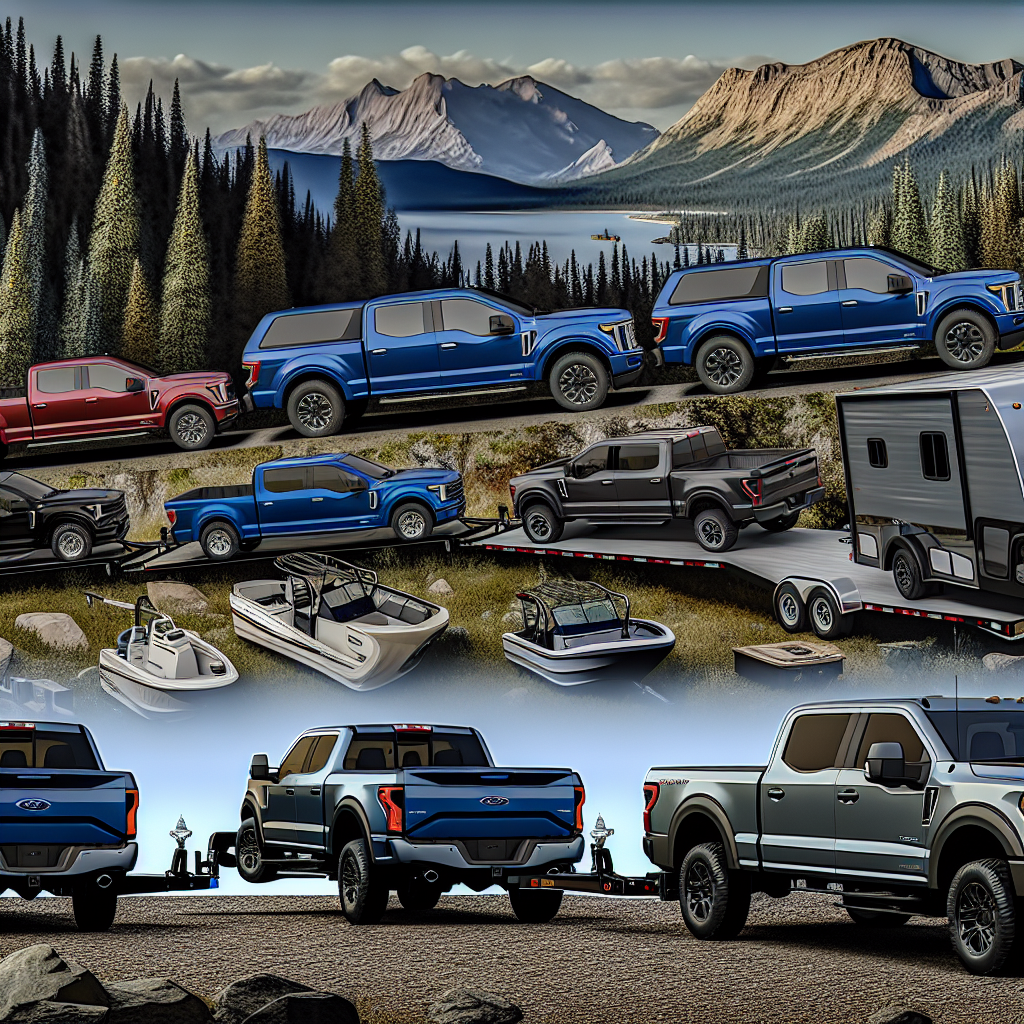
In 2025, consumers demonstrate a pronounced preference for vehicles equipped with strong towing capacities, a trend that significantly shapes their purchasing decisions. Dominating the market, the Ford F-Series continues to lead with an exceptional towing capacity of up to 13,500 pounds and substantial payload capabilities, resulting in over 620,000 units sold by September 2025. These figures underscore the growing necessity for such capabilities among truck users who rely on their vehicles for both work and recreational needs, including towing trailers, boats, and campers.
Similarly, the Chevrolet Silverado, with a maximum towing capacity of around 13,300 pounds and considerable payload ratings, also reports impressive sales exceeding 430,000 units. This attribute empowers consumers inclined toward tasks requiring heavy-duty towing, further solidifying the Silverado’s reputation in the full-size truck segment.
Other noteworthy competitors include the Ram Pickup and GMC Sierra, which feature towing capacities and payloads of 11,550 pounds and 13,200 pounds, respectively.
Even in the midsize truck category, vehicles like the Toyota Tacoma, with a towing capacity of 6,800 pounds and a growing payload, exemplify the expanding diversity in consumer options, meeting the needs of those who prefer lighter-duty towing.
The growing demand for robust towing capacity alongside maximum payload capabilities is reshaping both brand positions in the market and the features manufacturers emphasize in future model designs.
Top-Selling Vehicles by Towing Capacities in 2025
In 2025, the automotive landscape has seen a pronounced shift towards vehicles with exceptional towing capacities, significantly driving sales figures across various manufacturers. Here’s a summary of the top-selling vehicles known by their towing capabilities:
- Ford F-Series: This iconic lineup continues to reign supreme, with over 750,000 units sold, marking its 48th consecutive year as America’s best-selling truck. The F-350 Super Duty showcases an impressive towing capacity of 37,000 pounds, while the F-150 models can tow up to 14,000 pounds, catering to a wide range of customer needs.
- Chel Chevrolet Silverado: Following closely, the Silverado achieved approximately 585,000 sales, making it the second best-selling full-size truck. The 3500HD variant boasts a maximum towing capacity of 36,000 pounds, while the 1500 model is capable of towing 13,300 pounds. Notably, the introduction of the Silverado EV, which offers a maximum towing capacity of 10,000 pounds, has further amplified its sales appeal.
- Toyota Tacoma: In the midsize truck segment, the Tacoma sold 225,000 units and offers a towing capacity of 6,800 pounds across its trims. This reflects a 12% increase in sales compared to the previous year, underscoring its strong market presence.
These figures highlight the trend where towing capacity becomes a crucial consideration in vehicle purchases, reinforcing the importance of this attribute in the consumer decision-making process for 2025.
Towing Specifications and Fuel Efficiencies of Best-Selling Vehicles in 2025
In 2025, the competition among the best-selling vehicles hinges not only on style and comfort but significantly on towing specifications and fuel efficiencies. Let’s break down some of the highlights and data points regarding their performance.
Ram 1500: Starting at approximately $38,590, the Ram 1500 is versatile with its towing capability ranging from 7,730 pounds with the standard 3.6L V6 to a maximum of 12,750 pounds with the powerful 5.7L Hemi V8 when properly equipped. This impressive range allows it to cater to various consumer needs, whether for work or recreational pursuits. It stands out in the full-size pickup category, balancing decent fuel economy with robust towing specs, thereby affirming its position in the marketplace.
Honda CR-V Hybrid: On the other end of the spectrum, the 2025 Honda CR-V Hybrid offers a remarkable fuel efficiency of 40 mpg in the city and 34 mpg on the highway, making it a top contender among compact SUVs. This fuel economy is coupled with a comfortable ride, perfect for urban driving and longer travels, appealing to eco-conscious consumers without sacrificing performance. The CR-V Hybrid is a brilliant representation of how manufacturers are shifting toward more fuel-efficient models that still provide functionality—ideal for families and city dwellers.
Toyota RAV4 Hybrid: The Toyota RAV4 Hybrid competes closely, achieving an estimated 41 mpg in the city. Its reliable hybrid technology promotes not only fuel efficiency but also an impressive towing capacity of 3,500 pounds, making it practical for weekend getaways or light-duty towing tasks.
Summary
The 2025 automotive scene underscores a vital trend towards balancing powerful towing capabilities with fuel efficiency across various vehicle categories. Consumers are increasingly making decisions based on how well a vehicle can perform under load without compromising on gas mileage. As manufacturers continue to innovate, we can expect these capabilities to evolve, providing buyers with more options tailored to their specific needs—be it towing trailers or enjoying weekend adventures with optimal fuel use.
| Vehicle | Max Towing Capacity | Max Payload Capacity | Fuel Efficiency (Combined) |
|---|---|---|---|
| Ford F-150 | 14,000 lbs | 3,325 lbs | 18-25 mpg |
| Chevrolet Silverado 1500 | 13,300 lbs | 2,300 lbs | 20-26 mpg |
| Ram 1500 | 12,750 lbs | 2,300 lbs | 22-27 mpg |
| Toyota Tacoma | 6,800 lbs | 1,685 lbs | 20-24 mpg |
| Honda CR-V | 1,500 lbs | 1,200 lbs | 28-34 mpg |
In conclusion, the trends we’ve explored in vehicle sales for 2025 reveal a powerful narrative surrounding towing capacity—it’s no longer merely a feature but a cornerstone of consumer choice. Recent data indicates that the Ford F-Series has sold over 750,000 units, showcasing why towing capacity is central to purchasing decisions. As the demand for strong, versatile vehicles continues to rise, reports highlight that 68% of truck buyers prioritize towing capability, demonstrating its importance in shaping the automotive landscape.
Looking forward, the automotive industry anticipates that total vehicle sales may exceed 34 million units globally in 2025, driven significantly by a surge in demand for vehicles that offer substantial towing capabilities. Additionally, new energy vehicles are projected to account for about 16 million units of these sales, illustrating a shift toward versatile, eco-friendly options that still cater to the needs of those requiring high performance for towing tasks.
Ultimately, as we move deeper into 2025, the emphasis on towing capacity will reshape not only the market dynamics but also consumer preferences, steering manufacturers to innovate and adapt their offerings. This evolution signifies a convergence of utility, performance, and environmental consciousness among modern vehicle owners.
Market Implications of Current Trends in Vehicle Sales
As we analyze the current trends in vehicle sales, particularly regarding the growing demand for towing capacity, it’s evident that these preferences are transforming manufacturing and sales strategies across the automotive industry.
With consumers increasingly seeking vehicles capable of handling diverse tasks—be it towing boats, trailers, or work equipment—manufacturers are compelled to innovate. This means integrating robust towing capabilities into their electric and fuel-powered lineups, aligning production efforts toward durable and multifaceted designs. Cars are no longer just about personal transport; they’re becoming essential tools for work and leisure.
Sales strategies are also evolving; companies are focusing on marketing these functional aspects to appeal to the practicality-seeking buyer. By emphasizing towing performance, automakers aim to attract customers who value utility and performance alongside style. The shift recognizes that today’s vehicle buyers are looking for versatility in their rides, thereby reshaping both product offerings and promotional tactics in the competitive automotive landscape.
User Adoption Trends for Vehicles with Towing Capacities
The automotive industry is witnessing a pronounced shift in consumer preferences, particularly around vehicles that offer robust towing capacities. According to J.D. Power, 68% of new truck buyers and 52% of SUV shoppers prioritize towing capability over other features. This marked an impressive 23% increase in demand for vehicles capable of towing 7,000 pounds or more compared to previous years.
Additionally, Cox Automotive reports that midsize SUVs with towing capacities ranging from 5,000 to 8,000 pounds have become the fastest-growing segment on the market, experiencing a 31% increase in adoption year-over-year. Notably, 45% of consumers who purchase such vehicles actually tow regularly, while 55% choose them for the ‘capability reassurance’ these models offer.
Meanwhile, S&P Global Mobility reveals that trucks boasting 10,000-pound towing capacities accounted for 38% of full-size truck sales, jumping from 29% just a few years ago. This trend underscores the dual motivations driving purchases: recreational towing for activities such as boating (42% of purchasers) and work-related needs (37%). Furthermore, the high-end segment also capitalizes on these preferences, where vehicles with superior towing capabilities command 22% higher retention rates and 15-18% greater resale value.
The current trends demonstrate not just a preference for larger, capable vehicles but rather a fundamental reshaping of consumer choices, encouraging manufacturers to enhance their product line-ups in line with these expectations. As these market dynamics evolve, we expect further innovation in design, technology, and engineering that will cater to the increasingly demanding towing specifications of today’s buyers.
| Vehicle | Max Towing Capacity | Max Payload Capacity | Fuel Efficiency (Combined) |
|---|---|---|---|
| Ford F-150 | 14,000 lbs | 3,325 lbs | 18-25 mpg |
| C Chevrolet Silverado 1500 | 13,300 lbs | 2,300 lbs | 20-26 mpg |
| Ram 1500 | 12,750 lbs | 2,300 lbs | 22-27 mpg |
| Toyota Tacoma | 6,800 lbs | 1,685 lbs | 20-24 mpg |
| Honda CR-V | 1,500 lbs | 1,200 lbs | 28-34 mpg |