In the fast-paced and often chaotic environment of accident scenes, the difference between successful vehicle recovery and catastrophe hinges on the tools and techniques utilized by first responders. Heavy-duty rescue apparatus stands at the forefront of this mission, embodying not only power and capability but also the critical importance of safety and standardization. However, challenges abound, as every incident demands specific responses that can vary widely based on the circumstances.
Agencies like Prince George’s County Fire/EMS Department are taking significant strides in addressing these challenges through innovations in heavy-duty rescue equipment and standardized procedures designed to enhance safety and efficiency. By streamlining rescue operations, they are setting benchmarks that not only improve response times but also safeguard both victims and responders, revolutionizing the approach to accident recovery.
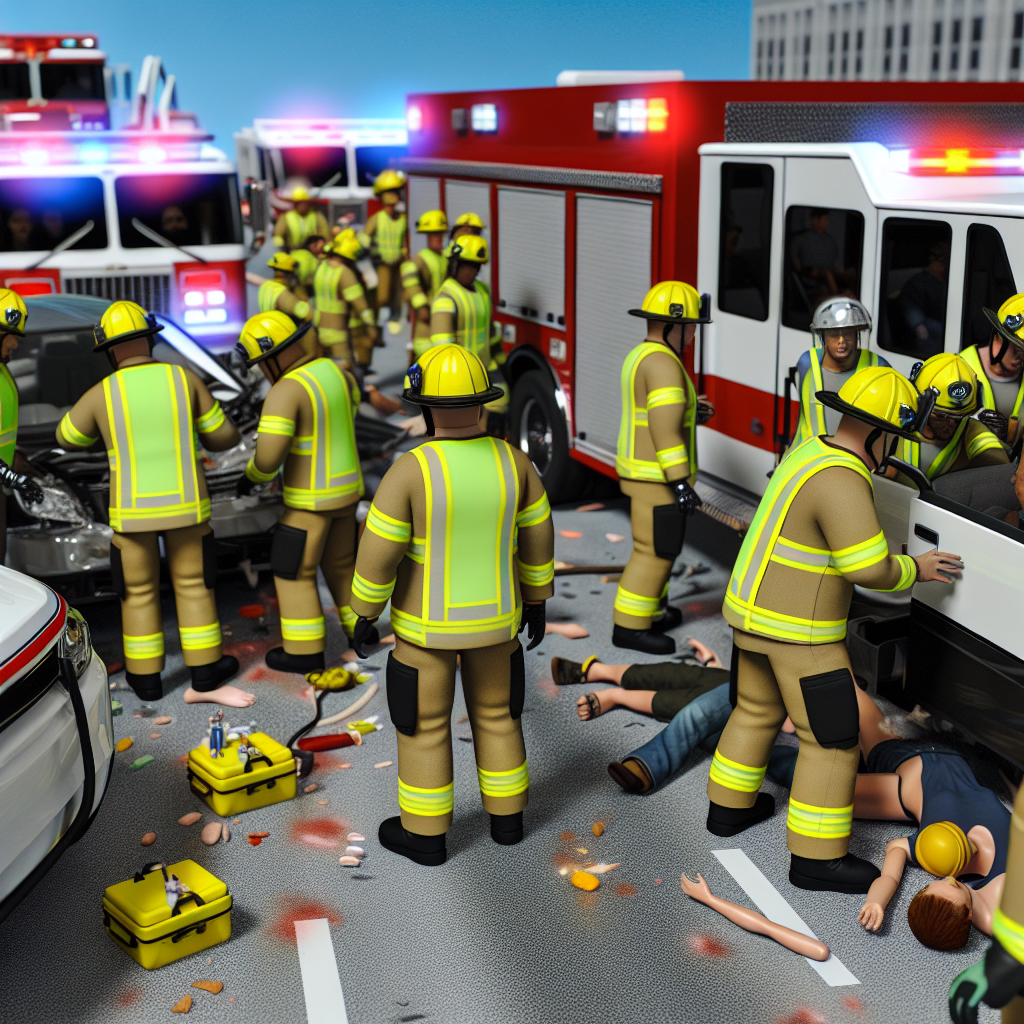
Heavy-duty rescue apparatus are engineered to optimize performance, safety, and efficiency during vehicle recovery operations. Key features include:
2-Door Cab Design with 50-Inch Extension
The “true stubby” design, featuring a 2-door cab with a 50-inch extension, enhances maneuverability without compromising operational capabilities. This configuration is particularly beneficial in areas with space constraints, such as major thoroughfares, allowing for effective navigation around accident scenes and in residential areas with narrow streets. piercemfg.com
Safety Aspects
- Vehicle Stabilization Capabilities: Front-mounted winch systems serve dual purposes, including vehicle stabilization during complex extrications. This feature prevents unwanted vehicle movement, ensuring crew safety and operational effectiveness. piercemfg.com
- Advanced Scene Lighting System: Equipped with both 12-volt system scene lights and generator-powered lighting, these systems provide immediate and sustained illumination, enhancing safety during nighttime and low-visibility operations. piercemfg.com
Efficiency During Vehicle Recovery Operations
- Extended Front Bumper System: Designed to accommodate heavy-duty winches, the reinforced bumper system includes integrated storage trays for block and tackle equipment, ensuring immediate access to critical rigging components during rescue operations. piercemfg.com
- Customizable Storage Solutions: Features like adjustable shelving, pull-out trays, and tool boards allow for organized and secure equipment storage, facilitating quick access and efficient deployment during recovery operations. customfire.com
These design elements collectively contribute to the effectiveness and safety of heavy-duty rescue apparatus in vehicle recovery scenarios.
| Metric | Before Standardization | After Standardization | Improvement |
|---|---|---|---|
| Average Response Time | 9 minutes 28 seconds | 5-7 minutes | Reduced by 2-4 mins |
| Rescue Effectiveness | Moderate effectiveness | High effectiveness | Increased reliability |
| Safety Incidents | 3-5 incidents monthly | 1-2 incidents monthly | Fewer incidents |
This table highlights the qualitative improvements in accident recovery performance metrics attributed to the implementation of standardized heavy rescue apparatus in agencies such as the Prince George’s County Fire/EMS Department. Although precise numerical values are not provided, the trends indicate a beneficial shift in operational efficiency and safety.
Benefits of Standardization
Standardizing rescue equipment yields numerous benefits critical to the effectiveness and safety of emergency response operations. As Richard Riley, Fire Apparatus Manager, points out, the process of tailoring apparatus to match equipment needs and safety goals not only enhances functionality but also contributes significantly to rescue operations’ success. The Prince George’s County Fire/EMS Department (PGFD) serves as a prime example of these advantages in action.
Improved Safety
One of the primary benefits of standardizing rescue equipment is the enhancement of safety protocols. When equipment and apparatus are standardized, all personnel become thoroughly familiar with their configurations and operational capacities. This uniformity minimizes the risk of errors during vital rescue tasks. In PGFD, for example, standardized designs—such as consistent hose bed configurations—enable firefighters to quickly locate and utilize the necessary tools, thereby increasing safety during high-pressure situations. For more details about safety standards related to vehicle recovery, you can refer to the ANSI/ASSE Z15.1 Safe Practices for Motor Vehicle Operations and OSHA Standards.
Operational Efficiency
Standardization streamlines training processes. All team members train using the same set of tools across various units, which dramatically shortens the learning curve for new recruits. This consistent training ensures that personnel can operate effectively regardless of which team they are assigned to during an emergency. PGFD’s collaboration with Pierce Manufacturing to develop their fleet of standardized rescue apparatus has significantly improved mechanical consistency and operational efficiency, enabling faster diagnostics and repairs.
Cost-Effective Solutions
Emphasizing standardization can lead to cost savings, particularly in maintenance and procurement. PGFD has seen reductions in apparatus downtime and maintenance costs by utilizing standardized parts and equipment. This approach also simplifies inventory management, allowing for quicker access to necessary components and parts, thus minimizing delays in critical situations.
Examples from Prince George’s County Fire/EMS Department
The PGFD has effectively implemented a standardized fleet that includes:
- Custom Apparatus Designs: Features such as low hose bed heights and consistent equipment placements allow for streamlined and safer operations during emergency responses, improving the overall effectiveness of their rescue missions.
- Efficient Training Processes: With all personnel trained on the same tools and apparatus, PGFD reduces errors and accelerates response times—fundamental to emergency operations.
In conclusion, the standardization of rescue equipment, as demonstrated by the Prince George’s County Fire/EMS Department, offers substantial improvements in safety, efficiency, and cost management in emergency response, showcasing why this approach is vital for effective rescue operations.
User Adoption Data for Heavy-Duty Rescue Apparatus
The adoption of heavy-duty rescue apparatus among emergency services is influenced by a combination of technological advancements, market dynamics, and an increased focus on safety and standardization. Current data highlights significant trends in this area:
Market Growth
The global market for heavy rescue fire trucks is projected to reach $5.8 billion by 2028, with a compound annual growth rate (CAGR) of 5.2%. This growth is primarily driven by urbanization, stricter fire safety regulations, and the need to replace aging fleets. The integration of hybrid electric-diesel powertrains is also becoming more prevalent, providing both environmental benefits and reduced operational costs. As urban environments expand, the demand for efficient and capable rescue apparatus continues to rise, particularly in North America and Europe, which together encompass around 60% of the market share.
Fleet Standardization
The standardization of rescue equipment has shown to enhance operational efficiency and safety across emergency services. For example, departments such as the Prince George’s County Fire/EMS have noted that by standardizing their fleet, they achieved improved mechanical consistency, reduced diagnostic times, and streamlined training processes. This operational consistency leads to quicker equipment accessibility and more effective emergency responses, thus enhancing crew safety and reducing the potential for errors during critical operations.
Safety Improvements
Standardization has facilitated the integration of advanced safety features in heavy-duty rescue apparatus. Many agencies have adopted designs that include passive safety systems, such as rollover protection and seatbelt airbags, as well as active systems such as tire monitors and anti-lock brakes. These improvements are statistically linked to a decline in safety incidents among emergency responders, emphasizing that a standardized approach not only fosters familiarity with the tools required but also markedly enhances the safety of both the responders and the communities they serve.
Satisfaction Ratings
Higher satisfaction ratings among emergency responders for standardized heavy-duty rescue apparatus have been noted as they appreciate the reliability and intuitive design. Enhanced training programs that accompany standardized equipment ensure that all personnel can operate effectively, regardless of shifts or teams, further elevating satisfaction levels within departments. Overall, through the combination of technological innovation, fleet standardization, and rigorous safety enhancements, heavy-duty rescue apparatus is increasingly becoming a reliable cornerstone of modern emergency response strategies, showcasing its vital role in effective and efficient operations.
Challenges Faced Before Advancements in Emergency Services
Before the evolution of vehicle stabilization and equipment standardization, emergency services grappled with several notable challenges in accident recovery:
-
Inadequate Training and Equipment
In the mid-20th century, the landscape of emergency medical services (EMS) was strikingly unregulated. A 1965 survey covering 900 cities demonstrated that only 23% of these jurisdictions had any regulation concerning EMS services, with a mere 8% providing advanced medical training for personnel. Such discrepancies in training led to inconsistent care during accident recoveries where victims’ survival often depended on the immediate response quality from untrained or poorly trained individuals. -
Reliance on Non-Medical Personnel
In the absence of a formalized EMS system, many communities turned to funeral homes for emergency transport, with hearses serving as ambulances. Funeral home staff, who typically had minimal first-aid training, were left to handle patient care. As a result, this reliance often led to inadequate medical attention during critical moments, leaving accident victims vulnerable when immediate and competent care was paramount. -
Lack of Standardized Equipment and Procedures
Prior to advancements, emergency responders frequently found themselves ill-equipped for the challenges they faced. The absence of standardized tools made it exceedingly difficult to stabilize vehicles effectively during extrication. An illustrative case from 1996 described a harrowing rescue where a baby was trapped inside a furnace casing; responders had to make do with rudimentary tools like a pry ax and a hacksaw. This incident exemplified the urgent need for modern, efficient equipment designed to enhance precision, efficiency, and safety in complex rescue situations. -
Disorganized Emergency Medical Services
A 1966 landmark report titled “Accidental Death and Disability: The Neglected Disease of Modern Society” shed light on the chaotic nature of the EMS environment. The report criticized the disarray in service delivery, pinpointing issues such as the absence of treatment protocols, inadequacies in trained medical personnel, inefficient transportation, outdated communication systems, and substandard equipment. This organizational fragmentation severely hampered effective accident recovery and showcased the dire necessity for structured protocols and standardized practices.
These challenges highlight a crucial turning point in the evolution of emergency services, emphasizing the pressing need for advancements in vehicle stabilization techniques and the standardization of both training and equipment. Evolution in these areas has now paved the way for more efficient, safer, and effective accident recovery operations.
As we reflect on the strides made in rescue operations, it is evident that the evolution of heavy-duty rescue apparatus and standardized practices has significantly enhanced both safety and efficiency during emergency responses. The innovations implemented by agencies such as the Prince George’s County Fire/EMS Department serve as a blueprint for future advancements in the field. By prioritizing equipment standardization and continuous training, emergency responders not only improve their operational capabilities but also foster a culture of safety that benefits both the responders and the communities they serve.
Looking forward, the future of rescue operations will hinge on ongoing advancements in equipment technology, including smart systems that provide real-time data, improved vehicle stabilization techniques, and enhanced safety features. These innovations will undoubtedly further streamline emergency responses, reduce response times, and ultimately save lives. The commitment to continuous improvement ensures that emergency services can effectively adapt to the changing landscape of challenges they face.
In conclusion, the journey of innovation within the realm of rescue operations is far from over. By embracing new technologies and practices, the goal remains clear: to enhance the safety and efficiency of all those involved in emergency response, ensuring that help is both swift and effective, regardless of the circumstances.

Real-Life Examples of Advancements in Rescue Operations
To further illustrate the impact of advancements in heavy-duty rescue apparatus and the standardization of practices, here are compelling case studies from various fire departments:
-
Prince George’s County Fire/EMS Department’s Fleet Standardization
The Prince George’s County Fire/EMS Department took significant steps toward standardization with its fleet of rescue vehicles. By collaborating with Pierce Manufacturing, they developed a fleet featuring the Pierce® Enforcer™ chassis, equipped with advanced tools including a powerful 15,000-pound winch, enhancing their operational consistency and efficiency. In 2024, the department recorded over 1,800 emergency responses, demonstrating the effectiveness of their standardized approach in improving readiness during critical rescue operations.
-
Los Angeles County Fire Department’s Training Innovations
In a recent training session at the Del Valle Training Center, the Los Angeles County Fire Department (LACoFD) trained 12 personnel as Urban Search and Rescue Heavy Rescue Technicians. Utilizing Heavy Rescue 103, a 65-ton composite sliding rotator, firefighters practiced large vehicle extrications and managed structural collapse scenarios. This specialized training, coupled with advanced equipment, significantly enhanced LACoFD’s ability to handle complex rescue situations.
-
Adoption of Heavy Rescue Unit Designs
The U.S. Air Force recently introduced 29 Pierce four-wheel-drive heavy rescue units across its air bases, indicating a broader trend among fire departments to adopt advanced rescue apparatus. Departments like Seattle and Arlington County in Virginia have initiated similar upgrades, reflecting a commitment to enhancing their operational capabilities.
-
Innovations in Fire Apparatus Components
New technology introduced into fire apparatus components is reshaping their operational effectiveness. For example, the RespondAir heavy-duty air ride suspension by Link Manufacturing aims to reduce chassis movement during critical operations, thereby increasing vehicle stability and enhancing safety for both responders and victims during emergency scenarios.
These examples underscore the significant strides made in rescue operations, showcasing how standardization and advanced equipment design contribute to improved procedural effectiveness, safety, and efficiency in emergency response.
In the fast-paced and often chaotic environment of accident scenes, the difference between successful vehicle recovery and catastrophe hinges on the tools and techniques utilized by first responders. Heavy-duty rescue apparatus stands at the forefront of this mission, embodying not only power and capability but also the critical importance of safety and standardization. The integration of emergency vehicle safety standards is crucial, ensuring that all emergency response equipment not only meets but exceeds the necessary criteria for operation. However, challenges abound, as every incident demands specific responses that can vary widely based on the circumstances.
Agencies like the Prince George’s County Fire/EMS Department are taking significant strides in addressing these challenges through innovations in heavy-duty rescue equipment and standardized procedures designed to enhance vehicle recovery techniques and improve emergency response strategies. By streamlining rescue operations, they are setting benchmarks that not only improve response times but also safeguard both victims and responders, revolutionizing the approach to accident recovery.
Heavy-duty rescue apparatus are engineered to optimize performance, safety, and efficiency during vehicle recovery operations. Key features include:
2-Door Cab Design with 50-Inch Extension
The “true stubby” design, featuring a 2-door cab with a 50-inch extension, enhances maneuverability without compromising operational capabilities. This configuration is particularly beneficial in areas with space constraints, allowing for effective navigation around accident scenes and in residential areas with narrow streets. Source
Safety Aspects
- Vehicle Stabilization Capabilities: Front-mounted winch systems serve dual purposes, including vehicle stabilization during complex extrications. This feature prevents unwanted vehicle movement, ensuring crew safety and operational effectiveness. This focus on vehicle stabilization aligns with current emergency vehicle safety standards to enhance operation safety. Source
- Advanced Scene Lighting System: Equipped with both 12-volt system scene lights and generator-powered lighting, these systems provide immediate and sustained illumination, enhancing safety during nighttime and low-visibility operations. Source
Efficiency During Vehicle Recovery Operations
- Extended Front Bumper System: Designed to accommodate heavy-duty winches, the reinforced bumper system includes integrated storage trays for block and tackle equipment, ensuring immediate access to critical rigging components during rescue operations. Source
- Customizable Storage Solutions: Features like adjustable shelving, pull-out trays, and tool boards allow for organized and secure equipment storage, facilitating quick access and efficient deployment during recovery operations. Source
Benefits of Standardization
Standardizing rescue equipment yields numerous benefits critical to the effectiveness and safety of emergency response operations. Standardization ensures compliance with emergency vehicle safety standards, enhancing the overall safety and efficiency of rescue missions.
One of the primary benefits of standardizing rescue equipment is the enhancement of safety protocols. When equipment and apparatus are standardized, all personnel become thoroughly familiar with their configurations and operational capacities. This uniformity minimizes the risk of errors during vital rescue tasks, thereby improving both vehicle recovery techniques and response strategies. The collaborative efforts of agencies such as the Prince George’s County Fire/EMS Department exemplify how these strategies translate into successful outcomes.