
Understanding the compensation landscape for tow truck drivers is crucial for local auto repair shops, car dealerships, property managers, resort operators, and commercial fleet operators. This article provides an in-depth look at how much tow truck drivers make, taking into account geographic variations, job openings, salary ranges, and factors influencing earnings. By the end of this article, you will have a better grasp of what to expect in terms of salaries and will be equipped to make informed decisions regarding hiring and compensation strategies for your towing services.
Wages on the Move: What Tow Truck Drivers Earn Across Canada and Why Pay Differs So Much
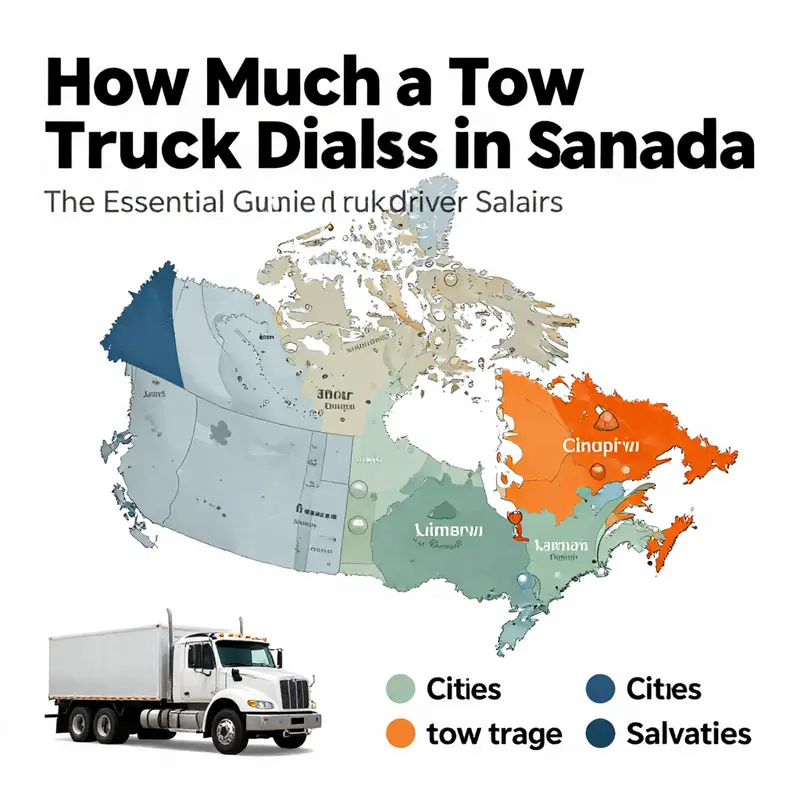
When people ask how much a tow truck driver makes, the conversation often starts with a single number. Yet the answer is not a fixed figure. It is a moving target shaped by where you work, the kind of towing you do, your experience, and the pulse of the local economy. In Canada, the latest salary data show the national average hovers around $17.75 per hour, based on 469 reported salaries as of December 11, 2025. That single line captures a broad spectrum: a baseline that hints at the day-to-day reality for many workers, but it also masks the variations that can lift wages well above or pull them below the average. The truth is that a tow truck driver’s pay in Canada is a composite of geography, hours, and opportunity, and understanding that tapestry helps both job seekers and fleet operators plan with clarity rather than guesswork.
The geography of pay matters as soon as you step from coast to coast. In British Columbia, the average sits just above the national mean at $17.85 per hour. That slight premium is deceptive, because within the province the picture changes dramatically from city to city. In Vancouver, the hourly rate aligns with the provincial average, but in Richmond, salaries rise to approximately $24.06 per hour for some roles—about 36 percent above the national baseline. Surrey, by contrast, can show even higher numbers for full-time positions, with postings often signaling substantial overtime or shift differentials that push effective pay higher than the simple hourly wage would imply. These numbers matter, because Surrey’s higher cost of living and dense urban demand for roadside assistance help explain why some jobs offer notably richer compensation than the provincial average. In practice, BC demonstrates a broader narrative in which urban centers with heavy traffic, longer response times, and more complex recoveries tend to command higher hourly rates, while more rural or semi-urban postings hover closer to the baseline.
Across the prairies, Alberta presents a different rhythm. The Alberta average clocks in lower than the national figure at roughly $16.01 per hour, based on 131 salaries updated in November 2025. The delta between BC and Alberta underscores how regional factors—such as demand from resource-driven economies and the spread of road-side services—shape pay. Yet Alberta is not a flat landscape of low wages. In practice, some markets within the province feature noticeably higher rates. Fort McMurray, a hub of energy activity, has historically offered premium compensation, with pay in the range of about $40 to $45 per hour for certain roles. Calgary follows closely, with some postings around $39 per hour for full-time positions. These numbers reflect the high demand for capable drivers who can navigate challenging conditions, rapid dispatch needs, and a fleet that must stay on the road to keep critical services moving. It’s a reminder that a provincial average can obscure pockets of substantial opportunity where the work is demanding and the market is tight.
The data from Alberta and BC sit alongside other provincial signals that help sketch a richer picture. In Ontario, the story is nuanced as well. For example, Thunder Bay sits at around $26.53 per hour, while Ottawa’s postings drift toward $25.19 per hour. Edmonton’s numbers sit in the mid‑twenties as well, with some roles reporting about $24.05 per hour. These figures illustrate a common thread: large urban centers and resource-rich regions tend to push wages higher, even if the provincial average remains modest.
The United States state of play offers a useful cross-border contrast, though it isn’t a direct one-to-one comparison with Canada. The broader U.S. data show an average hourly wage of about $21.27 for tow truck drivers, according to Indeed postings tracked over the past three years. The disparity across borders reflects differences in labor markets, cost of living, regulatory environments, and the way tipping, benefits, and overtime are structured. For someone evaluating opportunities that might span both countries, these differences can help frame expectations about the kinds of positions that are most common and the ones that command a premium.
Of course, salary data are not only numbers on a chart; they also come with real-world job postings that illuminate how compensation is structured in practice. For example, in Vancouver, a company in the towing sector listed a full-time range of $4,000 to $8,000 per month, illustrating how some employers frame compensation with a strong emphasis on stability and predictable hours rather than purely hourly pay. In Ontario, a shop in Whitby advertised a year‑range of $50,000 to $80,000 per year for full-time work, signaling that some employers incorporate a mix of base pay, overtime, and potentially performance-based bonuses. In Guelph, another firm posted a straightforward $36 per hour for full-time work, which aligns with the provincial pattern of offering clear hourly rates for reliable, ongoing service. Taken together, these postings reveal a market where the headline hourly rate is just one facet of what a tow truck driver earns; the total compensation package may include overtime, on-call stipends, and shifts that reward operational pressure with a paid premium.
Seasoned drivers know the practical mechanics behind these numbers. The most obvious lever is hours. Overtime and night or weekend shift differentials can materially boost take-home pay. The busiest times—weekends, holidays, and after-hours when breakdowns and accidents spike—often come with greater earning potential. The most skilled drivers also bring a portfolio of capabilities: the ability to handle heavier loads, recover vehicles from precarious positions, navigate high-traffic corridors, and manage a fleet that must restore mobility quickly after incidents. The irony is that the same skills that improve safety and efficiency can also elevate the wage scale. A driver who can perform complex recoveries, operate in adverse weather, and coordinate with police or emergency responders is, by many employers’ standards, worth more on the dispatch board. The data reflect this dynamic. In regions with high demand and sophisticated fleets, pay tends to rise not only because the rate per hour is higher, but also because the driver can secure more consistent hours and fewer unplanned lulls.
All of this matters for someone weighing a career choice in towing. The national picture is helpful for setting expectations, but the provincial and local layers are where the action happens. A driver starting out in a smaller city might begin near the lower end of the spectrum, earning in the high teens or low twenties per hour. With experience, training, and demonstrated reliability, that same driver can ascend into markets where the hourly rate creeps into the mid‑twenties or higher. For those who chase the peak pay in Canada, the most promising corridors—Fort McMurray, Calgary, and certain Ontario cities—are the ones where demand for rapid, reliable response is highest, and where fleets compete for a small pool of qualified drivers willing to tackle demanding assignments.
Data interpretation matters as well. The statistics cited—469 salaries for the national average, 189 salaries for British Columbia, and 131 salaries for Alberta—reflect a snapshot of reported compensation. They signal not only where pay sits today, but where it has the potential to move based on economic conditions, inflation, and sector demand. When a region shows a relatively small sample of salaries, pay may be more volatile and sensitive to operator needs. Conversely, a larger data pool can smooth the curve, making the average feel more stable. In practice, the takeaways are actionable: expect a respectable premium in resource-driven markets, a noticeable bump in major urban centers, and a flatter baseline in more rural areas. For those evaluating job offers, the numbers should be weighed against the cost of living, transportation costs, and the value of benefits such as health coverage, paid time off, and retirement savings.
The role of data in guiding decisions should be balanced with the lived realities of the job. Many drivers prize the autonomy of their work—the ability to set schedules around a shift roster, decide which calls to accept, and build a client-facing business with repeat customers. Some drivers opt for long-haul or heavy‑duty towing, which can command higher rates but also demands additional training, certifications, and specialized equipment. Others find value in steady, predictable hours with a clear path toward senior roles within a fleet, which may yield consistent earnings even if the hourly rate is modest. The most successful approach blends a solid base pay with opportunities for overtime, speed of response, and the ability to build a reputation for reliability. In markets like Vancouver or Calgary, where competition for qualified drivers is strong and the demand for fast, safe on‑scene service is high, the arithmetic often leans toward higher wages, but with the caveat that the work can be physically and mentally demanding.
For those contemplating entry into the field, there is a practical, career-focused path. Begin with the basics: a clean driving record, a valid license appropriate to the vehicle class, and safety training that covers roadside procedures, vehicle recovery techniques, and basic incident management. As you accumulate hours and demonstrate capability, you gain access to more complex assignments and, frequently, to better-paying shifts. The market rewards reliability and efficiency; a driver who can minimize call-out times, coordinate with dispatch, and maintain equipment in good condition becomes an indispensable asset to a fleet. And while the pay scales vary, the underlying message is consistent: the more you grow in skill, the more you can leverage on the job. The stories behind the numbers—those city-specific postings and the wide ranges in provincial averages—are not just trivia. They are a reflection of a profession that must adapt to evolving demand, urban density, and the changing landscape of road-side service.
For readers who want to explore industry context further, there are practical resources that can deepen understanding beyond the numbers. The Island Tow Truck blog offers a window into everyday realities, helping job seekers and fleet managers alike connect with practical insights about the work, campaigns, and daily rhythms of tow professionals. See the Island Tow Truck blog for more industry perspectives and firsthand experiences that illuminate what the hourly numbers feel like in real life.
Ultimately, the question of how much a tow truck driver makes in Canada cannot be answered with a single figure. It is a layered answer, one that requires weighing where you work, the nature of the work, and the broader economic conditions of the moment. The pay data reviewed here—national averages, provincial differentials, city-specific highs, and real-world postings—provides a toolkit for assessing opportunities and negotiating earnings. It is a snapshot that helps guide decisions about where to live, which market to pursue, and how to structure a career for long-term financial viability in a field that is essential when the road is uncertain and help is needed fast.
For readers seeking the most current, granular numbers, the salary landscape continues to evolve. Salary aggregators and job boards refresh their data regularly, and it is wise to cross‑check multiple sources when evaluating a new opportunity. Indeed, for example, tracks Tow Truck Driver Salary in Canada and provides a continuing, up-to-date picture that is useful for both job seekers and employers. Accessing that resource can help you understand how a given job posting might translate into take-home pay once overtime, benefits, and on-call shifts are factored in. In the end, the best way to decide where to work is to blend data with your own goals: do you value rapid dispatch, predictable hours, or the independence of a mobile role? Do you prefer a large metro with intense competition or a smaller market where your skills can shine and grow?
As you chart a path forward, remember that the numbers reflect a market in motion. They confirm that Canada offers meaningful earning potential for tow truck drivers, with clear highs in certain markets and a solid baseline elsewhere. They also remind us that the value of the work extends beyond a paycheck: contributing to safety, mobility, and emergency response in communities where every minute matters. The practical upshot is straightforward. If you’re evaluating a career in towing, research the region you’re considering, note the local demand drivers—such as urban density, weather patterns, and industrial activity—and prepare to position yourself as a reliable, capable professional who can move quickly from call to call. In that space, your earnings will reflect not only the rate cards on job boards but the real value you bring to motorists in distress, fleets that need dependable coverage, and municipalities that require rapid, responsible road-side assistance.
External resource: For the most current numbers and ongoing trends, see Indeed’s Tow Truck Driver Salary in Canada.
Internal link: For broader industry insights and practical context, visit the Island Tow Truck blog.
Pay on the Road: How Much Tow Truck Drivers Earn Across the United States
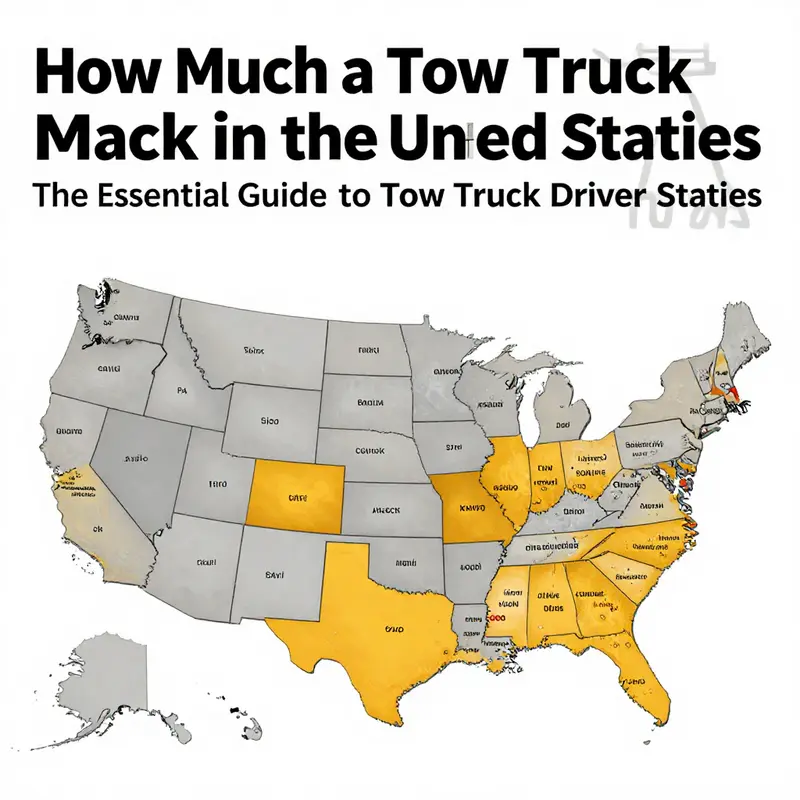
When you think about the paycheck of a tow truck driver, the first number that often sticks in the mind is the national average. In the United States, current data from a wide sample of job postings shows an average hourly wage of about $21.27. This figure comes from more than four thousand salaries reported to a major job site over the past three years, offering a snapshot of how compensation stacks up across the country. It is not a fixed ceiling, and it certainly doesn’t capture every nuance of a driver’s earnings. But it does establish a baseline—a point of reference for what most drivers might expect in a typical week, provided they are working standard shifts and employed by a company rather than operating on an independent or owner-operator basis. The reality, as with so many skilled trades, is that pay is not a one-size-fits-all number. It moves with geography, employer, workload, and the specific duties assigned to a driver on any given day.
One striking detail that emerges from the data is the degree of dispersion around that average. Some employers report pay that runs notably higher than the baseline—enough to tilt the perception of the job from “solid, steady work” to “potentially lucrative, depending on where you land.” In one observed scenario, a company’s average hourly pay for a tow truck driver sits around $26.27, which translates to roughly 32 percent above the national average. That kind of delta has real meaning for someone contemplating a career in this field: it can reflect several factors at once, including regional demand, the nature of the on-call load, the complexity of the towing tasks, and the level of risk associated with the job.
Location remains the most visible driver of pay. The United States is a large, diverse country where wage scales follow patterns set by cost of living, competition among employers, and the density of emergency incidents that keep fleets busy. In metropolitan corridors with heavy traffic, urban centers, and industrial corridors, demand can push rates upward. In smaller towns or rural areas with fewer incidents, the same base rate is often lower, and some drivers end up with a lighter call volume that doesn’t keep overtime abundant. The data also reflects the fact that some employers factor in more than just a straight hourly wage. Overtime, on-call stipends, and the opportunity to handle more specialized jobs—like heavy-vehicle towing, long-distance recovery, or fleet maintenance—can add meaningful increments to take-home pay.
What does this mean for a driver entering the field? If you start at or near the national average, your earnings potential is highly sensitive to where you work and with what kind of fleet. For instance, cities with high levels of commercial traffic, construction activity, or 24/7 emergency service tend to require more drivers and more shifts, which can translate into more opportunities for overtime or premium pay during off-peak hours. On the flip side, regions with a smaller population and less commercial activity may offer more moderate hours and a steadier, if quieter, paycheck. The data also hints at the broader economy’s health: in downturns, fleets may scale back on overtime, while in peak seasons or areas with chronic weather-related incidents, the number of calls can spike, pushing earnings higher for those who are available and willing to work long hours.
Beyond geography, the employer type matters. A driver employed by a large fleet with centralized dispatch and predictable route patterns often enjoys a stable hourly rate, structured scheduling, and the benefits that come with full-time employment. Smaller outfits or independent contractors sometimes face a different calculus. In cases where a driver is paid by the hour but shoulders the costs of fuel, maintenance, or insurance, the take-home figure can be surprisingly variable. A few operators reward senior staff with higher base rates or tiered pay scales that reflect the experience and efficiency a driver brings to the task. Others may keep pay modest while offering lucrative incentives tied to performance, reliability, or the ability to complete high-value towing jobs. In every scenario, the hours worked, the types of calls accepted, and the geographic spread of work all converge to shape the actual weekly or monthly earnings.
This is not merely about the hourly rate; it is also about the rhythm of the workweek. Tow truck driving often involves irregular hours, long shifts, and being on standby during evenings or overnight hours when accidents and vehicle breakdowns are more common. Those shifts can carry premium pay or supplementals that lift a driver above the base wage. The trade-off is the irregular schedule itself: more income in some weeks but less in others, depending on demand, weather, and incidents requiring a tow. Consequently, two drivers with identical base hourly rates can end up with noticeably different annual earnings simply because one signs up for more on-call time, more long-distance tows, or more weekend and holiday shifts. In other words, earnings can hinge on a driver’s willingness to align with the fleet’s peak demand periods.
When people compare “shipyard” or “construction-line” wages to towing work, the distinctions between risk, unpredictability, and physical toll come into sharper focus. Tow truck work is inherently hands-on and time-sensitive, demanding quick decision-making and steady nerves when roads are slick, lanes are blocked, or a driver must maneuver a heavy vehicle in tight spaces. The day-to-day realities of the job—exposure to weather, the stress of responding to urgent requests, and the potential for extended hours—can influence how compensation is perceived. For some, the wage level becomes a function of resilience as much as experience: those who stay on the road through challenging conditions build a track record that may correlate with higher pay, either through seniority, specialization, or a demonstrated ability to secure and complete the most demanding calls.
In terms of practical steps for someone evaluating this career path, the data suggests a few clear priorities. First, targeting markets known for higher demand and more complex towing tasks can pay off. This means looking at urban drain sites, industrial zones, and regions with heavy weather patterns that periodically disrupt traffic. Second, seeking out fleets that offer structured overtime or on-call premiums can provide a more predictable path to higher earnings. Third, developing a specialization—such as heavy-duty towing, accident recovery, or long-distance transports—may unlock higher pay bands, especially when paired with a solid safety record and efficient job completion. While the base hourly rate provides a baseline, the real income story for tow truck drivers often unfolds through the combination of hours worked, the mix of calls accepted, and the willingness to take on the tougher, more demanding jobs.
Readers who want the most up-to-date specifics for a given locale should consult current job postings and wage reports. Those postings are the closest thing to a real-time pulse on the market, since they reflect both the employer’s current pay scale and the demand for drivers in that area. It is also useful to cross-check multiple sources to confirm whether a wage is typical for the region or unusually high due to extraordinary conditions. For an ongoing conversation about industry trends and practical career planning—ranging from how to evaluate a prospective employer to how to manage a fleet’s emergency response in a tight market—you can visit the main industry blog for community discussions and insights. The blog can be a good partner resource to understand the broader context of pay, job duties, and career advancement within the towing field, including perspectives from drivers and fleet managers alike. theislandtowtruck.com/blog/
As you weigh the numbers, keep in mind that the figures cited come from a big-picture view. They illustrate the current state of pay across the United States and highlight the variance tied to location and employer. They do not capture every possible compensation arrangement, such as bonuses, gas stipends, or additional benefits that may be offered by some employers. Some drivers might find themselves earning more through a combination of overtime, on-call premiums, and disciplined scheduling. Others might discover a lower base rate but enjoy a robust package of benefits, paid time off, and retirement contributions that add long-term value beyond the weekly paycheck.
For anyone curious about the latest, most precise numbers, the best path is to review fresh salary data from reputable aggregators and company postings. Indeed, the job site that collects and aggregates wages across thousands of postings remains a reliable touchstone for the current state of tow truck pay in the United States. You can explore their detailed figures and methodology to get a sense of how the averages are calculated and what factors might push a specific posting above or below the national norm. External resource: https://www.indeed.com/career/tow-truck-driver/salaries. This page updates over time, reflecting new postings, shifts in demand, and the evolving landscape of compensation as fleets adapt to changing conditions on the road.
In sum, the United States presents a pay picture that is both stable and variable. The average hovers near the low-to-mid twenties per hour, but the real story lives in the margins: the way pay scales up in high-demand markets, the extra dollars earned through overtime or premium on-call hours, and the opportunity to specialize for higher wages. A driver who understands these dynamics can map a path toward greater earnings, anchored in smart choices about where to work, what duties to take on, and how to balance the irregular rhythms of the job with the financial rewards that come from steady, reliable performance. The road to higher earnings is not a single straight line; it is a tapestry woven from hours, opportunities, and the willingness to answer the call when it arrives.
External resource: Indeed’s Tow Truck Driver Salary page. https://www.indeed.com/career/tow-truck-driver/salaries
Cross-Border Paychecks: How Much Tow Truck Drivers Earn and What Shapes the Pay Range
Pay in the tow truck industry is not a single fixed number. It is a spectrum shaped by geography, demand, type of work, and the level of responsibility a driver carries. The figures in the research paint a picture of a field where the bottom end is modest enough to attract entry into the trade, and the top end can be surprisingly lucrative in the right conditions. As with many lines of work that hinge on emergencies, hours, and logistics, what you can expect to earn as a tow truck driver depends as much on where you work as on how you work. The global snapshot is telling: in places where roads stay busy, roadside assistance is constant, and the demand for rapid recovery of disabled vehicles is high, the compensation tends to rise in step with the workload. Conversely, regions with lower call volumes or tighter wage norms may offer a steadier but lower income. Across the dataset, a common thread is clear: pay is highly location-specific and strongly influenced by the scale of operations, whether you’re on a private towing team or serving a municipal fleet, and how much overtime or after-hours work you take on.
Turning to concrete numbers helps illuminate the range. In Canada, the national average wage for a tow truck driver sits around the mid-teens per hour, with December 2025 reports showing roughly $17.75 per hour as the benchmark. This average hides a mosaic of local variations. In British Columbia, the overall average is just a touch higher, around $17.85 per hour, but within that province some urban centers push the numbers well above the national average. Richmond, for example, posts a rate near $24.06 per hour, about 36 percent above the national norm, while Vancouver stays around the same range as the provincial average. The contrast is most stark when looking at Surrey, where full-time roles can fetch notably higher wages—up to about $39.50 per hour for workers in sustained, full-time positions. Alberta presents a slightly tougher general picture, with an average around $16.01 per hour, lower than the national Canadian average. Yet again, it’s the locales that tell a different story: Fort McMurray can soar to the $40–$45 per hour range, and Calgary treads close to $39 per hour. Ontario contributes two pockets of stronger pay as well. Thunder Bay sits at approximately $26.53 per hour, Ottawa at about $25.19, and Edmonton reaches roughly $24.05. Taken together, these numbers form a map: roughly $16 to $45 per hour is the working envelope, with urban powerhouses and resource hubs skewing toward the higher end due to demand, longer shifts, and more complex recovery jobs.
Across the Atlantic, the United States presents a different but equally telling picture. Here, the average hovers around $21.27 per hour according to job postings aggregated by Indeed over the last three years. That average sits higher than Canada’s national figure in many markets, reflecting a more expansive range of urban centers, higher cost of living in several regions, and a broader mix of private towing firms and municipal fleets. The U.S. landscape is also shaped by the typical drivers of higher compensation: experience and credentials such as a commercial driver’s license (CDL) or other specialized towing training can move pay upward, as can working for private companies that handle more complex or heavier-duty recoveries. Overtime, on-call duties, and the need to respond quickly—often at odd hours—also contribute to the upside, turning a base hourly rate into a more robust weekly or monthly total.
The story shifts again when we consider Australia, where this chapter’s comparative lens finds an especially telling datapoint. In Darra, Queensland, a region that has seen growth in transport and logistics, the average hourly wage for a truck driver—including roles connected to towing and recovery operations—reports a striking $41.29 per hour on Indeed’s Australian salary data. This is a reminder that in some markets, the convergence of strong regional demand for road safety, reliable recovery services, and a relatively tight labor market can push pay well beyond North American norms. It’s not just about the hour; it’s about the type of work and the value placed on prompt, reliable roadside support in a bustling region where fleets must stay moving.
Job postings themselves—those live, real-time signals of what employers are willing to offer—provide additional texture to the pay landscape. They illustrate how employers structure compensation in practical terms. In metropolitan Canada, some full-time roles may present monthly compensation ranges that look like a clockwork balance between base pay and benefits, with numbers that can land somewhere between four thousand and eight thousand Canadian dollars per month in steady, full-time posts. In Ontario, a range might be expressed as an annual figure, with roles advertised around the fifty-thousand-to-eighty-thousand-dollar band for full-time work. Across the country’s provinces, you’ll see a similar pattern: a solid baseline, with higher ceilings for those in busy urban zones or in heavy-recovery specialties. In practice, a Quebec or Ontario market with strong call volume can reward consistent performers with higher annual totals, while more rural provinces may offer steadier but lower-level cash flow.
When you cross into the United States, the same principle holds, though the numbers shift into a slightly higher per-hour baseline in many urban markets, especially where the cost of living is higher and the demand for quick, reliable service is unrelenting. The 21.27 per hour average reflects a broad mix of states, counties, and cities—plus the influence of overtime and weekend calls that can significantly augment week-to-week earnings. It’s also a reminder that within the same national figure, the local market can swing dramatically. A tow operator in a large city with frequent incidents and a dense traffic mix can often command a higher wage than a counterpart in a smaller town serving a slower-paced market. The human element matters here as well: the willingness and ability to be on call, to respond to late-night incidents, or to travel longer distances for a single recovery can lift actual take-home pay well above the base wage.
Beyond the numbers, the pay picture is shaped by the type of employment and the level of responsibility. Private towing companies frequently handle more complex towing jobs, asset recovery, and after-hours calls. Municipal or county fleets often provide steadier base pay and more predictable schedules but may cap overtime opportunities or have different pay scales tied to government pay grades. The choice between light-duty and heavy-duty towing also matters. Heavy-duty specialists can command higher hourly rates due to the skill set, equipment, and risk involved. Certifications, such as CDL or specialized vehicle-handling credentials, can translate into higher hourly rates and larger per-recovery bonuses in some markets. In short, pay is a function of the job’s complexity, the fleet’s operational footprint, and the driver’s professional development.
The data also underscores a practical takeaway for aspiring tow truck drivers and those negotiating compensation: the local labor market matters most. Regions with dense vehicle traffic, high incident rates, and robust call volumes tend to reward experience and reliability with higher pay and more overtime opportunities. Drivers who relocate to or start in urban centers may unlock higher hourly rates, while those choosing rural or less dense markets might trade off some earning potential for lower living costs or a more predictable schedule. For readers who are exploring how to maximize earnings, investing time in obtaining certifications, seeking opportunities with private firms that handle heavy-duty recoveries, and being willing to cover off-hours can all pay dividends in terms of total compensation.
The broader context is helpful for framing opportunities and expectations. If you want a tangible sense of current market conditions, consulting live job postings provides a useful reality check. Listings in major markets tend to confirm a wide pay range, with a base that reflects local wage norms and additional compensation built into the package through overtime, on-call pay, and sometimes hazard pay for hazardous or remote deployments. The presence of a strong demand signal—whether in a busy coastal city, an industrial hub, or a region with expanding road networks—can push the offered wage upward. It’s the same economics you see in many transport and logistics roles: value is created by speed, reliability, and the ability to quickly restore mobility in the face of disruption.
For readers who want to deepen their understanding or track ongoing shifts in the market, there are avenues to explore further. The Island Tow Truck blog offers ongoing insights and context on fleet and roadside operations, and it can be a helpful companion for anyone weighing a move into this line of work. Accessing the blog can provide practical perspectives on daily routines, the realities of call volumes, and how driving conditions influence earnings in real-world settings. you can learn more at the Island Tow Truck blog, which provides a broader look at industry dynamics and frontline experiences. theislandtowtruck.com/blog/
Taken together, the chapter’s data and themes point to a nuanced conclusion: tow truck driving offers reliable employment with earnings that scale with market conditions, specialization, and the willingness to work overtime. The pay range—from roughly the mid-teens to the mid-forties per hour in dominant urban and resource-rich regions—reflects a field that rewards skill, timing, and resilience. For those entering the field, the path to higher earnings is clear enough: gain experience, pursue certifications, be ready for after-hours work, and target regions with high volumes and strong demand. For the market as a whole, the lesson is equally practical: employers compete for dependable drivers by offering wages that reflect the risks, the travel demands, and the critical nature of restoring mobility in moments of breakdown or accident. The result is not a monolithic salary but a dynamic salary range that mirrors the varied landscapes of roads, cities, and the people who keep them moving.
External resource: https://www.indeed.com/career/tow-truck-driver/salaries
The Pay Equation: How Location, Experience, and Service Type Shape Tow Truck Driver Earnings
Wages for tow truck drivers rarely read as a single, unchanging number. They shift with the street you work, the kind of calls you answer, and the company that employs you. The job is physically demanding, time-volatile, and highly sensitive to market dynamics that many other trades would recognize, yet it pays off differently depending on where you operate and what you handle. In the broad view, earning power rests on a handful of levers that, when pulled in different combinations, can turn a modest hourly rate into a dependable paycheck or into a burst of income tied to variable demand. Those who want a clear read on what a tow truck driver makes must look beyond the headline hourly rate and into the mechanics of the job, which live in place, practice, and the kind of calls that fill a shift.
Location remains the most visible driver of pay. The simple fact is that urban centers with higher costs of living tend to offer higher pay to compensate drivers for long hours, traffic congestion, and the need to respond quickly to incidents. In a country-wide snapshot, the national average hourly wage for tow truck drivers in Canada has hovered around the mid-teens, but the reality on the ground shows substantial local variation. In British Columbia, for example, the general average sits near the low to mid-teens as well, but certain cities break away from the pack in striking ways. Richmond, for instance, reports an average around 24 dollars per hour, well above the national average. Even more dramatic is Surrey, where full-time positions have seen hourly rates pushing toward the high end of the scale, a remarkably steep differential that mirrors the density of traffic, the frequency of incidents, and the premium placed on rapid response in a busy metropolitan belt. Vancouver, by contrast, tracks closer to the province’s average, illustrating how even neighboring cities can diverge based on demand patterns and employer strategies. The gap between steady, full-time roles and sporadic, call-based work often widens in markets that attract fleets that operate around the clock, and where a busy weekend can swing weekly earnings by a meaningful margin.
Across the prairie provinces and into the heartland, the story shifts but keeps the same contour. Alberta’s landscape shows a lower provincial average on the surface, with the overall rate around sixteen dollars per hour, yet pockets of opportunity shine brighter still. Fort McMurray, a center of heavy industry and remote-location servicing, has long been associated with elevated pay in extractive and support services, with hourly ranges that can run substantially higher than the provincial norm. Calgary follows a similar arc, where the scale of operations, the presence of large fleets, and the intensity of demand for emergency and heavy-duty towing can lift compensation in noticeable ways. These contrasts illustrate a broader truth: location alone is not destiny; it interacts with the local industry mix and employer incentives to determine a driver’s actual earnings.
In other Canadian centers, the numbers tell a related tale of local market dynamics. Thunder Bay and Ottawa sit higher than the national baseline, with Thunder Bay reporting pay that stands well above the starting line for many rural and semi-urban markets. Ottawa’s mix of government and commercial fleets, plus a steady stream of incidents along a major corridor, supports a wage profile that outpaces several other regional markets. Edmonton, another Alberta city, sits near the mid-twenties per hour on average, reflecting the city’s robust service economy and the presence of both municipal contracts and private towing operations. While these examples are not universal laws, they reveal how government demand, industrial activity, and the density of service providers influence what a tow truck driver can expect to earn in a given place.
Across the United States, the picture follows a similar logic, even as the numbers diverge in response to different regulatory environments and market conditions. The national benchmark hovers in the low twenties per hour, with Indeed postings suggesting an average around 21 dollars an hour. The U.S. landscape is characterized by a mix of small independent operators and larger fleet outfits, each with its own compensation model. The same three-factor lens—location, demand, and employer structure—keeps shaping earnings here as well. What matters most is not only the stated rate but how the job demands, hours, and on-call requirements interact with the wage floor in a given market.
Beyond the raw hourly rate, the practical example of job postings helps illuminate what drivers can expect in real terms. In major Canadian markets, the pay window appears wide. One Vancouver-based employer lists a full-time range that translates to roughly four thousand to eight thousand dollars per month, a signal that steady hours, benefits, and predictable schedules can produce a reliable income stream. In Ontario, another example shows a different but compelling pattern: annual earnings in the range of fifty to eighty thousand dollars for full-time work, underscoring how annual compensation can rise when overtime, call volume, and specialized duties are part of the package. Yet another Ontario employer advertises a straightforward hourly rate in the mid-thirties for full-time work, highlighting how the same trade can offer varied paths to high earnings depending on market conditions and the specific duties assigned.
The second major axis shaping pay lies in experience and credentials. A newer driver may earn near the lower end of the spectrum, learning the ropes of vehicle extraction, safe loading practices, and the choreography of safeguarding a scene while other responders manage traffic. As years accumulate, that driver’s repertoire expands—from basic roadside assistance to complex recoveries, from light-duty to heavy wheels-and-tire scenarios, and to the careful handling of high-value or delicate vehicles. Specialized training and certifications can tilt the wage scale upward in meaningful ways. For instance, training in accident reconstruction or in operating heavy equipment used on larger tows can markedly increase a driver’s perceived value. Employers prize the added margin of safety and efficiency those credentials bring to the job, especially on high-stakes scenes where every move is scrutinized. The result is not simply a higher hourly rate, but a broader capacity to command premium fees for complex tasks.
The nature of the towing service itself is a third critical determinant of earnings. Routine vehicle moves, while essential for fleet maintenance and customer convenience, typically carry lower margins than the more intense, time-sensitive assignments that arise on the side of a busy highway or at the scene of an accident. Emergency roadside assistance, winching a vehicle from a ditch, or conveying commercial fleets from one depot to another often triggers premium pay. The immediate urgency of these tasks translates into higher billable hours and, in some cases, surge pricing when demand spikes due to weather, holidays, or large-scale incidents. The alignment between a driver’s skill set and the type of service offered by the employer thus emerges as a practical lever on the wage scale.
Employer type completes the quartet of wage determinants. Large, established towing firms tend to offer more stable schedules, consistent hours, and a broader benefits package, which contributes to a comfortable base of earnings and long-term financial security. They may also provide structured overtime opportunities and a predictable pipeline of incidents that keep a driver in steady rotation. Independent contractors, by contrast, may enjoy higher per-job pay and greater autonomy but face volatility in workloads and operating expenses. Expenses such as fuel, insurance, maintenance, and the costs of running a small fleet can erode headline hourly or per-job earnings if the volume of work ebbs. The trade-off matters: the choice between a salaried route with benefits and a flexible, entrepreneurial path with potentially higher peak earnings but more financial risk.
Amid these core factors, two dynamic forces quietly influence the bottom line: overtime and shift differentials. Overtime pay and higher rates for night shifts or weekend work can meaningfully lift weekly earnings in markets where calls cluster outside standard business hours. A driver who can stay on the road through late nights, or who can cover weekend surges when customers simply cannot wait, often earns a premium that compounds over a month or a year. The market for emergency response tends to widen at times—during storms, holidays, or when seasonal travel spikes demand—creating windows where a driver can accumulate significantly more income than their baseline would suggest. The capacity to adapt to these shifts is a mark of an experienced professional in a crowded market, not merely a lucky instance of high demand.
This is the core reality behind the numbers: the same trade yields different pay in different cities, with diverse employers, and across varying call volumes. A driver can move the needle by choosing markets with higher on-call demand and by seeking out roles that reward specialized skills and reliability. The job listings and regional pay patterns underscore how much learning and planning can influence earnings. If a driver wants a more predictable income, targeting a large urban market with established fleets and a structured compensation plan can be a wise path. If, on the other hand, a driver seeks flexibility and the possibility of higher earnings during peak periods, an independent or small-fleet setup in a high-demand region may be attractive, albeit with more personal financial risk to manage.
For readers seeking broader context on compensation trends across the industry, industry resources offer ongoing observations about how factors such as seasonal demand, regulatory changes, and fleet utilization affect pay scales over time. Those exploring the topic can consult the wider body of data and commentary available through industry outlets and career sites. A useful starting point for industry context is the Island Tow Truck blog, which aggregates insights on market dynamics, training, and career pathways for drivers who want to understand how the field evolves beyond a single market. Access the blog here: theislandtowtruck.com/blog.
In the end, the pay a tow truck driver makes is a function of place, tenure, skill, and the operational model of the employer. The numbers you see in one city are not a universal ceiling, but rather a reflection of a local market’s balance of supply, demand, and the types of services that are most valuable at any given moment. For a driver evaluating a potential move or negotiating a raise, the most reliable guide is a close reading of current postings in the target market, combined with a clear understanding of one’s own capabilities and the type of work that is likely to be most remunerative in that setting. The landscape is diverse, and with it comes the opportunity to shape a career that not only pays the bills but aligns with the driver’s ambitions for reliability, expertise, and long-term professional growth.
External resource: For additional industry compensation trends, see Indeed’s overview of tow truck driver salaries at https://www.indeed.com/career/tow-truck-driver/salary
Final thoughts
The salary of a tow truck driver varies significantly across regions and is influenced by multiple factors including location, experience, and employer type. By understanding these dynamics, businesses such as auto repair shops, car dealerships, property managers, resort operators, and commercial fleet operators can better navigate the hiring process and establish competitive compensation packages. Familiarity with pay rates not only aids in attracting skilled drivers but also ensures the sustainability of your towing operations. Stay informed, prepare adequately, and make effective decisions to elevate your service offerings.