
As the automotive industry tilts toward a sustainable backbone, Tesla’s Cybertruck emerges as a trailblazer, addressing the needs of local businesses and commercial operators who rely on robust towing performance. Whether you serve clients as an auto repair shop, run a fleet operation, manage properties, or operate resort facilities, understanding the towing capabilities of the Cybertruck can significantly impact productivity and versatility. This exploration delves into its diverse configurations, practical applications, and how it stands against traditional trucks in terms of towing capacity. Through these insights, discover how the Cybertruck could be the game-changing ally for your daily operations.
Tow Power Unpacked: How Much the High‑Performance Electric Pickup Can Tow Across Variants
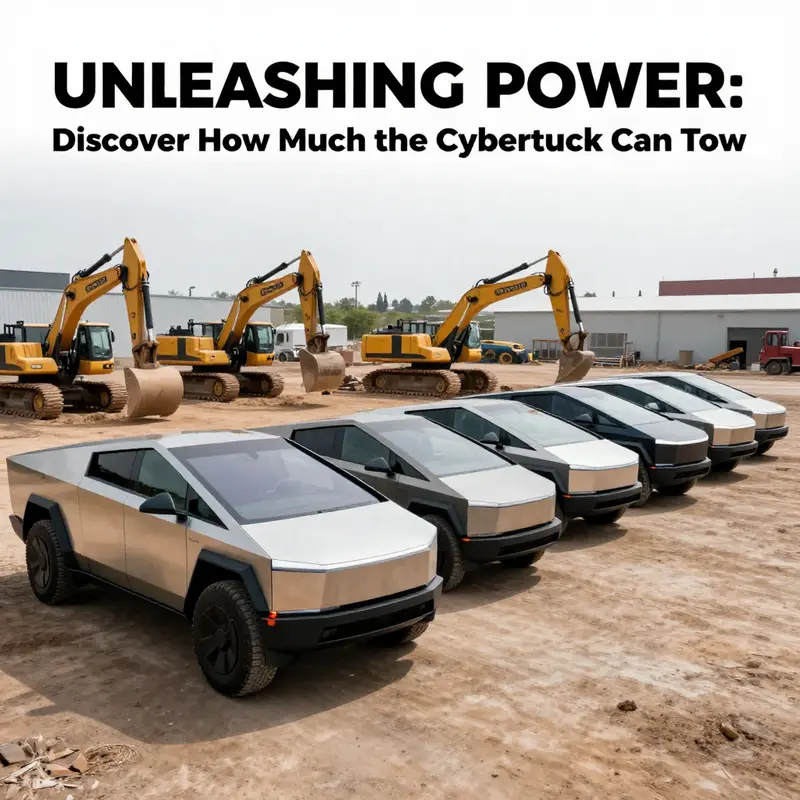
When people ask how much a modern heavy‑duty electric pickup can tow, they’re really asking two intertwined questions: how powerful is the propulsion under load, and how well does the chassis, brakes, and suspension manage that load over real roads and trails. The numbers you’ll hear—up to 11,000 pounds in the top‑tier variant, about 8,500 pounds in the midrange, and a lower figure for the simplest configuration—reflect a careful balance among torque, traction, frame rigidity, and braking capability. They are not just raw headlines; they are the fingerprints of a design philosophy that places work capability alongside efficiency and durability. In a single ride, a driver can experience how the vehicle transitions from everyday utility to heavy‑duty hauling, and that transition hinges on more than sheer horsepower. It rests on how the drivetrain, control systems, and structural materials all work in concert to keep the load manageable, predictable, and safe.
The tri‑motor AWD variant stands as the pinnacle in pure towing capability. With a reported capacity of up to 11,000 pounds, this configuration is built for heavy trailers, large boats, and industrial equipment that demand substantial traction and robust control. The drivetrain’s torque vectoring plays a central role here. By directing torque to the wheels that need it most in real time, the system helps the truck maintain grip on uneven pavement, gravel, or damp shoulders where a conventional setup might struggle. This ability to redistribute power is not merely about acceleration; it’s about sustaining a stable, controlled pull through curves, hills, or crosswinds. The torque reserve also contributes to smoother starts when it’s time to get a heavy load moving from a standstill, a factor that matters when you’re trying to avoid trailer snaking or sudden yaw that can stress the hitch and the connection behind it.
The dual‑motor AWD variant sits a notch below, with a towing capacity of 8,500 pounds. This model offers a highly capable balance between brute pulling power and everyday practicality. For many recreational users—the ones who tow campers, mid‑sized trailers, or motorcycles—the 8,500‑pound ceiling represents a comfortable ceiling for predictable handling, confident braking, and reasonable energy use. The dual‑motor setup benefits from strong regenerative braking, which helps manage inertia when descending grades with a heavy load in tow. It also contributes to stability by keeping the overall center of gravity within a range that mirrors the vehicle’s chassis geometry. For those who need to tow frequently but don’t require the uppermost limit, the dual‑motor variant provides a compelling blend of capability, efficiency, and price, making it a practical choice for a wide range of excursions—from weekend adventures to small‑business tasks that involve transporting large trailers or equipment.
The single‑motor RWD configuration, meanwhile, carries a more moderate role in the lineup. Specific towing figures aren’t published as a fixed number in all presentations, but the capacity is clearly lower than the other two variants. This doesn’t render the truck unsuitable for towing; rather, it positions the single‑motor model as a versatile urban hauler and light‑to‑medium trailer puller, where the rider benefits from lower weight, simpler drivetrain, and potentially lower operating costs. In this configuration, the design emphasis shifts toward efficiency and durability in everyday use, with enough pulling power to handle smaller trailers, utility trailers, or light campers. It’s a reminder that towing power isn’t a single dimension; it’s a spectrum that considers load distribution, braking efficiency, and long‑term reliability under varied conditions.
Across all variants, the underlying chassis and body structure contribute significantly to how well towing performance translates into real‑world results. The vehicle’s frame employs ultra‑hard 30X cold‑rolled stainless steel, designed to resist deformation under heavy load and to maintain alignment of suspension, drivetrain, and hitching points. The armor‑grade glass adds a layer of impact resistance that can be crucial in environments where debris or off‑road obstacles might threaten visibility or long‑haul integrity. These materials aren’t just about aesthetics or bragging rights; they provide a foundation for safe, controlled towing through rough pavement, washboard surfaces, and the occasional misjudge of trailer alignment when hooking up after a long day. The attention to durability pays dividends in high‑load scenarios by reducing the risk of structural fatigue, ensuring the hitch coupling remains stable, and preserving steering feel even when the tow load is substantial.
Yet even with the strongest possible chassis, the act of towing is an elaborate interaction among many variables. The distribution of weight between the truck and the trailer—often described as tongue weight—plays a pivotal role in stability. If too little downward force is applied to the hitch, the trailer can jackknife or sway more readily; if too much is placed behind the rear axle, steering response can be dulled and braking effectiveness can diminish. The tri‑motor and dual‑motor variants provide ample braking support through integrated systems that can modulate pedal feel and response to match the load. This is not merely about slowing down; it’s about controlling a heavy, moving mass through curves, into wind gusts, and up steep grades without requiring excessive driver input. In practice, drivers who tow near the upper limits must carefully consider hitch hardware, weight distribution, and trailer brakes, as well as the route’s grade, surface conditions, and wind exposure.
From a practical standpoint, the distinction between each variant’s towing capacity carries implications for how people plan trips and allocate loads. For instance, a heavy boat or a large travel trailer will demand careful planning of hitch position, load balance, and the availability of proper braking on the trailer. The 11,000‑pound ceiling is an invitation to haul substantial loads, but it also comes with the responsibility to verify that all components—from hitch to tires to suspension—are rated for the task. The 8,500‑pound capacity opens up many possibilities for long weekends and family adventures, yet it invites the same level of due diligence: checking that trailer brakes are functional, that the hitch is correctly rated, and that the combined vehicle‑trailer mass fits within recommended safety envelopes. Even the lower‑end configuration can be pressed into service for useful tasks, provided the trailer’s weight profile and tongue weight remain within comfortable margins. In every case, the playing field changes with load distribution, road grade, and weather, which is why real‑world towing is as much art as science.
The reality of towing heavy loads in a modern electric pickup also frames how range and energy use interact with capability. Heavier attachments demand more power, especially when pulling from a standstill or climbing grades. Regenerative braking helps reclaim energy on descents, but it can’t fully compensate for the energy required to maintain speed with a heavy trailer in tow, particularly on long hills or windy corridors. The practical upshot is that towing with one of these configurations will shorten the vehicle’s range relative to solo driving, sometimes by a meaningful margin depending on speed, terrain, and trailer aerodynamics. The aerodynamic drag of a trailer, the trailer’s own weight, and the friction from tires all conspire to reduce the distance the truck can travel on a single charge. For operators who must meet schedules, this means planning charging stops more frequently, factoring in the tow route, and possibly rethinking the journey’s pacing to avoid unnecessary acceleration and braking cycles that waste energy.
A related consideration is the vehicle’s ability to deliver power to a home during outages. In an environment where reliability matters, the capacity to supply up to 11.5 kilowatts to a home can be a critical feature for fleets and families alike. When you’re towing, the combination of high‑power output and the possibility of serving as a mobile power station can shape how people plan outages, emergencies, and long‑duration work in remote locations. This utility is not about pulling trailers per se; it’s about resilience: the same powertrain that hauls heavy loads can also support a dwelling, a workshop, or a campsite when the grid is down. In real terms, this means that a heavy‑duty electric pickup can function as a multi‑purpose tool, capable of delivering both torque for towing and power for critical systems during off‑grid periods.
In evaluating the variants, it’s important to translate the published numbers into concrete, everyday expectations. Think about what you tow most often: a large trailer for a family boat, a camper for extended road trips, or perhaps heavy equipment for a work site. Each scenario benefits from one variant more than another, not only due to the raw towing capacity but also because of how the drivetrain’s torque curves, braking response, and steering feel respond to load. The tri‑motor model’s superiority in maximum tow weight is paired with an enhanced traction system that helps the vehicle stay planted on rough surfaces, while the dual‑motor model’s combination of power and efficiency makes it a flexible choice for frequent recreational towing. The single‑motor option, while offering lower maximum tow capacity, can still be a capable helper for lighter jobs, with the added advantage of potentially lower operating costs and simpler maintenance while preserving a strong core of durability and safety—qualities that matter just as much in towing as in everyday transport.
To connect the technical with the pragmatic, consider the environment in which you’ll tow. If you often navigate rural or coastal routes with long grades, the teardrop of weight behind the hitch becomes a constant factor. The extra drag and inertia from a trailer mean you’ll rely more on the vehicle’s braking capability and on proper trailer brakes, and you’ll likely adjust your speed to maintain stability. Conversely, urban towing scenarios emphasize maneuverability and predictability over sheer pulling power, where a well‑calibrated braking system and a stable chassis can make a big difference in safety and comfort. The emphasis on structural integrity—bolstered by advanced materials—helps in both contexts, ensuring that the load remains aligned with the drivetrain rather than transferring excessive stress to a single point of the frame. These design choices are not accidental; they are the result of a holistic approach to towing that recognizes how heavy loads stress every system from tires to joints to electrical wiring.
For readers who want to explore practical guidance on towing strategies and fleet considerations, the Island Tow Truck blog offers a wealth of insights and case studies that connect the theory of towing capacities with hands‑on procedures and best practices. the Island Tow Truck blog
In summary, the capacity numbers reflect a tiered approach to towing that aligns with different user needs. The top tier offers maximum pull for the heaviest jobs, the midtier balances towing strength with efficiency for recreational and professional use, and the base tier provides a solid platform for lighter towing tasks while preserving the vehicle’s durability and safety. Across all variants, the design priorities—stiff, corrosion‑resistant construction; high‑traction drivetrains; precise braking; and the ability to sustain control under load—work together to deliver a towing experience that is not only capable but tactically safe and predictable. The additional utility of powering a home during outages adds a dimension of resilience, turning the vehicle from a mere tow vehicle into a portable power center that can extend its usefulness far beyond the driveway. For the curious reader who seeks the most precise, up‑to‑date specifications, the official site of the manufacturer provides detailed figures and caveats that can help calibrate expectations to the exact build and configuration in question.
For readers who prefer a broader synthesis of towing techniques, load distribution, and long‑term reliability in heavy hauling, consider this linked resource for a comprehensive view of fleet and emergency‑response considerations: the manufacturer’s official site.
Measured Might: Real-World Towing with a High-Torque Electric Pickup
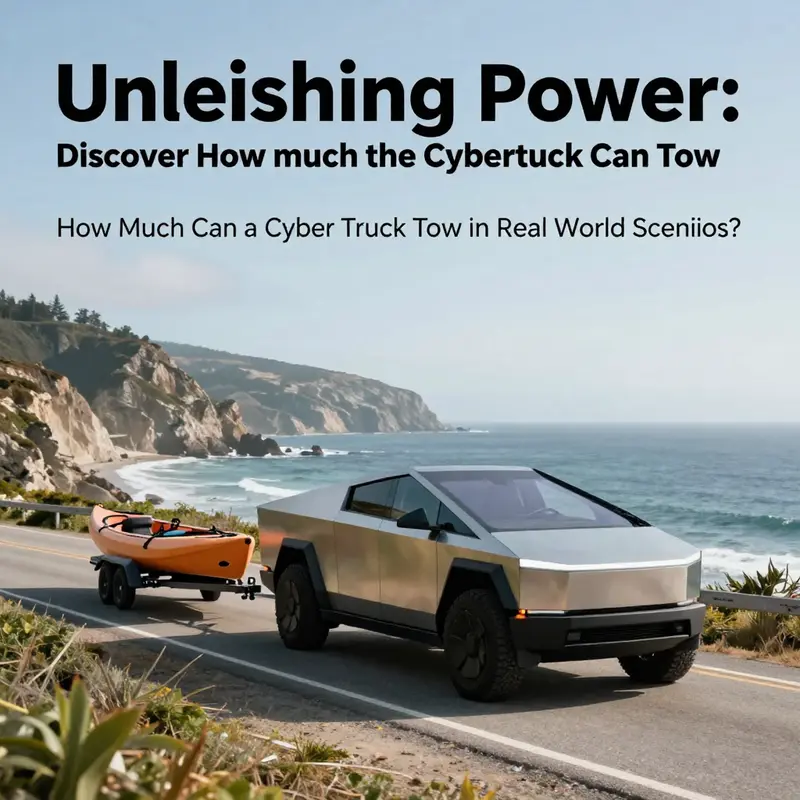
Real-world towing with a high-torque electric pickup is about more than a maximum rating. The 11,000-pound ceiling represents peak capability under ideal conditions, not a universal guarantee.\n\nIn practice, payload inside the cab and bed, trailer mass, terrain, wind, and energy management all shape the safe towing envelope.\n\nWhen the trailer is light and the grade is gentle, the truck can move substantial loads with confident stability and controlled energy use. As payload or trailer mass increases, heavy climbs or crosswinds erode reserve, and you must plan accordingly to stay within safe margins.\n\nReal-world towing also benefits from onboard stability control and torque-management that dampen trailer sway and improve control at highway speeds, parking lots, and campsite access. For professionals, the practical takeaway is to treat the rating as a ceiling, and to account for GCWR, tongue weight, and range impact when scheduling moves.\n\nBefore hitting the road, perform pre-tow checks: secure hitch connections, confirm weight distribution, verify trailer braking, and ensure the battery has sufficient range for the planned route. In all cases, operate with a conservative mindset, especially on steep grades, off-road surfaces, or adverse weather, and plan charging stops along the route.\n\nThe result is a towing experience that is powerful yet manageable, enabling heavy-haul tasks while maintaining safety and efficiency.
Tow Power Reimagined: How a Modern Electric Pickup Competes with Conventional Full-Size Trucks
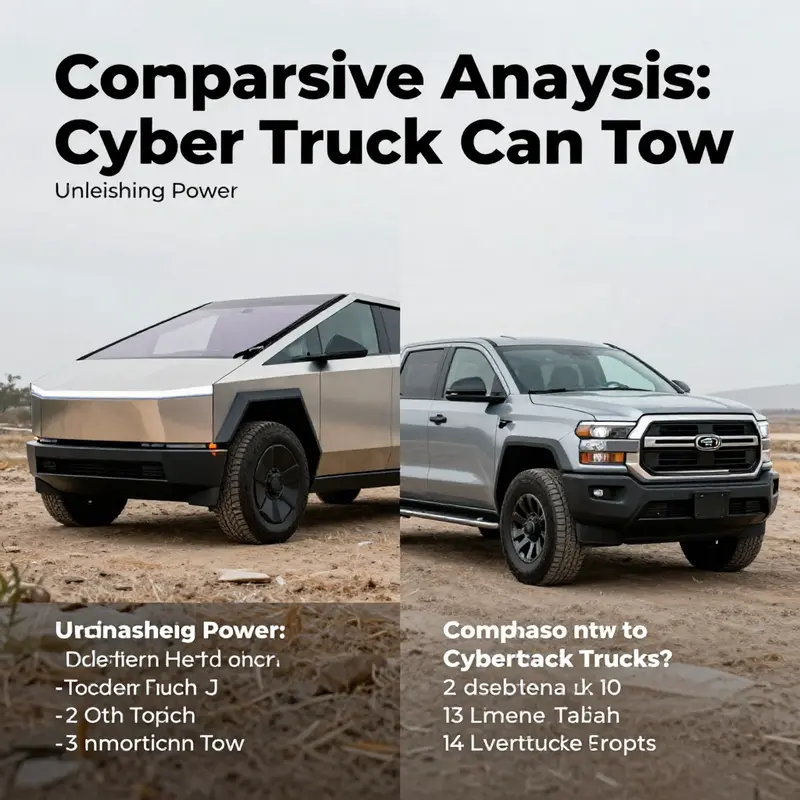
Tow power has long defined the practical reach of any pickup. In recent years, the leap to electric propulsion promised not only faster starts and longer range but also the potential to redefine how much weight a vehicle can lug behind it. The electric pickup in question reaches a towing ceiling that sits intriguingly above what many gasoline-powered full-size pickups are commonly rated to tow. This isn’t just a matter of raw numbers; it’s a story about engineering choices, operational realities, and how drivers balance capability with efficiency on the road. The top configuration in this class—an advanced tri-motor all-wheel-drive setup—establishes a ceiling that some readers will recognize as unusually high for a vehicle built to run on batteries. The maximum towing capacity often cited for this high-end drivetrain sits around 6.3 tons, which translates to approximately 13,890 pounds or 6,300 kilograms. This is not a single data point carved into a brochure; it’s the outcome of a system designed to manage large trailers, heavy equipment, and substantial recreational loads with a stability that some observers associate with the unique advantages of electric propulsion. Instant torque, precise traction control, and a carefully tuned braking strategy all contribute to that sense of confidence when a heavy trailer is attached and the road ahead requires steady, predictable power delivery.
Yet the landscape of numbers is not a straight line from spec sheet to real-world performance. In various sources, you’ll find a familiar figure around 11,000 pounds for the same top drivetrain. The divergence is not a contradiction so much as a reflection of different measurement contexts. Some ratings emerge from official testing under strict limits, others from fall-back provisions meant to protect components in extreme conditions, and still others from marketing documents that emphasize the vehicle’s impressive ceiling rather than a guaranteed, always-in-force figure. The result is a practical lesson: the towing rating you see is anchored in conditions—grade, trailer type, wind, and how that trailer’s tongue weight interacts with the vehicle’s suspension and braking system. When you bring in the nuance of tongue weight and the distribution of weight between trailer and tow vehicle, the conversation becomes less about a single number and more about a capability envelope that encompasses both maximum possible tow and the conditions under which towing remains safe and efficient.
Against the backdrop of conventional trucks, the narrative becomes even more nuanced. In the realm of popular gasoline-powered full-size pickups, the top towing capacity commonly lands around the 11,000-pound mark. Two notable rivals in this segment—vehicles engineered with payload and towing as core competencies—sit near the 12,000-pound threshold in their strongest configurations. There is a comfort zone here that has defined workaday trucking for years: a range where trailers, large campers, and sizable boats are well within reach, and drivers can rely on established braking, steering, and handling characteristics. The electric pickup, in contrast, presents a ceiling that can exceed those familiar numbers, at least under certain conditions. It’s not merely about lifting more weight; it’s about delivering that weight with a stability profile that leverages electric drive systems to modulate torque at each wheel, maintain traction, and keep the trailer tracking true through curves, gusts, and varying road surfaces.
The engineering logic behind this capability rests on several interlocking factors. The tri-motor AWD arrangement distributes power across multiple wheels, enabling the vehicle to react to changing load demands with a level of finesse that is harder to achieve with a single-motor or dual-motor setup. This precision torque distribution helps the tow vehicle keep forward momentum even when the trailer’s weight shifts—such as when crossing a crown or negotiating a long, steep descent. The exoskeletal design, crafted from a stainless-steel framework, contributes more than rugged aesthetics. It creates a torsionally stiff platform that resists flexing under load, helping the chassis to hold a straight line and maintain control while braking or accelerating with a heavy trailer in tow. In tow mode, this stiffness translates into a predictable steering feel and fewer surprises when wind buffet or sudden lane changes threaten to push the trailer off its intended path.
But the conversation about towing power would be incomplete without acknowledging the practical realities of using such capability. Towing a heavy load is not a single-act application of power; it is a dynamic system interaction. The vehicle’s software coordinates wheel-by-wheel torque, throttle response, and braking pressure to minimize trailer sway and to dampen pitch from road irregularities. This is particularly important when the trailer’s own braking system works in concert with the tow vehicle. Regenerative braking, a hallmark of electric propulsion, can contribute to slowing the vehicle smoothly on downgrades, but it must be calibrated so that it does not overpower the trailer’s braking or create an abrupt deceleration that unsettles the load. In the best configurations, the system reads the grade, the trailer’s inertia, and the driver’s input, then modulates energy recovery and friction braking to deliver controlled, linear deceleration. The result is a towing experience where the load behind the truck feels tethered and steady rather than tugging at the vehicle’s control systems.
Range retention remains a practical matter, especially when the towing ceiling is reached or approached. Heavy towing demands more energy, and as you push toward the high end of the rating, the truck’s range will contract accordingly. This is not a limitation unique to electric trucks; it’s an immutable truth of any towing scenario: heavier loads require more energy. What matters here is how the platform handles that trade-off. The strongest towing configurations allow for longer trips with fewer stops, but they also demand a more deliberate planning approach to ensure you don’t run out of energy far from a charging point. For fleet operators, this adds another layer to scheduling and deployment decisions, where the need to move heavy trailers must be balanced against the available charging infrastructure and the time required to recharge between assignments. For private owners, it translates into trip-planning considerations that go beyond the usual range concerns for a light-duty vehicle and into a more deliberate calculation of energy budget and payload. In this sense, the power-to-weight ratio and the efficiency achieved at highway speeds become part of the same conversation as payload capacity and towing capability.
From a usability standpoint, the high towing ceiling invites a broader audience to consider heavy-tow tasks with an electric platform. It’s one thing to imagine pulling a drum of equipment or a large trailer, but it’s another to do so with a system that offers heightened stability, precise traction, and predictable braking. For a workforce that depends on moving large payloads between remote sites, the ability to haul substantial loads with a vehicle that also reduces maintenance exposure and emissions can be transformative. The combination of a strong, near-stationary torque profile and a chassis designed to resist flex under load suggests a towing experience that can feel reassuring during long hauls. At the same time, potential buyers must remain mindful of the vehicle’s weight distribution, payload envelope, and the fact that the rating reflects optimal conditions rather than a universal guarantee in every scenario.
The broader significance of this development points to a shift in how the market assesses capability. It isn’t enough to talk about acceleration or range alone when towing is a central use case for many buyers. The convergence of high-torque, multi-motor control with structural rigidity and a sophisticated braking architecture shows a pathway toward heavy-duty performance that doesn’t come at the expense of efficiency or environmental concerns. In practical terms, this means more versatility for owners who want one vehicle to handle both daily driving and infrequent, substantial towing tasks. It means a fleet that can move heavy trailers and equipment while maintaining a sustainable footprint and predictable maintenance needs. It also signals to the market that electric platforms can compete in a domain long dominated by internal combustion, not simply by matching raw numbers but by delivering a coherent, usable towing experience across a range of real-world conditions.
For readers who want to explore more about managing fleets and emergency-response strategies in the context of heavy towing, a focused resource on essential fleet emergency-response strategies provides a useful framework that aligns with the broader discussion of towing power in this chapter. See the linked resource for a deeper dive into how fleets can align their capabilities with real-world needs.
In sum, the towing numbers associated with this high-end electric pickup point to a capability envelope that exceeds the typical range seen in conventional full-size pickups. The 6.3-ton ceiling—the culmination of multi-motor torque, chassis rigidity, and intelligent control—translates into practical advantages for those who regularly haul trailers, boats, campers, or heavy equipment. It isn’t a simple one-number story; it is a narrative about how engineering choices translate into on-road behavior and how those choices shape the practicality of heavy towing in everyday life. The result is a compelling case for buyers who want more than just a high payload; they want a platform that can deliver heavy towing while preserving efficiency, control, and reliability on the road. For official specifications, consider reviewing the manufacturer’s specification page to understand current configurations, weight ratings, and performance details in the conditions most relevant to your planned use: https://www.tesla.com/cybertruck/specs.
Final thoughts
In reimagining the future of towing, the Tesla Cybertruck stands as a formidable option for businesses seeking performance, efficiency, and innovation in their operations. Each model caters to diverse needs, whether you’re hauling heavy trailers or navigating island roads. As electric vehicles become more entrenched in commercial landscapes, the Cybertruck’s impressive towing capabilities make it not just a sustainable choice, but a powerful one. For auto repair shops, dealerships, fleet operators, and property managers, the Cybertruck promises a sophisticated solution that aligns with modern demands and values—enhancing productivity while upholding sustainability.