Tow trucks are indispensable assets within our island communities, playing a crucial role in vehicle recovery during emergencies as well as everyday situations. For local auto repair shops, car dealerships, property managers, resort operators, and commercial fleet operators, the understanding of tow trucks goes beyond basic knowledge; it directly impacts how efficiently services are provided. In this comprehensive exploration, we will dissect the design and functionality of tow trucks, delve into their various operational uses, and trace their historical development. Each chapter will provide insights that can empower your business and enhance the customer experience in times of need.
How Tow Trucks Are Built to Work: Design, Mechanics, and Real-World Functionality
A tow truck’s purpose is both simple and exacting: move vehicles that cannot move themselves. Behind that simple goal sits a blend of heavy-duty engineering, hydraulic finesse, and practical design choices. Each component serves a precise role, from the chassis that carries stress to the winch that exerts controlled force. Understanding how a tow truck is built and how its systems interact clarifies why these vehicles are indispensable for roadside safety, recovery operations, and fleet management.
At the heart of every tow truck is a robust frame and powertrain. The chassis must carry the towing apparatus and the load it will pull or carry. Manufacturers select heavier gauge steel and reinforced subframes to resist bending and torsion. A commercial-grade engine provides torque for hauling, and a transmission with low-range gearing makes slow, powerful movement possible during recovery. The suspension and axle ratings match the vehicle’s intended towing class. These foundation choices determine the truck’s safe towing capacity and its ability to operate under repeated stress.
Power delivery matters beyond simple horsepower. Tow trucks often rely on auxiliary power systems. A power take-off, or PTO, transfers engine power to hydraulic pumps and winches without overloading the drivetrain. Hydraulic systems then supply smooth, high-force actuation for lifts, booms, and wheel-lift arms. Operators benefit from precise control and consistent performance because hydraulics convert engine power into predictable, adjustable motion. Electrical systems support winch controls, lighting, and remote operation features that improve safety in low-visibility conditions.
Winches are among the most recognizable tow truck components. A winch combines a drum, strong cable or synthetic rope, and a gearbox to provide steady pulling force. The drum winds the rope in a controlled manner while brakes and clutch systems prevent runaway loads. Some winches incorporate multiple speed settings to permit delicate recoveries. Synthetic ropes offer weight reduction and improved handling. Steel cable remains common where abrasion resistance and cost are priorities. Proper anchoring points and rated shackles ensure that the force transferred during a pull does not damage the truck or the vehicle being recovered.
Different towing tasks demand different apparatus. The three most common tow truck body types are flatbed, wheel-lift, and boom. Each type addresses specific operational needs and vehicle conditions.
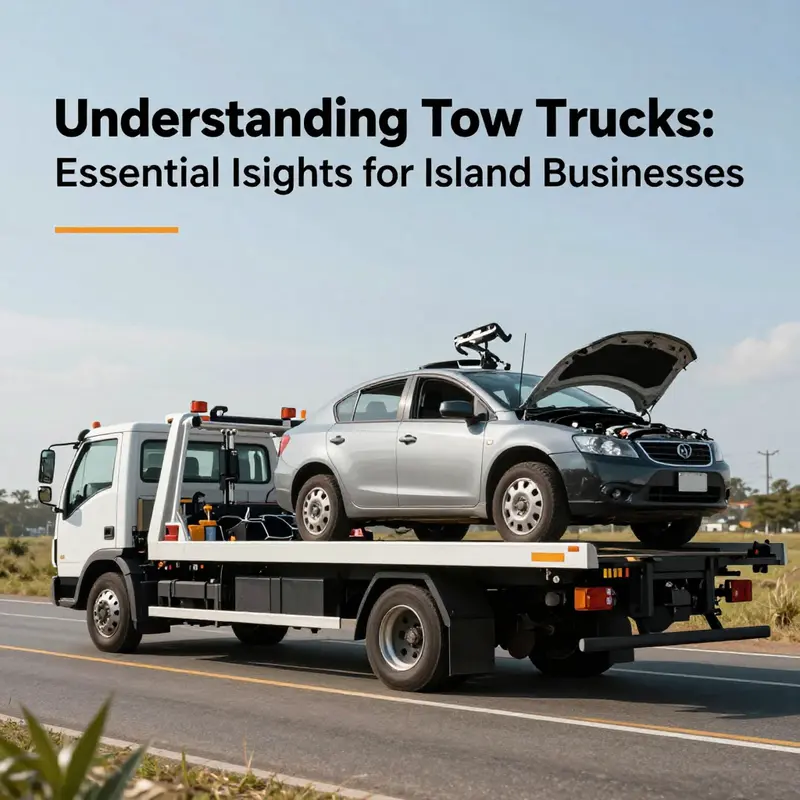
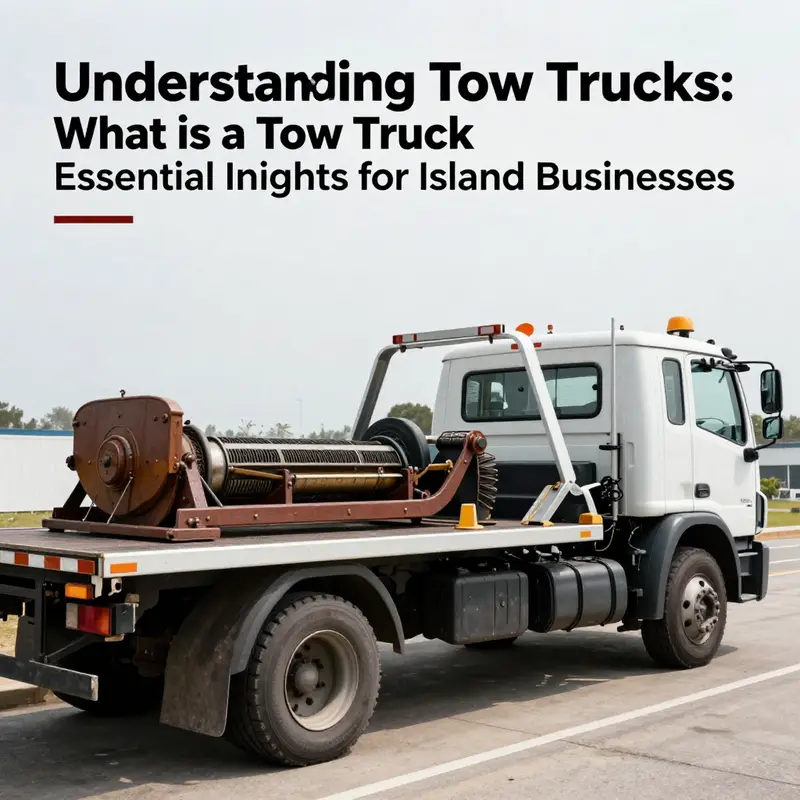
Flatbed trucks use a hydraulically operated bed that tilts and slides to ground level. The disabled vehicle is winched or driven onto the bed and secured for transport. This configuration minimizes contact with the towed vehicle, reducing wear on its tires, suspension, and driveline. Flatbeds excel when transporting accident-damaged vehicles or luxury cars. They also reduce the risk of additional damage during transport because the entire vehicle rides on the bed.
Wheel-lift tow trucks use a hydraulically controlled yoke or sling. The yoke clamps under the front or rear wheels and lifts them off the ground. The towed vehicle retains two wheels on the road while the other two ride suspended. This method offers faster hookup times and a lighter, more compact design than a flatbed. Wheel-lifts are especially practical for urban towing, parking enforcement, and short-haul moves. Advances in wheel-lift design include self-loading systems and adjustable yoke geometry to fit different wheelbases.
Boom tow trucks employ a telescoping or pivoting boom. The boom can lift vehicles from ditches, trenches, or other inaccessible positions. It is often paired with a winch to recover vehicles that cannot be reached with a flatbed or wheel-lift. Heavy-duty wreckers use hydraulic booms and rotating turrets to handle large trucks and buses. The boom’s design emphasizes reach, lifting capacity, and stability, and it often integrates load-sensing hydraulics to prevent tipping during heavy lifts.
Beyond the basic body type, many tow trucks incorporate specialized attachments. Underlift adapters extend wheel-lift capability for vehicles with low ground clearance. Rotators add the ability to spin a load and place it precisely. Integrated towing packages combine wheel-lift and flatbed functions for greater versatility. These combinations allow operators to adapt quickly to on-scene conditions, saving time and reducing the risk of further damage.
Safety is central to every design decision. Tow trucks operate in dynamic environments with live traffic, so visibility and signaling are essential. High-visibility markings and reflective striping make the vehicle conspicuous. Emergency lights and warning beacons communicate presence and intention to other drivers. Audible warning systems provide an extra layer of alert. Stability features include outriggers and load-leveling hydraulics on heavy equipment. These systems reduce roll and tip risk during lifts and recoveries. Modern control consoles often include interlocks that prevent unsafe combinations of movements, such as raising a boom while a stabilizer is retracted.
Securing the towed vehicle is both a mechanical and procedural challenge. Strap systems use rated chains or synthetic straps to immobilize a vehicle on a flatbed. The anchorage points must distribute load and avoid damaging body panels or suspension components. Wheel straps and tie-downs use tensioning mechanisms to prevent tire movement. When using wheel-lifts, correct positioning under the axle or frame is critical to avoid bending suspension components. For boom recoveries, slings and spreader bars transfer load across sturdier structural members. Operators follow load-rating charts and use safety factors to ensure the apparatus never exceeds rated capacity.
Controls and ergonomics influence both safety and efficiency. Tow truck cabs include remote controls that let an operator position the truck or bed while standing at the rear. Pendant controls and wireless remotes provide freedom of movement and better sight lines. Control layouts prioritize intuitive operation and fail-safe modes. Clear labeling, redundant safety cutoffs, and simple emergency stop functions reduce human error. Comfortable cab design with good visibility and logical instrument placement helps operators work long shifts without fatigue.
Maintenance and inspection regimes preserve functionality and safety. Tow trucks endure harsh conditions: grit, salt, heavy loads, and frequent stop-start operation. Regular inspection focuses on hydraulic hoses, winch cables, load-bearing hardware, and lighting. Brake systems receive elevated attention because towing increases stopping distances and heat generation. Corrosion prevention extends service life, particularly for marine or coastal operations. Scheduled preventative maintenance reduces downtime and prevents catastrophic failures during critical recoveries.
Regulatory and technical standards guide many design choices. Vehicle classes, gross vehicle weight ratings, and axle load limits influence chassis selection. Towing equipment must meet industry ratings and safety standards. These standards dictate working load limits, breaking strength, and labeling. Operators rely on load charts and manufacturer documentation to stay within safe parameters. Compliance reduces liability and keeps both operators and other road users safer.
Training is as crucial as hardware. Effective tow truck operation requires understanding forces, stabilization techniques, and securement methods. Operators learn to evaluate scene hazards quickly, choose the correct apparatus, and position their truck for minimal exposure to traffic. Scenario-based training covers vehicle recovery from slopes, water, and tight urban settings. Good training emphasizes two priorities: protect people first, then recover the vehicle using the least invasive method.
Tow trucks integrate with broader emergency and fleet systems. For municipal and commercial fleets, towing is a component of incident response. A well-equipped tow truck arriving on scene reduces congestion and accelerates clearance. Fleet managers plan for redundancy and rapid dispatch. They coordinate with law enforcement, traffic management, and repair facilities. For operators on islands or isolated territories, these planning details become vital. A tow truck’s ability to act as a mobile first responder often hinges on strategic fleet placement and proper resourcing. For guidance on integrating towing into broader emergency plans, see essential fleet emergency response strategies.
Technological trends are reshaping tow truck capability. Remote operation systems allow single operators to position equipment accurately from a distance. Telemetry provides live data about load, hydraulic pressure, and equipment status to fleet managers. Camera systems improve sightlines during loading and recovery. Hybrid powertrains and more efficient engines reduce fuel use and broaden operational windows. Materials science delivers lighter, stronger components, and synthetic ropes lower maintenance and handling risks. Each innovation targets increased safety, lower life-cycle cost, or both.
Tow truck selection depends on specific mission profiles. Urban operators value quick hookup and maneuverability, making wheel-lifts attractive. Transport services and accident recovery crews favor flatbeds for damage-sensitive loads. Heavy recovery teams need robust booms and rotating wreckers for large trucks and machinery. Cost considerations include purchase price, maintenance needs, and expected utilization. Operators estimate return on investment by factoring in uptime, the severity of recoveries, and the frequency of specialized tasks.
Real-world functionality also depends on adaptability. Tow trucks encounter vehicles of all sizes, types, and conditions. Low-clearance vehicles, electric cars, motorcycles, and heavy commercial rigs all present unique challenges. For example, electric vehicles mount heavy battery packs that change weight distribution and securement points. Motorcycle transport requires special cradles to prevent tipping. Heavy trucks need extended boom reach and high-capacity winches. Tow truck design therefore incorporates modularity where possible, allowing attachments and fixtures to be swapped quickly.
Environmental and public-safety considerations shape operational choices. Removing a disabled vehicle immediately reduces the risk of secondary accidents and traffic backlog. Recovery at night or in adverse weather demands extra lighting and robust communication. Operators often establish a safety perimeter and use directional signal devices to reroute traffic. Properly designed tow trucks simplify these tasks with integrated lighting, storage for cones and signs, and secure compartments for tools and flares.
The interaction between human skill and engineered systems defines successful towing operations. A carefully designed truck multiplies an operator’s ability. Conversely, even the best machine underperforms in inexperienced hands. That is why training, maintenance, and procedural discipline are inseparable from technical design. Safe, efficient towing requires a vehicle built to handle rated loads, tools configured for the task, and an operator who knows how to combine them.
Tow trucks are not monolithic machines. They are purpose-built solutions that balance strength, control, and safety. Their design reflects a clear functional logic: provide controlled force, protect the load, protect the operator, and minimize disruption to others. Whether clearing a highway, removing an illegally parked car, or rescuing a vehicle from a ditch, the tow truck’s systems work together to get the job done reliably.
For technical specifications, operational guidelines, and federal standards related to tow truck safety and equipment, refer to guidance from the National Highway Traffic Safety Administration: https://www.nhtsa.gov
Tow Trucks in Action: The Essential Engine of Roadside Recovery, Traffic Management, and Vehicle Transport
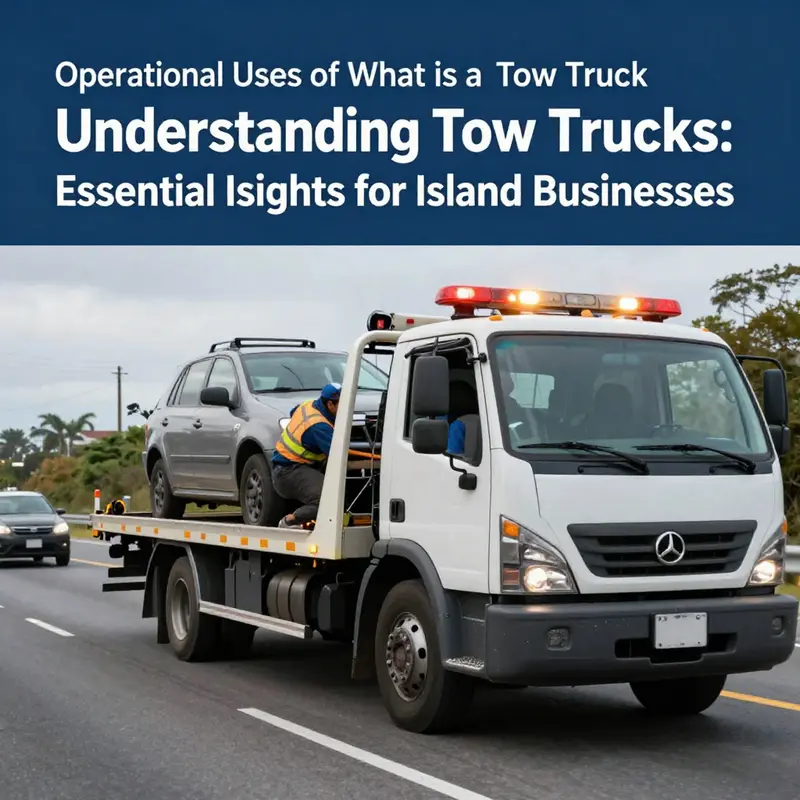
When the road goes quiet after an engine stalls or a collision scatters debris across lanes, a tow truck does more than haul a car from point A to point B. It acts as a moving anchor for safety, order, and momentum. A tow truck is a purpose-built instrument of recovery and logistics, designed to handle the unpredictable nature of the open road, yet refined enough to operate in the most controlled city streets and the most challenging industrial sites. Its value lies not merely in its ability to pull or lift, but in the sequence of actions it enables: the swift stabilization of a scene, the careful connection of a disabled vehicle to a transport platform, and the orchestration of a shift from disruption to resumed movement. The machinery that makes this possible—winches, hydraulic lifts, and robust chains or cables—speaks to a longer tradition of road-side aid and vehicle management that stretches back to the early 20th century, when the word tow truck itself began to circulate, born from a simple but crucial idea: a heavy-duty vehicle built to pull another vehicle out of trouble and back onto the road. In practice, today’s tow trucks carry that heritage forward, combining mechanical prowess with trained judgment to perform tasks that safeguard drivers, restore traffic flow, and support a wide array of industries that rely on dependable vehicle movement.
Operational uses of tow trucks are as varied as the roads they patrol, yet they share a unifying core: they translate a moment of immobilization into a controlled, repeatable process. This is true whether the incident is a mechanical breakdown on a suburban shoulder, a multi-vehicle collision on a busy highway, or the discreet clearance of an abandoned car from a city square. The most common scenario is roadside assistance and emergency recovery. Drivers may experience engine failure, a flat tire, a burst hose, or a battery that refuses to cooperate. In these moments the tow truck acts as a mobile repair partner, not merely a transport vehicle. It arrives equipped to secure the scene, stabilize hazardous conditions, and then tow the vehicle to a repair facility, ensuring the rest of traffic can continue with minimal interruption. The practical choreography here is precise: hazard lights activated, wheels chocked, the vehicle aligned, and the winch or lift engaged with care. The operator’s decision-making—whether to use a wheel-lift, a hook-and-chain configuration, or a flatbed—depends on the vehicle’s condition and the surrounding environment. This nuance—choosing the correct method for safe handling—highlights the professional dimension of tow truck work and why it remains essential to trained operators who understand weight distribution, anchor points, and the limits of their equipment.
Beyond the roadside, tow trucks fulfill a critical role in accident scene management. When a collision leaves vehicles obstructing lanes or presenting hazards such as leaking fuel or spilled cargo, tow trucks become part of a coordinated response aimed at restoring safety and efficiency. They are frequently stationed or dispatched as part of a broader emergency management plan that includes police, fire, and medical responders. The presence of a tow truck at the edge of a wreck scene signals a transition—from incident to clearance—and enables responders to focus on life-safety priorities while the vehicle recovery team works to extract, upright, and reposition the damaged cars for removal. In this context, the tow truck helps manage the complexity of the scene by providing containment, a defined work area, and a clear path for the subsequent steps of debris removal and traffic reallocation. The operator must assess the scene with a steady balance of caution and speed, knowing that a successful recovery reduces secondary incidents and minimizes exposure to oncoming traffic for responders and bystanders alike.
Tow trucks also play a disciplined role in law enforcement and parking enforcement. Municipal authorities rely on them to enforce parking regulations, remove illegally parked or abandoned vehicles, and clear spaces that impede public access or violate safety norms. This function underscores the vehicle’s capacity to act as a public safety instrument within the urban fabric. A strategically placed tow truck can restore access to fire hydrants, bus lanes, or curbside loading zones that might otherwise become congested or unsafe. The act of towing in these contexts is not merely punitive; it is a practical mechanism to maintain order and ensure accessibility for emergency vehicles and everyday commuters alike. The narrative of a tow truck operating within a city’s regulatory framework invites reflection on the balance between enforcement and community service, between deterrence and accessibility, and on how fleets plan their routes and response windows to support both governance and daily life.
The operational repertoire of tow trucks extends well into the realm of transport and logistics beyond the public roadway. In the automotive service industry, tow trucks are the lifeline that moves vehicles between repair shops, dealerships, storage facilities, and sometimes auto auction floors. They are the silent workforce behind the scenes of vehicle maintenance, enabling a car to reach a technician when it cannot drive, and then transporting it back to safety or to a final destination. This function supports a broader ecosystem in which punctual maintenance, diagnostic work, and vehicle turnover are all contingent on reliable mobility. The ability to transport vehicles with care—a factor that protects both the vehicle’s condition and the repair process—requires a nuanced understanding of loading techniques, restraint systems, and bed configurations. A meticulous operator will anticipate weight distribution to minimize sway and maximize stability during transit, especially when negotiating curves or passing through busy interchanges. Even the most routine road trip for a repair appointment becomes a coordinated act of logistics when a tow bed takes over from the horizontal plane of the road to the controlled verticality of a trailer or flatbed.
The industrial and construction sector expands the tow truck’s remit even further. On job sites, specialized tows are used to reposition heavy machinery, move oversized trailers, and ferry equipment across site boundaries. In these environments, the tow truck adapts to heavier loads, uneven terrain, and tighter workspace constraints. The same fundamental principles apply: secure the load, respect weight limits, and maintain a stable, controllable operation as the vehicle moves from origin to destination. The equipment itself must be robust enough to withstand the demands of industrial chores, which often involve frequent starts and stops, variable ground conditions, and the need for precise, repeatable maneuvers in confined spaces. In this way, the tow truck becomes a mechanical workhorse capable of bridging the gap between the raw demands of a site and the orderly logistics that keep a project on track.
The historical arc of tow trucks enriches this understanding with context. The terminology—tow, wrecker, breakdown truck—reflects a time when roads were expanding, breakdowns were more common, and the need for roadside assistance grew alongside the rise of motorized transportation. The phrase that emerged around 1917 captured a practical shift: a heavy-duty vehicle engineered to pull other vehicles. Since then, the evolution has been iterative and incremental, guided by safety standards, operator training, and the demand for more efficient, less disruptive recovery operations. While the core purpose remains unchanged—to recover, transport, and enable access—the modern tow truck is a product of refinements in hydraulics, winching technology, chassis design, and load-bearing capabilities. Its design speaks to the balance between strength and control: an engine that can generate substantial pulling or lifting power while offering the precision needed to perform delicate operations that protect both the vehicle and the surrounding environment.
Within this framework, operator training and safety culture become central to the chapter’s narrative. A tow truck operator must navigate a host of variables: the vehicle’s weight distribution, the terrain, weather conditions, and the presence of bystanders or other vehicles. The choice of equipment configuration—whether to deploy a wheel-lift, a sling, a hook, or a flatbed—is not an afterthought but the result of a disciplined assessment. The operator must consider the vehicle’s condition, the potential for fluid leaks, and the risk of damage to sensitive components such as airbags or braking systems. In many contexts, a flatbed is preferred for vehicles that suffer frame damage or require immobilization without being dragged over the road. In others, a wheel-lift or a combination system provides both speed and gentleness for vehicles with intact frames or ready-to-drive status once serviced. The decision-making process, guided by training, experience, and standard operating procedures, reflects a professional approach that elevates a tow truck from a mere piece of equipment to a trusted partner in road safety and mobility.
As the chapter moves toward a synthesis of these ideas, it is important to recognize the broader ecosystem in which tow trucks operate. Dispatch operations, insurance considerations, and municipal regulations shape the availability, response times, and the conditions under which towing may occur. The logistics of a tow fleet—routing, equipment maintenance, and incident documentation—play a critical role in ensuring that recovery work is efficient and accountable. A well-run towing operation is not simply about fast response; it is about predictable, documented procedures that protect everyone involved and maintain public confidence in the system of roadside assistance.
For readers who want a practical lens on how these theoretical considerations translate into real-world practice, consider how a fleet might structure its readiness and resilience. A robust approach combines diverse vehicle types capable of handling a range of scenarios, from compact cars that can be maneuvered with light-duty equipment to heavy-duty trucks that can manage large trailers or severely damaged vehicles. It also emphasizes training in safety protocols, hazard assessment, and scene management, ensuring that each operator can perform under pressure while upholding standards that minimize risk to themselves, the vehicle occupants, and bystanders. In this regard, the tow truck emerges not merely as a utility but as a guardian of orderly movement in a world where time, safety, and access are prized assets.
The discussion above is not meant to imply that tow trucks operate in isolation. They are part of a network that includes call centers, roadside assistance programs, police and emergency services, repair shops, and transportation logistics teams. Each element of this network contributes to the overall effectiveness of recovery and transport operations. A tow truck’s success hinges on its interaction with the broader system: timely dispatch, accurate information about the vehicle and location, and a clear chain of custody once a vehicle is in transit. The result is a coordinated effort that converts disruption into a managed sequence of recoveries, repairs, and returns to service. In that sense, the tow truck fulfills a uniquely practical role in modern mobility—the quiet, robust engine that makes possible the rapid restoration of road readiness without requiring a driver to endure an extended wait on the roadside.
For readers seeking a more hands-on perspective, the practical lessons extend beyond the mechanics of winches and hydraulics. They include the importance of situational awareness—the ability to read traffic conditions, anticipate potential hazards, and communicate effectively with drivers and bystanders. They include the ethics and lawfulness of towing practices; how the law defines lawful towing, how authorities document the process, and how owners reclaim their vehicles after lawful removal. They include the economics of towing operations: the costs associated with equipment maintenance, fuel, insurance, licensing, and the often-underappreciated administrative workloads that ensure that every recovery is traceable, compliant, and fair. In short, a tow truck is a multi-faceted instrument of mobility that touches engineering, governance, law, and everyday life in a way that few other vehicles can claim. Its significance lies not only in the force of its pull or the height of its lift, but in the choreography it enables—an intricate dance that turns disruption into control, chaos into order, and a stalled moment into renewed forward motion.
Those who study or operate within fleets that rely on tow trucks frequently reference the practical, daily realities of this work. It is not enough to own the equipment; one must also invest in people. Operators carry a weight of responsibility that extends to road safety, customer service, and the efficient management of time and resources. The best teams develop a culture of preparedness: pre-staged equipment, standardized checklists, and training that keeps every member of the crew sharp under pressure. They cultivate an understanding of when to engage a partner for additional support and when to modify a plan to accommodate unique on-site conditions. The result is a resilient capability that can adapt to the unpredictable cadence of the road, a capacity that is essential for a service that must, at a moment’s notice, transform a standstill into momentum. In this sense, the tow truck is less a single device than a system—a small but potent nexus of power, precision, and procedural rigor that anchors the flow of traffic and the rhythm of daily life.
From this perspective, the chapter follows the logical thread that links the technical, the practical, and the civic dimensions of towing. It becomes clear that to understand what a tow truck is, one must consider both the hardware that makes lifting and pulling possible and the human practices that ensure those tasks are conducted safely, efficiently, and in service of the public good. The result is a holistic appreciation of a vehicle that might otherwise be taken for granted as a mere instrument of transport. Instead, it emerges as a critical component of road safety, urban management, and economic vitality—an ordinary machine performing extraordinary work, day after day, across streets, highways, and job sites. To recognize this is to understand why tow trucks remain indispensable in a world where mobility is not a luxury but a necessity, and where the pace of life depends on the dependable, disciplined teamwork of people and machines working together.
For readers who want to explore practical insights into fleet readiness and emergency response planning, additional perspectives can be found in extended discussions on fleet safety and preparedness. The Island Tow Truck blog offers ongoing reflections on how emergency response strategies are crafted and implemented in real-world settings, including considerations for island-based fleets that face unique logistical challenges. the Island Tow Truck blog
And for those seeking a concise, authoritative definition to anchor their understanding of the term, the Cambridge Dictionary provides a clear reference point for the term tow-truck, linking the historical and functional attributes of the vehicle in a concise entry: Cambridge Dictionary entry for tow-truck.
From Horse-Drawn Wagons to High-Tech Lifters: The Historical Development of Tow Trucks
The road has always been a test of endurance, speed, and resilience, and the tow truck, though often seen in the background, is a creature born from the same impulse that keeps traffic moving: to restore mobility when it falters. The tug of missed departures, stalled engines, and accident scenes creates a practical demand for a specialized vehicle whose only job is to recover and transport. This demand did not appear overnight. It grew out of a slow and steady alignment of technology, road infrastructure, and the human need to keep commerce, emergency response, and daily life uninterrupted. The tale begins long before the first purpose built tow truck rolled onto a street, in the era when roads were still primitive by modern standards and transportation relied on what could be pulled, hoisted, or pushed back into service with bare hands and a reasonable measure of ingenuity. In those early days, recovery tasks were the domain of horse drawn wagons that moved broken down carriages and carts. The horse and its driver could be pressed into service to pull a stalled wagon or to escort a disabled vehicle off the main road, but the process was slow, dependent on the animal, and dangerous for both operator and bystanders. The transition from those tentative, improvised recoveries to a purpose built machine began as the car itself became a more common feature of everyday life. As automobiles entered the streets in increasing numbers in the early decades of the 20th century, the pace of breakdowns and the variety of roadside mishaps rose in tandem. The need for a reliable means of removing a disabled vehicle from a congested artery or from a dangerous shoulder galvanized a practical response: a truck equipped with a winch and a sturdy means of pulling or lifting a car onto a platform for transport to a repair shop, a storage yard, or another location where it could be serviced. The earliest true tow trucks appeared in the 1910s, and their design was modest by later standards. They were built on the chassis of ordinary trucks, but with the addition of a winch and a cable system that could grab a vehicle and pull it onto a bed or onto a towing platform. These early machines were not glamorous by any stretch. They relied on simple mechanical advantage, careful rigging, and the operator’s judgment to ensure that the effort did not damage the vehicle being recovered or pose a risk to bystanders. They were used primarily by repair shops and municipalities, a sign that the tow truck originated as a tool of essential industry rather than a consumer convenience. The function was clear, the mechanism straightforward, and the service imperative indisputable: mobility that had stalled needed assistance, and a specialized vehicle could provide it in a controlled, repeatable way. In this sense, the tow truck emerged as a response to the growing complexity of road traffic. It was not merely a device for pulling cars; it was a portable workshop on wheels, capable of aligning a vehicle with a repair path, securing it for transport, and delivering it to a destination where the problem could be diagnosed and fixed. By the 1920s and 1930s, an evolution began that would define the form and capabilities of towing for decades to come. The first generation of tow trucks was expanding beyond the bare winch. Operators began to experiment with strengthened frames, more robust winches, and mounting arrangements that could handle a wider range of vehicle weights. A major turning point occurred in the 1930s and 1940s, a period that coincided with the expansion of road networks and a surge in automobile ownership after the Depression and the Second World War. Design innovations during this era brought into use hydraulic lifts and rotating platforms, technologies that significantly improved the ease and safety with which vehicles could be recovered and loaded. The hydraulic lift allowed the bed to be angled with less strain on the towed vehicle, while the rotating platform facilitated easier access to both ends of the car and enabled more efficient loading and unloading. These advances were not only about lifting power; they were about control and precision. The ability to tilt and rotate a vehicle reduced the risk of damage to delicate components and increased the towner’s capacity to handle a broader range of vehicle configurations. The boom, an innovation that emerged in some designs, extended reach and provided another method to cradle and hoist vehicles, especially when space was tight or access was restricted by parked cars or roadside barriers. As with many automotive technologies, safety became a central concern as the tools grew more capable. With larger combinations of weight and force involved, operators needed clearer procedures, better mechanical reliability, and features that protected bystanders and other road users. The postwar era, in particular, saw a significant acceleration of capability and sophistication. The expansion of highways, the rise of urban centers, and the increasing dependence on cars for business and personal life created a fertile environment for specialized roadside assistance. Tow trucks moved from being primarily municipal and shop oriented to becoming a staple of private towing companies and rapid response fleets. In this period the industry also began to standardize procedures and equipment to ensure consistent outcomes. The combination of robust, practical design and the improving safety culture in road work produced a class of vehicles that could be deployed in a variety of scenarios, from clearing a wreck to removing illegally parked cars from crowded streets. The heart of the matter lay in integrating structure with function. A tow truck bore its weight and power on purpose built frames that could withstand dynamic loading, while the operator learned how to harness that power to secure a vehicle without inflicting harm. The technologies introduced during this era did not exist in isolation; they reflected a larger pattern of modernization across the automotive world. Vehicles grew heavier and more complex, braking and suspension systems improved, and communication networks—both within fleets and across service providers—began to shape how a tow operation was run. In this sense, the tow truck did not evolve merely as a machine; it evolved as an organized, professional service capable of aligning a disrupted road segment with a path to safety, repair, and return to traffic. Innovations did not stop with the boom and the hydraulic lift. The late 20th century brought with it a series of improvements that would further redefine what a tow truck could do and how it could do it. Electronic braking systems, already becoming common in many vehicles, began to influence how recoveries were conducted, particularly in situations where precise stopping power was critical to avoid collateral damage during loading. GPS tracking, emerging in the late 1990s and becoming widespread in the following decades, allowed fleets to monitor the location and status of recovery operations in real time. This was not just about efficiency; it was about safety and accountability. The ability to track a tow operation meant that supervisors could coordinate responses to incidents more effectively, ensure that the right kind of equipment was deployed for the weight and configuration of the vehicle, and maintain detailed records for compliance. The transition to more sophisticated equipment also reflected broader shifts in the industry. Tow trucks began to be categorized by their primary functions and capabilities. Light duty, medium duty, and heavy duty configurations emerged to address the wide spectrum of problems drivers might encounter, from a simple roadside breakdown to an overturned vehicle or a damaged car that needed mechanical removal from a difficult location. Across these categories, the design philosophy remained consistent: a tow truck should be adaptable, reliable, and safe. This required robust mechanical systems, precise control mechanisms, and operator training that matched the evolving hardware. The 1930s and 1940s were not simply about stronger lifts; they were about rethinking the workflow of a recovery operation. A typical scene involved securing a vehicle with the appropriate tie downs, aligning it with the bed, and using the winch to load it without compromising the suspension or frame. As vehicles grew more complicated and heavier, the towing equipment had to keep pace. The boom became a staple in many operating models, offering a flexible approach for real-time adjustment during a load. The combination of hydraulics, winch torque, and boom geometry created a versatile tool for dealing with a broad spectrum of situations, from a roadside stall to a salvage operation. The industry also learned that the value of the tow truck extended beyond its mechanical capabilities. The role of the operator emerged as a critical pillar of success. Skilled professionals gained expertise in rigging, load calculations, and safety protocols. They learned to evaluate the weight distribution of a towed vehicle, the potential for undercarriage damage, and the importance of keeping bystanders and other drivers at a safe distance during a recovery. This knowledge, transmitted through training programs and on the job practice, helped elevate the tow truck from a bulky instrument to a precise, trusted partner in road safety. The postwar expansion of road networks, along with the rise of municipal and private fleets, created a demand premium for reliability and speed. Tow trucks became indispensable in emergency response and accident scene management. They were deployed not only to remove vehicles from obstructing lanes but also to clear sites in a way that allowed paramedics, firefighters, and police to operate more safely and efficiently. The design language of the tow truck began to reflect these demands. Operators demanded better control systems, more predictable handling characteristics under load, and the ability to respond quickly in high-stress environments. The industry responded by refining the gearing, transmission options, and chassis layouts so that a tow operation could be conducted with confidence, even in challenging weather or on uneven terrain. As the century turned, the emergence of computer aided diagnostics and more advanced control electronics entered the towing world in a gradual but meaningful way. Onboard diagnostics began to inform operators about the health of the vehicle being recovered, allowing the tow operator to anticipate issues that might complicate loading or transport. This integration of information with action fostered a new kind of efficiency. It meant that a recovery could be completed in fewer steps and with a lower risk of mishap. Yet the essence of tow work remained grounded in practical, hands-on skill. The operator still had to judge the weight distribution, select the correct rigging method, and steer the vehicle onto the bed in a controlled manner. The equipment continued to evolve toward greater safety, efficiency, and environmental responsibility. Modern tow trucks now commonly feature remote controlled winches, which help operators position loads with finer accuracy, especially in tight spaces. In some designs, a vehicle can be loaded with minimal manual intervention, reducing the risk to operators and bystanders. Onboard diagnostics can monitor heavy loads and provide feedback to ensure that attachments are secure. Load balancing and smart controls optimize how weight is distributed across the bed, improving stability and reducing the chance of mechanical overload during transport. The evolution reflects a broader pattern in automotive service: as cars themselves become more capable, so too must the support vehicles that keep them moving. The line between recovery and transportation is blurred in a way that emphasizes adaptability. Tow trucks are not just about pulling a car onto a bed; they are about ensuring that a vehicle can be moved safely and efficiently, sometimes in the middle of a busy urban center, sometimes from an off ramp into a repair facility, and sometimes even in challenging weather or at night when visibility is limited. In many regions, the tow truck also serves as a crucial link in emergency services. When an accident occurs or a vehicle breaks down, the tow crew can coordinate with police, fire, and medical responders to ensure the scene is cleared as quickly as possible to minimize disruption and risk. This coordination is often supported by communication networks and standardized procedures that help everyone on site understand who is responsible for what and what the next step in the sequence will be. The history of the tow truck also tells a story about labor and regulation. As the industry grew, so did questions about safety standards, licensing, and the conditions under which a vehicle could be moved. Municipalities and states established rules governing how toload, how to secure a vehicle, and how to protect the public during a recovery operation. These regulations helped ensure that the service delivered was consistent and trustworthy, which in turn increased public confidence in roadside assistance as a reliable option. Today, the tow truck remains a versatile symbol of mobility and resilience. It embodies a chain of improvements that began with simple rope and winch arrangements and matured into sophisticated systems with computerized controls, sensors, and integrated safety features. This evolution is not simply a matter of machines becoming stronger; it is about the shift from ad hoc, improvised recovery work to a coordinated, technology assisted operation that can respond to a complex traffic environment. The continued refinement of tow truck technology is closely tied to the broader arc of road transportation itself. As vehicles become more complex, as road networks become denser, and as the demand for rapid, responsible recovery grows, the tow truck must adapt. The modern fleet must handle a wider variety of weights, from compact cars to heavy commercial vehicles, and it must do so in ways that minimize risk to people and property while maximizing uptime for the road system. In this sense, the history of the tow truck is a history of people solving problems. It is about engineers who created mechanisms to lift and pull with precision, technicians who learned how to rig loads safely, and operators who translated technical capability into reliable service in the real world. It is also a story about the social value of mobility itself. When a vehicle breaks down or a car accident blocks a corridor, the consequences ripple through families, workers, and businesses. The tow truck is one of the people who help restore order in those moments, turning disruption into a temporary inconvenience and re turning the road back into a place where movement can resume. For readers who want a deeper historical arc—along with more detailed descriptions of equipment and the people who built and used it—there are comprehensive resources that trace these threads over decades. A narrative that follows this lineage can also be enriched by exploring industry perspectives and experiences captured in industry blogs and historical summaries. One such resource offers a detailed account that situates the tow truck in the broader context of automotive recovery and roadside assistance, providing both historical milestones and practical descriptions of how these machines work in real life. If you are curious about the lived experience of towing operations and the culture around emergency roadside response, you may find it informative to explore a dedicated industry perspective at the Island Tow Truck blog, which chronicles field realities, maintenance practices, and the evolving expectations of fleets and drivers. The Island Tow Truck blog. As you move through this chapter, keep in mind that the story of the tow truck is continuous and current as well as historical. The modern era is not a departure from the past but a continuation of it, implemented with new materials, new control philosophies, and new standards of safety and service. The lineage of design and practice reflects an ongoing conversation between the road and those who make it live again after trouble. On a broader scale, the tow truck’s development mirrors a constant push toward more efficient, safer, and more capable transportation systems. It is a component of the infrastructure of mobility, a technology that quietly performs a crucial task with a reliability that deserves attention when we notice the landscape of the urban and rural roads that carry us every day. For readers who want to connect this historical thread to current practice, Britannica provides a concise, authoritative overview of the tow truck that can illuminate the essential milestones and the kinds of innovations that have defined the field over time. See the external reference for a broader technical and historical perspective: https://www.britannica.com/technology/tow-truck
Final thoughts
A thorough understanding of tow trucks enriches not only our appreciation for these vehicles but also reflects on how integral they are to the smooth functioning of our communities. From their robust design and myriad operational functions to the fascinating journey of their evolution, tow trucks remain essential to the automotive landscape. As local businesses adapt to the island’s unique challenges, embracing the capabilities of tow trucks can lead to improved service outcomes and customer satisfaction.