
Navigating the costs of flatbed tow trucks can feel daunting, especially for local auto repair shops, car dealerships, and commercial fleet operators in island communities. These vehicles are not just essential tools; they reflect your business’s commitment to service and reliability. This exploration examines pricing breakdowns specific to commercial use, highlighting how features impact costs and how these trucks compare to other types. Each chapter fosters a better understanding of investment strategies, ensuring your fleet is both competent and competitive.
Commercial Flatbed Costs Unpacked: A Practical Pricing Breakdown for Tow Truck Buyers
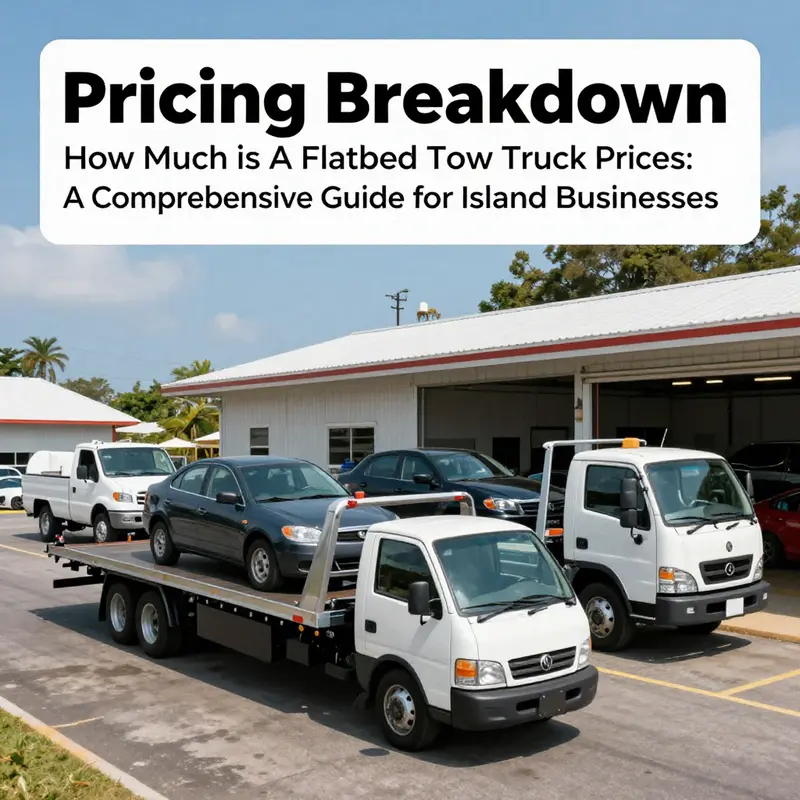
Understanding the real cost of a commercial flatbed tow truck begins with recognizing the many factors that move price tags. A flatbed for light-duty urban recovery will look very different from a medium-duty unit built for heavy fleet work. Beyond the headline purchase price, operators must weigh build quality, capacity, regulatory compliance, shipping, customizations, and ongoing operating expenses. This chapter walks through the pricing landscape, the components that drive cost, and practical ways to evaluate total value for commercial use.
At a glance, market listings show two clear buckets for new commercial flatbeds. Light-duty trucks, often class 4–5, typically list between about $50,000 and $75,000. These machines suit urban roadside assistance and handling sedans, small pickups, and compact SUVs. Medium-duty options, often class 6–7, commonly range $75,000 to $110,000. They accommodate heavier loads, offer stronger chassis ratings, and support more robust hydraulic and winching systems. Outside those categories, specialized platforms and higher-capacity wreckers can push well beyond the typical medium-duty range, with some units reaching six figures depending on options.
These headline ranges reflect a base vehicle plus a factory-installed flatbed and standard recovery equipment. But those are only starting points. Several cost drivers determine where a specific truck lands within, or above, the range.
Chassis and powertrain: The chassis selection affects base cost significantly. A lighter commercial chassis saves upfront dollars but limits safe towing capacity. Heavier-duty chassis sold for higher GVWRs come with stronger suspension, bigger brakes, and more robust frames; they cost more. Engine choice and emissions level further influence price. Trucks built to higher emissions standards, or equipped with larger displacement, turbocharged or higher-horsepower engines, almost always cost more. That extra power can reduce strain during heavy tows, but it comes at a premium.
Recovery system and bed materials: The flatbed itself can range from a basic painted steel deck to an aluminum or mixed-material deck with integrated winch channels. Aluminum beds cut weight and improve payload, but they cost more upfront. Hydraulic systems differ too. A single-stage hydraulic lift and a basic electric winch will be significantly cheaper than multi-stage hydraulics plus a high-capacity hydraulic winch and a complementary crane or wheel lift. If the business needs a rotating or sliding bed, expect additional costs for the sliding mechanism and control systems.
Towing capacity and accessories: Tow specs—bed length, bed angle, winch capacity, and integrated wheel-lift ratings—drive pricing. A truck rated to haul heavier SUVs and medium-duty pickups will need stronger axles, reinforced frames, and higher-rated winches. Accessories such as remote controls, LED light bars, air compressors, underbody toolboxes, and custom tie-down systems add thousands to the build price. Optional safety upgrades, like integrated cameras, automated lighting sequences, and advanced braking packages, increase costs but can improve uptime and liability protection.
Emission standards and compliance: Trucks that meet stricter emission standards usually sell for more. Units built to lower emission tiers may be less expensive at purchase but can become costly to operate or restricted in certain jurisdictions. For commercial buyers, it is essential to match the vehicle’s emissions compliance with operating regions and anticipated regulatory changes. Retrofits and compliance modifications after purchase can be expensive and time-consuming.
Warranty, support, and spare parts access: A generous warranty and strong after-sales support matter. Trucks bought from manufacturers or dealers that include parts availability, technician training, or extended warranties justify higher prices. On the other hand, a low-cost truck with minimal support will likely cost more over its lifecycle in downtime and repairs.
Geography, shipping, and import costs: Where you buy matters. Factory or direct imports often offer lower base prices than local dealers. However, shipping, customs, import duties, and local modifications for compliance add to total acquisition cost and often extend lead time. Buying domestically can reduce delivery time and simplify support and parts access, though sometimes at a higher purchase price.
Used vs new: The used market provides substantial savings but introduces variability in condition and remaining useful life. Low-end used finds can start under $20,000, while newer, well-maintained units can be priced closely to new models. Key evaluation points for used trucks include frame integrity, hydraulics condition, winch wear, engine hours, and documented maintenance history. A comprehensive pre-purchase inspection is essential to avoid costly surprises.
Examples and real-world price context: Across various supplier listings, flatbed tow trucks have been offered across a broad range of prices. Examples show low-end, functional units listing from roughly $17,200, while higher-spec or heavier-duty models exceed $90,000. These figures highlight both lower-cost entry options and the premium associated with advanced work-ready trucks. Remember that advertised prices often reflect different inclusions, regional variations, and minimum order requirements.
Upfitting and customization costs: Most commercial buyers add job-specific equipment after the base truck purchase. Upfitting can include stronger winches, automated bed slides, remote controls, extra lighting, and service bodies. Budgeting for upfits is vital; a basic upfit can cost several thousand dollars. Full customization or the addition of a crane or large-capacity winch may add tens of thousands to the purchase price. Plan carefully to ensure the chosen chassis and bed will support required changes without compromising safety.
Financing, leasing, and payment structures: Financing is common for commercial purchases. Loan terms, interest rates, and down payment expectations affect monthly costs and total interest paid. Leasing can reduce monthly outlay and simplify fleet refresh cycles. Many suppliers offer flexible payment options, including factory financing or third-party loans. When obtaining quotes, request a full cost schedule: down payment, term length, monthly payment, and total cost of financing. Compare these figures across lenders and consider tax treatments of leases versus purchases.
Total cost of ownership (TCO): Acquisition price is only part of the picture. TCO includes depreciation, fuel, routine maintenance, parts, tires, insurance, and downtime. Heavier chassis generally require higher-cost tires and brakes, increasing ongoing expenses. Hydraulic systems and winches require periodic fluids and checks. For commercial fleets, predictable maintenance schedules and easily available parts reduce unexpected downtime. When comparing purchases, create a three- to five-year TCO model that incorporates average miles, average tows per month, fuel use, routine service intervals, and estimated part replacements.
Insurance and regulatory costs: Insurance premiums scale with vehicle value and operational exposure. A higher-value truck generally commands higher insurance. Commercial operators should budget for liability, physical damage, and cargo coverage. Additionally, regulatory costs—such as annual inspections, emissions testing, and special permitting—vary by jurisdiction and add predictable expenses to the ownership ledger.
Resale value and depreciation: Resale trends vary with region and model reputation. Vehicles with robust build quality, documented service records, and modern emissions compliance typically hold value better. Conversely, heavy wear and poor maintenance cause rapid depreciation. When examining price versus value, prioritize factors that support resale, such as durable bed materials, widely supported engine platforms, and standard electrical systems.
Operational returns and utilization: For commercial buyers, purchase decisions hinge on utilization. A high-utilization truck recoups its cost faster. Estimate expected jobs per day, average revenue per job, and operational days per year. Use conservative assumptions for revenue and utilization to calculate payback. For lower-utilization operations, lighter-duty units or renting for peak demand may be more economical than owning.
Negotiation and buying tips: Get itemized quotes and compare them line by line. Ask for detailed inclusions: bed type, winch rating, subframe design, hydraulic specifications, and warranty length. Confirm lead times and shipping responsibilities. Request photos or virtual walk-arounds of the actual build if buying remotely. Factor in training for drivers and technicians. When buying from an overseas manufacturer, require clear terms on spare parts supply and local technical support. Always check references and third-party reviews where available.
Maintenance planning and cost control: Good maintenance reduces lifecycle cost. Implement a preventive maintenance schedule that covers hydraulic fluid changes, winch and cable inspections, brake checks, and bed fastener inspections. Keep inventory of commonly replaced parts to reduce downtime. Training in routine preventive care for driver-operators reduces failure rates and expensive repairs.
When to choose new versus used: Choose new when emissions compliance, uptime guarantees, warranty support, or the need for a specific configuration are critical. Choose used when capital constraints dominate and the operator can manage increased maintenance risk. For fleets, a mix often works best: newer trucks handle the most demanding routes, while used units cover overflow or less-critical tasks.
Procurement strategies for fleets: Fleet buyers can negotiate volume discounts, bundled service agreements, and extended warranties. Consider staggered replacements to keep a stable mix of ages across the fleet. Standardize spec sheets to simplify parts stocking and technician training. Work with suppliers who can provide technical training and rapid parts delivery.
Local market and regulatory considerations: Prices vary by region due to labor and materials costs and regulatory complexity. Trucks destined for island fleets or remote regions require careful planning for delivery and servicing. If your fleet operates in a high-regulation area, prioritize units with matching emission compliance. For operators focusing on resiliency and response planning, integrate vehicle choice with broader fleet emergency strategies, such as those outlined in essential fleet emergency response strategies.
A practical example to illustrate cost trade-offs: Imagine a medium-duty commercial flatbed priced at $95,000. Adding a high-capacity hydraulic winch, a sliding bed mechanism, and professional upfitting might add $18,000. Shipping and local compliance modifications could add $5,000. Financing a $118,000 package over five years with a modest interest rate will spread the cost, but insurance and operational expenses continue. If the truck generates service revenues and reduces outsourcing, it can pay back its acquisition and operating costs faster. Conversely, if utilization is low, higher acquisition costs result in slower recovery and smaller margins.
Where to find current quotes and verification: For specific builds and up-to-date pricing, contact manufacturers and authorized dealers directly. Online marketplaces often list current ranges for new builds and offer options to request detailed quotes. When reviewing online listings, verify whether listed prices include destination charges, customs fees, or local modifications. For a representative supplier listing and detailed specifications, refer to the manufacturer product listing available online: https://www.alibaba.com/product-detail/CLW-Flatbed-Tow-Truck-Euro-3-Diesel_1600715518717.html
In short, the decision to buy a commercial flatbed tow truck should be based on a realistic assessment of present and future needs. Base price ranges give a starting point, but the true cost depends on capacity, emissions standards, customization, support, financing, and ongoing operating expenses. Align the truck specification to the intended workload, verify build quality, and account for total lifecycle cost. Doing so ensures the chosen truck is both a functional asset and a prudent commercial investment.
What Determines the Price of a Flatbed Tow Truck: Features, Specs, and Real-World Costs
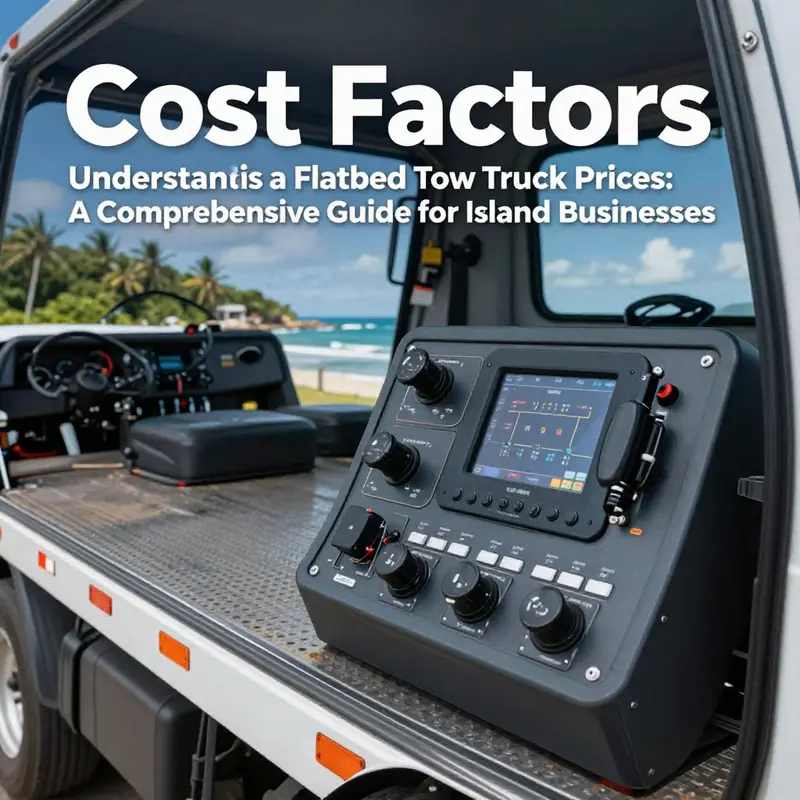
What Determines the Price of a Flatbed Tow Truck: Features, Specs, and Real-World Costs
Buying a flatbed tow truck is a practical decision rooted in purpose, capacity, and long-term cost. The sticker price you see is only the starting point. It reflects chassis selection, drivetrain, hydraulic systems, safety features, and optional technology. It also hides other predictable expenses, like ongoing maintenance, fuel, insurance, and depreciation. This chapter walks through those influences in a single narrative, showing how each choice changes price and performance. The goal is to give a clear sense of what you buy for your money and why prices range so widely.
The most basic determinant of cost is the truck’s intended duty. Light-duty models tailored to urban towing and small vehicles come with simpler engines and modest winches. They often have gasoline or small diesel engines and basic hydraulic tilt-flat systems. These entry-level machines commonly start near the lower end of the new-market scale, around fifty thousand dollars for a clean, factory-built unit. That price includes a standard chassis, a tilt-flatbed, a winch sized for passenger vehicles, and basic controls. Operators who tow mostly cars and light vans will find that these models hit the sweet spot between affordability and functionality.
At the opposite end, heavy-duty units designed for commercial fleets, heavy recoveries, or off-road rescues come with larger diesel engines, reinforced frames, upgraded brakes, and advanced hydraulics. These trucks require components rated for far greater stresses. Multiple-stage hydraulic systems, high-capacity winches, and reinforced platforms add substantial cost. Modern heavy-duty diesels also incorporate emissions control systems and more complex electronics. Expect new heavy-duty flatbeds to run from roughly one hundred thousand dollars to one hundred fifty thousand dollars or more when configured for serious recovery work. That range reflects the cost of stronger components and the engineering required to move heavier loads safely.
Between those extremes sits a wide middle ground. Mid-range flatbeds, designed for mixed-use towing and regional transport, often fall into price bands between roughly seventeen thousand and ninety thousand dollars, depending on origin and finish. Lower-cost units in that band may be imported or offer minimal customization. Higher-cost mid-range units will incorporate additional safety features, improved drivetrains, and more powerful winches, while keeping a focus on cost-efficiency for fleets.
Platform length and material affect price directly. A longer, heavier-duty platform uses more steel or aluminum and has higher fabrication costs. Aluminum beds reduce vehicle weight and can improve fuel economy, but aluminum fabrication is more expensive. Steel beds cost less upfront but add weight that increases fuel use and may accelerate chassis wear. When choosing materials, operators must trade upfront purchase price against operating expenses over the truck’s lifetime.
Load capacity and gross vehicle weight rating (GVWR) also dictate cost. Increasing GVWR requires a heavier-duty chassis, upgraded suspension, and stronger axles. Those changes increase procurement cost and influence other systems, such as brakes and transmission. For example, a unit intended to carry light passenger vehicles will be far simpler and cheaper than one designed to carry buses or heavy commercial trucks.
Engine type and performance play a major role. Diesel engines dominate the heavy-duty market for their torque and longevity. Modern diesels, however, include emissions-control equipment that raises both purchase and maintenance costs. Lighter units may use gasoline engines or smaller diesels. As a rule, higher horsepower and torque ratings cost more. They also allow operation under heavier loads without stress, which can reduce long-term repair costs if matched appropriately to intended use.
Hydraulic systems are another major cost center. Basic tilt systems involve fewer components and simpler controls. Advanced hydraulic setups include remote control, multi-stage cylinders, power outriggers, and automated leveling systems. Remote-controlled hydraulics add convenience and speed during recovery, but they raise complexity and price. Manufacturers charge premiums for integrated systems that combine tilting, sliding beds, and winches into one seamless operation. In real terms, the extra cost buys faster, safer recoveries and reduced labor time, which pays back over repeated jobs.
Winches, anchors, and recovery gear also change the price. A truck with a high-capacity winch, heavy-duty tow bars, multiple anchor points, and reinforced mounting points will cost more than the same truck with a basic, single-capacity winch. Winch capacity should exceed the maximum weight of vehicles you intend to recover. Overspecifying adds upfront cost but buys safety and durability.
Cab and control upgrades contribute to price variation. Basic cabs provide standard seats and manual controls. Upgraded cabs may include ergonomic seating, climate control, upgraded sound systems, and integrated control panels for hydraulic and winch operation. Some operators prefer remote control units that let the operator stand outside the cab during loading. These features are convenience and safety upgrades, and they come at a premium.
Telematics and onboard electronics are increasing in importance. Integrated GPS, vehicle tracking, telematics for engine and hydraulic diagnostics, and remote monitoring raise purchase costs. They also reduce downtime and optimize maintenance schedules, which can significantly lower total cost of ownership for a fleet. Paying more initially for telematics often yields savings in operating efficiency and asset utilization.
Safety systems add both weight and cost, but they reduce risk and liability. Anti-slip surfaces for decks, automatic load sensors, backup cameras, and proximity sensors improve safety during loading and parking. Advanced braking systems, such as air-assisted or disc brakes on heavy units, raise both purchase price and service complexity. Yet investing in safety typically lowers insurance premiums and reduces accident-related downtime.
Customization is where prices can climb quickly. Tailor-made solutions for specific industries—like towing high-performance cars, transporting construction equipment, or supporting emergency response fleets—require specialized beds, reinforced anchor points, and sometimes even onboard cranes. A small crane integrated into a flatbed, for example, boosts versatility but adds thousands to the purchase price and requires additional certification and maintenance.
Used vehicles present an attractive alternative to new purchases. Pre-owned flatbeds can be substantially cheaper, sometimes selling for a fraction of the new price. Used market ranges are broad, with some units available for under twenty thousand dollars, while well-preserved heavy-duty models might still command fifty thousand or more. When considering used trucks, inspect the chassis, engine hours, hydraulic seals, and winch condition. Factor in the cost of immediate maintenance and probable component replacement. A used truck can be a good deal, but it can also become a money pit if not evaluated properly.
Factory location and import fees influence pricing too. Trucks built domestically avoid import tariffs and long shipping timelines but can cost more due to higher labor and compliance expenses. Overseas-built units may be cheaper at the outset, but add shipping, customs, and potential compatibility issues with local regulations. Warranty and after-sales support must be evaluated carefully when considering imported trucks. Manufacturer support and access to parts raise the effective value of a purchase.
Financing and payment structure determine how “affordable” a truck feels. Leasing, loans, and hire-purchase arrangements spread cost over time. Many manufacturers and dealers offer multiple payment options. The total paid over the financing term may exceed cash price, but financing preserves working capital for operations. Consider interest rates, residual values, and potential tax advantages when evaluating payment options.
Maintenance and operating costs frequently surpass purchase price over the truck’s life. Regular servicing of hydraulic systems, transmission work, brake replacement, and tire wear add recurring costs. Fuel consumption is significant, especially for heavy diesel units. Emissions systems on modern diesels can require expensive filters and servicing. Budgeting for scheduled maintenance is essential to avoid service interruptions and unexpected expenses.
Insurance and liability costs depend on truck capacity and use. Higher GVWR and specialized equipment often require higher premiums. If the truck supports emergency response or heavy recovery, insurers may classify it differently, increasing costs. Upfront investment in safety features can reduce insurance premiums by demonstrating lower risk.
Depreciation affects resale value. Heavy-duty trucks often hold value well if maintained properly. Conversely, over-specifying a unit for needs that rarely occur can decrease resale desirability. Choose features that match expected use. That approach maximizes both utility and resale value.
Operational context should guide specification choices. For a small towing business focused on passenger vehicles, a light-duty tilting flatbed with basic hydraulics and a reliable winch likely provides the best return. For municipal fleets or recovery contractors, heavy-duty models with integrated telematics, high-capacity winches, and reinforced beds are worth the price. Emergency response units gain value from quick-deploy hydraulic systems and redundancy which reduce on-scene time.
Negotiating price can yield savings. Ask for bundled equipment discounts, extended warranties, or reduced-cost training for operators. Compare multiple suppliers, factoring in lead times, warranty terms, and post-sale support. Factory-direct pricing, competitive bidding, and seasonal promotions all affect final cost.
To put numbers to choices, you can expect the following practical ranges: entry-level flatbeds start at roughly $50,000; mid-range units often fall between about $17,200 and $90,000 depending on configuration and origin; and fully equipped heavy-duty models commonly range from $100,000 to $150,000 or higher. Some specialized units, particularly those with cranes or unique customizations, will exceed these figures.
Choosing the right truck means balancing purchase price against long-term costs. Evaluate how often you will perform heavy recoveries, the expected operating environment, and your maintenance capabilities. Consider telematics and safety options not just as add-ons, but as investments that protect uptime and reduce liability. When possible, inspect comparable units in service, and speak with other operators about real-world reliability.
For fleet managers, integrating tow truck procurement with broader emergency response planning makes sense. Coordinating specs to match response strategies improves interoperability and reduces redundant equipment. If your organization focuses on island or remote operations, prioritize reliability, serviceability, and parts availability. You can learn more about planning and fleet readiness in resources on essential fleet emergency response strategies.
Finally, for up-to-date price listings and detailed configurations, consult current market listings and verified suppliers. A comprehensive overview of new-model pricing and configurations can be found here: https://www.alibaba.com/product-detail/Flatbed-Tow-Truck-Pricess-2026-150000_1600794387655.html
This chapter has laid out the principal cost drivers and real-world price expectations. Use the guidance to match specs to mission, plan for total ownership costs, and negotiate wisely. A well-chosen flatbed tow truck is an investment that delivers safety, reliability, and measurable value over many years.
null
null
Final thoughts
Understanding the costs associated with flatbed tow trucks allows businesses on islands to make informed decisions that serve both immediate and long-term needs. By considering the pricing breakdown in relation to features and specifications, as well as how flatbed trucks stack up against other types, operators can optimize their investments. This insight ultimately contributes to better service, reliability, and operational efficiency within the unique context of island business.