For local auto repair shops, car dealerships, property managers, and resort operators, the cost of purchasing a tow truck is a significant investment that can vary widely. Understanding the price factors, whether you’re eyeing a new or used vehicle, is essential for making an informed decision. In the following chapters, we will explore the various factors affecting tow truck costs, provide an overview of price ranges, and discuss how your specific operational needs will impact your final investment. By the end, you’ll have a clearer picture of how much it will truly cost to buy a tow truck tailored to your business requirements.
How Price Is Built: The Real Cost Drivers Behind Buying a Tow Truck
Major factors that set the price
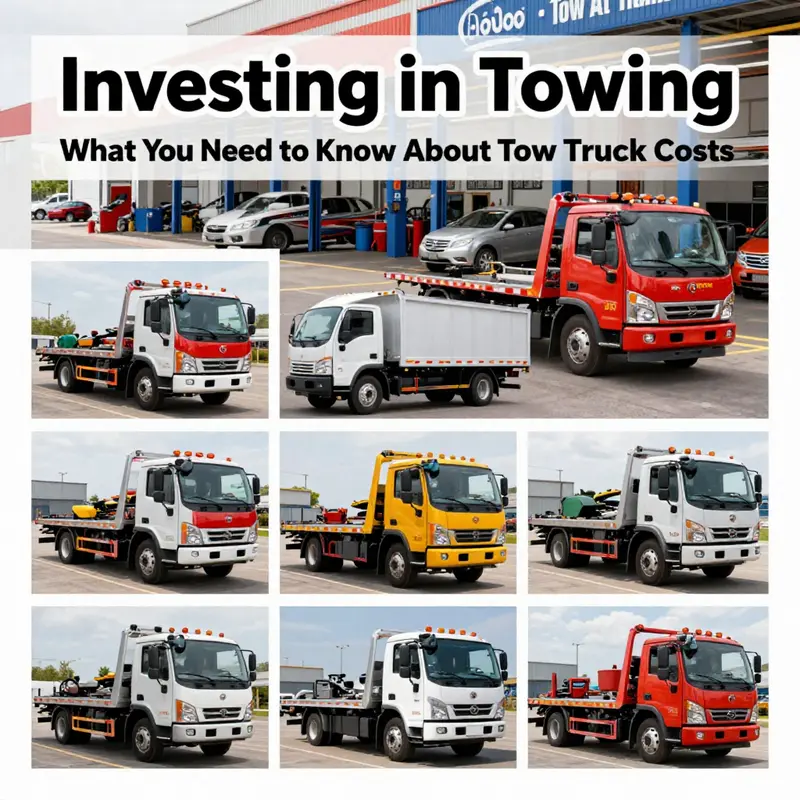
When you ask how much it costs to buy a tow truck, the short answer is: it depends. The long answer is a linked set of choices. Each decision about size, capability, equipment, and condition pushes the price up or down. A buyer who needs a vehicle that hauls cars across town will face a very different bill than a buyer who must recover large commercial rigs. Understanding how those choices interact will help you match cost with need, and avoid paying for capabilities you will not use.
Begin with the truck chassis and powertrain. The chassis underpins every other component. Light-duty chassis cost far less than commercial-grade frames designed to handle repeated heavy loads. Engine and transmission options also matter. Fuel type, horsepower, torque ratings, and the presence of a power take-off or auxiliary drive for hydraulic systems all add to the base price. A higher-capacity engine and a heavy-duty transmission increase upfront cost. They also change maintenance and fuel expenses, which should factor into your purchase decision.
Towing capacity is the most practical way to think about what you need. It is a direct expression of how heavy a vehicle your truck can safely pull or recover. Light-duty units typically handle small passenger cars and SUVs, and they are priced on a different scale than medium- and heavy-duty units. Increasing towing capacity requires stronger axles, reinforced frames, larger brakes, and heavy-duty suspensions. Those reinforcements make the machine more expensive to buy and to operate. If you plan to recover commercial trucks, heavy equipment, or large fleets, the added cost is unavoidable. If your work is limited to local roadside assistance, a lighter unit will likely save money while meeting performance needs.
Size and configuration shape the price beyond raw capacity. Flatbed or rollback bodies allow for vehicle transport and can be longer and heavier. Wheel-lift systems are simpler and often cheaper. Integrated carriers combine multiple functions and cost more because of complexity. Boom and rotator-style units used for recovery and complex extractions are among the most expensive options. They require sophisticated hydraulics, reinforced subframes, and specialized operator controls. Each added capability increases both the initial purchase price and the technical expertise needed for safe operation.
Brand reputation has a real impact on sticker price. Established manufacturers that are known for durability and parts availability tend to command higher resale values and higher new prices. That premium buys peace of mind for many buyers: predictable maintenance cycles, warranty support, and broad service networks. Newer or lesser-known builders may undercut prices, but consider parts availability and service support. The cheapest vehicle on the lot may cost more over its life if replacement parts are scarce or skilled service is unavailable.
Condition—new versus used—drives a wide spectrum of cost. New tow trucks offer the latest control systems, warranties, and predictable condition. Expect to pay a premium for those features. Used units open a broader market. A well-maintained, low-hour used truck can deliver many years of service at a much lower entry cost. Salvage or wrecked trucks present the lowest purchase price but require careful assessment. Their value depends on damage extent and the cost to repair. For buyers with mechanical skill or access to a repair shop, a salvage unit can be an economical option. For businesses that need immediate, reliable service, buying used carries operational risk that can translate to expense.
Equipment selection is the next major determinant of cost. Winches, hydraulic pumps, boom assemblies, rotators, lift systems, dual winch setups, remote controls, and specialized adapters all add cost. Winch line strength, drum size, and motor type affect pricing. Remote-control systems improve safety and speed but increase complexity and price. Accessories that improve efficiency, such as wheel lifts designed for modern low-profile vehicles, money-saving quick-change adapters, and integrated lighting arrays, each add to the bottom line. Choose equipment to match your most common jobs, not the rare extremes.
Upfitting transforms a truck chassis into a tow vehicle. Upfit costs can vary dramatically depending on the builder and the extent of customization. Standard, factory-installed bodies are usually cost-effective and backed by the chassis and body manufacturers. Custom builds allow for tailored solutions but carry higher costs for design, fabrication, and certification. Consider where the build will be performed. Highly experienced upfitters provide proven designs and faster turnaround. Less-experienced shops might offer lower quotes but can introduce delays and rework.
Safety and regulatory compliance affect cost subtly but importantly. Many jurisdictions require certain lighting configurations, reflective markings, and safety equipment. Operators may need certifications or vehicle inspections. Additional safety features such as colored warning lights, electronic stability aids, and advanced braking systems will raise the price tag. Factor in the cost of meeting local regulations and the time required to register and pass inspections. Noncompliance can lead to fines and downtime that quickly cancel any initial savings.
Warranty, support, and parts availability are often overlooked when comparing sticker prices. A longer or more comprehensive warranty shifts risk from buyer to manufacturer and can justify a higher purchase price. Consider who services the vehicle. A tow truck sitting idle is a revenue loss. Vehicles built with brand-common components and dealer networks often return to service faster. If you operate remotely or on an island, lead times for parts and service can justify paying a premium for reliable local support.
Resale value is built into the initial cost. Tow trucks tend to retain value because of their robust construction and the specialized nature of their components. However, resale depends on condition, equipment compatibility, and market demand. Some configurations are common and easy to resell. Others are highly specialized and limit buyers. When you buy, think ahead about how easy the vehicle will be to sell if your business changes. Buying with resale in mind can change which equipment and configurations make sense.
Hidden costs accumulate beyond the purchase price. Licensing, registration, and taxes vary by location. Commercial plates and gross vehicle weight ratings may trigger higher fees. Insurance premiums for a specialized vehicle can be greater than for a standard truck. Operator training costs should be considered. For rotators and heavy recovery units, specialized training is essential for safety and liability management. Storage and docking needs, tools for maintenance, and spare parts inventory add to the first-year costs. Factor these into your total budget rather than focusing only on the sticker price.
Operational costs vary with choices made at purchase. Fuel economy declines as vehicle weight and engine size increase. Heavier rigs require more frequent service on brakes, axles, and tires. Hydraulics and winches need periodic inspection and maintenance. Consider how many jobs you will run each day, average job length, and the mix of lifts versus long-distance transports. Operational patterns influence whether you should prioritize initial economy or long-term durability.
Financing changes the effective cost. Interest rates, loan terms, and down payments alter monthly cash flow. Leasing can reduce upfront investment but may impose mileage or usage limits and yield different tax treatments. Some buyers use commercial loans structured around expected cash flow from towing operations. Others pay cash to avoid financing costs. Evaluate financing options in the context of expected revenue and total cost of ownership.
Insurance and liability considerations should influence purchase choice. Tow trucks operate in risky environments. Insurance premiums reflect the vehicle’s size, use, and the equipment installed. High-value specialized equipment usually increases premiums. For operators who recover high-value assets, consider expanded coverage and higher limits. Insurance cost may make a lower-cost used truck more attractive, depending on the policy pricing.
Technology and telematics can add cost but improve profitability. Fleet management systems track location, job progress, and maintenance needs. Integrated dispatch and routing tools reduce response times and idle miles. Telematics hardware and subscription services add to upfront and recurring costs. For a growing operation, these systems can pay back quickly through higher utilization and lower fuel use.
Customization for niche work changes price in focused ways. Contractors working in construction, towing for salvage operations, or emergency recovery require special attachments and reinforcements. A truck fitted with additional winches, deck plates, heavy-duty outriggers, or an extended boom becomes an investment tailored to rare but high-value tasks. Those customizations command a premium, but they enable jobs that a standard unit cannot perform.
Buying at auction or from a private seller offers different trade-offs than buying from a dealer. Auctions can yield bargains, especially for repossessed units or fleet retirements. Private sellers may price competitively but could lack transfer documentation and maintenance records. Dealers often offer certified pre-owned options, warranties, and financing, which increase price but reduce transactional risk. When buying used, insist on maintenance records and, if possible, a pre-purchase mechanical inspection by an independent technician familiar with tow equipment.
A practical inspection checklist reduces the risk of hidden problems. Look for frame cracks, weld integrity, and signs of structural repair. Inspect hydraulic cylinders, hoses, and fittings for leaks and wear. Test winches and control systems under load when safe. Check electrical systems, lighting, and safety interlocks. Examine axles, brake systems, and suspension components. Review the vehicle’s registration history and any accident reports. A thorough inspection can save significant repair costs later and help you value a used unit accurately.
For buyers weighing new versus used, evaluate total lifecycle cost. Calculate depreciation, expected maintenance, fuel, insurance, and typical repair costs. Factor in downtime costs when the vehicle is in the shop. A new vehicle reduces the chance of early unplanned maintenance. A well-maintained used truck lowers initial cash outlay and may be the smarter choice for startups and low-utilization fleets.
A final, practical consideration is intended use and utilization rate. High-utilization businesses justify heavier investments in robust, often more expensive equipment. Lower-utilization operations benefit from lower-cost units and possibly outsourcing specific heavy jobs to specialized companies. Consider partnering with a local recovery specialist for rare heavy recoveries rather than owning a seldom-used heavy unit. That approach can keep capital expenditure down while ensuring access to capability when needed.
Matching cost to need requires honesty. List the most common jobs you expect. Estimate average call distance and the maximum vehicle weight you will ever handle. Account for local rules that affect vehicle choice. Compare the cost of several configurations that meet your needs, not the most or least capable extremes. Include the cost of any required training, licensing, and inspection to get the vehicle into service quickly.
Purchasing strategy influences price one last way. Buying inventory during the off-season, taking advantage of dealer incentives, or shopping fleet retirements can yield savings. Consider trade-in value for current equipment when negotiating. Structured upgrades and modular add-ons let you buy a baseline vehicle and add capabilities as revenue grows. That staged approach limits upfront capital while enabling growth.
For operators concerned about readiness and continuity, fleet-level planning is essential. A single tow truck purchase decision should be part of a broader strategy for maintenance schedules, emergency response readiness, and business continuity. Practical resources on managing fleets and emergency response strategies offer operational guidance that ties back to vehicle selection. Read about essential fleet emergency response strategies to see how vehicle choice affects broader readiness and cost outcomes.
If you want a quick reference for price ranges, industry pricing guides provide useful benchmarks. They show how configurations and conditions map to expected market prices. Use such a guide to validate offers and to understand market norms before you make decisions. More detailed market benchmarks are available in outside pricing guides, including a comprehensive Tow Truck Pricing Guide that outlines common price brackets and configurations: https://www.towtruck.com/tow-truck-pricing-guide/
By viewing price as the result of a chain of choices, you can control cost while maximizing capability. Decide first what you need every day, then prioritize features and specifications that support that work. Minimize rare-case capabilities that carry large premiums. Factor in financing, insurance, and operational costs to compare total cost of ownership. In the end, a thoughtful purchase aligns upfront cost with business reality, reduces unexpected expenses, and improves the return on your investment.
How Much Will You Pay: A Practical Price Map for New and Used Tow Trucks
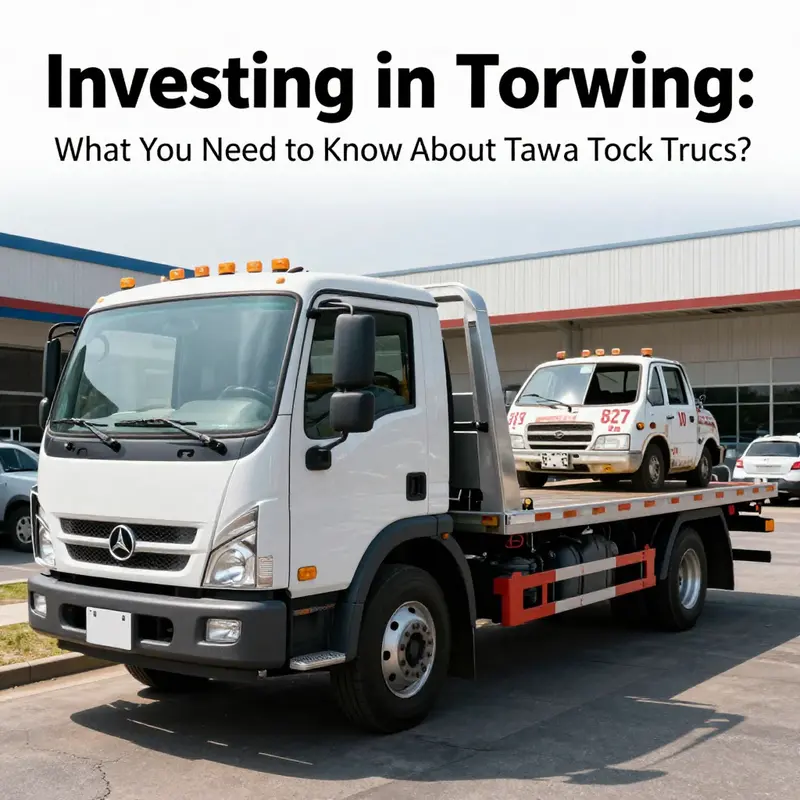
When planning to buy a tow truck, price figures can feel overwhelming. Costs vary widely because tow trucks are not a single product. They are purpose-built tools assembled from a chassis, powertrain, and a specialized body with hydraulic systems, winches, booms, or flatbeds. That variety drives the ranges you see in the market. This chapter maps those ranges clearly, explains what moves the numbers, and helps you match a budget to an operational need without missing hidden expenses.
Begin with the simplest split: new versus used. New units carry a premium for factory-fresh components, upfitter warranties, and the latest safety and emissions equipment. Used units are cheaper initially but require careful vetting to avoid costly downtime later. For a practical framework, think in four broad capability tiers: light-duty units, flatbeds or rollback carriers, integrated wreckers, and high-capacity rotators and heavy-duty carriers. Each tier has distinct price expectations and use cases.
Light-duty units are the entry point for many operators. They are intended for small vehicles, local service calls, and occasional transport. A typical new light-duty setup will generally fall between fifty thousand and eighty thousand dollars. This covers a modern chassis and a basic tow body with a wheel-lift or small boom. For small private fleets, dealerships, and roadside assistance, this tier balances purchase price with useful capability. However, if you only need occasional towing, explore the used market carefully. Well-maintained used light-duty trucks often sell for considerably less, sometimes starting around the mid-teens, making them attractive for startups or limited-scope operations.
Flatbed or rollback carriers sit next. New flatbeds typically range from thirty-five thousand to sixty thousand dollars for standard configurations. They are ideal for transporting vehicles with all-wheel drive, low ground clearance, or when minimal on-scene handling is preferred. The flatbed avoids rolling on wheels and reduces risk for specialty vehicles. Price within this band changes with bed length, tilt mechanism quality, hydraulic speed, and whether the unit includes power winches or remote controls. Higher-end flatbeds, with heavy-duty hydraulic systems and extended beds for commercial cars or equipment, will push toward the top of the range.
Integrated wreckers, often called compact wreckers in some markets, combine hydraulic booms, winches, and wheel-lifts into a single, robust package. These are workhorses for accident recovery, local heavy towing, and repossession tasks. New integrated units commonly cost between seventy-five thousand and one hundred fifty thousand dollars. Complexity explains that spread: hydraulic capacity, boom reach, winch strength, and reinforced frames all add to the build price. Many operators choose this class when frequent on-site recoveries and heavy lifting are part of the daily schedule.
At the top are rotators and the largest recovery rigs. These specialized machines feature rotating booms and massive lifting capacities. They are essential for highway incident response, overturned trucks, and complex recoveries in tight or unstable terrain. Prices for these rigs typically start around one hundred fifty thousand dollars and can exceed three hundred thousand dollars for the most capable models with extended reach, multiple winches, remote operation, and specialized stabilizing systems. Because of their expense, these units are most often found in municipal fleets, major recovery firms, and specialized contractors.
Used tow trucks offer a broad set of advantages and caveats. On the plus side, prices for used models can be dramatically lower than new ones. Small, standard used tow trucks frequently appear in the market in the fifteen thousand to twenty-five thousand dollar range. This price bracket can be ideal for single-operator businesses or side-line services. Yet the headline price does not tell the whole story. Mileage, maintenance history, frame condition, and the state of hydraulic components determine how long a used unit will remain productive. A low purchase price paired with a poorly maintained hydraulic system or deferred engine service can double your cost once repairs and downtime are included.
Several purchase decisions influence the sticker price beyond basic categories. Engine power and drivetrain configuration affect both cost and capability. Four-wheel drive or heavy-duty diesel engines add initial expense but deliver performance in demanding conditions. Power take-off (PTO) units, which transfer engine power to hydraulic systems and winches, are common on more capable rigs and usually add to build complexity and cost. Similarly, additional features like remote controls, upgraded winches, synthetic winch rope, auxiliary fuel tanks, towing packages, and specialized lighting raise the price in stepped increments.
Chassis choices matter too. Some buyers purchase a heavy-duty tractor or truck chassis and then install a customized recovery body. Basic heavy-duty tractor units used as bases for custom tow rigs can sometimes be sourced in the low-to-mid-thousands range for older models or in the low tens of thousands for modern units. Expect to pay roughly thirty-two thousand to forty thousand dollars for certain heavy-duty tractor bases that can then be outfitted into specialized carriers. Conversion and upfitting costs add significantly, so factor in both the chassis price and the complete body build.
Customization drives cost quickly. Adding a longer boom, multiple winches, outriggers, or a hydraulic rotation system increases both purchase price and maintenance complexity. If you require off-road capability, extended boom reach, or heavy-capacity winches, expect prices to climb accordingly. Conversely, if you can standardize on a basic platform for the majority of calls, volume discounts from a single upfitter or supplier can lower the per-unit cost significantly. Building a relationship with a reliable upfitter can also reduce lead times and provide predictable warranty coverage.
Beyond the purchase price, operating costs should factor into your buying decision. Insurance premiums climb with vehicle value and towing capacity. Heavier units attract higher registration and regulatory fees in many jurisdictions. Fuel consumption increases with engine size and weight. Maintenance on hydraulic systems, winches, and specialized electronics requires trained technicians and scheduled inspections. These costs accumulate and affect your effective cost per day of ownership. A new unit may cost more upfront but could reduce downtime and repair bills in the first years. A used unit can be cheaper initially but may require more frequent shop visits.
Depreciation and resale expectations also influence smart buying. Tow trucks depreciate like other commercial vehicles, though the rate varies by class and market demand. High-capacity rotators and integrated wreckers generally hold more value for longer because their capabilities are harder to replace. Conversely, light-duty and older chassis models may depreciate faster. When forecasting ROI, estimate resale value conservatively and weigh it against expected utilization. If you expect heavy daily use, you might accept faster depreciation in exchange for a unit that reduces labor or improves service speed.
Financing and leasing are available and can affect the overall cost. Interest rates, length of term, and down payment size change monthly obligations. Leasing may lower monthly payments but can include mileage or usage limits. Finance agreements often require a down payment and collateral, while shorter terms increase monthly outflow but reduce total interest paid. Factor in tax considerations; some jurisdictions allow accelerated depreciation or immediate expensing for commercial vehicles, which can improve cash flow. Consult a financial advisor or accountant who understands fleet purchases to align financing structure with business goals.
Inspection is where many buyers save or lose money. For used vehicles, a thorough mechanical and structural inspection is essential. Check the frame for welds or signs of repair. Assess hydraulic hoses, cylinders, and seals for leaks or repairs. Evaluate winches, controls, and electrical systems under load, if possible. Ask for a maintenance and service record. If the truck has done heavy recoveries, examiners should look for heat damage, excessive wear on winch drums, and repairs to the boom assembly. A professional inspection often costs a fraction of the repair bills it helps avoid.
Warranty and after-sale support matter, particularly for new purchases. Factory or upfitter warranties reduce initial risk by covering parts and labor for defects. Extended warranties come at a cost but can be worthwhile if they cover high-replacement items like hydraulic pumps or electronic control systems. Consider the availability of replacement parts in your region. A specialized hydraulic component can be back-ordered, grounding a unit for days or weeks. Access to local service technicians and parts inventories can be decisive in total cost of ownership.
Where to look for units depends on whether you prioritize price, warranty, or speed of acquisition. Online marketplaces, local auctions, and classified listings commonly feature used units at lower prices. Dealerships and upfitters provide new units and warranty support. Government and municipal surplus sales occasionally offer well-maintained vehicles at reasonable prices. When time is critical, dealerships may sell new or demo units that meet immediate needs. If you have flexibility, scanning multiple channels can uncover bargains or trade-in opportunities.
Negotiation is possible in most transactions. For new units, discuss optional features, delivery timing, and service agreements. For used purchases, leverage inspection findings and maintenance needs to request price reductions or to have the seller perform repairs. Prepare to walk away if critical structural concerns appear. A pragmatic negotiation approach values predictable uptime and repair costs over marginal savings on the purchase price.
Training and certification are part of the cost picture, especially for larger units. Operators of integrated wreckers and rotators often need specialized training to operate safely and efficiently. Training reduces the risk of accidents and equipment damage. Factor training costs, plus potential lost productivity during initial learning, into your startup expenses. Well-trained crews extend equipment life and lower liability exposures.
Finally, consider the scale of your operation. If you plan to grow, choose platforms that scale. Standardization across a small fleet simplifies training, spare parts inventory, and service routines. If your market includes seasonal surges or specialized recovery needs, consider renting high-capacity units for occasional heavy work instead of owning them outright. Rental or contract services can fill capability gaps without tying up capital in underused assets.
In practical terms, plan your budget with clear tiers and contingencies. For light, local operations, a used light-duty or economy flatbed in the fifteen thousand to forty thousand range might suffice. For frequent recovery or mixed urban work, a new integrated wrecker in the seventy-five thousand to one hundred fifty thousand range is common. For highway incident response or specialized heavy recovery, expect to invest one hundred fifty thousand dollars or more. Add contingencies for conversion, customization, training, insurance, and maintenance to your purchase budget.
Matching capability to price is the central challenge. Avoid buying larger or more complex equipment than you need simply because it looks like a solid investment. Conversely, underbuying can cost more through lost jobs and increased labor. Balance the purchase price against operating savings, potential revenue gains, and risk reduction. If you’re part of a fleet, align vehicle choice with dispatch patterns and typical call types.
For buyers seeking a broader market view and current listings, reputable online marketplaces provide real-time pricing and comparison. They are useful for benchmarking and finding units in your region. See up-to-date listings and valuations at MachineryTrader for market context and available inventory.
When your purchase decision is final, document expectations for maintenance, warranty coverage, and training. Create a service plan that schedules routine inspections and hydraulic system maintenance. Track operating metrics to evaluate whether the chosen unit meets cost and utilization targets. Over time, these data points will make future buying decisions faster and more predictable.
Understanding the ranges and the drivers behind them helps you budget wisely. Whether you choose new precision or a used, value-oriented unit, the key is alignment with operational needs. That alignment keeps costs predictable and ensures your tow truck investment drives reliable service and long-term value. For guidance on aligning vehicle choice with fleet response goals, consult materials on essential fleet emergency response strategies and planning to ensure the vehicle you buy supports your operational resilience.
How Operational Needs Drive the True Cost of Buying a Tow Truck
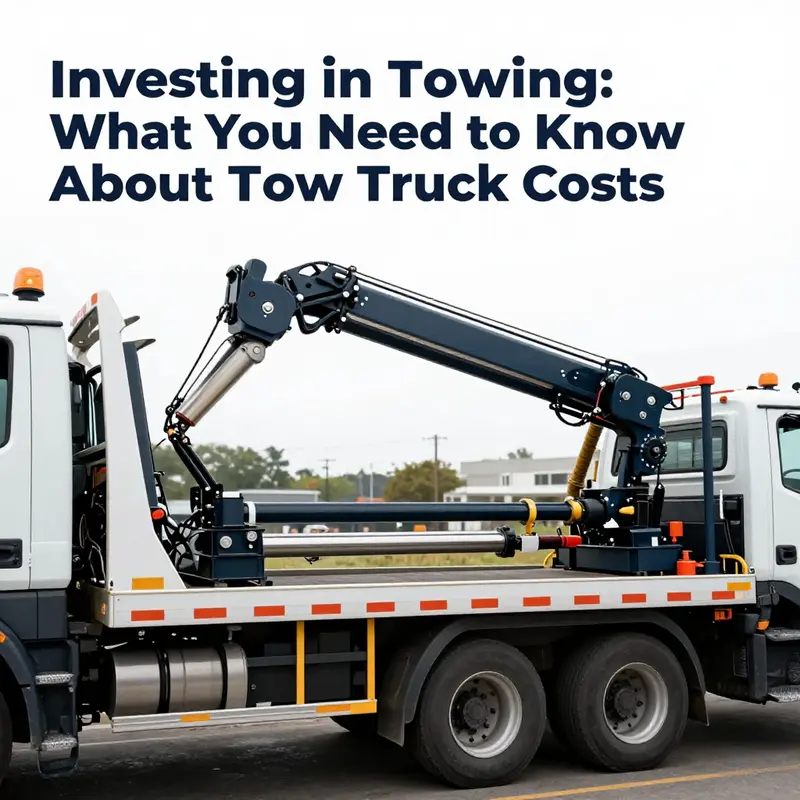
Every decision about which tow truck to buy should begin with a clear picture of what the vehicle will be asked to do each day. The sticker price is only the start. Operational needs — the tasks, environments, and rhythms of service — shape the truck’s configuration, the equipment it carries, the personnel who operate it, and the systems that support it. Those choices in turn determine both the upfront purchase cost and the ongoing expenses that define the vehicle’s true cost to your business.
A single sentence can sum this up: buy for work, not for speculation. If the truck matches the work it performs, it stays productive, uses less fuel, lasts longer, and requires fewer surprise repairs. If it’s oversized, underpowered, or missing vital gear, you will pay for that mismatch in lost time, higher maintenance, increased insurance claims, and frustrated customers. The rest of this chapter walks through the practical dimensions of those operational needs and explains how each one affects price and long-term cost.
Start with intended use. The basic categories of use — light roadside assistance, local vehicle transport, medium-duty towing, and heavy recovery — demand different platforms. A vehicle designed for local jump-starts and tire changes can often be a simple, low-cost chassis with a modest wheel-lift or compact flatbed. These units typically fall at the lower end of the market and are less expensive to insure and maintain. By contrast, units intended to recover wrecked tractor-trailers or move heavy machinery require heavy-duty chassis, high-capacity winches, reinforced frames, and sophisticated hydraulic systems. Those features push the purchase price well above basic models and add layers of maintenance and inspection requirements.
Equipment choices are the next major driver of cost. The difference between a basic rollback and a fully spec’d recovery truck can be tens of thousands of dollars. Bed length, winch capacity, boom type, stabilization systems, and towing methods all matter. A longer flatbed with an integrated hydraulic tilt adds weight and complexity. High-capacity winches, multiple remote controls, and powered reels increase both cost and service needs. Rotators and integrated heavy-recovery booms are specialized tools with specialized costs. Each piece of equipment raises the upfront price and increases the inventory of spare parts and specialized tools you’ll need to keep the truck operational. If operations demand these tools — for example, an accident-recovery fleet that must upright overturned semis — there is no substitute. Plan for their cost and maintenance from the outset.
Powertrain and fuel choice influence both purchase price and long-term economics. Heavy-duty diesel engines often command higher initial cost, but they deliver torque and fuel efficiency under heavy loads. For fleets that run sustained towing operations, diesel may reduce operating cost per tow. On the other hand, lighter-duty gasoline or alternative-fuel trucks may cost less up front and suit city-based quick-response services where towing demands are lower. The decision should factor in regional fuel prices, service availability for diesel versus gasoline, and emissions rules that may require upgrades or retrofits. Don’t simply compare sticker prices; map expected fuel consumption and maintenance intervals over a typical service life to understand the trade-offs.
Drive train and configuration requirements influence cost too. Four-wheel drive, for example, adds both purchase price and maintenance expense but can be indispensable in certain environments: steep terrain, snowy climates, or remote locations. Specialized transmissions or heavy-duty axles increase the chassis cost and usually require more expensive replacement parts. If your operations include frequent off-road recoveries, the investment may be justified. If not, that extra cost yields no return and reduces resale value.
Another area where operational needs shape cost is safety and regulatory compliance. Many jurisdictions require specific lighting, reflectors, signage, and safety equipment on commercial tow trucks. Additional certifications or inspections may be necessary for certain operations, such as carrying hazardous loads or operating in specific zones. Meeting these requirements can mean adding vehicle-mounted cameras, advanced lighting systems, stabilizers, and safety interlocks. Those add-ons increase purchase price, complicate installs, and often raise insurance premiums. Factor regulatory compliance and the associated equipment costs into your initial budget.
Operational hours and utilization rates determine how many trucks you need and how aggressively you should spec each one. High-utilization fleets benefit from buying newer, more reliable units to reduce downtime. Those units cost more initially but save money through fewer breakdowns, lower repair labor, and better fuel economy. For fleets that operate sporadically, used trucks with minimal specs can be attractive. But beware: a used truck with hidden wear can cost more in repairs and lost response time than a newer, slightly more expensive model. The right purchase balances utilization estimates with total lifecycle cost.
Total Cost of Ownership (TCO) is the framework that ties all of this together. TCO goes beyond the sale price to include maintenance, fuel, insurance, financing, driver training, telematics, administrative overhead, and depreciation. In practical terms, you should build a multi-year cost model for each spec you consider. Estimate annual maintenance as a percentage of purchase price, include realistic fuel consumption based on load and driving patterns, and add insurance premiums appropriate to the vehicle’s weight and equipment. Include training hours for operators and technicians, and add the cost of downtime when a truck is sidelined. These elements, when combined, reveal which investment truly costs least per tow or per mile over the truck’s life.
Hidden operational costs can be the most damaging. Downtime from breakdowns often triggers cascading expenses: subcontracted tows, missed contracts, overtime for other drivers, and reputational harm. Poorly spec’d equipment leads to slower job completion and increased labor hours. Inefficient dispatch systems or inadequate remote support can multiply those problems. Investing in reliable communications, hardened remote diagnostics, and a disciplined preventive-maintenance program reduces the frequency and cost of these failures. While those systems add upfront and recurring costs, they often pay for themselves by raising uptime and reducing emergency repairs.
Staffing and training requirements are vital, but sometimes overlooked, influences on purchase decisions. Specialized recovery equipment requires operators with specific skills. Training programs carry direct costs in wages and instruction, and indirect costs when trainees are less productive. If you buy a truck with advanced hydraulic systems or a complex electronic control suite, you must either hire technicians with those skills or invest in training. Factor certification costs, time in the classroom, and the learning curve into the purchase decision. A cheaper truck that needs more skilled maintenance can be more expensive over its service life than a slightly pricier model that uses common components and requires less specialized support.
Support infrastructure is another operational need that affects cost. Telematics, dispatch software, servers, and mobile devices improve efficiency and reduce fuel use, but they cost money. A modern fleet often demands a secure network, routine software updates, and a backup strategy. Even small operations benefit from basic telematics that track location, idling time, and maintenance alerts. These tools can reduce fuel consumption and optimize route selection. On the cost side, include subscription fees, hardware mounting and wiring, and the time spent managing the system. The resulting data, however, yields better utilization metrics and can guide smarter purchases in the future. If you plan a fleet, don’t ignore the cost of the systems that manage it.
Spares, shop tools, and parts inventory are physical extensions of your operational needs. If you deploy specialized hoists or uncommon hydraulic fittings, you should stock critical spares. Otherwise, a broken component can keep a truck out of service for days while parts ship. Maintaining a parts inventory raises working capital needs and storage costs. Yet it reduces downtime and external repair bills. Evaluate how often particular failures occur, and decide whether to carry spares or rely on vendors. Small fleets often benefit from vendor relationships and call-out repair services. Larger operations often find it more economical to maintain their own parts and technicians.
Insurance and liability posture reflect both the truck’s specification and its intended use. Heavy-recovery trucks that work on highways or in accident-prone environments often face higher premiums. Likewise, trucks carrying specialized lifts or performing high-risk maneuvers can increase liability exposure. Insurance underwriters look closely at operational patterns, driver selection, and maintenance programs. Investing in driver training, documented preventive maintenance, and telematics that show safe driving behaviors can lower insurance costs over time. When you build a purchase plan, request insurance quotes for each spec early. Those quotes often change the calculus on whether to add expensive features.
Financing and depreciation strategies should align with operational plans. If you expect to refresh equipment frequently to maintain reliability and brand image, a shorter depreciation schedule and leasing may be appropriate. If a vehicle will be pressed into long service with heavy duties, plan for maintenance spikes as the vehicle ages. Financing terms affect monthly costs and influence decisions about warranty coverage and extended service plans. Many manufacturers or resellers offer extended service contracts. Compare the predicted lifecycle repair cost against contract prices to decide whether coverage makes sense. Sometimes paying a bit more for a known service contract reduces exposure to high-cost repairs later.
Geography and environment strongly shape operational requirements and costs. Urban towing often requires compact, low-profile units for tight spaces and heavier emphasis on speed and maneuverability. Rural or remote operations need long-travel suspensions, off-road capability, and a higher tolerance for long idle periods. Coastal or island operations face additional costs: salt exposure accelerates corrosion; ferry transport or barge logistics can add to response time and cost; and parts may take longer to arrive. If your operations are island-based or otherwise constrained by geography, plan for a more robust preventive maintenance program and factor in logistics premiums for parts and specialized service. For fleets operating in islands or remote regions, see guidance on emergency-preparedness and fleet strategies that address these unique needs in more detail: essential fleet emergency response strategies.
Resale value and fleet lifecycle matter, too. Some configurations hold value better than others. Simple, well-documented trucks with common components typically resell faster and at higher prices. Highly customized rigs can be harder to move in the secondhand market. If you plan to rotate inventory frequently, prioritize configurations with broad appeal. If you expect to keep trucks for a decade or more, invest in durability and maintain meticulous service records to preserve value.
Operational flexibility is a subtle, often overlooked cost driver. A fleet that can reassign trucks across different duties reduces idle time and improves return on investment. Selecting modular equipment or beds that can serve multiple roles increases purchase price slightly, but it makes the fleet more resilient to demand swings. Conversely, a dedicated specialization that cannot be repurposed creates risk: a decline in one service line leaves expensive assets underused.
Finally, build a decision model before you buy. List your typical calls, average tow weights, distances, response time targets, and environmental challenges. Score each possible truck spec against those criteria, and then run cost estimates for purchase price, fuel, insurance, maintenance, training, and downtime. Use realistic assumptions. If possible, use historical data from your own operations or comparable fleets. The model will usually reveal that a modestly higher initial outlay for a better-aligned vehicle pays off in lower cost per call and higher uptime.
All of these considerations feed back into the simple questions that drive the buying decision: What will the truck do, how often will it do it, and what are the consequences when it cannot? Answer those plainly. The market offers units from very inexpensive basic rigs to highly specialized heavy-recovery monsters. Knowing which end of that spectrum your operation needs eliminates guesswork and turns the purchase price into a predictable element of long-term cost. For a deeper dive into how Total Cost of Ownership frameworks apply to equipment purchases, the following resource offers a useful overview: https://www.sciencedirect.com/topics/engineering/total-cost-of-ownership
Choosing a tow truck is not a one-line budget item. It is a systems decision that touches equipment, people, processes, and risk. When operational needs are the primary filter for choices, the result is a fleet that costs less per job and delivers more predictable service. That alignment is the real key to controlling how much it will cost to buy — and to run — a tow truck.
Final thoughts
Purchasing a tow truck is a vital decision for businesses involved in automotive services, transportation, or roadside assistance. As we’ve outlined, costs depend greatly on various factors, including the type, condition, and specialized features of the truck. Understanding these aspects will help you make a sound investment that aligns with your operational needs. Whether you choose a new or used model, knowing your specific requirements will guide you towards the best financial decision. Keep in mind that this investment not only serves your current business but can also enhance customer satisfaction and operational efficiency, paving the way for success.