
When considering the often-overlooked addition of a tow truck to your business infrastructure, understanding the costs involved is crucial. Whether you are a local auto repair shop, a car dealership, a property manager, or a commercial fleet operator, the price and type of tow truck you choose can significantly affect your operations and bottom line. In this guide, we’ll navigate through the cost landscape of tow trucks—from small to medium models to heavy-duty configurations. We’ll also discuss the implications of buying new versus used, alongside the pivotal market factors that can influence these prices. By the time you finish this reading, you’ll have a comprehensive insight into how much a tow truck might truly cost you.
Smart Investment, Steady Service: Navigating Tow Truck Purchases for Small and Medium Operations
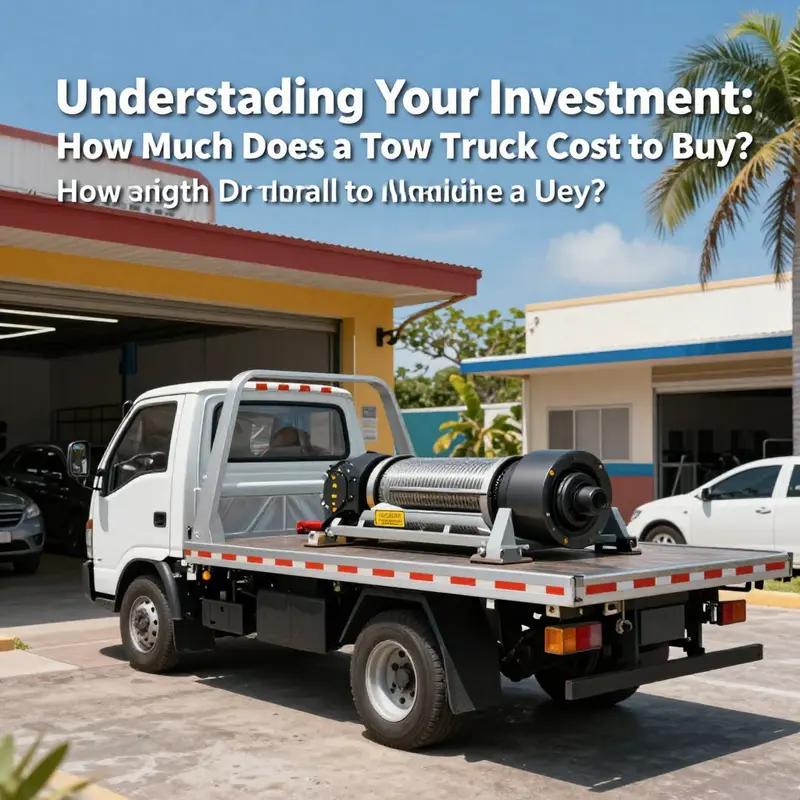
Buying a tow truck for a small to medium operation is more than a price tag. It is an investment in reliability, uptime, and the ability to respond quickly when a call comes in. The numbers can be daunting, but when you look beyond the sticker price to total cost of ownership, financing options, and how the equipment fits into your daily workflow, a clear picture emerges. The decision hinges on much more than whether a truck can move a vehicle from point A to point B. It hinges on capacity, configuration, maintenance costs, and how the vehicle will be used in the real world. For many operators, a practical, proven approach is to start with a conventional flatbed for its versatility and safety, then layer in features that specifically support the kinds of jobs the business most often tackles. A flatbed’s hydraulic bed tilts and slides, allowing the operator to load vehicles without dragging them along pavement. This reduces tire wear, avoids undercarriage damage, and minimizes the risk of ground contact for car owners who may be anxious about a tow. It also enables easier recovery of mid-sized cars and SUVs in urban settings where space is at a premium. With that in mind, the price range for new conventional flatbeds is typically between sixty thousand and one hundred twenty thousand dollars. The exact figure depends on several levers: the cab setup, whether the back axle is single or dual, bed length, and the degree of customization. A longer bed broadens your loading window, but it can also increase maneuvering challenges in tight alleys. A dual rear wheel configuration improves payload and stability on uneven surfaces but adds upfront costs and maintenance considerations. In contrast, used flatbeds present a compelling option for operators aiming to balance capability with affordability. A well-maintained used unit might fall in the thirty-five to seventy thousand dollar range, depending on mileage, wear, and the quality of the hydraulic system. For a growing fleet that prioritizes reliability and a shorter payback horizon, a lightly used flatbed can offer the best blend of performance and price. The broader takeaway is that for small to medium operations, the flatbed remains the most versatile and cost-efficient entry point. While it is easy to be drawn toward high-performance rotators or oversized heavy-duty wreckers, those configurations are often overkill for routine daily work and can saddle a business with higher depreciation, insurance, and maintenance costs. When evaluating options, it is essential to consider the full spectrum of ownership costs. Insurance premiums will reflect payload, weight distribution, and the likelihood of on-road incidents. Maintenance costs depend on the quality of the hydraulic system, winch, bed mechanism, and the availability of spare parts in your region. Fuel efficiency is another practical consideration, since many tow operators clock thousands of miles each year. A truck that benefits from fewer engine hours and a robust, serviceable hydraulic system will typically prove cheaper to own over a five-year horizon than a more expensive unit that carries higher maintenance risk. The decision is not just about the upfront price but about how long you can keep the truck productive with minimal downtime. For operators who expect to handle more complex recoveries or a higher volume of calls, the costs can tilt toward higher initial investments. Rotator configurations, which offer 360-degree boom movement and the ability to re-right overturned vehicles, are the gold standard for certain kinds of highway incidents and difficult terrain. They command price tags in the range of one hundred fifty thousand to three hundred thousand dollars, with some high-end units exceeding that. While rotators deliver extraordinary capability, they are often unnecessary for routine work. They are best reserved for fleets that regularly encounter rollover situations, complex recoveries, or operations near high-speed corridors where specialized responses are essential. Similarly, heavy-duty road wreckers with integrated hydraulic booms can push beyond the mid-range, into forty-four thousand to fifty thousand dollars or more, depending on the configuration, axle count, and whether the truck is designed for on-highway or off-road recovery. In the smaller end of the spectrum, even a basic practical setup might be found around the twenty-three thousand to thirty-five thousand dollar mark when shopping used or sourced from smaller markets. This price range can be compelling for a shop with limited capital or a trial phase before expanding the fleet. It is important to separate the marginal cost of upgrading equipment from the cost of getting into business. A lower upfront spend often translates into higher maintenance or reduced reliability later, which can erode the advantage of keeping a lean initial budget. That is why many operators focus on a core, dependable platform first, then phase in enhancements—such as an extended bed, heavier winch, or advanced wheel-lift system—as demand grows. A key factor in determining the right fit is alignment with daily job types. If your operation regularly services compact cars in urban centers, a flatbed with a mid-length bed, a robust winch, and multiple tie-down points will deliver the best balance of speed and safety. If the work often involves transporting low-clearance or all-wheel-drive vehicles, the hydraulic tilt-bed design becomes even more valuable, reducing manual handling and potential damage to sensitive drivetrains. The decision should also reflect your anticipated service area, whether you service a single city, a group of municipalities, or a rural network with longer response times. In urban environments, space is often at a premium, so maneuverability, cab visibility, and ease of entry and exit for the driver become important. In regional or rural contexts, higher payload and longer range may be more valuable, even if it means a higher upfront price and greater maintenance costs. In reality, most small and mid-sized operators find a practical path by combining a reliable used flatbed with a modestly equipped new unit as a backup or a rotation truck. This approach preserves fleet diversity while keeping total costs within a reasonable band. It also reduces risk, because it distributes the operational burden across multiple vehicles, helping ensure that one breakdown doesn’t disrupt the entire service level. Financing is another critical piece of the purchase puzzle. Cash purchases offer the simplest path to ownership and avoid interest, but many operators spread the cost across regular payments, often paired with warranty options or maintenance programs. Leasing can preserve cash flow and provide predictable budgeting, though it may come with higher long-term costs and restrictions on customization. In either case, the ability to claim depreciation for tax purposes can substantially improve the economics of ownership. It is worth consulting a tax professional who understands commercial vehicles in your jurisdiction to optimize the return on investment. Beyond price, the real value of a tow truck lies in its uptime. A vehicle that spends more days in the shop than on the road quickly loses its economic edge. That is why choosing a unit with a strong service network, reputable parts availability, and transparent maintenance requirements matters as much as the features on the bed. When you compare offers, focus on the quality of the hydraulic system, the reliability of the winch, the robustness of the bed mechanism, and the ease with which a technician can source replacement parts locally. It also helps to verify that the truck can be serviced by mechanics who understand hydraulic systems and towing equipment rather than relying on generic truck technicians who may not be familiar with the specifics of recovery gear. The process of selecting the right tow truck for a small or medium operation becomes more strategic when you quantify the impact of a chosen configuration on response times and job throughput. If a bed or winch limits the speed at which you can load a car, that limitation translates directly into hours of downtime over a month. If a crane or rotator adds more capability than is necessary, you may be paying for features you rarely use. A practical approach is to map your typical call types, estimate loading times, and translate those estimates into a target uptime goal. This helps you determine whether a modest investment in features will pay for itself through faster turnarounds and more jobs completed per shift. For fleet managers who want to connect purchasing decisions with broader preparedness and resilience planning, there is value in tying equipment choices to emergency response strategies. A structured plan for rapid deployment, safety protocols, and coordination with other responders makes a big difference when incidents occur. See essential fleet emergency response strategies for a framework that connects equipment capability with organizational readiness. essential fleet emergency response strategies. As you finalize a purchase, you should also consider the post-purchase phase: training for drivers and technicians, regular maintenance schedules, and clear criteria for when to replace or upgrade parts of the system. Training ensures that operators maximize the features of the bed, the winch, and the hydraulic booms, while a structured maintenance plan reduces the risk of unexpected downtime. A well-documented maintenance routine, with checklists for daily, weekly, and monthly tasks, makes it easier to plan servicing, order parts, and avoid last-minute scrambles. When you combine thoughtful configuration with disciplined maintenance, the initial cost begins to feel like a strategic, rather than a reactive, expense. You are building a fleet that supports steady growth, not a collection of tools that only work when the sun is shining. In practice, most small to medium operators benefit from a staged approach: begin with a dependable, mid-range flatbed—new or gently used—and then add a second unit as demand requires. As the business expands, you can upgrade the second unit to a more capable configuration, such as a longer bed, stronger winch, or a wheel-lift system that improves your ability to handle wheel-off scenarios. This stepwise growth keeps cash flow manageable while enabling a steady improvement in service levels. In terms of market context, the pricing landscape for these essential vehicles continues to be shaped by fuel costs, parts availability, and the overall health of the trucking and construction sectors. New units stay in the sixty to one hundred twenty thousand dollar range for flatbeds, with used examples often landing in the thirty-five to seventy thousand dollar band. Rotators and heavy-duty wreckers sit higher, reflecting their specialized capabilities and the demands of larger recoveries. A conservative, well-reasoned purchase plan for a small or mid-sized towing business thus starts with a reliable flatbed, anchors the decision in total cost of ownership, leverages favorable financing options, and then scales with demand. It also benefits from tying the equipment decision to broader readiness and resilience strategies, which ensure that the fleet can respond effectively when every minute counts. External resources on market pricing and specifications can illuminate the path further, such as trade publications that track changes in equipment values and maintenance costs. For additional context on the economics of buying and operating tow trucks, you can consult industry-focused reporting at a well-established equipment publication. External resource: https://www.equipmentworld.com
The True Price of Heavy-Duty Tow Trucks: Balancing Upfront Cost, Capacity, and Long-Term Reliability
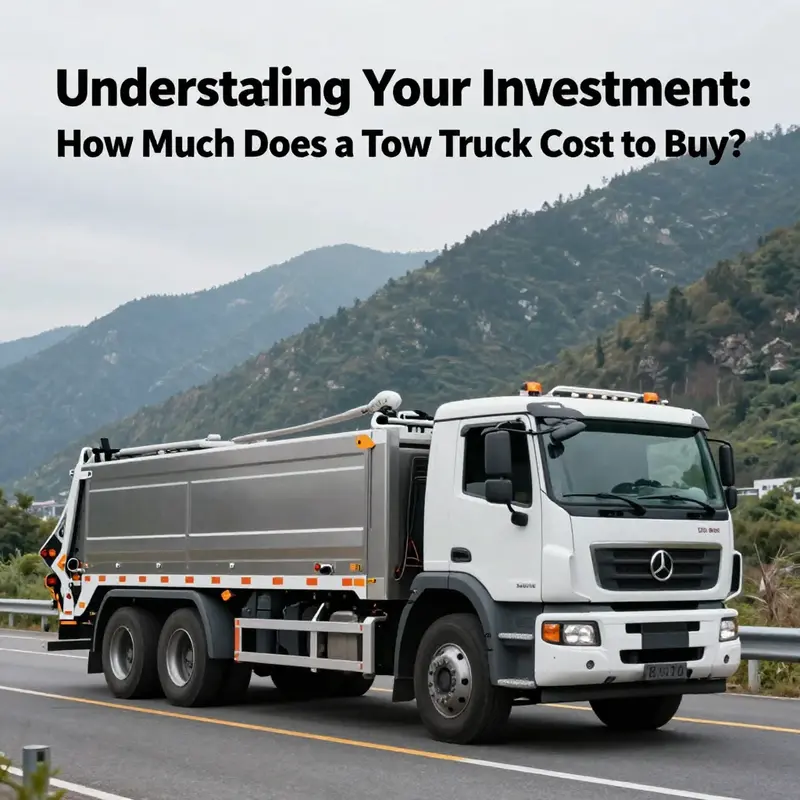
Turning the key on a heavy-duty tow operation is about more than just the sticker price on a chassis. The upfront cost is only the first line of a long, practical ledger that includes performance, durability, maintenance, and the area you serve. In markets where fleets must recover everything from compact delivery vans to roofed buses and heavy trucks, the cost picture shifts with weight and ambition. This chapter threads together how price bands form around heavy-duty configurations, why those prices differ so much, and how a buyer can read the market without mistaking a bargain for a liability.
At the core, price is a function of configuration, capacity, and the era of the equipment. Heavy-duty tow trucks come in several flavors, with under-lift wreckers, cranes or booms, and flatbed designs each addressing different recovery needs. A 30- to 50-ton capacity unit, for example, can be built on a 4×2 or an 8×4 chassis and may integrate hydraulic booms, wheel-lift systems, and high-capacity winches. The difference between a compact, urban-ready wrecker and a rural, industrial-grade recovery vehicle often lands in the specifics of the hydraulic system, the reach and strength of the boom, and the sophistication of the stabilization and control features. Those choices, in turn, pull price in noticeably different directions.
Used or older models typically start the pricing conversation at far lower numbers than new, feature-rich configurations. A basic under-lift wrecker in the heavy-duty range, often sourced as a used unit or an older chassis, can be found in the lower range of a few thousand dollars up to tens of thousands. This spread reflects the condition of the hydraulic system, the integrity of the chassis, and the remaining life of critical components such as the winch and hydraulic pump. For buyers with tight budgets or those testing a new service area, such options can be compelling if the rest of the business plan supports a rapid upgrade cycle and a robust maintenance program. But the caveat is clear: the lowest price rarely includes the latest safety features, efficient payload handling, or modern diagnostics that minimize downtime on the road.
Stepping up to 8×4 configurations or models designed to handle heavier payloads broadens the price spectrum considerably. Geometry matters here—an 8×4 chassis typically carries more weight, offers greater wheel stability on uneven terrain, and accommodates larger hydraulic systems. With those advantages comes a price lift that many fleets anticipate. In the mid-range, these heavier machines often fall into a bracket that spans roughly forty to seventy thousand dollars, depending on the exact capacity and the level of equipment included. A crane-capable or more sophisticated wrecker, even when not the top-of-the-line, can push the cost into the upper forties or fifties. The reason is simple: the crane adds mechanical complexity, the control system becomes more capable and precise, and the overall system durability is designed to endure more demanding operations in more challenging environments.
Within this spectrum, there are still notable variations. A basic 8×4 wrecker without a high-end crane or extra features may sit toward the lower end of the mid-range, while a unit with an integrated crane, enhanced stabilization outriggers, and a high-capacity winch climbs toward the higher end. For buyers focused on high-volume, high-demand recovery—such as rural road rescue, industrial site reclamation, or heavy vehicle fleets—the decision to invest in the character and strength of the higher-spec machine is often justified by the reliability and uptime it promises.
Newer or specialized models carry a premium that reflects not only the warranty and new-engine security but also the modern systems that reduce maintenance headaches later. A flatbed or boom-equipped new model can cost significantly more, often landing in the range of sixty thousand to ninety thousand dollars or more, especially when configured for larger capacities or integrated with advanced hydraulic lifts, wheel-lift mechanisms, and high-output winches. In practical terms, the jump from a mid-range used unit to a new, specialized machine can translate into a meaningful reinforcement of uptime, a stronger safety envelope for operators, and better alignment with evolving regulatory and insurer expectations. For fleets contemplating long-term operation in a demanding area, the calculus often tilts toward newer, more capable equipment, even if the upfront price is substantially higher.
An important, sometimes overlooked, dimension of cost is not the sticker price but the total cost of ownership. Maintenance, warranty coverage, service networks, and the cost of parts all shape the real value of a heavy-duty tow truck over its service life. A machine with a robust dealer or service network is worth more in uptime than a cheaper unit that requires long trips to find replacement parts or specialized technicians. The maintenance profile matters as well: hydraulic systems and booms demand regular inspection, lubrication, and sometimes retrofits to maintain safety and performance. In rural or industrial settings, where breakdowns can stall a whole fleet at once, the value of a well-supported chassis and a rapid-response service network rises even more.
Shipping and logistics comprise another layer of the price equation. A unit manufactured abroad will incur freight costs, import duties, and possible currency risk, all of which add to the sticker price once the machine lands at the dock. Buyers should also anticipate the cost of compliance, which can include local certifications, inspection fees, and alignment with regional safety standards. These elements are not optional extras; in many markets they determine whether a vehicle can be registered and insured for commercial use. It is therefore essential to secure a precise quote that isolates the base price, shipping, and any anticipated taxes or fees. The reality is that a seemingly modest difference in freight terms or a small change in currency exchange can translate into a meaningful delta in the final outlay.
From a strategic perspective, fleet managers must weigh the tradeoffs between new and used, between the most capable configuration and the most economical. A used, well-maintained unit can deliver acceptable performance if the fleet has a strong maintenance culture and a clear plan for replacement or refurbishment. Conversely, a purchase that prioritizes a longer warranty, newer hydraulic components, and the latest safety features can reduce the risk of costly downtime, even if the upfront investment is higher. In balancing these choices, it helps to anchor the decision not just to the immediate job you expect but to the spectrum of incidents you want to be prepared to handle in a typical month or quarter.
To illustrate the breadth of price points without naming brands, consider a few representative bands aligned with common configurations and market realities. An entry-level or older heavy-duty under-lift wrecker might be found in a range from roughly eight thousand to thirty thousand dollars, reflecting its age, condition, and the absence of advanced options. This tier often corresponds to fleets testing market service areas or expanding into heavy-duty recovery with a conservative budget. For those seeking greater capacity and durability but not yet committed to the highest-end features, an eight-by-four chassis capable of handling substantial heavy-duty work typically falls between forty thousand and seventy thousand dollars. Here, the presence of a larger crane, a more capable wheel-lift, and upgraded outriggers can push the price upward. In some instances, a mid-range unit with added features such as a crane and more robust stabilization may occupy a price corridor in the mid-thirties to mid-forties, delivering a blend of capability and cost that suits mid-to-large urban and rural fleets.
The high end of the spectrum—new, specialist models with full hydraulic systems, high-capacity winches, and expansive recovery reach—tends to sit in a broader bracket, often from sixty thousand to ninety thousand dollars or more. These configurations are designed to handle the most demanding scenarios, including long-reach operations, multi-vehicle recoveries, and high-volume fleets that require sustained uptime. The leap in price is matched by gains in reliability, operator safety, and the potential for lower long-term maintenance costs. Buyers weighing this tier should ask for detailed maintenance histories, factory warranties, and the availability of certified service partners in their region. They should also consider contingencies such as extended warranties or service contracts that can stabilize annual ownership costs over time.
Beyond the mechanical and financial calculations lies the practical question of fit. A fleet that operates in urban cores with frequent light-to-medium recoveries may optimize for quick-cycle operations, wheel-lift efficiency, and compact maneuverability, which can tilt preferences toward lighter, smaller, or less feature-dense heavy-duty units. A rural or industrial fleet, by contrast, often values reach, robust hydraulics, and capably integrated cranes that can handle heavier wrecks in challenging environments. The price gaps between these use cases reflect not only the equipment’s single-task performance but also the long-term reliability and the breadth of service networks you’ll rely on when a vehicle is needed most.
For readers seeking further context on fleet management and emergency-response planning, the broader literature and industry discussions offer a wealth of perspectives. An accessible resource that aligns with these themes is the Island Tow Truck blog, which regularly frames equipment choices in the context of fleet operations and emergency readiness. You can explore related insights at the Island Tow Truck blog here: theislandtowtruck.com/blog/.
In evaluating specific price quotes, buyers should request detailed line items. A trustworthy quote will separate base price, shipping, and any import duties, and it will clearly list the included equipment, such as the crane type, winch rating, bed length, wheel-lift capacity, and outriggers. It should also spell out delivery timelines, installation charges, and required training for operators and maintenance personnel. Don’t overlook the value of a clearly defined warranty and a path to warranty service in your region. A robust service network can be a decisive factor in total cost of ownership, especially when uptime is mission-critical for a towing operation.
As a closing thought, the decision to buy a heavy-duty tow truck is not simply a matter of a single price tag. It is a bet on reliability, uptime, and operational resilience. It is a bet that a higher upfront investment will translate into fewer interruptions, faster recoveries, and safer work for operators over the vehicle’s service life. It is also a recognition that, in the heavy-duty segment, the most cost-efficient choice today may become the most expensive tomorrow if maintenance is deferred or if the machine’s capabilities outstrip the needs of the fleet. The best approach is a careful, data-driven assessment that weighs the job profiles you encounter, the environments you serve, and the service support you can count on in your area. With that framework, you can move beyond sticker price to a decision that aligns with the tempo and reliability your operation requires.
External reference: For a broader sense of market price ranges and supplier options, one widely cited listing provides a spectrum of configurations and prices, illustrating how rapidly the market can shift with bit-part features and regional considerations: https://www.alibaba.com/product-detail/Sinotruk-Cnhtc-HOWO-8X4-50t-Heavy-Duty_1600437188229.html?spm=a2700.galleryofferlist.normal.1.2b1e1d5dHxLZwF&urlShow=true
New vs Used Tow Trucks: How Price, Reliability, and ROI Shape Your Purchase
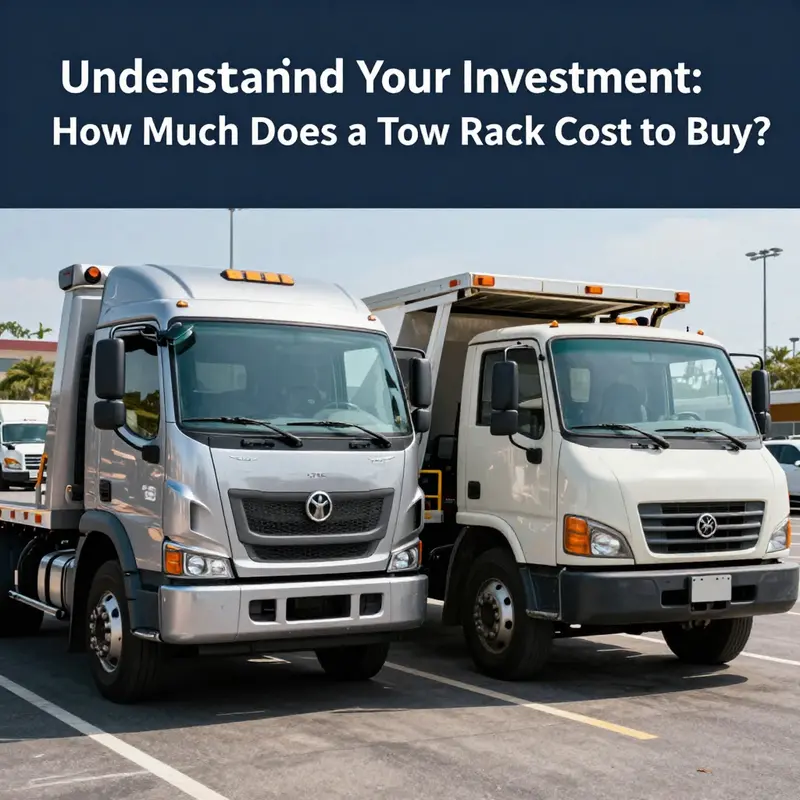
Choosing the right tow truck begins long before the first quote arrives. It starts with a clear sense of how the vehicle will fit into your operation, how often it will run, and what you can reasonably expect in terms of uptime and return on investment. The decision between new and used is not simply a matter of price; it is a careful balancing act between cash flow, reliability, and long-term business goals. In the broader market, price is driven by capacity, configuration, and the integration of specialized equipment. A small to medium tow truck, such as a compact wrecker or a light flatbed, can be found in the lower ranges of the market, while heavy-duty configurations built to haul larger vehicles and tackle demanding recoveries command higher price tags. The underlying math remains consistent: more power, more features, and more automation add value, but they also raise the upfront cost and can influence ongoing maintenance. As you walk through the decision, the numbers themselves become a map for what kind of service you can reliably offer and how quickly you can scale your operation without compromising profitability.
New tow trucks sit at the top end of the price spectrum, with the highest upfront cost reflecting not only the vehicle itself but also the latest technology and the assurances that come with factory warranties. In practical terms, a new tow truck can span a broad range—from roughly $50,000 to well over $100,000—depending on size, capacity, and the sophistication of the towing system. Advanced features such as hydraulics with higher lift capacities, integrated wheel-lift mechanisms, computerized controls, energy-efficient engines, and state-of-the-art safety systems all contribute to that premium. The clear advantage of new units is the promise of reliability in the short term and the expectation of manufacturer support in the form of warranties. If your fleet strategy prioritizes downtime minimization and you anticipate aggressive growth or highly specialized operations, the upfront investment can pay for itself over a shorter horizon through reduced repair costs and fewer disruptions.
Used tow trucks occupy a different financial terrain. They offer a bridge between affordability and capability, especially for small businesses or solo operators who must manage tighter budgets. The used market generally presents price ranges in the ballpark of $20,000 to $40,000 for a wider selection of small to mid-size units. Even within this range, you’ll find substantial variation based on condition, mileage, maintenance history, and the exact configuration of the truck. A well-maintained 10-ton hydraulic wrecker, for example, may be available nearer the upper end of that range, while a basic, older unit could be down closer to $20,000. For heavier-duty or more specialized used configurations—such as 8×4 road wreckers with larger boom capabilities—the price can stretch higher, occasionally approaching the mid-range used market, depending on the equipment’s overall condition and the presence of features like integrated winches or upgraded hydraulics. The practical takeaway is that used trucks can deliver meaningful capacity at a fraction of a new-truck price, but they require judicious due diligence and a readiness to shoulder potential maintenance costs down the line.
Putting price into perspective means recognizing that the same truck in different configurations can carry very different price trajectories. A basic utility wrecker with a modest boom and limited wheel-lift capability will be cheaper in both new and used markets than a flatbed or a boom-equipped flagship unit with high-capacity winches and automated controls. In the market landscape, light-duty and mid-range trucks dominate the more accessible price points, while heavy-duty and specialty configurations command steeper prices, whether new or used. These distinctions reframe the decision: if you plan to tackle frequent, high-tonnage recoveries or operate in environments with large, heavy vehicles, the value proposition of a heavier, more capable unit—even if used—needs rigorous evaluation against the total cost of ownership. Conversely, if your daily work is modest and reliability with minimal downtime is the priority, a newer model with a robust warranty might be worth the premium for the peace of mind it provides.
The initial market snapshots you’ll encounter in listings or supplier quotes reflect this spectrum. For light to mid-size units, you may see used prices around the $23,000 to $35,000 range, especially for 3–10 ton capacities with basic wrecker or low-bed configurations. Heavy-duty options, such as a 4×2 or 8×4 heavy wrecker, can range widely depending on the technical specifics; some used 15-ton configurations have been observed around the mid-$20k to mid-$30k area, while larger or more capable used rigs can push toward $40k or more. Newer or specialized models—flatbeds or boom-equipped units with higher capacities and more advanced systems—tend to start closer to the $60,000 mark and can exceed $90,000 when fully customized or built to order. These numbers illustrate a fundamental reality: increasing capacity and sophistication translates into higher prices, but it may also translate into greater operational efficiency and longer service life if you invest with foresight. The question you must answer is where your immediate needs meet long-term strategy, and how much of a cushion you want for maintenance and downtime in the early years.
A pragmatic way to frame the decision is to consider not just the sticker price, but the total cost of ownership. Warranty coverage is a critical differentiator between new and used units. New trucks come with manufacturer warranties that can cover major components for a defined period, which reduces the risk of unexpected repairs early in the ownership life. Used trucks, while attractive on price, usually come with limited or no manufacturer warranty, shifting the risk side of the equation to the buyer. You’ll need to account for potential repairs, parts availability, and the need for possibly upgrading or replacing key components sooner than you would with a new unit. In addition, the operational costs—fuel efficiency, maintenance intervals, and the likelihood of downtime—often tilt in favor of new trucks, especially for operators who depend on fleet reliability to meet tight dispatch windows.
If you’re weighing new versus used through that lens, let budget be a guiding constraint but not the final arbiter. A high-quality used tow truck can deliver impressive value when it aligns with a solid maintenance history and a professional inspection. On the other hand, buying new can protect cash flow in the near term by minimizing maintenance surprises and preserving uptime, which has a clear correlation with revenue, especially for fleets that rely on rapid response. The decision rarely reduces to a single variable; it requires a careful synthesis of upfront affordability, anticipated maintenance costs, and the strategic importance of reliability to your core operations. This is where a structured due diligence process becomes essential. A thorough inspection of a used unit should examine service history, current mileage, the integrity of the chassis, hydraulic system, boom, and wheel-lift mechanism, along with the overall condition of safety features and electrical systems. Understanding the context of how the previous owner used and maintained the truck can illuminate potential future expenses and downtime risk.
From a practical standpoint, you’ll want to balance several factors in parallel. Start with your budget and desired service levels. Then assess the nature of your typical jobs. If your work predominantly involves recovering mid-sized vehicles from parking lots or urban roads, a mid-range used wrecker or a basic new flatbed could suffice and keep costs within a reasonable band. If you regularly handle heavy trucks or commercial fleet recoveries, you may justify a heavier-duty unit with a longer-term warranty and higher initial investment. In either case, consider the configuration’s impact on efficiency and safety. A good-quality wheel-lift, an adequately rated winch, and a reliable hydraulic system are not luxuries here; they are essential assets that determine the speed and safety of each operation. The right choice will also hinge on how easy it is to source parts and obtain service. A new truck often benefits from more readily available parts and dealer-backed service, while a respected used-truck with clear maintenance records can still be a reliable performer if you have a trusted technician and a well-stocked parts network.
As you move toward a decision, it can be helpful to anchor your thinking with a simple framework that combines your current needs with a view of future growth. First, quantify your expected annual hours of operation and average job size. Second, estimate maintenance reserves based on the age and condition of any used units you’re considering. Third, project how much additional capacity or upgraded features would improve job completion times and reduce downtime. Finally, factor in financing terms, insurance costs, and licensing or registration implications that vary by state and by the type of configuration. This approach turns the choice from a one-off price comparison into a strategic plan that aligns with your business trajectory. If you want to explore more general guidance on fleet readiness and emergency response planning, you can visit the Island Tow Truck blog for related discussions and insights.
In sum, the decision between new and used tow trucks is nuanced and highly context-dependent. The market offers a wide spectrum of price points that reflect capacity, configuration, and the presence or absence of warranties. A careful appraisal that weighs upfront affordability against the realities of maintenance, downtime risk, and long-term ROI will illuminate the path that best fits your operation. Whether you choose a pristine new model with the latest technology or a well-documented used unit that has demonstrated durability, the essence of a sound purchase lies in diligence, clarity about your service commitments, and a plan for sustainable uptime. External resources, including specialized buying guides, can provide further structure to your evaluation, helping you translate sticker prices into a robust, reality-grounded forecast for your business.
External resource: https://www.towtruck.com/new-vs-used-tow-trucks/
null
null
Final thoughts
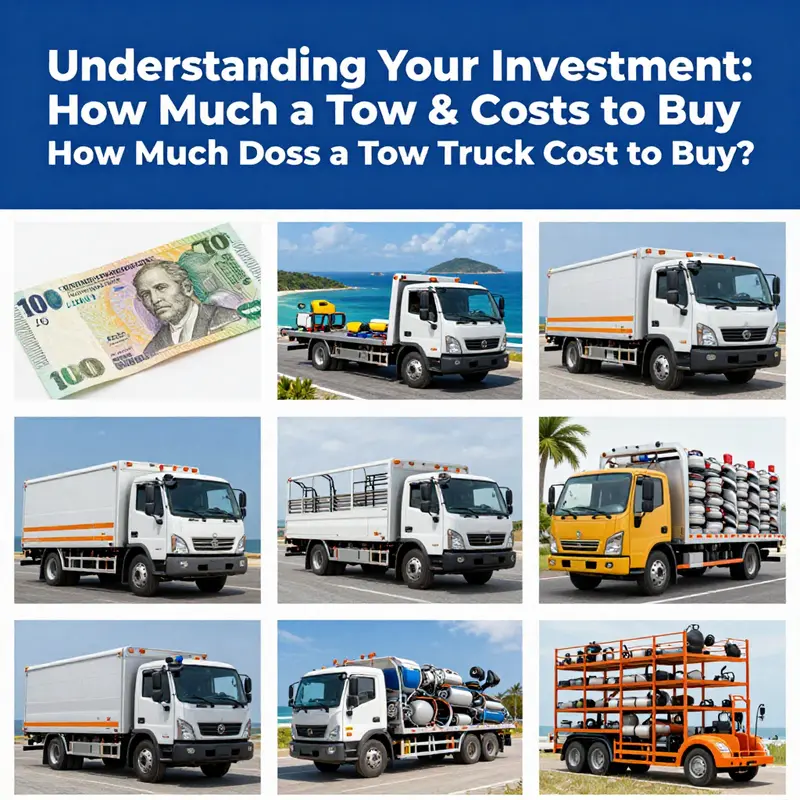
In conclusion, the costs of purchasing a tow truck can vary widely, influenced by your specific needs and the heavy lifting required for your business operations. From understanding the pricing for small and medium ranges to assessing the potential of heavy-duty vehicles, recognizing the nuances between new and used models, and considering market factors, every decision plays a role in your overall investment strategy. Equip yourself with this knowledge, and you’ll be in an excellent position to make an informed purchase that will enhance your business’s operational network.