
The role of a tow truck driver is essential in ensuring road safety and providing critical roadside assistance. For local auto repair shops, car dealerships, property managers, resort operators, and commercial fleet operators, understanding the earnings potential of tow truck drivers is vital for budgeting and operational planning. Whether operating in an urban area or a remote island, the salary variances can significantly impact local businesses. This exploration will take you through a comprehensive overview of what tow truck drivers earn, the regional salary differences, and how experience and certifications influence their overall pay. Each chapter will elucidate these aspects, helping you grasp the full picture of tow truck driver compensation.
What Tow Truck Drivers Earn: A Thorough, Region-Sensitive Look at Pay, Pathways, and the Practical Realities of a Tough, Essential Job
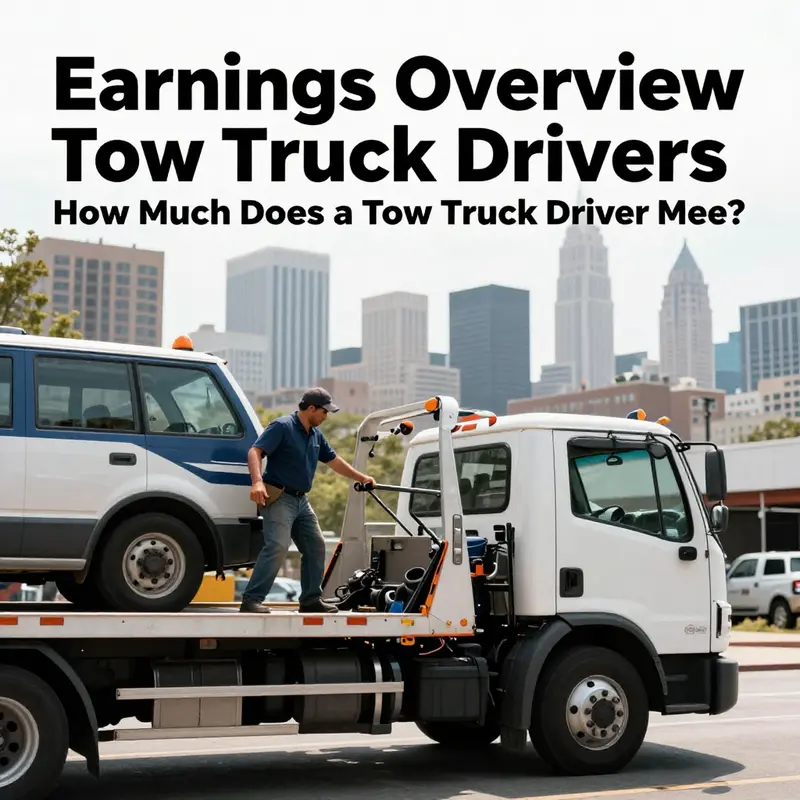
Earnings in the tow truck world are not a single, neat figure. They unfold like a map where the terrain changes with every mile driven, every shift logged, and every certificate earned. The job sits at the intersection of service, logistics, and sometimes risk, and the pay reflects that complexity. Readers will find that the U.S. figure—about $21.16 per hour on average, based on thousands of salary reports compiled from job postings over three years—offers a baseline, but the real story is how many variables bend that baseline in different directions. On a practical level, the hourly rate is the primary lens most people use to gauge the earning potential, yet many drivers experience a blend of hourly wages, on-call stipends, mileage pay, and occasional overtime that can tilt the monthly total in meaningful ways. The same logic applies across Canada, where provincial economies, local demand, and company structures shape take-home pay in visible, sometimes surprising, patterns.
To begin with the United States, the national average of about $21.16 per hour masks significant regional variation. California, a state whose weather and landscape often shape its labor market, shows an average closer to the low $20s per hour. That figure reflects a balance between high living costs and the need for reliable, quick-response towing in dense urban corridors and along major highways. The data behind these figures come from a large sample of salary reports gathered from Indeed over a three-year window, which means the numbers reflect both steady, full-time employment and the more episodic, on-demand nature of towing work. Some weeks bring several calls for vehicle recoveries in the middle of the night, others bring a handful of routine jump-starts and fuel deliveries. The frequent whiplash between these tasks helps explain why a driver’s weekly income can swing widely—from modest sums during slow periods to something substantially more robust when demand spikes or when a driver has cultivated high-volume, repeat business.
The concept of earnings as a weekly total rather than an hourly constant is especially germane for drivers who work through digital platforms or dispatch networks. These networks often publish real-time requests for service, enabling drivers to optimize routes, select shifts that align with peak demand, and cultivate a reputation for reliability and speed. The potential to earn more arises from several intertwined habits: selecting the times and places with the greatest need, maintaining excellent communication with customers, and delivering the kind of service that leads to repeat requests or favorable ratings. In this sense, earning potential is not merely a function of time spent on the road but of how effectively a driver converts time into service value.
California’s slightly lower average in comparison to the national mean mirrors a broader national trend: wages in some high-cost states can hover near the national average, yet the dispersion—how much drivers can earn above or below that average—depends on local demand, the density of vehicles, and the specific dispatch or fleet model at play. The data from Indeed show that in states with large urban centers and busy freight corridors, the pool of drivers tends to be large, which can moderate the average wage in some markets. But in other areas, where demand is concentrated in a few hubs or along a limited number of corridors, the same role can command a premium. In California, within those numbers, some drivers find themselves earning substantially more than the state average by taking on more complex recoveries, longer-distance transports, or work that requires specialized gear and skill. In any case, the core message remains: pay is a mosaic rather than a single tile in a wall.
Across the broader North American landscape, the Canadian data reveal a similarly nuanced picture. In British Columbia, for instance, the regional variation is pronounced. The province’s overall average—roughly the same as the national Canadian average—belies a wide spread across cities and employers. In Richmond, the wage data point to a rate around the mid- to upper-twenties per hour, a mark that is significantly above the national average. In Vancouver, the standard rate aligns with the provincial pattern, but parts of the province show dramatic variance. In the city of Surrey, reports show particularly generous compensation for full-time roles, while Sparwood—an area with a mix of remote and resource-driven work—has part-time roles paying well above typical hourly norms. Calgary’s numbers climb toward the upper end for the country, and Fort McMurray stands out for ceiling-high rates due to remote, resource-rich demands that require reliable, round-the-clock service. These patterns illustrate how geography—urban demand, seasonal shifts, and the presence of heavy industry—materially shapes earnings.
In Canada, the Alberta picture adds another layer of context. The province’s average wage sits below the national Canadian figure in a statistical sense, but the best-paid postings can reach well into the upper quartiles when experience, licensing, and the right work environment come together. A driver who has earned specialized endorsements and is willing to operate in remote or high-demand locations can glimpse earnings that exceed the standard provincial average. The contrast with Nova Scotia, where a place like Dartmouth shows its own distinct set of wage realities, reinforces the central theme: geography matters. Rural versus urban settings, proximity to resource-based industries, and the availability of on-call shifts all influence the take-home pay and the consistency of earnings over the course of a year.
To understand the earning potential more concretely, it helps to explore the other levers that drivers often use to maximize income. Certification and licensing play a meaningful role. A Class 3 license, which expands the range of vehicles and recoveries a driver can handle, often correlates with higher pay. The extra credential signals to employers and customers that the driver can manage more complex tasks and operate safely in a broader set of conditions. Experience matters as well. Seasoned drivers who have demonstrated reliability, good diagnostic skills, and the ability to navigate challenging tow recovery scenarios tend to command better compensation, particularly in markets where demand spikes during emergencies, weather events, or peak travel times. On-call duties, hazard pay, and shift differentials can also push earnings above what a simple hourly rate would predict. The structure of the employer—whether a traditional local towing company, a 24/7 fleet with multiple enforcements, or a regional operator servicing a mix of urban and rural routes—shapes how compensation is packaged. Full-time roles often provide more predictable earnings and benefits, while part-time or on-demand arrangements can deliver higher per-hour rates but with greater variability in total weekly income.
The sector’s top-tier compensation, while not a universal feature across all employers, helps illustrate the upper bound of the profession. In the broader market, a subset of employers is reported to offer six-figure annual compensation when combined with extensive responsibilities, night and weekend shifts, and a high degree of on-call coverage. The presence of such figures underscores a theme already familiar to many skilled trades: leadership, reliability, and a willingness to work in demanding environments can unlock premium pay. At the same time, it’s important to approach these numbers with a pragmatic eye. Six-figure earnings are a minority within the field and depend on a precise convergence of factors—location, vacancy rates, the mix of services offered, and the ability to maintain high reliability across a busy schedule.
Beyond base pay, the potential for income growth often comes from embracing platforms that connect drivers with a steady stream of service requests. Digital dispatch networks and on-demand routing can transform the career by reducing downtime, enabling drivers to select more lucrative windows, and offering transparent earning tracking. For drivers who embrace these tools, the path to higher earnings is less about luck and more about optimizing time, quality of service, and customer communication. The real value lies in the ability to build a reputation for prompt, careful handling of vehicles and clear, courteous customer interactions. A driver who can consistently demonstrate reliability, safety, and efficiency will find more recurring opportunities and stronger word-of-mouth recommendations—a powerful multiplier for earnings that complements the raw hourly rate.
In preparing for a realistic view of earnings, it’s useful to acknowledge the practical commitments that influence money in the pocket. Many tow truck jobs can involve shifts that require being on call for evenings, nights, or weekends. The more demanding the schedule, the more likely the pay will reflect a premium, especially when combined with a high-demand urban environment or a remote area with limited competition. Conversely, in markets with intense competition and abundant drivers, the same role may yield a lower per-hour rate, unless the driver actively cultivates a niche—such as handling heavy-duty tows, vehicle recovery under hazardous conditions, or specialized transports—that commands additional compensation. In short, the earning potential is a function of both market dynamics and personal strategy: the willingness to work when demand is high, the readiness to take on complex tasks, and the discipline to maintain safety, efficiency, and customer satisfaction.
The broader takeaway is that tow truck driving is a profession with meaningful variation across geography and employment models. For someone contemplating this career path, the first steps are clarity about one’s own constraints and goals, followed by targeted credentials and a plan to engage with the right dispatch networks or employers. If a driver prioritizes stability and benefits, they might seek full-time roles in markets with steady demand and robust employer support. If they seek flexibility and the potential for higher per-hour earnings, they might pursue on-demand work in high-demand locales, while maintaining professional standards that generate positive reviews and repeat business. Either route benefits from ongoing learning—about vehicle recovery techniques, road safety, and the evolving regulatory landscape that governs commercial towing and roadside assistance.
The story of pay in this field, then, is not about a single numerator. It is about a blend: base hourly wages, on-call stipends, mileage or trip-based pay, and contracts that reward reliability and speed. It is also about the environment in which a driver operates. Urban centers with heavy traffic may generate frequent calls and shorter trips, which can result in a higher volume of service but a different earning rhythm compared with rural areas, where longer recoveries and remote locations may yield larger per-call pay, yet fewer total calls. The most successful drivers tend to balance these dynamics by aligning their work with personal preferences and market opportunities—testing, learning, and adapting as demand shifts with the seasons and the economy.
For readers who want a quick reference point, the data suggest a few guiding principles. First, the national average is a starting point, not a destination. Second, regional dispersion matters—cities with dense demand and robust service ecosystems can push earnings higher, while more dispersed markets can offer similar or even higher hourly rates when the right mix of calls is present. Third, certification and experience matter: a driver who commits to expanding their license credentials and gains hands-on proficiency with a broader set of towing scenarios is more likely to access higher-paying postings. Fourth, working with modern dispatch tools can unlock more opportunities and provide transparent visibility into earnings, which helps drivers optimize their schedules and communicate value to customers.
This is not merely a financial consideration. The way a driver earns money intersects with the responsibilities of providing safe, timely, and respectful service—a core expectation in roadside assistance and recovery. The earning potential grows when drivers invest in safety training, stay up to date with equipment and methods, and maintain a calm, problem-solving approach under pressure. The job’s rewards, therefore, are as much about the quality of service as about the dollars earned. When a driver consistently handles complex recoveries with care, the payoff is not only measured in weekly numbers but also in career satisfaction, client trust, and the professional integrity that follows from a job well done.
For readers seeking practical next steps, consider exploring the resources that connect drivers with legitimate, well-managed opportunities. A good starting point is the broader ecosystem of industry information and peer guidance, including dedicated resources available through the Island Tow Truck community. You can learn from practitioners who balance the heavy demands of the road with the discipline of safe practice and efficient dispatch. To dive into that sense of community and the practical side of the work, you can visit the Island Tow Truck blog, which offers accessible perspectives from working drivers and fleet operators alike: Island Tow Truck Blog.
In addition to the personal development path, keep an eye on national and regional labor data for the most current snapshots of pay trends. While the figures cited here reflect the recent landscape, markets shift with economy cycles, regulatory changes, and the evolving needs of the transportation sector. Staying informed through reputable salary trackers and industry updates will help you calibrate expectations and plan a cadence for certification, skill-building, and strategic scheduling.
Taken together, the earnings picture for tow truck drivers is nuanced and dynamic. It rewards those who combine solid technical competence with smart scheduling, strong communication, and an adaptive approach to market opportunities. In markets where demand is steady and training credentials open doors to higher-value tasks, earnings are likely to trend higher. In markets that reward volume and speed, a driver who can move quickly and safely from call to call can build substantial weekly income through consistent performance. The path to higher earnings, then, is not a single shortcut but a deliberate synthesis of skills, opportunity, and the readiness to engage with the evolving landscape of roadside assistance and vehicle recovery.
For readers who want a more granular, continuously updated view of compensation, the statistics and figures above offer a framework. The most current, detailed information about tow truck driver salaries in the United States is readily accessible through major salary aggregators, which track state-by-state and city-by-city variations and show how experience, certifications, and employment type influence pay. As the market continues to evolve, drivers who keep pace with the shifting demand signals—and who invest in the credentials, gear, and professional network that support high-quality service—will find a robust and meaningful earning trajectory. The profession remains a reliable option for those who want steady work, a direct connection to customers, and the opportunity to grow within a specialized, essential field.
External resources can provide broader context and validation. For a widely used comparison and current figures, you can refer to Indeed’s comprehensive salary data for tow truck drivers, which aggregates postings and reports across states and regions. This resource, updated over time, offers insight into how pay shifts with experience, location, and market conditions: https://www.indeed.com/salaries/tow-truck-driver-salary
Tow by Town: Navigating Regional Pay for Tow Truck Drivers Across North America
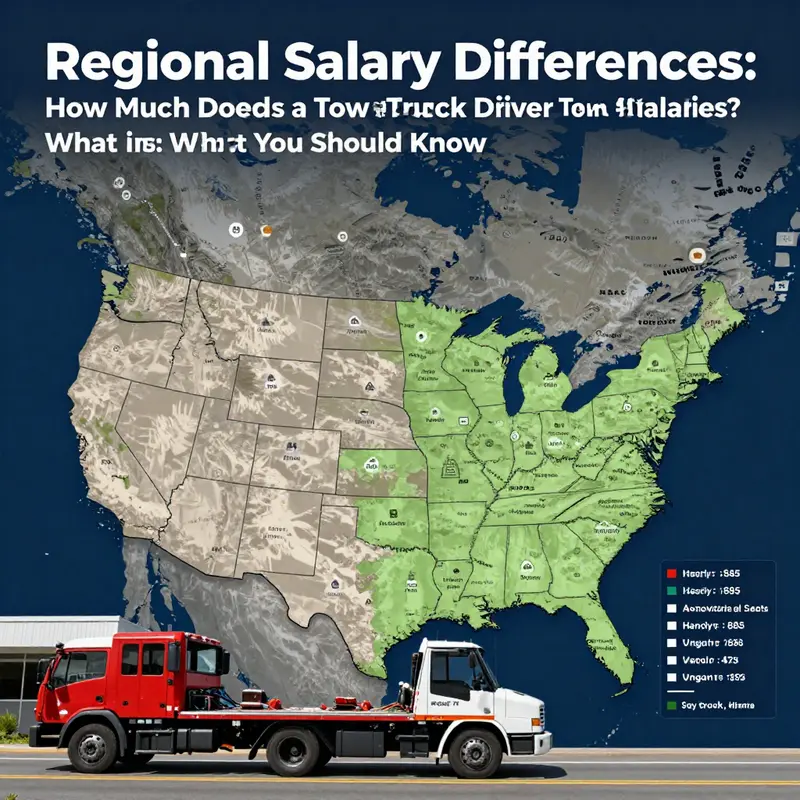
Across North America, the pay for tow truck drivers reads like a map, with bright pockets of compensation in some cities and more modest ranges in others. The numbers tell a simple, stubborn truth: where you work matters as much as how you work. Wages reflect not just the technical skill of hooking and winching a stalled or stranded vehicle, but the cost of living in the surrounding area, the density of demand for emergency services, and the structure of hiring practices that govern fleets, municipalities, and private operators. For anyone weighing a career in towing, the regional picture isn’t just garnish on a paycheck; it’s a compass that points toward where steady shifts and a favorable mix of on-call certainty, overtime, and night work accumulate into a meaningful income. As drivers move from province to province and cross into the United States, the numbers shift in tandem with local economies, regulations, and the sheer volume of incidents that require a tow. It is as much about the territory as it is about the truck and the skill set you bring to the roadside.
In Canada, the variation starts at the provincial level and then fractures into city-level markets that can surprise even seasoned operators. British Columbia, a province famed for coastal cities, mountain passes, and a steady stream of traffic throughout the year, shows an average hourly wage near the national median, yet it hides a wide spectrum beneath that figure. In Vancouver, the standard hourly rate typically tracks the national average, around the mid-teens per hour, but nearby Richmond reveals a different reality. The city of Richmond, with its diverse economy and dense traffic corridors, reports an average hovering around $24 per hour, based on recent salary postings, with some roles peaking near $39.50 per hour. This discrepancy underscores a pattern that repeats across markets: the same title—tow truck driver—casts a different cast depending on the employer, the job’s risk profile, and the specific duties demanded by on-call roped into the shift. This contrast is not a mere curiosity; it informs decisions about career trajectory, the value of certifications, and the appeal of long-haul or heavy-duty assignments that can come with premium pay.
Surrey, another hub within the Metro Vancouver area, illustrates how urban centers in close proximity can diverge quite sharply in compensation. Some full-time positions in Surrey push beyond typical blue-collar wages, illustrating the premium for round-the-clock availability and the stability of steady schedules that fleets prize in crowded road networks. In the same province, sparingly staffed rural or remote postings can deliver a conspicuously different payoff. Sparwood, a town deep in British Columbia’s resource-rich interior, offers part-time roles at elevated hourly rates, a combination that rewards experience and flexibility while maintaining a careful balance with the region’s work-life patterns. This speaks to a broader Canada-wide pattern: urban demand inflates wages, but attractive hour-by-hour bonuses for part-time or on-call work exist in both metropolitan and remote settings when supply, demand, and the cost of living align.
When the conversation shifts from coastal and metropolitan markets to resource-driven economies, Alberta becomes a focal point for higher pay in select roles. Calgary, a hub that handles a high Christmas-tree of road-enabled challenges and a sprawling suburban network, can deliver pay rates up to around $39 per hour in certain postings. Fort McMurray, long known for its remote operating conditions and the intensity of shift work associated with the oil sands region, pushes the envelope even further, with wages ranging from roughly $40 to $45 per hour for specialized or experienced positions. The Alberta average sits lower than those peak postings, yet it still underscores how a heavy-hitting market can lift the expectation for skilled tow operators, whose roles evolve into on-site, high-stakes recovery operations in challenging environments. The pattern is consistent across Canada: cost of living and demand shape the outliers, while a general provincial average anchors expectations for newcomers and mid-career drivers.
Nova Scotia adds another layer of regional nuance, particularly within driving distance of the ocean and urban corridors. Dartmouth, for example, presents an average hourly wage around $15.70, which sits a bit below the national average. Yet nearby Halifax lifts the regional average significantly higher—reported figures show roughly $27.39 per hour in similar postings—demonstrating how city-scale demand and the density of incidents within urban centers create meaningful pay disparities even within the same province. Hammonds Plains and Windsor show still different pictures; Hammonds Plains pays in the upper teens to low twenties, while Windsor drifts into the low twenties. The takeaway for Atlantic Canada is clear: urban centers within the same province often offer the most attractive compensation, but rural and semi-urban postings can land near or slightly below provincial averages. For a driver, this means geography is a daily factor, not a once-a-year consideration, when planning career moves, negotiating a wage, or deciding whether to pursue additional on-the-job training and certifications.
Across the border in the United States, the wage landscape for tow truck drivers presents a more lucrative average, but with wide dispersion reflecting the country’s economic scale and regional cost differences. The national mean hovers around $21.16 per hour, based on a broad set of postings over a multiyear window. This translates into a weekly average near $1,736, with the typical spread spanning from roughly $840 to $3,588 per week, depending on shifts, overtime, and the number of service calls in a given week. The story here is one of greater overall potential and higher ceilings in many markets, tempered by the realities of regional cost of living and urban density. In Washington, DC, for example, the weekly numbers climb toward the upper end of the spectrum, around $2,100 per week, driven by the city’s demand for rapid incident response and the premium placed on drivers who can operate in highly regulated, high-activity environments. Phoenix, Arizona; Salt Lake City, Utah; and Louisville, Kentucky also feature higher weekly earnings, reflecting a mix of longer shifts, higher call volumes, and the economics of regional logistics hubs that concentrate road traffic, fleet maintenance demands, and the willingness of private operators and municipal services to offer competitive compensation to secure reliable coverage for the 24/7 cycle.
Looking a little deeper, the data suggest that top-paying employers—whether public fleets or private operations that carry significant volumes of heavy-duty tows, accident response, or long-haul recoveries—often set pay scales that push into six figures on an annual basis. While the exact figures vary by role and seniority, these postings illustrate a ceiling that motivates experienced drivers to seek more demanding assignments or to upgrade their licenses and certifications to gain access to the more lucrative, specialized work. The contrast with Canada’s market is notable: some Canadian postings reach near the higher end of the Canada-wide spectrum, but the United States tends to offer a broader spread with more opportunities for overtime, which can dramatically lift weekly earnings. The higher ceiling in the U.S. market is closely tied to the scale of the transportation network, the greater incidence of long-haul or multi-day recovery operations, and the concentration of career pathways in major logistics hubs.
One of the more important takeaways from these regional snapshots is the role of experience and credentialing. A Class 3 license or equivalent safety and vehicle-handling certifications can tilt the balance in favor of higher hourly rates and more stable shifts. In markets where demand is robust but the supply of qualified drivers remains tight, certified operators can command pay premiums, especially for 24/7 coverage and for those who can handle more complex recovery operations, heavy-duty winching, and hazardous conditions. On the other hand, there are environments—particularly in rural or less dense markets—where part-time or semi-rotating schedules offer elevated hourly pay only for limited windows or for on-call blocks. In those cases, the appointment of a skilled driver who can cover peak hours or respond rapidly to incidents can be rewarded with higher rates, sometimes through overtime or through shift differentials that reflect the inconvenience and the unpredictability of on-call life.
These salary gradients also reveal how the contracts and employment structures shape the daily reality of a tow truck driver. Full-time roles typically come with more consistent pay and often higher hourly rates when averaged over a year, alongside benefits like health coverage and retirement contributions. Part-time and on-call positions, while offering greater flexibility, often depend on the ebb and flow of demand and can include a premium for weekend or overnight work to offset irregular hours. The urban markets—particularly on the West Coast of Canada and in major U.S. cities—accentuate this pattern. The combination of dense traffic, frequent incidents, and round-the-clock demand creates an environment where a driver’s value is measured not only by the speed and skill of the tow but by the reliability of being available whenever an emergency arises.
As a reader contemplates a path through these diverse pay landscapes, several practical implications emerge. First, location matters a great deal, but it is not destiny. A driver who relocates to a market with higher pay but higher cost of living must weigh the real net gains against rent, groceries, insurance costs, and the potential need for vehicle maintenance and fuel. The decision to pursue additional training—such as upgrading a license to Class 1 or obtaining certifications for heavy-duty towing, prioritizing driver safety courses, or specializing in accident recovery—can unlock opportunities in high-pay corridors, where demand for skilled, reliable operators outstrips supply. Second, the type of employer matters. Municipal fleets, private tow companies, and emergency-response contractors each come with different cultures of scheduling, safety expectations, and pay practices. The most rewarding opportunities often lie at the intersection of a driver’s skill profile and a fleet that values reliability, minimal downtime, and a willingness to operate in challenging environments. Third, a driver should consider how to balance on-call demands with personal life. The most lucrative postings often require a readiness to respond at odd hours, travel across long distances, and operate under pressure. This is not merely a commute; it is a rhythm of shifts that can define a career. Fourth, the role of regional data in career planning cannot be overstated. A driver who follows wage trends, understands the local market’s disease and demand, and stays current on safety and vehicle-handling requirements can negotiate better terms and seek out positions that offer a clearer path to higher remuneration.
The broader narrative across both countries is the interplay of demand, supply, and the value of specialized capability. In markets where the road network is dense, the weather is unforgiving, and the incident rate is high, the economic logic rewards the driver who can respond quickly, recover safely, and manage complex equipment. In markets with a lower incident rate or with a larger pool of entry-level drivers, compensation may lag for those without premium certifications or a proven track record of reliability. The result is a dynamic, living map of wages that shifts with policy, population growth, infrastructure investments, and evolving safety standards.
For readers who want to carry these regional lessons into practical action, a few guiding ideas can help. Start by evaluating your local market against the regional benchmarks: what are the typical hourly ranges for your city, and how do they fluctuate with overtime or on-call requirements? If you are early in your career, consider pursuing a certification or license upgrade that signals readiness for higher-responsibility work. If you can, seek opportunities in urban centers or high-demand regions where pay scales reflect the higher cost of living and the density of calls rather than relying on a rural posting that pays well but lacks consistent volume. Networking with operators who operate in heavy-duty or multi-vehicle towing can reveal pathways to premium responsibilities and the associated pay. And keep a close eye on how shifts are scheduled, what the overtime policy looks like, and whether there is a clear trajectory toward permanent, full-time status that includes benefits and long-term earning potential.
There is also value in looking at the landscape from a broader perspective, tying these realities to the way fleets manage emergency response and island operations that may depend on a small corps of highly reliable drivers. For readers who want to explore more about fleet management, emergency readiness, and the broader ecosystem that sustains towing services, there is a useful portal that dives into the practicalities of operating under varied conditions and maintaining readiness for critical incidents. The island tow truck scene offers compelling case studies in coordination, training, and rapid deployment—topics that echo in every region where towing services operate under pressure. For readers seeking a concise, industry-focused perspective on these issues, the following resource provides a thoughtful overview of fleet operations and emergency response readiness: the island tow truck blog. This internal anchor point invites readers to connect the regional pay map with the broader operational realities that shape a tow driver’s daily life and long-term prospects.
In sum, the North American pay map for tow truck drivers is a tapestry woven from urban demand, rural supply, regulatory landscapes, and the evolving requirements of modern roads. It is a portrait of where and how the work happens, and it is a guide to where skilled drivers might find real opportunity. With the right combination of certifications, experience, and willingness to navigate the unique rhythms of a given market, a tow operator can align pay with personal goals, balancing short-term earnings with the longer arc of a career that grows in value as roads, regulations, and response networks evolve. For someone weighing the decision to enter or transition within this field, the regional differences are not a barrier but a map: they point toward the markets most likely to reward expertise, reliability, and a steady, capable presence on the roadside. And as with any map, the best route is one that aligns not only with the dollar signs but with a sustainable pattern of work, safety, community service, and the professional pride that comes from keeping people moving when they need it most. External resource: https://www.bls.gov
Impact of Experience and Certifications on How Much Does a Tow Truck Driver Make?
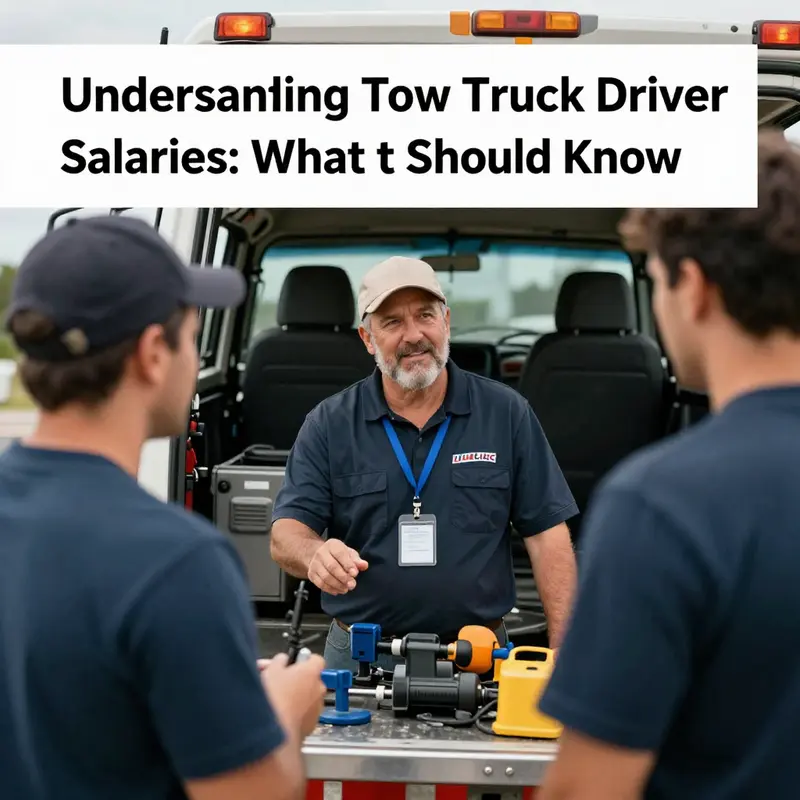
Experience and certifications play a decisive, sometimes transformative, role in how much a tow truck driver earns. The road is a blunt teacher: the longer you stay behind the wheel, the more skilled you become at reading road conditions, negotiating tight turns in traffic, and handling unpredictable emergencies with a calm, methodical approach. In the economics of tow work, skill, reliability, and safety aren’t abstract bonuses; they translate directly into pay. The more years you accumulate behind the wheel, the more you prove you can complete jobs efficiently, safely, and with fewer callouts that disrupt a fleet’s schedule. Employers value a driver who can arrive on time, assess the scene quickly, and select the correct recovery method with minimal risk. Those capabilities reduce downtime, lower the chance of damage to equipment and cargo, and improve customer satisfaction. All of these outcomes drive higher earnings, both in hourly wages and in after-hours incentives that fleets often package into compensation for experienced hands.
Across North America, the basic economics of tow work illustrate a simple truth: experience compounds. In the United States, the average hourly wage for tow truck drivers sits around the low twenties, but those numbers hide a steep gradient as drivers move from entry level into seasoned, trusted roles. A driver who can manage complex recoveries, operate multiple types of recovery equipment, and communicate effectively with dispatchers, insurers, and customers can command noticeably higher pay. The difference between a novice and a veteran can be measured in tens of thousands of dollars over a career, not just a few extra dollars per hour. This isn’t merely about putting in more hours; it’s about translating those hours into value added on every call.
In Canada, the pay story follows a similar arc, even though wage scales and provincial regulations shape the landscape differently. Entry-level wages in many provinces hover near modest hourly rates, but experienced drivers who work in high-demand markets or remote, resource-rich regions can see significantly higher compensation. The variation is stark. Cities with condensed traffic, higher demand for rapid response, and larger fleets tend to push the upper end of the pay spectrum, while rural or smaller-market roles may lag behind. Yet even within the same city, experience matters. A driver who has developed a track record for safe, efficient tows can earn more through both higher hourly rates and more favorable shift patterns or overtime opportunities. The rule holds on both sides of the border: experience reduces risk for the employer, and risk reduction is valuable enough to be rewarded financially.
Consider the mechanics behind this dynamic. Experience brings precision. With more miles comes a better sense of which recovery method to apply in a given scenario, whether you’re dealing with immobilized vehicles in heavy traffic or slippery, uneven terrain on a rural shoulder. A veteran knows when to delegate and when to take charge, how to sequence multiple calls in a tight window, and how to troubleshoot a rig that’s showing signs of wear. Experience also means a more predictable safety record. Employers prize drivers who can meet safety benchmarks because the cost of accidents extends far beyond a single incident. Insurance premiums, vehicle downtime, and the potential for liability claims all influence how a fleet budgets for labor. A driver who demonstrates reliability, reduces incidents, and consistently protects cargo improves the fleet’s bottom line. The math of pay, then, isn’t simply about hours worked; it’s about the quality and consistency a driver brings to the job site.
Certification programs are the other side of the earnings equation. Certifications signal mastery that goes beyond basic driving skill. A driver with endorsements for specialized equipment—like wreckers or flatbeds—shows they can handle a wider set of recovery scenarios. Certifications for hazardous materials handling, defensive driving, and safety compliance demonstrate a heightened commitment to safe operation under demanding conditions. These credentials are particularly consequential for work in commercial or municipal fleets, where the scale and complexity of calls demand more specialized capabilities. From the employer’s perspective, a certified driver reduces training time, accelerates onboarding, and lowers the risk of costly mistakes on the job. The value of those benefits is often reflected in higher pay. In practical terms, data from labor analysts and industry studies indicate that experienced drivers with additional certifications can earn roughly 20–30 percent more than entry-level drivers without such training. That range is not a universal guarantee, but it captures a market reality: credentials translate into tangible, scalable pay advantages.
A concrete example makes the point clearer, even while avoiding the clutter of company names or sales pitches. An experienced tow truck driver who holds a HAZMAT endorsement and operates within a state or provincial transportation framework can command a wage that advances toward the upper end of the pay scale. In situations where a driver is called to recover hazardous materials or to work on high-demand municipal routes, the combination of risk management and specialized skill justifies a higher standard of compensation. In contrast, a new driver fresh out of a basic training program, without endorsements, might find the starting range nearer the lower end of the spectrum. The gap isn’t merely about a higher number on a paycheck; it’s about the capacity to take on more complex assignments, fewer limitations on the types of tow that can be performed, and the ability to contribute to a fleet’s reliability during peak periods.
The relationship between experience, certification, and earnings also interacts with the broader labor market and regional characteristics. In markets with tight labor supply or high demand for rapid response—urban centers, major transport hubs, or remote resource sites—experienced drivers with relevant certifications often see a pronounced premium. The cost of downtime, the risk of vehicle damage, and the value of quick, professional service all feed into higher wages in these areas. By contrast, in markets with a steadier supply of drivers and broader competition among employers, the premium for certification may be more moderated. Still, the premium generally persists because the benefits to safety, efficiency, and customer satisfaction are universal. And even where price competition suppresses some wage growth, experienced, certified drivers commonly access more stable, less precarious employment than their less-qualified peers.
The economics also depend on the type of employer and the work environment. Municipal fleets, state or provincial agencies, and large commercial operators tend to reward experience and credentials more consistently, in part because they maintain standardized training protocols and compliance requirements. Large fleets also tend to offer pathways for advancement, such as lead technician roles, dispatch supervision, or fleet safety coordinators, where the compensation reflects additional responsibilities tied to experience and certification. In contrast, small independent operators often balance pay with flexibility and autonomy. While a self-employed driver can potentially earn more by controlling rates and call volumes, they shoulder higher overhead costs, insurance, fuel, vehicle maintenance, and downtime. In those setups, every additional pound of experience translates into more efficiency, better scheduling, and fewer expensive mistakes, which can lift net earnings even when gross hourly rates do not climb as steeply.
The educational and training landscape around these credentials matters too. For drivers in the United States, professional licensing and endorsements often align with formal CDL programs and state-specific requirements. A Class A or Class B commercial driver’s license, depending on the vehicle and the load, may be required for certain heavy-duty tows. In Canada, provinces vary in their licensing frameworks, with some regions recognizing Class 3 or other heavy-vehicle designations that permit certain types of tows and operations. Certification programs are not only about the ability to perform a wider range of tasks; they also symbolize a standard of safety and professional discipline that customers and employers notice and appreciate. The possession of a robust skill set can also reduce the perceived risk for insurers and fleets, which, in practical terms, lowers the total cost of deployment for the employer and strengthens the driver’s case for a higher wage. This is why seasoned drivers who have stacked multiple endorsements or specialized certificates are often the first considered for high-risk or high-stakes assignments.
The career path, therefore, tends to unfold along a trajectory: entry-level drivers build foundational skills, learn dispatch workflows, and accumulate on-the-road experience. As they demonstrate safety, efficiency, and reliability, they pursue specialized certifications that expand the scope of their work and the kinds of calls they can take. With more years behind the wheel, drivers gain access to higher-paying shifts, including night and weekend calls, which often come with premium pay and less competition for scarce hours. Some drivers transition into leadership roles within fleets, where their firsthand knowledge of towing operations informs policy development, safety training, and maintenance planning. The earnings implications of this progression are clear: every step up the experience ladder, paired with the right certifications, compounds earning potential in a way that raw tenure alone cannot.
Beyond the arithmetic of wages, it’s important to consider the qualitative benefits that experience and credentials bring to a driver’s professional life. A veteran driver with a solid safety record earns the trust of supervisors and customers alike. That trust manifests as more predictable scheduling, fewer punitive callouts, and a stronger track record during audits or inspections. On the ground, these drivers are more likely to be called for the most challenging recoveries or for shifts that require delicate handling of sensitive cargo or complex equipment setups. In a field where the next assignment can be a matter of seconds to decide the outcome of a scene, that kind of credibility—earned through time and certified proficiency—translates into tangible, recurring benefits in the form of more stable hours and higher overall compensation.
There is also a practical, almost tactical, dimension to pursuing certifications. When a driver stacks a handful of credentials—recovery equipment endorsements, defensive driving, and hazardous materials handling—they become pluggable assets within a fleet. They can fill gaps during peak periods, cover for colleagues in remote locations, or take lead on specialized responses. Fleets value that versatility. The more you can contribute across a spectrum of call types, the less you become a one-trick performer and the more you become a critical node in the operation. This is the kind of professional profile that recruiters and managers highlight when discussing compensation strategies for experienced personnel. It’s not only about the current pay rate; it’s about the long-term earning trajectory that those credentials unlock, often in the form of premium pay for complex calls, enhanced overtime opportunities, and a stronger probability of advancement into supervisory roles—roles that inherently carry higher compensation bands.
For readers seeking a practical path forward, the message is straightforward: invest in experience where it matters and pursue credentials that align with the kinds of calls you want to handle. Start by mastering the basics of safe vehicle handling, scene safety, and efficient call triage. Then identify the certifications that unlock higher-paying opportunities in your market. If you’re aiming for municipal or state work, prioritize endorsements that demonstrate readiness to handle hazardous materials or heavy towing on restricted roadways. If you’re drawn to private sector fleets, seek certifications that translate into the ability to service a broader fleet, work across multiple equipment platforms, and maintain compliance with safety and regulatory standards. As you accumulate credentials, maintain meticulous records of your training and performance metrics. Document your safety record, response times, and outcomes for difficult recoveries. This evidence becomes a powerful narrative when negotiating pay, applying for promotions, or seeking a new employer who recognizes the value of your expanded skill set.
Intertwined with the pursuit of experience and credentials is the reality that the labor market responds to market conditions, not just individual effort. Pay scales shift with regional demand, the pace of accidents and breakdowns, and the overall health of the transportation sector. The best strategy for a driver who wants to maximize earnings is not to chase the biggest hourly rate overnight, but to build a durable, scalable skill set that remains relevant across shifts, seasons, and different work environments. A driver who can deliver consistent, high-quality outcomes—on urban interchanges, rural highways, or in constrained spaces—will see a more resilient income path, even if the hourly rate fluctuates. This resilience comes from the cumulative benefits of experience: reduced downtime, fewer errors, stronger safety performance, and the trust earned from clients who repeatedly request the same capable operator.
To keep the discussion grounded in real-world context, it helps to consider how this topic fits into a broader understanding of tow truck work. The field rewards knowledge and judgment as much as speed and strength. A driver who can manage a risky scene with composure is inherently more valuable to any fleet. That value becomes quantifiable when you compare how wages diverge between drivers who stay at the entry level and those who have spent years cultivating a robust skill set and multiple certifications. The pay gap is more than a number; it reflects the trade-off between taking on complex, high-stakes jobs and the security of steady, low-risk assignments. In markets facing acute shortages of qualified drivers, those with certifications and proven track records often command additional premium, while in markets with abundant labor, the emphasis may shift toward efficiency and reliability—still, the credentials tend to maintain a clear edge in earning potential over time.
Finally, for those who want a concise synthesis: experience broadens your capability to handle a wider range of towing situations, reduces risk, and increases dispatch efficiency. Certifications document that you have mastered specialized responsibilities and safety practices, signaling to employers that you can perform at a higher level with less supervision. Together, these factors create a compounding effect on earnings. The more you accumulate in the way of miles, roles, and endorsements, the greater your leverage when negotiating compensation, choosing shifts, and pursuing advancement. The implications stretch beyond immediate pay to long-term career stability and opportunity. The paths you choose today—whether to pursue a core set of certifications, to seek experience in demanding markets, or to move into more complex fleets—will shape your earning trajectory for years to come. And in a field where the next call could be a life-saving or high-stakes maneuver, a driver’s financial prospects are inseparable from the professional competence earned through time, training, and disciplined practice.
For readers seeking further perspective on industry dynamics, the broader labor market data can provide useful benchmarks, especially when comparing how pay evolves with experience across borders. Real-time job listings and salary comparisons can shed light on current trends in your region and help you calibrate expectations as you plan your next career moves. To explore ongoing industry insights, you can visit a general tow industry blog that compiles practitioner experiences, market shifts, and practical career guidance. This resource is a helpful companion as you plot a course toward higher earnings through experience and credentials. The Island Tow Truck blog. While no single path guarantees a dramatic salary jump, the combination of sustained experience and targeted certifications consistently expands the horizon of opportunity, allowing dedicated drivers to command compensation that reflects the value they deliver on the road and at the scene of every recovery.
In sum, the financial arc of a tow truck driver’s career is not merely about clocking more hours. It’s about building a portfolio of proven, transferable skills and credentials that reduce risk, increase reliability, and unlock higher-value work. Experience earns trust and efficiency; certifications earn breadth and safety, both of which translate into higher pay over time. The smarter path is to cultivate both—with a clear eye on your regional market, your preferred types of calls, and the regulatory landscape that governs your work. If the goal is to maximize earning potential, the map is straightforward: accumulate credible experience, pursue meaningful certifications, and align yourself with employers who recognize and reward that proven value. Your pay will reflect the quality, consistency, and safety you bring to every job, from the first tow to the most complex recovery, and the journey toward a more lucrative and secure career will unfold with the discipline, patience, and professional pride that define skilled tow operators.
External resource: For official, structured industry data on earnings and job outlook, see the U.S. Bureau of Labor Statistics entry on Truck and Other Trailer Drivers at https://www.bls.gov/ooh/transportation-and-utilities/truck-and-other-trailer-drivers.htm
Final thoughts
As we have explored, the earnings of tow truck drivers can vary widely based on region, experience, and certifications. Understanding these dynamics is crucial for local businesses such as auto repair shops, car dealerships, and fleet operators. Awareness of these salary ranges not only aids in competitive hiring practices but also fosters healthy operational budgets. Investing in experienced drivers and encouraging certifications can enhance service quality while ensuring fair compensation.