Understanding how to find and utilize tow trucks in GTA 5 can transform your gameplay experience, especially for local auto repair shops, car dealerships, property managers, resort operators, and commercial fleet operators. Tow trucks aren’t just vehicles; they’re gateways to unique missions and lucrative opportunities within the game. This article will take you through where to locate tow trucks, essential tips for driving and using them effectively, and the economic advantages they offer through mission-related tasks. Each chapter builds upon the previous one, helping you grasp how vital these vehicles can be in both gameplay strategies and in-game financial success.
追踪与获取:在 GTA 5 世界中找到并掌握拖车的完整指南
如何在地图上识别拖车并做好准备
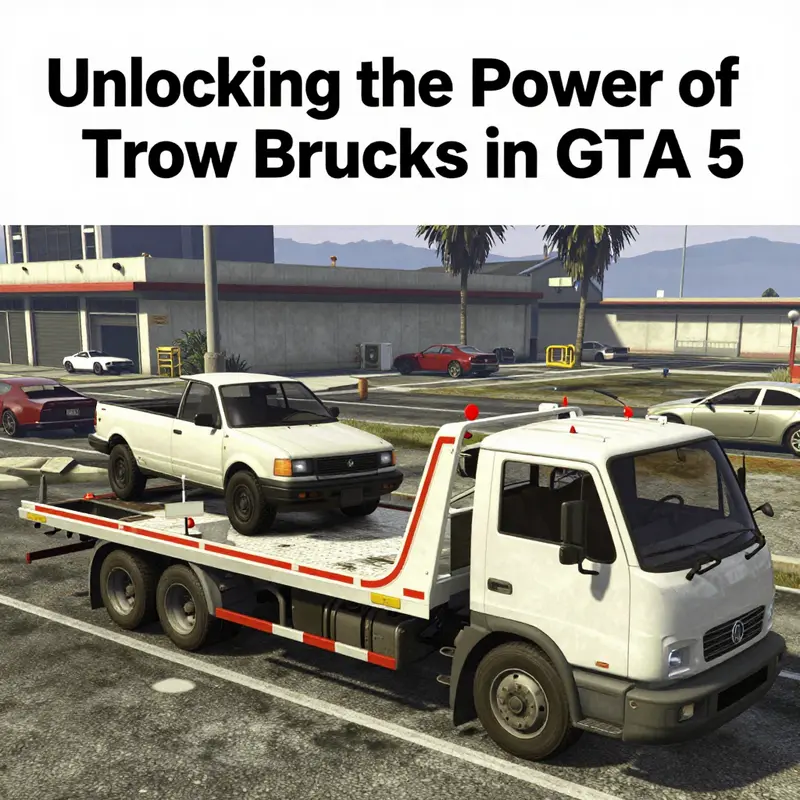
在《GTA 5》中寻找拖车不像买车那样直接。拖车不是常驻商店的可购买车辆,也不总是固定停放在某一地点等待玩家拿走。相反,它们更像是动态资源:有时作为任务载具出现,有时在废车场或路边随机刷新。掌握这点能让你把寻找拖车变成一项可控的行动,而不是纯靠运气的尝试。
首先,你需要把注意力放在几个关键场景上。任务流程是最可靠的来源。某些故事任务会把拖车作为任务道具交到你手里,完成后这类拖车往往可以被玩家长期保留。除此之外,城市边缘的废车场和靠近工业区的停车场是高概率出现拖车的地点。城镇小路、加油站旁或卡车停靠带也有可能偶遇那辆等待被驱动的拖车。所以,打开地图,熟记那些工业地带与废弃区域,并在沿途观察,这会大幅提升遇见拖车的机会。
找到拖车之前,建议先检查并调整你的游戏控制与背包设置。拖车操作比普通车辆更需要位置和速度感。拖钩的升降需要精准对齐目标车辆的车头或车尾,某些键位或手柄组合会更方便。PC 玩家习惯使用键盘快捷键来进行升降和放置(例如升降钩的组合键),而主机玩家通常用肩键或触发键搭配方向调节。熟悉这些控制能让你在第一次遇到拖车时就能顺利上手。
任务来源:最稳妥的拖车获得方法
在所有获取方式中,通过任务获得拖车是最稳妥且最直接的路径。游戏中的若干剧情任务会在特定阶段临时或永久给玩家一辆拖车。完成这些任务不仅会让你在短期内获得可驾驶的拖车,更常常会把拖车留在世界里供你长期使用。
例如,有些大型抢劫任务或追逐任务在结束时会让你乘坐一辆红色或黑色拖车离开现场。完成任务后,这辆拖车通常不会消失,你可以把它开走并停放在你的车库或其它可存车位置。把任务中获得的拖车带回家,检查它的损伤并根据需要送去改装,是把这类车辆变成常驻资产的关键步骤。
有人可能会尝试通过反复加载存档或重复任务来刷同一辆拖车,但这类方法既耗时又不总是稳定。比起这种做法,更实际的策略是熟悉哪些任务会提供拖车,并在完成任务后立刻把车转移到安全位置。这样,你不仅节约时间,也能避免丢失车辆带来的挫败感。
在世界中搜寻:高概率地点和时间窗口
若不靠任务,下一步就是弄清哪些地点最常出现拖车。废车场是首选。城郊的拆车厂、废料堆放区或港口的拖车维修处常年停放着各种重型车辆。把游戏地图当成一个网络:将你常去的路线和这些工业点串联起来,形成一条高效的巡查路线。短距离往返比从城市一端跑到另一端搜索更节省时间与燃料。
Paleto Bay 一带的小镇和围绕加油站、改装店的街道也经常出现经典款拖车。城镇规模较小,车流稳定,游戏在这些地方生成的特殊车辆概率更高。若你愿意在地图的偏远区域多花些时间,就能提高遇车几率。
另外,不要忽视随机生成机制。有时拖车会在街道、停车场甚至高速公路旁随机出现。开车巡航并保持留意路边车辆,是许多玩家发现稀有或意外车辆的常用策略。保持耐心,尤其在游戏晚间或清晨时段,车流量少,鲜见车辆更容易被注意到。
驾驶与操作:把握拖车的独特手感
一旦你找到了拖车,上手驾驶并非十分复杂,但有几个关键点值得牢记。拖车的体积与转向半径比普通车大,刹车距离更长。你需要提前减速并预判弯道。使用后视镜和长距离观察可以避免拖钩挂到不必要的物体上。
拖钩的操作是核心乐趣之一。将目标车辆对准拖车的钩子位置,缓慢接近,必要时微调高度或角度。拖钩升降通常需要组合键或特定按键。成功勾住后,车辆会被拉在拖车后方,物理表现会影响操控,尤其是在高速行驶或急转弯时。把拖着的车保持在稳定速度,可避免被拖车甩尾。
某些玩家会以拖车为基础做游戏内挑战,例如在高速公路上以高速度拖动车辆坚持若干秒数,或在狭窄道路完成精准倒库。要做到这些,需要平稳的油门输入、谨慎的方向调整和对地图环境的充分理解。
用途与利益:为什么要费心寻找拖车
拖车不仅仅是交通工具,它代表了多种玩法和收益。第一,作为实用工具,拖车能把损坏车辆拖回废车场或改装店,便于回收或修复。第二,拖车可以用于完成特定任务或挑战,解锁成就或获得金钱奖励。这些用途在单人剧情与线上模式中都很有价值。
此外,某些玩家会把拖车用作掩护或战术载具,例如在逃逸时利用拖车体积阻挡追击车辆,或用挂载车辆制造路线障碍。拖车还能作为移动工作台,玩家在一些自定义玩法中把它看作移动仓库或临时基地。
如果你喜欢收集或角色扮演,拖车还能丰富你的车队。将拖车改色、上装饰或升级引擎、悬挂系统,可把它变成独一无二的战术或展示载具。把任务中或废车场得到的拖车修好并收藏,能在多人模式中成为一个标志性坐骑。
实用策略:高效寻找与保留拖车的步骤
把寻找拖车的过程系统化,会让你更高效地获得并保留这类车。以下步骤能帮你节省大量时间:
- 事先准备:在前往高概率地点前清空车库空间,确保有位置存放新获得的拖车。备好修车资金与工具,方便第一时间维修。2. 优先任务:若你正在推进主线或支线剧情,优先完成那些会提供拖车的任务。任务结束后立即把拖车开到安全地点。3. 路线规划:把废车场、加油站和小镇的巡查点连成一条环形路线,经常往返巡查可以提高遇见拖车的概率。4. 夜间巡航:在交通稀少的时段巡逻更容易发现不常见的车辆。5. 存车与备份:把拖车存进你能访问的车库或安全屋。若不想永远占用一个存车位,可以利用游戏内的某些存车技巧把车辆留在可重复访问的位置。
这些策略结合能把偶然性的寻找变成一种可重复执行的活动。你会发现,随着经验积累,你遇到拖车的频率会显著提高。
常见问题与误区
很多玩家误以为拖车是全地图固定刷新的车辆,因此长期在相同地点等待。实际上,拖车的生成具有随机性和情境性,常常在特定任务或环境触发后出现。耐心和灵活的搜索策略比固守单一点更有效。
另一个误区是认为只能通过购买或模组获得更多拖车。虽然第三方模组确实能添加更多拖车类型和功能,但在未使用模组的原版游戏中,通过任务和巡检即可满足大部分需求。最后,别轻视小镇和偏远地区:这些地方常年保持固定生成池,遇见稀有拖车的几率反而更高。
拓展资源与进一步阅读
如果你希望将拖车作为日常工具来使用,或者想了解更多关于拖车在紧急响应与车队管理中的作用,可以参考一些现实世界的操作与策略资源,那些内容会帮助你把游戏里的操作想象得更加真实。一个相关的车辆服务博客提供了对拖车与车队管理的见解,对理解拖车的实用角色很有帮助:Tow truck blog.
在游戏内,社区汇总的地点坐标与玩家经验也非常有价值。一篇基于社区经验的拖车位置分析文章,对搜寻有显著帮助: https://www.susanarticle.com/gta5-tow-truck-locations/。这个资源汇集了玩家的实测坐标与刷新条件,适合在你准备实地搜索前作为参考。
通过把任务优先、地点巡检与稳健的驾驶练习结合起来,你可以把在《GTA 5》中找到拖车变成一项可靠技能。掌握了这套方法后,拖车既是你在洛圣都世界里的一件实用工具,也能成为多种玩法与创意挑战的起点。
掌握洛圣都拖车:实战驾驶与高效使用指南
掌握洛圣都拖车:实战驾驶与高效使用指南
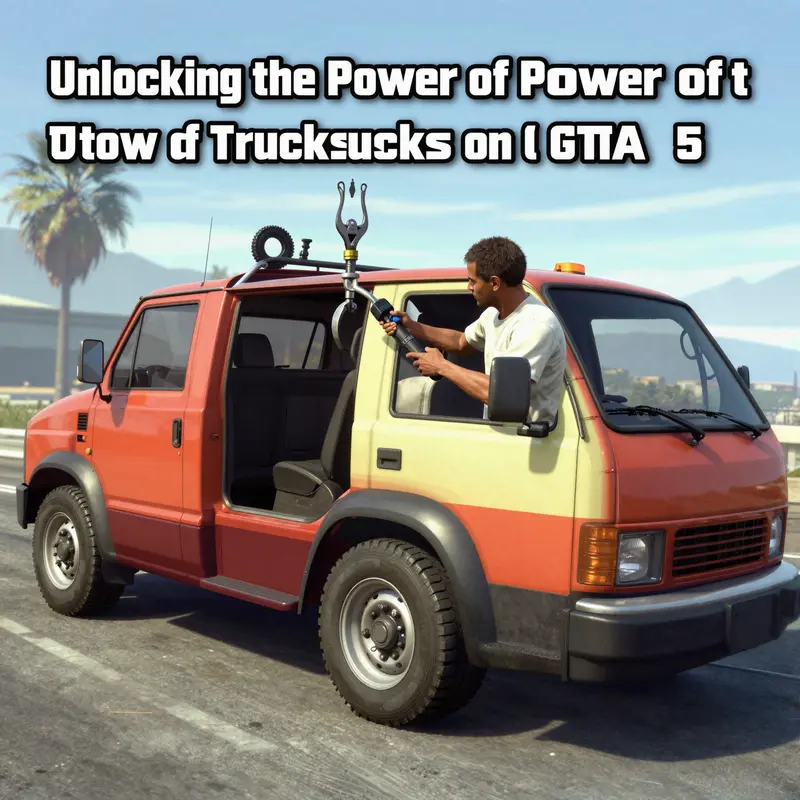
在洛圣都的街道上,拖车并非只是背景道具。它是工具,是任务关键,也是一个可以被精通的驾驶风格。要在游戏中高效地获取、操控和利用拖车,你需要把对位、钩控和驾驶三项技巧连成一套流畅动作。以下内容以连贯叙述的方式把这些技能串联起来,帮助你在单人剧情或在线模式都能成为可靠的“车辆搬运工”。
找到拖车只是第一步。拖车有多种来源:任务触发、商店偶遇以及地图上常见的垃圾场或废车场刷新点。优先考虑任务来源,因为那类拖车通常伴随引导任务,能够让你在安全环境中熟悉操作流程;若你偏好自由探索,绕到城郊的废车场或靠近机场的荒地扫荡,往往能随机遇见经典的拖车模型。无论来源,掌握上车、放下吊臂、调整高度与挂钩这四个动作,是让一切顺利进行的基础。
上车之后的第一件事是把拖车停稳并预判目标车辆的位置。最稳妥的挂钩方式通常是倒车对正目标车辆的前端,这样钩臂与车头对齐更容易触发连接判定。倒车时不要急躁,慢速微调方向盘,利用轻点油门和轻踩刹车来控制尾部对位。很多玩家犯的常见错误就是靠前进去直接勾住车辆,结果角度不正导致钩子无法触碰到判定区域,或者钩住后车辆出现卡顿。倒车法可以给你更高的容错率。
当你准备放下钩子,先确认高度。拖车的钩臂可以上下调节,正确的高度能保证钩子黏附在目标车辆的固定挂点附近。放下钩臂时,每次小幅度调整后观察是否出现绿色提示——那是系统在告诉你钩子已经进入可连接范围。若没有提示,微调车身或钩臂高度,直到提示出现。连接成功后,先以低速短距离拖行以确认钩牢,避免在城市快速路或有大量障碍的区域立即猛踩油门。
驾驶时的首要原则是平稳。拖着另一辆车等于多出一个长而容易摆动的拖曳体,任何突然的转向或急刹都会把被拖车辆甩离平衡,造成脱钩或翻车。循序渐进地控制油门,提前减速并使用更宽的转弯弧。遇到上坡或下坡,要以恒定的低速通过;下坡时避免长时间空挡滑行,保持稳定低档以利用发动机制动。驶过桥梁或高架道路时,注意侧风或前车引发的连锁反应,必要时减速到更安全的速度。
地形的选择也会直接影响拖运成功率。市区的平坦马路与停车场是最适合挂钩和短途拖运的环境;崎岖路面、狭窄山路和碎石地会大幅提高脱钩概率。若必须穿行复杂路段,提前放低钩臂以降低质心摇摆,并减慢车速,避免与路肩或路障发生侧碰。对于需要长距离运输的大型或重型车辆,优先选择主干道和长直路段,这样可以维持稳定速度并减少转向操作。
部分拖车配备可升降托板,这在拖运重型车辆时非常有用。使用托板的流程稍有不同:先将托板放下,调整好与目标车辆的对齐,然后引导或倒车使目标车辆进入托板的绿色指示区域,锁定后再升起托板完成装载。托板方式的优点是稳定性强,被拖车辆几乎不会发生摆动,但它通常更适用于平整场地的装载,且对操作精度要求更高。练习时可以把托板操作视为精密版拖运,专门在停车场或开阔地带练习几遍,熟练后在任务或碰到昂贵载具时优先使用。
多人协作能显著提高拖车效率。在在线模式中,一名玩家驾驶拖车,另一名玩家站在被拖车辆附近或控制被拖车辆的方向盘(若被拖车辆还能驱动),可以通过协调减少摆动并快速通过复杂路段。通过语音或文字沟通,提前约定加速、减速和转弯节奏会让整个拖运过程像配合良好的团队任务一样顺利。此外,多人合作也方便在需要搬运多辆车辆或在有敌对玩家干扰的环境完成任务时分工明确:一人负责导航与驾驶,另一人负责防御或处理突发状况。
网络环境对拖车操作也有影响。PC玩家在网络延迟高时会遇到控制输入的不同步问题,这会让钩子判定或拖行稳定性变差。若你常在在线模式中进行拖运任务,考虑优化网络连接或使用稳定化工具以减少延迟,会带来显著改善。延迟降低后,钩臂与挂钩判定会更易掌控,减少因瞬时同步丢包导致的脱钩情况。
拖车用途远不止把车送到修理厂或卖掉。它可以成为创造性的工具。拍照爱好者可以把昂贵车辆拖到城市天台或海边做场景摆拍;喜欢挑战的玩家可以设定时间限制,尝试在限定时间内把被拖车辆安全运抵指定地点;在任务中,拖车能作为移动障碍或运输平台,协助完成某些需要转移大型载具的任务。利用这一点可以把日常看似普通的载具操作,转化为独特的玩法体验。
常见的问题通常可以归结为几项:钩子对不准、被拖车辆摆动过大、行驶中脱钩以及拖车本体受损。解决这些问题的关键都是回到基础操作——慢、稳、对位。若钩子对不准,别慌;回到目标车辆的侧后方,进行细微倒车校正。若摆动过大,减速并在直道上短暂直线行驶以消除摆动余波,然后继续转弯。若脱钩频繁,检查是否在不适合拖运的地形或速度过高。拖车受损后尽量把车开到修理点,避免在任务关键时刻失去拖车。
为了提高成功率,建议在设置中自定义按键以符合你的操作习惯。把钩臂升降与连接键设在更容易快速按到的位置,可以让你在需要细微调整时更流畅。对键盘玩家尤其重要,而手柄玩家应熟悉摇杆与按键的配合,避免在临界时刻按错按钮导致连接失败。
掌握这些实战技巧后,你会发现拖车在游戏世界中的价值远超想象。它不仅能帮你赚钱,完成任务,还是一种工具化的玩法扩展。用拖车搬运受损车辆去回收,既能清理地图上的障碍,也能变废为利;把某些事件中的目标车拖走,能触发新的任务或剧情分支;在多人模式里,拖车则是团队配合的试金石。
如果你希望持续提升效率,建议把日常练习纳入游戏时间:选择一个开阔停车场,反复练习倒车对位与托板装载,记录每次速度、角度与结果,逐步形成肌肉记忆。练习内容不需要复杂,一次完整的挂钩、拖行与释放循环就足够让你在真正任务中表现稳定。随着熟练度提高,你会自然而然学会在狭窄空间或交通密集区域完成拖运,而不会被突发状况打乱节奏。
一旦你把这些技巧融会贯通,拖车在洛圣都就会变成你工具箱里可靠的一环。无论是完成剧情任务,还是在开放世界中找乐子,抑或在多人模式里承担后勤运输角色,拖车都能让你以一种更精细、更专业的方式影响战局与玩法体验。
若你需要查阅官方操作说明以确认按键或新版本的细节,请参考官方游戏指南(official game guide)以获取最新资料。同时,如果希望看到直观的操作示范或模组扩展,可查阅社区资源以获取演示与拓展建议。
内部参考:查看这篇专题博客以获取更多拖车相关的实用技巧和场景灵感。
外部参考:官方操作说明与更新记录可在此查看: https://www.rockstargames.com/gta5
Tow Truck Economics in GTA Online: Unlocking Revenue from the Scrapyard
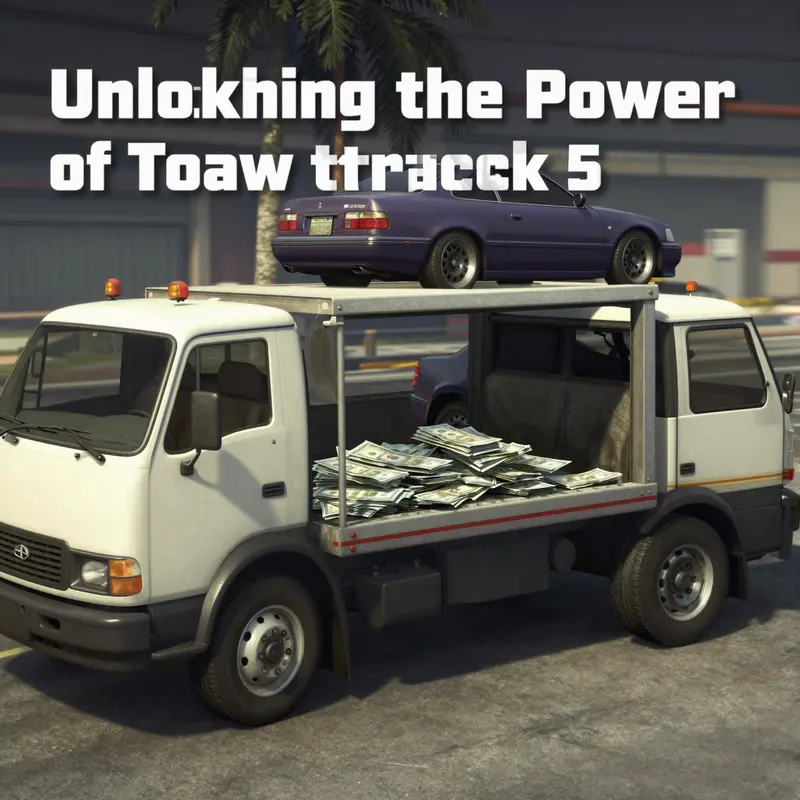
The ordinary image of a tow truck in GTA is simple enough to grasp in a quick glance: a big mechanical arm, a hook, and a job to do. But in the online economy of Grand Theft Auto V, the Tow Truck is far more than a utility vehicle. It is a financial instrument anchored in the Scrapyard system, a core component of a broader business strategy that blends active tasks with passive income streams. This is not about a single mission or a momentary score; it is about an enduring operational model that can transform a player’s approach to cash flow within the game. The distinction between what players might expect in a story-driven GTA V and what GTA Online rewards in a carefully managed tow-truck operation becomes clear when you begin to map out the mechanics, the timing, and the strategic choices that shape weekly earnings. In the Online environment, the Tow Truck is the gateway to a chain of profitable activities that interact with the Scrapyard’s two hoists, the Safe Deposit Box, and the broader public demand for vehicle salvage. The result is a high-value, scalable engine that rewards planning, efficiency, and consistent engagement rather than a few isolated wins. As a starting point, you must understand that the Tow Truck service is not simply a vehicle or a one-off mission you complete for a payout. It is a system—with a clear chain of value, constraints, and optimization opportunities—that invites players to think like car-recovery entrepreneurs rather than casual drivers. The core of that system lies in the specific way GTA Online structures the salvage workflow, the pay scales attached to each recovered vehicle, and the timing that governs how quickly you can turn a heap of scrap into cash. This is where the Tow Truck moves beyond its roadside appearance and becomes a strategic asset. The fundamental economics are straightforward on the surface: each vehicle you recover and deliver to the scrapyard yields a substantial payout, one that remains consistent regardless of the original vehicle’s price or rarity. This is a deliberate design choice; the game ensures a predictable return that supports long-term planning. The payout range—between thirty thousand and forty thousand dollars per vehicle—reads like a windfall compared to many other in-game activities. It is a data point that anchors decisions about fleet size, staffing, and workflow. If you factor in the operational realities of the Scrapyard, the math becomes more nuanced but still favorable. The object is not merely to haul cars; it is to optimize throughput while balancing the considerations of downtime, staffing, and the systemic effects on other revenue streams within the same economic loop. The setup for this is clean and replicable: purchase a Scrapyard with the Tow Truck add-on, unlock the associated towing tasks, and gain access to a dedicated workflow that channels recovered vehicles into the scrapyard for parts recovery. Each completed recovery adds to a running income stream that can be both active and passive, depending on how you structure your labor force. The passive dimension arises from the fact that the game timers continue to run even when you are offline. If you initiate a tow, step away, and log out, the payout accumulates in the background, ready for when you return. This off-line processing feature is not incidental; it is a deliberate design choice that makes the Tow Truck business a practical option for players who want their cash flow to keep ticking even when they are not actively playing. Yet the system is not a blunt hammer of constant payouts. It imposes limits that shape the scale of the operation. Each Scrapyard is equipped with two hoists, or cranes, meaning you can process only two vehicles at a time. The implication is clear: throughput is bounded not by the payout per car but by the rate at which you can cycle vehicles through the two available slots. To raise throughput you must plan ahead, perhaps invest further in infrastructure or staffing, and time your cycles so that you maximize the use of those hoists. It is a demonstration of how GTA Online marries the elegance of simple mechanics with the complexity of business logistics. The Tow Truck workflow also integrates with another pillar of the online economy: the Safe Deposit Box. The game uses a layered income model in which your Scrapyard activity boosts the base payout you receive from the Safe Deposit Box, and this boost is linked to the activity level or “popularity” of the Scrapyard. At its most granular level, the base payout for Safe Deposit Box is tied to a simple popularity metric that grows with player activity. In practical terms, this means that more frequent visits and more frequent cashouts from the scrapyard can lift your recurring income, but only up to a cap and with dynamics that reward sustained attention. For instance, when popularity sits at 15 percent, the base payout for the Safe Deposit Box sits at a predetermined amount, such as four thousand dollars. If you deploy an employee to assist with operations, that base payout rises to four thousand eight hundred. The interplay between the two components—Tow Truck recoveries and Safe Deposit Box income—achieves a synergy that can amplify weekly revenue. However, this synergy is not infinite. Popularity increases with activity but decays at a fixed rate: after each forty-eight-minute interval, popularity declines by five percent. This creates a cycle where frequent cashouts and timely reinvestment can maintain higher returns, while letting the popularity factor erode without careful scheduling. The system also imposes a practical ceiling: the Safe Deposit Box has a storage cap of two hundred fifty thousand dollars. Once your cash reserves approach this threshold, you must regularly cash out to prevent overflow and to maintain an optimal rate of return on investment. Taken together, these mechanics paint a picture of a business that rewards disciplined management over sporadic bursts of activity. The Tow Truck operation, in this sense, is not just about the moment of picking up a car and driving to the scrapyard. It is a holistic rhythm—collection, transport, processing, and reinvestment—woven into a weekly cadence that makes the operation feel like a real enterprise within the game. For players who want to push the boundaries of profitability, the math encourages a mix of strategies. If you hire one employee, you cut down the time it takes to process a single vehicle from ninety-six real-time minutes to forty-eight minutes. This halving of cycle time increases throughput and compounds earnings, but it comes with its own cost: the expense of wages and the obligation to manage another asset in your business ecosystem. The efficiency gains, however, can be substantial, especially when multiplied across multiple cycles and aligned with the Safe Deposit Box’s payout uplift. The overall conclusion from these mechanics is that the Tow Truck service at the Scrapyard is a high-value, scalable economic engine within GTA Online. It supports both active, hands-on gameplay and a sophisticated form of passive income. The combination of a fixed high payout per vehicle, offline processing potential, dual-hoist throughput, and the dynamic Safe Deposit Box system yields a multi-faceted profit engine that can scale with player ambition. This is not simply a question of how many cars you can tow in a session; it is a question of how well you can coordinate labor, cash flow, and timing to maximize revenue over weeks rather than hours. The strategic takeaway is clear: the Tow Truck operation is best utilized when treated as a core business tool rather than a one-off side activity. It becomes a backbone of a broader economic strategy that can be refined with careful scheduling, disciplined cash management, and an understanding of how the Safe Deposit Box responds to your activity levels. In practice, players often weave tow-truck activity into a larger playbook that includes other high-volume, high-value tasks—one example being the use of a tank to create opportunities for rapid scrapyard income by removing vehicles in densely trafficked areas. While the tactic of destroying vehicles can yield quick returns, it is typically less efficient on a per-vehicle basis compared to targeted towing, where each recovered car contributes a predictable, substantial payout. The smarter approach respects the value curve of each approach: use the Tow Truck to build a steady, predictable stream of income through careful scheduling, and consider limited supplementary tactics that complement throughput without undermining core profitability. For readers seeking a broader sense of how to scale a GTA Online fleet, there are resources that delve into fleet design, emergency-response planning, and fleet-wide optimization. A useful reference is The Island Tow Truck Blog, which offers insights into practical fleet management and deployment. For a closer look at how this chapter fits into larger fleet strategies, you can follow this discussion at The Island Tow Truck Blog. The article there frames the Tow Truck within the context of island-wide logistics, helping players translate individual job cycles into an aggregated, revenue-driven plan. Importantly, the mechanics described here have remained stable enough to support long-term planning, but they are not impervious to change. Rockstar Games updates can shift balance, adjust payouts, or alter the way popularity interacts with Safe Deposit Box earnings. Players who want authoritative, up-to-date clocks and payout figures should consult the Rockstargames Support Page and related official advisories. In practice, a disciplined player builds a rhythm around the Scrapyard—one that respects the cycle times, the two-hoist limit, and the feedback loop tied to the Safe Deposit Box. The cyclical nature of popularity, and the finite storage in the Safe Deposit Box, encourages regular cashouts and reinvestment rather than letting income accumulate passively without any management. This is the core reason why the Tow Truck operation remains a staple of advanced GTA Online economies: it rewards strategic thinking as much as it rewards steady hands behind the wheel. The practical implication for players who want to maximize profits is to synchronize tow cycles with cash-out windows, optimize staffing to reduce cycle time, and maintain a disciplined approach to reinvestment. The human element—the choice to hire an employee or to manage the operation single-handedly—has a tangible impact on long-term profitability. The decision often hinges on a simple trade-off: the immediate cost of wages versus the opportunity to complete more cycles per unit of time. For those who value speed and scale, employing a single assistant can cut total processing time in half, effectively doubling the rate at which you can deliver vehicles to the scrapyard and realize payout. For players who prefer lean operations, running without staff can still yield substantial returns, provided you maintain a steady cadence and avoid letting the two-hoist bottleneck go unaddressed by scheduling your cycles efficiently. In sum, the GTA Online Tow Truck workflow is a carefully designed convergence of clear pay-per-vehicle economics, predictable timeframes, and interlocking components that reward disciplined, long-horizon planning. It is not a flashy, one-mission sprint; it is a steady, scalable engine that rewards building and balancing an in-game business. The unique combination of high per-vehicle payout, the ability to run cycles offline, and the structural limits of the Scrapyard create a dynamic that invites players to think in terms of throughput, leverage, and risk management. If you want to understand where the tow truck fits within the broader GTA Online economy, the Scrapyard is the anchor. It is the place where two hoists, a handful of vehicles, and a carefully managed cash reserve converge into a powerful financial engine. The fact that you can approach this system from multiple angles—whether you focus on the core tow tasks, the Safe Deposit Box, or diversified financing—speaks to the robustness of the design. It invites experimentation and gradual scaling, rather than a single, dramatic windfall. And that is precisely what makes the Tow Truck an enduring fixture in the GTA Online landscape: a vehicle that is not merely used, but strategically leveraged to sustain a resilient, expanding in-game business. For players who want to explore the mechanics themselves, a practical starting point is to familiarize with the core numbers—$30,000 to $40,000 per vehicle, 96 minutes of cycle time without employees, 48 minutes with one employee, the two-hoist bottleneck, and the Safety Deposit Box’s growth and cap. With this knowledge in hand, you can begin to sketch scenarios: how many cycles you can run in a typical week, how much you should invest in an employee to compress cycle times, and how to time cashouts to prevent the Safe Deposit Box from reaching its storage ceiling. You can also experiment with how to align tow cycles with other high-earning activities in your GTA Online calendar, always mindful of the dynamics of popularity and its erosion over time. This chapter has offered a cohesive view of the Tow Truck’s economic value and its ties to the broader task network in GTA Online. The goal has been to illuminate not only where the Tow Truck sits in the game’s geography but how it sits in the player’s strategic planning. The savings are tangible, and the opportunities for scale are real, provided players approach the Scrapyard as a serious business with disciplined cash management, careful scheduling, and a clear eye on throughput. For readers who want to keep exploring the practical edges of this system, one external resource offers a detailed modder’s perspective while the core mechanics described here remain relevant: https://www.gta5-mods.com/vehicles/tow-truck.
Final thoughts
In GTA 5, the tow truck offers more than just a method for transporting vehicles; it serves as an integral tool for players aiming to expand their economic ventures and gameplay experience. By knowing where to find tow trucks, mastering their operation, and understanding the economic tasks associated with them, players can significantly enhance their game. Tapping into the potential of tow trucks not only enriches the narrative of the game but can also lead to financial gains. Embrace the versatility of the tow truck, and let it drive your GTA 5 success!