
Navigating the road can sometimes lead to unexpected detours, and when you’re stranded, tow truck drivers become essential lifelines. Yet, as you consider the aftermath of receiving such immediate aid, a question arises: Should you tip your tow truck driver? This decision often varies based on multiple factors, including location, quality of service, and cultural norms. Through this article, we will explore the etiquette of tipping tow truck drivers, when tipping is appropriate, the economic aspects surrounding it, cultural attitudes towards the practice, and best practices for when and how you might offer a gratuity. Each chapter aims to equip local auto repair shops, car dealerships, property managers, resort operators, and commercial fleet operators with insights to navigate this often-overlooked aspect of roadside assistance.
Tow Truck Etiquette on the Open Road: When to Tip, and Why It Isn’t Required
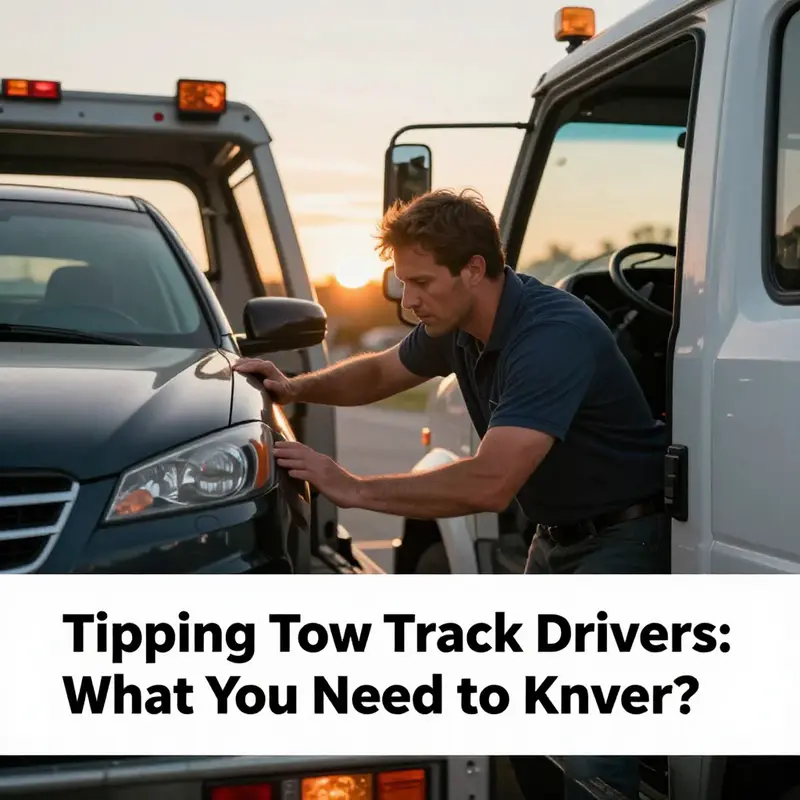
A roadside moment often arrives like a little storm: a stalled vehicle, a distant clang, and a tow truck arriving with the hum of a diesel engine and a calm, professional pace. The question of tipping surfaces not as a contractual obligation but as a social gesture. The straightforward answer is that tipping is not expected for standard towing services. The fuller answer is that it is situational: it depends on location, company policy, and the extra care a driver offers in a challenging moment. The service fee you pay typically covers labor, time, and equipment, and many firms discourage tips to avoid any appearance of bias. Yet exceptions exist, and in those moments a small gesture of gratitude can feel appropriate.
If the driver goes beyond the call of duty—late at night, in bad weather, or when they spend extra time explaining the next steps—many people choose to offer a modest tip. A range of five to twenty dollars, handed directly to the driver after the work is completed, is common in many regions. The key is to tip only if it reflects genuine added effort and to avoid pressuring the driver or altering the transaction.
A practical step is to check the towing company’s tipping policy in advance. Some firms discourage gratuities to maintain impartiality; others welcome a voluntary token for exceptional service. If you decide to tip, keep it discreet and express your thanks with a brief word. You can also acknowledge the driver’s professionalism aloud to reinforce the value of reliable service.
Regionally, attitudes toward tipping in towing vary. It’s not universal, and it’s sensible to treat tipping as discretionary and tied to the quality of service rather than a fixed expectation. If you have ongoing roadside needs with a particular company, you can learn their stance as part of routine contact. Ultimately, tipping remains a personal gesture—modest, respectful, and offered freely when service exceeds what is typical.
If you want to learn more about etiquette around tips, broader guides can provide context, and staying informed about local policies helps keep encounters smooth and fair. The overarching idea is simple: prioritize safety and courtesy, and view tips as a voluntary acknowledgment of outstanding effort rather than a requirement.
When Moments Earn Gratitude: Navigating the Right Time to Tip a Tow Truck Driver
A roadside breakdown or a stalled vehicle arrives without warning, and a tow truck driver becomes the quickest thread stitching together a crisis into a solvable moment. In those tense minutes, the question of tipping can feel like an extra calculation to perform at a time when every decision matters. Yet the etiquette around tipping a tow truck driver is less about rigid rules and more about the alignment of service, context, and local practice. The core message across most guidance is simple: tipping is not required, and it is not the standard expectation in the towing industry. The price you pay for a tow, usually agreed upon before service, already accounts for the work involved. Many reputable towing companies even discourage tips to avoid the possibility of favoritism or conflicts of interest. Still, generosity can be meaningful when it reflects genuine appreciation for exceptional service. In that spirit, a small gesture can be appropriate and appreciated if given freely and without pressure, especially when the driver has gone above and beyond a routine job.
The practical reality is that towing is a service business with professional, standardized practice. A driver’s responsibilities include safety, vehicle handling, coordination with dispatch, and clear communication with the customer. When those duties are performed with poise under pressure, the experience can feel markedly better in the moment. A driver who arrives promptly in an emergency, who maintains a calm, respectful demeanor, who explains options clearly, and who helps with tasks that extend beyond a simple hook and pull—such as jump-starting a battery, offering guidance about insurance processes, or arranging secure transport for a vehicle after an incident—creates a value that can justify a gesture of gratitude. In those instances, a tip—typically modest in size, usually in the $10–$20 range—can be a nice acknowledgment, provided it is voluntary and not solicited.
But the nuance matters. When the weather is hostile, when access is difficult, or when the service requires additional effort—pulling a car from a ditch, navigating narrow driveways, or making a long haul through challenging terrain—the driver’s exertion becomes more noticeable. In such cases, a tip can serve as a tangible sign of appreciation for effort that extended beyond the ordinary. This aligns with how many people think about tipping in service contexts more broadly: it’s less about an obligation and more about recognizing a notable contribution in the moment. Moreover, the way a driver interacts with a stranded motorist can influence the emotional terrain of the entire experience. A driver who stays communicative, transparent about the process, and patient when questions arise can transform stress into a sense of being cared for, even in a moment that feels precarious. In those exchanges, a small tip can function as a courteous thank-you for excellent customer service, not as a payment for the service itself.
Nevertheless, the timing, method, and amount of any tip deserve attention. A tip should never be a forced expectation; it should be completely voluntary, offered without any hint of compulsion or bias. The guidance circulating in consumer finance resources emphasizes that tipping is not the standard in most regions, and many companies adopt policies to discourage tips to maintain fairness. In practice, that means there should be no pressure from the driver or the company to tip, and customers should feel empowered to decline if they are uncomfortable. When a tip is given, it should be discreet and straightforward. A cash tip handed directly to the driver can be both practical and immediate, but digital alternatives are increasingly common as well. Either way, the sum should reflect personal judgment and satisfaction with the service, not a negotiation of the price already paid.
Beyond the act itself, the broader context matters. Local customs, company guidelines, and even the specific circumstances of the tow all shape how a tipping decision feels. In some cities or regions, tipping is more customary than in others, even within the same country. Some companies explicitly discourage tipping, while others may not object to small expressions of gratitude. The safest approach is to check local norms and, when possible, to consult the company’s published policy. If a driver is employed through a larger network, their behavior—politeness, reliability, and safety conscientiousness—may be the better signal of value than any monetary gesture. In emergencies, where the stakes are higher and the service becomes a lifeline, a tip can be a considerate way to acknowledge reliability and care without implying that the service was difficult or expensive to obtain.
From a broader perspective, the conversation about tipping tow truck drivers intersects with how we value skilled labor that is often performed in difficult conditions. Tow truck professionals are trained and licensed to operate in potentially dangerous environments, with a responsibility toward vehicle safety, personal safety, and the safety of others nearby. The focus, therefore, should remain on ensuring that drivers are licensed, insured, and operating within safety guidelines. The tipping question is secondary to that baseline standard of trust and accountability. A thoughtful person will appreciate the driver’s efforts and the quality of service more than any monetary exchange, and will avoid any insinuation that a tip is a substitute for appropriate licensing or competent practice.
In this framing, a tip becomes a signal of appreciation rather than a component of the price. It is a small, voluntary act that recognizes exceptional service without turning into a requirement. If one chooses to tip, a modest range of $10–$20 often captures the sentiment without creating a sense of obligation or distortion of expectations. The key is to extend the gesture with grace and without dramatics, ideally as the interaction concludes and the driver’s work is complete. The gesture should be uncomplicated, with the tip offered directly to the driver or left in a manner that respects the driver’s preference and the company’s policy. If the driver declines tips, which some policies encourage as a standard practice, the customer should respect that choice and not press the matter further.
To deepen the practical grounding, consider how this aligns with broader consumer guidance. Tipping is framed as a voluntary acknowledgment of above-and-beyond service rather than a mandatory fee. When evaluating whether a tip is appropriate, one can reflect on several cues: Was the response swift and reliable in a difficult time? Did the driver handle the vehicle with care and professionalism? Was communication clear, informative, and reassuring while the situation unfolded? Was there a helpful extra step—like facilitating insurance contact or providing practical advice about next steps? If the answer to these questions is yes, a tip may be a fitting thank-you for work that extended beyond the simple act of towing. If the answer is no, or if the service was routine and unremarkable, the most prudent posture remains non-tipping, aligning with industry norms and company policies.
This nuanced approach is reinforced by reliable consumer guidance. For a broader view of tipping practices and expectations within the towing industry, readers may consult established financial resources that summarize common standards and regional variations. Additionally, to see how this topic integrates into a wider discourse on emergency response and fleet operations, you can explore related material in the industry’s online conversations and professional discussions, such as resources that discuss emergency preparedness and crisis response for fleet operations. For broader context on towing operations and safety, you might also find value in a dedicated industry blog that surveys outcomes, best practices, and policy considerations. See the related discussions here: The Island Tow Truck blog.
Finally, while tipping can be a meaningful expression of appreciation in certain moments, the overarching priority remains clear: verify that the driver is licensed and insured, and confirm that the service is conducted with safety and professional standards at the forefront. The price you pay for a tow is the cost of the service, not an implicit contract that requires a tip. If you choose to show gratitude, do so with discretion and kindness, recognizing that it is a personal gesture rather than a procedural obligation. If you want to explore how towing services integrate within broader emergency response planning and fleet readiness, the industry offers a range of resources that connect on-the-ground service with strategic preparedness. In the end, the most meaningful outcome is a driver who feels respected, a vehicle that has been handled with care, and a customer who feels supported through a stressful event.
External resource: https://www.thebalance.com/should-you-tip-a-tow-truck-driver-3306189
Tow-Tips and the Road Economy: Understanding When to Tip a Tow Truck Driver
When a tow truck arrives at a broken down car, you may wonder whether to tip the driver. The answer is not simple. In many places tipping tow truck operators is not a standard expectation, and the fee you pay for towing typically covers the service. The contract or fixed rate covers labor, equipment, insurance, and dispatch costs, and in some jurisdictions company policy may discourage tips to avoid conflicts of interest. Yet the roadside economy is diverse, and there are moments when a small gesture of gratitude can feel appropriate and appreciated. Tipping in towing operates on a different axis than in restaurants or taxis. Service quality matters, but within a framework of transparent pricing and professional boundaries. Tipping is voluntary, not required, and should be discreet. The policy landscape and regional differences vary, but the underlying principle remains consistent: tipping should reflect appreciation for service that goes beyond the ordinary, not substitute a service that was already fairly compensated. In a stressful roadside moment, a driver may stay on scene longer, coordinate with others, or offer safety guidance; a small thank-you can acknowledge that effort without altering the pricing structure. If you are unsure whether to tip, let your experience guide the amount. A modest tip, given freely and without expectation, can be meaningful when the service stands out. A common range is about five to twenty dollars, recognizing extra effort rather than paying for the core service. If you decide to tip, hand the tip directly to the driver with a brief thanks; some drivers may decline, and that should be respected. For fleets, emphasize clear service standards rather than encouraging tipping; tipping can be appropriate in exceptional circumstances, but it should not be relied upon to improve or guarantee future service. For readers seeking broader guidance on tipping, industry sources discuss ethics and labor practices in towing and related roadside services, available through professional associations and regulatory guidance.
Tow Truck Tipping Across Borders: Cultural Clues, Not Rules

On a rain slick highway shoulder, a tow truck arrives with flashing lights and practiced calm. The moment is stressful, and a gesture of gratitude can feel appropriate. But tipping rules vary by country and even by company, and there is no single right answer.
In the United States, tipping is common for exceptional service in many settings, including roadside assistance. If the driver goes beyond basic help—arriving quickly, calming you, or handling the vehicle with care—a tip of five to twenty dollars or more may be appropriate, depending on budget and the situation. Some invoices include a service fee, which can blur the line between charge and gratuity; in that case tipping is not required to duplicate that fee.
Across Europe, tipping is often optional or built into the bill. In the UK, Germany, or France, a cash tip may feel unnecessary when a service charge is already included. In such contexts, a simple thank you and respectful behavior can substitute for a larger gratuity. If you do tip, a modest amount is usually sufficient and considerate of local norms.
Canada sits between these extremes. A discreet tip for standout help is common, but not compulsory. A small gesture reflects appreciation for calm communication, practical help, or safe handling of the vehicle.
Practical tips: read the invoice for a service or dispatch charge; if a fee is already charged, tipping may be redundant. If you choose to tip, five to twenty dollars is a reasonable range for most emergencies, higher for more serious rescues. In all cases, tipping remains voluntary and should reflect the level of service and your budget.
Finally, when traveling across borders, take a moment to observe local norms and let them guide your gesture. A thoughtful, respectful expression of gratitude often matters more than the exact amount.
Tow Truck Etiquette: Navigating the Space Between Service and Gratitude
A tow is a practical exchange, not a hospitality moment. When you call a tow truck, you enter a professional service agreement with a provider who arrives to assess, stabilize, and transport your vehicle to a destination you choose. In many regions tipping tow truck drivers is not a customary expectation. Fees, distance, time, and vehicle type determine the price, and those factors are usually set by a prearranged contract or posted rate. It is common for towing companies to have policies about tips to keep the relationship between driver and client clear and free from favoritism or influence. Because tipping is not the standard in this line of work, most people treat the exchange as a straightforward service transaction, similar to other professional recoveries or roadside supports that charge a fee for a defined task rather than for personal appreciation.
Yet the absence of a universal tipping norm does not erase places where a tip can be meaningful. If a driver goes beyond the call of duty—staying with you through a dangerous moment, assisting you in a difficult emergency, offering clear practical advice about your vehicle, or coordinating a safe drop-off in a tight deadline—the spirit of gratitude can be expressed in a small voluntary gesture. In these moments a tip can act as a tangible thank you, signaling that the extra effort was noticed and genuinely valued. The recommended range, when a tip feels appropriate, tends to fall between five and twenty dollars. This range preserves the practical support the driver already provides while recognizing exceptional service without creating an expectation that every tow must be rewarded with a tip. The balance here is crucial: it should be entirely voluntary, given without mentoring or coercion, and framed as a personal expression of appreciation rather than a transactional add-on that the driver must deliver in every circumstance.
To understand how to navigate this space, it helps to consider the context. The time of day and the urgency of the situation often shape the interaction. An overnight tow after a long wait in cold weather can be more taxing than a routine tow in daylight. A driver who offers additional safety checks, explains the steps they are taking, or helps you plan the route to a repair shop in a calm, informed manner can leave you with a sense of genuine care about your situation. In such cases a tip is less about the money and more about acknowledging a level of service that exceeds the ordinary boundaries of the contract. The same logic applies when the driver shares practical maintenance tips or safety considerations that may prevent future trouble. In those moments a small gesture can reinforce a positive, constructive relationship between customer and professional, one that encourages courteous, transparent service in the future. For readers seeking broader guidance, practical perspectives on tipping are discussed in reputable personal finance outlets, which point to the same core idea: tipping is situational and not universally expected, but it can be appropriate when service is demonstrably outstanding.
Of course all of this sits inside the realities of employer policies and regional norms. Some towing companies explicitly prohibit accepting tips to avoid misperceptions about favoritism or influence. Others may permit tips but prefer a cash exchange rather than a digital transaction that could complicate accounting. The safest approach is to ask politely and directly whether tips are welcome or discouraged before you reach for cash or a card. If the company says tips are not allowed, honoring that boundary helps maintain a respectful, professional dynamic and protects both you and the driver from potential awkwardness. If tipping is allowed, you can offer the tip discreetly after the service is completed, with a brief word of thanks that acknowledges the driver’s skill and regard for your safety. The goal is clarity and courtesy, not pressure.
In terms of how to present the tip, cash remains the most universal option. A small folded bill handed with a brief expression of gratitude can feel sincere and unembellished. If paying by card or through a digital terminal, you can include a tip there only if the company allows it; otherwise a separate cash tip can be offered at the end of the interaction. The etiquette of tipping also suggests avoiding a large tip to compensate for any roughness in the process; the intent should be to reward outstanding effort, not to alter the basic terms of a service that was already agreed upon. When you are unsure, a simple line such as thanks for staying with me and keeping things safe, paired with a discreet tip, often conveys appreciation without complicating the transactional dynamic.
Beyond money, there are other ways to show respect and gratitude that do not hinge on tipping. A written or online testimonial highlighting the driver’s professionalism, calm demeanor, or clarity can help the same person long after your tow is completed. A positive referral to friends or family who may need roadside assistance, or a quick note to the company praising the driver’s performance, can have tangible value for a service provider whose livelihood depends on a favorable reputation. When circumstances permit, sharing your experience with the broader community reinforces a standard of care across the field. For readers who want to explore related perspectives on service culture, consider visiting a reputable resource on towing operations and roadside readiness.
The tipping conversation also recalls broader principles about the balance between policy practicality and person-to-person courtesy. In the United States and other regions, attitudes toward tipping are diverse and often defined by local norms as well as the specific business model of the service provider. The balancing act is clear: tipping should never be an obligation, and it should never be used as a lever to extract preferential treatment. Instead, it should be a voluntary acknowledgment of service that feels genuinely above and beyond the standard expectations of a professional engagement. If you find yourself in a situation where the driver has delivered assistance with extraordinary care staying with you through a frightening moment, helping you navigate complex instructions for safe vehicle handling, or offering detailed practical advice about your vehicle’s condition your gesture can be a small respectful token of appreciation that recognizes their extra effort without creating tension or confusion about the pay structure.
In closing, it is useful to ground the tipping decision in a few practical guidelines. First, know that tipping is not a universal requirement in the towing industry, and many drivers operate under company policies that discourage or prohibit tips. Second, only consider tipping when the service clearly demonstrates exceptional care or when the driver goes out of their way to improve your safety or understanding of the situation. Third, if you choose to tip, a range of about five to twenty dollars is reasonable, with the amount reflecting the level of assistance provided and the complexity of the tow. Fourth, always confirm the tipping policy with the company if you’re unsure, and keep the exchange discreet and courteous to preserve a professional relationship. And finally, remember that non-monetary appreciation—clear communication, respectful behavior, and a thoughtful referral—can be equally meaningful when tipping is not appropriate. For those who want a broader frame on tipping norms, external resources provide additional context about when the practice is customary and when it is not.
Final thoughts
Tipping a tow truck driver is not a mandatory practice and often relies on situational context, customer satisfaction, and local culture. While drivers provide essential services that are already compensated through fees, exceptional service may merit a thoughtful acknowledgment in the form of a small tip. By understanding the nuances discussed throughout this article, local businesses and individuals can navigate this often confusing territory with confidence and grace. Ultimately, whether or not you choose to tip should reflect gratitude for a service well given and your personal values regarding rewards for outstanding efforts.