
For local auto repair shops, car dealerships, property managers, resort operators, and commercial fleet operators, understanding the costs associated with tow trucks is essential for making informed decisions. Tow trucks represent an investment that not only affects your operational bottom line but also influences service delivery and customer satisfaction. This article delves into the various types of tow truck pricing—starting with light-duty trucks that cater to everyday vehicles, progressing to heavy-duty and commercial options, and exploring specialized trucks designed for unique recovery situations. Each chapter elucidates crucial financial considerations, paving the way for a holistic view on the total cost of ownership in the towing sector. By the end, you will be equipped to evaluate the best options for your unique transportation needs.
Budgeting the Right Tool: A Comprehensive Look at Light-Duty Tow Truck Costs and What They Mean for Your Fleet
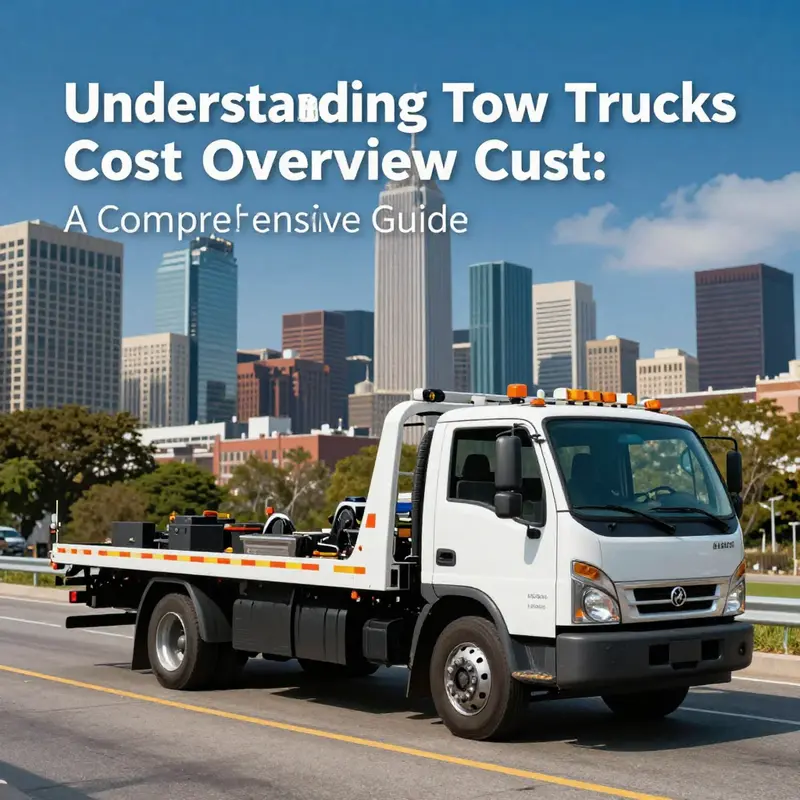
Light-duty tow trucks are the everyday workhorses of roadside assistance. They handle most sedans, SUVs, and small trucks, and their price tag reflects a broad spectrum of configurations and capabilities. Reading current market listings, you can see price ranges that start at a few thousand dollars for a bare-bones towing unit and stretch beyond thirty thousand dollars for a feature-rich flatbed designed to support a busy fleet. The diversity in the light‑duty segment comes from how these machines are built to perform: the rated payload, the drive system, the type of tow bed, and the level of on-board technology. A compact five‑ton light‑duty model might sit at the lower end of the market, with a price around 3,999 dollars in its most economical form. That figure represents a straightforward rescue and tow solution: a truck that can haul standard passenger vehicles and small SUVs, with basic controls and a conventional four‑wheel drivetrain, but without the premium bells and whistles that add cost.
Moving up into the mid‑range, you see models that emphasize reliability and ease of maintenance. These are the workhorses that fleets lean on when they need more frequent service calls or higher miles per day. Listings show three- to five-ton light‑duty rescue tow trucks priced in the neighborhood of 11,500 to 13,500 dollars. In this band, buyers typically get stronger engines and transmissions, improved wheel-lift or basic flatbed configurations, and more durable components. They might still be two‑wheel drive, but they often include enhancements like heavier‑duty winches, better hydraulic systems, and more comfortable cabs with clearer instrumentation. The price difference from the most economical units is a practical reminder that a small increase in capability can translate into fewer breakdowns, faster recoveries, and more predictable performance in a real‑world fleet setting. In formal listings, newer 2‑ton to 4‑ton flatbed units also show a broad range from about 12,800 dollars up to 39,800 dollars, illustrating how configuration and option sets can push price well beyond a simple payload‑based calculation.
As the configuration shifts toward more capable, highway‑ready setups, the cost landscape broadens further. A common category in this space is a four‑by‑two highway rescue tow truck with a larger payload and more refined safety and performance packages. The price range for such configurations is wide—from roughly 15,000 dollars up to 45,000 dollars. The spread is not arbitrary; it reflects choices in chassis strength, engine torque, hydraulic power for the winch and bed, the sophistication of the wheel-lift system, and the level of on‑vehicle electronics, including diagnostic tools, telematics, and driver‑assistance features. Buyers in this tier must weigh the incremental costs against the benefits of faster recoveries, reduced operator fatigue, and better control on high‑traffic corridors. For a fleet that operates near highways or in congestion‑prone areas, those additional features can translate into measurable time savings and safer operations, which in turn affect overall unit economics.
The broadest picture of light‑duty pricing also includes utilities beyond the traditional flatbed and wheel-lift pairings. There are three‑ to five‑ton general‑purpose cargo trucks that can serve as tow vehicles when outfitted for light towing needs or as flexible multi‑use platforms for a fleet with mixed duties. These units can be purchased between about 15,000 and 25,000 dollars, depending on brand, configuration, and whether the bed is simple or more complex with tilt mechanisms, hydraulic assists, or integrated wheel ties. What this means in practice is that a fleet manager with a modest budget can still secure a solid, dependable machine that delivers on basic towing and rock-solid reliability, while a larger budget opens doors to better equipment, longer warranties, and more robust after‑sales support.
Beyond the purchase price, the total cost of ownership must be considered. The initial sticker price is only the tip of the iceberg. A light‑duty tow truck requires a suite of supporting equipment to perform effectively: heavy‑duty winches capable of towing and stabilizing vehicles under load, straps, wheel lifts, and wheel dollies, along with axle pads and safety gear like cones, vests, and flares. In modern operations, many fleets also invest in on‑board technology, including GPS tracking, telematics, and fleet management software. The value of these tools shows up not only in safer operations and tighter dispatch integration but also in more accurate maintenance planning and compliance reporting. A fleet’s ongoing expenses—fuel, routine maintenance, tires, brake service, insurance, and training for operators—continue to accumulate, sometimes quickly, especially for rotator or other high‑end equipment. Those costs tend to rise in direct proportion to the sophistication of the truck and the intensity of use.
Because light‑duty trucks span such a wide range of configurations, negotiating a deal often means requesting multiple quotes and evaluating not just the price, but the value offered for that price. A seller might present a very low price on a basic configuration, but the absence of critical safety systems, limited warranty terms, or higher maintenance costs can erase the apparent savings within a short period. Conversely, a higher upfront price that includes extended warranties, richer safety packages, and more generous service coverage can reduce risk and downtime, which is especially important for fleets that run around the clock. Prospective buyers should also consider delivery times and shipping costs, as these can affect availability and total cost, particularly when units must be sourced from distant suppliers or overseas markets. Some buyers will find that financing or leasing options simplify cash flow and make it easier to refresh equipment on a fixed cycle, which can be advantageous for fleet budgeting.
The decision matrix becomes even more nuanced when you account for operator training and the learning curve associated with new equipment. A more capable machine can demand higher skill to operate safely, and that translates into the need for formal training, sometimes beyond in-house instruction. Insurance costs also scale with the risk profile of the vehicle, its capabilities, and the operator’s experience. In the light‑duty segment, insurers may price higher premiums for vehicles carrying heavier loads, operating in challenging environments, or working in areas with strict regulations around roadside assistance. And as the market introduces more technologically advanced features to reduce risk and increase efficiency, maintenance scheduling becomes more important. The maintenance burden for a flatbed or rotator is not the same as for a simple wheel‑lift unit; rotators, in particular, carry additional complexity and specialized servicing requirements. This is why fleets that anticipate a high volume of complex recoveries might consider a higher initial investment that pays off over years of reduced downtime and improved safety outcomes.
For fleets evaluating light‑duty options, it helps to frame the decision around practical use cases rather than a purely price‑driven approach. If the job is basic car towing and small recoveries in urban environments, the lower end of the spectrum may suffice, providing the durability and simplicity that keep maintenance straightforward and predictable. If the fleet often handles larger sedans, SUVs, or light trucks, and if the dispatch cycle requires frequent pickups in busy corridors, a mid‑range model with a robust hydraulic system and better safety features can offer a more reliable service level, even if the upfront price is higher. For fleets facing high‑volume, time‑critical recoveries—with limited staff and narrow work windows—a higher upfront investment in a road‑ready platform that emphasizes quick, safe recoveries can reduce the total time on each call and thereby extend the effective capacity of the fleet.
Of course, the most responsible approach to budgeting is to consider a lifecycle plan rather than a single purchase snapshot. When forecasting the true cost of ownership, it helps to project repairs and replacements over a typical five- to seven-year horizon. Resale value, which tends to be influenced by the equipment’s utilization, maintenance history, and the evolution of safety and efficiency standards, becomes a meaningful factor in a longer-term financial plan. A well‑maintained light‑duty tow truck can retain value and command a reasonable resale price mid‑life, especially if it remains up‑to‑date on safety features and documentation. In contrast, a neglected unit can hollow out its resale value much more quickly. A careful approach to routine service, periodic system overhauls, and timely replacement of worn components not only preserves performance but also sustains the vehicle’s market appeal at trade‑in or resale time.
To ground these considerations in practical steps, a fleet manager might begin by listing the specific recovery tasks the organization faces—types of vehicles towed, urban vs rural coverage, typical recovery conditions, and average call volume. Next, a methodical comparison across price bands should be made, focusing on the features most relevant to real‑world performance: bed configuration (flatbed vs ramped wheel‑lift), bed length, loading angles, hydraulic speed, and the availability of tilt mechanisms that minimize ground contact for low‑clearance vehicles. From there, a carefully structured procurement plan can be developed, with milestones for supplier outreach, site visits, and pilot testing if possible. The plan should also integrate ongoing training requirements and a schedule for evaluating the equipment’s performance against the fleet’s service level agreements. And as these decisions unfold, keep in mind a practical reminder: price is important, but the alignment of capabilities with the fleet’s typical missions ultimately determines whether the investment pays off in reliability, safety, and efficiency.
In the broader context of managing a roadside assistance operation, the interplay between cost and capability in the light‑duty segment can inform strategic decisions for the entire fleet. The light‑duty category is often the entry point for smaller operations or first steps toward a broader service portfolio. A thoughtful choice here sets expectations and budgets for the heavier, specialty units that may come later as demand for more complex recoveries grows. For managers aiming to balance cost, safety, and performance, the gate to future growth is paved with careful evaluation of how much capacity a given truck provides on typical calls, how quickly it can recover a vehicle, and how much downtime is likely to be involved in maintenance over the course of a year. In other words, the journey from a low‑cost light‑duty starter to a more sophisticated fleet component is not simply a matter of escalating price, but a strategic alignment of the fleet’s mission with the capabilities required to execute it efficiently and safely.
For readers who manage island fleets or other remote service networks, the alignment between equipment choices and emergency readiness becomes even more critical. The operational realities of island or dispersed territories place a premium on reliability and remote serviceability. In those contexts, the light‑duty category often serves as the first line of assistance, stepping in to clear roads, stabilize traffic incidents, and support more complex recoveries as needed. The implications of a well‑chosen light‑duty tow truck extend beyond immediate callouts: they influence response times, incident containment, and the ability to restore mobility with minimal disruption. In such settings, developing a procurement approach that anticipates weather, traffic patterns, and geographic challenges helps ensure that the investment remains a dependable backbone of the network’s resilience. For those who want to explore how an emergency‑ready fleet is structured and managed, a deeper dive into fleet emergency response strategies can provide actionable insights on planning, budgeting, and coordination across units. For instance, the fleet manager might consult the roster of resources and guidelines outlined in the emergency preparedness for island fleets guide, which complements this chapter by offering context on how equipment readiness relates to broader contingency planning. This is where the link to the fleet‑wide safety and resilience framework becomes particularly meaningful, enabling operators to connect the dots between the cost of gear and the performance of the service in critical moments. See the fleet‑level resources and the practical steps for integrating tow truck readiness into emergency planning.
In sum, the cost of light‑duty tow trucks is not a single figure but a spectrum shaped by payload demands, configuration choices, and the priorities a fleet sets for safety, efficiency, and uptime. The numbers—ranging from a few thousand dollars for the simplest unit to several tens of thousands for highway‑ready, feature‑rich platforms—reflect a market tuned to diverse operational needs. Organizations with tight budgets can still secure reliable assets by defining essential capabilities and resisting the urge to over‑specify early in a growth cycle. Those with more expansive missions can justify higher upfront investments by the longer‑term gains in productivity and safety. When coupled with a disciplined approach to maintenance, training, and ongoing monitoring of performance, the light‑duty segment becomes not merely the entry point to a fleet’s asset base but a steady engine that underpins the reliability and responsiveness of the entire operation. And as demand for rapid, safe, and efficient towing continues to rise, the value of careful planning around light‑duty gear—embedded in an integrated fleet strategy—becomes increasingly clear, offering a foundation upon which to build stronger, more capable service networks.
For readers who want to connect this chapter to broader fleet readiness, you can explore practical guidance on emergency preparedness for island fleets. It complements the discussion here by offering context on how equipment readiness supports contingency planning, response times, and overall resilience in isolated or dispersed environments. emergency preparedness for island fleets guide.
Pricing the Powerhouse: A Practical Look at Heavy-Duty Tow Trucks
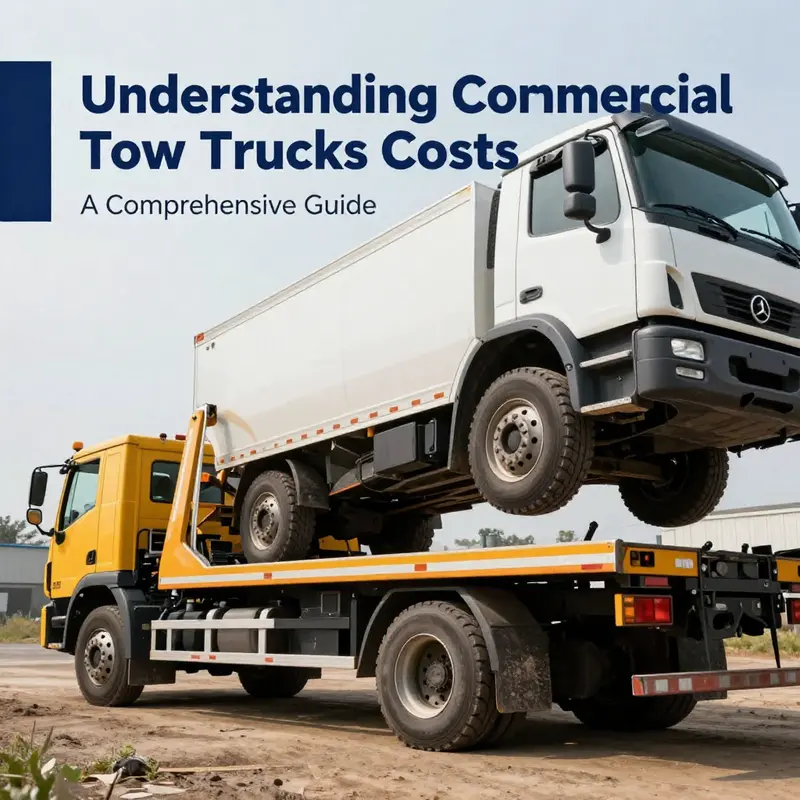
Pricing the Powerhouse: a practical look at heavy-duty tow trucks\n\nHeavy-duty tow trucks balance capacity, durability, and cost. Prices span from the low five figures for basic chassis in smaller markets to six-figure sums for rotator-equipped systems. The main price drivers include maximum load capacity, drive configuration, engine power, hydraulic systems, and whether a rotator or crane is included. Base chassis with a simple wrecker body often falls in the $40,000–$70,000 range, depending on options and regional pricing. Rotators, high-capacity winches, and multi-axle drivetrains push prices upward, with typical new configurations climbing into the six-figure territory and above in many markets. Regional supply chains, customization, and after-sales support also shape total cost of ownership.\n\nWhen evaluating quotes, buyers should focus on expected workload, uptime, and maintenance costs as much as the sticker price. A lower upfront price might incur higher ongoing expenses if reliability or availability is compromised. By aligning needs with capabilities and service networks, fleets can optimize value over the vehicle’s life.\n\nThis discussion highlights a practical approach to budgeting for heavy-duty recovery assets, emphasizing what features deliver true return on investment rather than sticker price alone.
Specialized Tow Trucks: Pricing, Features, and the Calculated Cost of Heavy-Duty Recovery
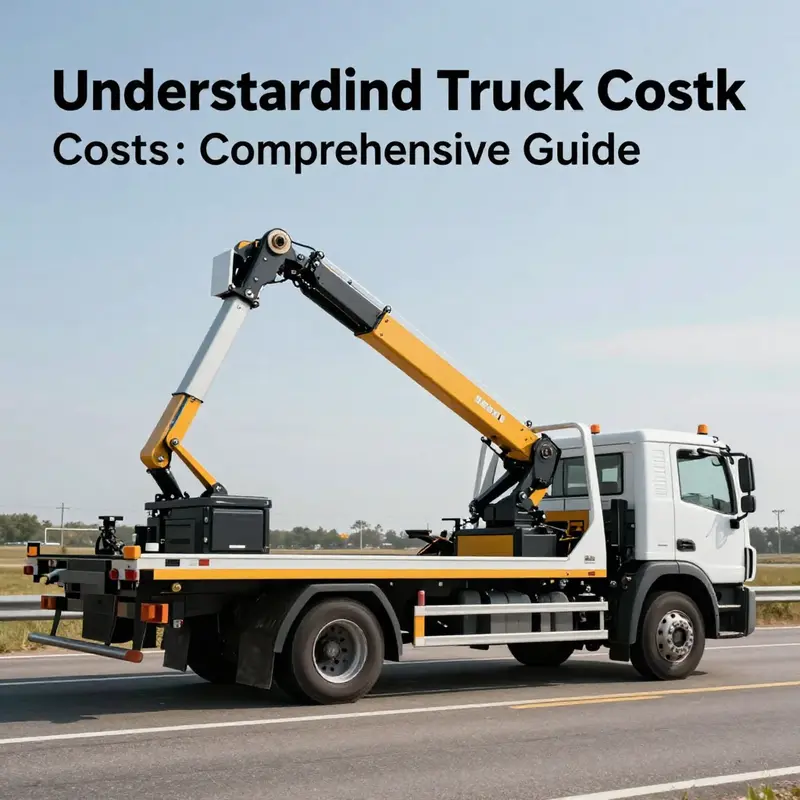
Pricing for specialized tow trucks is not a single number; it depends on capability, configuration, and total cost of ownership. Rotators, flatbeds, 30-ton heavy-duty units, and 6×4 chassis builds sit at different price bands aligned with their duty cycles. Rotators offer reach and multi-axis lifting but command premium. New rotators typically range from about $150,000 to well over $300,000, influenced by lift capacity, reach, safety systems, and controls. The higher upfront cost is offset by faster recoveries, reduced secondary damage, and greater operator safety in complex scenes, though maintenance and training costs add to lifecycle expenditure.
Hydraulic tilting flatbeds provide a safer, versatile option for a broad mix of vehicles. Mid-range flatbeds commonly fall in the lower-middle price tier, roughly from the mid-$50,000s to the mid-$60,000s, with lower maintenance costs and simpler operation compared to rotators. They excel at safe loading of diverse vehicle types and long-distance transport where wheel integrity matters.
For fleets needing more heft, 30-ton heavy-duty recovery units sit in a mid-to-high tier; pricing often ranges around $80,000 to $140,000 depending on configuration, compliance, and export vs domestic use. They balance robust lifting and durable hydraulics with a more moderate price point than top-tier rotators.
A 6×4 chassis-based tow truck, designed for commercial use and high daily utilization, typically lands in a broad band from the mid-$70,000s to about $120,000, depending on customization depth, bed length, and drive configuration. The modular production approach lets buyers tailor capacity and features while maintaining reliable uptime.
Beyond sticker price, total cost of ownership includes equipment lists (winches, straps, dollies, safety gear), maintenance, fuel, insurance, and ongoing operator training. For rotators, training and certification are ongoing commitments, while flatbeds and other configurations emphasize reliability and lower operating costs. When planning budgets, use a total-cost-of-ownership view and compare quotes across suppliers to ensure alignment with workload, safety requirements, and service contracts.
In short, the right specialized tow truck for a fleet depends on balancing the expected workload with the asset’s capabilities and lifecycle costs. Rotators deliver speed and reach for high-severity incidents at a premium; flatbeds offer versatile, economical everyday use; 30-ton and 6×4 configurations provide scalable options for heavy-duty and multi-site operations.
Beyond the Sticker Price: The Total Cost of Ownership Equation for Tow Trucks
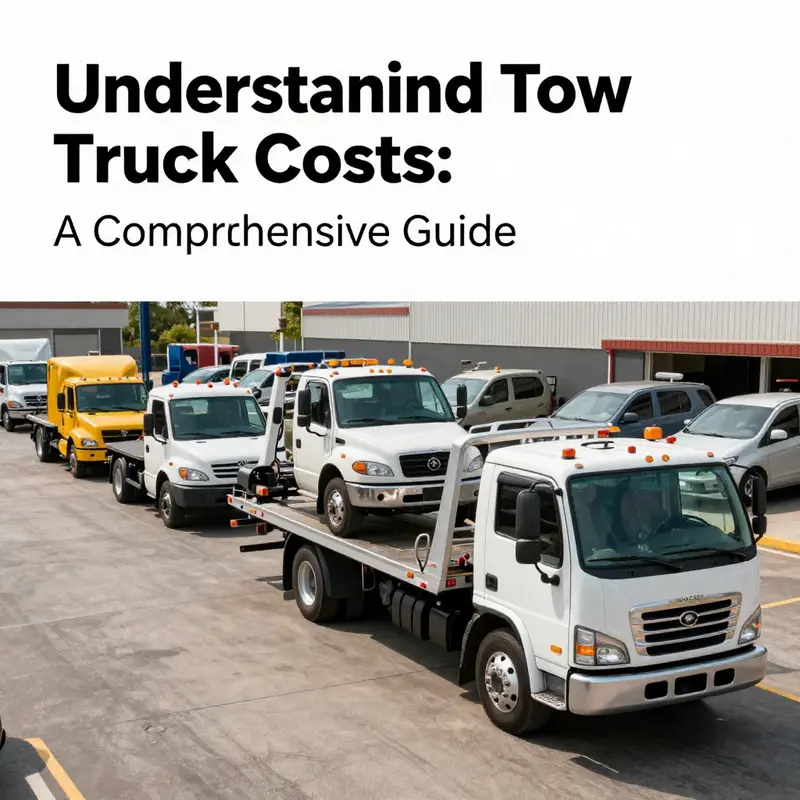
When operators evaluate a tow truck purchase, the sticker price grabs attention but is only the opening move in a longer financial game. The Total Cost of Ownership, or TCO, looks out over a multi-year horizon and includes direct and indirect costs that affect profitability, uptime, and service quality. Framing the decision around a five- to ten-year window helps fleets capture maintenance realities, depreciation, opportunity costs, and resale value, rather than judging a vehicle purely on its upfront price.
Acquisition costs set the stage. The base price varies by configuration—light-duty flatbeds for smaller calls cost less, while heavy-duty, rotating-boom units command higher investments. Modifications, specialized safety equipment, and financing terms all factor into the headline number. Shipping times and delivery fees can subtly shape cash flow and total cost, so many buyers compare quotes to understand the full range of upfront and near-term obligations.
Operating costs take the lead after purchase. Fuel is often the largest recurring expense, and heavier trucks with powerful engines burn more fuel under typical duty cycles. Driver wages, insurance, tolls, and parking fees add to the ongoing burn, and the wear from frequent recoveries translates into higher maintenance needs. Efficient routing, prudent idling, tire management, and careful load handling help contain these costs and improve uptime, which in turn protects revenue during peak periods.
Maintenance and repair are the swing factor in profitability. Regular preventive maintenance reduces unplanned downtime, extends component life, and stabilizes parts and labor costs. Reliability matters: a model with fewer failures delivers more productive hours and steadier dispatch performance, while chronic issues erode margins even if the initial price looked favorable.
Depreciation and resale value matter for the big picture. The name of the game is preserving value through condition, service history, and market demand. High reliability and documented maintenance can lift resale prospects, partially offsetting the cash outlay and ongoing operating costs. More demanding duty cycles tend to accelerate depreciation, while prudent utilization can preserve value longer.
Administrative and management costs complete the model. Fleet software, telematics, training, and regulatory compliance add to the annual burden but also enable safer, more efficient operations. In mature fleets, these costs can be meaningful, yet they often pay back through better planning, lower risk, and more predictable budgeting.
In practice, a TCO analysis helps a fleet decide between a lower upfront price and a higher-functioning, more durable option. A basic unit may save money today but incur higher maintenance costs and longer downtime, while a more capable truck may deliver steadier performance and lower operating costs over five years. The result is a practical balance: the configuration that minimizes downtime, optimizes fuel use, and preserves resale value while meeting dispatch needs and growth plans.
To execute a robust TCO, buyers should seek detailed, itemized quotes that separate acquisition, financing, modification, and operating costs. Model inputs should reflect realistic fuel consumption, maintenance schedules, and expected utilization patterns. When all elements are aligned in a transparent model, managers gain a clearer view of true ownership costs and can justify capital decisions on long-term value, not just upfront price.
The TCO framework also benefits from external benchmarks and industry guidance. While market conditions shift, a disciplined approach—grounded in a defined service life, multiple scenarios, and period-specific cost data—helps fleets stay prepared for changes in fuel prices, technology, and regulation. A structured reference can anchor projections and ensure that lifecycle cost thinking remains relevant across procurement cycles.
Ultimately, the ROI of a tow truck reflects disciplined analysis over the vehicle’s life. A TCO-focused approach, paired with proactive maintenance, driver training, and data-driven management, supports reliable service, safety, and profitability over time. By aligning equipment choices with dispatch demand and strategic goals, fleets can navigate the tradeoffs between upfront price and long-term value with greater confidence.
Final thoughts
Navigating the landscape of tow truck costs can initially seem daunting, yet with a clear understanding of the various classifications—light-duty, heavy-duty, and specialized trucks—you can better estimate the necessary investment for your business. Each type of tow truck caters to different needs, reflecting specific price points and operational capabilities. By considering the total cost of ownership—ranging from initial purchase to maintenance and operational expenses—you can make strategic decisions that enhance your service offerings and operational efficiency. This knowledge empowers you to align your towing solutions with your business goals and customer needs, ensuring you are well-prepared for whatever challenges lie ahead.