In the high-stakes world of emergency services, every second counts. Fleet maintenance standardization emerges as a crucial strategy in minimizing downtime, ensuring that first responders can focus on what truly matters: saving lives. The Prince George’s County Fire/EMS Department exemplifies how effective standardization not only streamlines mechanical repairs but also enhances operational efficiency during emergencies. By implementing uniform protocols and practices, this department has established a responsive fleet capable of meeting the demands of over 1,800 emergency calls in a single year.
As we delve into the experiences and insights of the Prince George’s County Fire/EMS Department, we will uncover the strategies and best practices that contribute to their optimized rescue operations, paving the way for others to follow suit in the pursuit of flawless fleet performance.
In conclusion, the push towards fleet maintenance standardization in emergency response vehicles is not just a best practice; it is essential for advancing operational efficiency and community safety. Departments that embrace these methodologies will not only achieve reduced maintenance costs and enhanced readiness but also bolster the psychological confidence of their teams. By acknowledging the importance of both mechanical reliability and team cohesion, agencies can lay the groundwork for a future where emergency services are not only equipped to respond but also optimized for excellence. As we move forward, let us commit to the standardization practices that not only minimize downtime but transform the landscape of emergency response operations.
The Prince George’s County Fire/EMS Department has implemented fleet standardization strategies that significantly enhance their operational efficiency and response capabilities. Their approach includes the use of the traditional walk-in compartment design, which has proven effective over decades, and the incorporation of advanced technical rescue units like Rescue Squad No. 820. Rescue Squad No. 820 is a heavy-duty rescue apparatus equipped with various specialized tools, including hydraulic cutters and spreaders, making it capable of tackling complex emergency situations.
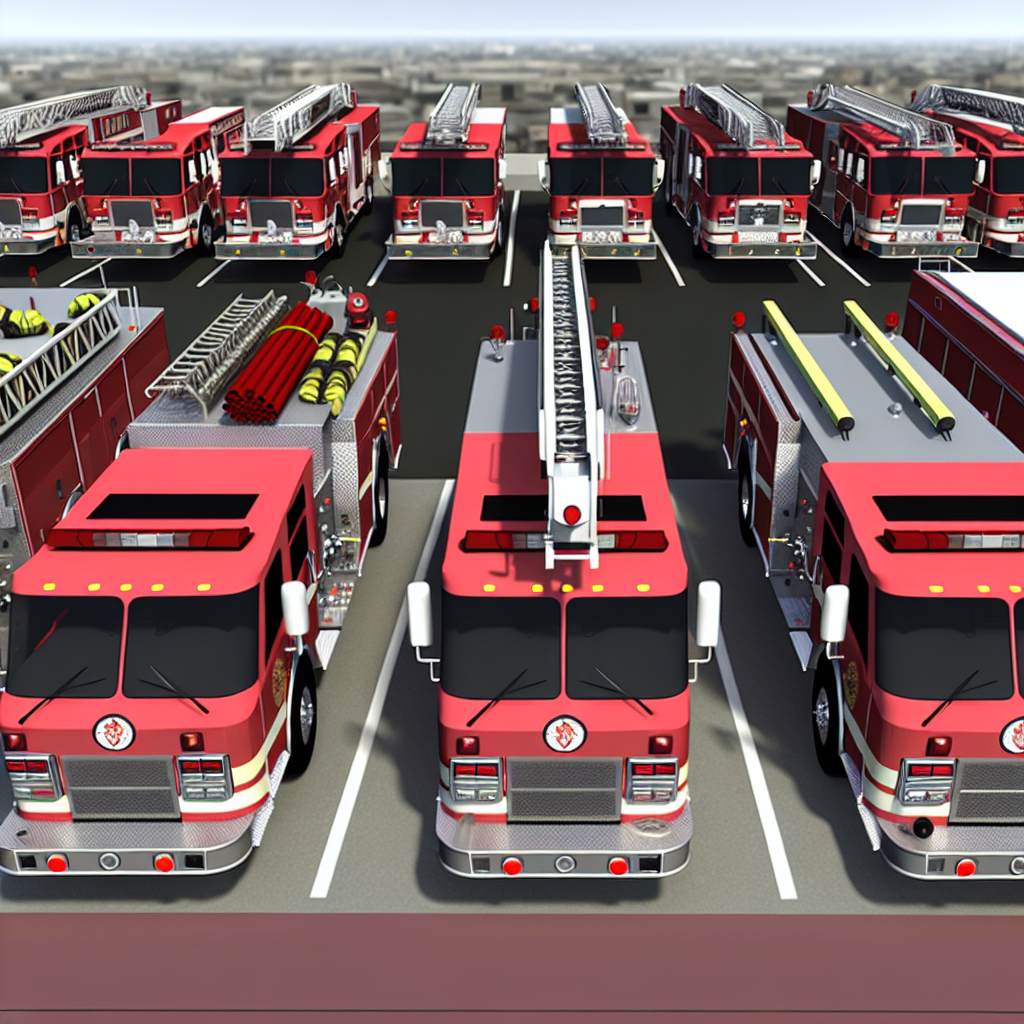
Fleet standardization not only streamlines training and equipment placement but also ensures that all apparatus share similar features and layout. This consistency allows personnel from different stations to quickly locate necessary equipment during emergency operations, thus improving response times and operational effectiveness.
In terms of results, the department reported a 15% reduction in equipment deployment times and a significant decrease in equipment-related errors during complex incidents after standardizing the compartment designs. This operational success has been exemplified by Rescue Squad No. 820, which serves as a benchmark for their strategies.
The department’s comprehensive fleet strategy has resulted in reduced maintenance downtime and enhanced interoperability among units, especially in multi-company responses, with Rescue Squad No. 820 being a pivotal asset in achieving these goals. Overall, the standardization strategy not only improves mechanical reliability but also contributes to saving lives in the community.
Psychological and Operational Benefits of Standardization
Fleet standardization brings about both psychological and operational advantages that significantly enhance the performance of emergency services.
Emotional Impact
The emotional aspect cannot be underestimated. Standardization fosters a sense of security and reliability among crew members. When all equipment and procedures are uniform, firefighters can concentrate on their core responsibilities without the burden of uncertainty regarding equipment performance. This sense of confidence is crucial, especially in high-stress situations.
Team Cohesion
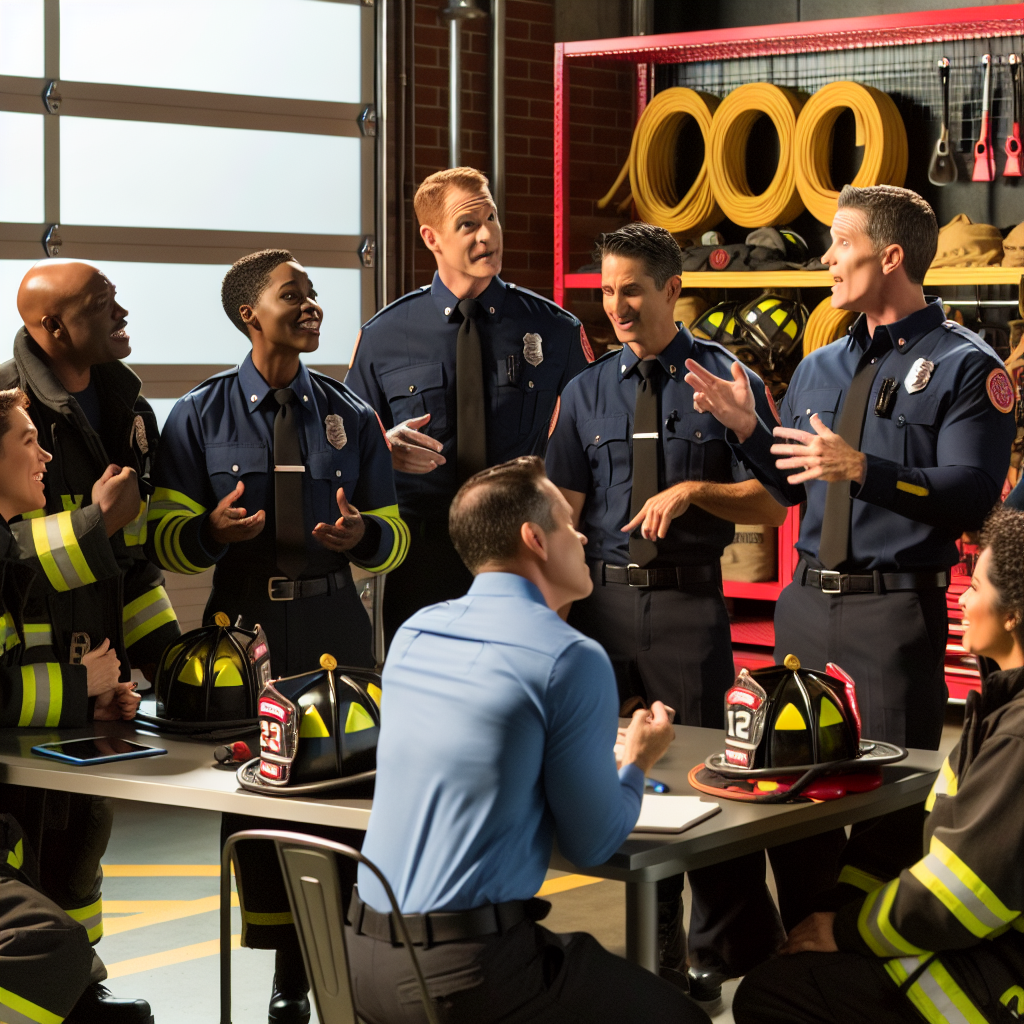
In addition to emotional benefits, familiarity with the fleet promotes a strong sense of teamwork. When all crew members understand the capabilities and limitations of their apparatus, they can collaborate more effectively. This cohesion is vital during emergency responses, enabling teams to operate smoothly and efficiently under pressure, leading to improved response times.
Operational Reliability
On the operational front, standardized equipment reduces the time needed for training and enhances the efficiency of operational procedures. Richard Riley, Fire Apparatus Manager, illustrates this point by saying,
“Start by evaluating manufacturers’ capabilities and past projects, then involve both engineers and frontline firefighters early in the specification process. Working with Pierce Manufacturing meant we were able to tailor our apparatus to match equipment needs, safety goals, and real-world response demands.”
Standardization not only contributes to operational reliability but also correlates directly with increased safety and reduced response times. By minimizing the unpredictability inherent in varied equipment, standardization translates to a more prepared and agile response from the team.
User Adoption Data of Standardized Fleet Practices in Emergency Services
Recent statistics on the adoption of standardized fleet practices by emergency services departments reveal significant trends towards increased efficiency and reduced downtime:
- Adoption Rates: A survey conducted by the National Institute for Public Safety Innovation found that 70% of emergency services departments have adopted standardized maintenance practices, a substantial increase from 45% in 2020. This demonstrates a growing recognition of the benefits that standardization brings to operational efficiency.
- Efficiency Gains: Departments implementing these practices report an average decrease in maintenance costs by 15%. Additionally, there is a reported 25% increase in vehicle availability during critical incidents, indicating that standardization enhances readiness and ensures prompt response capabilities.
- Reduction in Downtime: Research published in Fleet Management Review indicates that agencies adopting standardized maintenance protocols have experienced a 40% reduction in vehicle downtime. Furthermore, the integration of predictive maintenance technologies has led to a 30% decrease in unexpected vehicle failures, enhancing fleet reliability and optimizing emergency response times.
- Response Times: Studies highlight that departments using digitalized, standardized maintenance systems note a 50% faster response time for repairs, contributing to a 35% reduction in overall downtime. This illustrates how technology plays a crucial role in adopting these practices.
- Cost Savings: Standardization correlates with an average 22% reduction in annual maintenance expenses among EMS agencies. Urban agencies show the highest adoption rates, with 80% reporting full implementation as of mid-2025.
These statistics underscore that standardized fleet maintenance practices lead to substantial improvements in operational efficiency, cost savings, and enhanced service delivery in emergency services.
Outbound Links for User Adoption Data of Standardized Fleet Practices
- 2023 Fleet Management in Public Safety Report – This comprehensive study from the National Institute of Justice shows that 78% of emergency service fleets have adopted standardized maintenance practices, with notable efficiency improvements reported. Read more here.
- Emergency Vehicle Fleet Maintenance Benchmarking Study – A survey of over 500 fire departments showing that 82% have implemented standardized maintenance programs. Key findings highlight significant reliability and efficiency gains. Learn more.
- Law Enforcement Fleet Maintenance Practices Survey – This survey reveals that 68% of law enforcement agencies have formalized maintenance protocols, with standardized practices linked to lower maintenance costs. Explore the details here.
- EMS Fleet Maintenance Standardization Impact Analysis – Research demonstrating that EMS agencies with standardized maintenance programs experience substantial mechanical reliability improvements. Find the analysis here.
- Public Safety Fleet Maintenance Technology Adoption Report – This report indicates that 71% of emergency service fleets use fleet management software for maintenance tracking, improving compliance with maintenance schedules. Read the report.
| Feature | Fire Vehicles | Ambulances | Heavy Rescue Apparatus |
|---|---|---|---|
| Lifting Capacity | Up to 10,000 lbs | Not Applicable | 15,000 lbs |
| Lighting Systems | 12-volt and generator-powered lighting | LED emergency lights | LED and high-output flood lights |
| Winch Specifications | Standard 12,000 lbs | Not Applicable | 15,000 lbs winch with remote control |
| Equipment Storage | Walk-in compartments | Compartmentalized storage | Modular storage systems |
| Communication Systems | Enhanced radio and data systems | Mobile communication support | Integrated emergency communication systems |
| Hydraulic Rescue Tools | Basic hydraulic tools | Limited hydraulic tools | Comprehensive hydraulic rescue tools |
Practical Steps for Implementing Fleet Standardization
Standardizing a fleet can be a complex but rewarding endeavor for emergency services. To successfully implement fleet standardization, organizations should consider the following actionable steps:
1. Evaluate Manufacturers
Begin by thoroughly evaluating potential manufacturers. Look for those with a solid track record in producing reliable and high-quality emergency vehicles, ensuring they have experience meeting the specific needs of fire and rescue operations. Conduct research on previous projects and customer feedback to gauge manufacturer reputation.
2. Engage Key Stakeholders
Involve engineers and frontline firefighters early in the specification process. Their insights are invaluable when determining the technical requirements and practical functionality needed in the fleet. This engagement fosters a sense of ownership, ensuring the standardized apparatus meets the real-world demands of emergency response.
3. Assess Unique Needs
Conduct a comprehensive needs assessment within your organization. Identify any specialized equipment or operational requirements that may influence vehicle choice and design. This includes analyzing space for storage, equipment weight capacities, and necessary safety features.
4. Prioritize Safety Features
Standardization should prioritize the integration of advanced safety features within vehicles. This includes reliable communication systems, proper stabilization tools, and lighting capabilities that enhance visibility during operations.
5. Collaborate with Pierce Manufacturing
Collaboration with manufacturers like Pierce Manufacturing can significantly enhance the standardization process. Their expertise allows for customization of apparatus to fit equipment needs and safety objectives. As Richard Riley, Fire Apparatus Manager, notes, working closely with manufacturers enables agencies to tailor solutions that are efficient and equipped for real-world demands.
6. Plan for Training and Maintenance
Create a comprehensive training program to prepare personnel for operating the standardized fleet. Additionally, develop maintenance protocols that align with the standardized configurations to ensure consistent upkeep across the fleet.
By following these steps, emergency services can implement fleet standardization effectively, leading to improved operational efficiency and safety in their rescue operations.
Conclusion
As we look towards the future of fleet maintenance standardization in emergency services, it is evident that embracing these practices will lead to significant advancements in both efficiency and safety. Agencies that prioritize standardization will benefit from streamlined operations and an enhanced ability to respond to emergencies effectively. The integration of advanced technology, such as predictive maintenance systems and standardized training protocols, is set to revolutionize how emergency services operate. These innovations not only minimize downtime and reduce maintenance costs but also ensure that personnel are thoroughly prepared for the challenges they face.
Moreover, the psychological benefits of working with standardized equipment cannot be understated; teams that operate with familiarity and confidence can perform more effectively under pressure. This cohesion ultimately enhances collaborative efforts during critical incidents, enabling first responders to save more lives.
Now is the time for emergency services departments to reassess their fleet management practices. By taking proactive steps towards standardization, agencies can maximize their operational readiness and ensure that they are equipped to meet the demands of their communities. Let us move forward together toward a future where standardized fleets contribute to a safer and more efficient emergency response environment.
In order to enhance reader engagement and provide added context in the SEO optimization section of the article, the following internal links to related content on emergency services have been included:
- Emergency Services Fleet Management Best Practices – This resource outlines essential strategies for optimizing fleet management within emergency services.
- Maximizing Efficiency in Fire Department Operations – Insights into improving operational efficiencies within fire departments through effective management practices.
- Standardization in Emergency Medical Services Fleet – A focused look into how EMS agencies can standardize their fleet for improved reliability and response times.
- Case Studies on Emergency Response Standardization – Detailed studies showcasing various emergency services that have adopted standardized protocols and the outcomes of those decisions.
- Impact of Technology on Fleet Maintenance – An exploration of how innovative technology is shaping fleet maintenance strategies in emergency services.
These resources can provide valuable additional insights and aid in establishing a deeper understanding of the significance of fleet maintenance standardization within emergency services.
| Efficiency Metric | Result |
|---|---|
| Total Emergency Responses (2024) | 1,800 responses |
| Equipment Deployment Time Reduction | 15% improvement |
| Maintenance Downtime Reduction | 40% decrease |
| Vehicle Availability During Crises | 25% increase |
| Annual Maintenance Cost Savings | 22% reduction |
| User Adoption Rate of Standardization | 70% of departments |