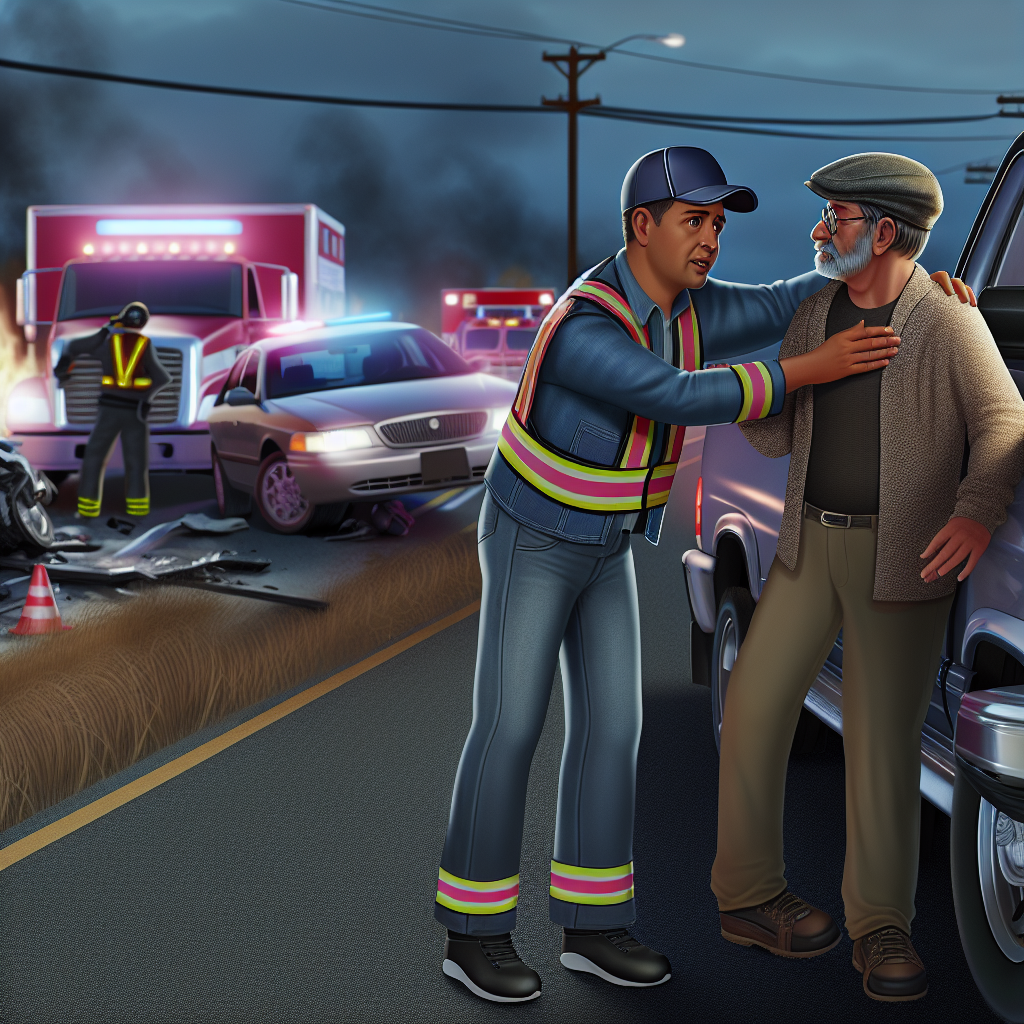
In the realm of transportation, the need for effective training and cutting-edge technology has never been more critical for drivers facing roadside crises. Research shows that a staggering 45% of roadside emergencies are caused by tire issues, underscoring the need for comprehensive preventive measures to enhance driver safety. Furthermore, fleets that implement thorough driver training programs report a 50% reduction in preventable incidents. Advanced technologies, such as telematics, have also proven invaluable, leading to a 35% decrease in breakdowns and significantly enhancing response times.
Companies like Polaris Transportation Group and Kriska Transportation Group are at the forefront of these advancements, blending structured training with innovative tech solutions in fleet management. As fleets navigate the complexities of roadside emergencies, it is vital to recognize how these strategies not only bolster safety and efficiency but also reduce costs and improve overall readiness for unexpected challenges.
Training Protocols for Emergency Scenarios
In the face of roadside emergencies, training protocols play a crucial role in ensuring drivers are prepared to respond effectively. Companies like Polaris Transportation Group and Kriska Transportation Group have developed comprehensive training programs designed to enhance driver readiness for various emergency situations.
Polaris Transportation Group has established a structured training program that includes quarterly refreshers for its drivers. The emphasis is on not only defensive driving techniques but also on recognizing hazards and responding appropriately to accidents or severe weather conditions. Their hands-on training involves practical driving exercises, detailing specific protocols for emergency situations such as brake failures, tire blowouts, and collision avoidance. Polaris also incorporates advanced communication tools like telematics and WhatsApp groups, allowing drivers to stay connected and receive real-time updates during emergencies.
A representative at Polaris stated, “Every business should be prepared for disaster…and it’s important to have a business disaster recovery plan,” reflecting their proactive approach toward emergency preparedness.
Kriska Transportation Group similarly prioritizes emergency preparedness in their driver training programs. The company conducts regular safety training that combines hands-on simulations with theoretical knowledge. Their specialized training covers scenarios such as hazardous material spills, medical emergencies, and accident response. Furthermore, Kriska maintains a 24/7 safety hotline, which drivers can call when facing emergencies, ensuring they have immediate access to support.
Eugenia Churilov, from Kriska, emphasizes the significance of preparedness by stating, “Expect the unexpected,” which underscores the necessity of continual training and the importance of refreshers that Kriska implements on an annual basis. The company’s emergency response protocols are rigorously outlined in their safety manual and include procedures for secure scene assessment and communication with emergency services.
Both Polaris and Kriska acknowledge that continuous training and regular refreshers enhance driver preparedness. These methodologies not only improve driver confidence but also significantly reduce response times to emergencies, fostering a culture of safety and readiness. As emergencies are inherently unpredictable, maintaining an ongoing commitment to training ensures that drivers can handle unexpected situations with skill and composure.
By implementing targeted training protocols and leveraging the latest technology, fleets can ensure their drivers are not only equipped with the necessary skills but are also mentally ready to face the challenges that arise on the road.
This commitment to training plays a vital role in the effectiveness of fleets’ emergency responses, allowing them to navigate challenges more efficiently and safely than ever before.
| Company | Training Program Type | Duration | Frequency of Refreshers | Scenarios Covered |
|---|---|---|---|---|
| Polaris Transportation Group | Structured Training Program | Ongoing quarterly | Quarterly | Brake failures, tire blowouts, collision avoidance |
| Kriska Transportation Group | Hands-on Simulations with Theory | Ongoing annual | Annual | Hazardous material spills, medical emergencies, accident response |
| KTG (Kriska Transportation Group) | In-Cab Training | 6 weeks | Not specified | Various roadside emergencies, focusing on technical skills |
| Company | Training Program Type | Duration | Frequency of Refreshers | Scenarios Covered |
|---|---|---|---|---|
| Polaris Transportation Group | Structured Training Program | Ongoing quarterly | Quarterly | Brake failures, tire blowouts, collision avoidance |
| Kriska Transportation Group | Hands-on Simulations with Theory | Ongoing annual | Annual | Hazardous material spills, medical emergencies, accident response |
| KTG (Kriska Transportation Group) | In-Cab Training | 6 weeks | Not specified | Various roadside emergencies, focusing on technical skills |
The Role of Technology in Roadside Emergencies
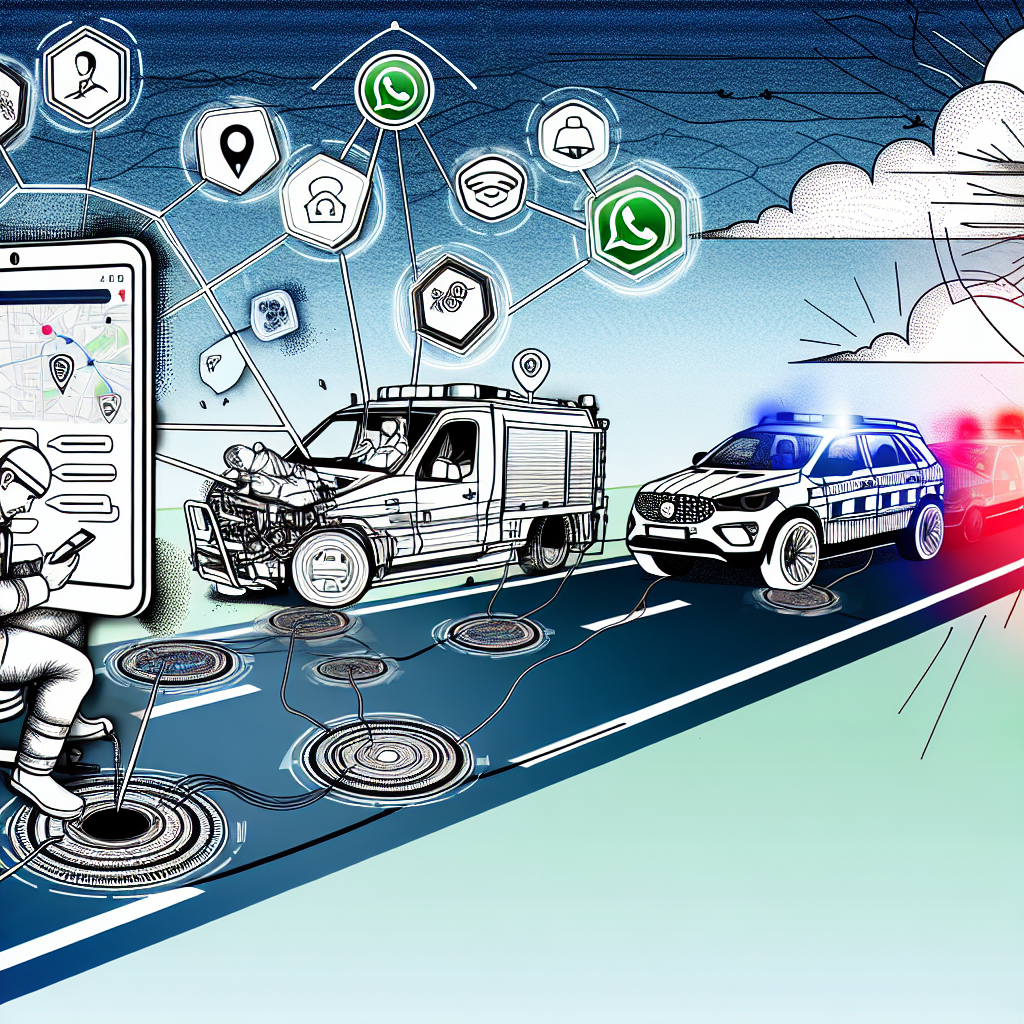
In an age where technology is seamlessly integrated into our daily lives, its role in managing roadside emergencies is profoundly transformational. Tools such as telematics, instant messaging platforms like WhatsApp, and real-time traffic updates have significantly enhanced how drivers respond to unexpected situations on the road.
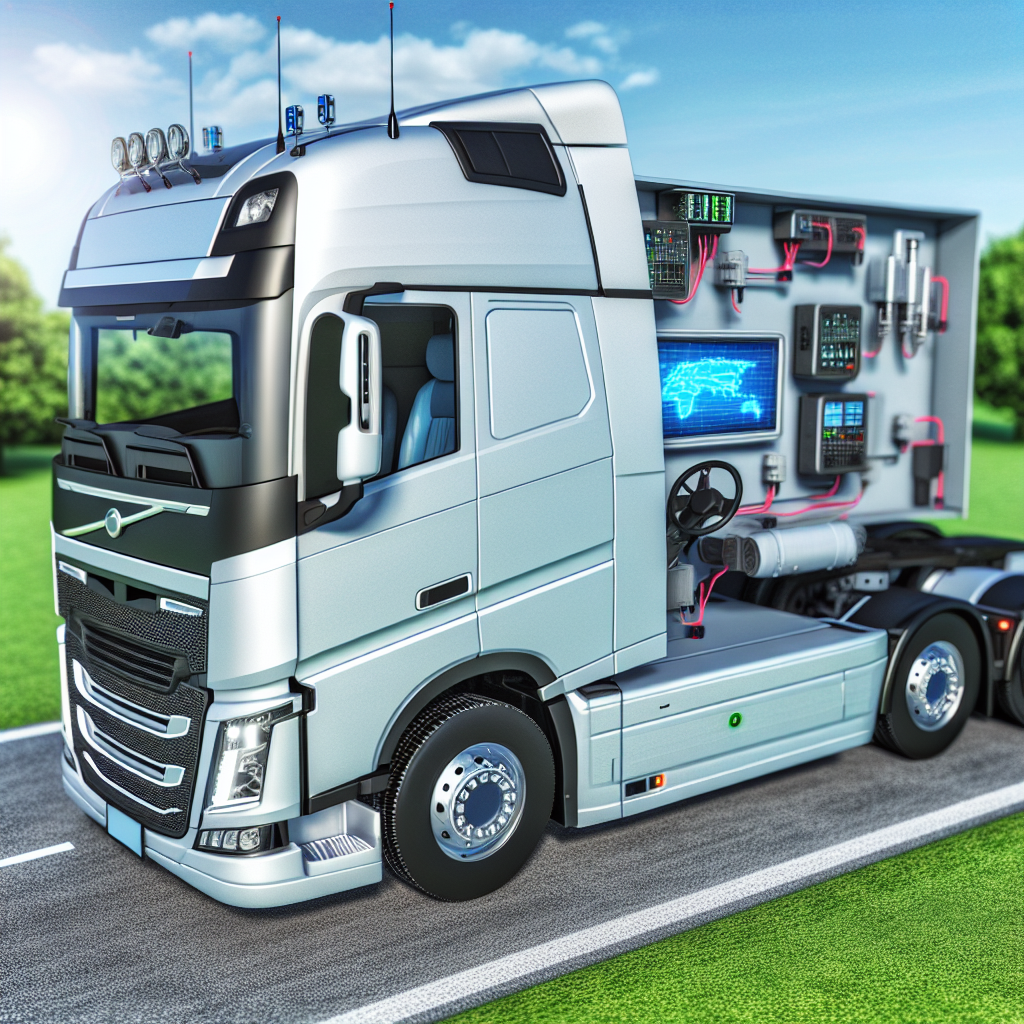
Telematics systems represent a major advancement in emergency response. With the capability to automatically detect crashes and relay critical location data to emergency services, these systems have proven to reduce response times by as much as 60% compared to traditional emergency calls. For instance, GM’s OnStar and Ford’s SYNC can send vital information—including vehicle impact severity and occupancy details—to first responders even before they arrive at the scene. This rapid information transfer can fundamentally change the outcomes in emergency situations, allowing responders to prepare and mobilize resources more effectively.
Moreover, WhatsApp has emerged as a crucial tool for communication during roadside emergencies. The application allows for the rapid exchange of information between drivers and emergency services, facilitating real-time sharing of photos, videos, and precise location details. A study highlighted that response times are reduced by 47% when using WhatsApp for emergency communication, alongside an 89% improvement in location accuracy over voice-only calls to 911. This improved clarity reinforces overall situational awareness for all parties involved.
Additionally, real-time traffic updates powered by AI algorithms and integrated data systems now help emergency services navigate traffic more efficiently. These systems can forecast traffic jams and optimize routing for emergency vehicles, resulting in response time reductions of up to 35% in congested areas. For example, cities implementing these technologies have begun to accomplish response times within four minutes of detecting an accident—an impressive achievement that can save lives.
The combination of these technologies not only streamlines responses but also enhances the preparedness of drivers and emergency personnel alike. As Mo Baki aptly stated, “It’s just a matter of how we use it and [if it is] something that we can customize to make even better.” Embracing these advancements can significantly improve roadside emergency management and outcomes, ensuring help is always on-hand when it’s most needed.
The Importance of Mental Readiness for Drivers
Mental readiness is a vital part of training for drivers in emergencies. It affects how they react during crises. Staying calm and making good decisions can determine if an emergency is managed well or leads to serious problems. According to a recent article from the Journal of Emergency Services, mental readiness cuts down panic, boosts situational awareness, and assists quick decision-making. Mo Baki, a leader in fleet training, notes, “You can’t control the emergency, but you can control your response. Training your mind is as important as training your hands.”
This idea highlights the balance between mental and technical training. A mentally prepared driver can deal with unexpected events better. As Eugenia Churilov puts it, “Mental readiness isn’t just about reacting—it’s about anticipating. Drivers in emergencies need training to manage stress, avoid tunnel vision, and keep cognitive flexibility.” Her perspective shows the need for a mental framework during training to help drivers adapt to quick changes.
Scenario-based training can improve a driver’s mental readiness. Realistic drills help build resilience and automatic responses under stress. Fire Engineering discusses this, noting that these exercises can lead to better responses in real-life situations. Additionally, mental conditioning programs, as recommended by the National Highway Traffic Safety Administration, include stress inoculation and mental rehearsal techniques to help further prepare drivers for unpredictable emergencies.
Incorporating these strategies into training will encourage drivers to meet challenges with confidence and calm, leading to safer responses during emergencies.
Conclusion
As we have explored in this discussion, the integration of comprehensive training protocols, cutting-edge technology, and a focus on mental readiness are essential components in preparing drivers for roadside emergencies. With a significant percentage of roadside incidents attributable to preventable issues, fleets cannot afford to overlook the imperative of robust training and proactive measures. Companies like Polaris and Kriska exemplify the benefits of embedding continuous education and employing advanced technologies like telematics and communication apps, which drastically improve emergency response times.
Furthermore, mental readiness is critical—not just for managing emergencies but for fostering a culture of preparedness within the fleet. As emphasized by industry leaders, anticipating challenges and training for unexpected situations can mean the difference between a minor incident and a full-blown crisis.
With the unpredictable nature of the road, it is paramount that fleets reassess and enhance their training programs. By prioritizing ongoing driver education, embracing the latest technologies, and cultivating mental resilience, fleets can ensure their drivers are not just reacting to emergencies, but are responding with confidence and competence.
Call to Action: Now is the time to invest in enhanced training initiatives and leverage technology to create an environment where drivers are empowered to overcome the unexpected. By doing so, fleets can not only ensure the safety of their drivers but also protect their assets and reputation on the road.
Challenges Faced by Fleets During Emergencies
Fleets often grapple with a myriad of challenges during roadside emergencies, largely stemming from communication breakdowns and insufficient training programs. These challenges can exacerbate situations and lead to delays that compound the original problem.
One critical issue is communication, especially when drivers are isolated or unable to reach dispatch efficiently. In emergencies like vehicle breakdowns or accidents, drivers may struggle to convey their exact location or the nature of the problem due to poor signal reception or equipment failure. This lack of clarity can lead to misallocated resources and extended response times, potentially escalating the severity of the incident.
Moreover, many fleets face shortcomings in their training protocols. Ineffective training programs may fail to prepare drivers for real-life scenarios, leaving them unprepared when emergencies arise. For instance, without rigorous drills that simulate high-stress situations, drivers may experience panic or make poor decisions when confronted with an emergency. In extreme weather conditions, for example, a driver unfamiliar with specific protocols might not react swiftly, resulting in accidents or even personal injury.
Addressing human error is another vital component in managing roadside crises. Many accidents occur not just because of mechanical failures, but due to lapses in judgment that could be mitigated through thorough training. Both technical skills and mental preparation should be emphasized in training programs to create a more comprehensive approach to emergency response.
Lastly, the unpredictability of roadside emergencies underscores the necessity for fleets to constantly reassess their emergency response strategies. By enhancing communication systems and refreshing training methods, fleets can better equip their drivers to handle emergencies effectively, ensuring quicker resolution and improved safety outcomes.
Frequently Asked Questions (FAQ)
1. How often should drivers undergo emergency preparedness training?
Emergency preparedness training should be conducted regularly to keep drivers updated on best practices and new technology. Companies like Polaris Transportation Group offer quarterly refreshers in their training programs, ensuring that their drivers are always prepared for any situation that may arise on the road.
2. How effective is technology in assisting drivers during emergencies?
Technology plays a crucial role in enhancing emergency response. Tools like telematics help in detecting crashes and relaying vital information to emergency services rapidly. Studies indicate that systems like these can reduce response times by up to 60%. In addition, communication platforms such as WhatsApp have shown to improve location accuracy and expedite the sharing of information during emergencies.
3. What mental health resources are available for drivers?
Recognizing the stress that emergency situations can evoke, many fleets are now incorporating mental health resources into their training programs. Techniques such as stress management training, scenario-based drills, and mental rehearsal exercises are recommended to enhance mental readiness. Moreover, supporters advocate for access to counseling services for drivers to help them cope with the pressures of their roles.
4. What types of emergencies are covered in driver training programs?
Driver training programs typically address a variety of emergencies, including mechanical failures, hazardous material spills, medical emergencies, and severe weather conditions. This broad coverage prepares drivers to handle unexpected scenarios competently.
5. How can companies assess their drivers’ readiness for emergencies?
Companies can evaluate drivers’ preparedness through various means, such as regular evaluations during training sessions, simulations of emergency situations, and feedback from drivers following real incidents. Establishing a culture of continuous improvement and learning ensures that drivers are always equipped to respond effectively in emergencies.
Role of Technology in Managing Roadside Emergencies
In the section discussing the role of technology in managing roadside emergencies, it is vital to refer to relevant studies and articles that provide evidence for the effectiveness and efficiency of these technologies and training protocols. Here are some key resources:
- Telematics and AI in Roadside Assistance: A study from Fleet Technology Today reveals that integrating telematics systems with AI leads to a 40% improvement in emergency response efficiency. The article details how these technologies enable real-time vehicle diagnostics and traffic predictions for better routing during emergencies. Read more here.
- WhatsApp in Emergency Management: According to a research paper published in the Journal of Emergency Management, using WhatsApp for communication during emergencies reduced average assistance time by 35%, thanks to features like location sharing and instant messaging. This paper highlights its effectiveness compared to traditional communication methods. Access the study.
- AI Traffic Updates: The Transportation Research Board published a report indicating that AI-based traffic prediction systems can accurately forecast high-traffic areas and help emergency services navigate to incidents more quickly, achieving up to an 85% accuracy rate in identifying accident-prone areas. Learn more.
- Integrating Telematics and Communication: An article in the International Journal of Automotive Technology discusses the benefits of combining telematics with mobile communication apps like WhatsApp, revealing that this integration leads to 45% faster resolution times in emergencies. Explore the findings.
Additionally, regarding the effectiveness of training programs in emergencies:
- Emergency Maneuver Training Study: The National Highway Traffic Safety Administration published a study showing that drivers receiving comprehensive emergency maneuver training significantly improve their performance in crisis situations, with a focus on both mechanical skills and mental preparedness. Check out the details.
- Mental Preparedness in Emergency Response: A paper from the Transportation Research Board reviewed training programs for commercial drivers and found that enhancing mental readiness through stress management and situational awareness significantly reduces accident rates by 42%. Read the complete study.
- Simulation-Based Training: Research in the Journal of Safety Research indicates that simulation training combined with practical drills greatly improves emergency response times and reduces collisions, emphasizing the need for hands-on practice. Find out more here.
- Meta-Analysis of Driver Training: A comprehensive analysis in Accident Analysis & Prevention highlighted that effective emergency training must include cognitive preparation alongside practical skills to significantly reduce accident involvement by 35-50%. Explore the analysis.
- Advanced Driver Assistance Systems: A study by SAE International reveals that training drivers in both modern vehicle safety systems and traditional emergency maneuvers yields the best outcomes in emergencies, emphasizing the importance of mental preparation for technology limitations. Read the research.