Imagine the freedom of hitting the open road, with endless possibilities for adventure in your RV. Each journey is an invitation to explore the breathtaking landscapes and charming towns that stretch across this great country. However, behind the allure of the open road lies a critical reality that every RV traveler must face: the intricate web of towing laws and insurance requirements.
Navigating these regulations can feel daunting, bringing with it the fear of unpreparedness and potential setbacks. Understanding the laws that govern your travels is not just about compliance; it’s about ensuring your safety and peace of mind. No one plans to encounter legal troubles or insurance complications while pursuing their dream vacation. The more informed you are, the more you can focus on the joy of your travels without that lingering sense of anxiety.

Common Towing Laws for RVs
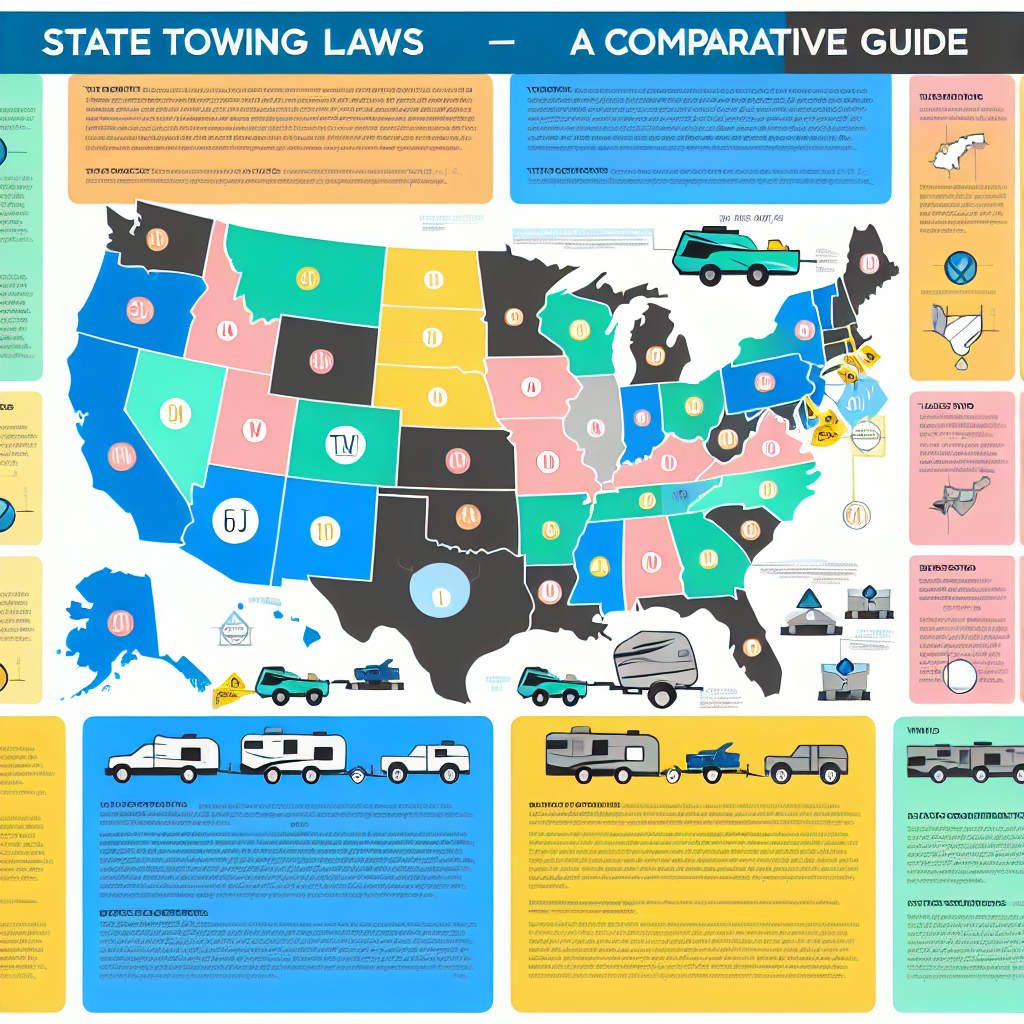
When it comes to towing RVs, understanding the common laws across different states is critical for safety and compliance. This intricate landscape includes weight limits, safety regulations, and mandatory equipment, all of which can vary significantly from state to state.
The general rule is that many states set the threshold for when a vehicle must stop at a weigh station at 10,000 pounds. However, this figure can be lower or higher depending on state-specific laws.
For instance, Montana requires business-owned RVs over 8,000 pounds to stop at weigh stations. Conversely, Virginia has a lower threshold of 7,500 pounds. Such discrepancies underline the need for RV travelers to be aware of the laws pertinent to their routes.
In many states, trailers exceeding 3,000 lbs are required to have brakes and safety chains. According to Andersen Hitches, “Cars, trucks, and trailers can be involved in serious accidents if weight limitations are exceeded or the trailer is improperly secured.” Safety chains, lighting, and mirrors that extend visibility by at least 200 feet are also recommended to enhance road safety.
Statistics show that over 70,000 people were involved in RV accidents in 2003, primarily due to issues relating to exceeded weight limits, which hinder maneuverability and braking. The National Highway Traffic Safety Administration emphasizes the importance of adhering to these laws. They state, “Most states require you to get trailer brakes when the trailer exceeds a certain weight limit and poses maximum towing speeds, which can be as low as 25 miles per hour.”
For instance, the Fifth Wheel ST highlights different practices allowed by various states. For example, triple towing is permitted in 28 states but banned in others, including California. Therefore, travelers should take the time to look into each state’s regulations regarding RV towing.
A common misconception is that all RVs are treated the same. Regulations around riding in towed RVs or campers differ widely. For example, California allows this practice with specific conditions, while many others do not.
In conclusion, understanding the nuanced laws concerning RV towing is not just about legal compliance. It is crucial for safe travel. As the saying goes, “Know the laws in each state you pass through.” Ensuring adherence to these regulations can lead to safer journeys and fewer legal complications. The challenges of RV travel in this domain underscore the importance of preparation and knowledge, leading to a smoother experience on the road.
| State | Weigh Station Requirement | Weight Limit at Weigh Station | RVs Over Weight Limit |
|---|---|---|---|
| Arkansas | Stop required | 10,000 lbs | All vehicles over 10,000 lbs |
| Georgia | Stop required | 10,000 lbs | All vehicles over 10,000 lbs |
| Montana | Stop required | 8,000 lbs | Business-owned RVs over 8,000 lbs |
| Missouri | Stop required | 18,000 lbs | All vehicles over 18,000 lbs |
| Virginia | Stop required | 7,500 lbs | All vehicles over 7,500 lbs |
| Others | Varies | 10,000 lbs or above | Varies based on state |
Insurance Considerations When Towing an RV
Towing an RV brings about unique insurance implications that travelers must navigate to ensure they are well-protected on the road. A common misconception among RV owners is that their standard auto insurance will cover both the RV and the vehicle being towed. However, many policies explicitly exclude coverage when a vehicle is being towed. As such, it is essential to understand the potential coverage gaps and take necessary precautions.
Types of Insurance to Consider
- Liability Coverage for Both Vehicles: Ensure that you have liability coverage that extends to both your RV and any towed vehicles. Many standard RV policies only cover the RV itself, leaving tow vehicles vulnerable in the event of an accident.
- Dinghy or Towed Vehicle Insurance: Seek out specialized coverage for any dinghy vehicles or trailers that are being towed behind your RV. Some insurance companies offer endorsements or separate policies that cover these situations, protecting against damages and liability during towing.
- Uninsured/Underinsured Motorist Coverage: Given the complexities of fault determination in towing accidents, having adequate uninsured/underinsured motorist (UM/UIM) coverage is crucial. This ensures that you are protected in the event that you are in an accident with a driver who lacks sufficient insurance.
- Roadside Assistance: Opt for comprehensive roadside assistance that includes both your RV and the towed vehicle. This makes certain that you have support in case of breakdowns, regardless of the vehicle in question.
Tips for Adequate Protection
- Verify Policy Provisions: Always review your insurance policy thoroughly to understand what is covered and what is excluded. Get written confirmation from your insurance provider that coverage is valid while towing.
- Document Your Set-Up: Take photographs of your hitch and towing setup. This could be beneficial for any potential insurance disputes that may arise.
- Consider Additional Coverage: Depending on your travel habits, additional coverage such as vacation liability might be useful, as this can protect you against incidents that occur while using your RV.
In summary, understanding the insurance implications of towing an RV is vital for peace of mind on your travels. By ensuring comprehensive coverage and following recommended practices, RV travelers can mitigate risks and focus on enjoying their adventures ahead!
Authoritative Sources on RV Insurance
To provide you with reliable information about RV insurance, we have compiled a list of authoritative sources that delve into the types of coverage, requirements, and considerations you should be aware of:
-
Best RV Insurance Companies Of 2025 – Forbes Advisor
This article discusses key RV coverage types offered by various insurers, emphasizing the importance of adequate liability limits and specialized policies for full-time RVers. -
How to Find the Best RV Insurance – NerdWallet
Here you’ll find essential information regarding basic RV policies, including liability, comprehensive, and additional coverages necessary for RV safety. -
Recreational Vehicle (RV) Insurance – Insurance Information Institute (III)
Comprehensive overview of RV insurance types, state-required coverages, and optional protections to ensure financial security for RV travelers. -
RV Insurance Coverage Options & Requirements – NAIC
This guide outlines state-specific liability requirements for RVs and emphasizes the unique nature of coverage needed for both motorized and towable RVs. -
Do You Need Insurance for Your RV or Camper? – Progressive Commercial
This resource provides clear legal requirements for RV insurance, highlighting differences for motorized and towable RVs along with minimum state liability limits. -
RV Insurance: What You Need to Know – National General Insurance
Explains the specific minimum liability requirements for motorized RVs across states and the tailored coverages necessary for full-time RV living. -
Recreational Vehicle Insurance Guide – California Department of Insurance
A state-specific look at RV insurance requirements, including liability limits and advice on additional coverages that may be beneficial for RV owners.
Consequences of Non-Compliance
For every adventurous RV traveler, the joy of exploring new frontiers comes with important responsibilities, particularly when it comes to towing laws and insurance requirements. Ignoring these regulations, however enticing the call of the open road, can lead to a cascade of dire consequences.
Legal Repercussions
Imagine cruising down a picturesque highway, only to be pulled over for a towing violation. Suddenly, what was meant to be a moment of bliss turns into a stressful encounter with law enforcement. Fines for non-compliance can escalate quickly, often reaching upwards of $1,000 for violations such as improper weight distribution or lack of required equipment, as seen in California. For more severe breaches, like towing without adequate safety chains or brakes, RV travelers risk misdemeanor charges that can lead to court appearances and community service.
As laws vary from state to state, ignorance does not excuse a traveler from liability. In Idaho, for example, fines can range from $67 to $300, along with potential jail time. Failure to comply can ultimately lead to vehicle impoundment, leaving travelers stranded and financially burdened, forcing them to evaluate the expensive error of their ways. Imagine arriving at your destination only to discover that your dream getaway has unraveled into a nightmare of legal complexities and unwanted fees.
Financial Consequences
The financial repercussions extend far beyond immediate fines. Non-compliance can dramatically increase insurance premiums or, worse, lead to denied claims altogether in the event of an accident. For instance, accidents stemming from improper towing often involve costly repairs, medical bills, and loss of belongings. This can lead RV owners to face out-of-pocket expenses that cripple their travel budgets!
Statistics reveal that a significant number of RV accidents—many caused by inadequate towing practices—result in property damage and personal injury claims. The emotional toll of being involved in such an incident cannot be understated. A simple mistake—like failing to check weight limits or disregarding towing regulations—can haunt travelers with guilt and anxiety during what should be a relaxing retreat.
Real-Life Incidents and Emotional Distress
Accounts of RV accidents due to towing failures are alarmingly common. For example, failures in hitching a trailer correctly have led to devastating highway collisions, sometimes resulting in severe injuries or fatalities. Those involved may grapple with lifelong consequences, not just physically but psychologically. The weight of guilt can plague RV owners; their lack of preparation has transformed a moment of exploration into trauma.
Additionally, the hassle of dealing with insurance companies after a violation or accident only adds to the distress. The feelings of anxiety and fear over potential penalties can overshadow future travels, creating a cloud of uncertainty and fear that follows like a shadow. It is essential for RV travelers to recognize that understanding and adhering to towing laws and insurance requirements is more than just formality—it’s about ensuring a safe, enjoyable journey without the looming threat of disastrous consequences.
In conclusion, ignorance may feel blissful until reality hits hard. Non-compliance is a serious matter; the risks are not just financial but deeply emotional, and they can mar what should be cherished memories of adventure and exploration. Being proactive about understanding towing laws and insurance requirements is vital for every RV enthusiast to transform the dream of exploration into cherished memories, free of legal burdens and financial distress!
Best Practices for RV Safety When Towing
Whether you are a seasoned traveler or new to RVing, prioritizing safety while towing can make all the difference in ensuring a smooth journey. Implementing the following best practices can help you prepare adequately, conduct essential maintenance checks, and adhere to safety protocols.
Preparation Tips
- Plan Your Route: Prior to departing, map out your journey, paying attention to road conditions, highway restrictions, and low bridges that may pose challenges for larger vehicles.
- Check Weight Limits: Ensure that your RV and its load do not exceed the weight limits for both the towing vehicle and the RV itself. This includes any cargo, passengers, and the trailer.
- Test Your Equipment: Before hitting the road, test your connections, brakes, and lights. Make sure that everything is functioning correctly to avoid road mishaps.
Maintenance Checks
- Inspect Tires: Check tire pressure and tread before each trip. Properly inflated tires reduce the risk of blowouts and improve fuel efficiency.
- Examine Hitch and Coupling: Ensure that the hitch is securely attached and that the coupling mechanism is locked. Regularly lubricate moving parts to ensure smooth operation.
- Brake Inspection: Inspect the brakes of your towing vehicle and the RV. Ensure they are in proper working condition and do not show signs of wear.
Safety Protocols
- Stay Within Speed Limits: Adhere to posted speed limits and reduce speed in adverse conditions. Towing requires more time to stop, making it vital to maintain safe speeds.
- Use Proper Mirrors: Install wide-angle mirrors to enhance visibility around your trailer, ensuring you can see vehicles in your blind spots.
- Practice Defensive Driving: Remain vigilant on the road, anticipating potential hazards. Always provide extra space between your vehicle and others.
- Emergency Preparedness: Keep an emergency kit in your RV that includes tools, first-aid supplies, and basic necessities like water and non-perishable snacks. Ensure that you have a spare tire and tools to change a tire, especially in remote areas.
By following these best practices for RV safety while towing, you can significantly mitigate risks and enhance your travel experience. The combination of thorough preparation, diligent maintenance, and adherence to safety protocols will help ensure that your adventures remain enjoyable and worry-free.
Recent Data on RV Travel Insurance Claims
Understanding the landscape of RV travel insurance claims is crucial for travelers seeking to navigate their insurance needs effectively. Here are some relevant statistics and insights based on recent findings:
- Claims Statistics: In 2023, over 25,000 RV-related insurance claims were filed across the US, indicating a significant frequency of incidents that require coverage.
- Types of Claims:
- Weather Damage: Approximately 15% of claims are attributed to weather-related incidents, emphasizing the importance of comprehensive coverage that includes protection against such risks.
- Theft: About 10% of claims involve theft, amounting to roughly $50 million annually in losses due to RV thefts. These figures highlight the security concerns RV owners face and the need for specialized coverage that addresses these vulnerabilities.
- Accidents and Non-Collision Losses: Common causes of claims include accidents—be it single- or multi-vehicle—and non-collision incidents such as water damage, which reiterates the necessity for thorough insurance policies.
- Trends and Considerations: Trends show that weather-related claims are increasing, while the RV insurance market is projected to grow significantly, driven by a rise in RV ownership and outdoor activities.
- COVID-19 Impact: The pandemic brought about significant changes, with a massive increase in insurance claims linked to health policies and cancellations. RV travel became a safer alternative during this time, which elevated the need for updated insurance that covers pandemic-related issues.
In summary, RV travelers should focus on comprehensive insurance policies that cover accidents, weather damage, theft, and other unique risks. Understanding these statistics and trends can help RV owners make informed choices about their insurance coverage.
In conclusion, understanding towing laws and insurance considerations is paramount for every RV traveler eager to embrace the open road. Knowledge of these regulations is not just about avoiding fines or legal troubles; it is essential for ensuring safety on journeys that hold the promise of adventure and exploration. Travelers are encouraged to diligently research state-specific laws, as each state has unique regulations that vary significantly.
Furthermore, comprehensive insurance coverage that adequately protects both the RV and any towed vehicles is crucial. By prioritizing these aspects, RV enthusiasts can enjoy peace of mind, allowing them to fully savor the joys of their travels. Ultimately, preparation and awareness not only foster a safer journey but also contribute to building a well-regulated RV community. So pack your bags, plan your routes, and embark on your next adventure with confident knowledge and readiness!
SEO Keywords for RV Travelers
Incorporating related SEO keywords such as RV safety regulations and insurance for RV travelers is essential for enhancing the visibility of your content.
Importance of RV Safety Regulations
Understanding RV safety regulations not only helps in complying with legal standards but also ensures the safety of travelers.
Tips on RV Insurance
When it comes to being an RV traveler, having the right insurance for RV travelers is crucial. This not only covers potential accidents but also provides peace of mind while on the road.